This is an explainer, not a news report: why reporting on the climate crisis matters, how the craft is holding up, and what good climate journalism looks like.
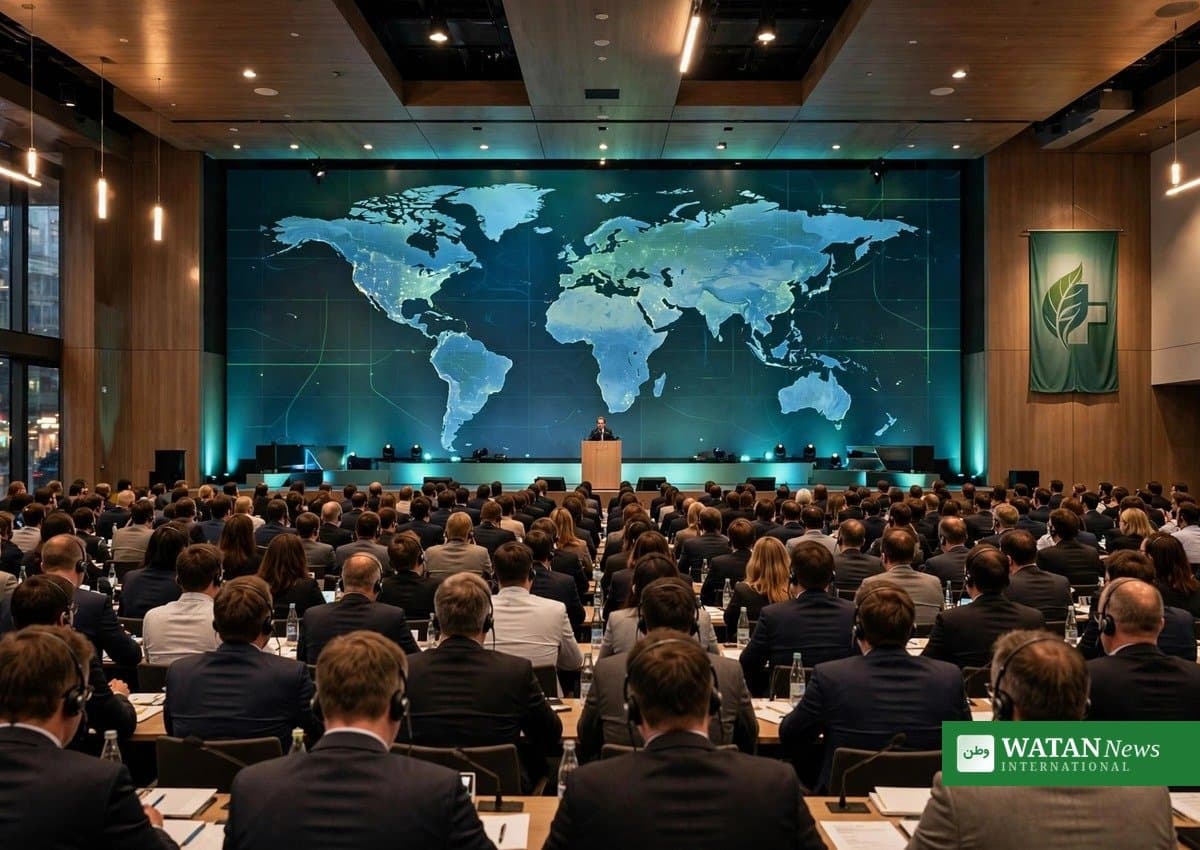
Every climate target, every negotiation and every adaptation plan depends on one invisible ingredient: people understanding what is happening. That understanding is built — or broken — by journalism. As the world heads toward COP31 in Antalya, the reporters covering the climate story are under more pressure, and matter more, than ever.

A profession under pressure
Climate journalism is growing in prestige even as parts of the news industry pull back. The 2026 Covering Climate Now Journalism Awards, now in their sixth year, drew more than 1,200 entries from journalists in dozens of countries, judged by a panel of 120 journalists from over 30 countries. The organizers describe the moment bluntly: lifting up excellence in climate reporting is particularly important now, because some newsrooms around the world have retreated from climate coverage even as the effects of a warming planet become more urgent.
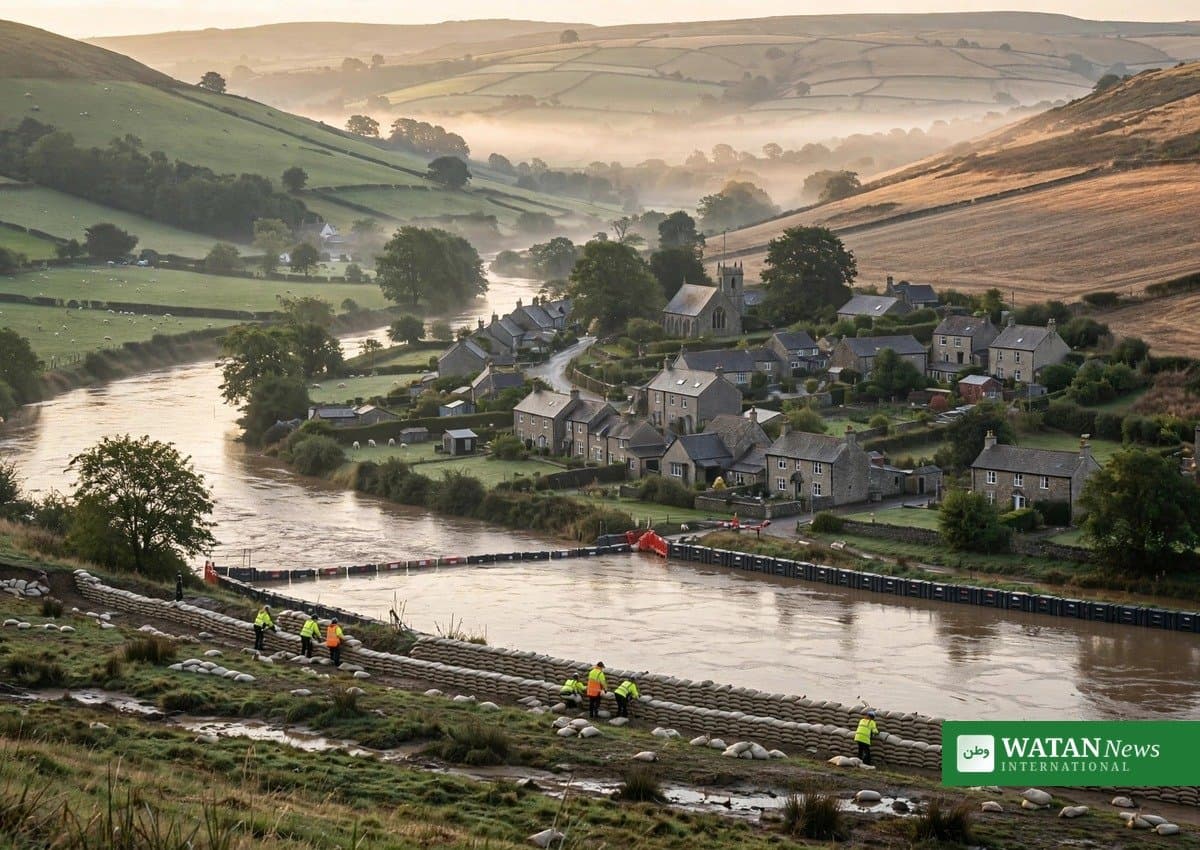
The winning work shows the range the field now demands: investigations into flooding crises far worse than official data admitted, on-the-ground reporting on the toll of power-hungry data centres across Asia, and Congolese researchers working to bring the little-studied Congo Basin into the global scientific record.
What good climate journalism looks like
The strongest climate reporting does four things at once:
It follows the evidence
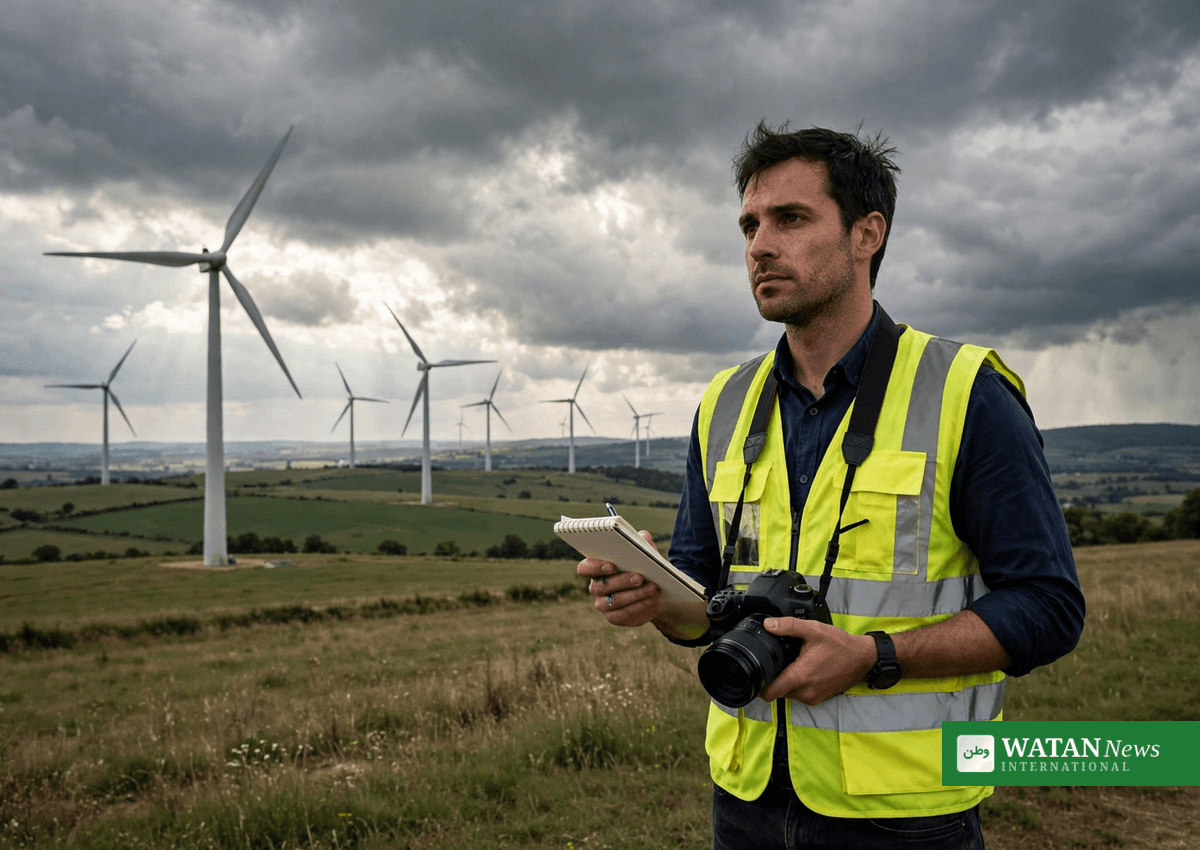
From satellite data to local testimony, rigorous climate journalism grounds every claim in verifiable fact — the same standard this desk applies to every story.
It centres people
Behind every emissions curve are communities: farmers, coastal residents, youth activists. The journalists honoured this year — including Kim Min-wook of South Korea’s MBC News, Roli Srivastava of India’s The Migration Story, and Sammy Roth of the Climate-Colored Goggles newsletter — were recognised not only for reporting skill but for serving the public and mentoring younger journalists.
It covers solutions, not just disasters
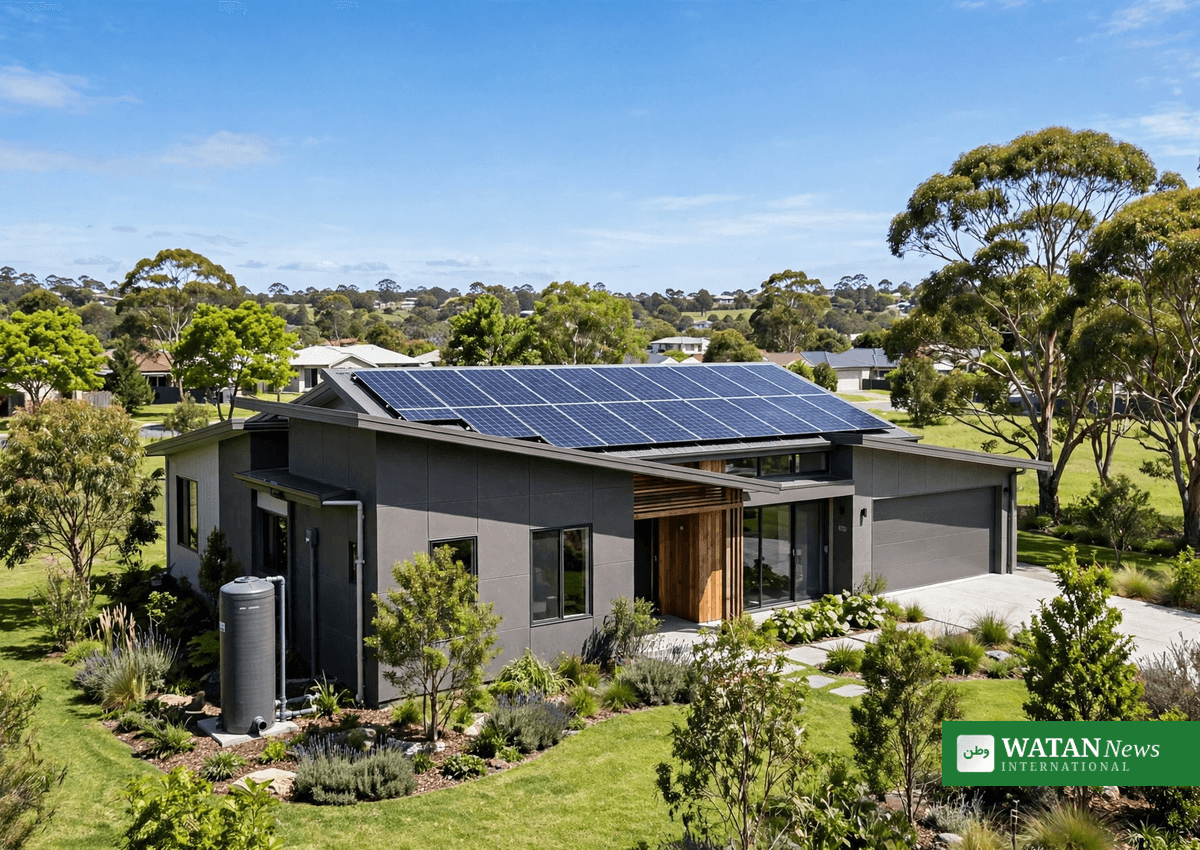
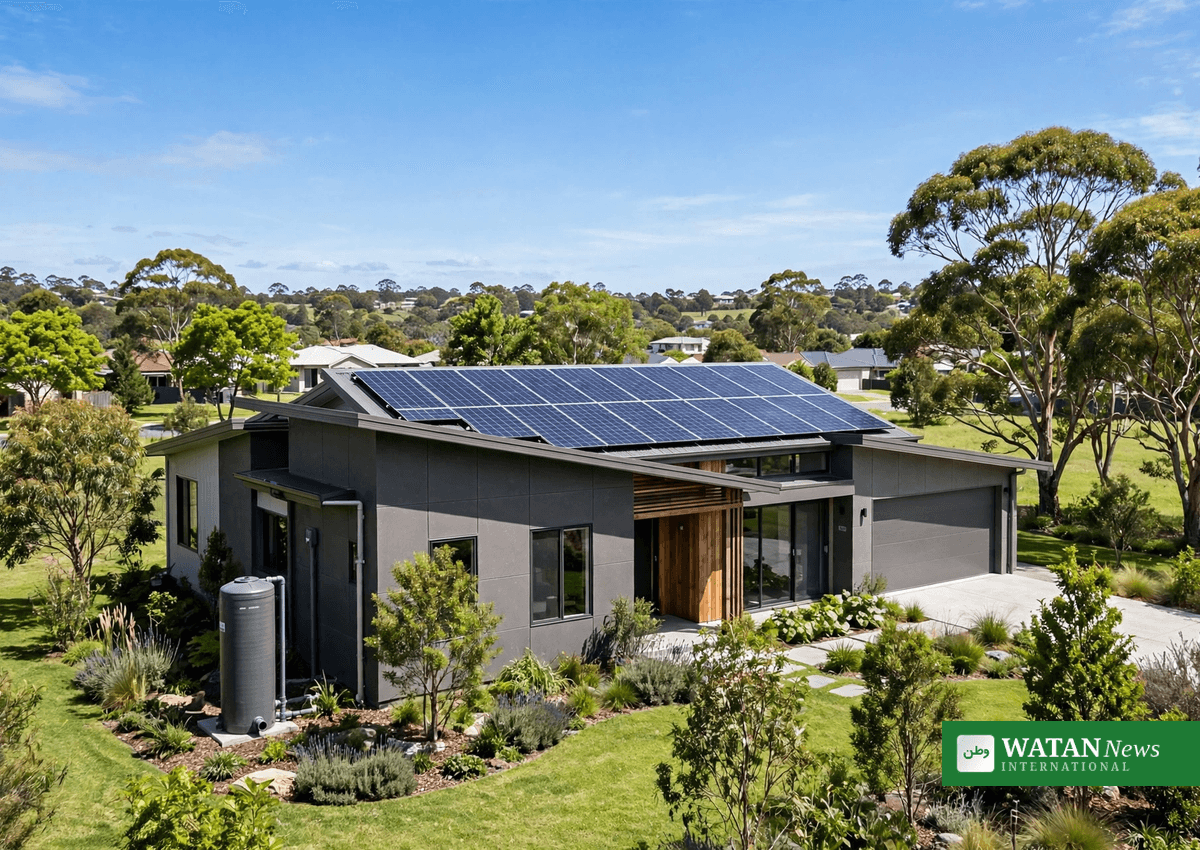
Reporting on what works — from solar mini-grids to urban adaptation — gives audiences agency instead of despair. Covering Climate Now maintains a dedicated solutions category for exactly this reason.
It holds power to account
From greenwashing to broken climate finance promises, journalism is the mechanism by which pledges made at summits like COP31 are checked against reality.
Key facts: climate journalism in 2026
- 1,200+ entries from dozens of countries competed in the 2026 Covering Climate Now Journalism Awards
- 120 journalists from 30+ countries judged the awards
- 14 subject categories, from solutions and justice to health
- Fiona Harvey of The Guardian received the second-ever Lifetime Achievement award for decades of climate reporting
- COP31 in Antalya (9–20 November 2026) will test whether climate coverage translates into public pressure
Why it matters for the road ahead
Policies are only as strong as the public scrutiny behind them. When journalists document both the crisis and the solutions — accurately, persistently, and for all audiences — they give citizens the information needed to demand delivery, not just promises. That is the quiet, essential work on which every climate summit ultimately depends. Follow our media and journalism coverage at Watan News in English.