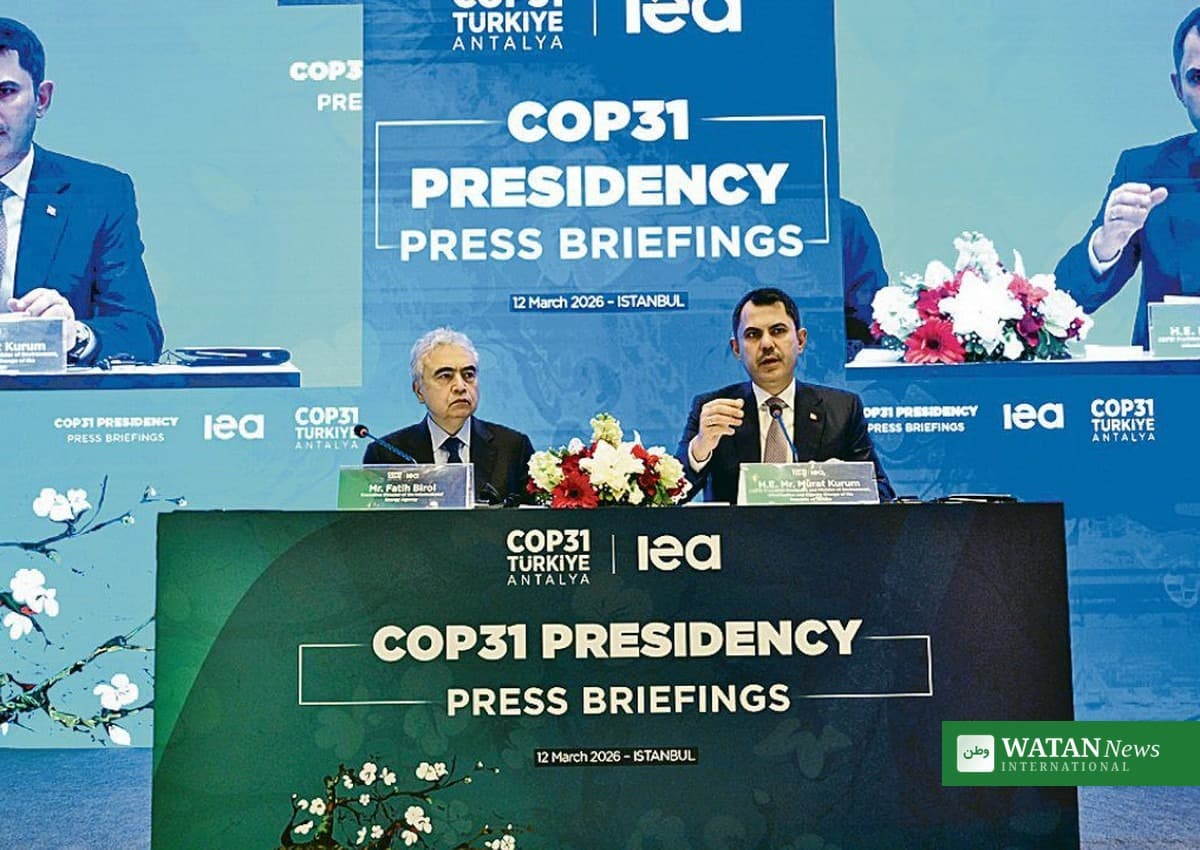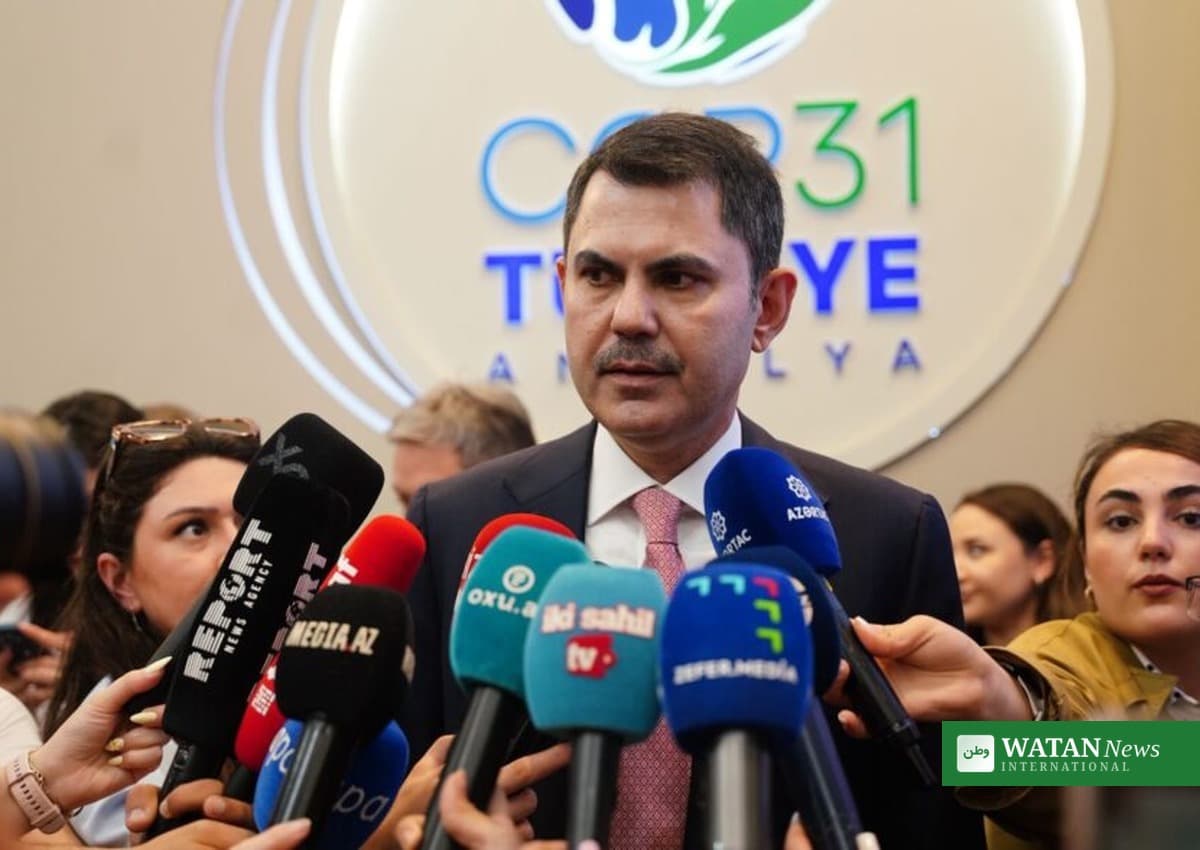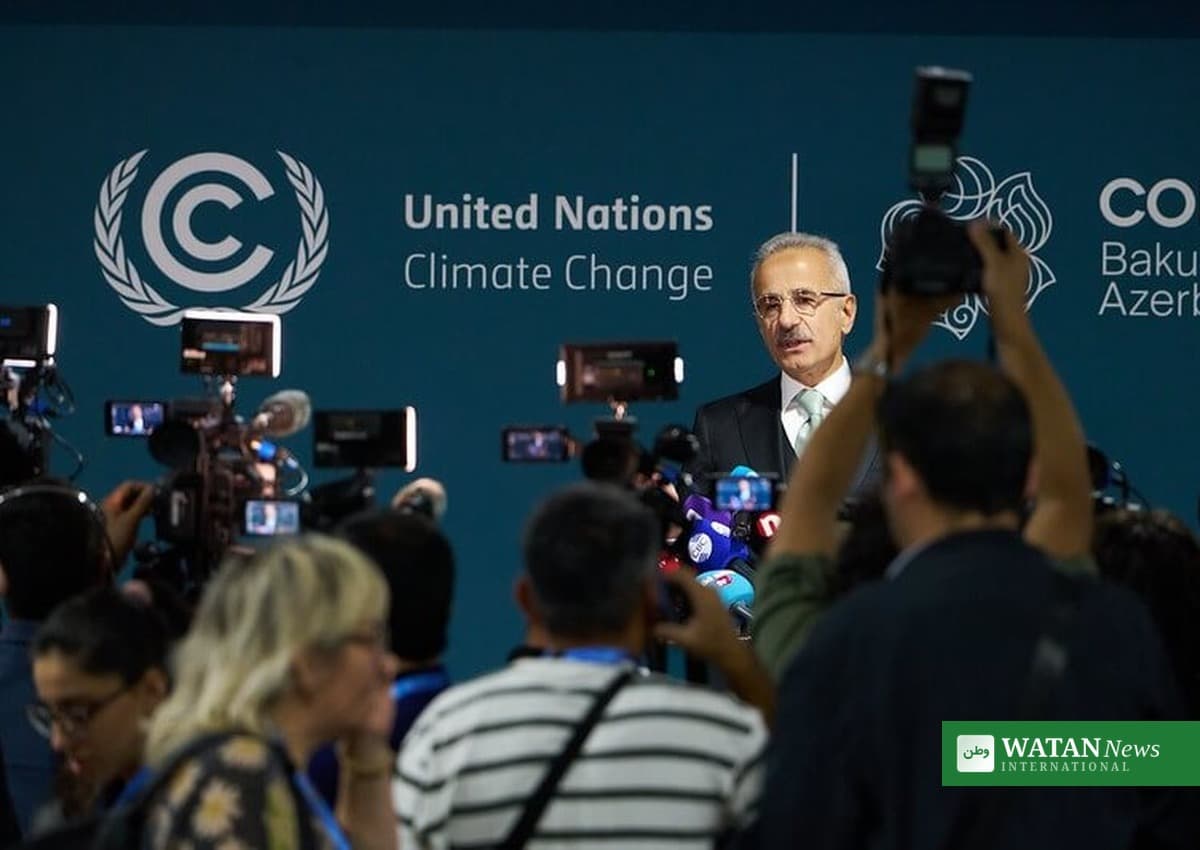
The same two days in Antalya produced very different front pages around the world. A survey of press coverage in 16 countries, published on 12 November by the media-monitoring service The Refract, shows how the COP31 leaders’ summit was reported — and how little of it some newsrooms were able to see first-hand.
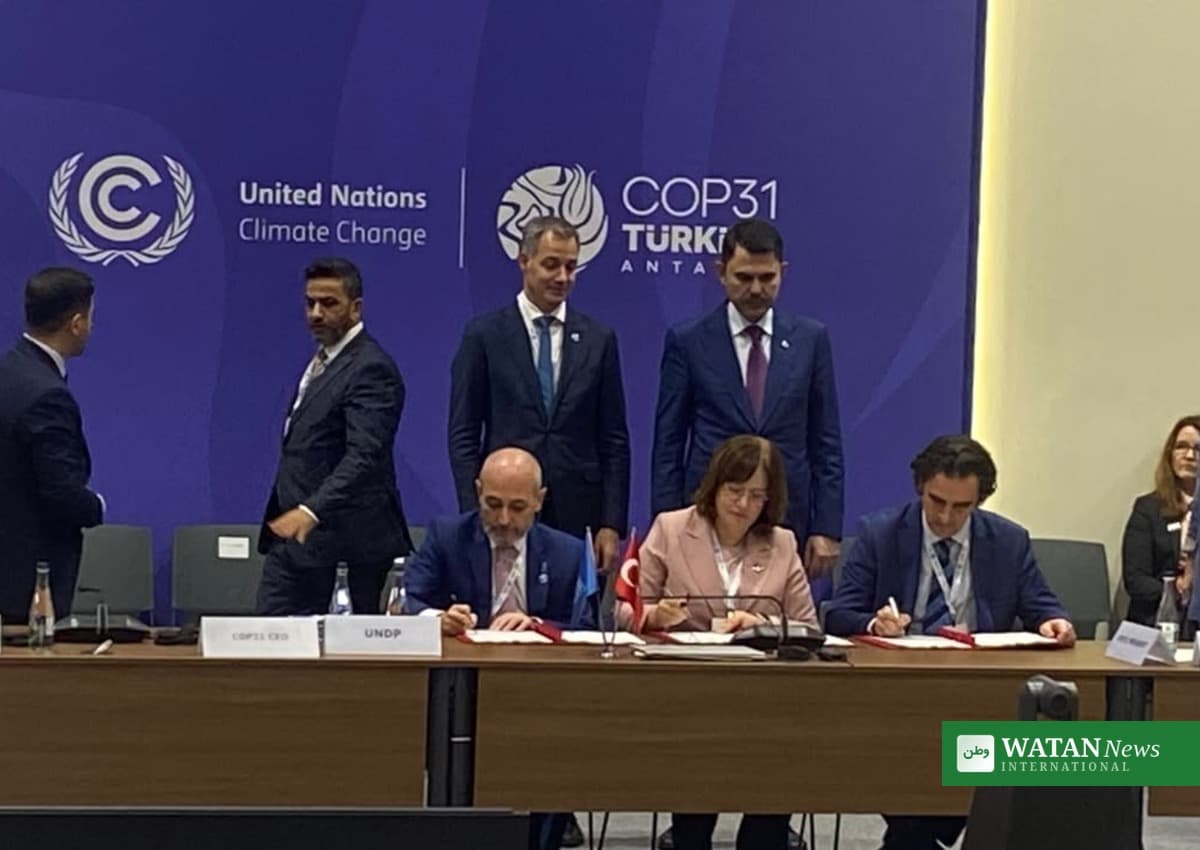
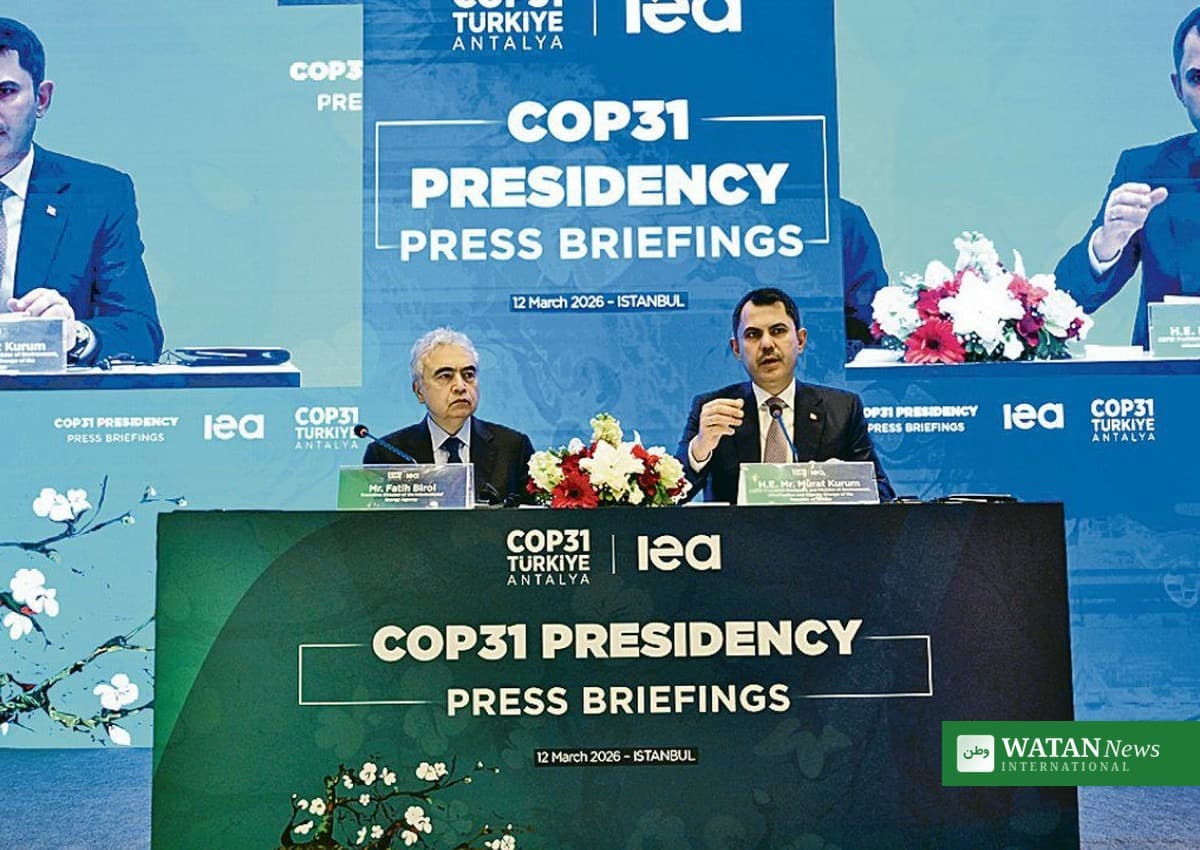
At the World Leaders Climate Action Summit in Antalya on Wednesday, 11 November, United Nations Secretary-General António Guterres warned that the climate crisis “is outrunning us” and called for an end to fossil fuels. The United States was absent, and most major emitters did not send their head of state or government. Guterres repeated the warning at his press conference in Antalya on 13 November, as Finance Day ended at COP31.
A warning, retold as an economic argument
A Reuters dispatch, carried by The Kathmandu Post, the Straits Times and Público, describes a new pitch for climate action: acting to support the economy and lower the cost of living. According to the Straits Times, leaders repeat the argument in the corridors and at the podium because inflation has pushed climate issues down their list of priorities.
Guterres put it in the language of energy dependence: “Three-quarters of humanity live in countries that import fossil fuels, hostage to price shocks they did not create and cannot control.” Simon Stiell of UN Climate defended the same line, saying the chaos in energy markets and climate disasters “fuel inflation” and weigh on public budgets.
Other leaders struck a different note. Luiz Inácio Lula da Silva, President of Brazil, said: “We started talking more about weapons and tariffs than the survival of future generations,” according to TBS Top News of Bangladesh.
Who got inside the room
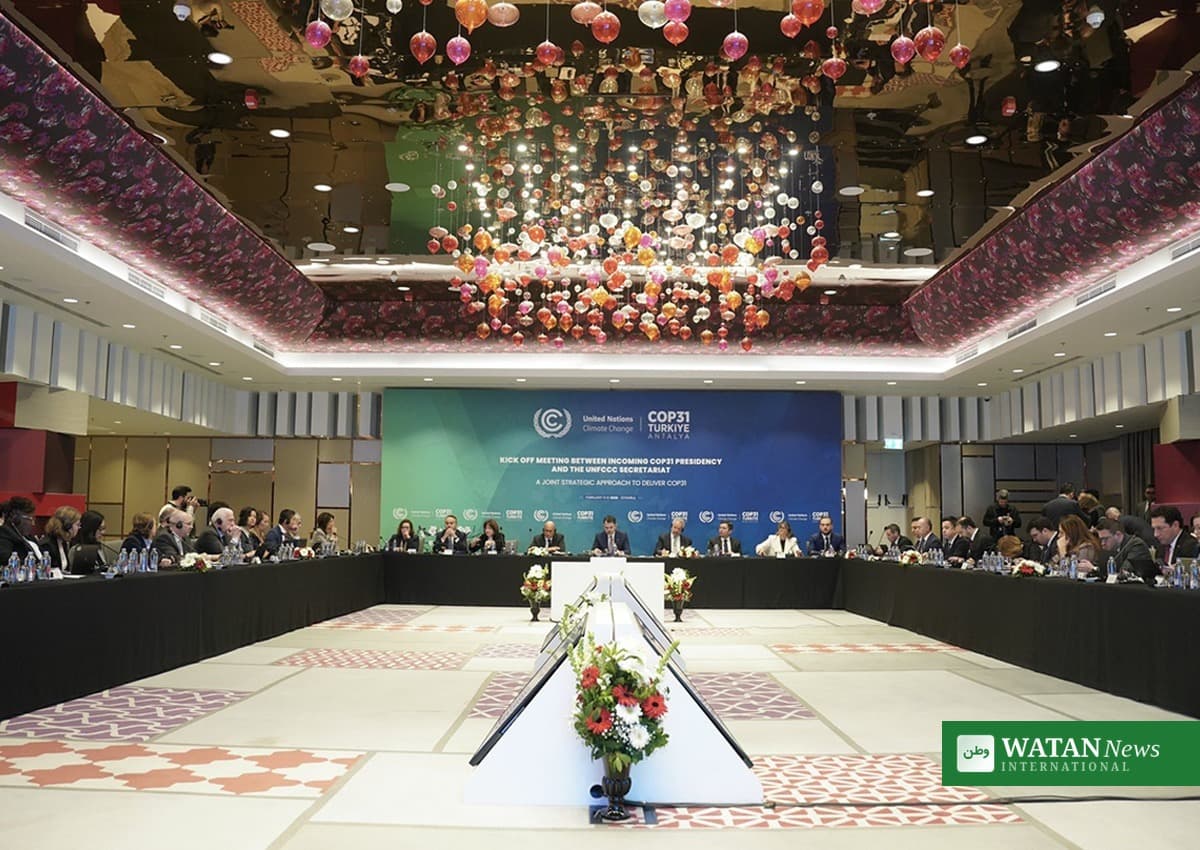
Access to the leaders’ summit itself was limited. Bianet English notes that entry was restricted to a pool of about twenty journalists, chosen jointly by UN Climate and the Turkish government’s press services. Getting to the venue was itself a story: The Independent reported that its correspondent Nick Ferris took nearly seven hours to reach it, and that delegations from developing countries said they were prevented from attending the opening meetings.
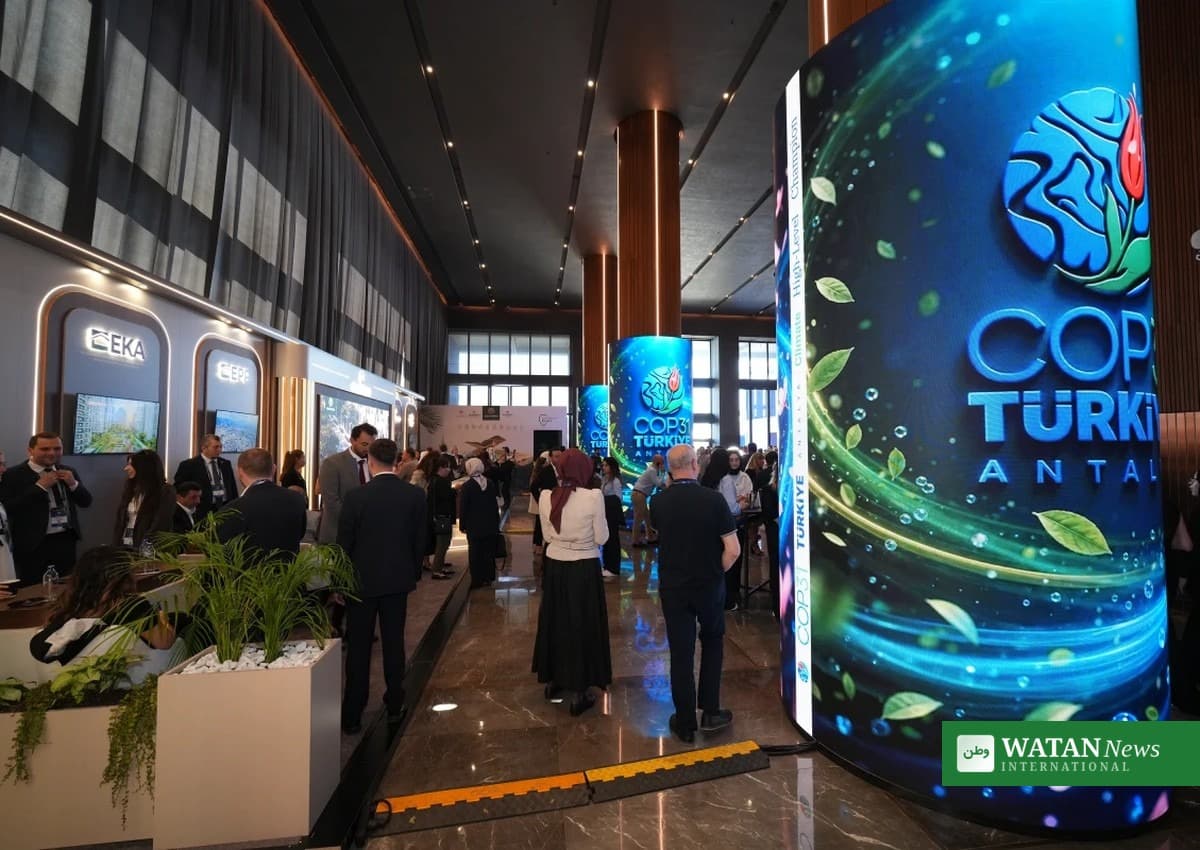
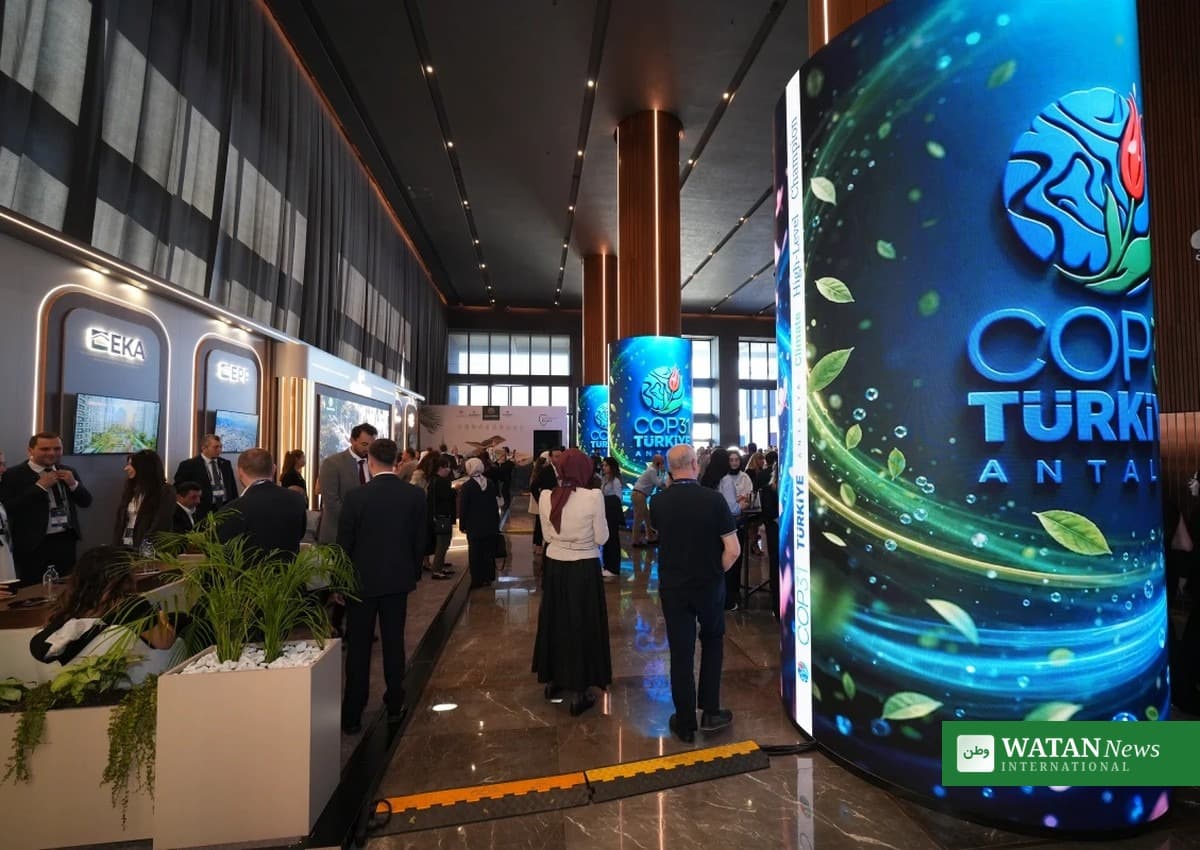
Civil society groups reported similar limits. Climate Network Türkiye, a coalition of 17 civil society groups, asked to hold an event at Türkiye’s pavilion and was refused, according to Geneva Solutions, which quoted Yağız Eren Abanus of the Center for Spatial Justice. Shut out of the official pavilion, much of Turkish civil society is convening its own Peoples’ Climate Summit in Antalya from 14 to 18 November, with 130 organisations taking part. Inside the venue, COP31’s media centre has worked around the clock to carry the negotiations to the world.
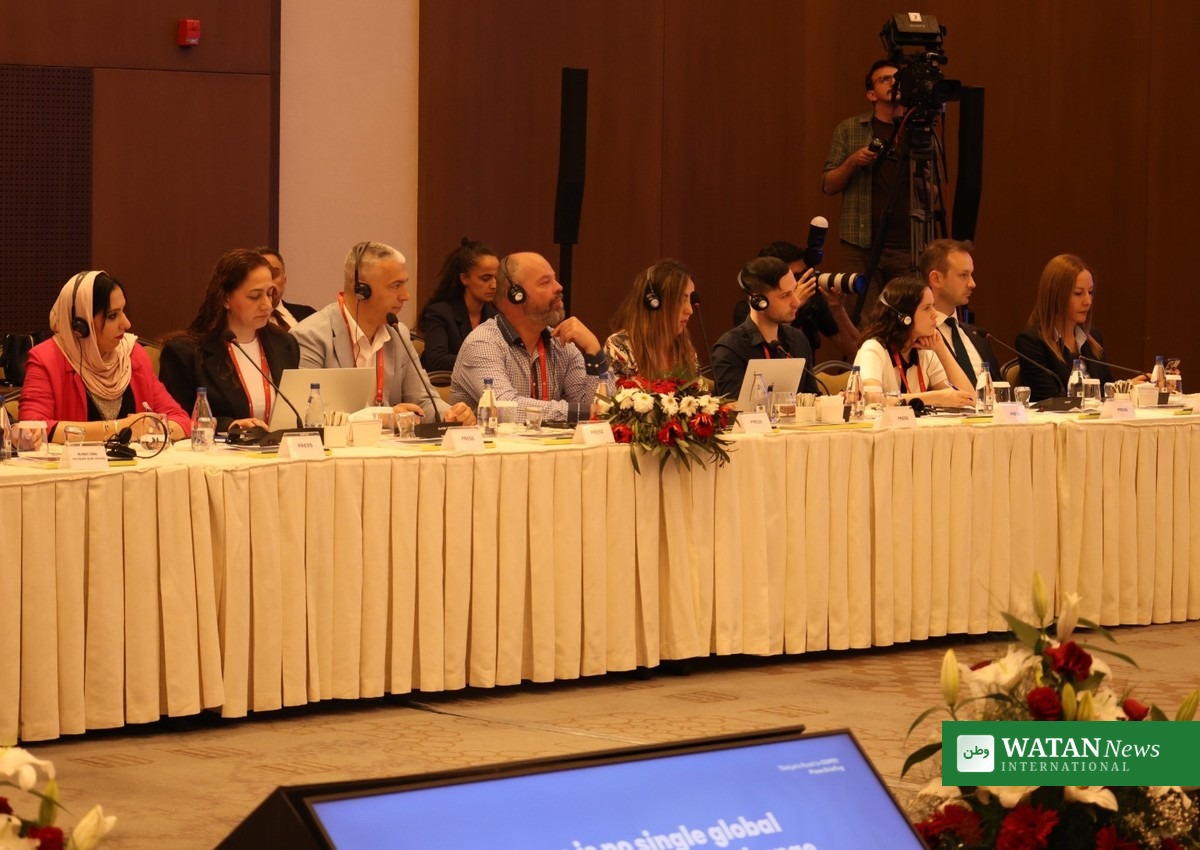
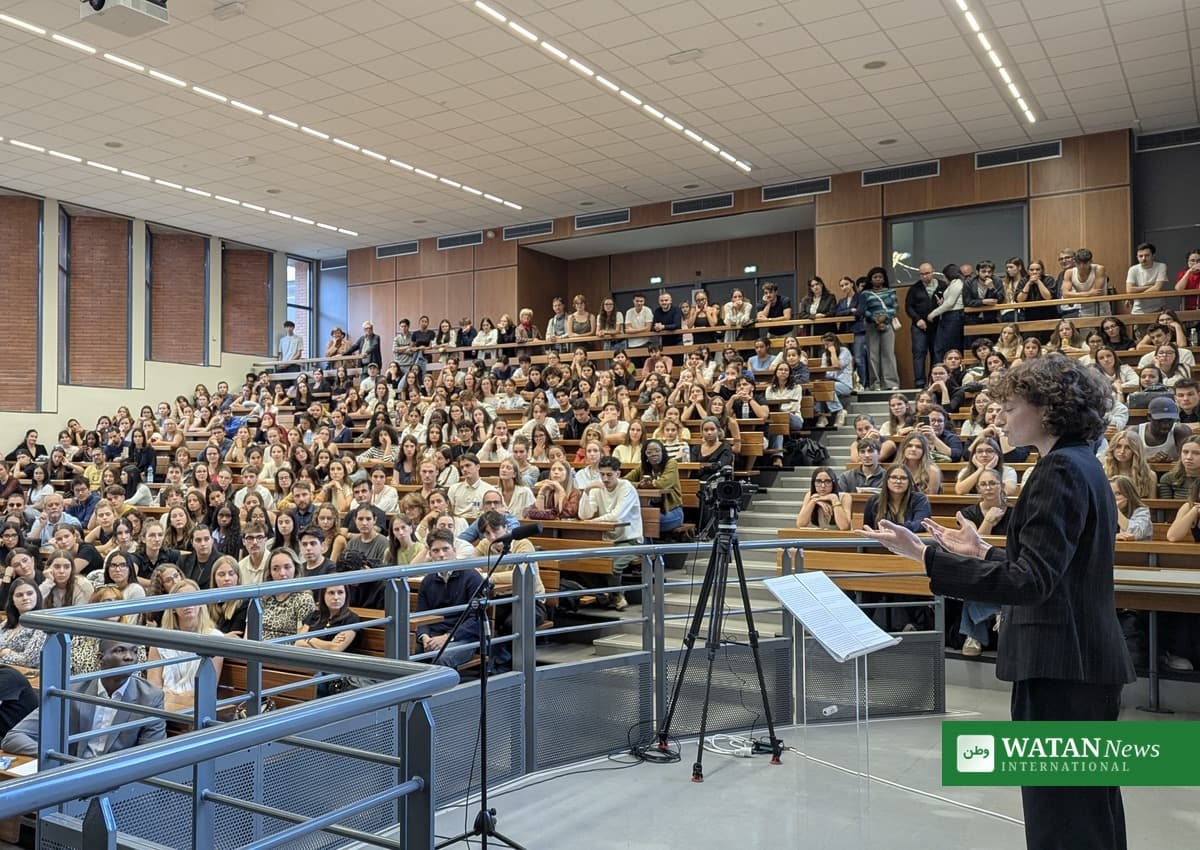
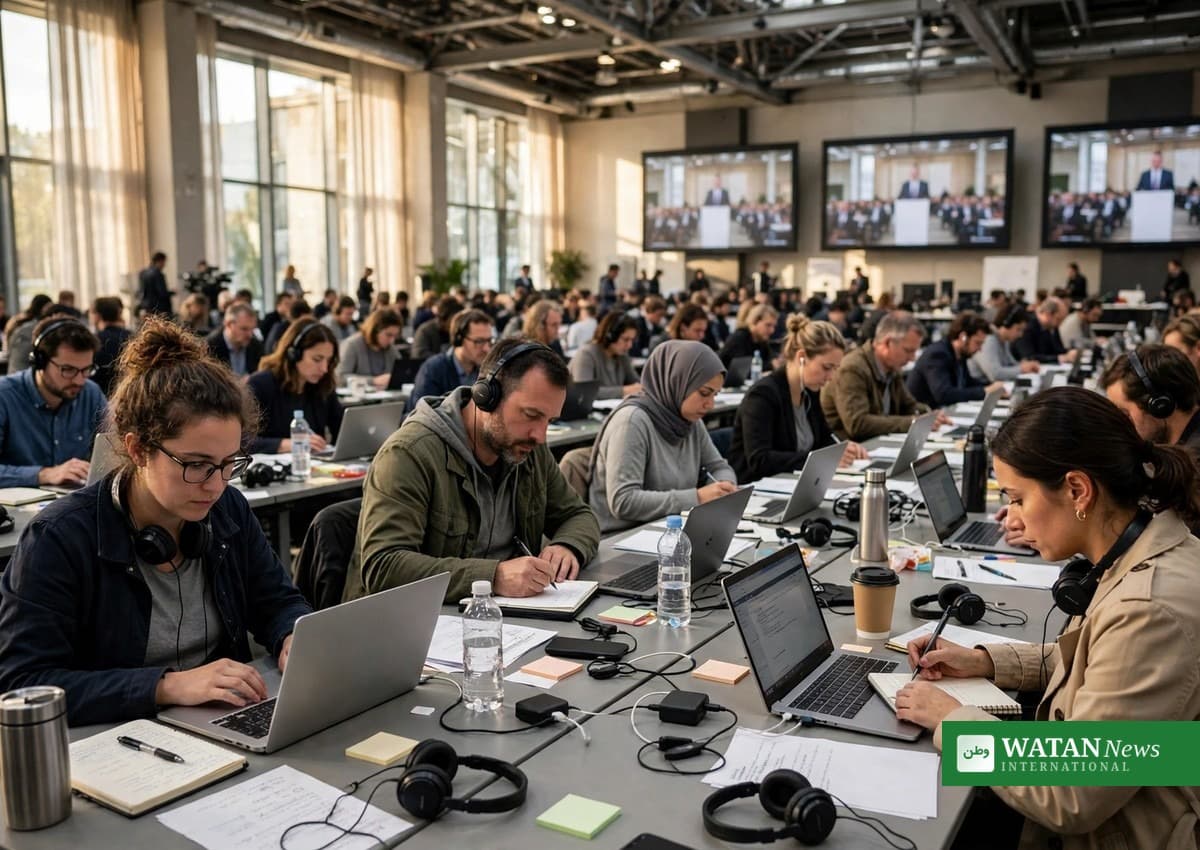
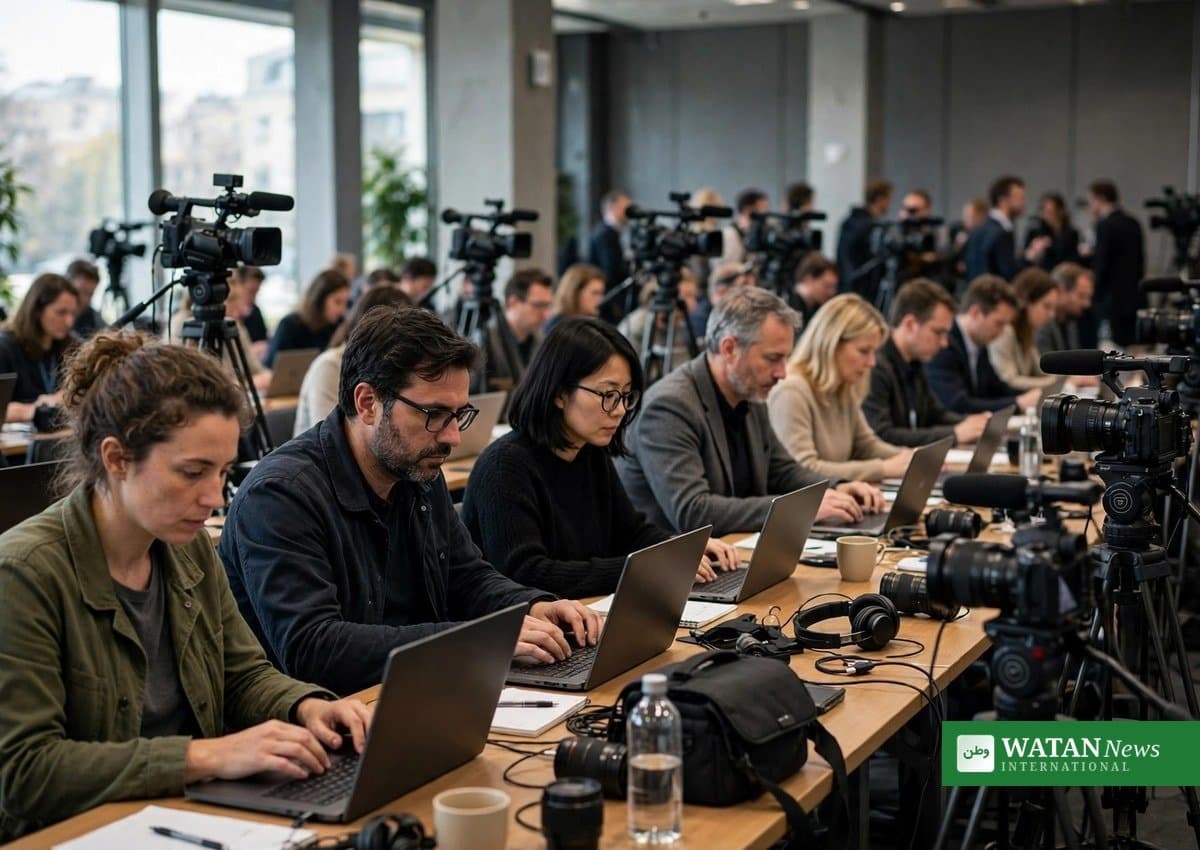
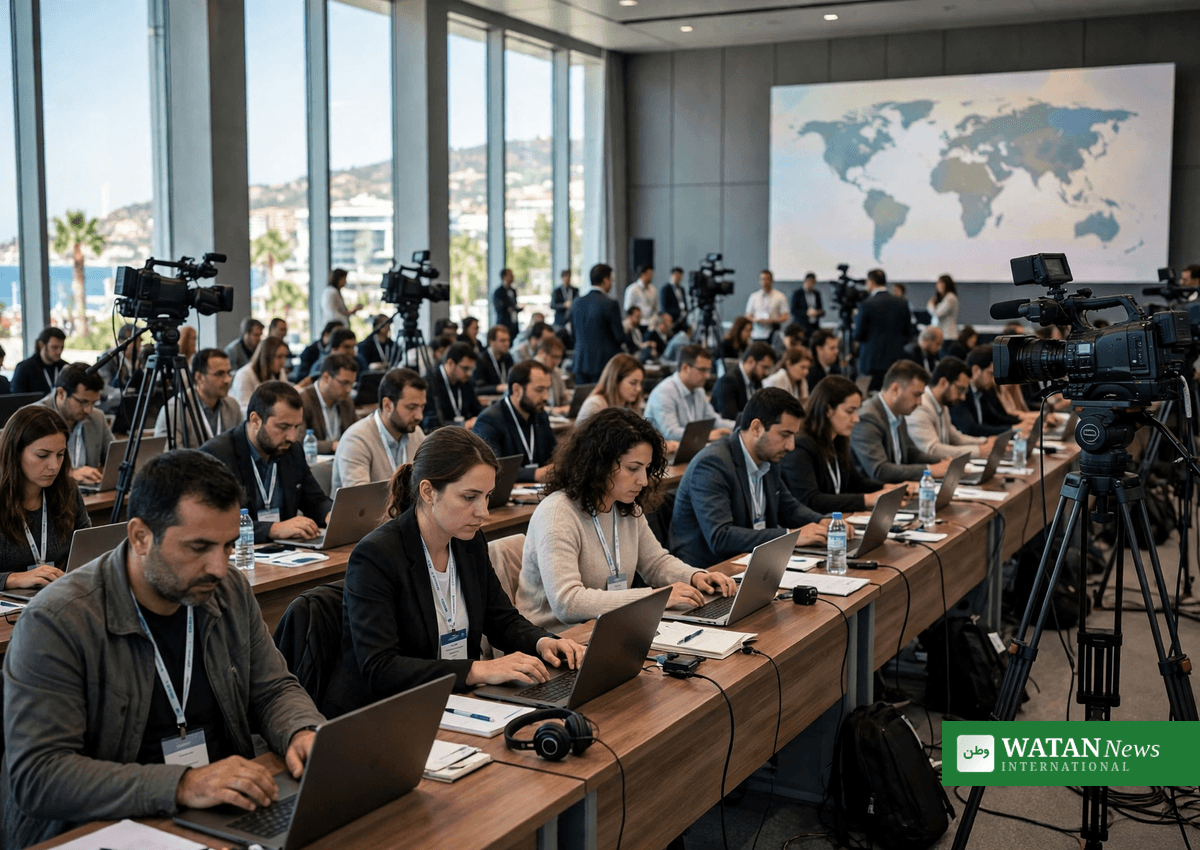
Journalists at a COP31 media briefing. Access to the leaders’ summit in Antalya was limited to a small press pool.
The same summit, different stories
The Refract’s survey found that the same summit produced sharply different coverage. Several outlets in France, Greece, the United Kingdom and Brazil focused on the absence of leaders, with Greece seeing a possible abandonment of the 1.5°C target. Outlets in Singapore, Portugal and Nepal kept the economic argument — climate action as a way to cut living costs.
Qatar, Singapore, Turkey, South Africa and Portugal reported Guterres’ warning with its figures or quotes. China, Brazil, Pakistan and Venezuela treated it in a few lines or did not reprint it. The survey notes that these differences describe the outlets studied, not the opinion of people in those countries.
The comparison also shows why verification matters. The death toll from the Nepal glacier disaster was reported as “more than 1,400” by the Daily Star and “more than 1,450” by the Daily Sabah and Business Day — the same event, different numbers in print on the same day. COP31 has run its own briefings against climate misinformation during the summit.
Finance was translated into national figures. The Business Standard of Bangladesh, citing the Climate Debt Risk Index, reported that 55 countries devoted $47.17 billion to debt servicing in 2023, compared with $33.74 billion in climate financing received from 2002 to 2023. Civil society organisations called for grants rather than loans. Folha de S.Paulo reported that Brazil’s Tropical Forests Forever Fund has received over $85 million in new contributions but is still about $2 billion short of its $10 billion target for the end of the year.
Hosts under the microscope
Several outlets examined the climate records of the two countries leading COP31. Bianet reported that the Germanwatch and NewClimate Institute’s Climate Change Performance Index ranks Turkey 53rd and Australia 54th, and that Turkey’s emissions increased by 5.3% by the end of 2024, while the country ranks 24th for renewables.
Sponsorship also drew scrutiny. Geneva Solutions reported that Cengiz Holding, an energy conglomerate, joined COP31 as a “sustainable transformation partner”, a designation that drew criticism from environmental groups. The company could not be reached for comment, and the COP31 presidency and the UNFCCC had not responded by the time of publication.
Turkey hosts COP31 and Australia leads the negotiations under an unusual shared arrangement; Ethiopia will host COP32 in 2027. A digest of the summit’s close reported that more than 100 leaders took part in the two-day leaders’ summit, though attendance by European Union heads of state remained limited.
Journalism honoured in the same week
The same week brought recognition for the reporters covering this beat. On 12 November, the SEAL Awards announced the twelve winners of its 2026 Environmental Journalism Awards, honouring reporters whose work has traced the climate crisis through policy failures, community impacts and the data connecting them.
The winners are Aman Azhar and Keerti Gopal of Inside Climate News; Zeke Hausfather and Ayesha Tandon of Carbon Brief; Nick Engelfried of Sierra Magazine and Columbia Insight; Robert Hunziker of Counter Currents; Mariana Mastache-Maldonado of El País and Ladera Sur; Tulani Ngwenya of Oxpeckers and Gizmodo; Elizabeth Ouzts of Canary Media and Mother Jones; Juan Carlos Partida of La Jornada; Dyna Rochmyaningsih of Mongabay and National Geographic; and Matt Simmons of The Narwhal.
Winners were selected on a panel review of their body of work, a data-driven assessment of impact and reach, and special consideration for reporting that brings fresh social relevance. Safa Bee Wesley, the awards’ Impact Lead, said the organisation was “simultaneously concerned by the downtrend in environmental reporting by mainstream and major publications” and called on major publications to reinvest in their environmental news departments, and on The New York Times and The Washington Post specifically to give unlimited, ungated access to environmental reporting.
Key facts
- The Refract published its survey of COP31 press coverage in 16 countries on 12 November 2026.
- UN Secretary-General António Guterres warned on 11 November that the climate crisis “is outrunning us” and called for an end to fossil fuels.
- Access to the leaders’ summit was limited to a pool of about 20 journalists, according to Bianet English.
- The Climate Change Performance Index ranks Turkey 53rd and Australia 54th; Turkey’s emissions rose 5.3% by the end of 2024.
- The SEAL Awards named twelve winners of its 2026 Environmental Journalism Awards on 12 November 2026.
Conclusion
COP31 is being reported in many different ways, and the differences say as much about access and editorial choices as about the negotiations themselves. The journalists who do get inside the room — and those honoured this week for years of climate reporting — are the reason the public can compare those accounts at all.