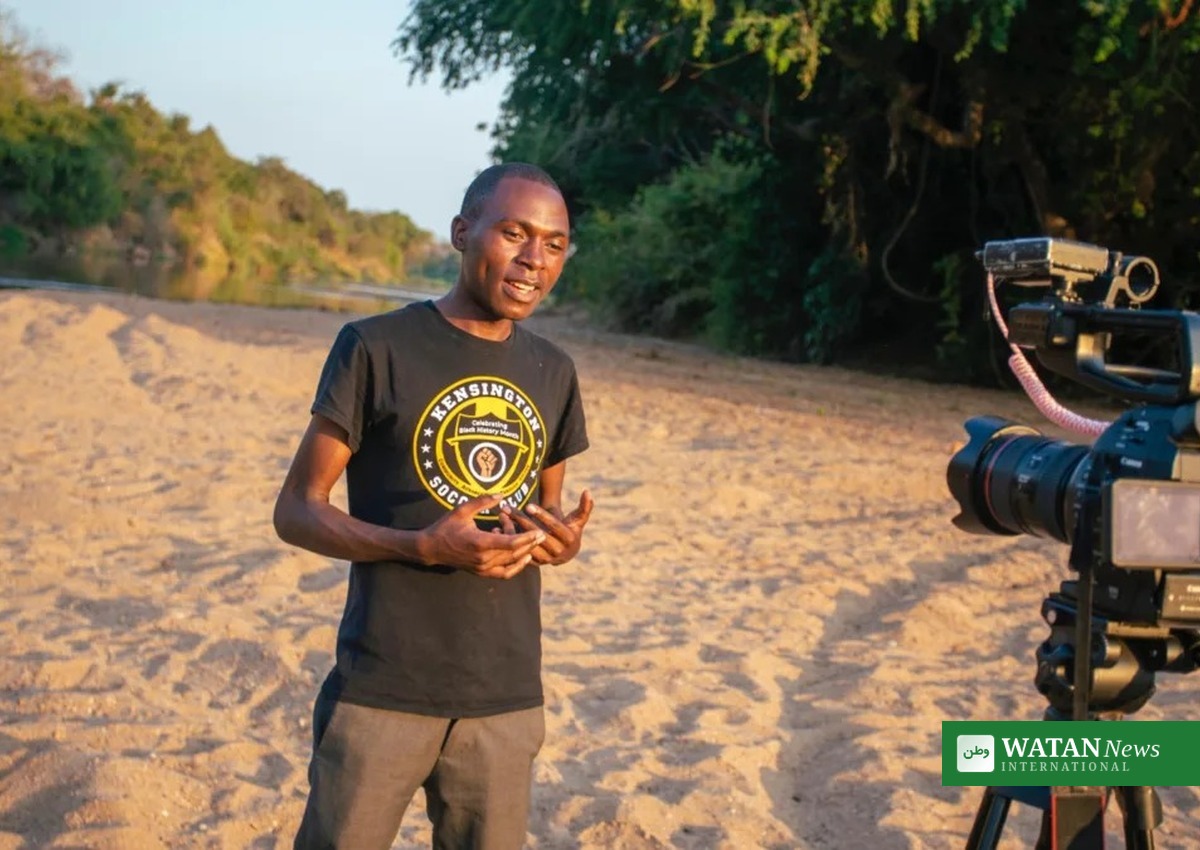
Fairness Moyana of The Citizen Bulletin has been named Zimbabwe’s Environmental Reporter of the Year 2026, taking the top honour at the 28th Annual Environmental Reporter of the Year Awards in Harare on Wednesday, 25 November.
Moyana, a reporter based in Hwange in south-western Zimbabwe, won two categories — Best Sustainable Livelihoods Story and Best Climate Change Story — for his story “When Crops Fail, Insects Feed Communities”, about communities turning to edible insects when crops fail. The overall winner received US$500, while runners-up received US$300.
The awards are organised by Environment Africa in partnership with Rainbow Tourism Group (RTG), a partnership that has run for more than two decades. Over 28 years, more than 300 journalists have been recognised through the awards.
FAKTA
- 28th edition of the awards, held in Harare on Wednesday, 25 November 2026
- 342 entries across ten categories, up from 332 in 2025
- More than 300 journalists honoured over 28 years
- Overall winner: Fairness Moyana, The Citizen Bulletin
- Theme: “A Plastic-Free Environment Is Possible – Play Your Part”
- Prizes: US$500 for the winner, US$300 for runners-up
Environmental Reporter of the Year: a win from the front line of climate change
The awards drew 342 entries across ten categories this year, up from 332 in 2025. The categories cover climate change, waste management, wildlife conservation, renewable energy, sustainable livelihoods, water and sanitation, wetlands, forestry, responsible mining and gender-related environmental issues.
The breadth of the categories reflects how environmental reporting in Zimbabwe now spans the whole climate agenda — from forests and wetlands to energy, mining and the daily struggle for livelihoods in a warming climate.
“Journalism connects decisions with consequences”
Speaking at the ceremony at the Rainbow Towers Hotel, RTG Chief Audit, Risk and Sustainability Officer Samson Chitsato said environmental journalism played a critical role in connecting institutional decisions with their consequences, amplifying community voices and scrutinising whether environmental commitments were translating into tangible outcomes.
“Journalism connects decisions with consequences, gives communities a voice and asks whether institutions are delivering on their promises. It helps people understand both the challenges and how they can participate in solving them,” he said.
Chitsato urged journalists to keep asking difficult questions, following the evidence and telling stories that might otherwise go unheard — and to hold businesses, including RTG itself, accountable.
Plastic in focus
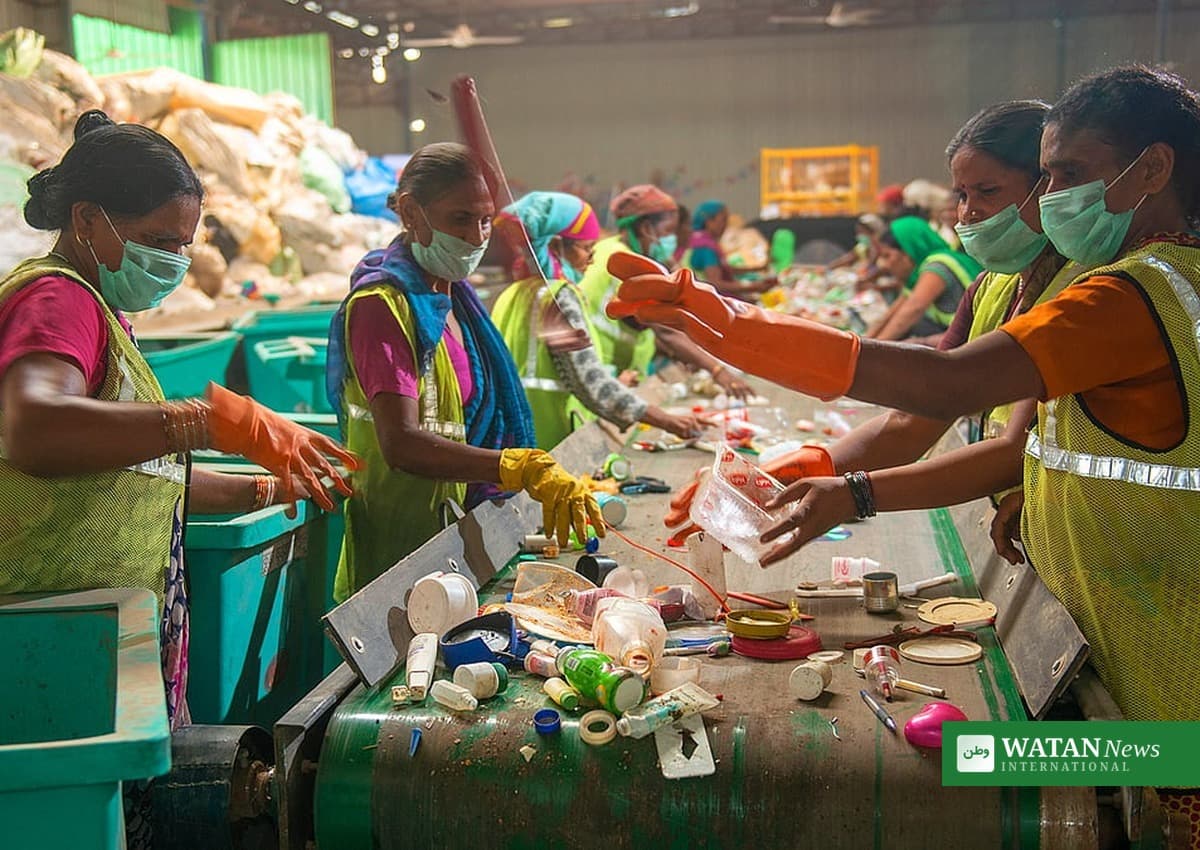
This year’s awards were held under the theme “A Plastic-Free Environment Is Possible – Play Your Part”, bringing renewed attention to plastic pollution. Estimates cited at the ceremony put the plastic waste entering aquatic ecosystems every year at between 19 and 23 million tonnes, while Zimbabwe generates an estimated 342,000 tonnes of plastic waste a year.
RTG used the occasion to report on its own footprint: its Kadoma Hotel & Conference Centre generates about 300,000 kilowatt-hours of solar energy a year, and a two-megawatt solar plant is planned at the Rainbow Towers Hotel & Conference Centre. Its Green Stays linen-reuse programme saw more than 15,000 linen items reused in 2026, saving over 76,000 litres of water, more than 8,000 kilowatt-hours of energy and over 900 kilograms of detergent, while water filtration at source is expected to divert more than two tonnes of single-use plastic from landfill.
A season of recognition for climate journalism
The Harare ceremony closes a busy awards season for climate journalism. The SEAL Awards named twelve winners of its 2026 Environmental Journalism Awards on 12 November, during the COP31 climate talks in Antalya, and in Abuja on 25 November a HumAngle investigation into Nigeria’s illegal rosewood trade won the top climate prize at the CJID Excellence in Journalism Awards.
At COP31 itself, almost 4,000 journalists were accredited to cover the talks in Antalya — a measure of how central reporting has become to the climate process. Reporters Without Borders used the summit to call on governments to protect environmental journalism, warning that without reporters who investigate environmental harm, both the damage and the solutions stay hidden.