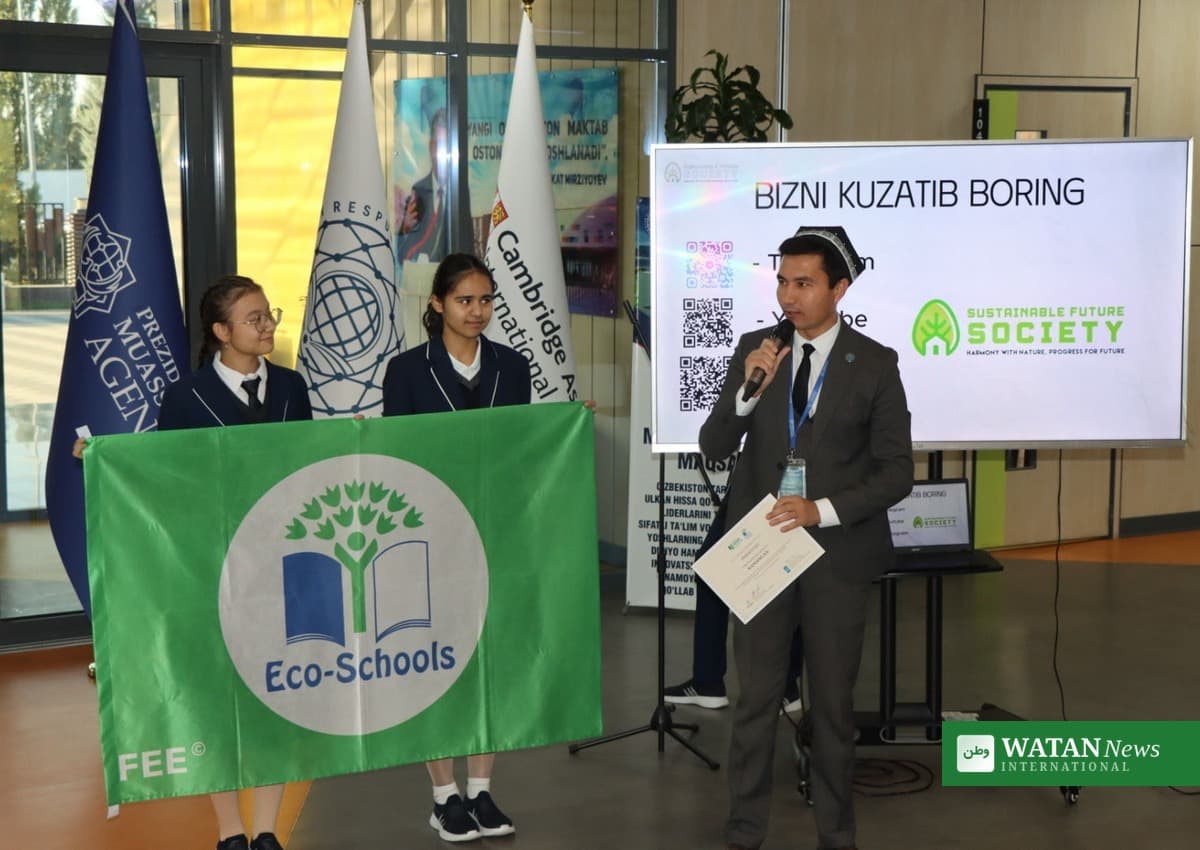
Namangan / Turin: A history teacher in eastern Uzbekistan who noticed his students putting organic waste into the recycling bins has led his country to first place at the European Training Foundation’s Green Skills Award 2026, announced on 25 November in Turin, Italy.
The winning programme, the Sustainable Future Society, began as a classroom fix at the Presidential School in Namangan and has grown into a student-led movement reaching more than 25,000 people across 25 schools. It was chosen first among six finalists, shortlisted by an expert jury from 369 applications submitted from 94 countries, with the winners decided by a public vote.
How a recycling-bin mistake became a movement
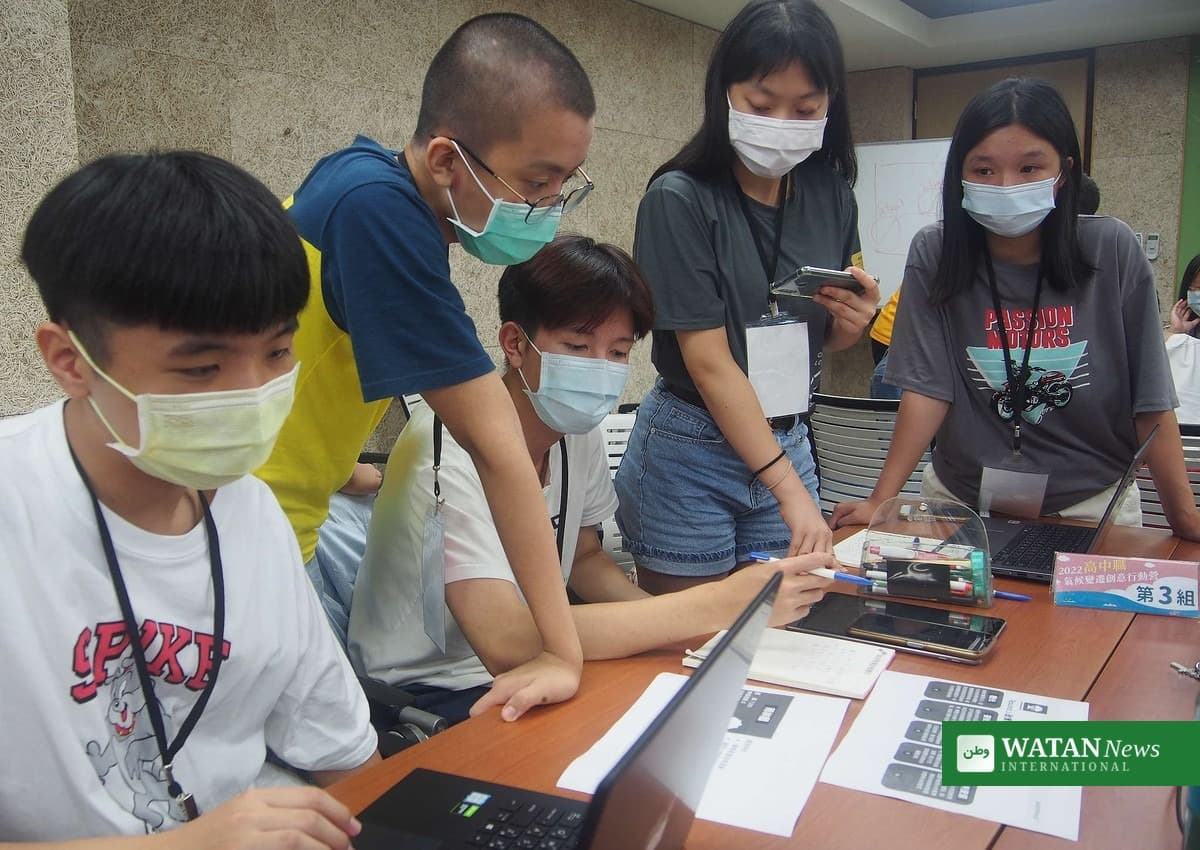
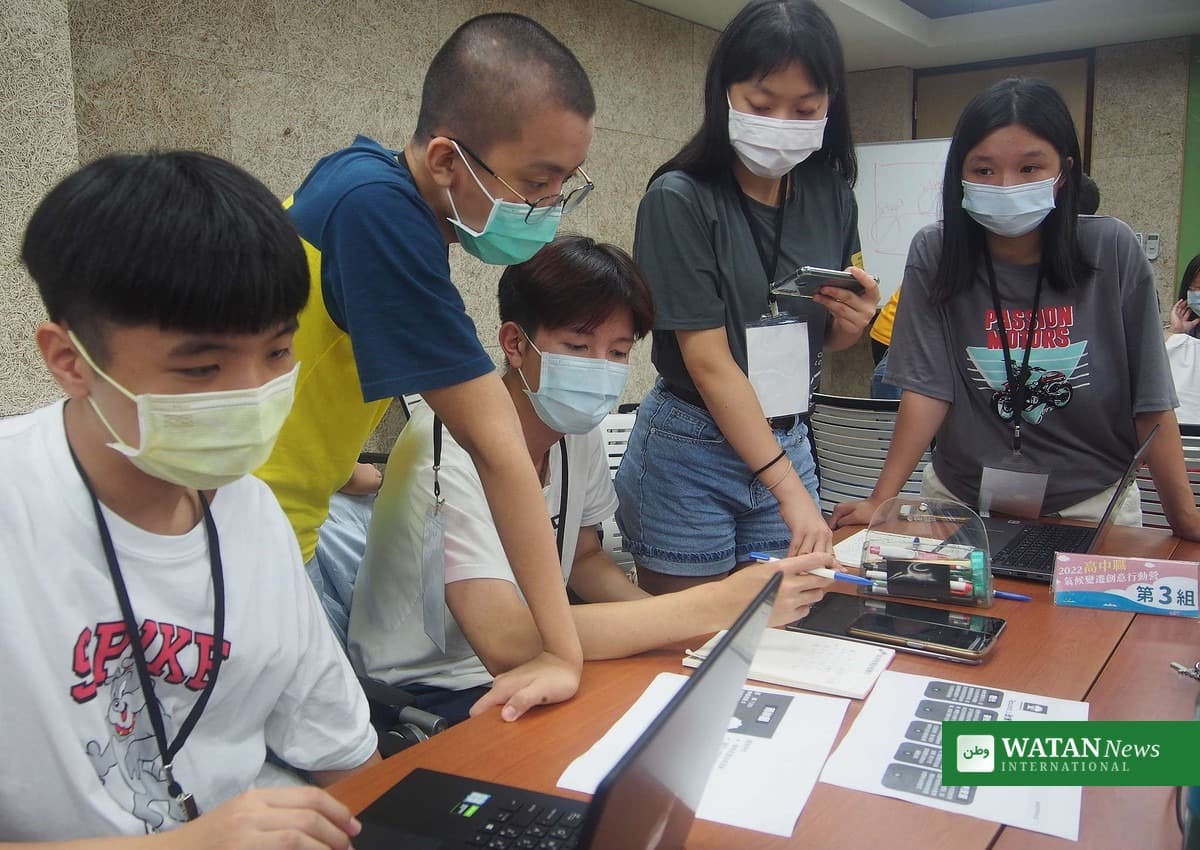
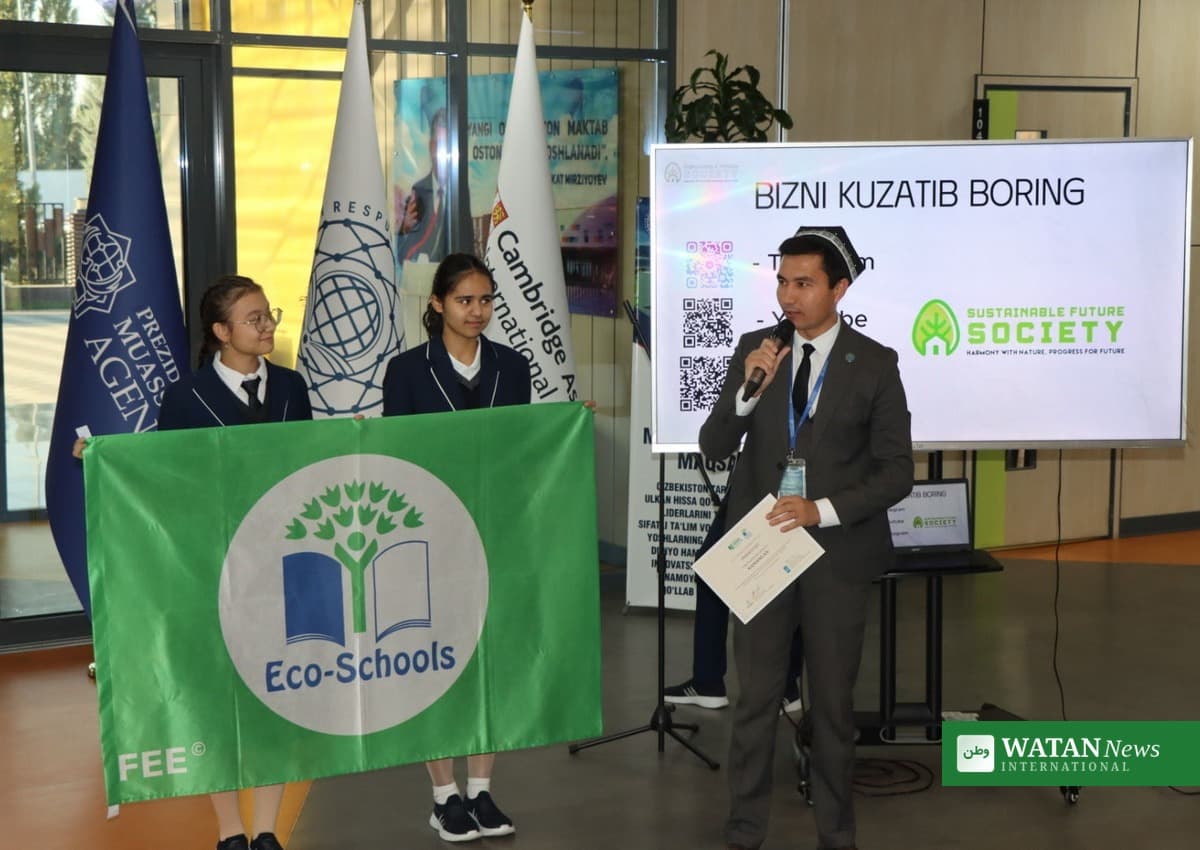
History teacher Abrorjon Sadriddinov saw his students tossing organic waste into the recycling bins and decided it was time to rethink how environmental education was taught at his school. Together with his students, he built the Sustainable Future Society, adapting the international Eco-Schools framework to Uzbekistan’s education system and giving students real responsibility for finding and fixing environmental problems on their own school grounds.
Within two years, the Presidential School in Namangan earned the internationally recognised Green Flag certification, a mark of environmental excellence used by Eco-Schools worldwide. The model then spread across the region, and the programme now reaches students, teachers and parents in 25 schools.
What the students actually do
The programme follows a seven-step, student-led method: sustainability audits, action plans, curriculum integration, monitoring, community engagement and eco-codes. Students monitor their schools’ water and electricity use, organise separate waste collection and measure the results of their own work.
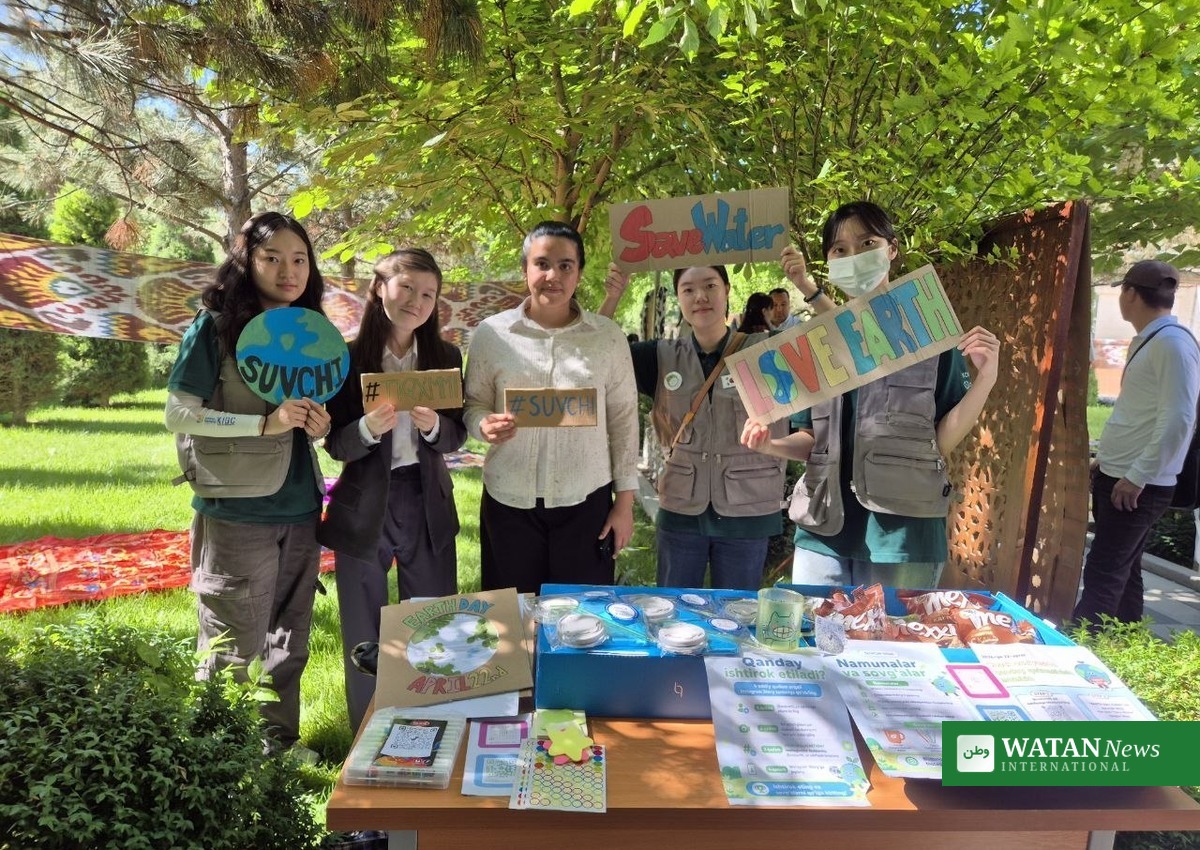
The results so far include 128 student-led environmental projects, more than 70 training sessions and 53 awareness campaigns. The projects build practical green skills such as environmental leadership, critical thinking, data analysis and project management — skills the students use well beyond the classroom.
The other champions: Peru and Nepal
Second place went to Peru’s Young Glacier Ambassadors, led by Junior Adrián Figueroa Miranda through Young Peruvian Leaders. The programme trains young people aged 18 to 29 from mountain communities to become citizen scientists and advocates for glacier protection, combining glaciology, citizen science, digital storytelling and indigenous knowledge. Fifteen ambassadors completed intensive training in the Cordillera Blanca, home to the world’s largest concentration of tropical glaciers, and designed nine community micro-projects.
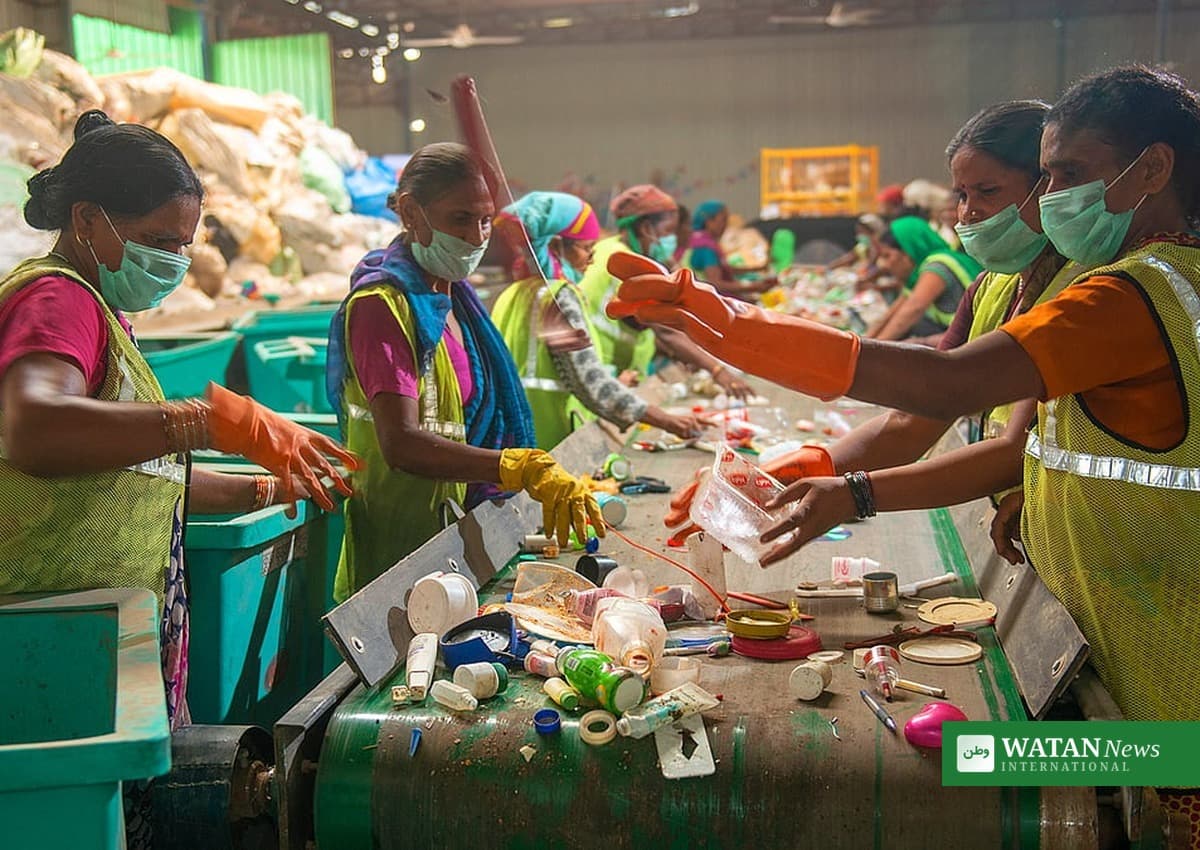
Third place went to Nepal’s Doko Recyclers and its Repair Revolution Workshop & Training, which teaches students to repair electronics instead of throwing them away, extending product lifecycles and reducing waste. The project helped develop Nepal’s first nationally certified e-waste processor curriculum, and since 2021 Doko has processed around 250 kilograms of e-waste a day, recovering 80 to 90 percent of the materials, while training more than 500 technicians and waste workers and 110 students. More than 70 percent of its staff are women, and its collection centres are women-led.
Why the Green Skills Award 2026 matters now
Announcing the result at the Torino Global Skills Summit, which brought together more than 250 participants and 80 speakers from 48 countries between 23 and 25 November, Pilvi Torsti, Director of the European Training Foundation, said the finalists showed that the green transition is already well underway, driven by communities, educators and innovators. “Across continents and contexts, these initiatives show that the green transition is no longer an abstract ambition,” she said.
Launched in 2021, the Green Skills Award promotes practical approaches to green skills that support circular and carbon-neutral economies. Over six editions it has received more than 1,700 applications from over 90 countries. The European Training Foundation is the European Union agency that supports countries neighbouring the EU in reforming their education, training and labour market systems.
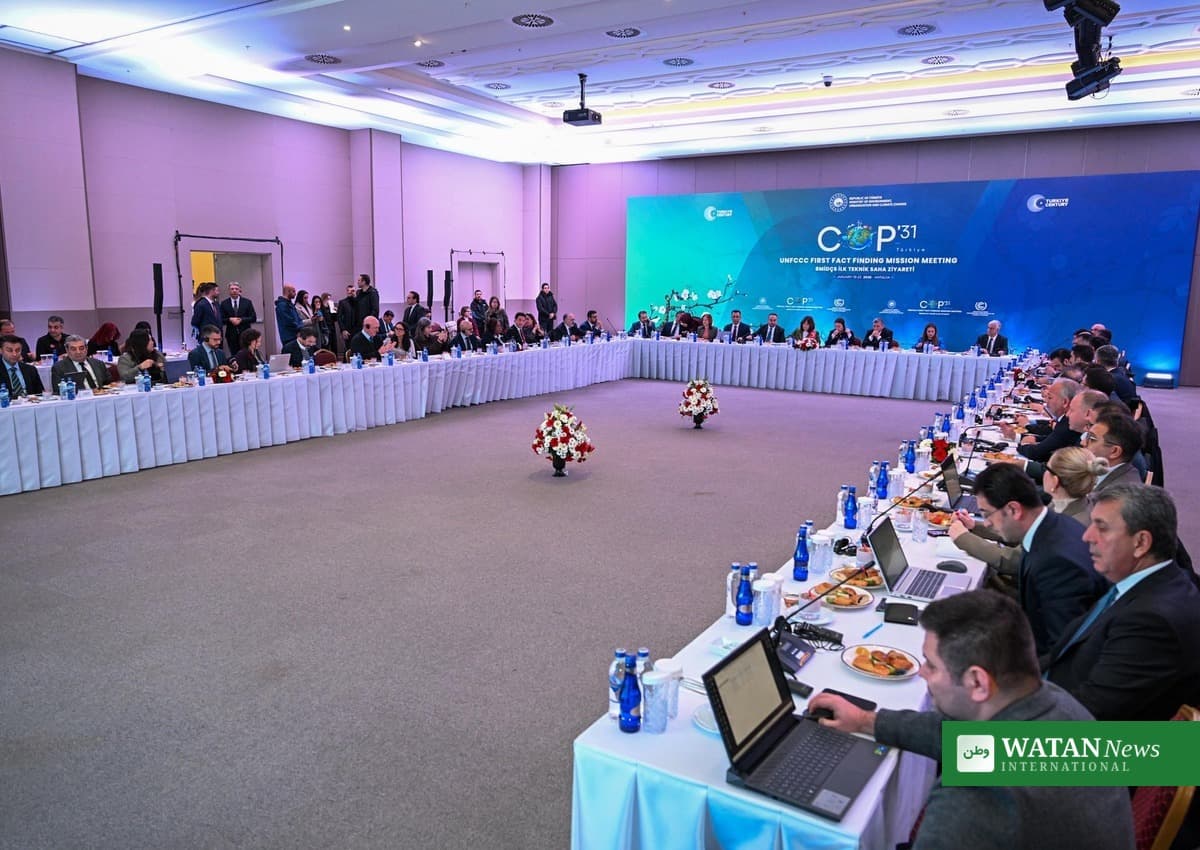
Speaking after receiving the award, Sadriddinov said environmental protection is everyone’s responsibility, and that together people can build a sustainable future. The award comes days after the COP31 climate summit in Antalya closed on 22 November without a final deal — a reminder that practical, community-level climate action continues even when negotiations stall.
Uzbekistan is also putting sustainability at the centre of its public agenda: the country has launched the United Nations year for sustainable tourism with a call for a five-year global action plan. Read more about Uzbekistan’s sustainable tourism year.
FAKTA
- Winner: Sustainable Future Society, Uzbekistan
- Award: European Training Foundation Green Skills Award 2026
- Announced: 25 November 2026, Torino Global Skills Summit, Turin, Italy
- Founder: History teacher Abrorjon Sadriddinov, Presidential School, Namangan
- Reach: 25 schools, more than 25,000 people, 128 student-led projects
- Second place: Young Glacier Ambassadors, Peru; third place: Doko Recyclers, Nepal
- Applications: 369 from 94 countries; six finalists