Andhra Pradesh has become the first state in India to introduce a dedicated circular economy policy, announcing ₹550 crore in investment for 108 waste processing plants and six waste-to-energy plants. The policy was announced by Swachh Andhra Corporation chairman Kommareddy Pattabhi Ram at the 3rd World Mayors’ Forum in Mumbai on Wednesday, 25 November 2026.
The policy — the Andhra Pradesh Circular Economy and Waste Recycling Policy 2025–30 — was introduced under the leadership of Chief Minister N. Chandrababu Naidu. The state cabinet had approved it on 21 August 2026, billing it as India’s first comprehensive state policy of its kind.
What Andhra Pradesh’s circular economy policy covers
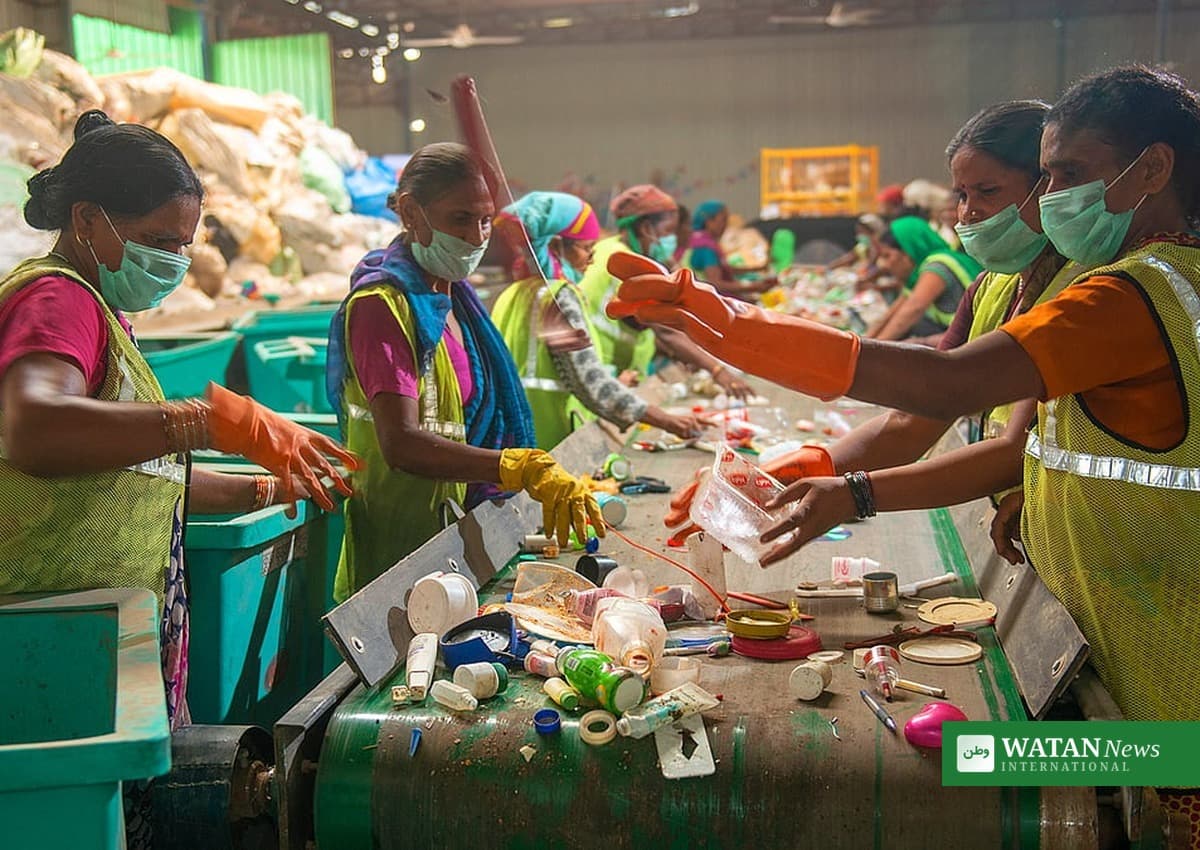
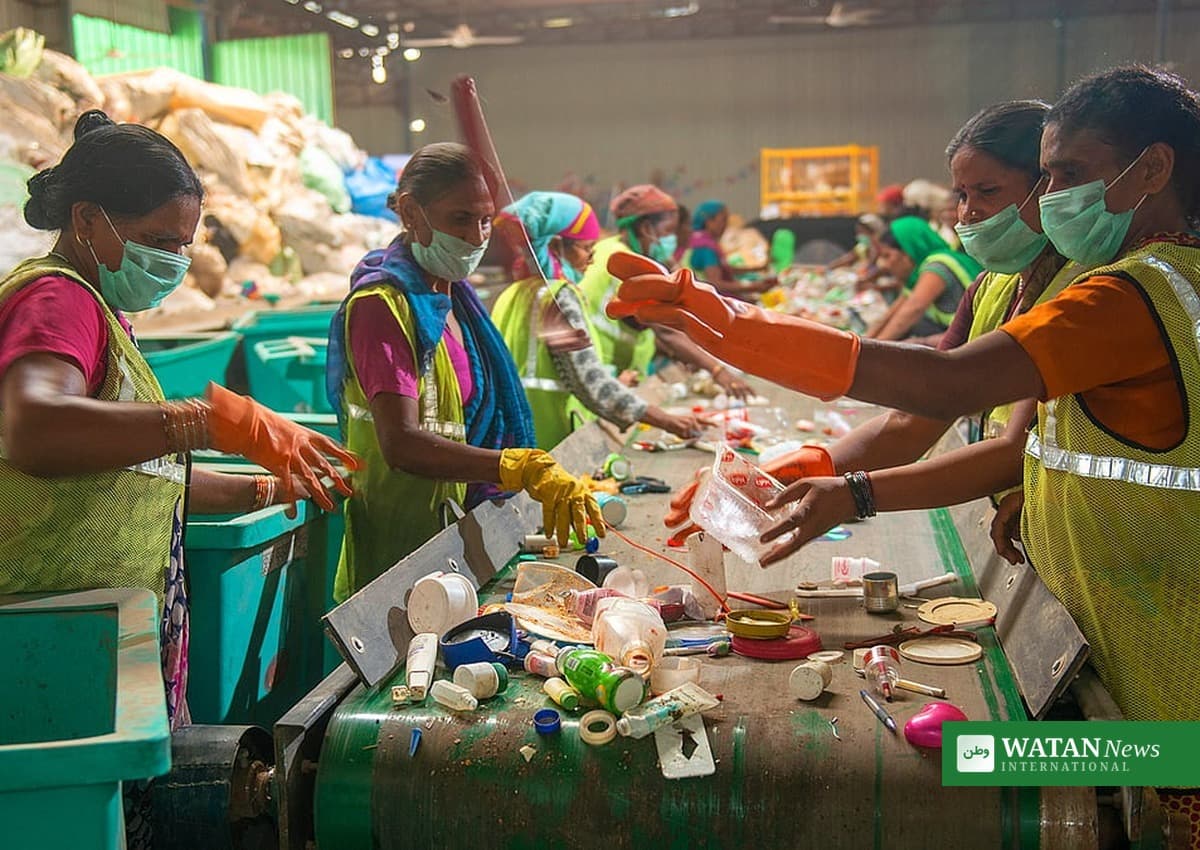
The policy targets 11 industrial waste streams, including plastics, e-waste and used oil, alongside livestock and fisheries waste. Four circular economy parks are being established to attract recycling industries, and the state is investing ₹550 crore in 108 waste processing plants and six waste-to-energy plants.
To draw recycling industries to the state, the government is offering land allocation, investment incentives, operational concessions, employment support and viability gap funding. The state is also developing a digitised supply chain to trace recyclable material and connect waste collectors, sanitation workers and recycling industries.
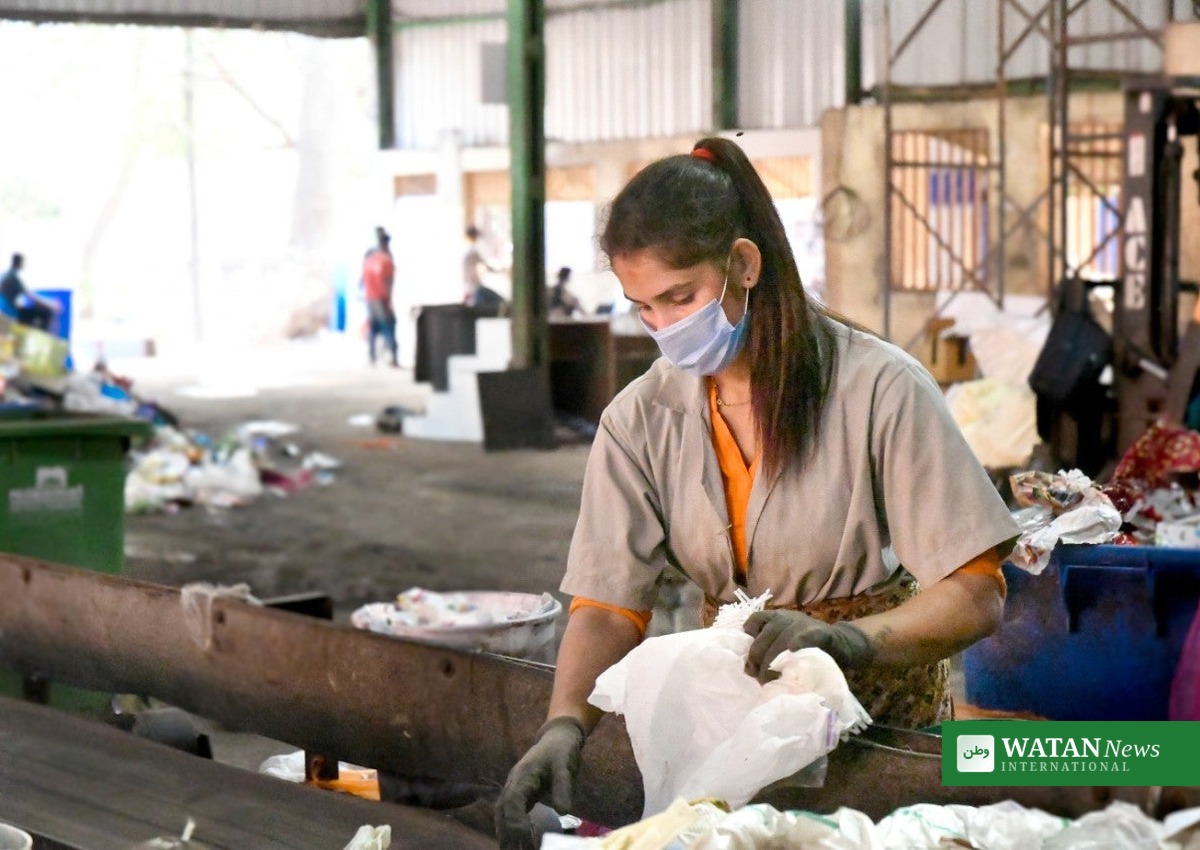
Green shops will soon open, enabling residents to sell recyclable waste to the government. The Chief Minister’s aim is to eliminate dumpsites and ensure that all waste generated is processed on the same day it is produced.
Segregation starts at home
“Waste segregation at source is essential to a circular economy, as recycling cannot succeed without it,” Pattabhi Ram said, speaking on the theme of “Circular Cities” at the forum in Mumbai. The 3rd World Mayors’ Forum, jointly organised by the All India Institute of Local Self-Government and the Brihanmumbai Municipal Corporation, drew 500 delegates from 30 countries.
The state’s Swachha Ratham mobile van initiative has collected 118 tonnes of waste by purchasing 12 categories of household waste, and essential commodities worth about ₹16 crore have been distributed to women in households.
The scale of the challenge is large. Every year, Andhra Pradesh generates 61,996 tonnes of plastic and PET bottle waste, 36,588 tonnes of battery and automotive waste, 59,654 metric tonnes of tyre and rubber waste, and 23,928 litres of engine and hydraulic oil waste, according to a review of the state’s waste figures in June 2026. Single-use plastics are to be completely banned in the state’s four major cities — Visakhapatnam, Vijayawada, Tirupati and Rajahmundry — along with 17 other municipal corporations, and 157 Reduce-Reuse-Recycle centres are to be established across 87 urban locations.
Why it matters — for Andhra Pradesh and beyond
A circular economy keeps materials in use for as long as possible through reuse, repair and recycling, instead of the take-make-dispose model. That matters for the climate as well as for cities: waste dumped in landfills produces methane, a powerful greenhouse gas, while recycling cuts the demand for virgin materials and the emissions of producing them.
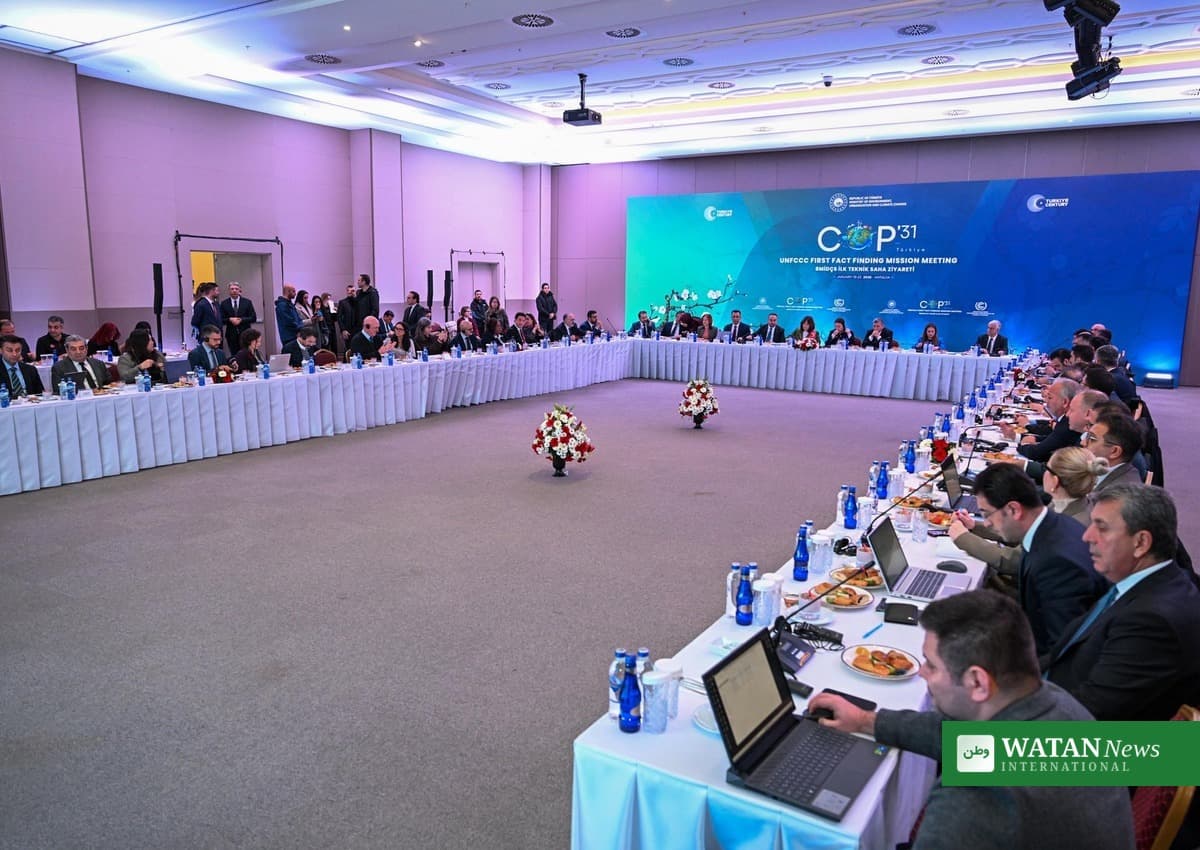
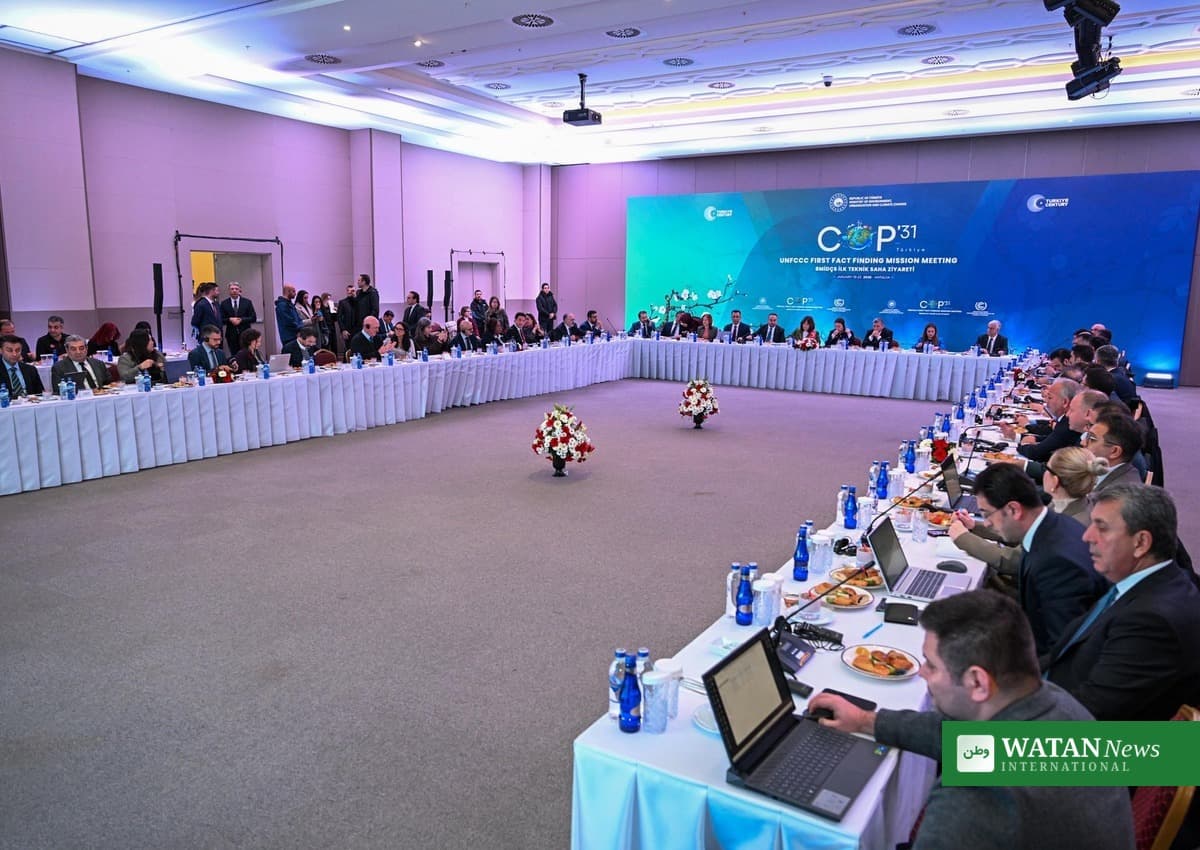
At COP31 in Antalya, governments set a 2035 target to halve the projected growth in global municipal solid waste and raise circular material use to at least 15% — and Andhra Pradesh’s policy shows what that looks like at state level. New Mexico has taken a similar path, awarding $11.5 million to 15 circular economy projects.
The state government expects the shift to pay economically as well. At a review in June 2026, officials said effective implementation of the circular economy model could boost Andhra Pradesh’s Gross State Domestic Product by an estimated ₹15,000 crore a year and supply materials worth ₹10,000 crore to the manufacturing sector. A first-phase circular economy park is planned on 400 acres in Visakhapatnam, designed to meet international standards.
As the first Indian state to put a dedicated circular economy policy in place, Andhra Pradesh now offers a model other states can study — from the parks and plants to the vans buying household waste at the doorstep. Philadelphia has set its own zero-waste course, targeting 60% trash diversion by 2046.
FAKTA
- What: India’s first state-level circular economy policy — Andhra Pradesh’s Circular Economy and Waste Recycling Policy 2025–30.
- Announced: 25 November 2026, at the 3rd World Mayors’ Forum in Mumbai, by Swachh Andhra Corporation chairman Kommareddy Pattabhi Ram.
- Investment: ₹550 crore — 108 waste processing plants, six waste-to-energy plants and four circular economy parks.
- Coverage: 11 waste streams, including plastics, e-waste and used oil, plus livestock and fisheries waste.
- Goal: Eliminate dumpsites and process all waste on the day it is generated.