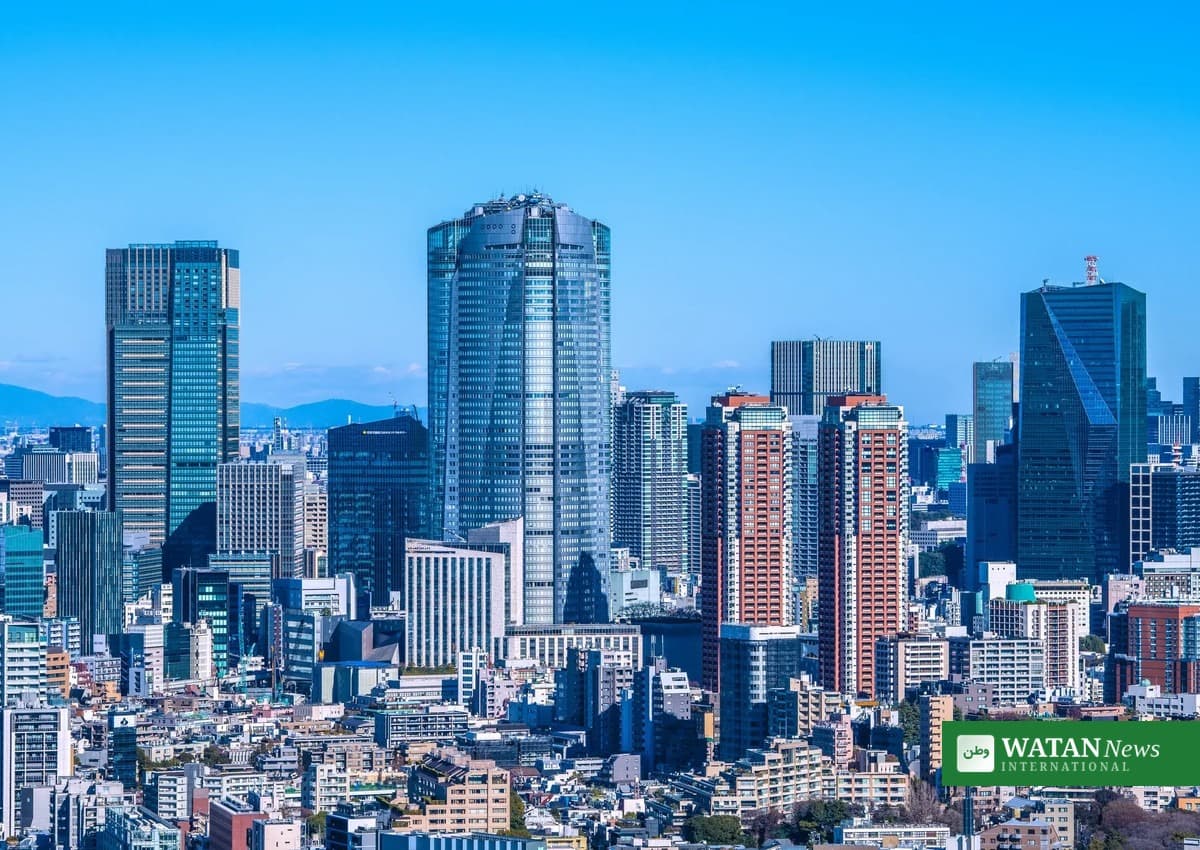

Global funds are pouring money into Japanese property, lifting commercial real estate investment to a record high even as borrowing costs rise. Japan property investment reached 2.21 trillion yen, about 13.9 billion dollars, in the third quarter of 2026, up 4 per cent from a year earlier, according to property adviser CBRE. It is the strongest quarterly figure on record, and overseas buyers are driving much of the rush.
FAKTA
- Commercial real estate investment in Japan reached a quarterly record of 2.21 trillion yen (about 13.9 billion dollars) in the third quarter of 2026, up 4 per cent year on year, according to CBRE.
- Overseas investors accounted for 775 billion yen of purchases in the quarter, up 30 per cent from a year earlier.
- Japan-focused real estate funds raised 4.66 billion dollars across 45 funds in 2026 as of 25 November, nearing the 4.99 billion dollars raised in all of 2025, according to Preqin Pro data.
- Tokyo office rents have risen as the vacancy rate fell to 1.1 per cent, according to Colliers, while Savills reported a brief period this year with no retail vacancies in the Ginza shopping district.
- Fuji Media Holdings’ sale of its Sankei Building unit, which could be valued at around one trillion yen including debt, has drawn bids from Blackstone, Bain Capital, Warburg Pincus and BGO.
- Modern logistics facilities account for only about 8 per cent of Japan’s total logistics stock, pointing to room for further development.
Japan property investment reaches a new high
The record quarter caps a year in which Japan has become one of the world’s most sought-after property markets. Investment is concentrated in central Tokyo and Osaka offices, hotels and mixed-use projects, according to investors and property advisers. Prime offices, hotels, retail, logistics facilities and data centres are all attracting interest, supported by strong demand and tight vacancies that are lifting rents.
The return of inflation in Japan is at the heart of the story. After decades of falling prices, rising prices, higher wages and corporate reform are giving investors confidence that rents and asset values can keep growing. The inflows are another vote of confidence in Japan’s economic revival after a record-setting rally in the country’s stock market.
“The market is totally different now than before. We now have inflation. We now have rates. But it also means we have growth,” said Ikushin Tsuchida, managing director for real estate at Brookfield. “Investor appetite is very strong for assets that can grow cash flow as the macro cycle is inflationary and operating costs are going up.”
Foreign buyers lead the rush
Overseas investors are the main force behind the record. Their purchases of 775 billion yen in the third quarter were 30 per cent higher than a year earlier, and the fundraising figures show the pipeline is still filling. Japan-focused real estate funds had raised 4.66 billion dollars across 45 funds in 2026 as of 25 November, close to the 4.99 billion dollars raised in the whole of 2025 and not far from the 5.21 billion dollars reached in 2022.
One of the largest deals in the market underlines the scale of foreign interest. Fuji Media Holdings’ sale of its Sankei Building unit, which could be valued at around one trillion yen including debt, has drawn bids from international firms Blackstone, Bain Capital, Warburg Pincus and BGO.
Tokyo offices and the Ginza effect
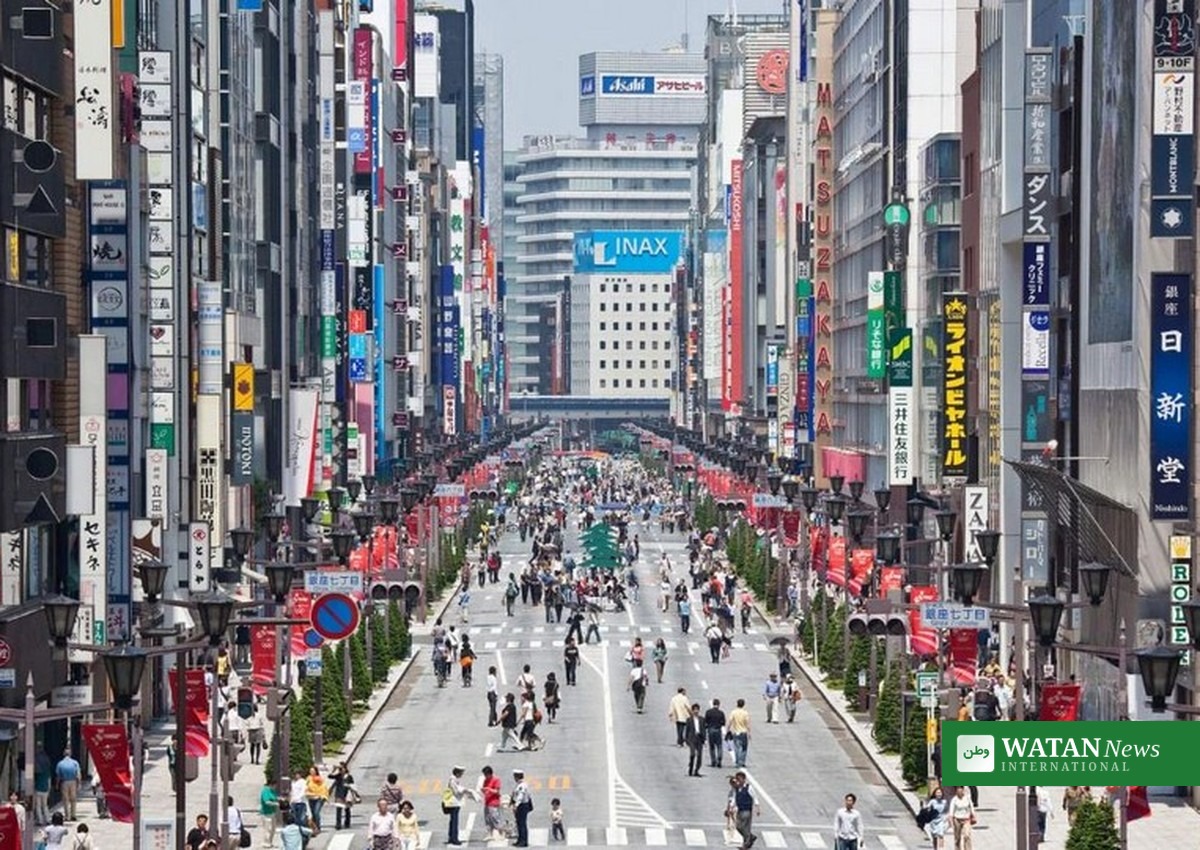
Central Tokyo is the focus for investors seeking income growth, particularly in supply-constrained districts. Colliers said Tokyo office rents have risen as the vacancy rate fell to 1.1 per cent. In Ginza, the capital’s famous luxury shopping area, Savills said there was a brief period this year when there were no retail vacancies at all.
The interest reaches beyond the centre of the capital. While central Tokyo and Osaka draw the bulk of attention, logistics and data centres on the outskirts of the cities are also attractive to foreign investors. Khoo Seow Fong, head of Japan real estate for Singaporean sovereign wealth fund GIC, described logistics and hospitality as “tailwind sectors”, alongside deals arising from companies selling non-core property as part of wider balance-sheet reform.
Modern logistics space remains scarce. Yosuke Fujioka, a partner at Ares Management and head of its Japan investments, noted that modern facilities account for only about 8 per cent of Japan’s total logistics stock, and that slower construction, resilient demand, e-commerce and supply-chain upgrades should support rents. Data centres are attractive because of Japan’s large digital economy, political stability and top-tier tenants, said Sigrid Zialcita, chief executive of the Asia Pacific Real Assets Association, though the sector faces separate concerns over higher capital costs and growing public opposition.
Japan property investment in figures
| Measure | Figure | Change |
|---|---|---|
| Commercial investment, Q3 2026 | 2.21 trillion yen (13.9 billion dollars) | Up 4 per cent year on year; quarterly record |
| Overseas investor purchases, Q3 2026 | 775 billion yen | Up 30 per cent year on year |
| Japan-focused funds raised in 2026 | 4.66 billion dollars across 45 funds | Near 2025 total of 4.99 billion dollars |
| Tokyo office vacancy rate | 1.1 per cent | Rents rising as space tightens |
| Modern share of logistics stock | About 8 per cent | Room for new development |
The risks: rates, yields and the yen
The boom is not without risks, and investors say selectivity matters more than ever. “The real differentiation for foreign investors is in core-plus and opportunistic strategies, refurbishing older assets, improving operations and tenant mix, and creating value rather than simply acquiring property,” said Teppei Takanabe, Goldman Sachs’ co-head of investment banking in Japan.
Core office investments financed largely with debt have become less attractive than they were six to nine months ago, said Neil Brookes, head of Asia-Pacific capital markets at Savills. Investors using more equity, however, can still benefit from rental growth in supply-constrained areas.
Buyers of conventional offices or apartments with yields of 2.5 per cent to 3 per cent face the greatest exposure if rates rise faster than expected, Warburg Pincus chief executive Jeffrey Perlman said at an industry conference in Singapore in September. “If rates surprise by an extra 25, 50 basis points above the trajectory, equity could get materially impaired,” he added.
The yen is another challenge. A weak currency can lower the entry price for dollar-based investors, but sharp swings can erode returns when sale proceeds are converted back into foreign currencies, said Benjamin Cha, chief executive and founder of Serakai, a real estate investment firm. “Whatever level the yen is at, (we would prefer) a little bit more predictability, less volatility,” Cha noted.
What comes next
Despite the risks, momentum shows little sign of fading. Fundraising is running close to last year’s total, big portfolio sales are drawing bids from the world’s largest investment firms, and rents in the best locations keep rising as space runs short. The easy gains of the early recovery may be over, but for investors who can refurbish older buildings and ride rental growth, Japan remains one of the most compelling property markets in the world.
Conclusion
Japan’s commercial property market set a quarterly investment record of 2.21 trillion yen, powered by overseas buyers and a return of inflation that is lifting rents. Tokyo offices and Ginza retail are the tightest markets, while logistics and data centres offer longer-term growth. Rising rates and a volatile yen mean the gains will not come easily, but global funds are betting that Japan’s revival has further to run.