Jakarta, Indonesia — The Earth Journalism Network (EJN) has invited journalists and content creators based in Indonesia to a fully funded methane reporting workshop in Jakarta on 19–21 January 2027, with applications closing on 17 December 2026.
The three-day workshop aims to strengthen reporting on methane, one of the most powerful drivers of global warming, at a time when the gas is drawing fresh attention after featuring on the agenda of the COP31 climate summit in Antalya. Selected participants will learn from academics, researchers, policymakers, senior journalists and social media strategists, and will join a field trip to see methane sources and solutions first-hand.
Organisers will cover travel, accommodation and meals for selected participants. The workshop is open to staff and freelance journalists who report regularly on environmental or energy issues, as well as content creators who frequently publish short-form videos on the environment, energy, the economy, social issues, science or health.
Why methane reporting matters
Methane is a greenhouse gas with 84–86 times the warming potential of carbon dioxide over 20 years and 28–34 times over 100 years, according to EJN. It accounts for 20–30% of current global warming, and around 60% of the methane in the atmosphere now comes from human activities.
Globally, the main human sources are agriculture (40%), oil and gas (35%) and organic waste (20%). The encouraging news, EJN notes, is that a methane molecule stays in the atmosphere for only 7–12 years, far less than carbon dioxide, which lingers for centuries — so cutting methane can slow warming relatively quickly.
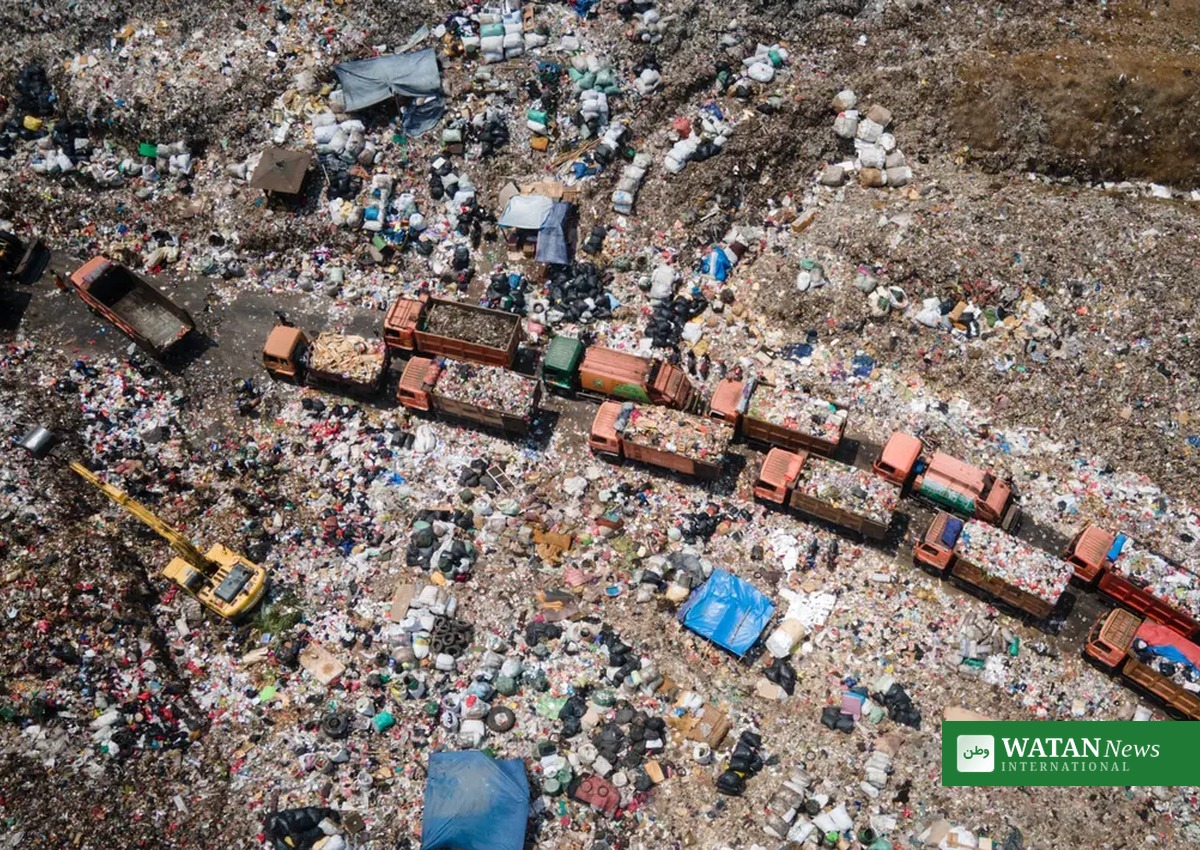
Indonesia is a major part of the story. World Population Review figures cited by EJN place Indonesia sixth among all countries emitting methane in 2026, releasing 433.5 million tonnes of carbon dioxide equivalent of the gas. Climate Change Tracker figures cited by EJN put Indonesia’s 2024 methane emissions at 394.2 megatonnes of carbon dioxide equivalent, of which 243 megatonnes came from fugitive emissions — leaks — alongside 60.3 megatonnes from crops, 49.1 megatonnes from waste and 37.4 megatonnes from livestock.
The methane reporting workshop: what participants will learn
The workshop will combine thematic sessions on the science and sources of methane with practical reporting skills. Participants will hear from academics, researchers and policymakers, work with senior journalists and social media strategists, and visit a site to understand the issue and possible solutions at first hand.
EJN says it especially encourages applications from women, early- and mid-career professionals, members of disadvantaged communities and members of Indigenous communities. Applicants must commit to attending all three days and permit the organisers to republish any output produced as a result of the workshop.
Staff journalists must provide a signed letter from their supervisor approving their attendance, and all applicants must submit two published samples of their work. EJN also requires applicants to be transparent about any use of generative AI tools in their applications, and says it may disqualify applicants found to have submitted AI-generated content as their own.
A wider wave of training for environmental journalists
The Jakarta workshop is one of several new EJN opportunities for journalists across Asia and Africa. The network is also hosting a three-day media workshop on wildlife conservation in Puerto Princesa, Palawan, in the Philippines at the end of February 2027, for journalists seeking to deepen their reporting on wildlife and biodiversity. Ten participants will be selected, with travel, accommodation and meals covered, and applications close on 30 December 2026.
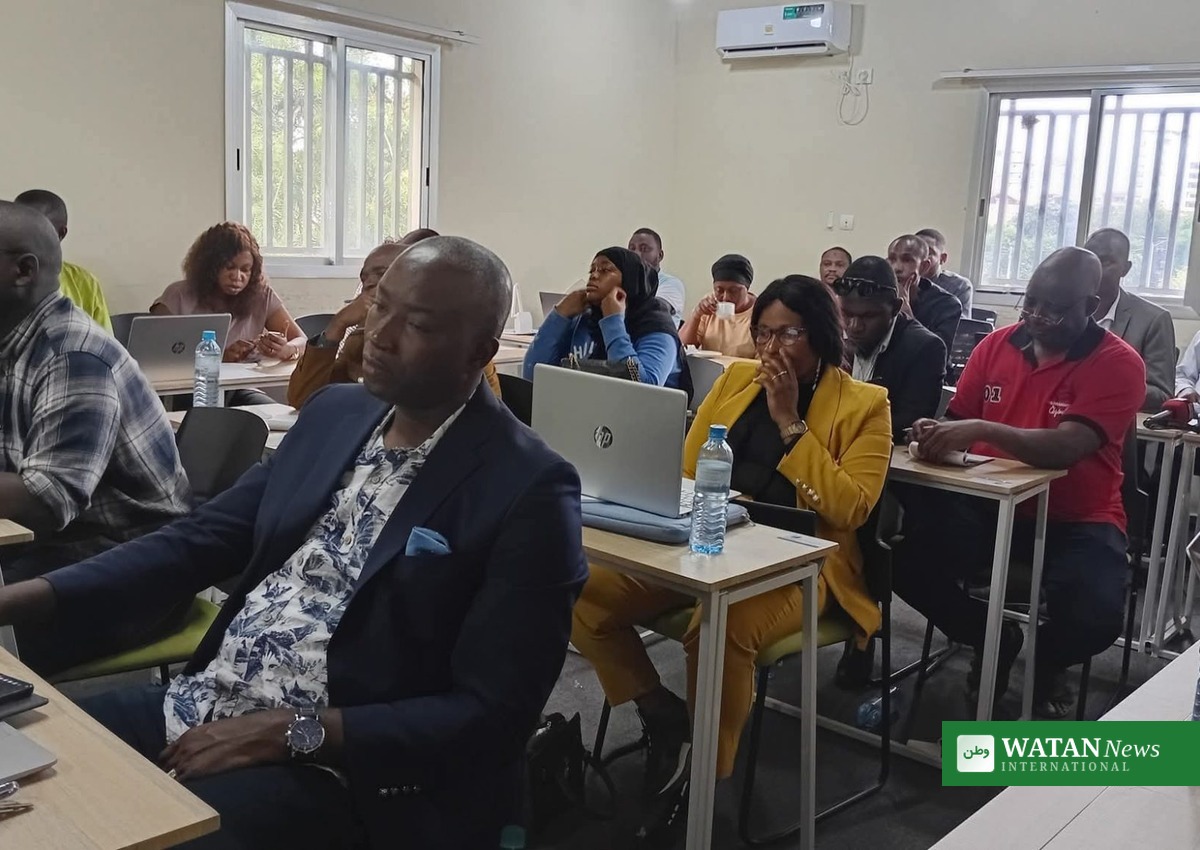
In India, EJN is holding a workshop for communicators and content creators on renewable energy in Indore, Madhya Pradesh, on 4–6 February 2027, and is supporting in-depth text and video reports on the renewable energy transition. Virtual media workshops on the 30×30 target and marine protected areas will run in February–March 2027 for journalists in Ghana, Mexico and the Philippines.
EJN is also offering story grants for in-depth reporting on mining, the environment and human rights in Africa, for journalists in Ghana, the Democratic Republic of Congo, Uganda and South Africa. Terra Viva Grants lists up to 10 grants of up to US$2,000 each under the programme.
The push follows a three-day environmental journalism training in Port Louis, Mauritius, on 17–19 November, where journalists from Mauritius, Rodrigues, Madagascar, Comoros, Djibouti and Seychelles worked on building a durable regional network for climate and coastal reporting. The training was organised by the Media Trust together with UNESCO and the University of Mauritius, and the Media Trust has secured $30,000 through UNESCO’s International Programme for the Development of Communication to establish a regional hub for training journalists on environmental challenges across Indian Ocean countries.
Methane at COP31
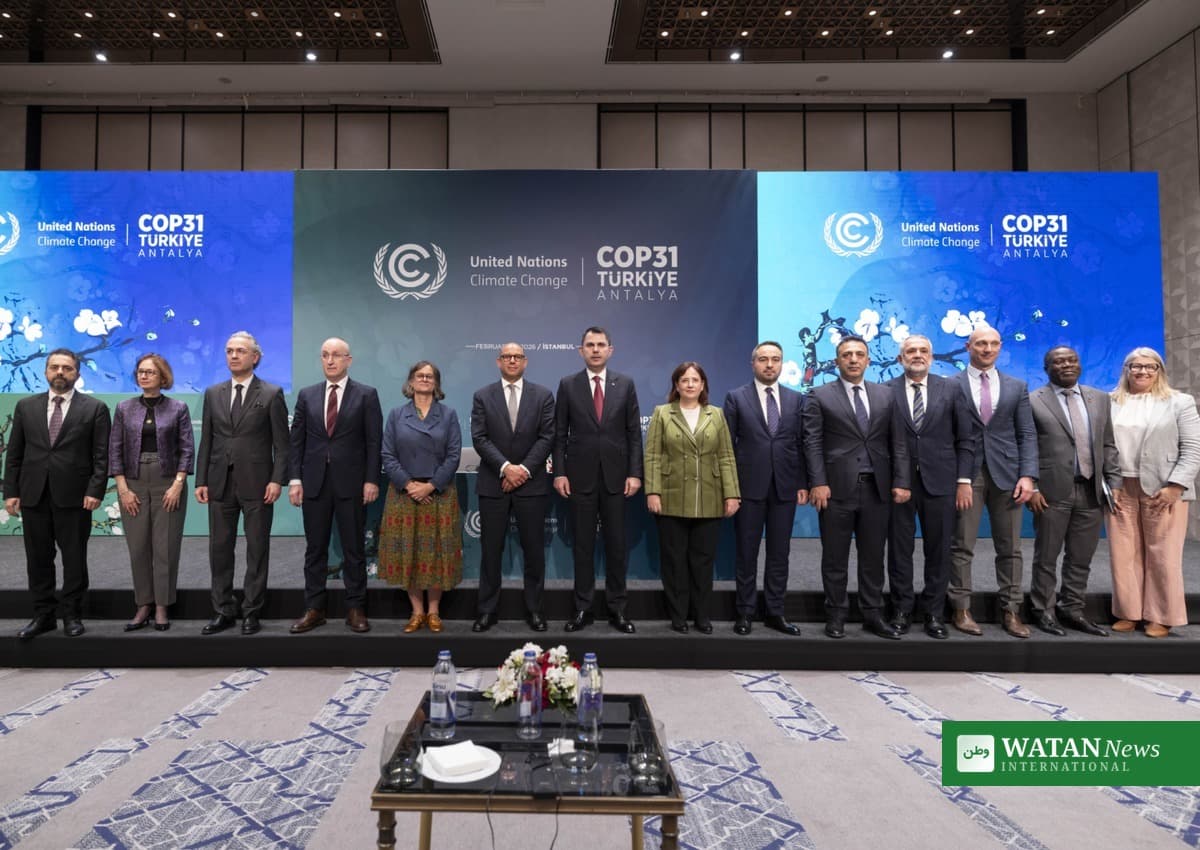
Methane was part of the agenda at COP31 in Antalya, which closed on 22 November without a deal, including a leaders-level summit on methane and other non-CO2 greenhouse gases. Watan News also reported that landfills in Türkiye, the COP31 host country, are among the world’s worst methane mega-leaks, underlining why reporting on the gas matters for the countries hosting the talks as well as those emitting it.
FAKTA
- Event: EJN Methane Reporting Workshop, Jakarta, Indonesia, 19–21 January 2027.
- Who can apply: journalists and content creators based in Indonesia.
- Deadline: 17 December 2026.
- Costs: travel, accommodation and meals covered for selected participants.
- Organiser: Earth Journalism Network (EJN), part of Internews.
- Why it matters: methane has 84–86 times the warming power of CO2 over 20 years and causes 20–30% of current warming.