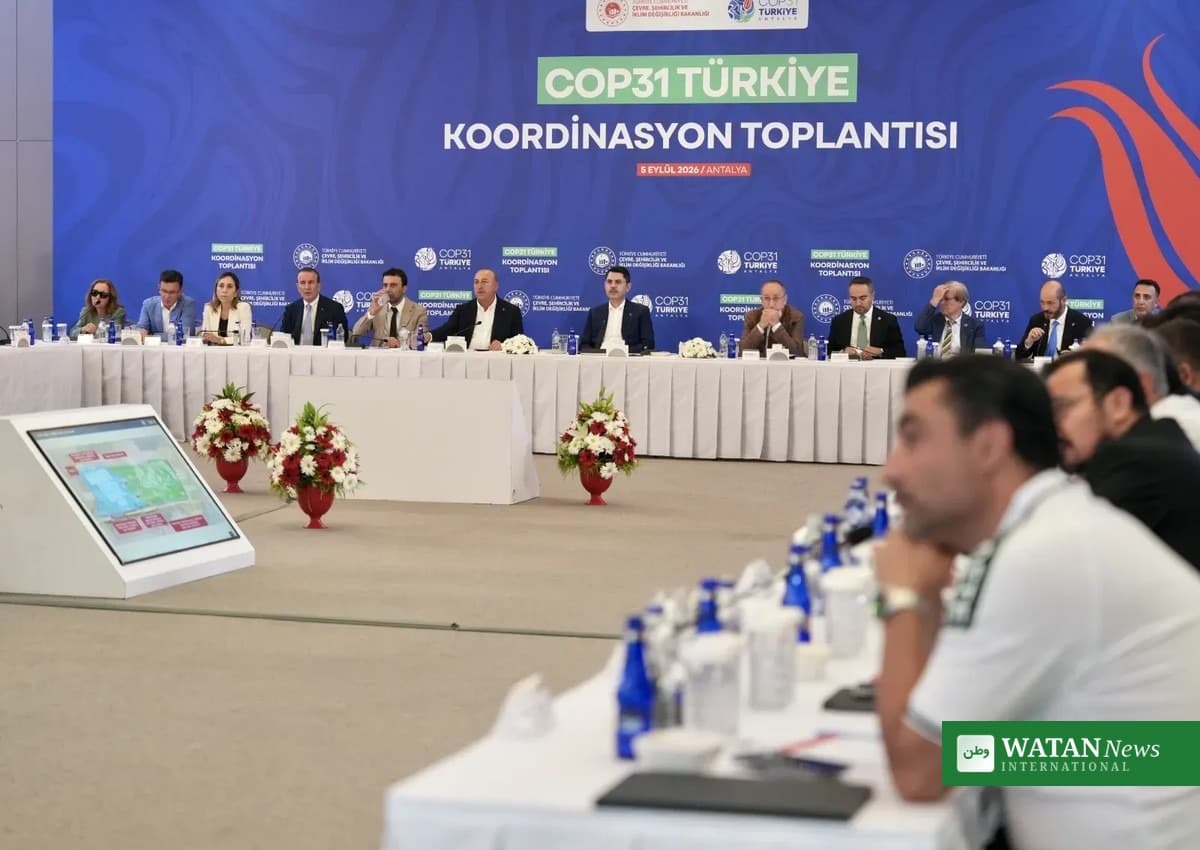
Antalya, Türkiye — As the COP31 climate short film festival closes its festival week in Antalya today, 279 short films from around the world have competed under the theme “Our World, Our Common Home” — and the first prize went to Common Pear, a Slovenian film imagining a near-future world wrecked by the climate crisis. The celebration of new climate storytelling comes at a moment when the journalism covering the talks themselves is shrinking fast.
Global news coverage of climate change fell 14 per cent in 2025 compared with 2024, according to the Media and Climate Change Observatory (MeCCO) at the University of Colorado Boulder — 38 per cent below the 2021 peak. And the decline has continued into 2026: coverage in the first seven months of the year was down about 28 per cent on the same period in 2025, MeCCO’s Max Boykoff told Sierra magazine.
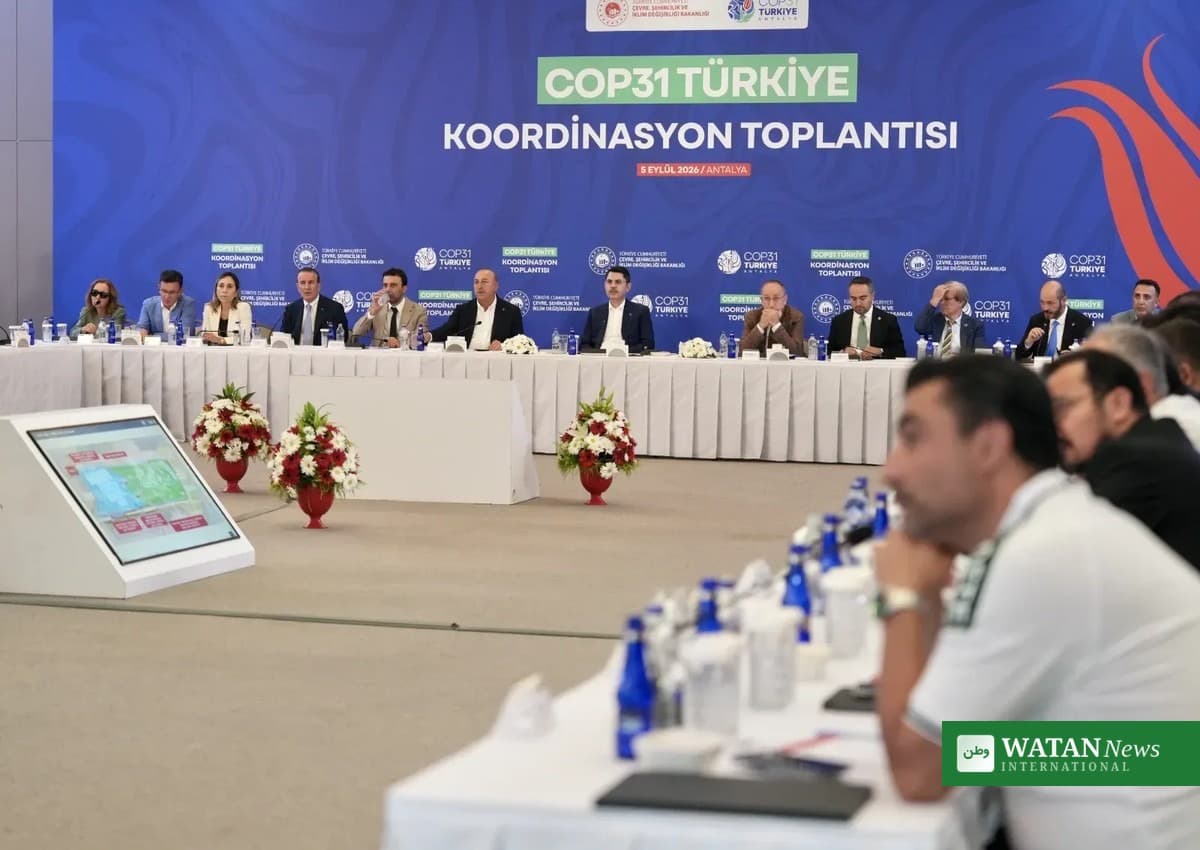
A festival closes as the talks reach their final day
The COP31 Climate Short Film Competition, organised with Türkiye’s Ministry of Environment, Urbanization and Climate Change, ran its festival week from 11 to 19 November in Antalya. Fiction, documentary and animation films of up to 20 minutes competed on themes including the climate crisis, water scarcity, recycling and zero waste, biodiversity loss and climate migration. Films made with artificial intelligence were not eligible.
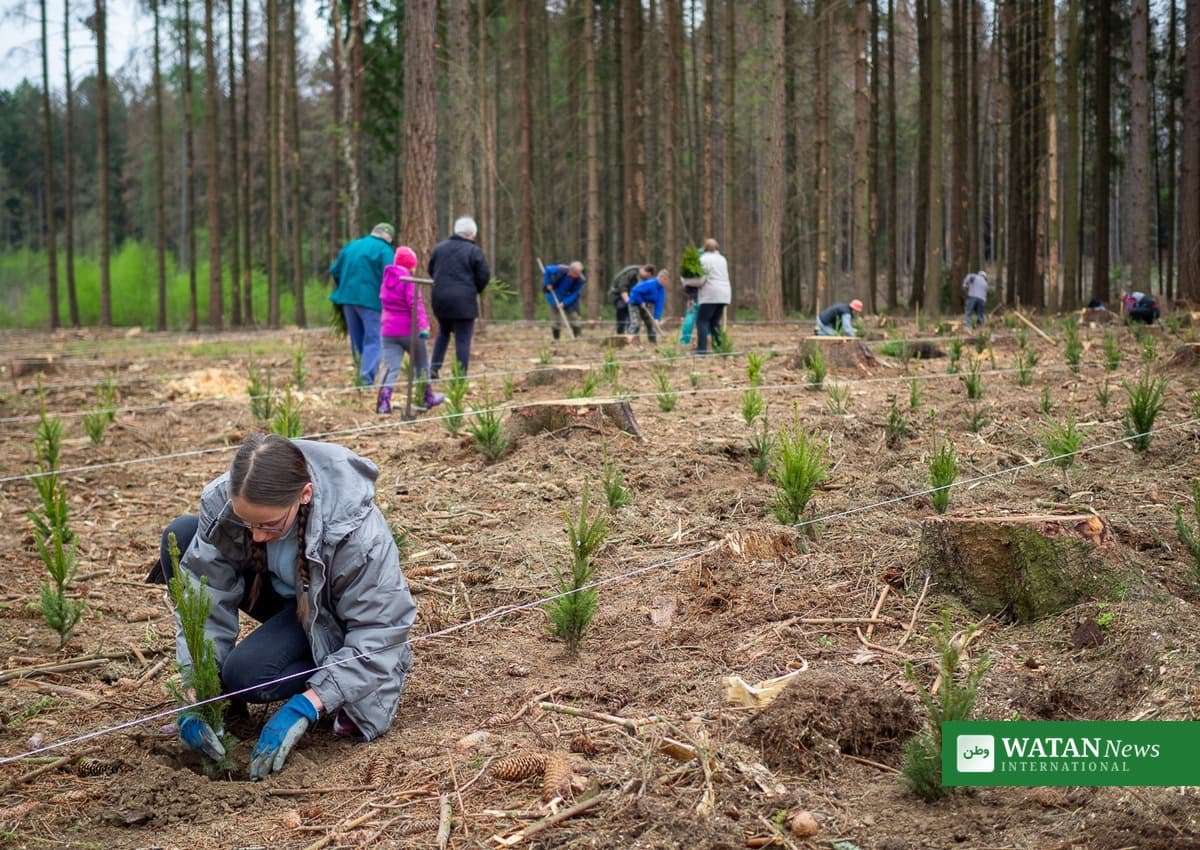
Ten films reached the final, according to reports from Antalya. First prize — 5,000 euros and a statuette — went to Common Pear by Slovenian director Gregor Bozic. Second prize went to Bit by Bit by Theingi Win Tin, and third to Sikoqqinngisaannassooq by Adam Sebire. In total, 14,000 euros in prizes and screening fees were awarded. Every entry carried a 3-euro fee, used to plant one tree sapling for a COP31 Memorial Forest.
The festival was not the only screen story at COP31. On 11 November, the China Pavilion hosted a special event of the 10th Handle Climate Change Film Festival, which said it had received 1,026 films from 94 countries and regions and announced a new Blue Dot Award. Its jury chairman, director Lu Chuan, introduced this year’s call for entries.
The numbers behind the quiet
MeCCO tracks 131 newspaper, radio and television sources in 59 countries. Its 2025 year-end review found that worldwide climate coverage ranked only 10th in the 22 years it has monitored the issue. Even COP30, the UN climate conference in Belém, Brazil, in November 2025, gave only a temporary lift: global coverage rose 23 per cent from October to November, with Latin American coverage up nearly 48 per cent — yet November still stood 24 per cent below November 2024. By December, coverage had fallen 40 per cent in a month.
In the United States, the five major newspapers in one MeCCO dataset published a combined 362 climate-related articles in November 2025 — close to the pandemic-era low of 297 in June 2020. Meanwhile, atmospheric carbon dioxide is now about 50 per cent higher than at the start of the Industrial Revolution, and the 10 most recent years have been the 10 hottest years on record.
FAKTA
- Global climate coverage fell 14% in 2025 compared with 2024 — 38% below the 2021 peak (MeCCO).
- Coverage in the first seven months of 2026 was down about 28% on the same period in 2025.
- 279 short films entered the COP31 competition; 10 reached the final.
- First prize: Common Pear by Gregor Bozic (Slovenia) — 5,000 euros.
- 3,645 journalists are accredited at COP31 — the second-biggest press corps in COP history.
Newsrooms are losing their climate reporters
The fall in coverage is not only about attention — it is about jobs. The Washington Post slashed most of its climate reporters in February 2026, NPR folded its climate desk, Politico discontinued its dedicated energy, environment and climate site E&E News at the end of August 2026, and CBS News gutted its climate production team.
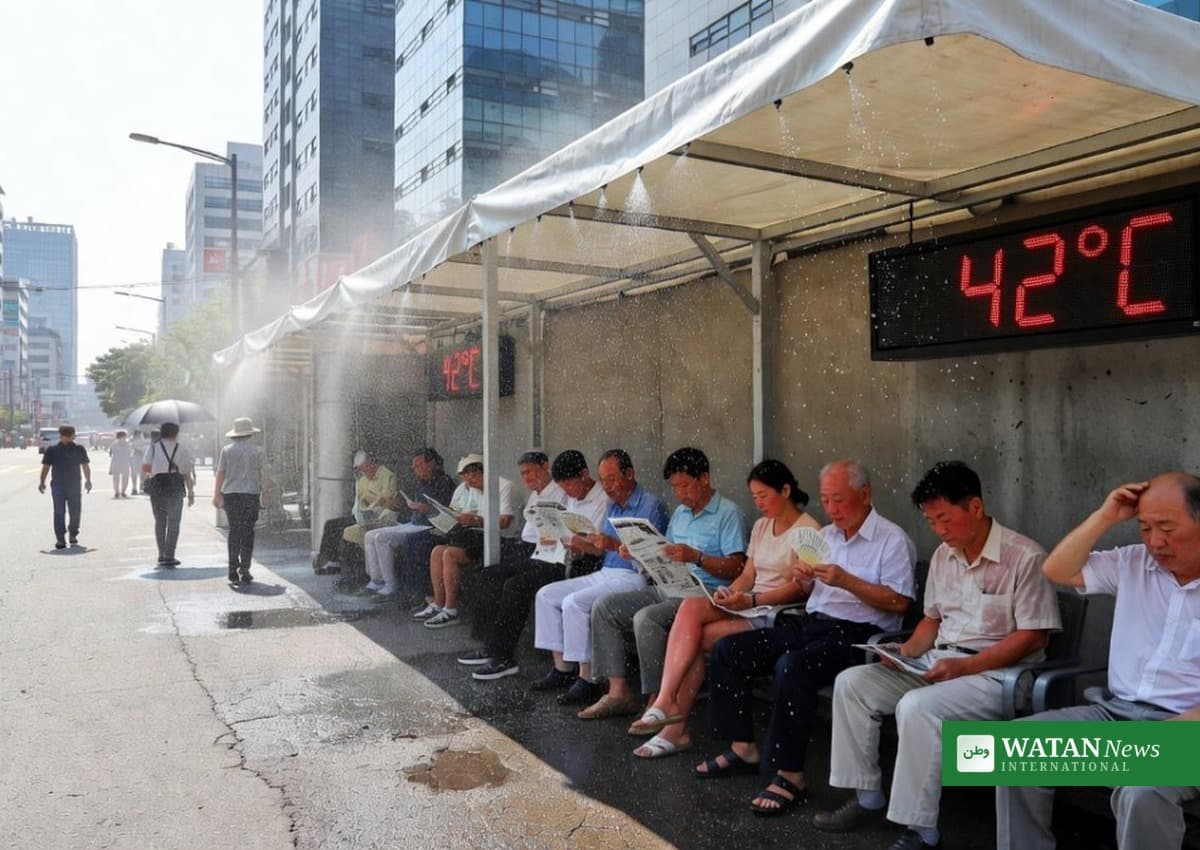
On the three main US broadcast networks — ABC, CBS and NBC — climate coverage fell 35 per cent in 2025, according to an analysis by Media Matters, the third straight yearly decline. During four weeks of extreme heat in July, the three networks aired a combined 194 segments on the heat — not one of them mentioned climate change. Mark Hertsgaard, executive director of Covering Climate Now, noted that the rollback is “very much a US phenomenon”, with The Guardian, Agence France-Presse and The New York Times among the exceptions still investing in climate reporting.
New storytellers step in
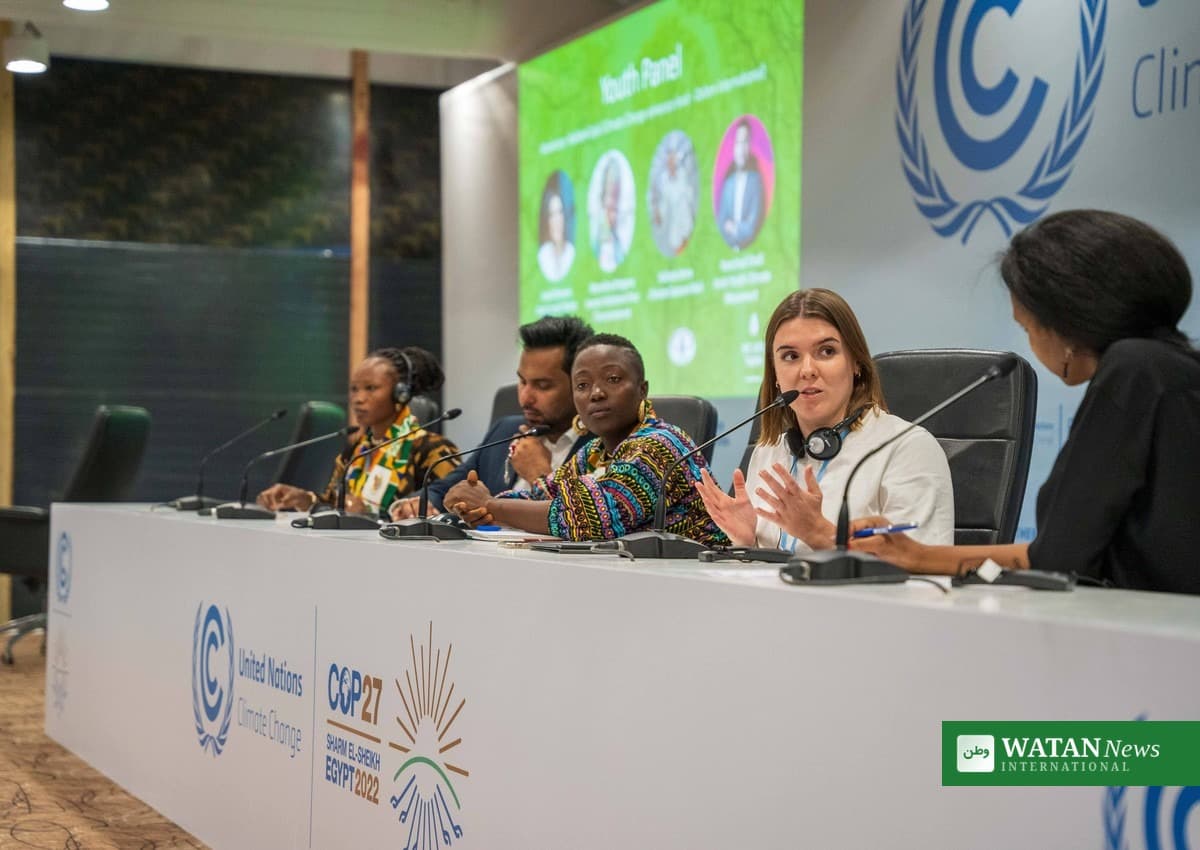
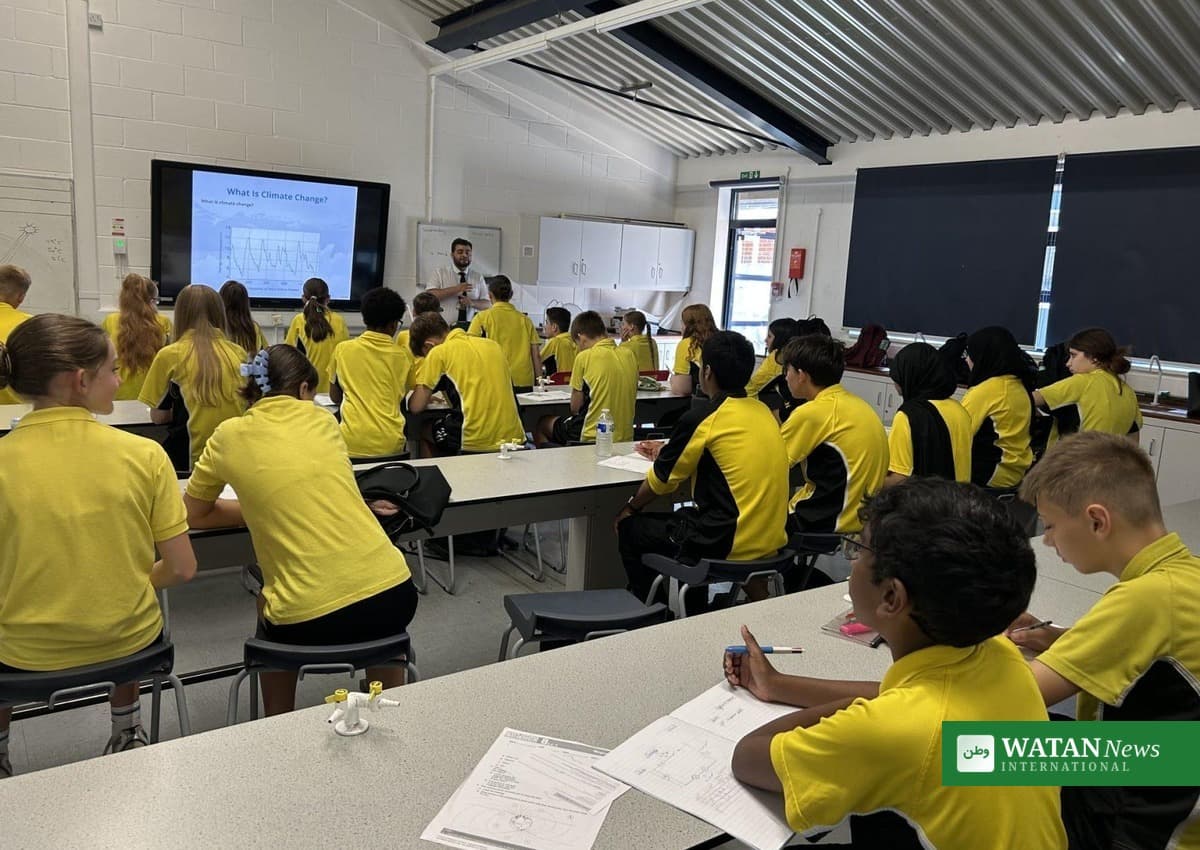
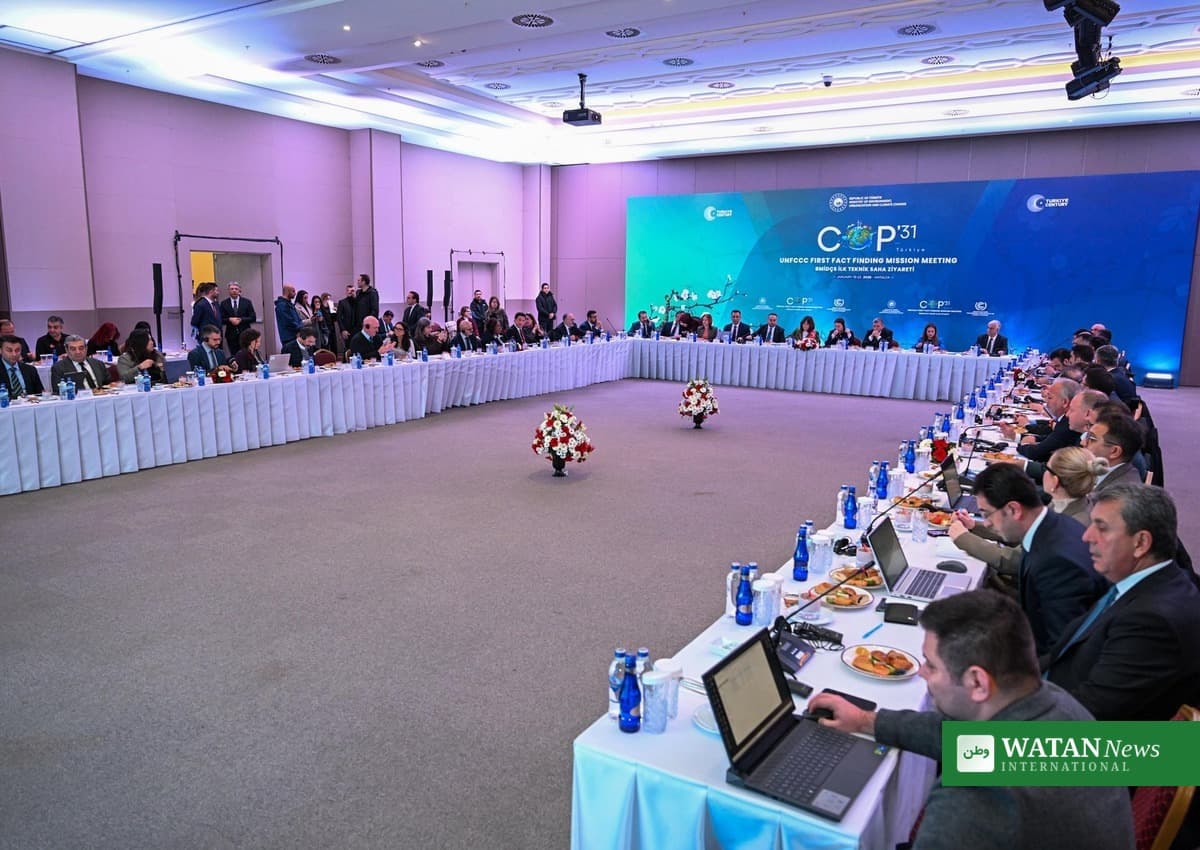
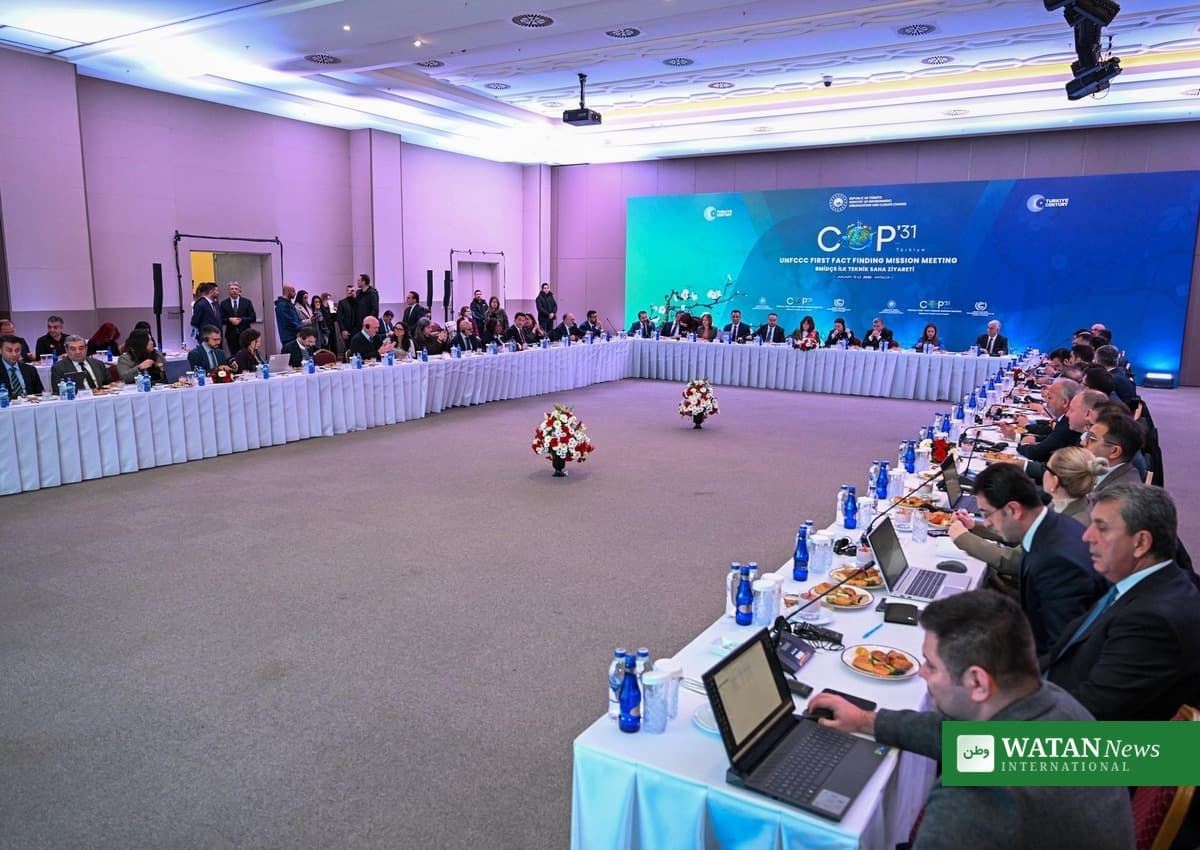
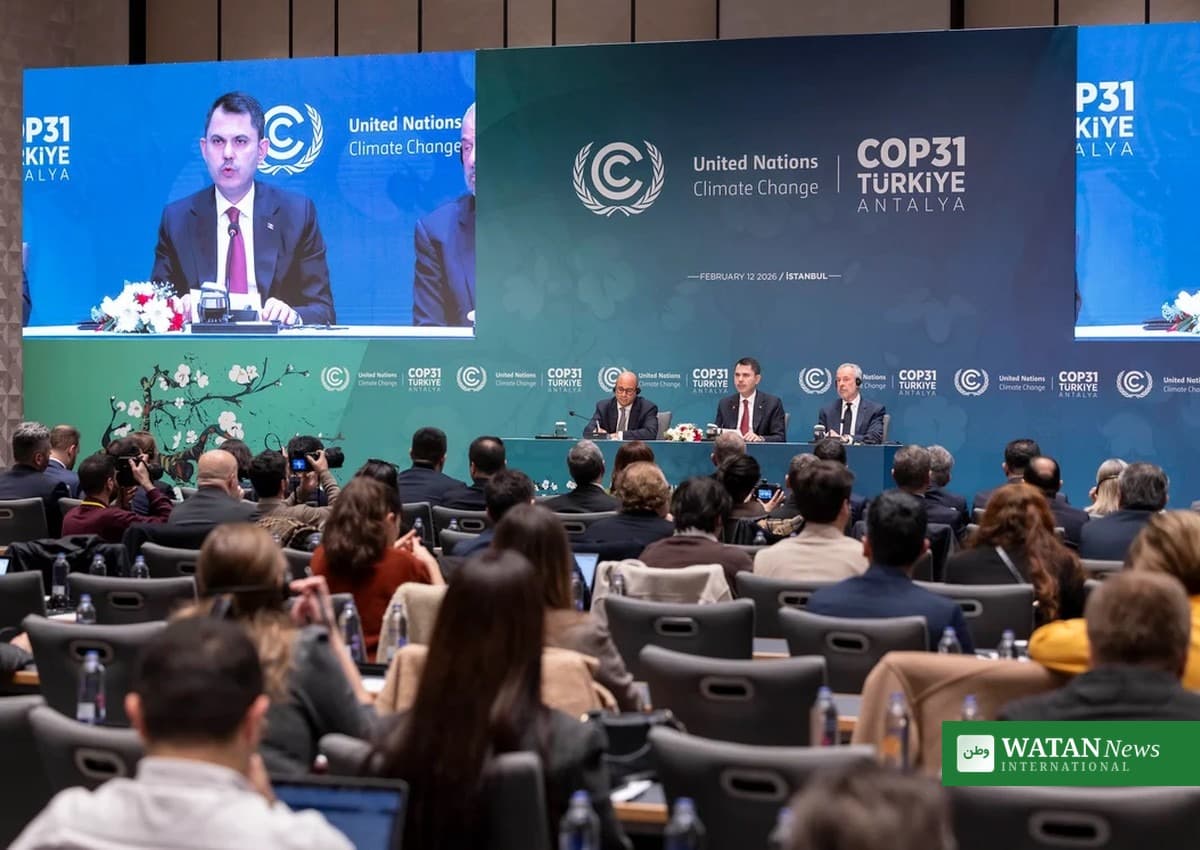
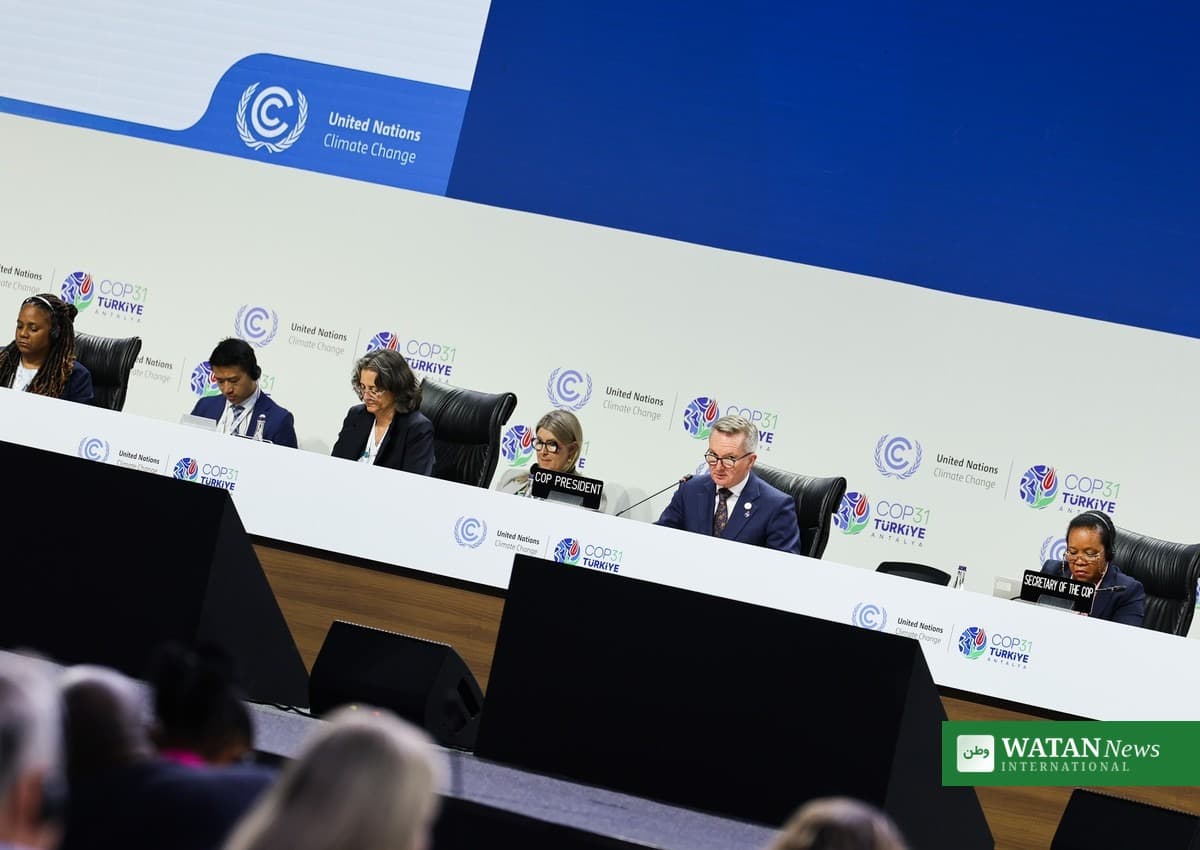
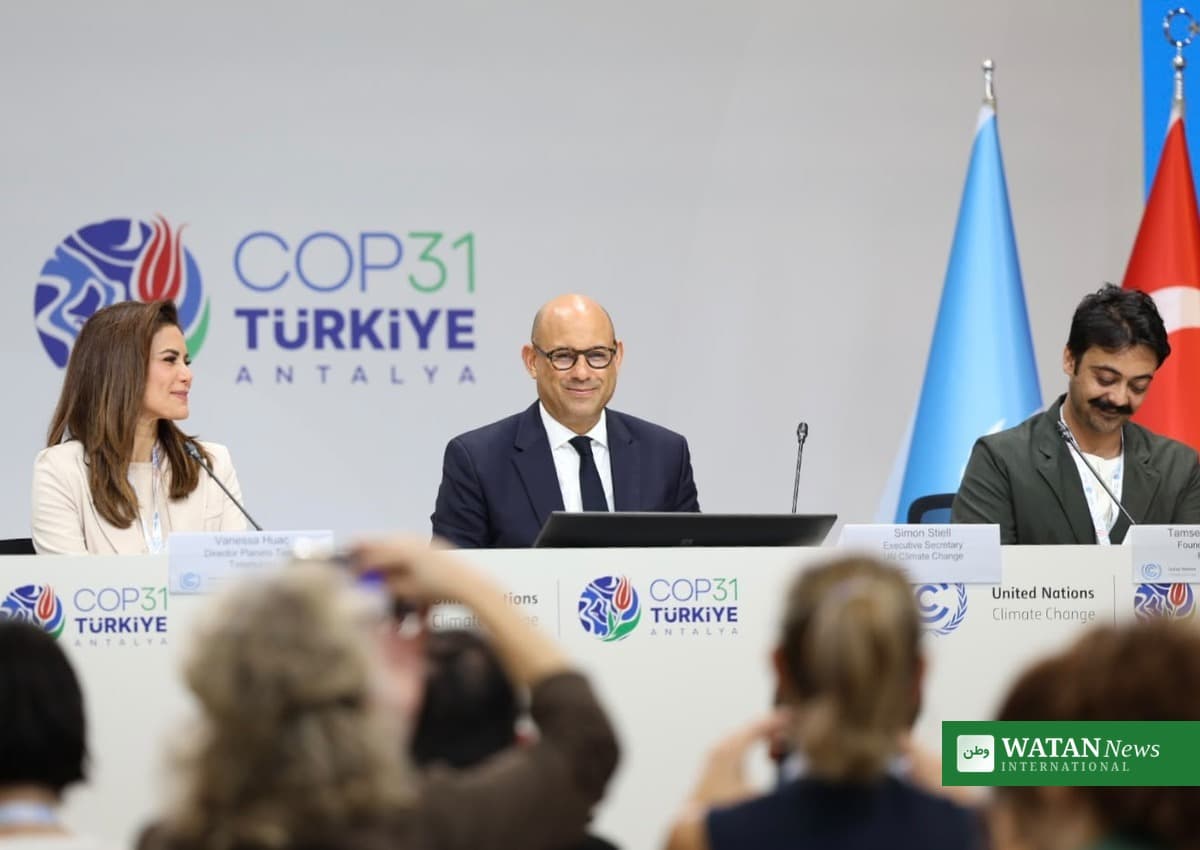
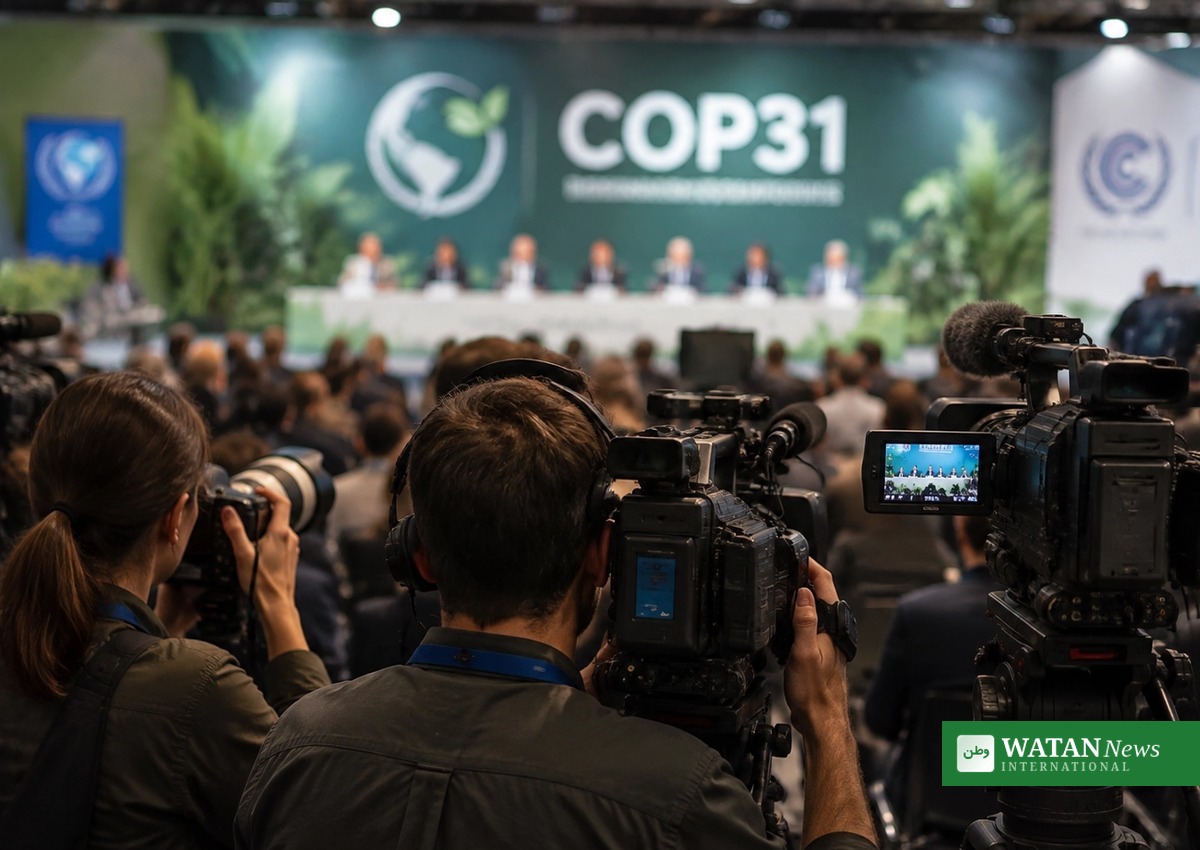
At COP31 itself, the press corps remains large: 3,645 journalists are accredited in Antalya, the second-biggest press corps in COP history, as Watan News reported on 16 November. Sixteen of them are reporting their first COP as fellows of the Climate Change Media Partnership, including two creator journalists reaching audiences on social platforms. And COP31 journalists have been teaching students to report live from Antalya. European newspapers are still following the endgame closely: a 19 November press roundup showed papers from Italy to Ireland debating which way the talks will go as the final texts take shape.
Why it matters
Fewer journalists watching the negotiations means fewer eyes on the final deal — and a public less informed about what it means. “We all suffer as a public,” Boykoff said. “It shrinks the touchpoints that we all have to just understand what is going on in this world.” His advice is to support independent media committed to covering the climate crisis. In Antalya this week, that coverage is coming not only from newsrooms, but from film-makers, students and first-time COP reporters — new storytellers carrying a story the old media is telling less and less.