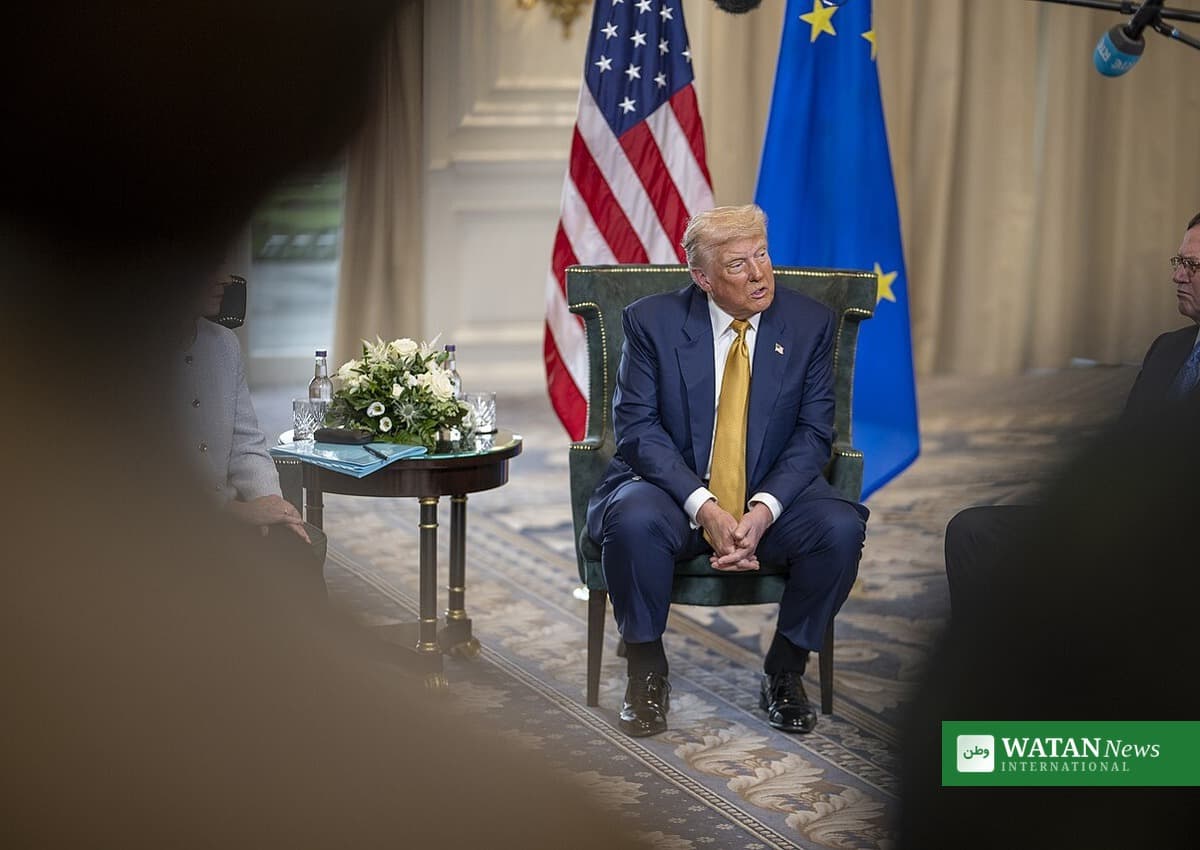
United States President Donald Trump has said Washington will wait until after January 1 to see how its conflict with Iran develops, giving no explanation for the significance of the date. The remarks, made in an interview broadcast on Thursday during his visit to China, come in a confrontation that has already shaken the Gulf this year.
“We’re going to have a new year coming up, and we’ll see what happens after January 1,” Trump said. “But they’ve been nasty,” he added, referring to Iran’s leadership.
FAKTA
- Trump said the United States would “see what happens” in the Iran conflict after January 1, without explaining the date.
- He played down a CNN report of a planned Iranian “dirty bomb” attack in Washington.
- Trump claimed Iran was exploring chemical and biological weapons. He offered no evidence for the claim.
- US Secretary of State Marco Rubio said on Wednesday he saw no sign of an imminent threat to Washington.
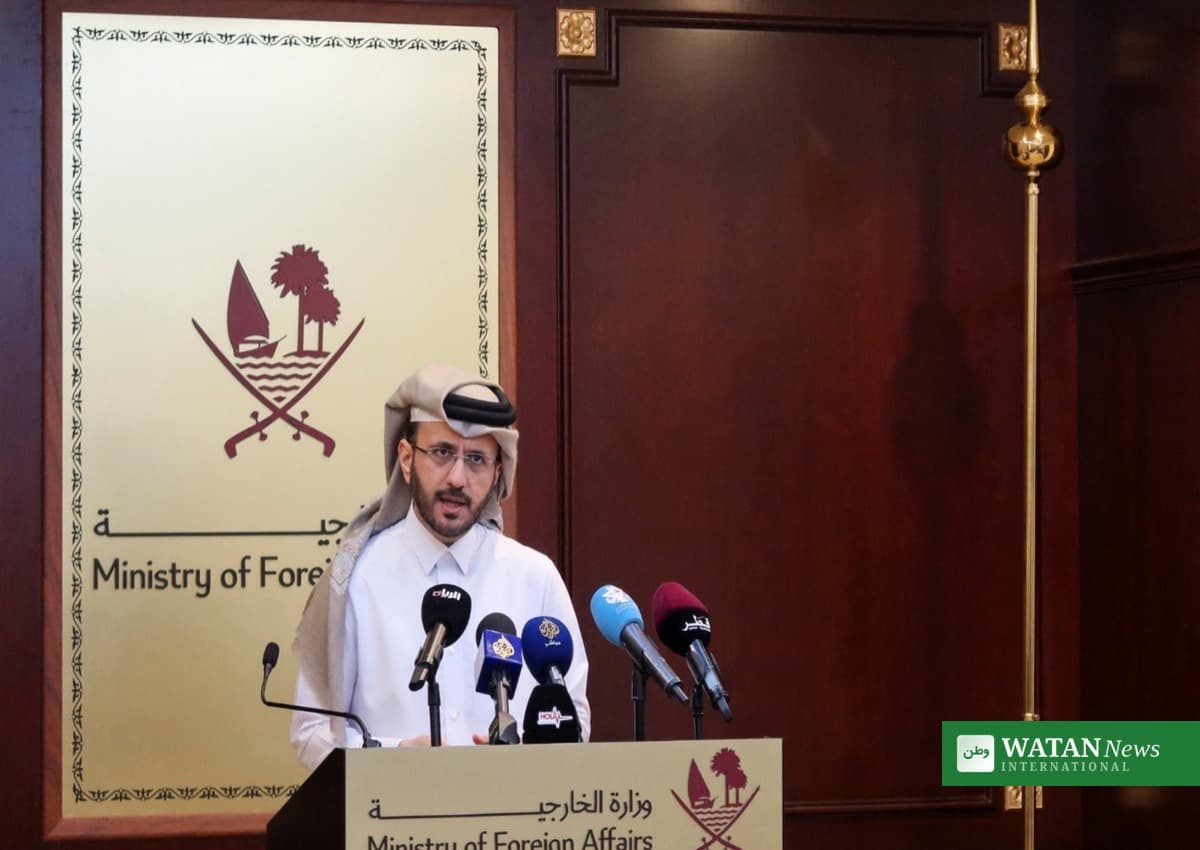
- Iran’s Foreign Ministry spokesman called the CNN report baseless on Tuesday.
Mixed Signals From Washington
In recent weeks, Trump has sent conflicting signals: at times warning of further military action against Iran, at others suggesting Washington could scale back or end the fighting. The latest remarks keep both options open, with the new year as the moment when the direction may become clearer.
Asked about a CNN report this week that Iran was planning to detonate a “dirty bomb” in the US capital, Trump played down the danger, answering “I don’t think so” when asked whether people in Washington should be alarmed. At the same time, he claimed Tehran was now exploring chemical and biological weapons, saying the United States had restricted Iran’s nuclear capabilities. He provided no evidence for the claims.
Intelligence Sharing and Regional Pressure
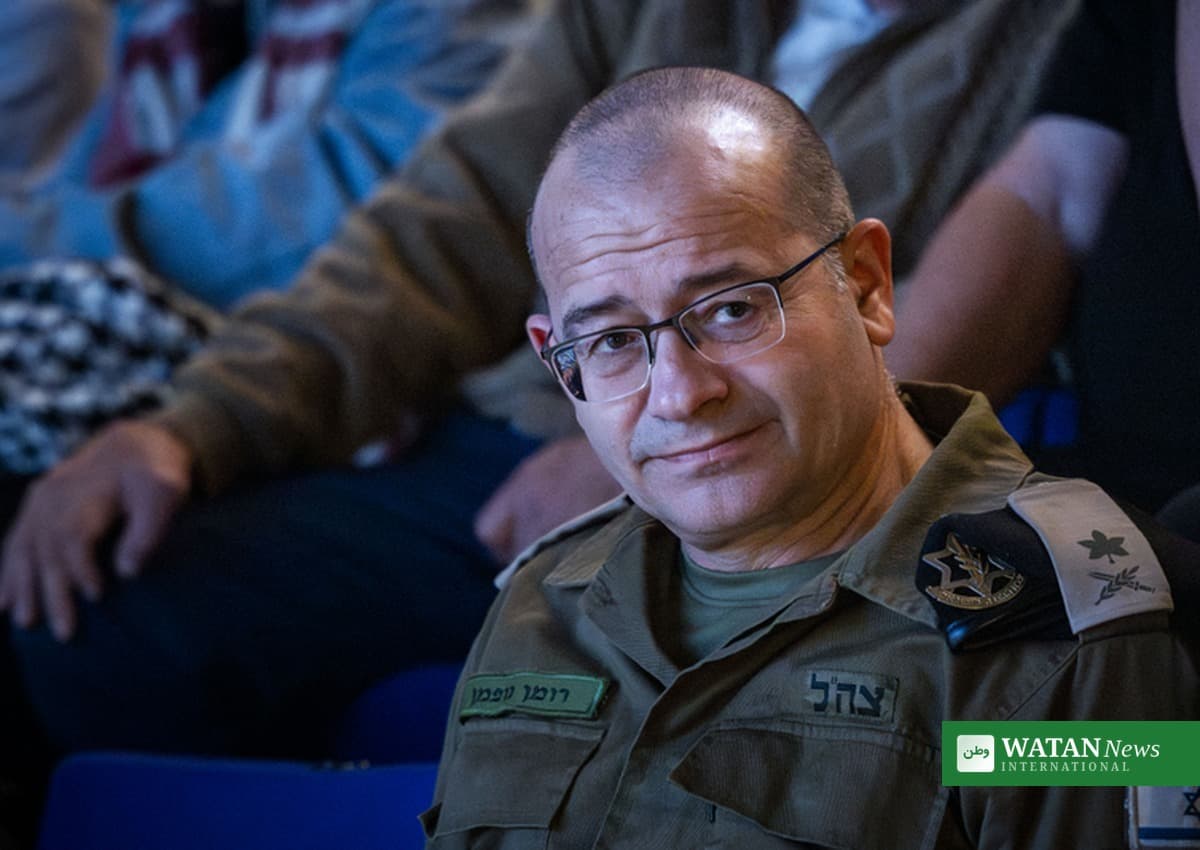
Two Israeli officials said Israel had shared intelligence with Washington on Iran’s growing military capabilities, including alleged chemical weapons development. The chief of Israel’s Mossad intelligence agency, Roman Gofman, visited the United States last week and, according to Reuters, advocated a resumption of joint US-Israeli strikes against Iran. He met CIA Director John Ratcliffe in Washington and travelled to Miami to meet Steve Witkoff, Trump’s special envoy.
Secretary of State Marco Rubio, asked about the CNN report on Wednesday, said he did not think there was any imminent threat to the US capital. Gulf leaders have meanwhile urged Trump not to attack Iran, warning Tehran could retaliate against their countries.
A Fragile Ceasefire Under Strain
The war began on February 28 with a joint US-Israeli attack that killed Iran’s top leader and prompted Iranian strikes on US-allied Gulf Arab states. A fragile ceasefire has formally held since April, but the two sides have kept exchanging fire, including this week, when the United States bombed an Iranian island and Iran attacked Kuwait and Bahrain.
For now, the January 1 marker leaves allies and adversaries alike waiting, with diplomacy continuing alongside the threat of renewed strikes. More international coverage is available on Watan News.