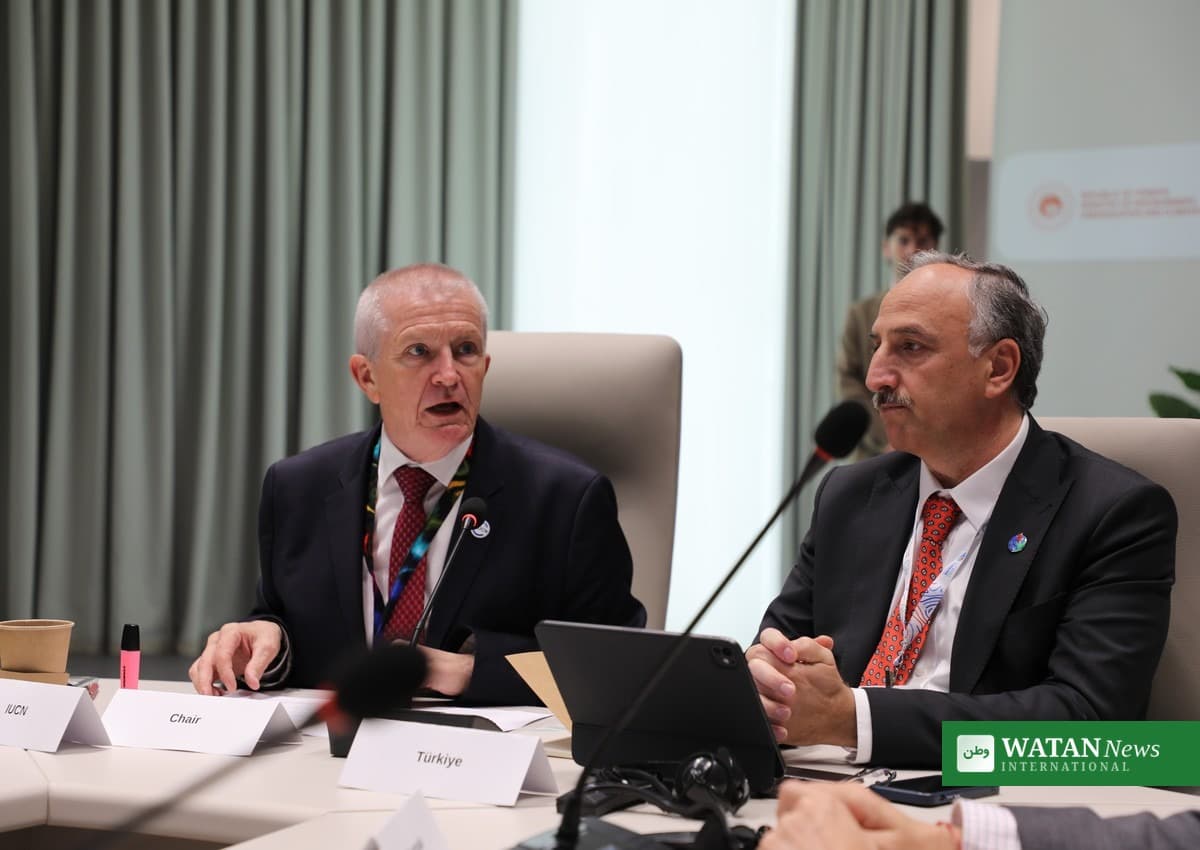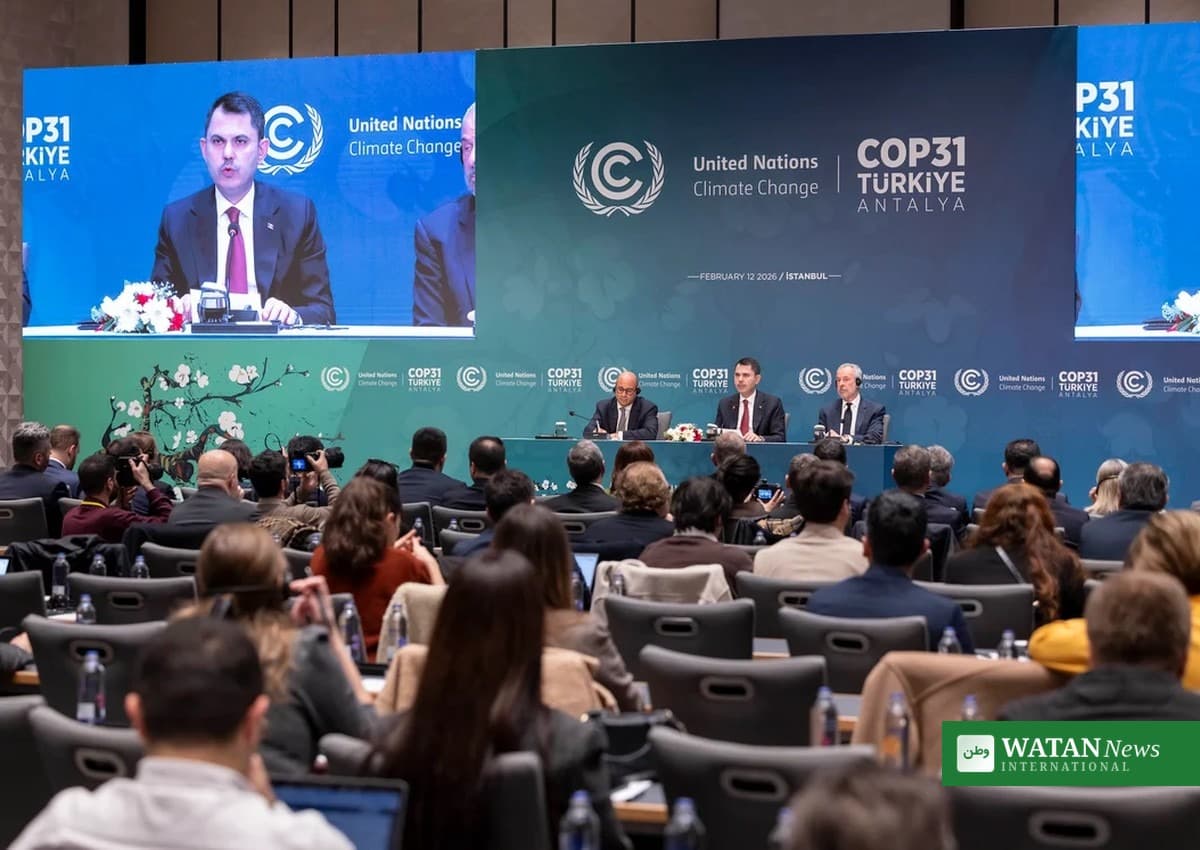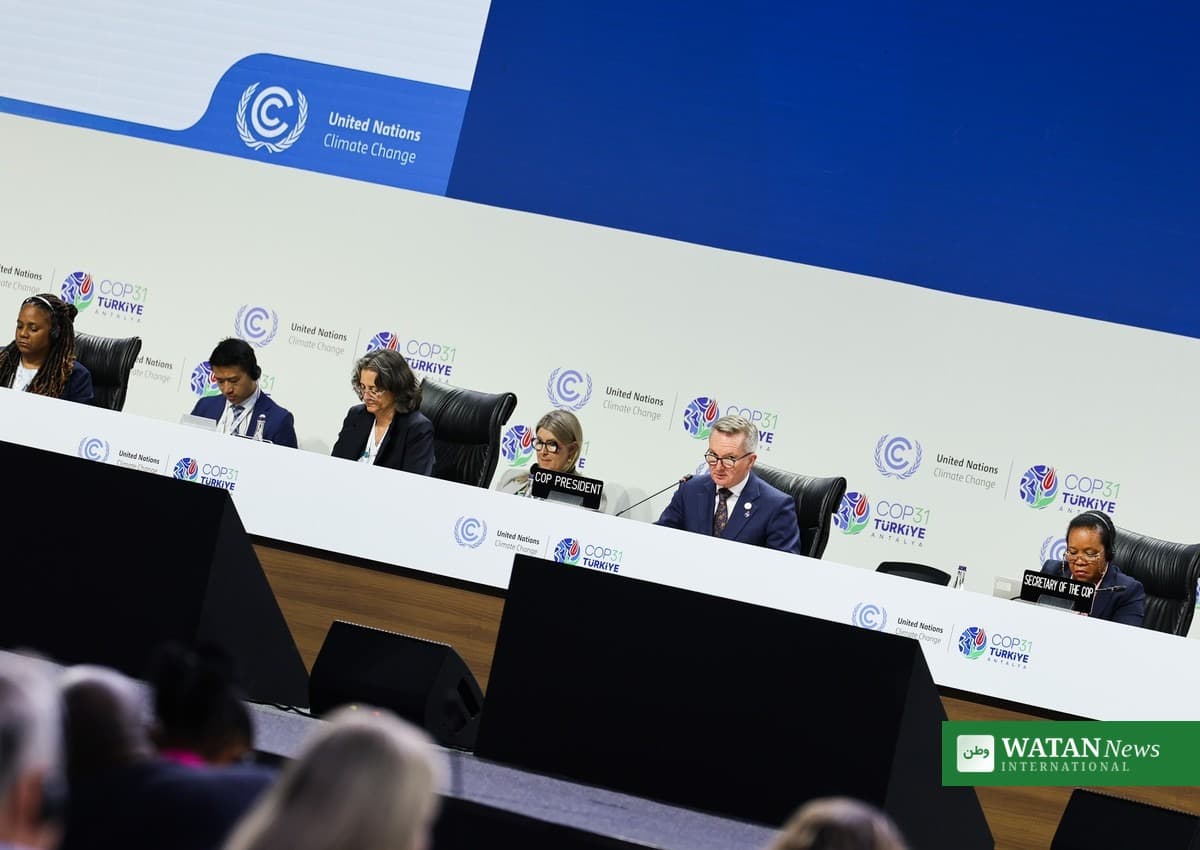
Antalya, 19 November 2026 — Day 11 of COP31 in Antalya is themed “İmece: Enhancing Implementation”, and one of the day’s headline events puts artificial intelligence under the microscope. Later today, the Ukraine Pavilion hosts “AI for Climate, Not Against It: Lessons from Ukraine and Beyond”, a panel asking what AI actually delivers for climate action — and what it costs.
The session runs from 15:00 to 16:00 CET (17:00–18:00 in Antalya) at the Ukraine Pavilion in the COP31 Blue Zone. It is listed in the COP31 Parliamentary Calendar published by GLOBE Legislators, the UNFCCC Focal Point for Parliamentarians, and is hosted by EOPA.
What the Ukraine Pavilion panel will ask
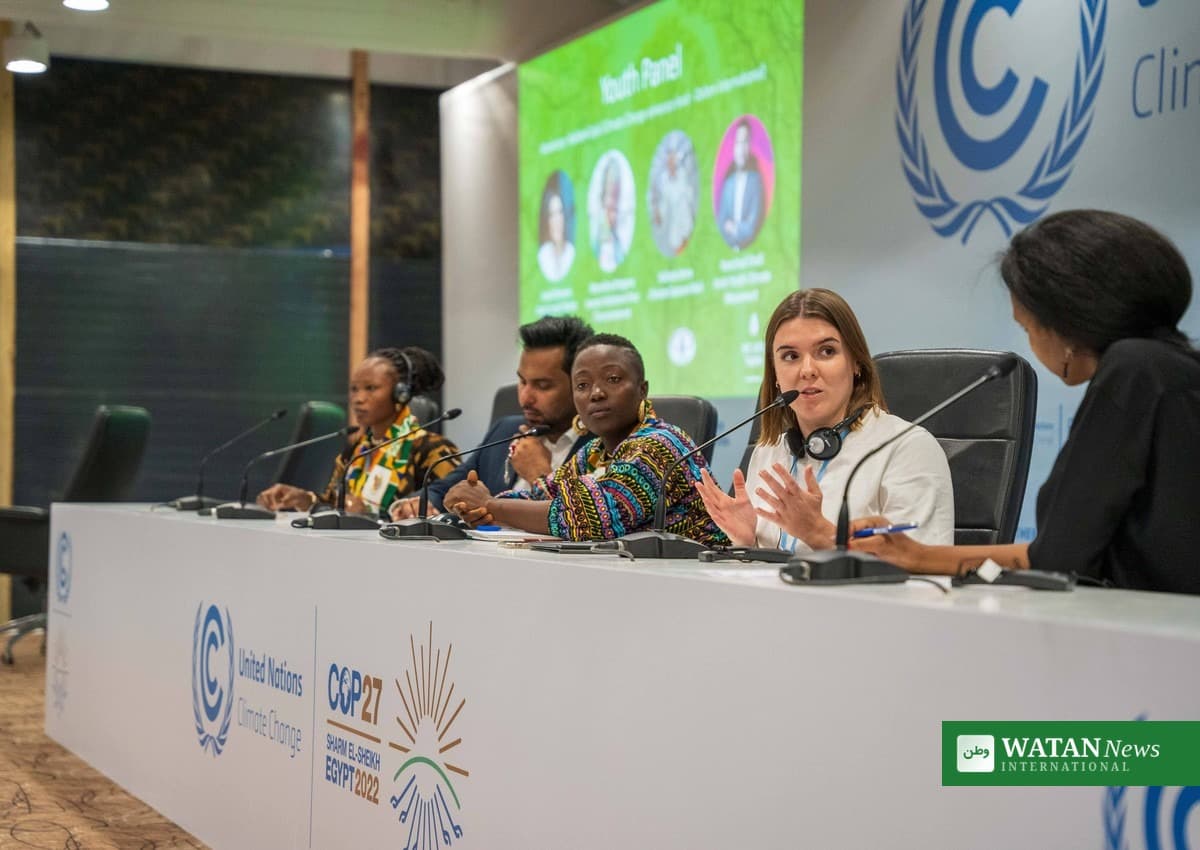
The panel brings together government, science, industry, research, law and elected office to examine how data, digital tools and artificial intelligence are changing the way countries cut emissions, adapt to climate impacts and track climate finance.
On the agenda are four questions:
- How can environmental data be rebuilt in war-damaged landscapes?
- How can AI speed up electrification and build cleaner grids?
- What legal safeguards are needed for the responsible use of AI?
- How can decision-makers turn these tools into policy?
Ukraine brings first-hand experience to the discussion. Even during full-scale war, the country has built some of the world’s most advanced digital public services — including Diia, DREAM and EcoZagroza — and is now applying them to climate and environmental policy.
AI’s own footprint: the other side of the question
The session also confronts AI’s own footprint. As data centres draw more power and water, the panel will ask how to make sure AI works for climate action rather than against it.
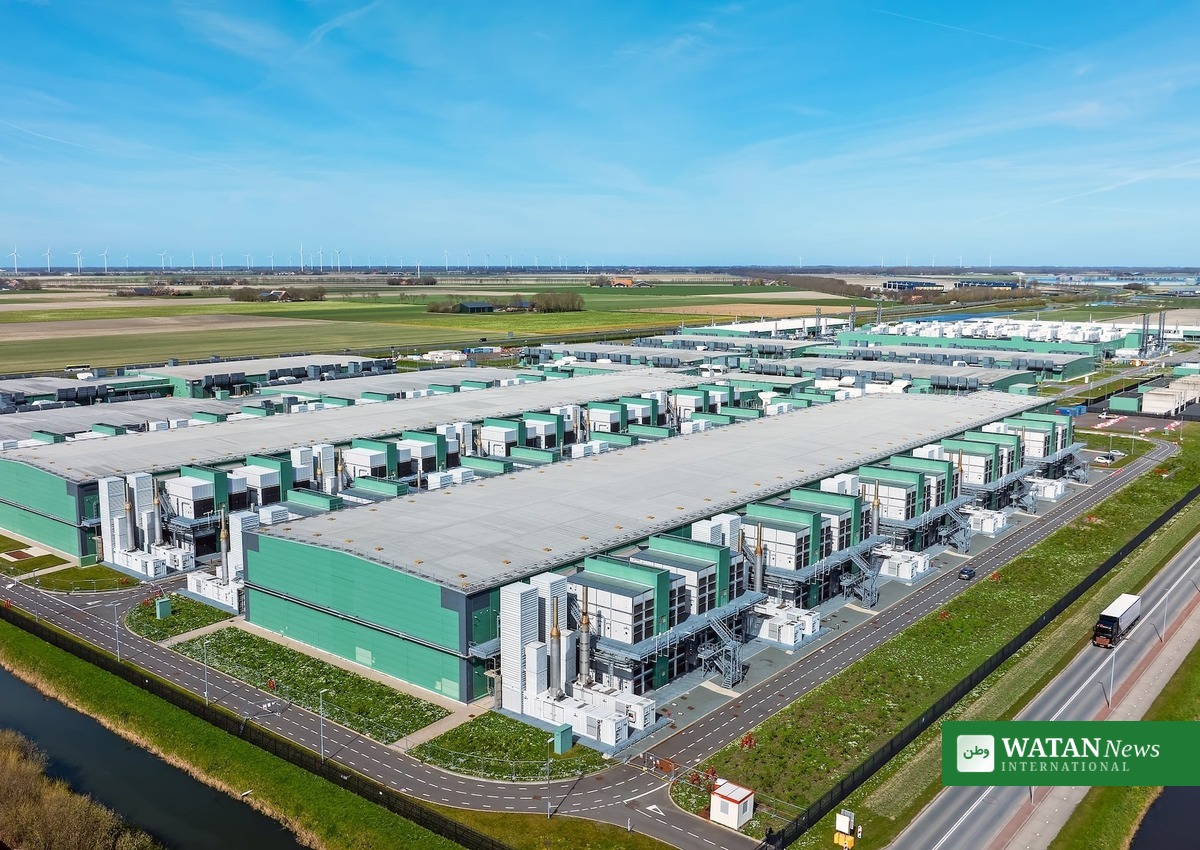
The warning has numbers behind it. According to a Harvard University study published in Nature Sustainability this week, the 403 largest data centres in the United States emitted about 25.7 million metric tons of carbon dioxide between May 2024 and April 2025 — more than Denmark emits in a year. The International Telecommunication Union has said energy use by AI data centres is expected to double by 2030.
United Nations Secretary-General António Guterres urged AI companies in June to disclose their environmental impact and commit to powering every data centre with renewable energy by 2030.
The pledge behind the panel
Today’s panel follows a busy week for AI at COP31. On Monday 16 November, Türkiye’s COP31 Presidency and the International Telecommunication Union launched the voluntary Antalya Artificial Intelligence Pledge, which asks governments, businesses and organisations to make AI part of the climate solution while assessing the technology’s growing environmental risks.
The pledge has drawn 80 endorsements, but only about 10 of them come from countries. The United States, China and the European Union have not endorsed it, while Germany has said it will sign. Major AI developers such as Nvidia, OpenAI and Anthropic are also absent from the list, although the World Business Council for Sustainable Development — whose members include Amazon, Google and Meta — has signed. Alongside the 80 endorsements, 271 commitments to make AI more sustainable were recorded.
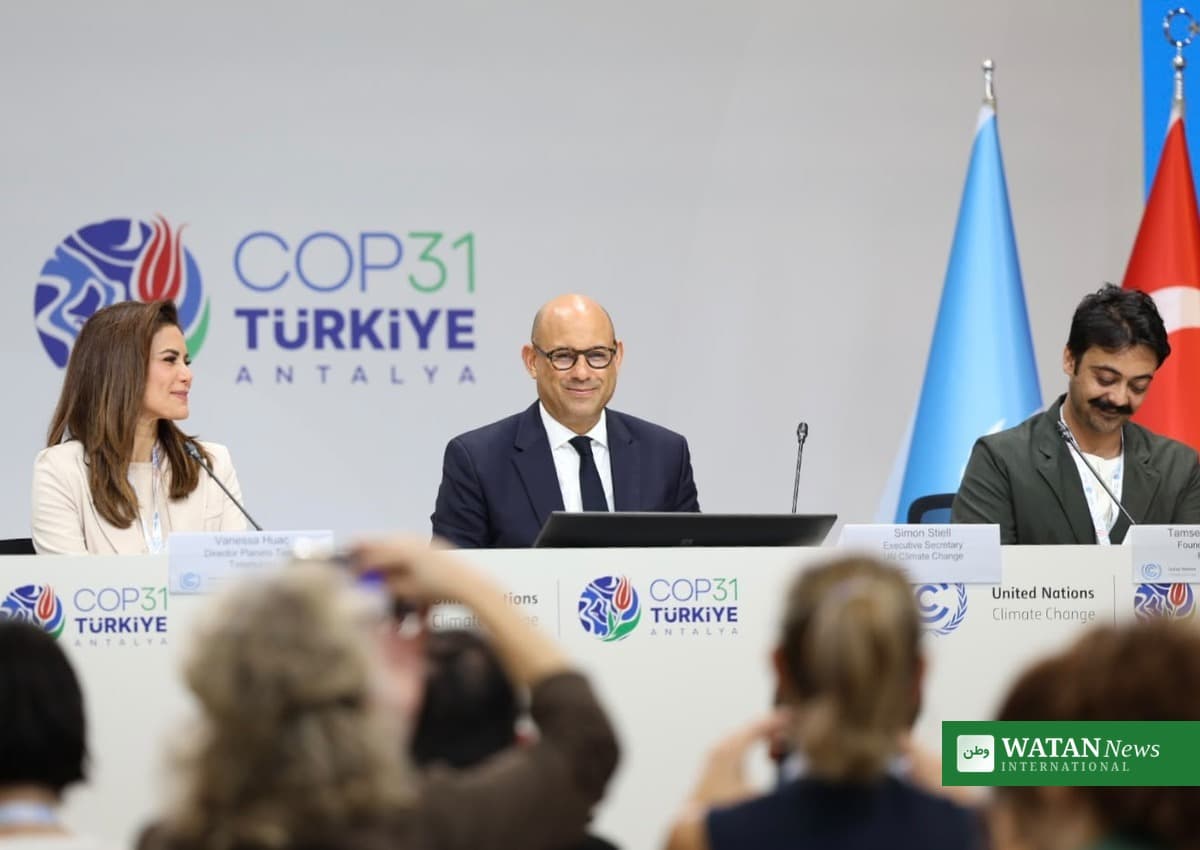
At the launch, UN Climate Change Executive Secretary Simon Stiell described AI as a double-edged sword. “We have arrived at a technological moment of both great potential and great peril,” he said. “We cannot ask people to accept higher bills, more planet-heating pollution and deeper inequality today in exchange for promises of a better tomorrow. AI’s benefits must outweigh its growing costs.” Read our full report on Stiell’s warning at COP31.
Friday 13 November also saw the launch of the Global Initiative for Information Integrity on Climate Change’s Priorities for Action on AI and Climate Information Integrity, co-chaired by the United Nations, UNESCO and Brazil. Read our report on the global priorities for honest AI climate information.
More on Day 11 at COP31
The AI panel is one of several parliamentary events on the Day 11 calendar:
- 10:00–11:00 CET: Report launch, “Before the Border: Climate Migration & UK Security”, Side Event Room 2, Blue Zone.
- 15:00–16:00 CET: “From Principles to Practice: Nature-Positive Renewable Energy Deployment”, IRENA Pavilion.
- 17:45–18:45 CET: “The Role of Parliamentary Diplomacy in Multilevel Governance in Promoting Just Transitions Toward a New Economy”, Brazil Pavilion (in Portuguese).
- 18:30–20:00 CET: “Parliaments Breaking Silos and Building Partnerships to Accelerate Methane Action”, Orange Room, Blue Zone, hosted by the Inter-Parliamentary Union.
GLOBE Legislators has published the COP31 Parliamentary Calendar since COP26, covering events involving parliamentarians across the Blue Zone, the Green Zone and venues around Antalya. COP31 closes tomorrow, Friday 20 November.
Key facts
- Event: AI for Climate, Not Against It: Lessons from Ukraine and Beyond
- When: Thursday 19 November 2026, 15:00–16:00 CET (17:00–18:00 in Antalya)
- Where: Ukraine Pavilion, COP31 Blue Zone, Antalya, Türkiye
- Host: EOPA, listed in the GLOBE Legislators COP31 Parliamentary Calendar
- Day theme: İmece — Enhancing Implementation
- Context: Antalya AI Pledge — 80 endorsements, about 10 countries, launched 16 November
Conclusion
As COP31 enters its final two days, the Ukraine Pavilion panel captures the conference’s central tension on technology: AI can sharpen climate action, from rebuilding war-damaged environmental data to running cleaner grids — but only if its own appetite for power, water and raw materials is brought under control. The test, as the day’s theme puts it, is implementation.