UPSIDE Foods has launched the first cultivated meat product available at high-volume commercial scale, bringing lab-grown chicken to restaurant menus across California at everyday prices. The company announced the launch of UPSIDE Chicken on Monday, 17 November, after a 10,000-fold scale-up in production capacity.
FAKTA
- Launch: UPSIDE Chicken launched on 17 November 2026, the industry’s first cultivated meat product at high-volume commercial scale.
- What it is: real chicken grown from animal cells, blended with plant-based ingredients including soy protein, pea fiber and olive oil.
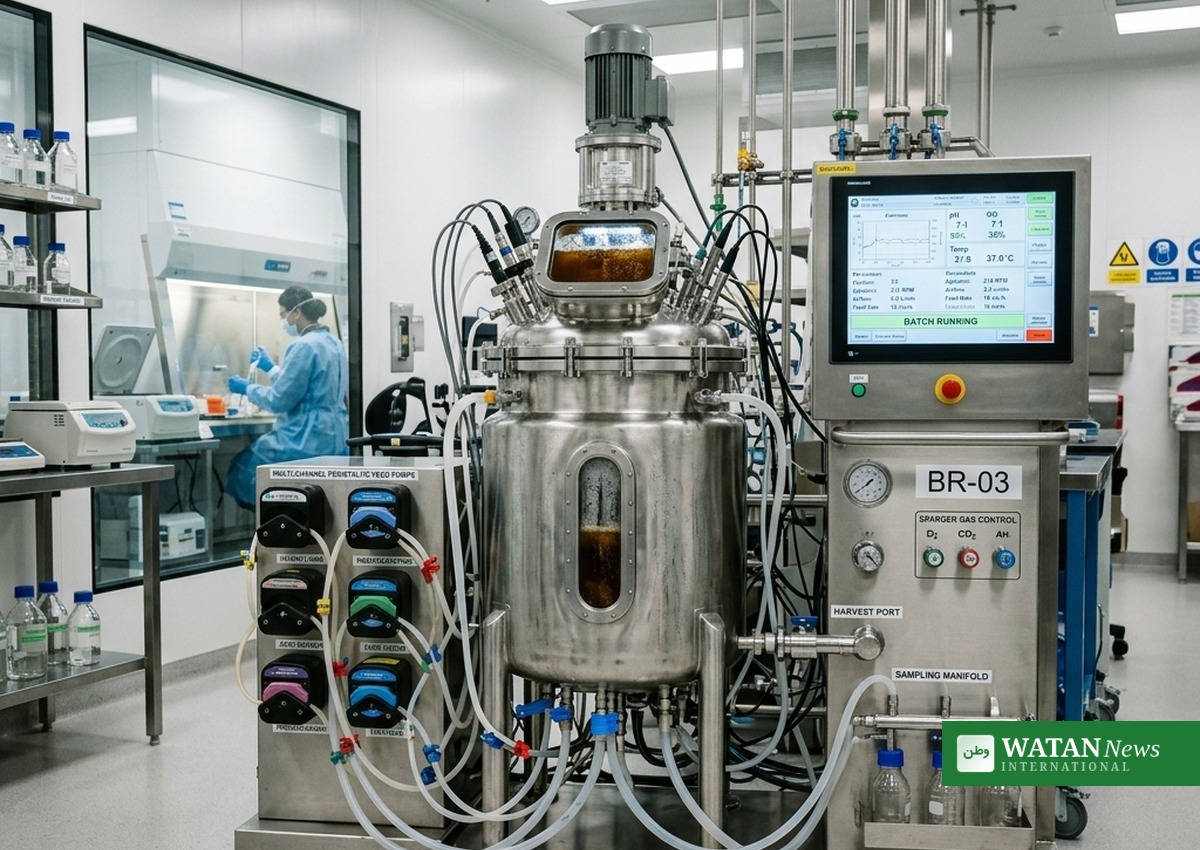
- Capacity: more than 1 million pounds a year from 20,000-litre tanks, on less than half an acre of land.
- Where to find it: eight California restaurants, plus corporate and university dining programmes including Stanford Dining; dishes under $20.
- Approvals: a second FDA “No Questions” letter and a second USDA label approval — the first company worldwide with US clearance for two distinct cultivated meat products.
- Firsts: the first cultivated meat company to achieve halal certification, after a year-long review by Circle H.
From $9,000 a pound to $12 a plate
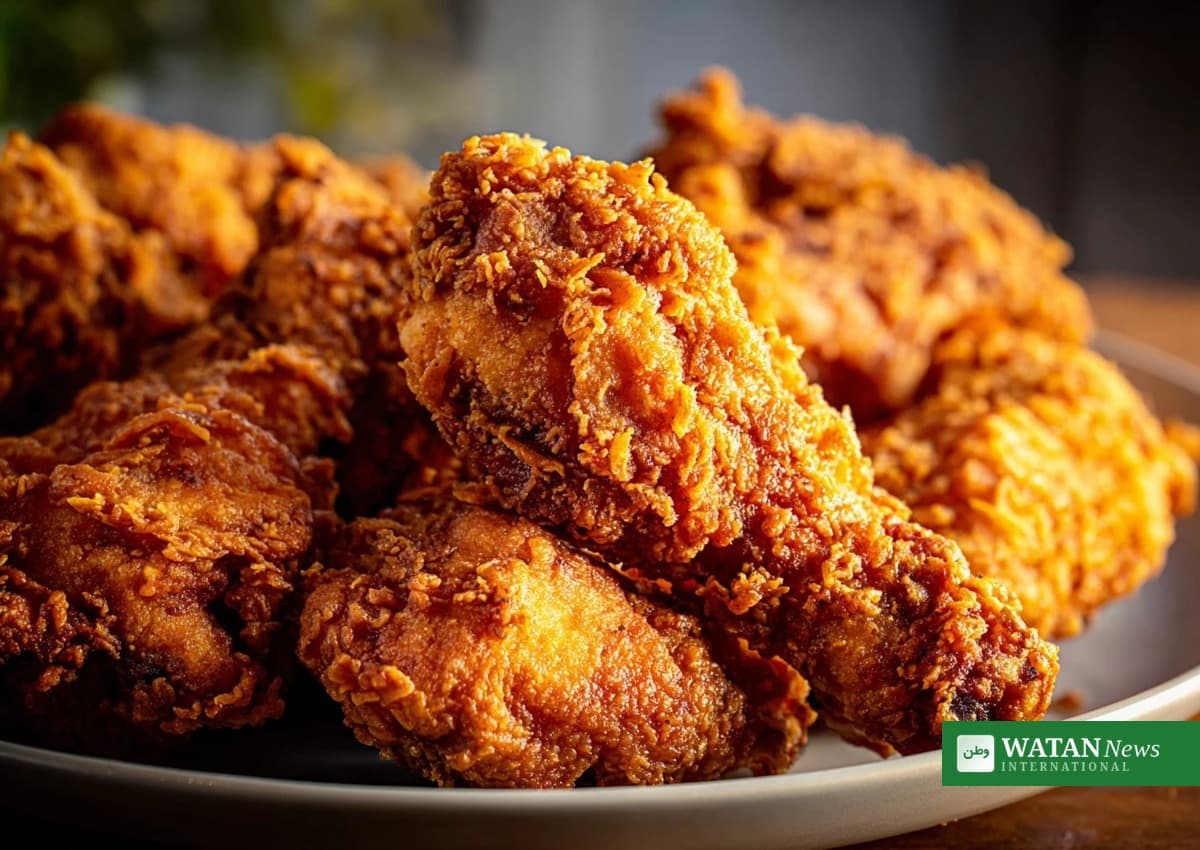
The launch marks a dramatic fall in cost. When UPSIDE Foods was founded in 2015, then known as Memphis Meats, producing a single pound of cultivated protein cost around $9,000, and an early cultivated burger cost $330,000. Today, diners can order Korean Popcorn Chicken at Chimmelier in Los Angeles for less than $20, Southern Fried UPSIDE Chicken at EPIC Steak in San Francisco for $12, or a barbecue chicken sandwich with coleslaw at Mersea on Treasure Island for less than $15.
Eight restaurants across California now serve UPSIDE Chicken, including Chimmelier, Waterbar, EPIC Steak, Mersea and Jilli, alongside corporate and college dining programmes. It is not yet available in grocery stores. Chefs Thomas Keller and Nancy Silverton collaborated on the product.
How it is made
UPSIDE Chicken is made by growing cells taken from chicken eggs and combining them with plant-based ingredients. The cultivated chicken content is in the double digits as a share of the finished product, second only to water, though the company has not disclosed an exact figure. The capacity figure of more than 1 million pounds a year covers the whole finished product, including its plant-based ingredients, not cultivated chicken alone.
UPSIDE says it can produce one million pounds of chicken on just half an acre of land. The company’s founder and chief executive, Uma Valeti, said the commercial launch “brings it onto everyday menus — creating opportunities for a new generation of farmers alongside those who have fed us for centuries.”
Regulation and the road ahead
The launch follows years of regulatory milestones. UPSIDE received US approval to sell its cultivated chicken in 2023, and the new product has now secured a second FDA “No Questions” letter and a second USDA label approval, making UPSIDE the first company in the world to secure US regulatory clearance for two distinct cultivated meat products.
The company is also the first cultivated meat producer to receive halal certification, following a year-long evaluation by certification organisation Circle H. But the sector still faces pushback: Florida has banned the production, distribution and sale of cultivated meat, and Texas has also moved against it.
Conclusion
Cultivated meat has spent a decade as a laboratory promise. With UPSIDE Chicken now on real menus at ordinary prices, the question is no longer whether the technology works — it is whether diners will order it, and whether regulators in other states will let them.