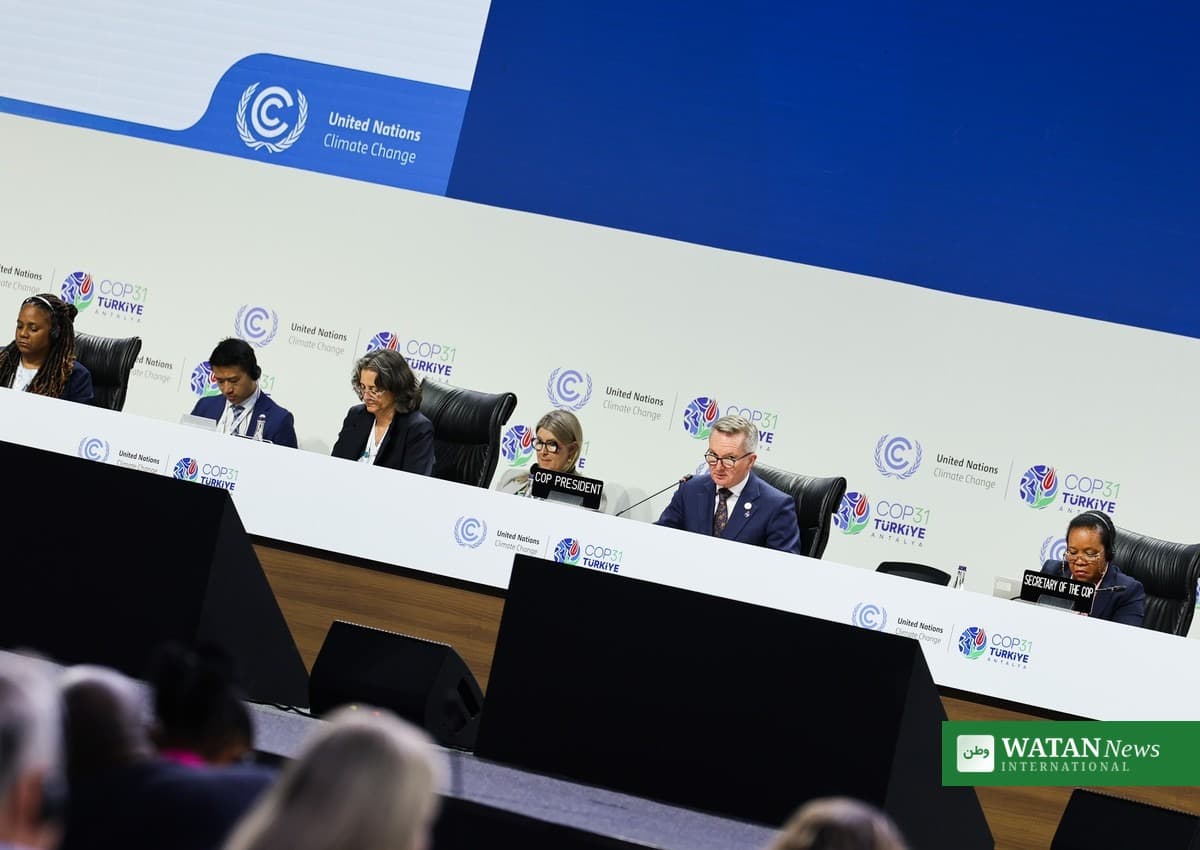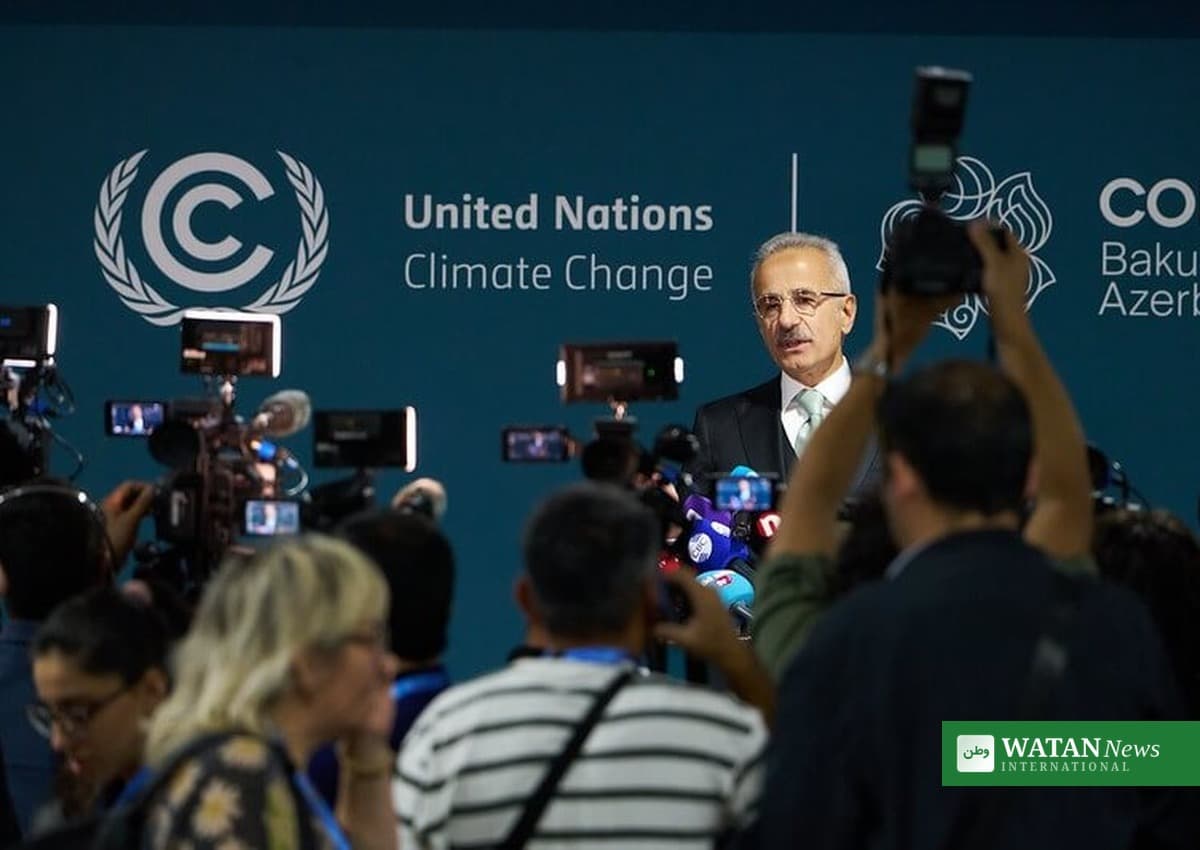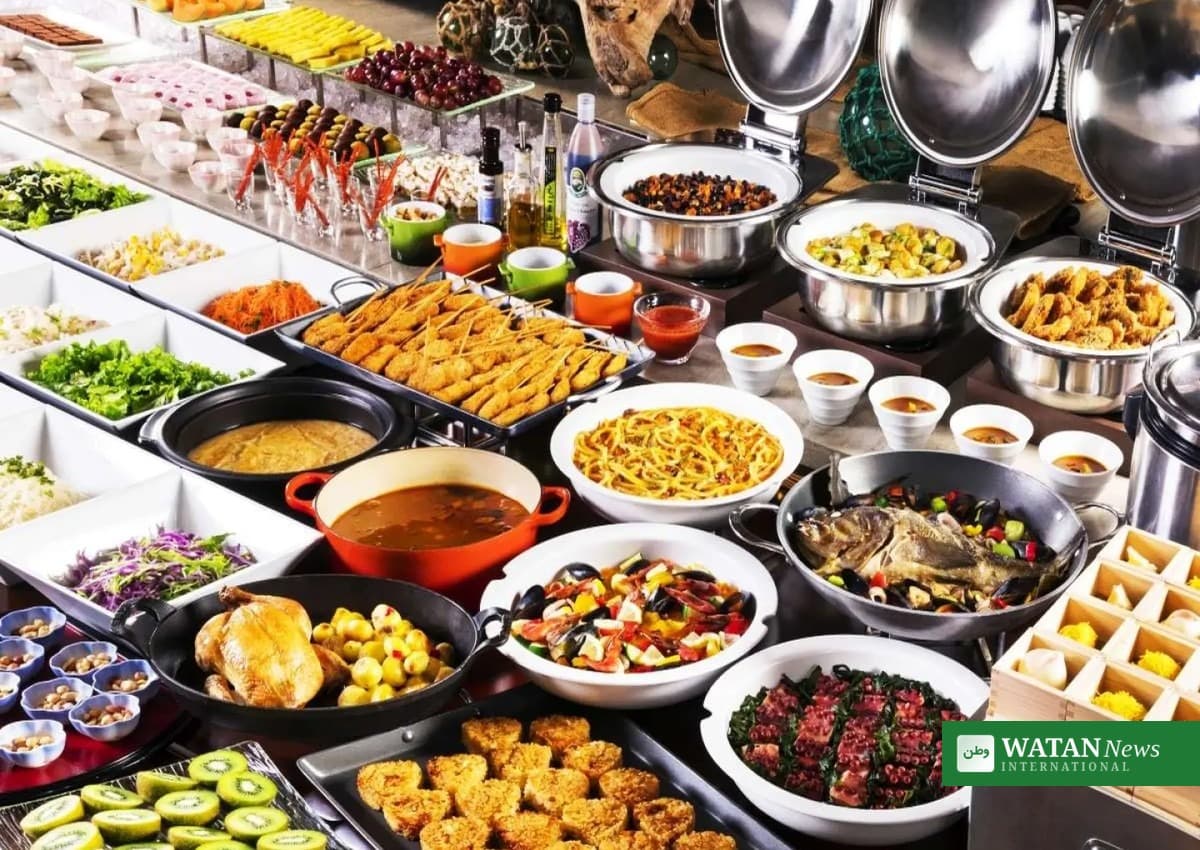
Antalya, 18 November — As COP31 marks its Tourism Day in Antalya today, the tourism industry is putting food waste at the centre of its climate case. The United Nations-backed Recipe of Change initiative, whose partners serve more than 600 million guests a year, will present the results of its Türkiye pilot, in which hotels including Accor, Hilton, Radisson and TUI have been testing practical ways to measure, prevent and reduce food waste. The goal is to halve food waste by 2030.
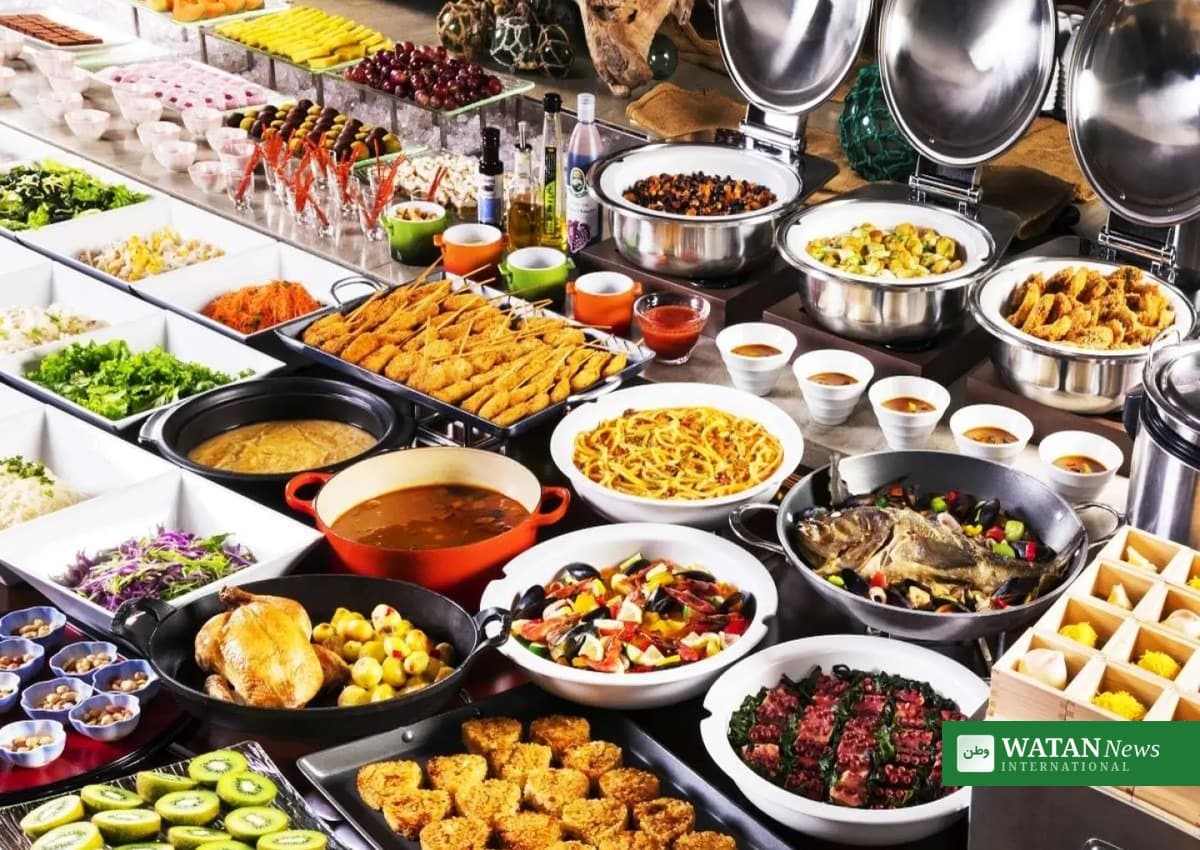
The initiative arrives at the summit with a clear message: the food thrown away in hotel kitchens and at buffet counters is not only a waste of food, it is a measurable source of greenhouse gas emissions. Today’s programme gives the industry a stage to show what it has learned — and what it still needs to do.
What is Recipe of Change?
Recipe of Change was launched on 30 March 2026, the International Day of Zero Waste, by the United Nations Environment Programme (UNEP) and UN Tourism under the One Planet Sustainable Tourism Programme. It brings together tourism businesses, chefs and supply-chain partners around a three-step approach: measure food waste, prevent it where possible, and reduce what remains.
Fourteen founding partners signed up at the launch, including Accor, Club Med, Hilton, Iberostar, Meliá, Minor Hotels, Radisson Hotel Group, Six Senses and TUI Group, along with the food-waste technology company Winnow and the consultancy LightBlue Consulting. Together, the partners represent more than 56.5 billion US dollars in combined annual revenue and serve over 600 million guests a year.
The initiative directly supports Sustainable Development Goal 12.3, which calls for halving per-capita global food waste at retail and consumer level by 2030, and it supports UNEP’s Food Waste Breakthrough, the agency’s push to speed up global action on food waste and its climate impact.
The Türkiye pilot puts hotels to the test
In Türkiye, hotels taking part in the pilot include Accor, Hilton, Paloma Hotels, Radisson Hotels and TUI, working with the food-waste technology companies Winnow and KITRO. The teams are identifying where food waste arises inside hotel operations — in kitchens, at buffets and on guests’ plates — and introducing operational improvements and changes in behaviour to cut it.
Digital tools sit at the heart of the work. Winnow’s systems weigh and record what is thrown away, giving kitchens daily figures on what is wasted and why, so menus, portion sizes and buffet practice can be adjusted on evidence rather than guesswork. At COP31, the signatories are expected to present the results and lessons from the Türkiye pilot during events in the conference’s Blue Zone.
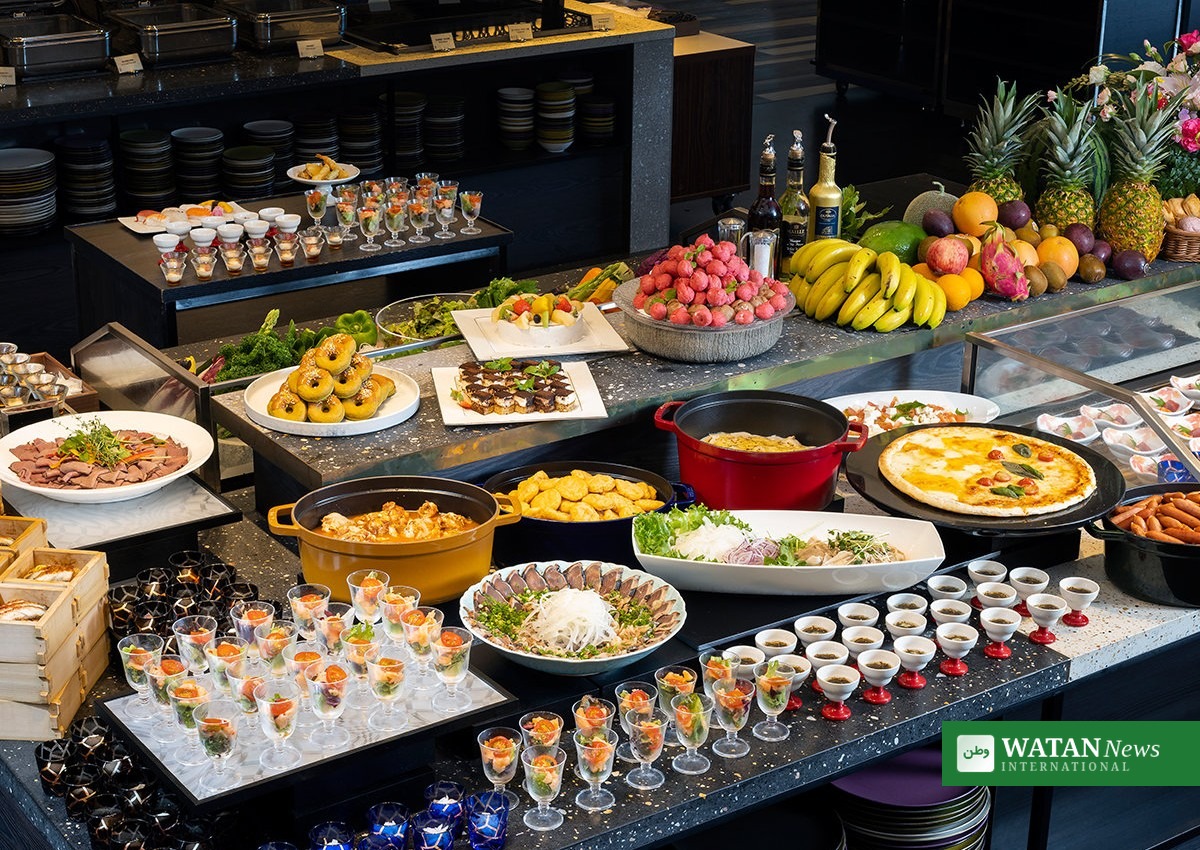
Why food waste is a climate issue
The scale of the problem is large. According to UNEP’s Food Waste Index Report 2024, the world wasted 1.05 billion tonnes of food in 2022 — 19 per cent of all food available to consumers. Households accounted for 631 million tonnes, or 60 per cent, while food services produced 290 million tonnes and retail 131 million tonnes. On average, each person wastes 79 kilogrammes of food a year, and households throw away more than one billion meals’ worth of edible food every day.
When that food rots in landfill it releases methane, a powerful greenhouse gas. UN Tourism Secretary-General Shaikha Al Nuwais has said food waste contributes up to 10 per cent of global greenhouse gas emissions, while about 2.3 billion people — nearly 28 per cent of the world’s population — experience food insecurity every day. “With nearly 28% of the world’s population failing to receive this basic human right and food wastage contributing up to 10% of global greenhouse gases, decisive action is urgently required,” she said.
The tourism track runs alongside a separate government track at COP31: governments are being asked to put food loss and waste into their national climate plans. Watan News reported on that declaration in COP31: Food loss and waste declaration asks governments to act. Recipe of Change is the industry’s own answer to the same problem.
What happens in Antalya today
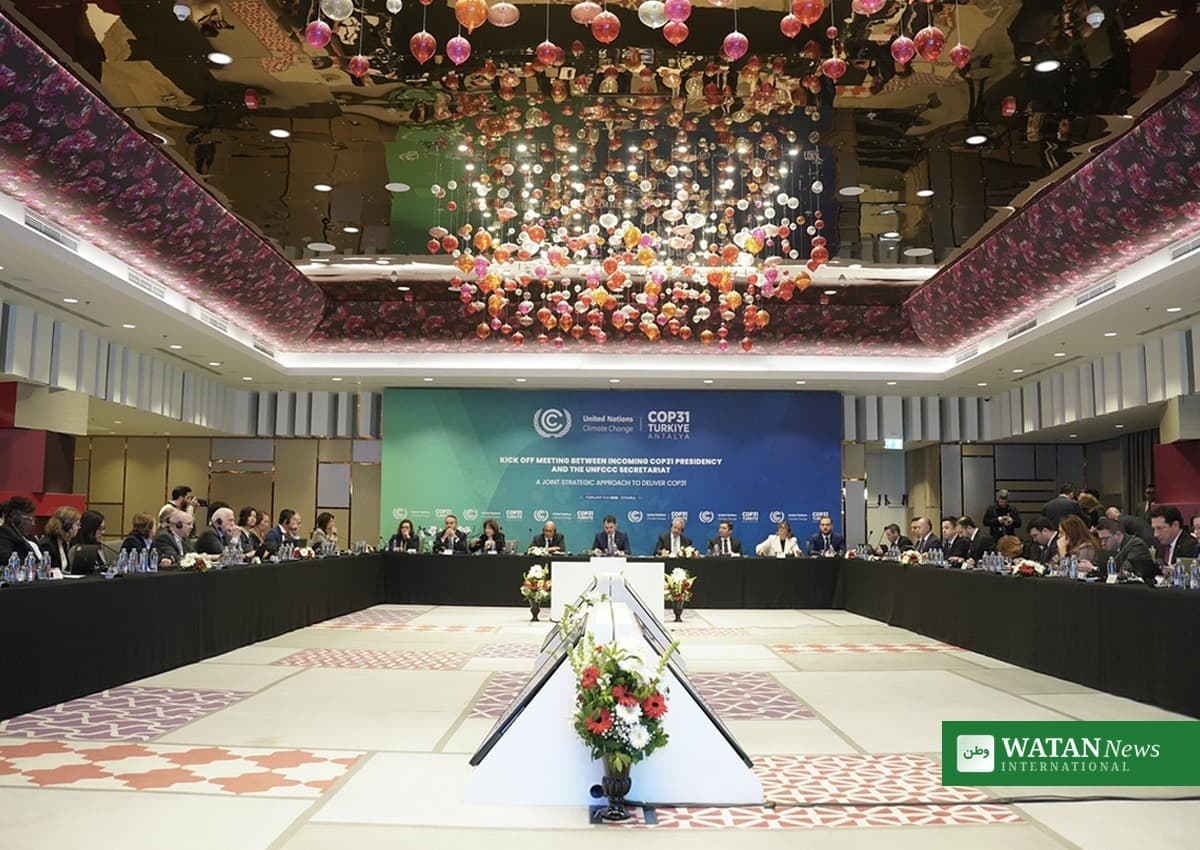
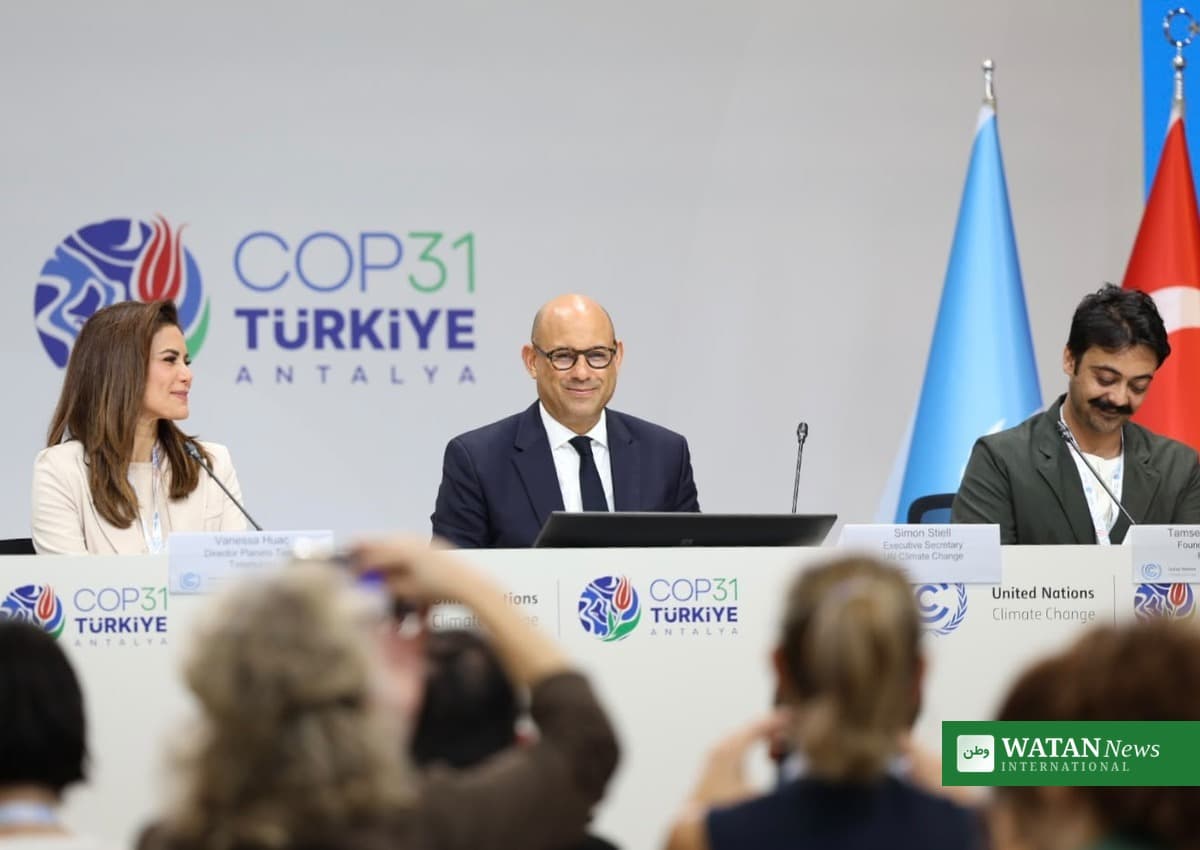
Tourism Day at COP31 is hosted by Türkiye’s Ministry of Culture and Tourism, the Türkiye Tourism Promotion and Development Agency and UN Tourism, in collaboration with UNEP. The day opens at 10:00 with a session on zero waste, electrification, resilience and investment at the Pavilion of Türkiye, followed by the official side event on low-carbon, zero-waste and climate-resilient destinations from 11:30 to 13:00.
The Recipe of Change Roundtable takes place from 17:00 to 18:30 at the Zero Waste Foundation Pavilion in the Blue Zone, where the pilot’s results and the next steps for the initiative will be discussed.
The day also marks five years since the Glasgow Declaration on Climate Action in Tourism, which now counts more than 900 signatories. UN Tourism and UNEP are launching revised operating guidelines for the declaration at COP31, with measures designed to strengthen implementation. Research from the University of Queensland, cited by UN Tourism and UNEP, indicates that tourism accounts for 8.8 per cent of global emissions, which is why the sector’s own climate plans matter to the wider negotiations. Watan News previewed the day in COP31: Tourism heads to its thematic day wanting proof, not more pledges.
From pilots to proof
Recipe of Change builds on earlier pilot work. Under UNEP’s Green Ramadan campaign, developed with Hilton and Winnow, participating Hilton hotels in West Asia cut buffet waste by more than 60 per cent in 2023, measured with Winnow’s artificial intelligence technology. In 2025, Hilton reported that its Green Ramadan activation across dozens of hotels cut plate waste by about a quarter over the course of the month.
The pattern is the same in each case: measure first, then change how food is ordered, prepared and served. For an industry that feeds hundreds of millions of guests a year, even small percentage cuts add up to large volumes of food — and large volumes of avoided emissions. Whether the Türkiye pilot’s results persuade more hotel groups to join will be one of the measures of today’s roundtable.
Key facts
- Recipe of Change was launched on 30 March 2026 by UNEP and UN Tourism under the One Planet Sustainable Tourism Programme.
- Its goal is to halve food waste by 2030, in line with Sustainable Development Goal 12.3.
- Fourteen founding partners serve more than 600 million guests a year, with combined revenue of over 56.5 billion US dollars.
- The Türkiye pilot involves Accor, Hilton, Paloma Hotels, Radisson and TUI, with technology from Winnow and KITRO.
- The Recipe of Change Roundtable takes place today, 17:00–18:30, at the Zero Waste Foundation Pavilion in the COP31 Blue Zone.
- The world wasted 1.05 billion tonnes of food in 2022, according to UNEP — 19 per cent of food available to consumers.
- Food waste contributes up to 10 per cent of global greenhouse gas emissions, according to UN Tourism.