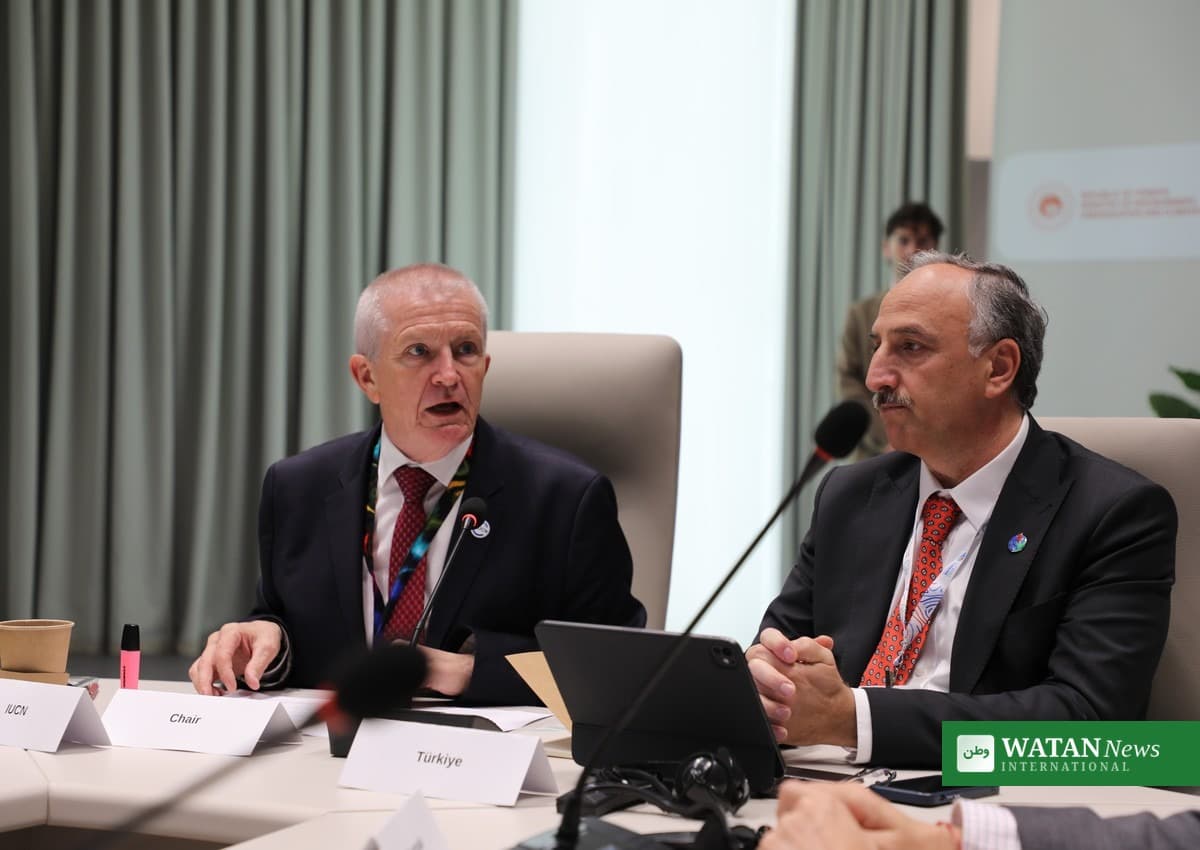
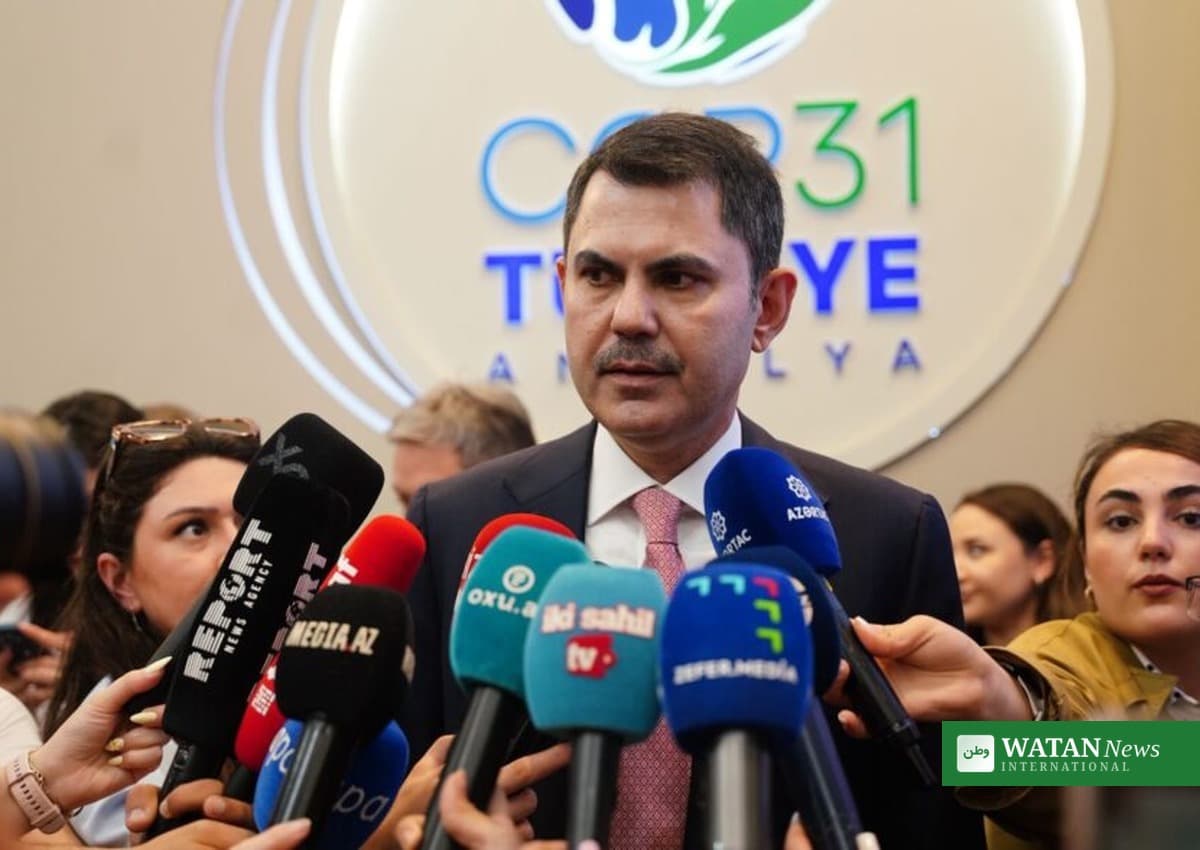
The ASEAN Summit in Manila closed on Tuesday, 17 November, with the Philippines handing the bloc’s rotating chair to Singapore, which will lead the 11-member group in 2027 under the theme “Deeper Integration, Wider Partnerships”. The 49th ASEAN Summit and Related Summits brought leaders together from 15 to 17 November to discuss maritime security, energy security, economic integration and digital transformation.
FAKTA
- What: the 49th ASEAN Summit and Related Summits closed in Manila on 17 November 2026.
- Chair handover: President Ferdinand Marcos Jr. handed the chair to Singapore Prime Minister Lawrence Wong; Singapore chairs ASEAN in 2027 as the bloc marks its 60th anniversary.
- South China Sea: President Marcos Jr. said talks on a Code of Conduct were 85 to 90 per cent complete; other reporting put the provisionally agreed share at about 80 per cent.
- Trade deals: the ASEAN Digital Economy Framework Agreement was signed and negotiations for the ASEAN-Canada Free Trade Agreement were substantially concluded.
- Partners: leaders met counterparts from China, Japan, South Korea, Australia, India, New Zealand and the United States.
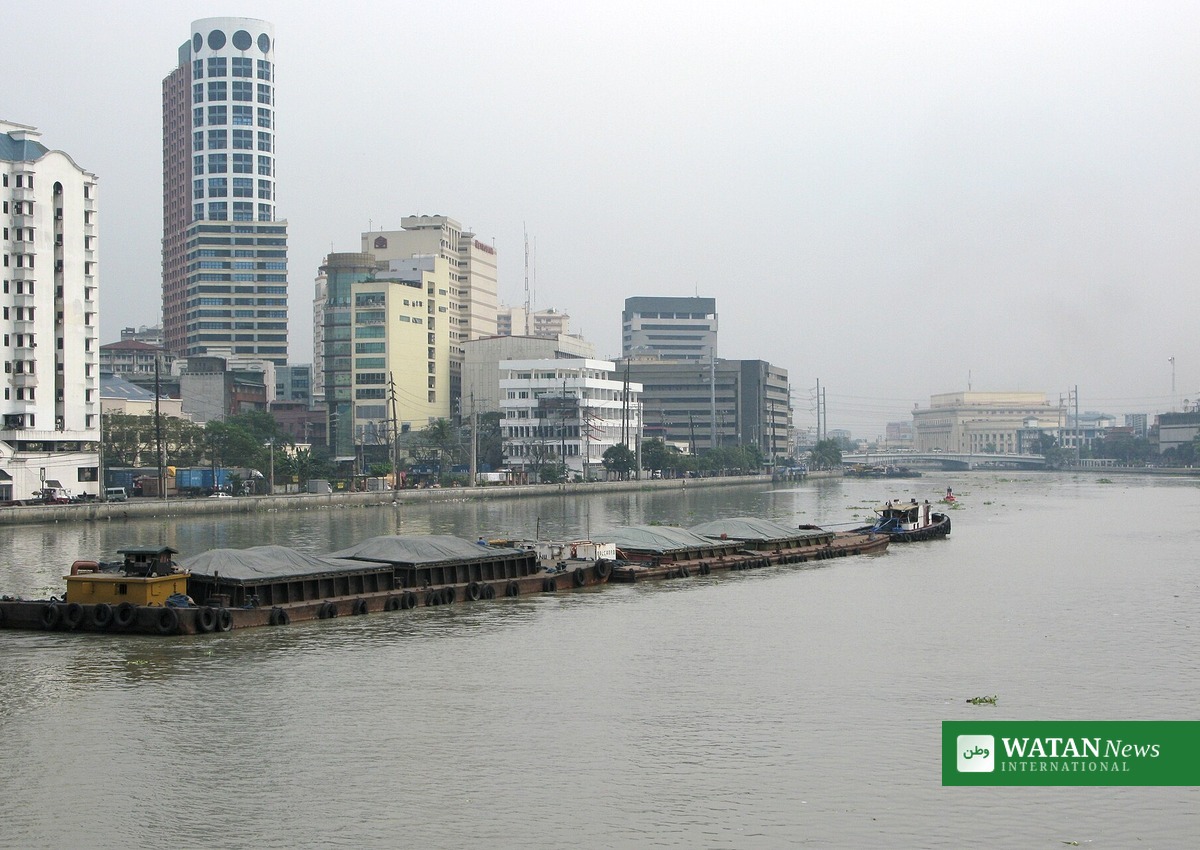
ASEAN Summit: Singapore takes the chair for 2027
At the closing ceremony at the Philippine International Convention Center, President Marcos Jr. formally handed the chairmanship to Prime Minister Wong. Singapore will chair ASEAN in 2027 under the theme “Deeper Integration, Wider Partnerships”, as the regional bloc marks 60 years since its founding.
The handover came with one major item still unsettled. ASEAN and China did not conclude a South China Sea Code of Conduct during the summit, and talks will continue under Singapore’s chairmanship in 2027. President Marcos Jr. told a press conference after the 29th ASEAN-China Summit with Chinese Premier Li Qiang that negotiations were 85 to 90 per cent complete.
Trade and economic outcomes
The Manila summit produced several concrete economic outcomes. Leaders signed the ASEAN Digital Economy Framework Agreement, substantially concluded negotiations for the ASEAN-Canada Free Trade Agreement, and signed an enhanced memorandum of understanding on the ASEAN Power Grid. Negotiators are also reviewing the ASEAN-India Trade in Goods Agreement, which links a combined market of nearly two billion consumers.
At the 29th ASEAN Plus Three Summit, leaders adopted two joint statements, one on maritime trade and logistics connectivity and one on strengthening energy and food security. Japanese Prime Minister Sanae Takaichi pledged continued Japanese support for the Chiang Mai Initiative Multilateralization, the regional financial safety net, alongside expanded cross-border electronic payments and disaster risk financing.
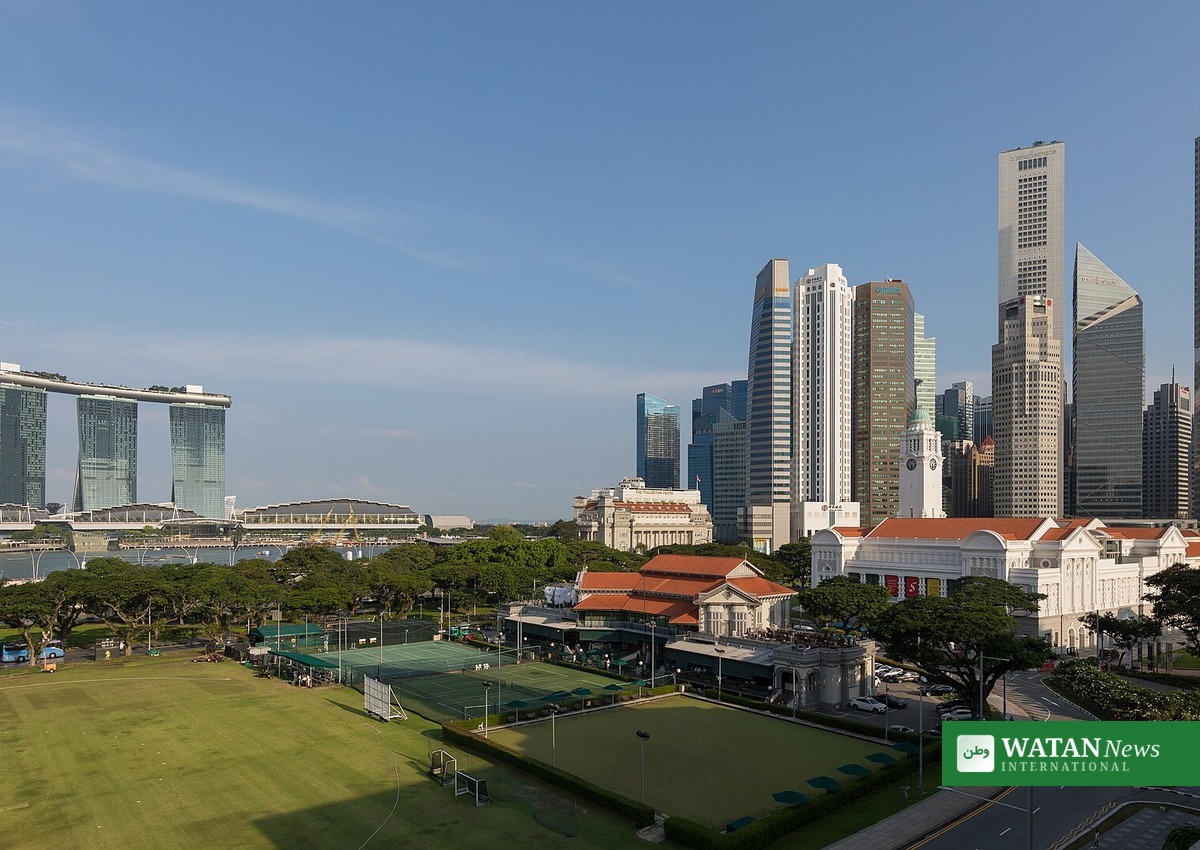
Clean energy and disaster cooperation
President Marcos Jr. and Prime Minister Takaichi co-chaired the fourth Asia Zero-Emission Community Leaders’ Meeting on 17 November, alongside India and South Korea. The leaders expanded the partnership into “AZEC 2.0”, folding in Japan’s $10-billion POWERR Asia programme to help Asian neighbours build stronger energy supply chains, modernise power grids and set up emergency oil reserves. Four ASEAN countries and the United Arab Emirates are also exploring a joint oil stockpiling initiative.
At the 23rd ASEAN-India Summit, leaders adopted a joint statement on disaster management cooperation, covering early warning systems, shared satellite data and joint preparedness exercises. Indian Prime Minister Narendra Modi proposed a free e-visa facility for tourists from ASEAN countries, a long-term maritime cooperation plan, a joint cyber-forensics training programme and cooperation in mining and critical minerals.
Conclusion
The Manila summit ended with the bloc’s biggest questions still open, above all the South China Sea code, but with a full set of trade, energy and disaster agreements in hand. Those files now pass to Singapore, which takes the chair as ASEAN enters its 60th year.