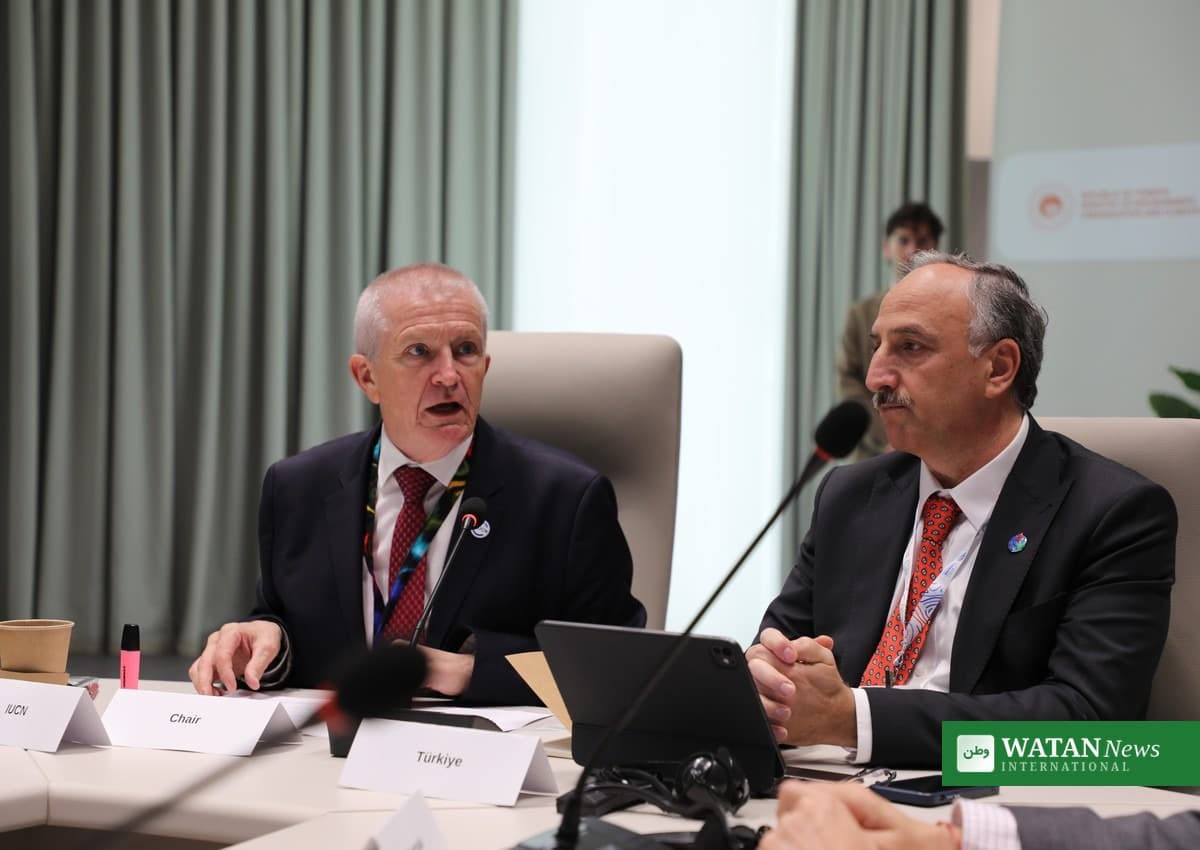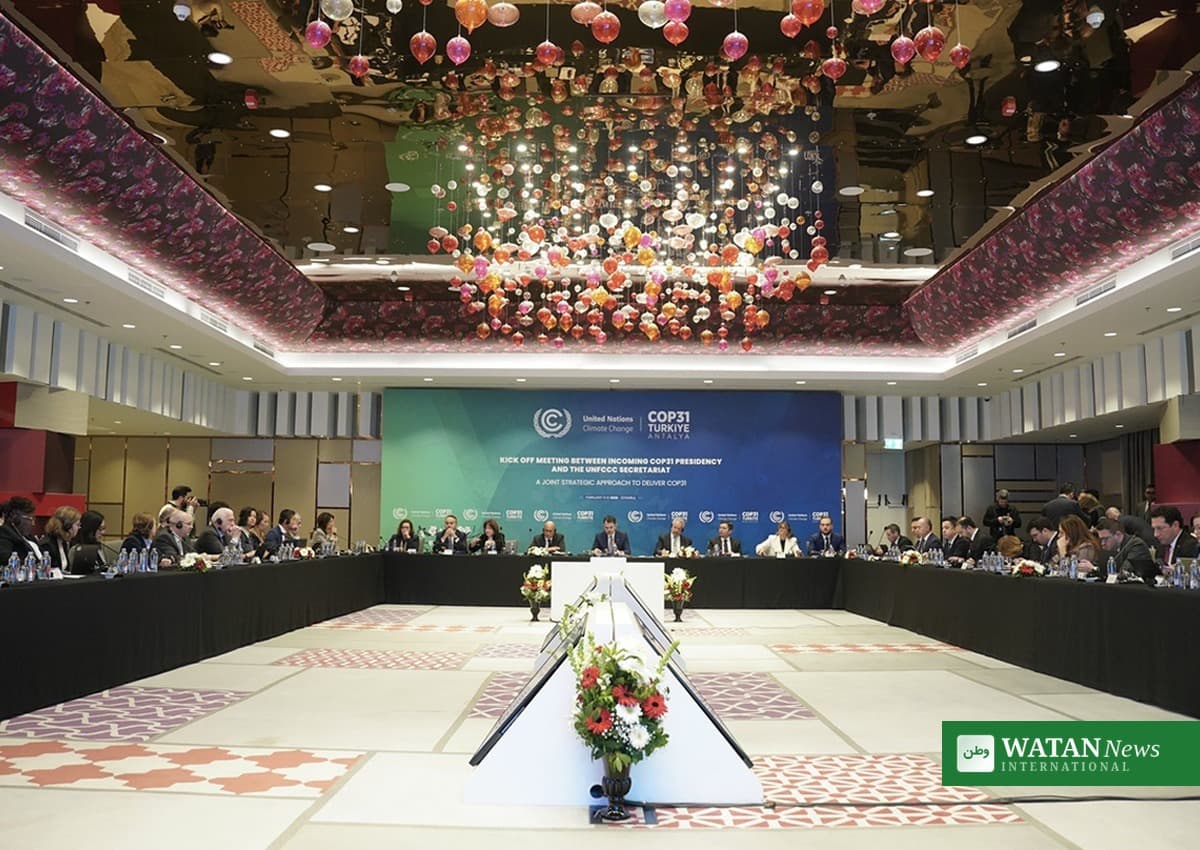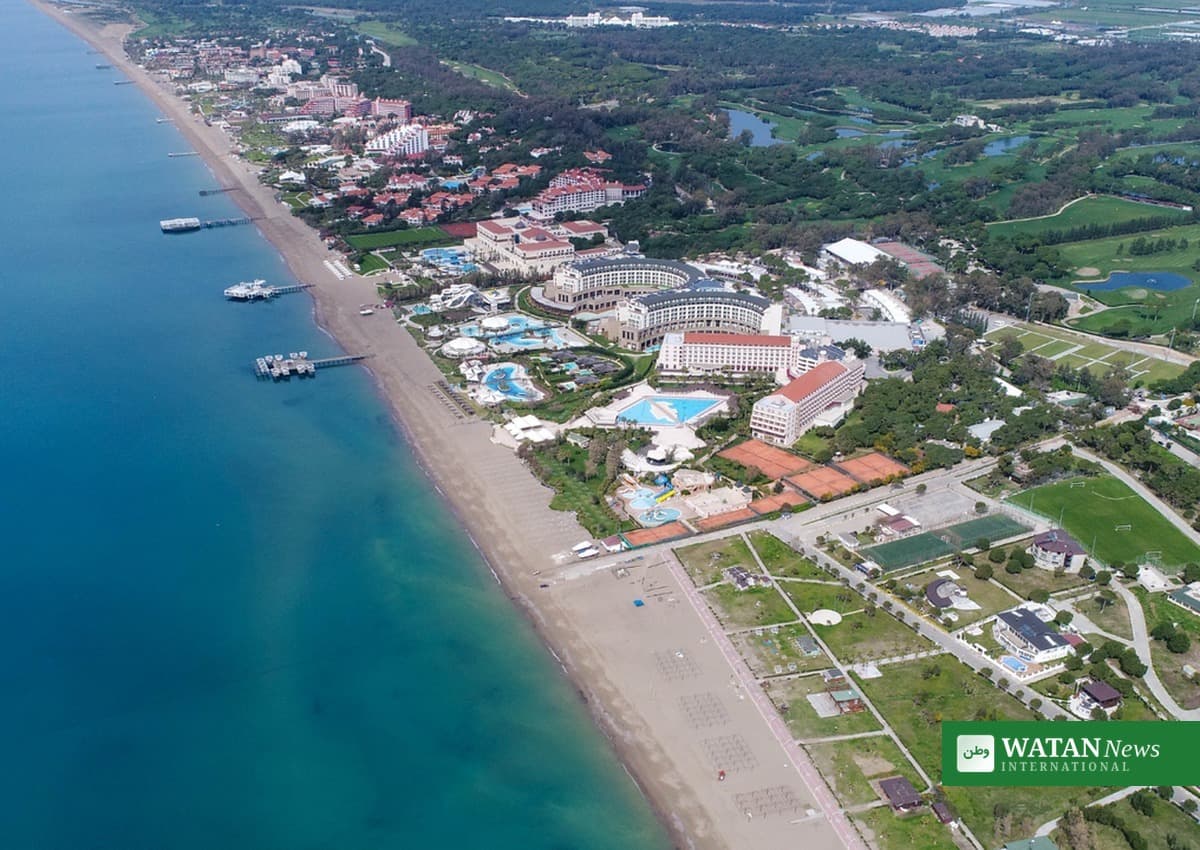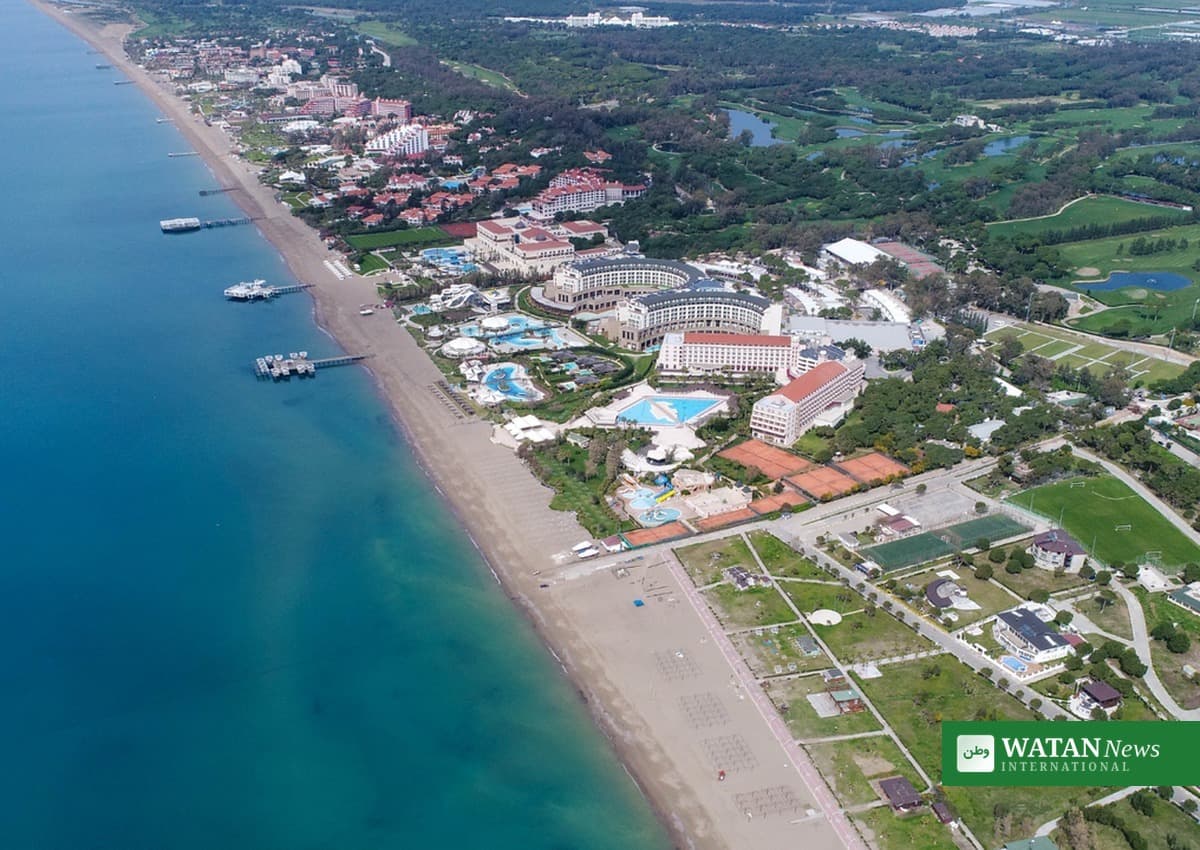
Antalya, 18 November — Tourism took its turn in the spotlight at COP31 in Antalya today, as the summit’s official Tourism Thematic Day brought governments, hotel groups and UN agencies together to show how travel can cut its climate footprint — starting with the hotels of the Turkish coast.
The day was built around one theme: Tourism Climate Solutions: Low-Carbon, Zero Waste and Climate-Resilient Destinations. It was hosted by Türkiye’s Ministry of Culture and Tourism, the Türkiye Tourism Promotion and Development Agency and UN Tourism, in collaboration with the UN Environment Programme (UNEP). The day opened with a policy session at the Pavilion of Türkiye, followed by the official side event Tourism Climate Solutions: Low-Carbon, Zero Waste and Climate-Resilient Destinations from 11:30 to 13:00 in Side Event Room 1, with keynote addresses scheduled from Deputy Minister Nadir Alpaslan and UN Tourism Executive Director Shijun Liu.
Zero waste tourism on the Turkish coast
The afternoon session that drew the most attention from the coast’s own hotel industry was Zero Waste Tourism: Implementation on the Turkish Coast, held at 13:30 in the Blue Zone’s Our Common Home Stage. The panel brought together hotel leaders from three of the coast’s big operators — Yesim Dogukan of Radisson, Meltem Acar of Paloma Hotels and Yannis Manikis, head chef at Hilton — moderated by Virginia Fernandez-Trapa, Programme Coordinator for Climate Action and Circularity at UN Tourism.
The session’s message was practical rather than ceremonial: zero waste in tourism is not a slogan for brochures, but daily work in kitchens, laundries and back offices — measuring what is thrown away, reusing what can be reused, and cutting the water and energy that hotels consume behind the scenes. For a coast that welcomed more than 17 million visitors in 2025, that daily work adds up fast.
Antalya’s hotels have a head start. The Antalya Criteria Declaration and Commitment on reducing resource waste in tourism — drawn up by Antalya Bilim University’s Faculty of Tourism with the Antalya Chamber of Commerce and Industry and the provincial culture and tourism directorate, and presented for signing at a ceremony on 3 November — sets out principles for cutting the waste of food, water, energy and materials, with working groups on each and a joint action plan. The first signatory businesses included Limak Hotels, Kilit Group and Rixos Group.
Why tourism matters for the climate
Tourism’s climate footprint is far bigger than most travellers realise. Research from the University of Queensland, cited by UN Tourism and UNEP, indicates that tourism accounts for 8.8 per cent of global greenhouse gas emissions — covering travel, stays, food and shopping. Food waste alone contributes up to 10 per cent of global emissions, according to UN Tourism Secretary-General Shaikha Al Nuwais, and the UN Environment Programme’s Food Waste Index found the world wasted 1.05 billion tonnes of food in 2022, 19 per cent of all food available to consumers.
That is why the day also carried a second message: the industry’s promises now have to be measured. The Recipe of Change initiative — launched by UNEP and UN Tourism on 30 March 2026 and backed by hotel groups including Accor, Hilton, Paloma, Radisson and TUI in its Türkiye pilot — aims to halve food waste by 2030, in line with Sustainable Development Goal 12.3. Its roundtable closed the Tourism Day programme at 17:00 in the Zero Waste Foundation Pavilion. Read our report on Recipe of Change and its Türkiye pilot.

Hotels are already changing how they work
The most visible change is certification. Antalya province accounts for about half of all establishments in Türkiye certified by the Global Sustainable Tourism Council (GSTC) — a standard that requires plans for climate adaptation and emissions reduction — and the certification will become mandatory across the country’s tourism sector in 2030, according to a report by BBVA. Rooftop solar, efficient heating and cooling, water-saving fittings and towel and linen reuse programmes are now standard practice in the larger resorts, and many hotels publish their own waste and energy figures.
The national backdrop helps. Türkiye’s zero waste movement, which began in 2017, has lifted the country’s recycling rate from about 13 per cent to about 40 per cent by the end of 2025, according to President Recep Tayyip Erdoğan — and COP31 has made zero waste one of the ten themes of its Action Agenda.
Five years of the Glasgow Declaration
The Tourism Day also marked five years since the Glasgow Declaration on Climate Action in Tourism, launched at COP26 in 2021. The declaration now counts more than 900 signatories, and UN Tourism and UNEP used the COP31 occasion to launch revised operating guidelines, with measures designed to strengthen implementation and help signatories respond to changing climate priorities.
For travellers, the change is already visible in small things: smaller buffet portions prepared to order, refillable dispensers instead of single-use bottles, and hotels that ask guests to reuse towels. For the industry, the test is whether the guidelines turn into audited results — and whether the Turkish coast’s example spreads to other destinations.
As COP31 moves into its final days — implementation on 19 November and final negotiations on 20 November — tourism has shown it can be part of the answer. The question now is how fast the rest of the world’s destinations follow. What the Antalya talks mean for everyday sustainable living.
Key facts
- What: COP31 Tourism Thematic Day — Tourism Climate Solutions: Low-Carbon, Zero Waste and Climate-Resilient Destinations
- When: 18 November 2026, Antalya, Türkiye
- Hosts: Türkiye’s Ministry of Culture and Tourism, the Türkiye Tourism Promotion and Development Agency, UN Tourism and UNEP
- Zero Waste Tourism session: 13:30, Blue Zone, Our Common Home Stage — with Radisson, Paloma Hotels, Hilton and UN Tourism
- Tourism’s footprint: about 8.8 per cent of global greenhouse gas emissions (University of Queensland research cited by UN Tourism)
- Glasgow Declaration: five years old, more than 900 signatories; revised operating guidelines launched at COP31