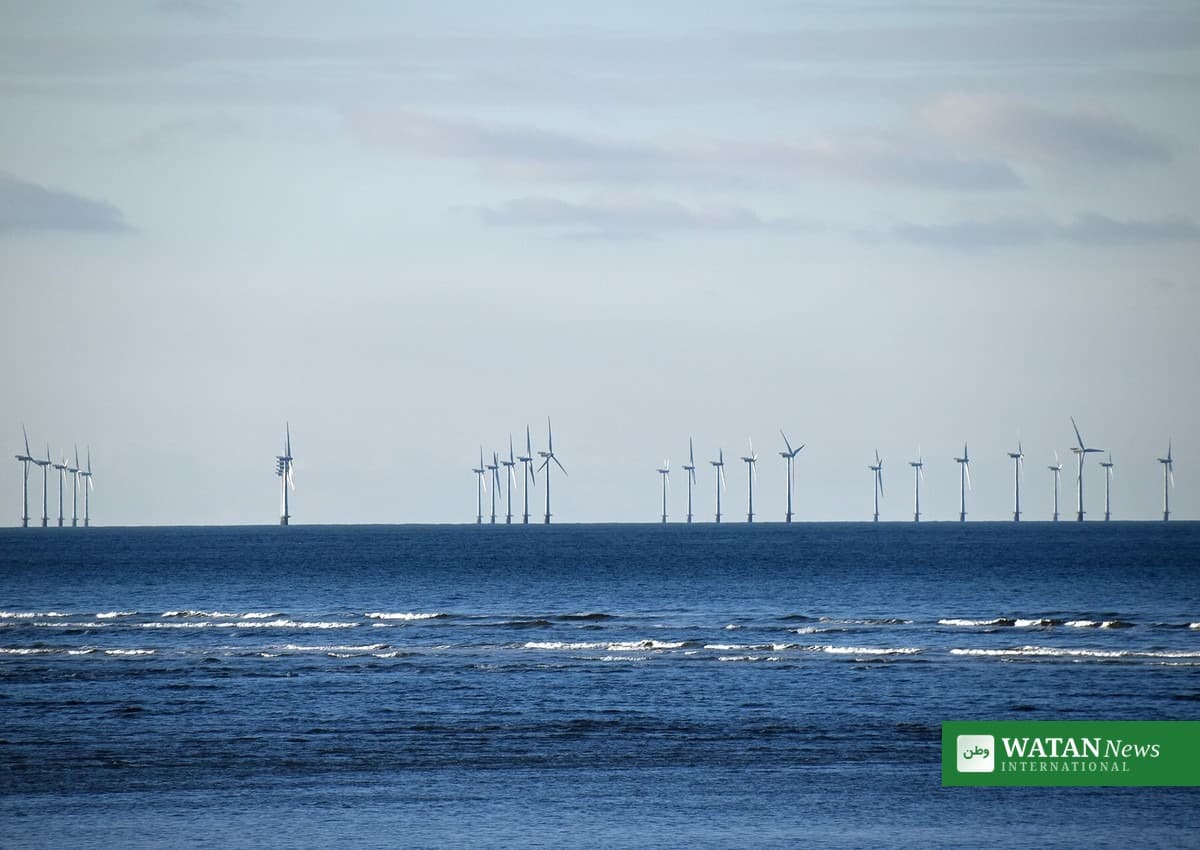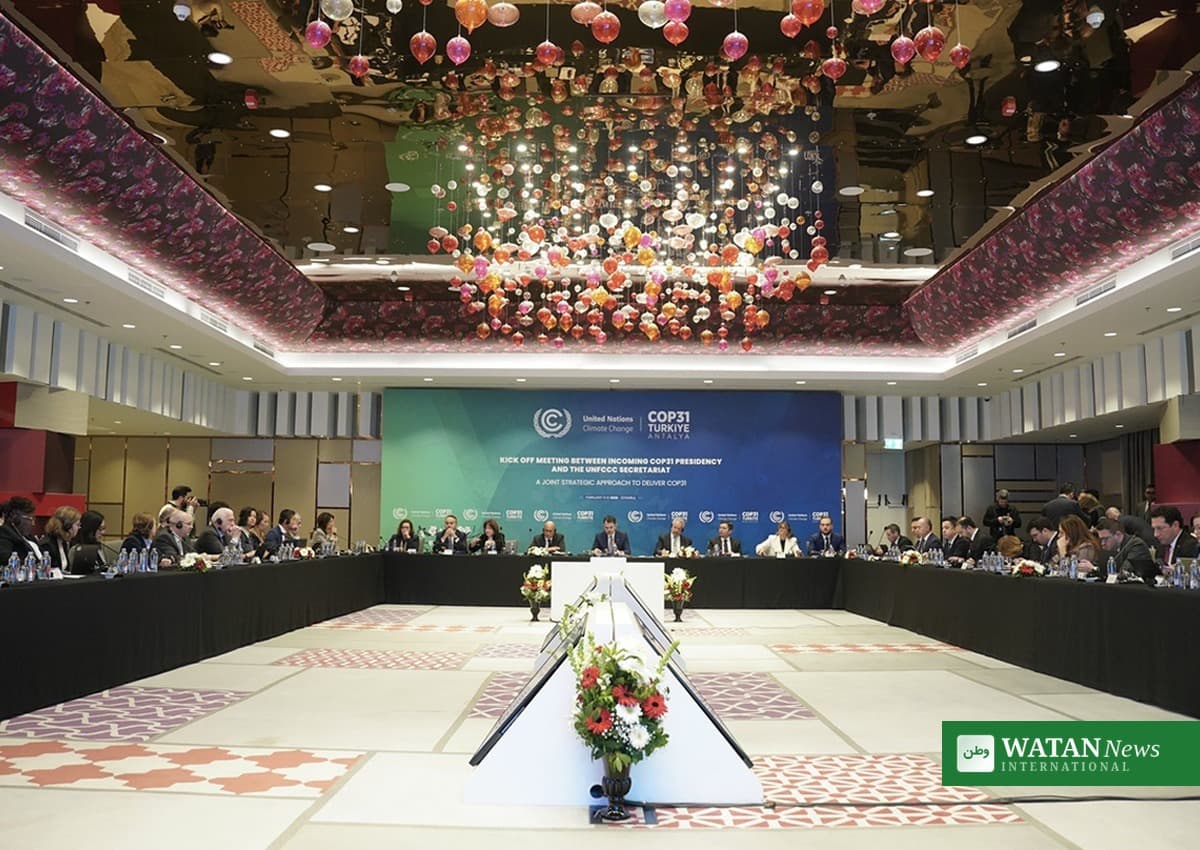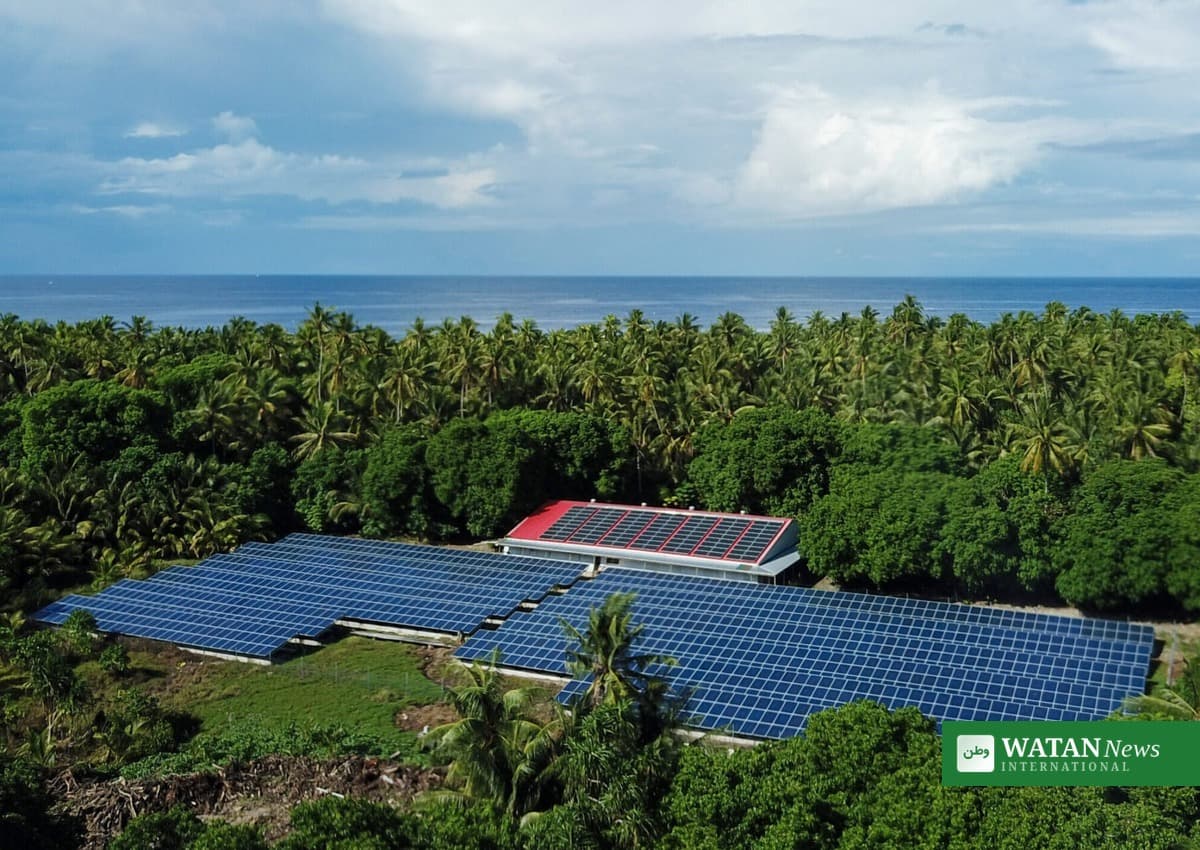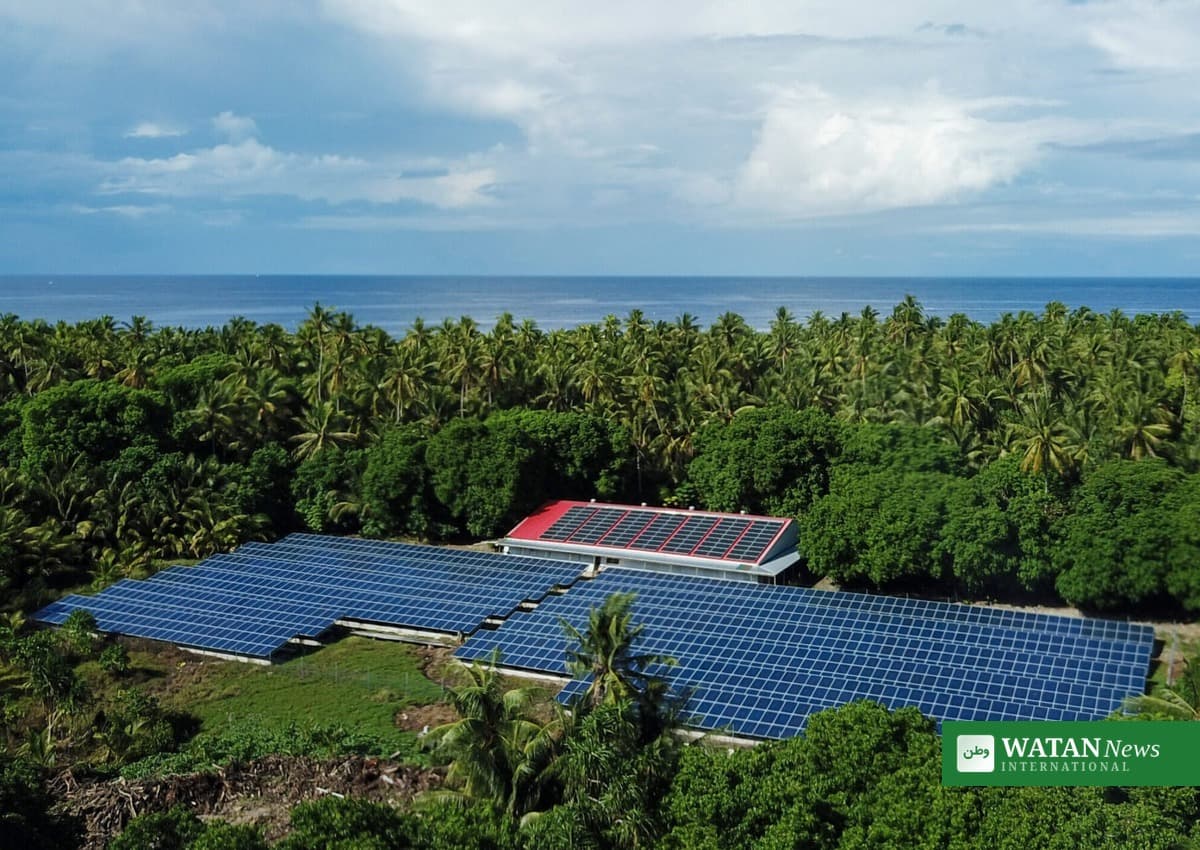
ANTALYA, Türkiye — Pacific Island countries have put a price tag on their move away from diesel. At COP31 in Antalya on 17 November, they presented investors with the region’s first renewable energy investment pipeline: 70 solar, battery, hydro, wind and grid projects across 14 countries, together worth US$2.3 billion — of which US$358.2 million is still seeking finance.
The Pacific Renewable Energy Investment Prospectus was unveiled at the Moana Blue Pacific Pavilion, turning years of 100 per cent renewable energy pledges into a concrete list of projects, each with its status, cost and contacts. The data is open to anyone, and investors can explore the map and register interest at the prospectus website.
“Our islands cannot afford another decade of promises. COP31 must be where commitments become delivery,” said H.E. Surangel Whipps Jr, President of Palau, who first proposed a 100 per cent renewable Pacific.
A pipeline, not a promise
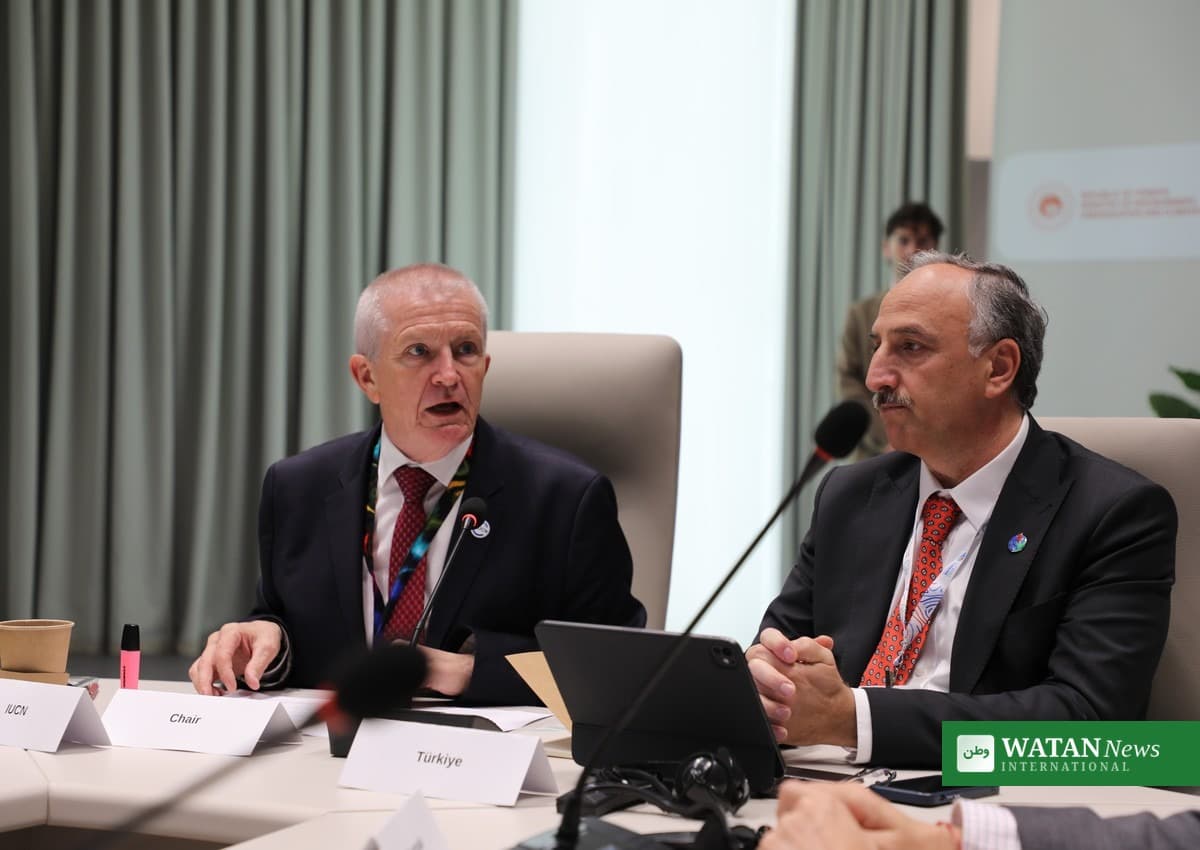
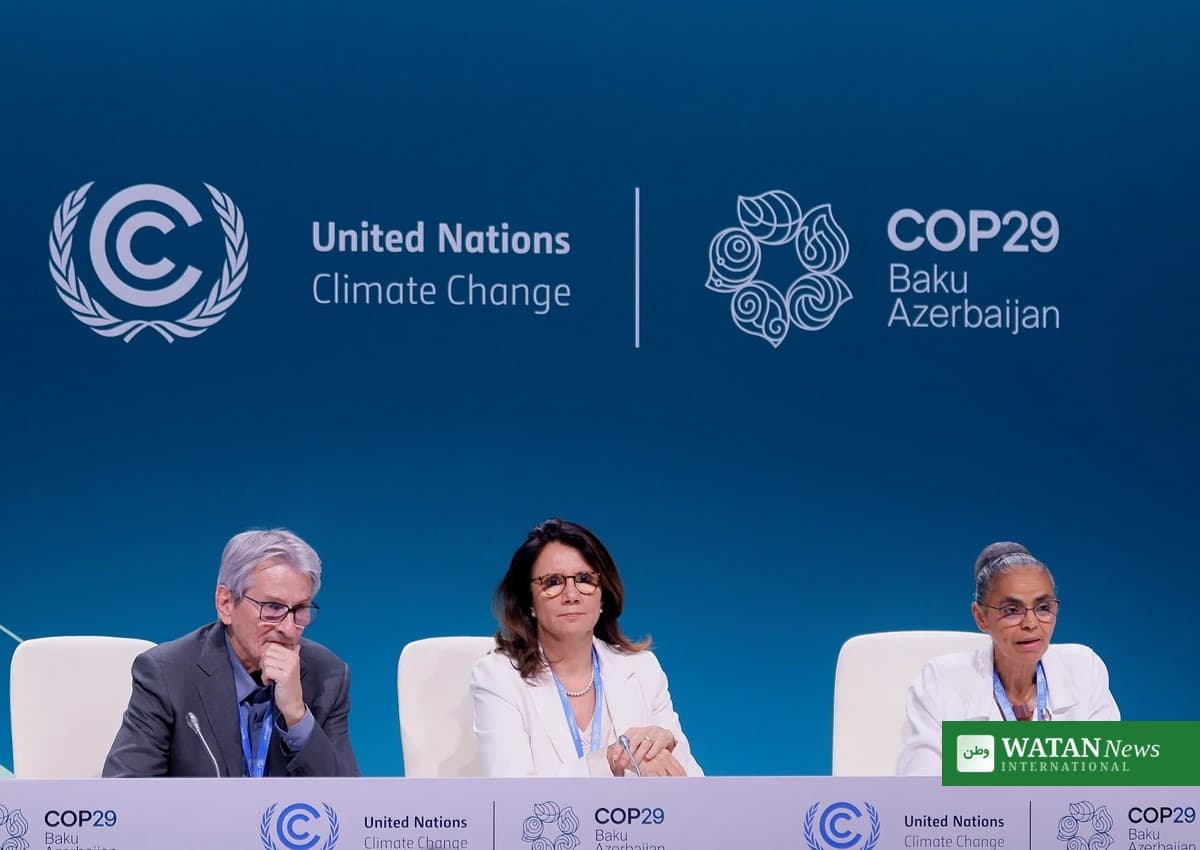
The showcase brought together Julia Salerua of Vanuatu’s Ministry for Climate Change and Energy, Luana Cormac of Australia’s Department of Climate Change, Energy, the Environment and Water, COP31 Pacific Envoy for Oceania Tina Stege, Heidi Douglas of Solar Citizens, and Dr Andrew Jones of the Pacific Community (SPC). It was moderated by Lisa Marsh, chief executive of eLumina Global and a director of the Smart Energy Council.
The prospectus was prepared for SPC and its Pacific Centre for Renewable Energy and Energy Efficiency (PCREEE) by Island Minds Ltd Vanuatu, the Smart Energy Council and the Renewable Energy Council Asia-Pacific. The independent trade publication pv magazine, reporting on the prospectus on 12 November, confirmed more than 70 projects in progress across 14 independent Pacific Island nations, and the same decade-long investment need of around US$14 billion.
That US$14 billion figure, estimated by PCREEE, is what it would take to decarbonise Pacific electricity over ten years. The US$2.3 billion in the prospectus is the first tranche of bankable projects; the US$358.2 million still seeking finance is the gap investors are being asked to close now.
Why the Pacific pays so much for power
Pacific households and businesses pay about US$0.47 per kilowatt-hour for electricity — nearly three times the global average — because most of it still comes from imported diesel. Net oil and gas imports equal 5 to 15 per cent of each country’s GDP, draining money that could fund schools, hospitals and climate defences.
The finance exists but is not reaching the region at the scale needed. The Pacific NDC Hub estimates the region needs about US$650 million a year to meet its renewable energy targets. In 2023 it received US$57 million.
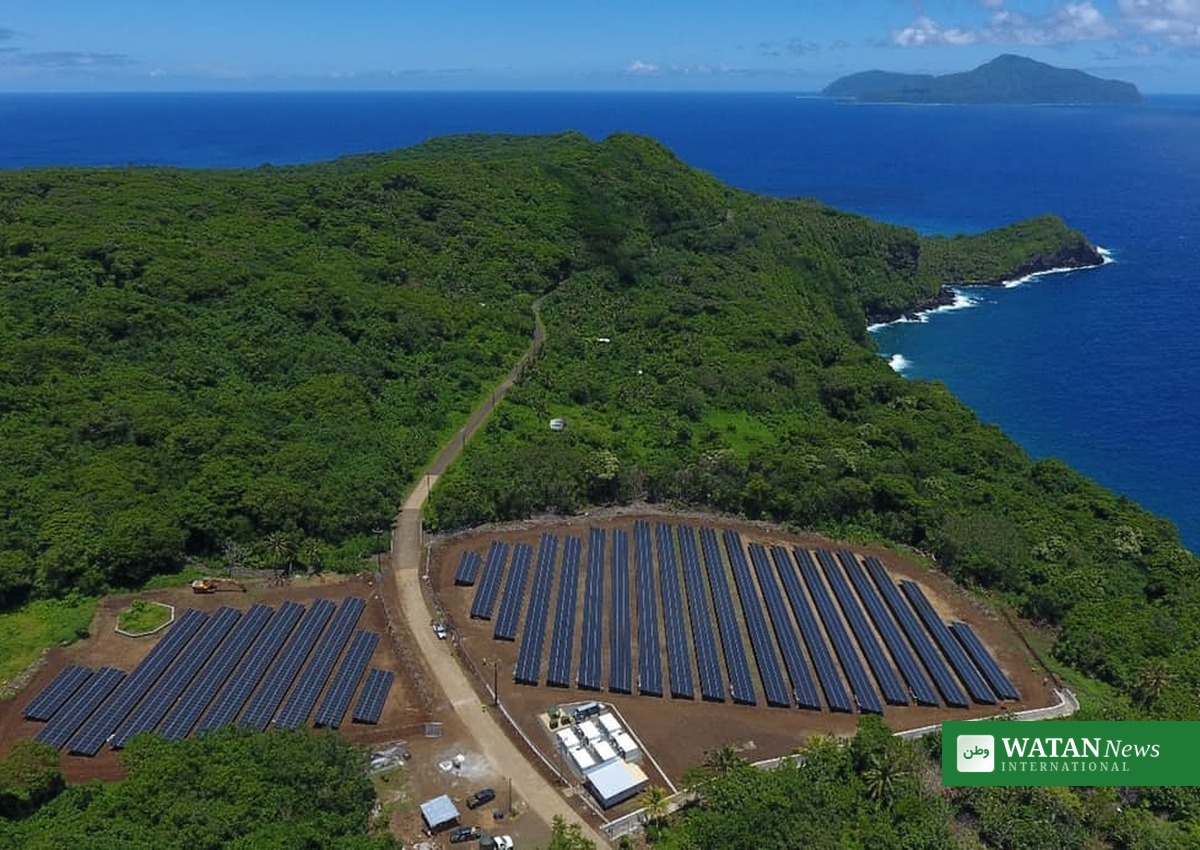
Deals ready now
The prospectus is not a wish list. It includes deals that are ready to sign today:
- Naoero: a power purchase agreement at 23 US cents per kilowatt-hour — 36 per cent below the cost of diesel.
- Tonga: a live independent power producer tender, open to investors now.
- Solomon Islands: the Honiara grid-scale solar project, ready for investment.
Grid and transmission projects alone total US$500.4 million, reflecting the other half of the transition: the wires and substations needed to carry clean power to homes and businesses.
The finance gap — and the wider island push
The Pacific push sits inside a wider island-nation effort at COP31. On 11 November, small island developing states announced a collective target of 30 gigawatts of renewable energy capacity by 2035, nearly three times their combined 2025 capacity of 11.2 gigawatts. The Pacific region aims to expand from 1.4 gigawatts to around 4.8 gigawatts in the same period.
Pacific Energy Ministers backed a 100 per cent renewable energy vision for the Blue Pacific in May 2026. In September, Forum leaders adopted the Belau Declaration and approved terms of reference for a Pacific Renewable Energy Commissioner, to be based at SPC.
For related COP31 energy announcements, read about the Global Energy Storage Alliance launched at COP31 and the more than 50 countries backing Geothermal Ambition 2050.
FAKTA
- Presented: 17 November 2026, Moana Blue Pacific Pavilion, COP31, Antalya
- Projects: 70 solar, battery, hydro, wind and grid projects in 14 countries
- Total value: US$2.3 billion; US$358.2 million still seeking finance
- Electricity cost: about US$0.47 per kWh, nearly three times the global average
- Annual need: about US$650 million a year; US$57 million received in 2023
- Decade need: about US$14 billion to decarbonise Pacific electricity (PCREEE)