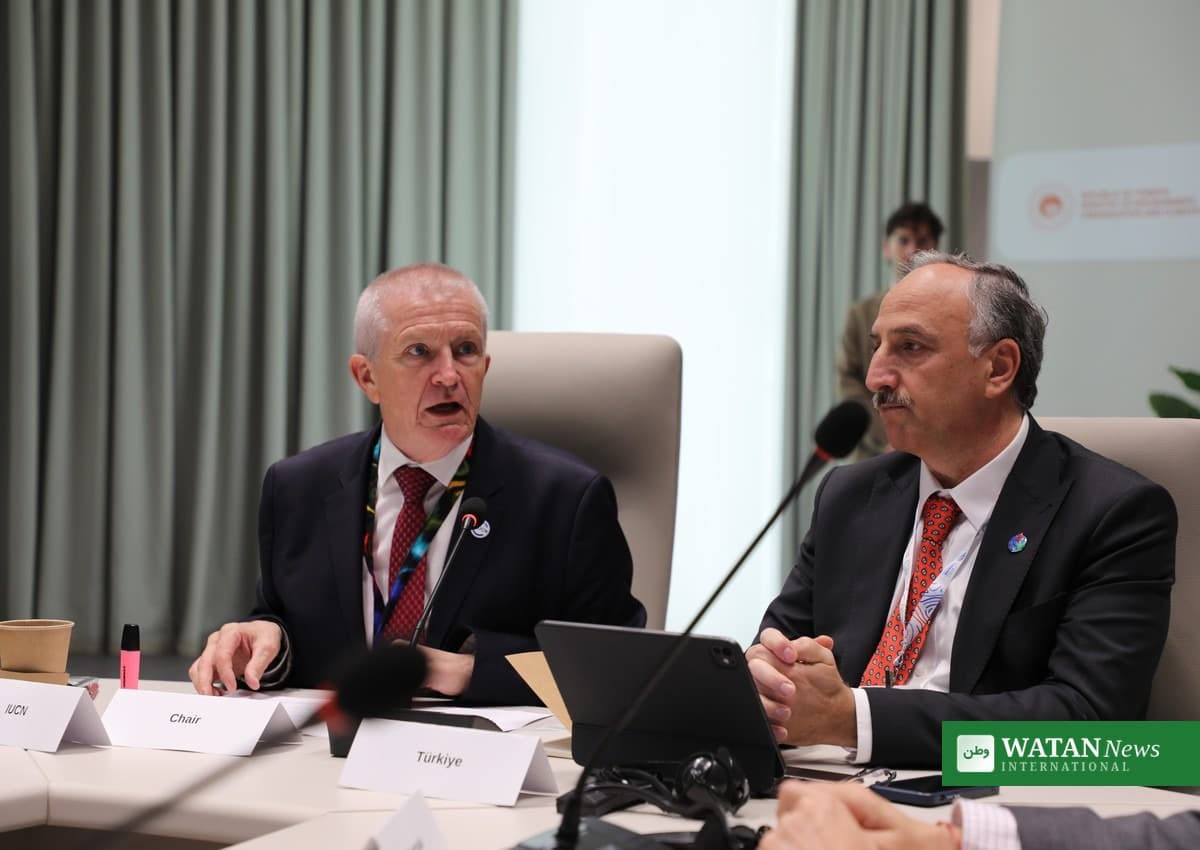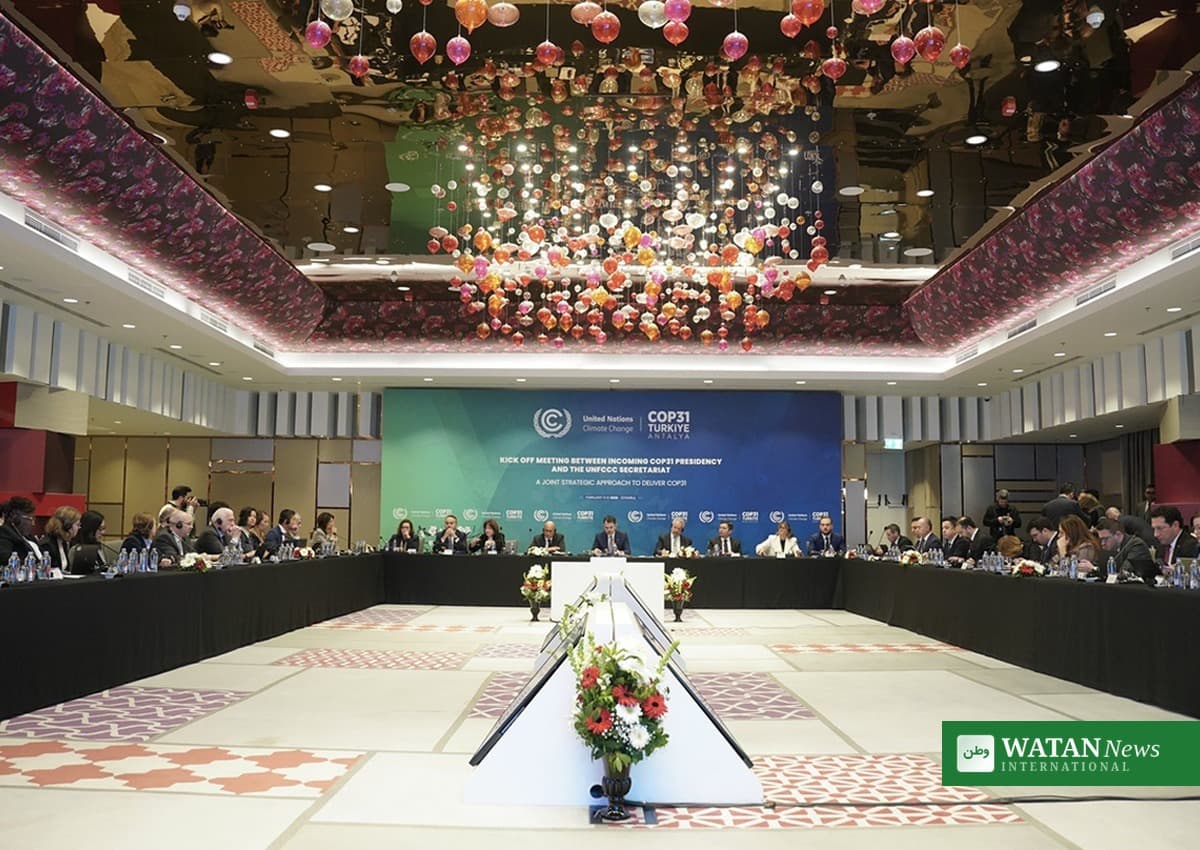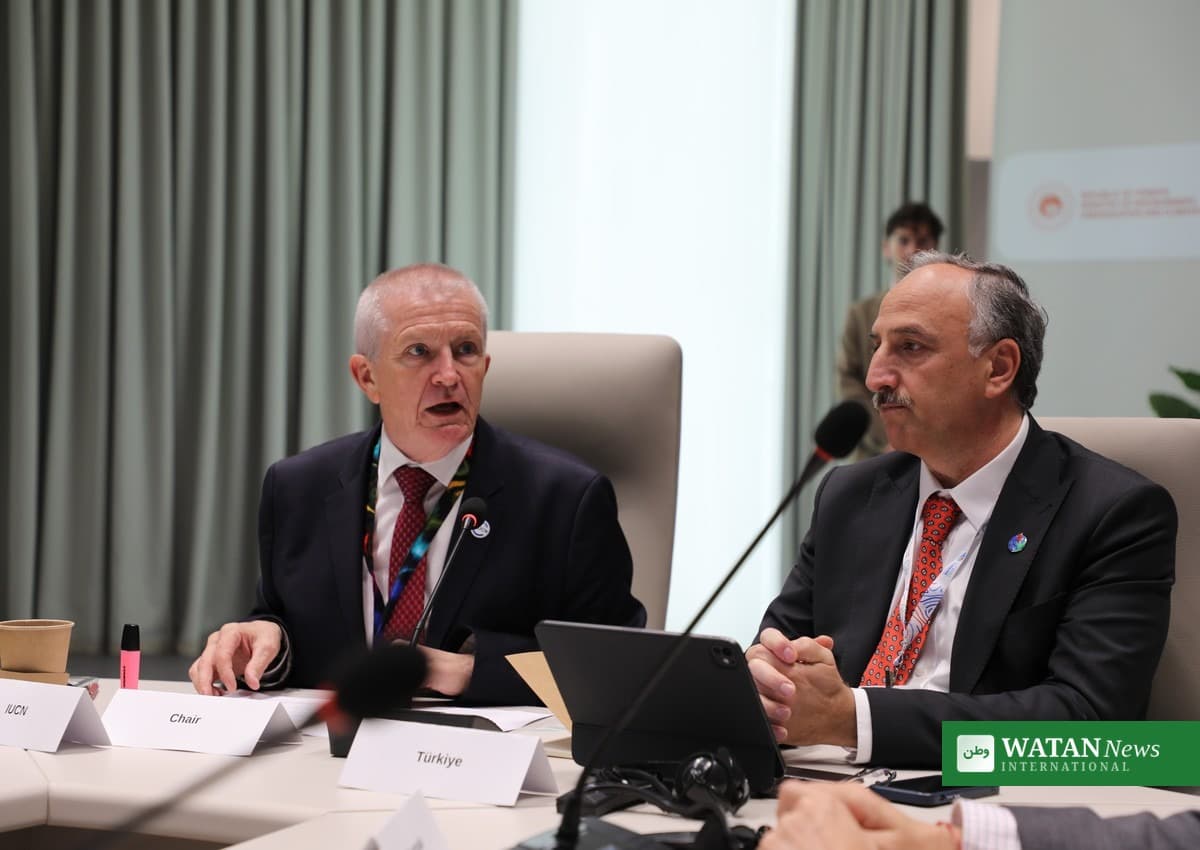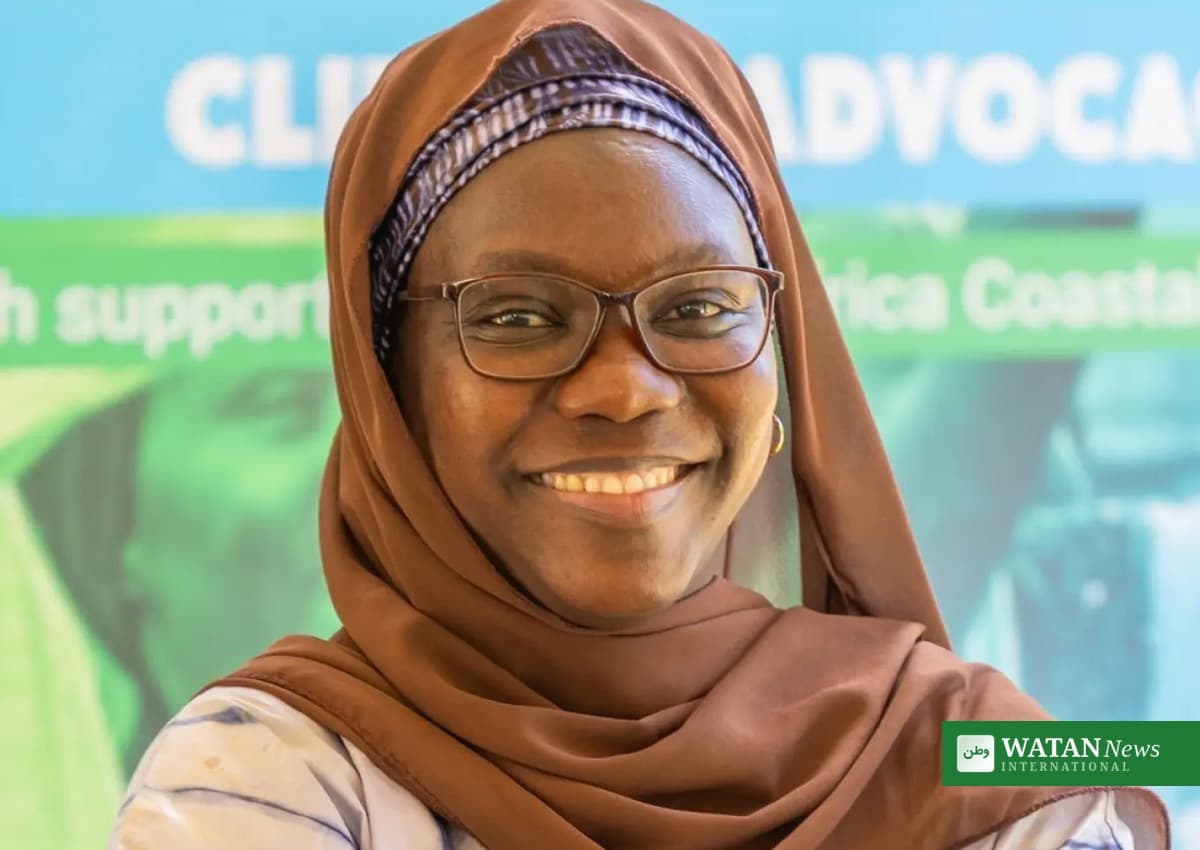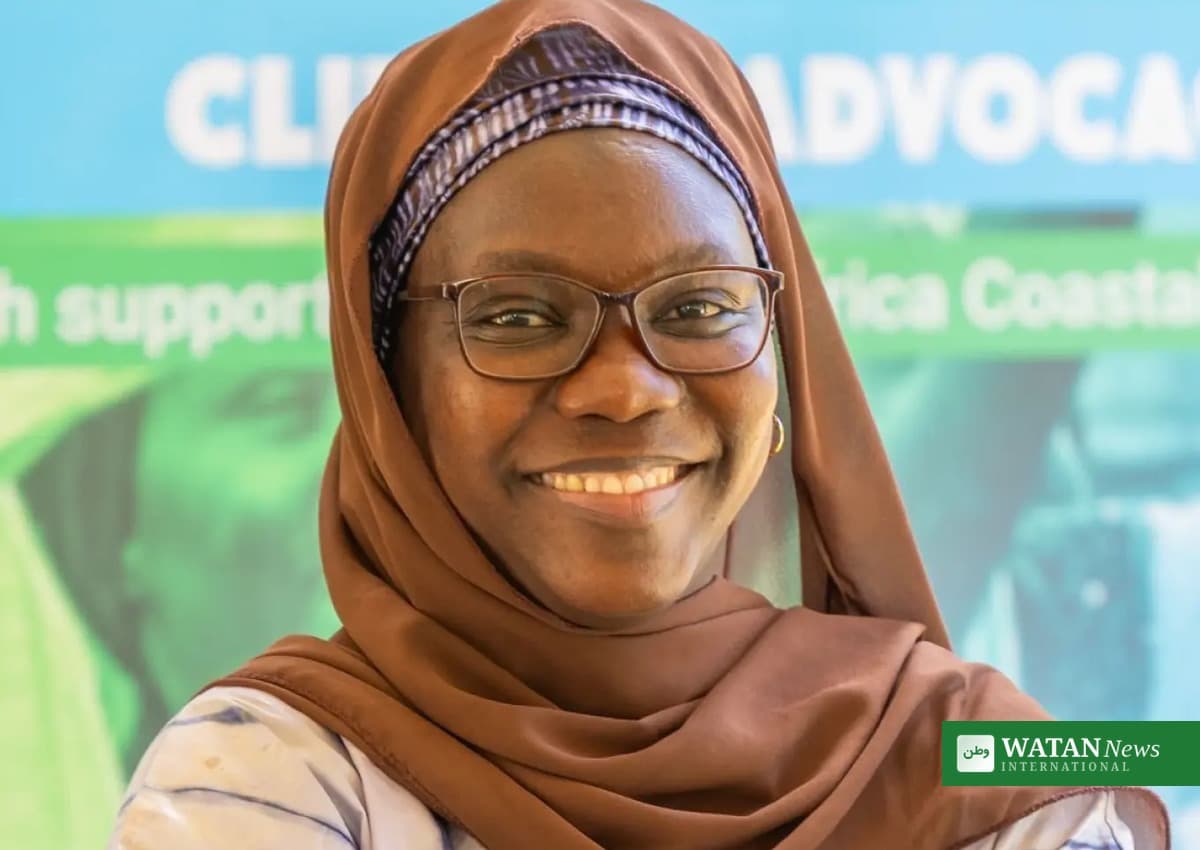
ANTALYA — The Gambia envoy at COP31, gender climate negotiator Fatou Jeng, has called on countries to commit $433 billion of climate finance before the talks close on Friday — one-third of the $1.3 trillion-a-year target for 2035 — and to put women in charge of deciding how the money is spent.
Jeng made the call in an interview at COP31 in Antalya on 18 November, saying the money is already needed by the countries facing the worst climate impacts. She said the talks should embrace more female leaders to give the negotiations greater urgency.
The $433 billion call
The $433 billion figure is one-third of the overarching $1.3 trillion a year that countries agreed to work towards by 2035. Jeng said that share should be committed by the end of COP31, which closes on Friday, 20 November 2026.
“Let the women be part of the funding,” Jeng said, calling for women to be given access to efficient cook stoves and, even better, solar power and batteries.
“Men don’t usually put it (the funding) in the right way or to the right person,” she said. “In my country women deliver more than men.”
Why women should lead the funding
Women do much of the farming and food work in The Gambia and across Africa, yet they are rarely consulted when climate money is planned, and very little of it reaches them. Research highlighted by campaigners in May 2026 found that less than 2% of climate finance reaches feminist-led environmental organisations.
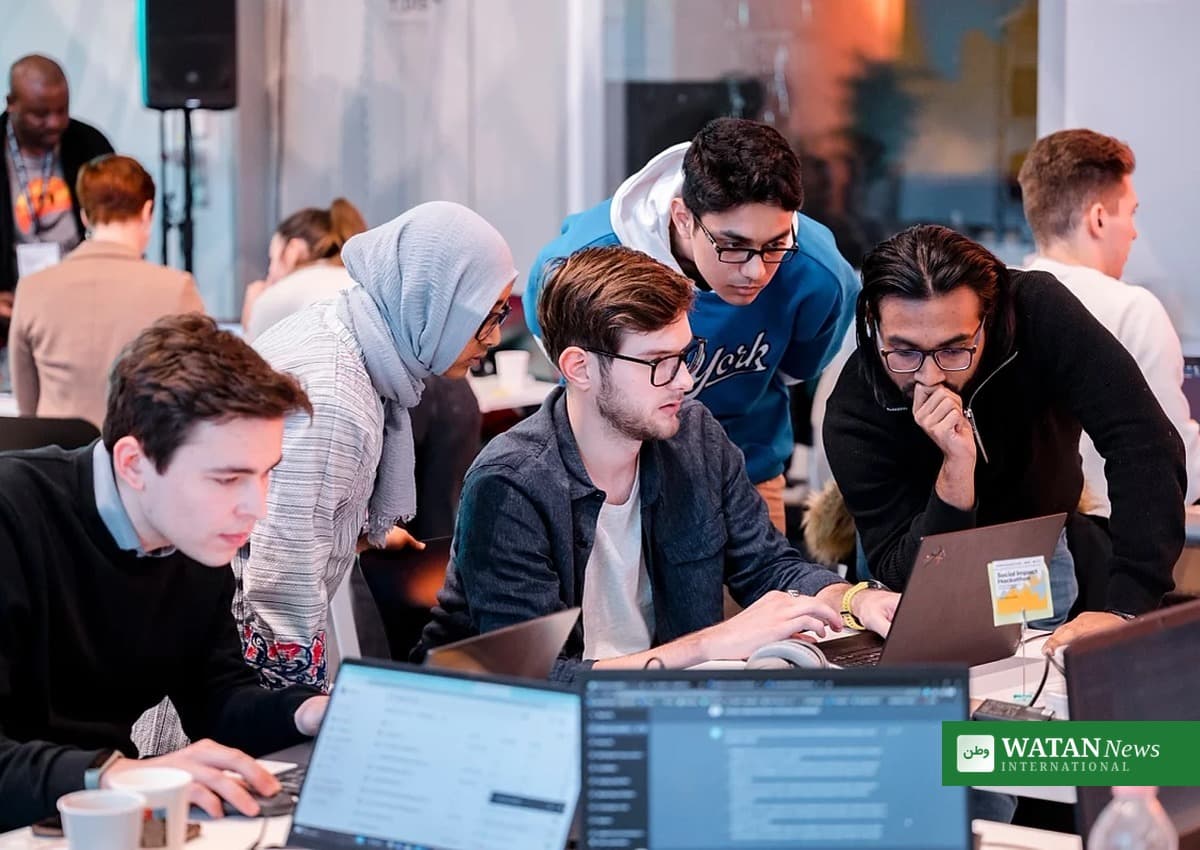
“We want to see women to lead this funding. Women need more technology skills. I’m expecting that at this COP we will get more women in technology,” Jeng said, pointing to deploying and using solar power.
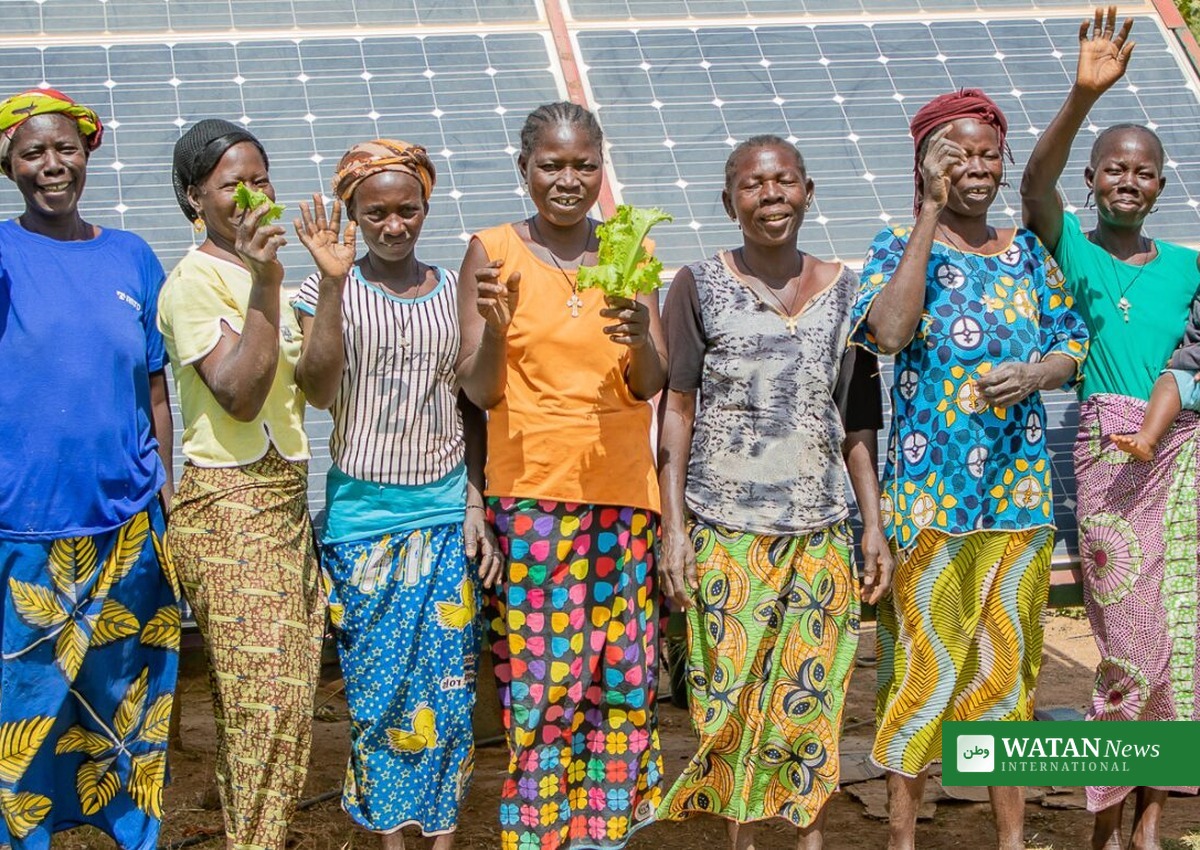
One voice backing her is Michael Anguria, chief executive of the Shine Africa Foundation in Uganda, which runs circular-economy projects in the Teso region. He said worsening annual drought has lowered food supplies there, and that composting helps boost the productivity of gardens tended mainly by women.
“Women must have local solutions to those climate problems,” Anguria said.
Who is Fatou Jeng, the Gambia envoy at COP31?
Jeng is the founder of Clean Earth Gambia, a youth-led organisation working on climate education, awareness and advocacy. She serves as The Gambia’s gender climate negotiator to the UNFCCC, leading the country’s positions on gender-responsive climate policy and the UNFCCC Gender Action Plan at COP30 and COP31.
She was a member of the UN Secretary-General’s Youth Advisory Group on Climate Change from 2023 to 2025, sits on the UN Early Warning for All Panel, and works as International Empowerment Manager at the Plant-for-the-Planet Foundation. In 2025 she was named one of Forbes Africa’s 30 Under 30 for her climate advocacy. She holds a master’s degree in Environment, Development and Policy from the University of Sussex.
Clean Earth Gambia has trained more than 2,000 people and planted more than 35,000 trees, according to a profile published in September 2025. Jeng is also a former co-lead of the women and gender working group of YOUNGO, the youth constituency of the UNFCCC.
Her call carries the weight of a country that contributes about 0.01% of global carbon dioxide emissions yet ranks among the world’s most climate-exposed nations, according to her own presentations. Flooding alone costs The Gambia about 3.8% of its gross domestic product, according to the World Bank.
FAKTA
- $433 billion: the sum Jeng wants committed by the end of COP31 — one-third of the $1.3 trillion target.
- $1.3 trillion a year by 2035: the overarching climate-finance call agreed at COP29 under the New Collective Quantified Goal; the binding core goal is at least $300 billion a year from developed countries.
- Less than 2%: the share of climate finance reaching feminist-led environmental organisations, according to research cited by campaigners.
- COP31 closes on Friday, 20 November 2026, in Antalya, Türkiye.
What happens next
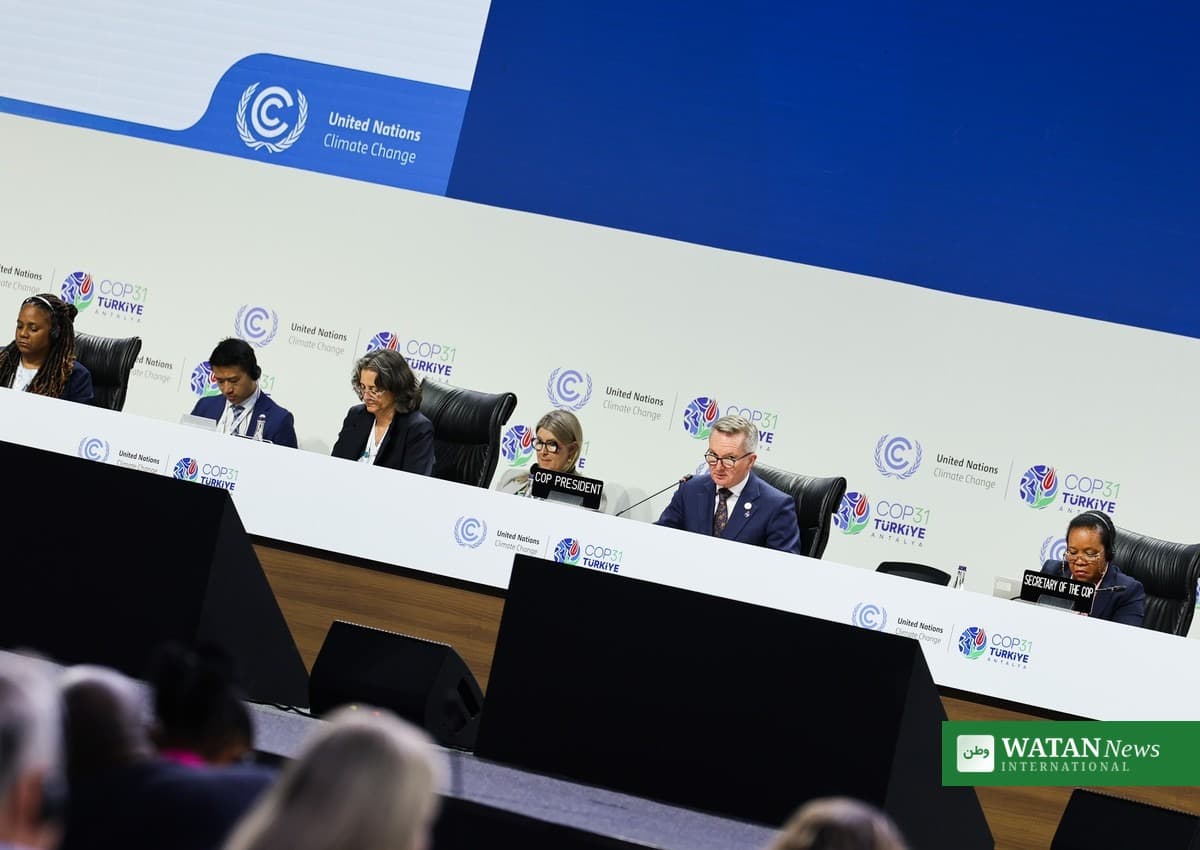
Ministers have now taken over the negotiations in Antalya, working through a draft cover decision that still leaves major differences to resolve before Friday’s deadline. Finance is one of the largest gaps: UN assessments cited at COP31 warn that current trajectories remain roughly $840 billion short of the $1.3 trillion annual mark.
Jeng’s demand adds to the pressure from developing countries for a concrete finance commitment before the talks end. Ministers are already under fire over the draft deal, while Pacific climate envoys have also pressed COP31 for urgent action on finance, the 1.5°C limit and the ocean. Like the other climate ambassadors at COP31, Jeng is using her seat at the talks to carry the demands of the people most affected by climate change into the negotiating rooms.