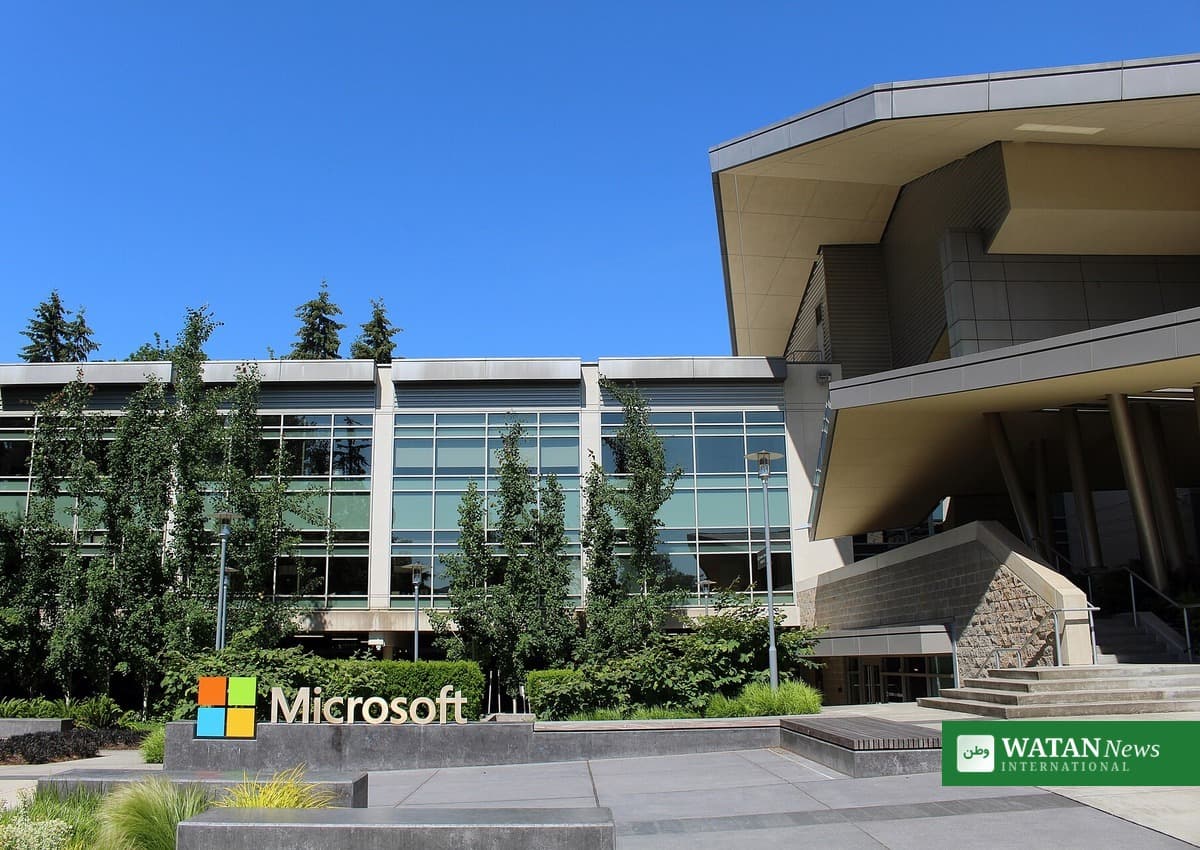
The Microsoft outage explanation is now clear: a hidden software defect, a sudden rise in traffic and a loss of server capacity combined to knock out more than 80 per cent of the servers behind Microsoft’s networking gateway during last week’s global outage. Microsoft executive Charles Lamanna set out the three causes on Monday, 16 November, after the outage disrupted Outlook and other Microsoft 365 services on Thursday, 12 November.
FAKTA
- Outage: Thursday, 12 November 2026; Outlook and Microsoft 365 services disrupted worldwide, restored by early Saturday.
- Peak impact: more than 80 per cent of the servers behind Microsoft’s networking gateway were unresponsive at the lowest point.
- Cause 1: a latent defect from a fix deployed from July 2026, causing lock contention inside an internal Windows process.
- Cause 2: about 15 hours before the outage, Microsoft Teams traffic shifted onto the primary gateway that also serves Exchange Online.
- Cause 3: nearly 14 per cent of the gateway’s server capacity was already out of service because of an unrelated issue from the previous day.
- Not a cyberattack: Microsoft said the incident was a technical issue, and US officials said the recent run of outages was not tied to cyberattacks.
A defect that testing missed
The latent defect came from a fix prepared specifically for Microsoft 365 networking gateway servers. It caused servers to become overwhelmed and unresponsive under certain load conditions, as lock contention inside an internal process exhausted CPU and memory. The change began rolling out in July and ran worldwide for more than three months without impact.
Microsoft admitted its load testing did not catch the problem, because the tests used weaker hardware with fewer cores, while the defect is worse on newer machines with more cores. Neither the defect nor the fix applies to broader Windows deployments, the company said. A final post-incident review is expected later in the week.
Three factors came together
The second factor arrived about 15 hours before the outage, when Teams traffic moved automatically from an alternative gateway onto the primary gateway that also supports Exchange Online. The third factor was capacity: nearly 14 per cent of the gateway’s servers were already out of service because of an unrelated issue from the previous day. Together, the higher load and reduced capacity triggered the latent bug from July, and the failure cascaded from server to server. In less than two hours, more than 80 per cent of the gateway servers were unresponsive.

United Airlines and JPMorgan hit on the same day
Microsoft was not the only large organisation hit by a technology failure. On Monday, 16 November, United Airlines said a computer problem forced a halt to many departing flights, before later saying the issue was resolved. FlightAware data showed 645 delayed United flights and 25 cancellations by 6:50 p.m. ET, and the airline said there was no indication of a cybersecurity issue.
On the same day, JPMorgan Chase, the largest US lender, had problems processing transactions because of a software bug in an on-premise hardware system, and said there was no evidence it was cyber-related. A senior US homeland security official, Markwayne Mullin, told CNBC on Tuesday that the recent outages were not tied to cyberattacks but to ageing computer systems, adding that he could say with 98 per cent certainty that it was not a cyberattack.
| Outage | Date | Cause reported | Cyberattack? |
|---|---|---|---|
| Microsoft 365 | 12 November | Latent defect, extra load, lost capacity | No |
| United Airlines | 16 November | Computer problem halting departures | No indication |
| JPMorgan Chase | 16 November | Software bug in on-premise hardware | No evidence |
Fuel prices keep falling
There was better news for motorists. US fuel prices kept falling, with the national average for regular gasoline at $3.81 a gallon on Monday, 16 November, according to AAA, and GasBuddy putting it at $3.74, down 21.3 cents in a week. Prices fell in every state, diesel dropped below $6 a gallon for the first time since 10 September, and analysts put the decline down to cheaper winter-blend fuel, weaker demand and lower crude prices, with Brent around $91 a barrel.
Conclusion
Microsoft’s account turns a confusing outage into a clear chain: a defect nobody’s tests could see, a routine traffic shift, and capacity already missing. The same week showed how fast separate failures can pile up — and how fast officials moved to rule out cyberattacks.