A smaller COP, but the details matter
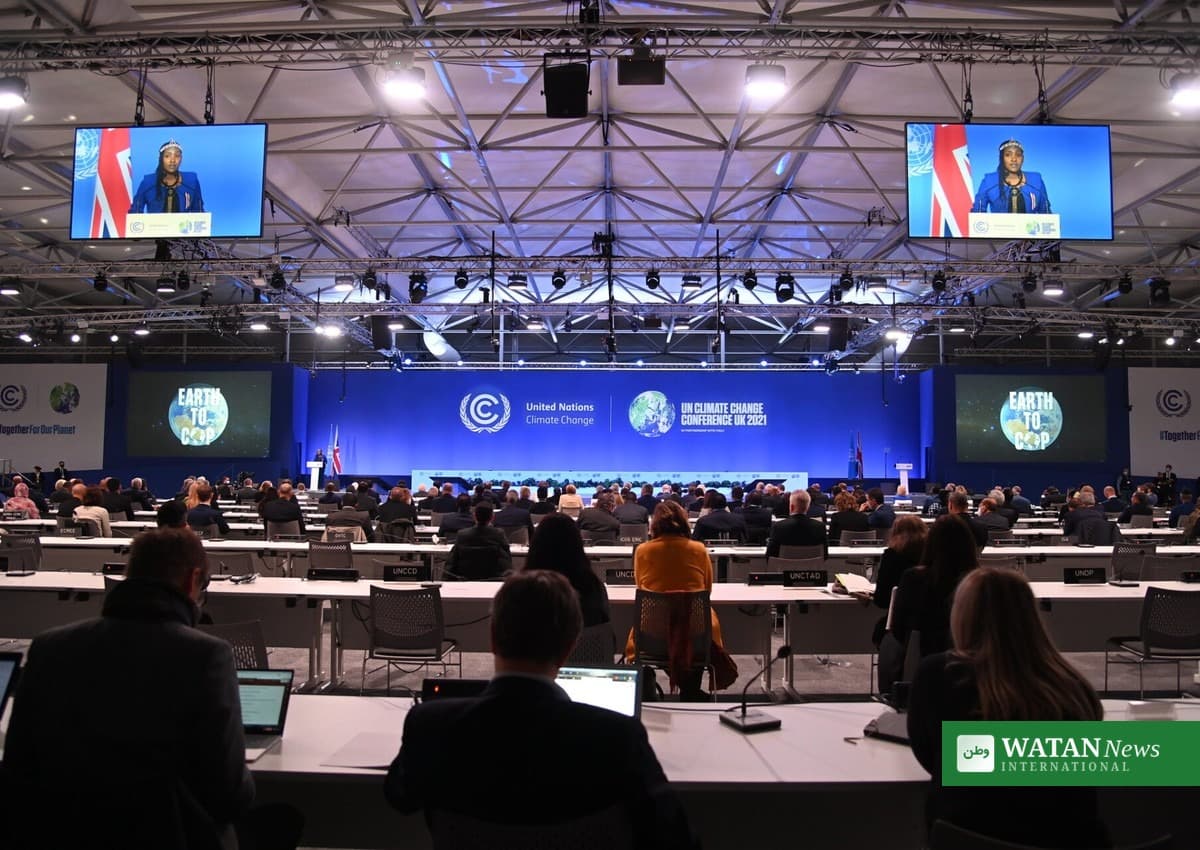
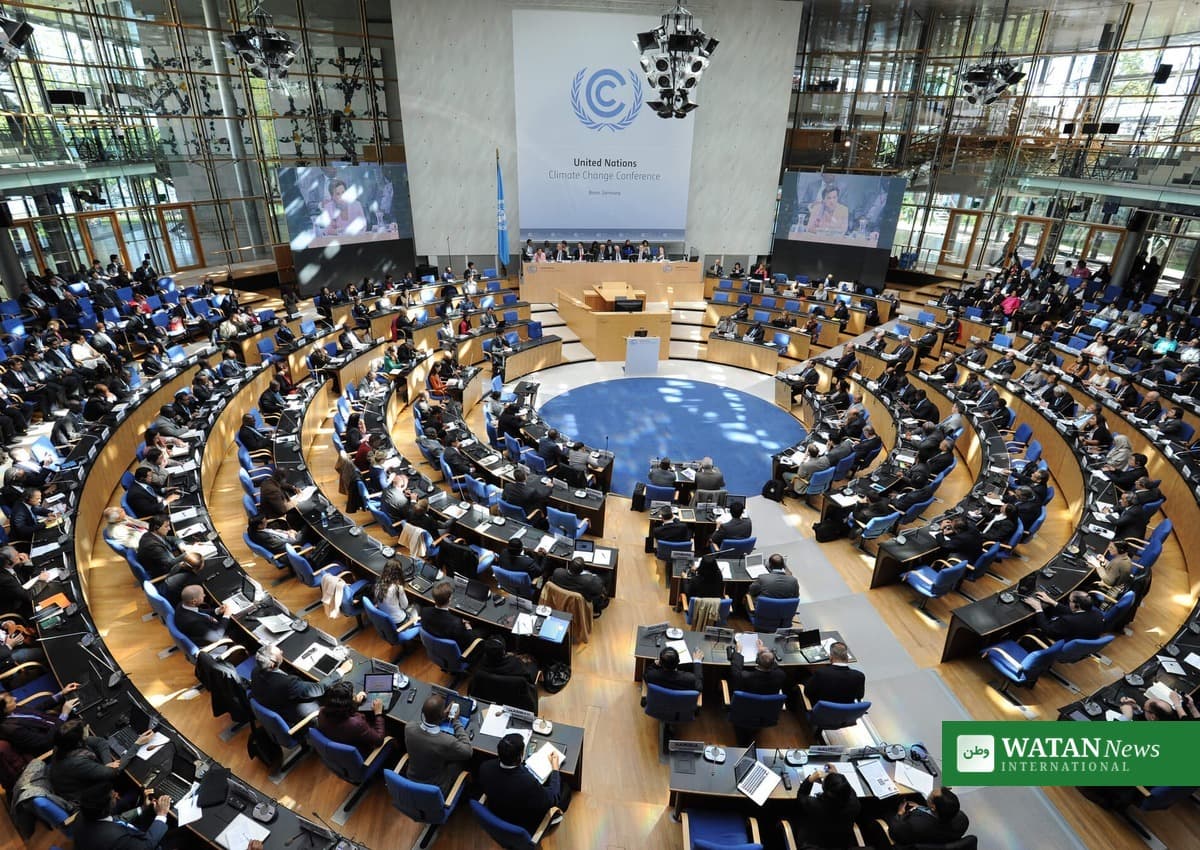
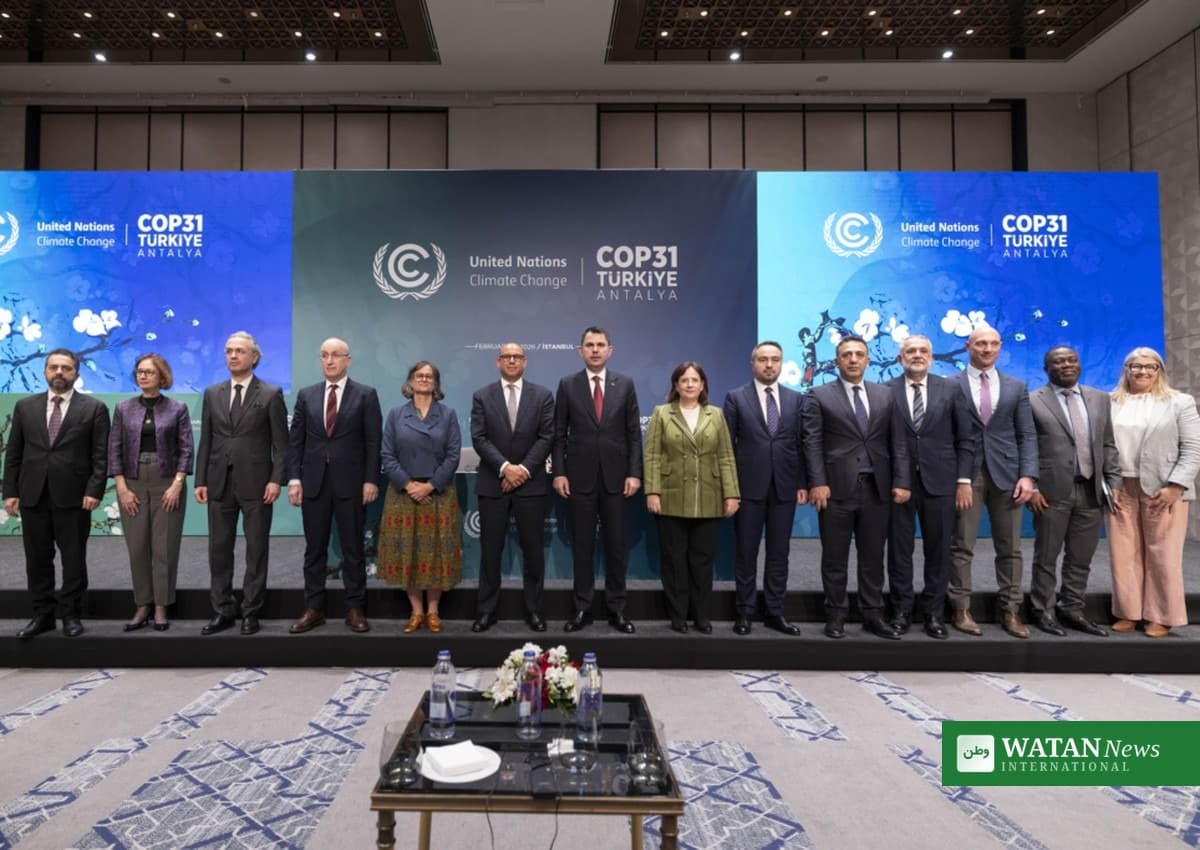
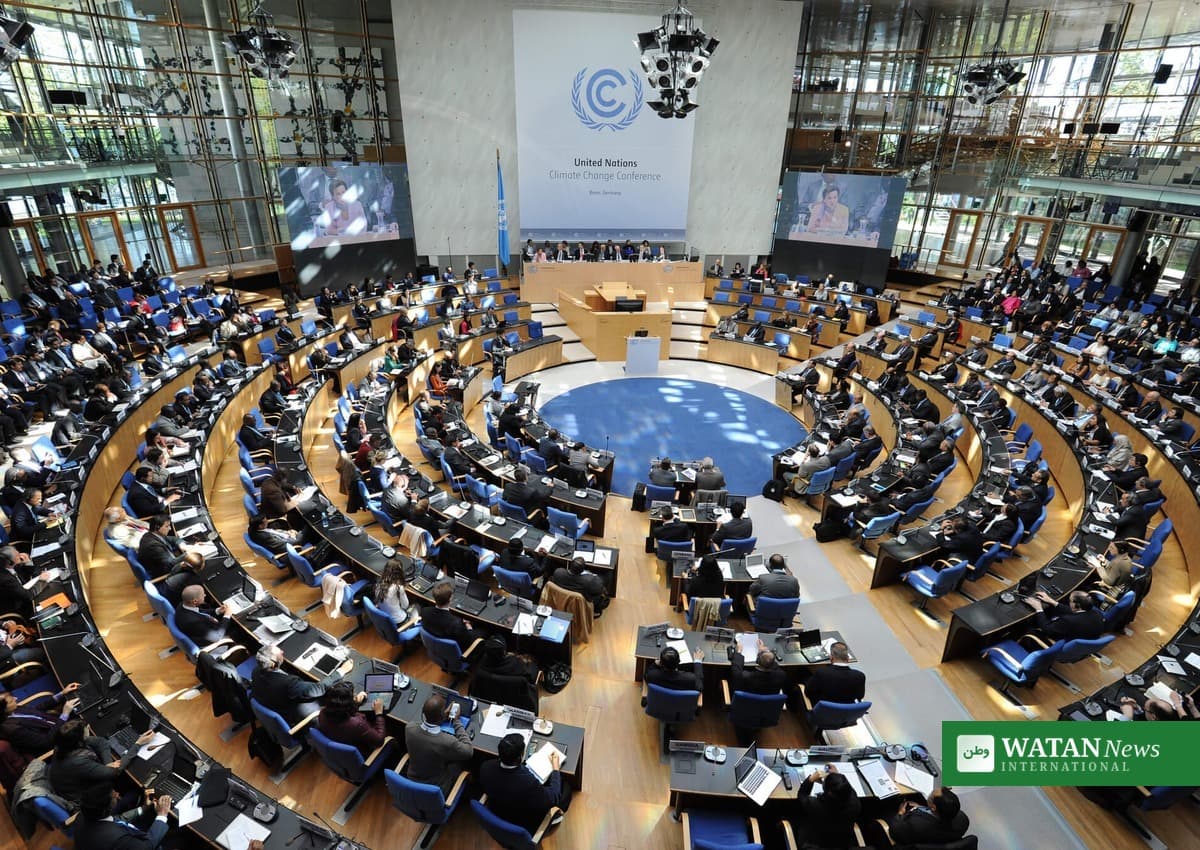
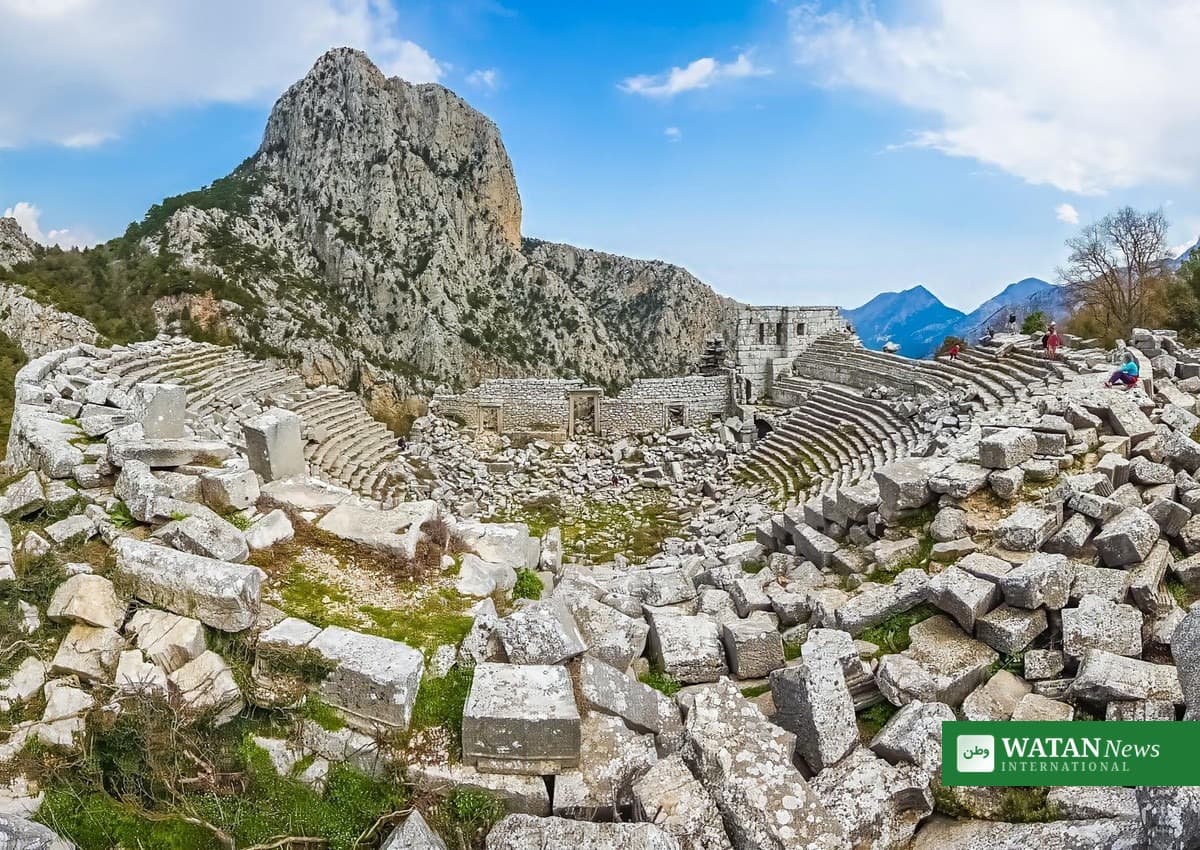
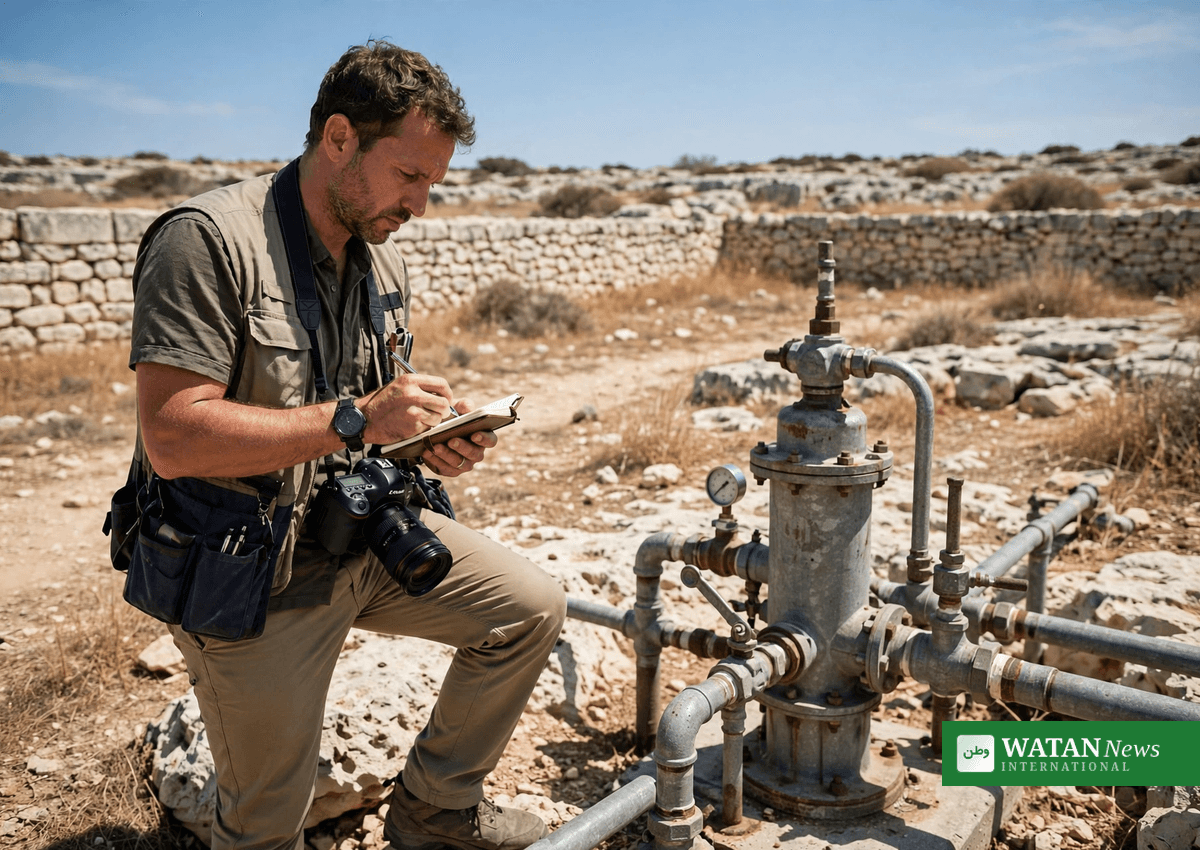
Antalya, 11 November 2026 (Watan News) — Seth Borenstein has covered seven United Nations climate summits for The Associated Press, and he has a clear message for anyone following COP31 in Antalya: this is one of the smaller COPs, focused on process and detail rather than headline breakthroughs — but the details are crucial.
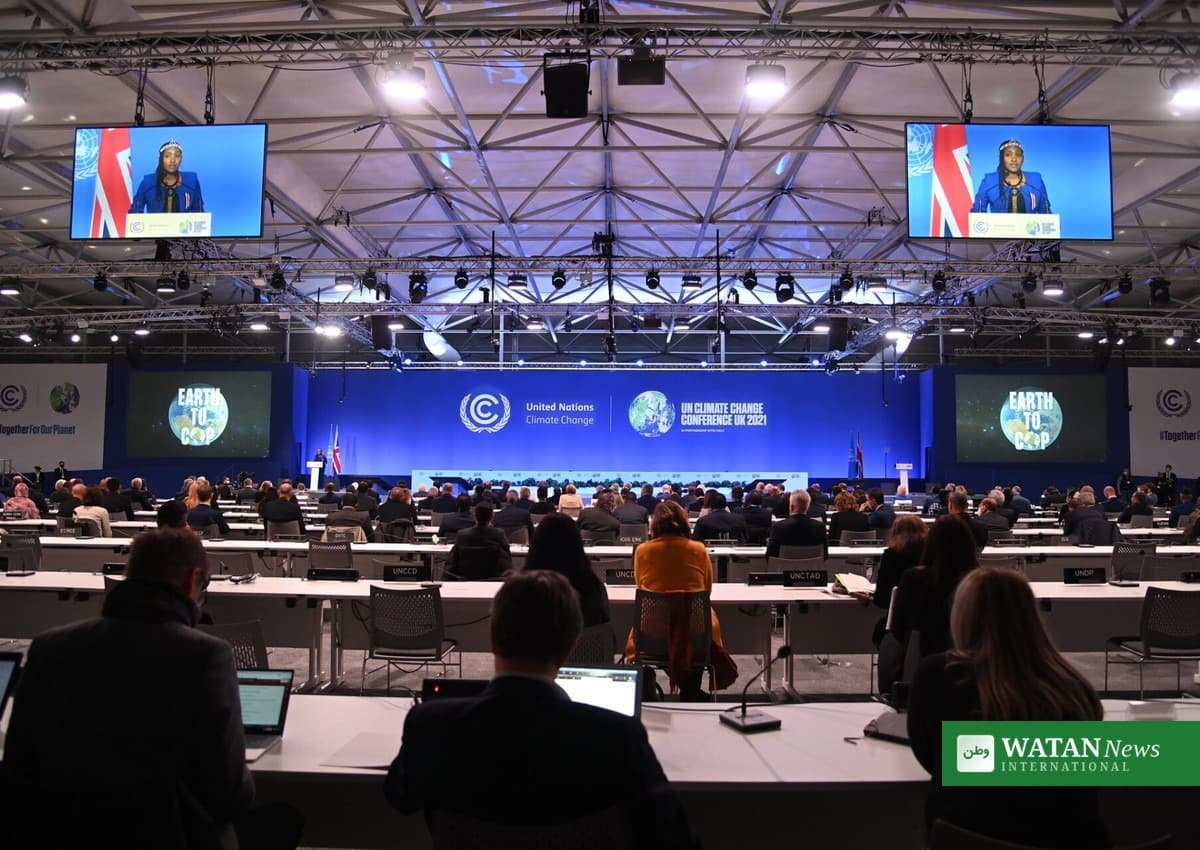
In a COP31 guide published on 10 November in AP’s Climate Watch newsletter, Borenstein — in conversation with AP journalist Gabriela Sá Pessoa, drawing on reporting by Anton L. Delgado and Sibi Arasu — sets out what journalists and readers should watch as world leaders gather for the summit’s leaders’ segment on 11 and 12 November.
“You have big COPs where major issues need to be addressed, and others that are more about processes and, frankly, boring to the outside world. But they are crucial,” Borenstein said. “Antalya is going to be one of those smaller COPs.”
The reason, he explained, is that the 2015 Paris Agreement set up the processes that now govern the talks, and much of the biggest work was done at earlier summits or is scheduled for later ones. “The issues, while important, really are the details. They matter, but they are the type of details much of the public doesn’t care about.”
Money tops the agenda
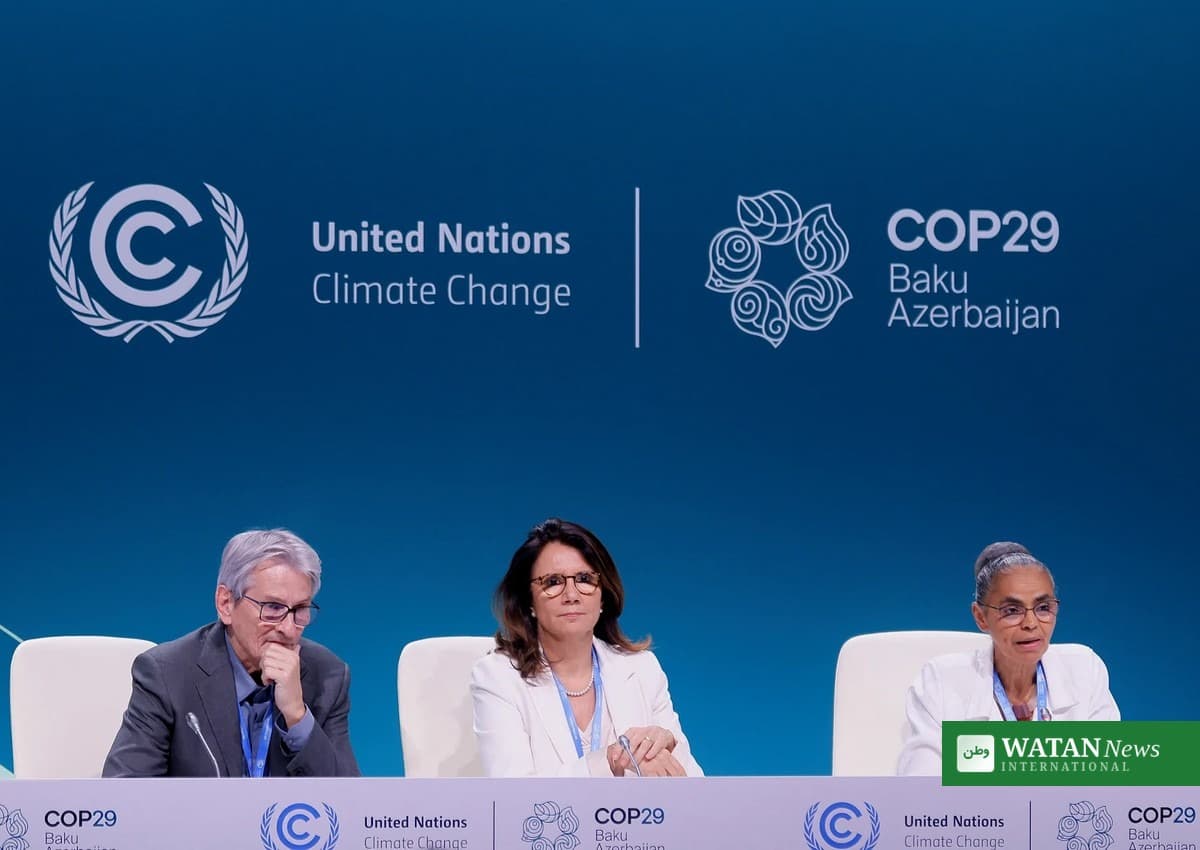
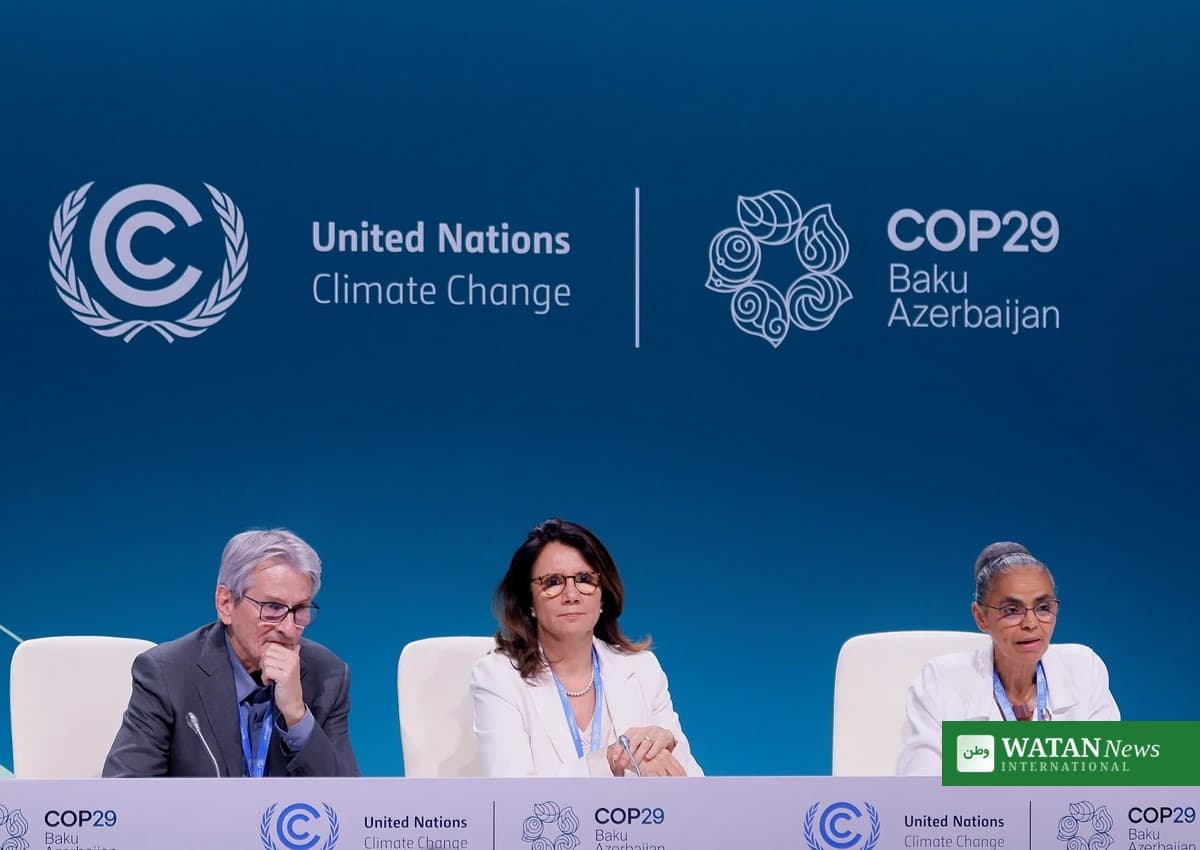
One issue returns every year, Borenstein said: money. At COP29 in Baku two years ago, countries agreed a new climate finance goal of $1.3 trillion from richer nations to help poorer nations shift to renewables, adapt to a warmer world and pay for climate losses. But, he noted, “the details of that money and the actual money itself never really came out.”
At COP31, nations will be talking about how to get the money, where it comes from, and how to deliver it with minimal paperwork — something that matters greatly to climate-vulnerable nations. The question of who pays has grown harder because the United States, the world’s largest historic carbon polluter, skipped last year’s COP and is not expected to take part this year.
“There’s always two topics in the climate negotiations that are relevant and difficult,” Niklas Höhne, co-founder of Germany’s NewClimate Institute, told AP. “The first one is who produces emissions (and) how much. That is difficult enough. But what is even more complicated is the other issue, and that is who pays. And on this one, we are particularly in a difficult situation because the U.S., as the largest contributor, has dropped out.”
The 1.5-degree question
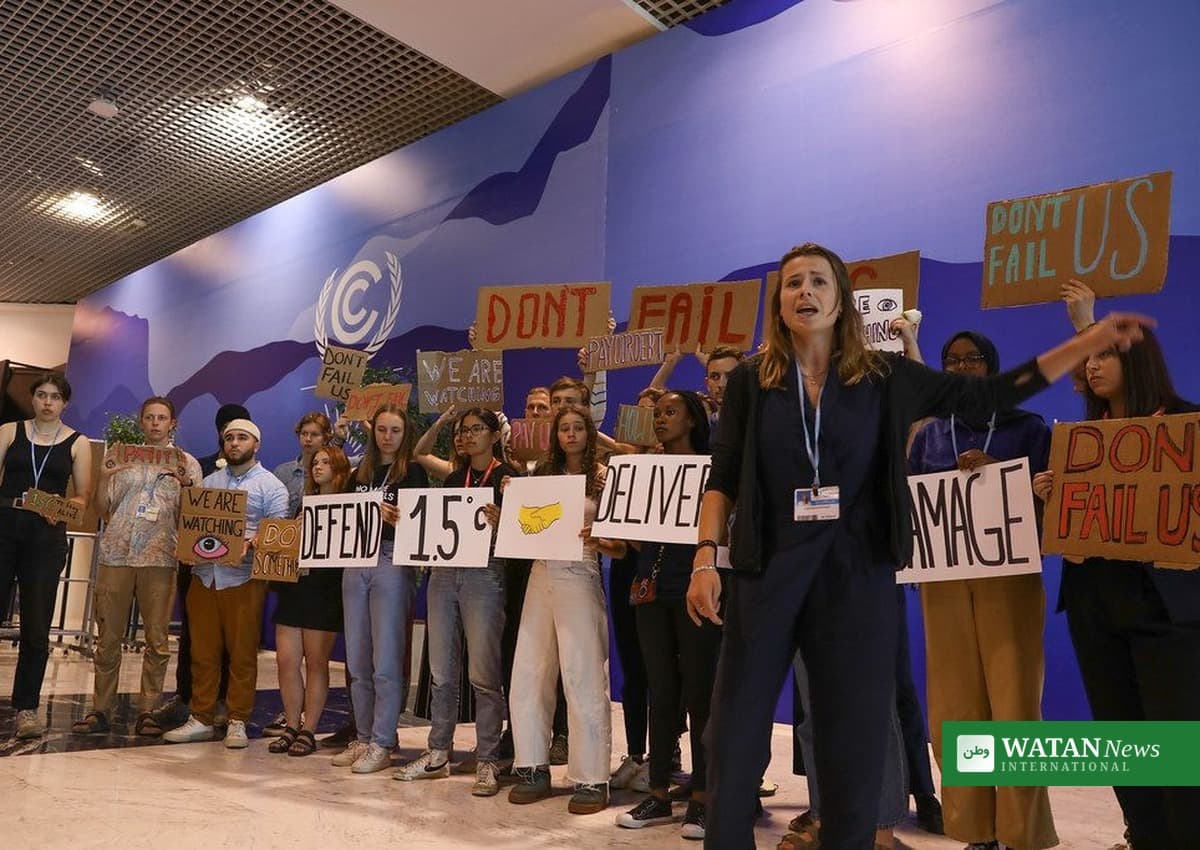
The bigger shadow over the talks is the fate of the 1.5 degrees Celsius goal. Scientists have warned that global warming is accelerating, with the world already passing the 1.5-degree threshold in individual years. Two months ago, the United Nations readjusted its decade-old goal because the world is blowing past it.
October 2026 was the hottest October on record, and 2026 is virtually certain to end up as the second year to exceed the 1.5-degree level, behind 2024, the European climate agency Copernicus announced. The world is now at 1.4 degrees of warming and is heading towards 2.6 degrees, according to the United Nations.
Nations will not acknowledge the 1.5-degree goal as dead, Borenstein said. “Now it’s: ‘We’re going to overshoot and come back under.'” UN Secretary-General António Guterres told him that learning warming could not be kept below 1.5 degrees was one of the worst days of his life.
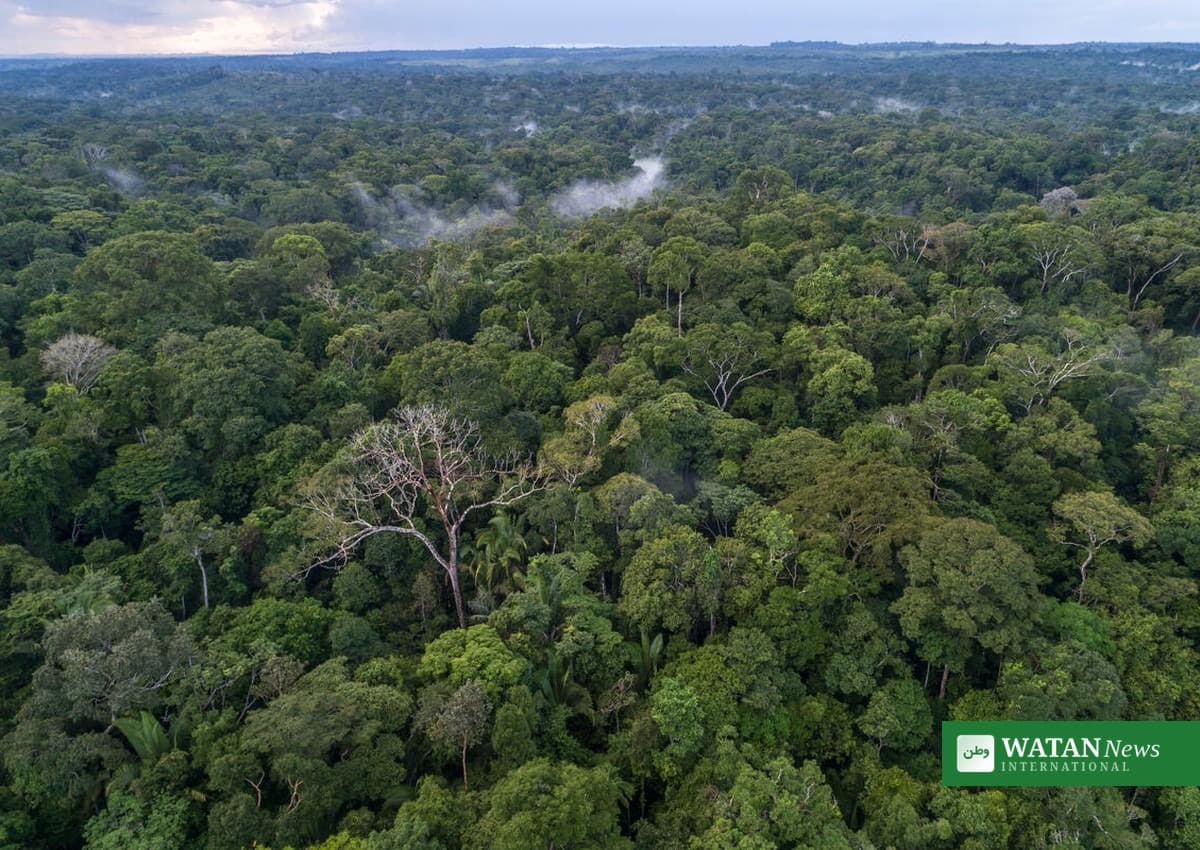
“We have failed so far,” Johan Rockström, director of Germany’s Potsdam Institute for Climate Impact Research, told AP, warning of more extreme weather and possible tipping points, such as ocean currents changing and the Amazon rainforest collapsing.
Electrification and the action agenda
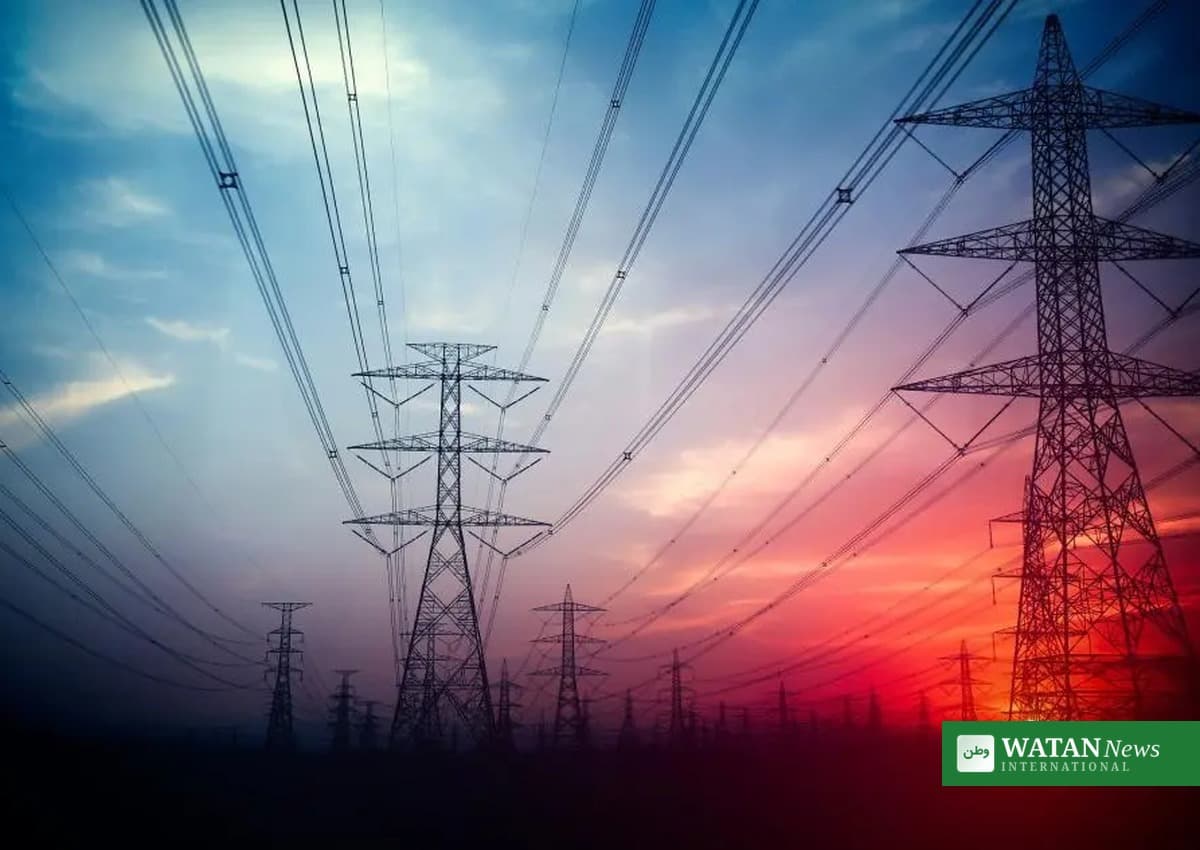
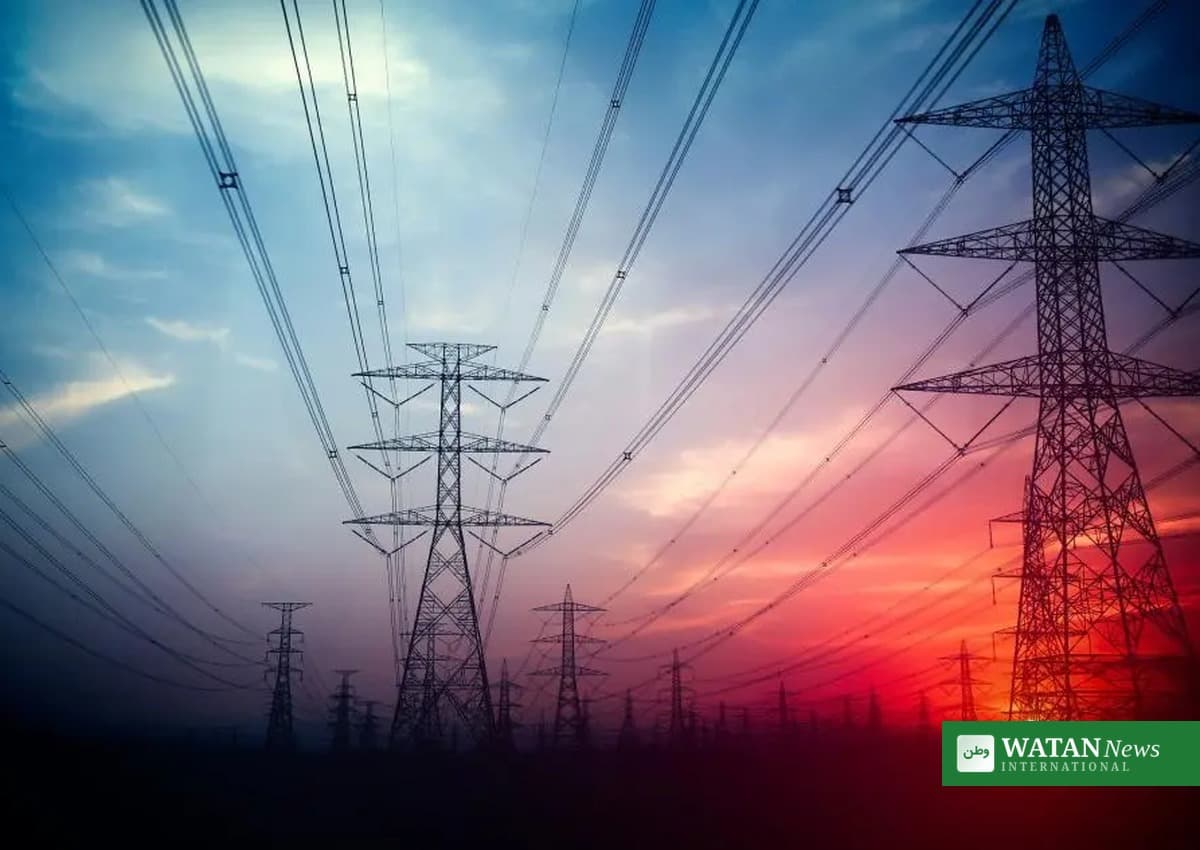
In recent years, much of the leading-edge work at climate summits has happened on the sidelines, through what is called the action agenda — voluntary initiatives where not everyone has to agree. This year, host country Türkiye’s signature action agenda is electrification.
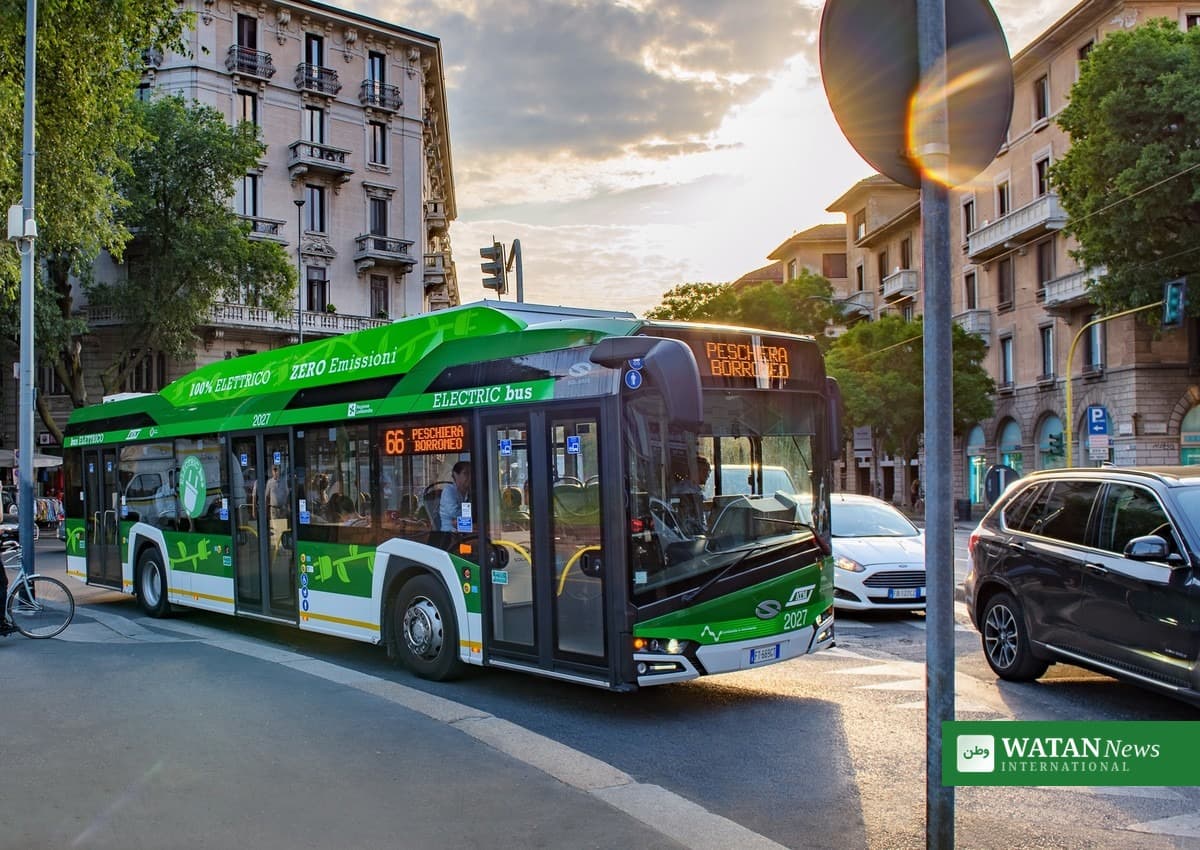
The goal is called “35 by 35”: changing 35 percent of the world’s energy system to electricity by 2035, preferably from renewable power. Right now, electricity is about 21 percent of global energy use, and the world is on track for 28 percent by 2035. Much of that shift involves moving away from oil, natural gas and coal, especially in transport.
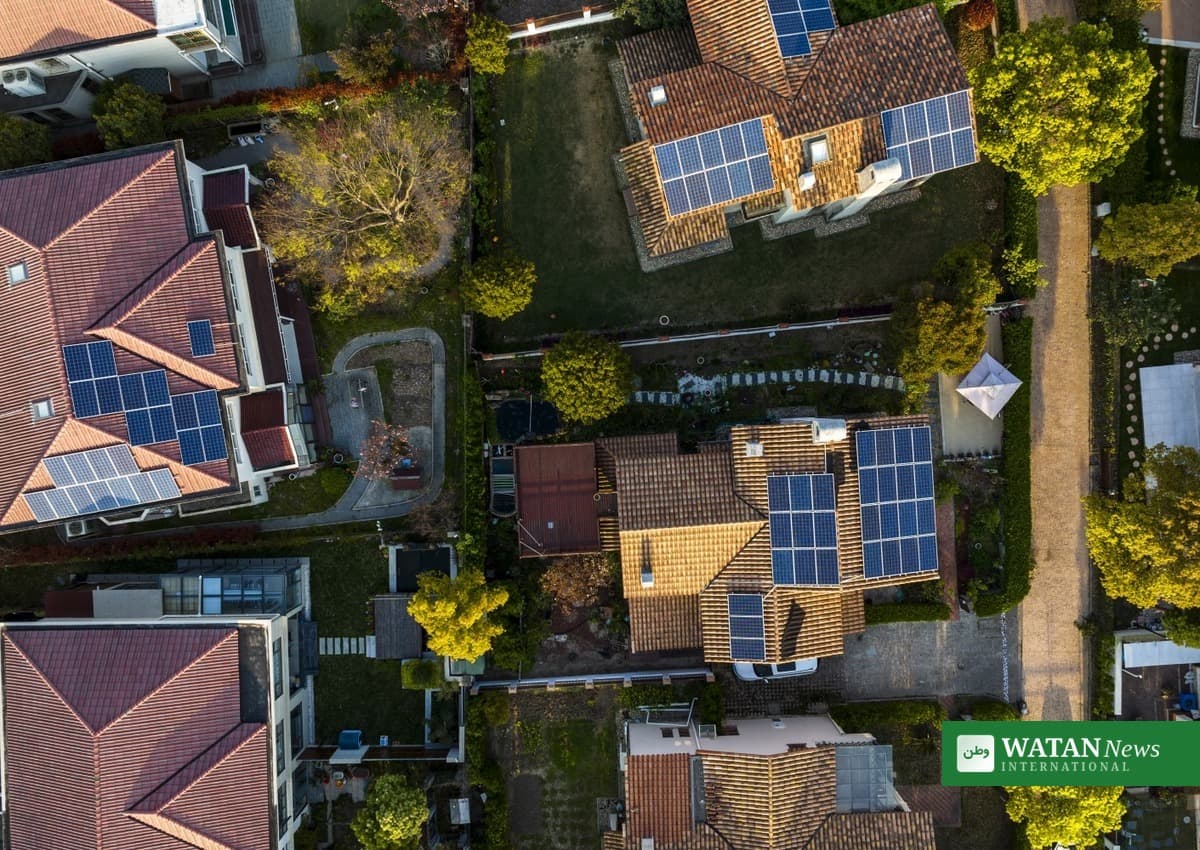
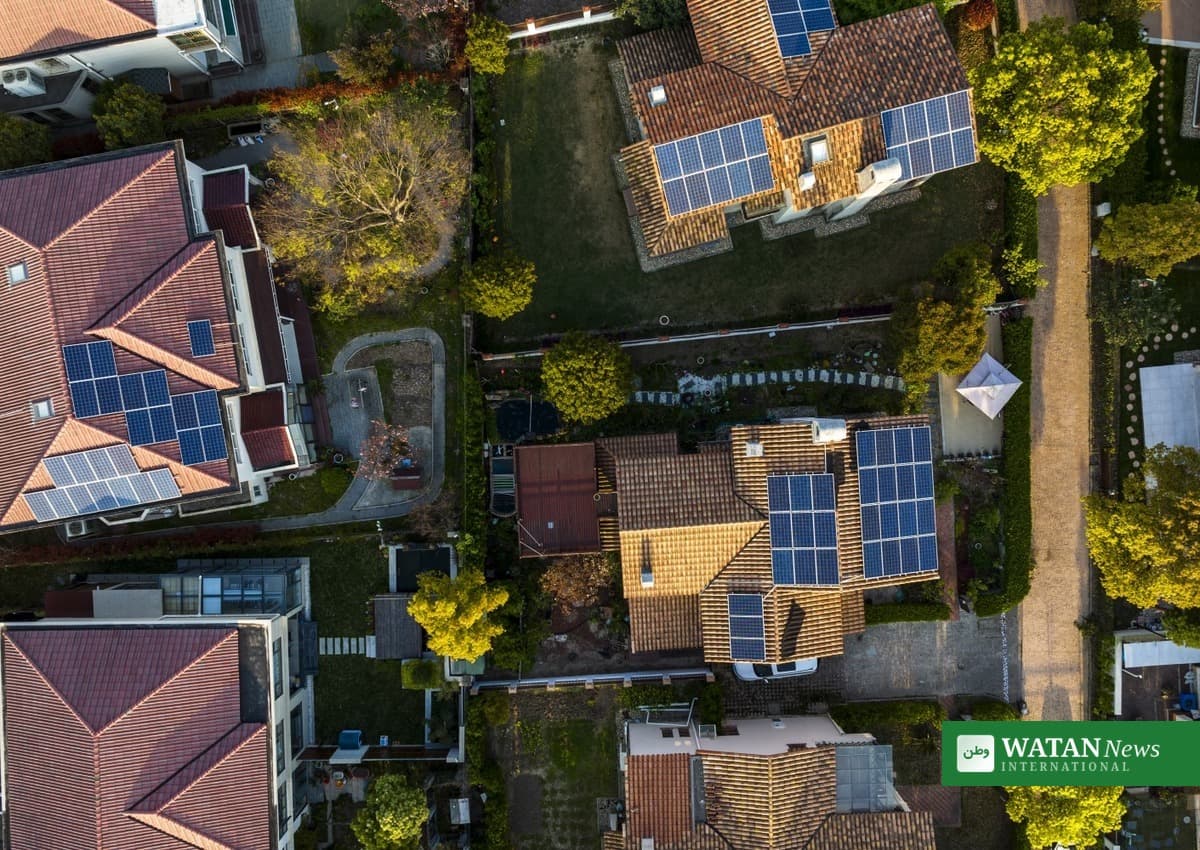
Renewables will also come up, Borenstein said, and that gives leaders a hopeful note. “What gives most experts hope is how cheap solar and wind energy are, along with electric car growth,” Höhne told AP. “It has never been as easy to reduce emissions as it is today because, again, this year, renewable energy has been developing faster than before.”
A brutal year of disasters
The talks open in a year of disasters. Europe suffered deadly summer heat waves, Nepal was hit by catastrophic flooding, and the Amazon is experiencing a drought that might get even worse next year. Borenstein said 50,000 people died in European heat waves this year, with thousands dead or missing in Nepal.
Asked whether such a brutal year could influence leaders, Borenstein was candid. “I think that, after all these years, I’ve become cynical. Yeah, people are feeling it. And if you think you’re feeling it now, next year’s going to be worse. There’s El Niño, on top of climate change, and we’re only at the beginning of El Niño right now.”
He recalled an earlier heat wave in India and Pakistan that killed thousands, followed by floods in Pakistan that killed tens of thousands, and how he had hoped that would wake the world. “You would think that would get leaders to do something. But the power of inertia, the power of fossil fuel interests and the way COP process is set, it’s set up for slow success and slow action.”
Still, he sees progress. Before Paris, the world was heading to 4 degrees Celsius of warming. Now it is heading to 2.6 degrees. “That’s progress, but it’s not enough,” he said. “Think of climate change’s impacts as a rabbit and the COP process as a turtle. In the old fable, the turtle eventually wins. Maybe there’s still hope. Right now, the rabbit is far outpacing the turtle.”
A COP31 guide for journalists
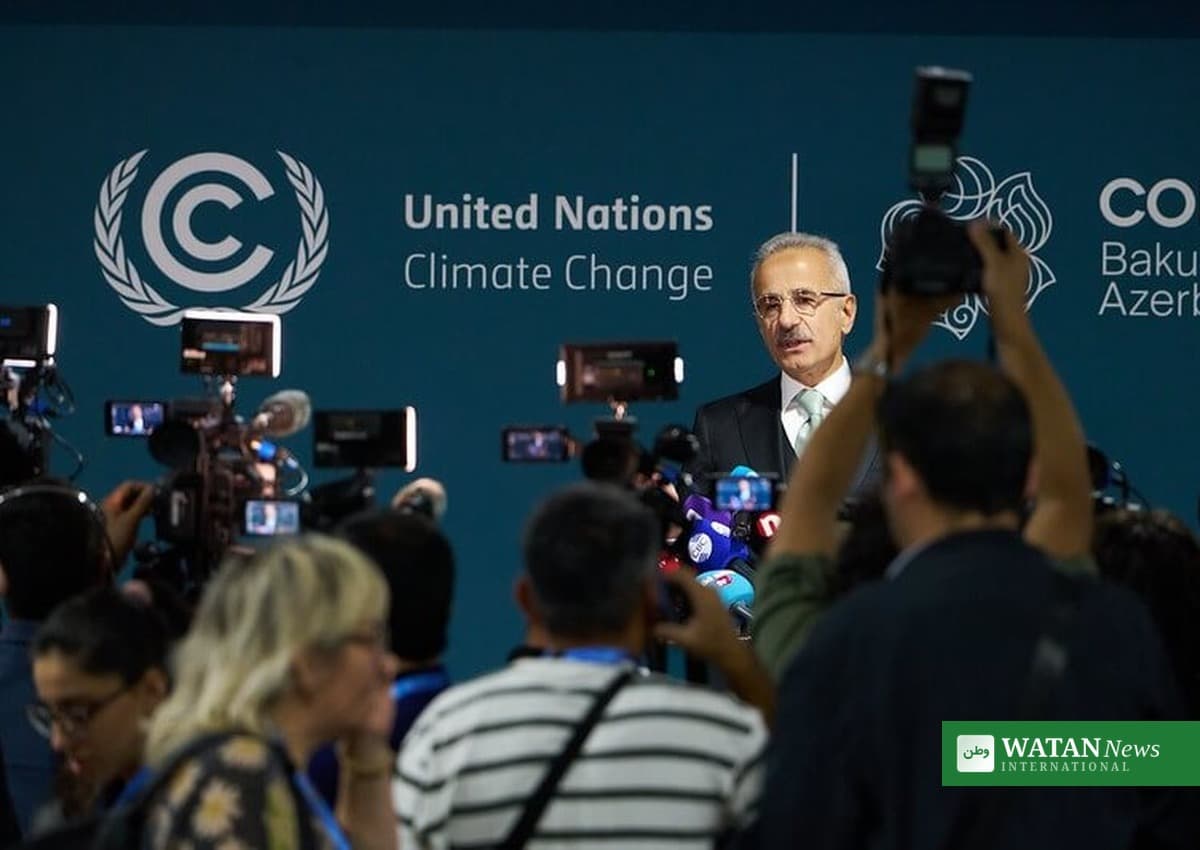
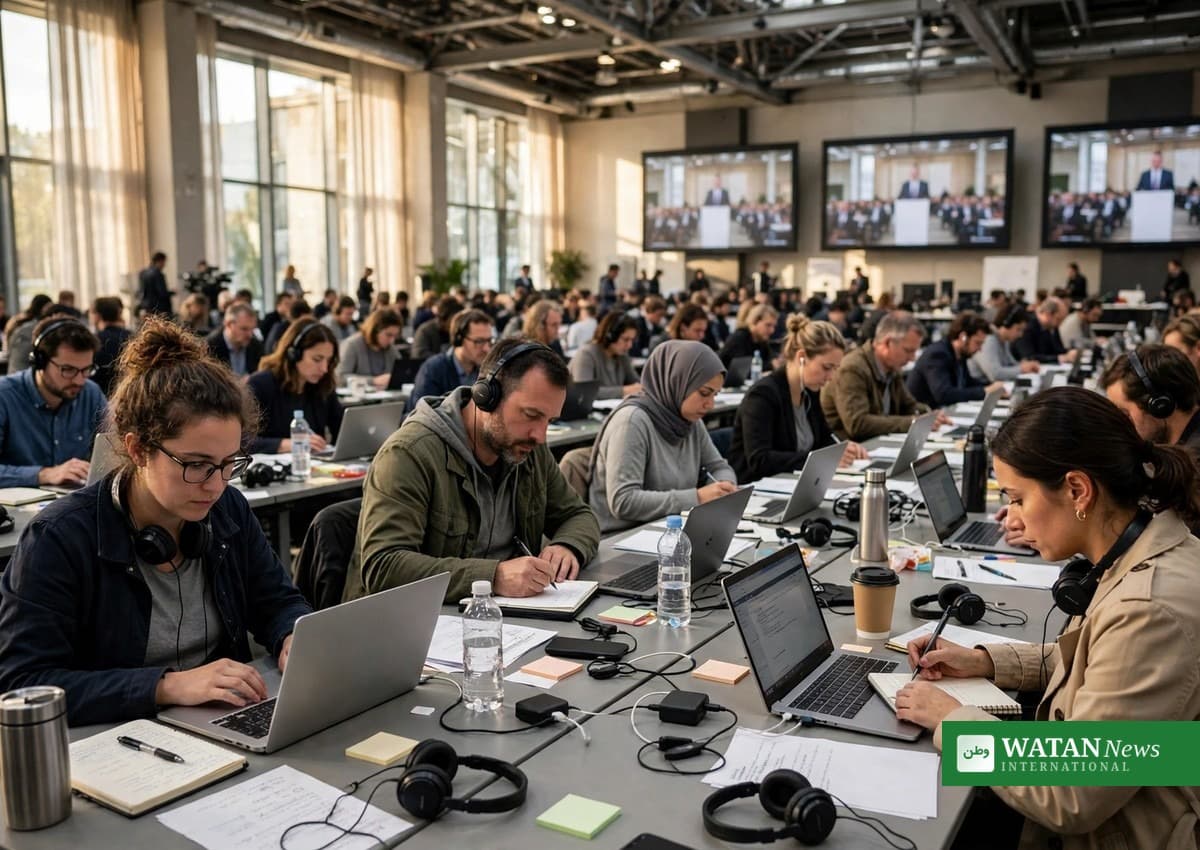
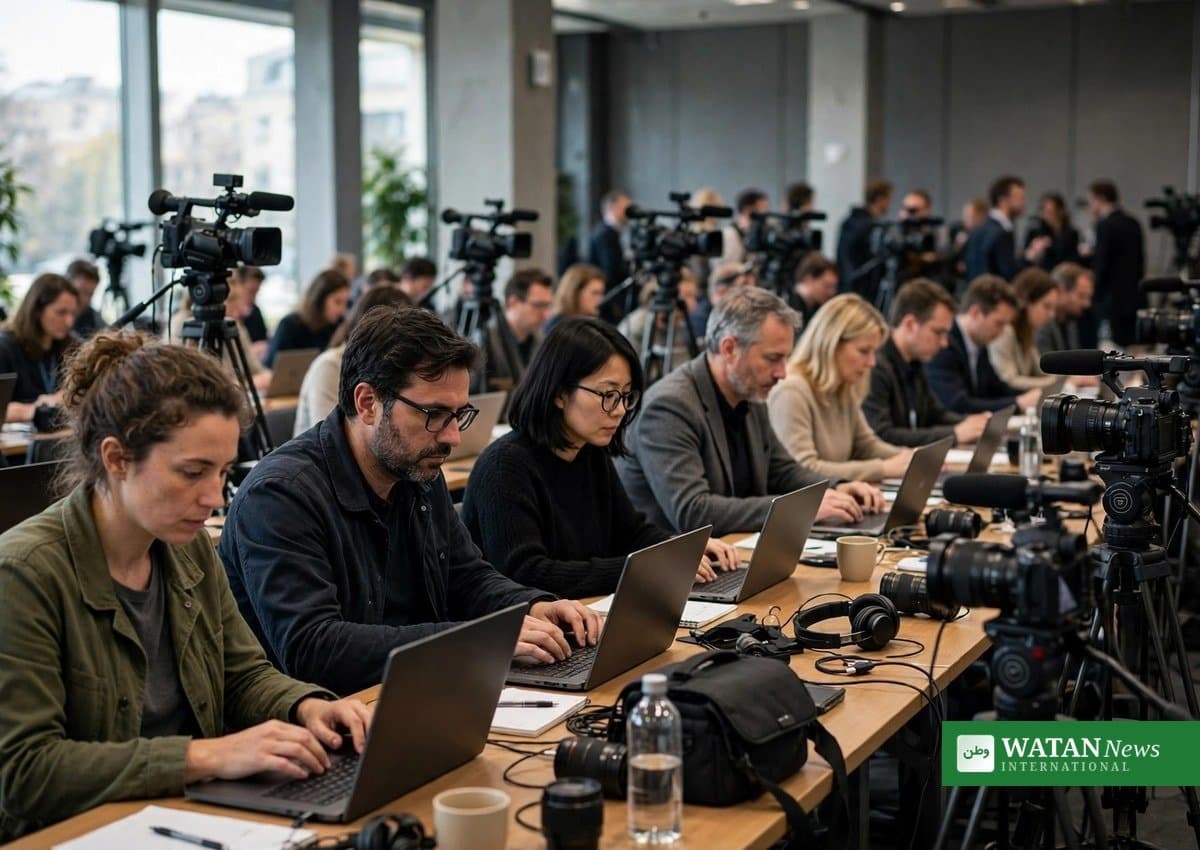
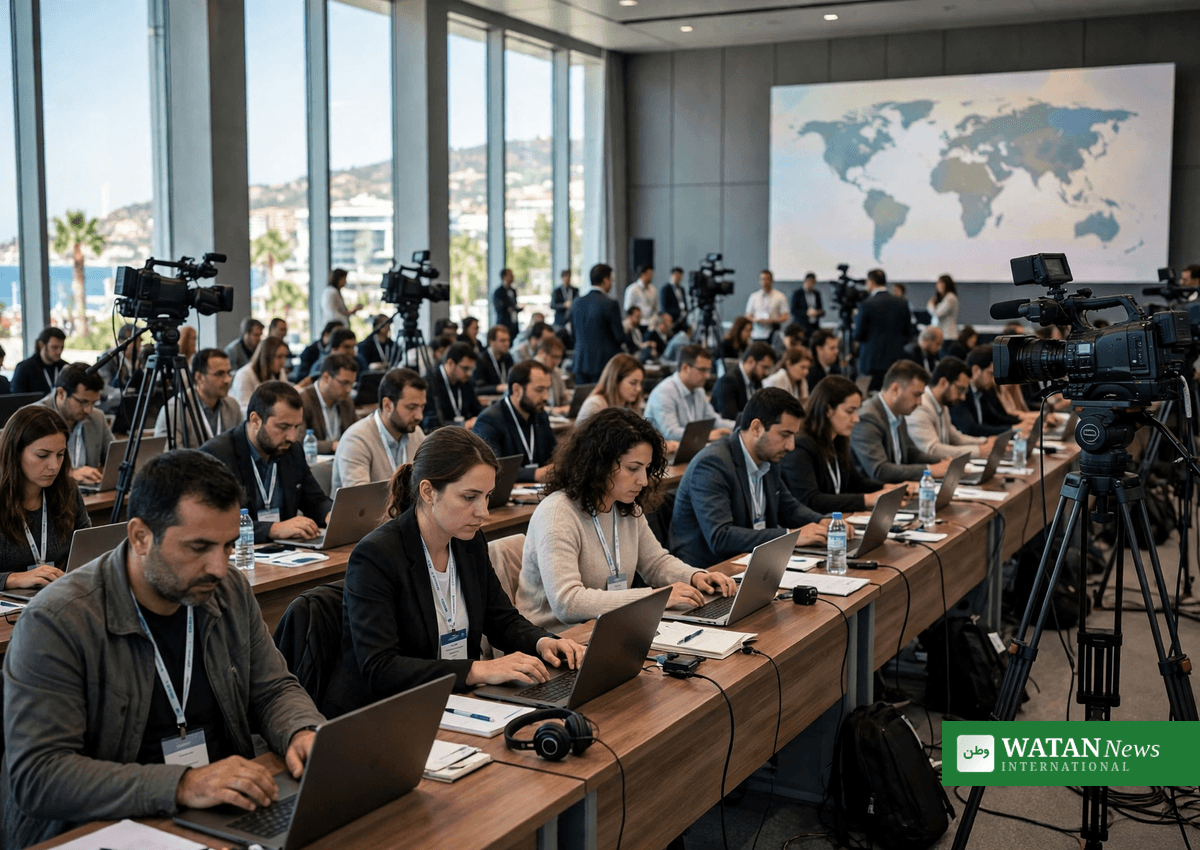
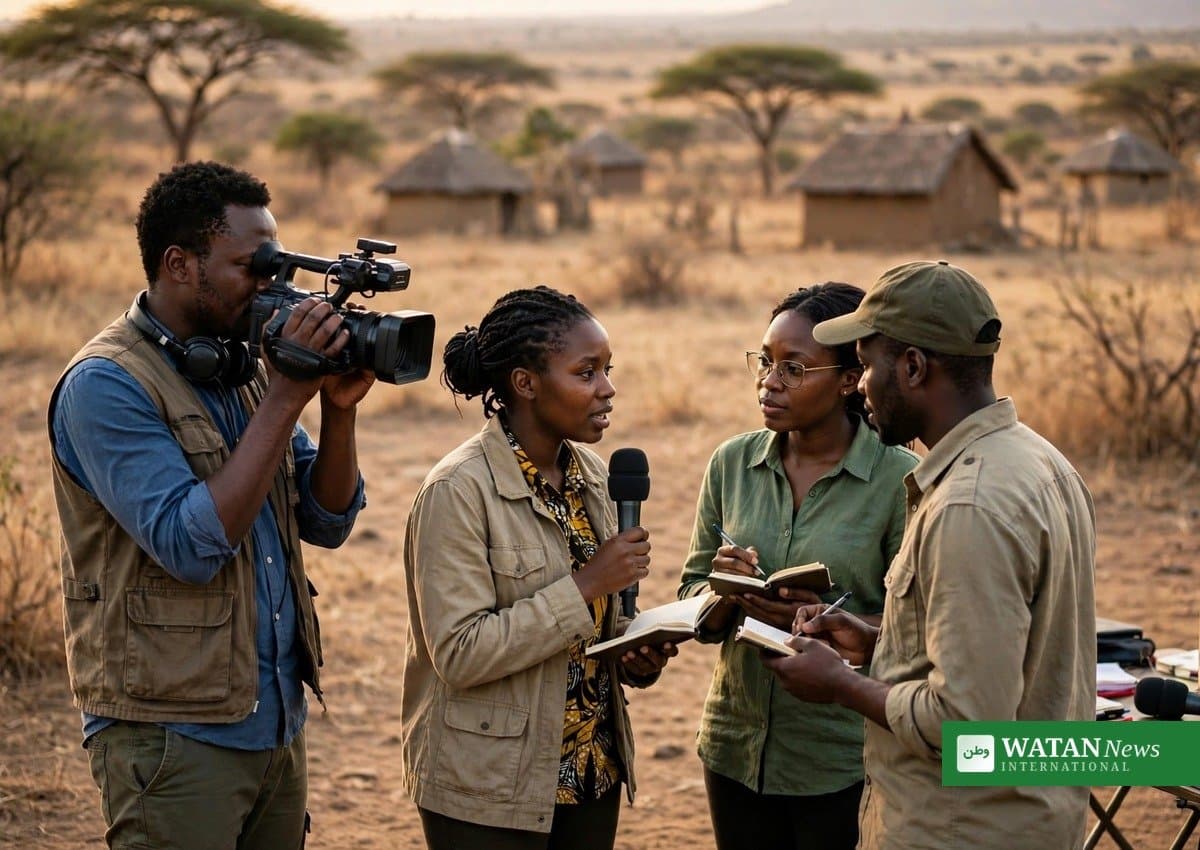
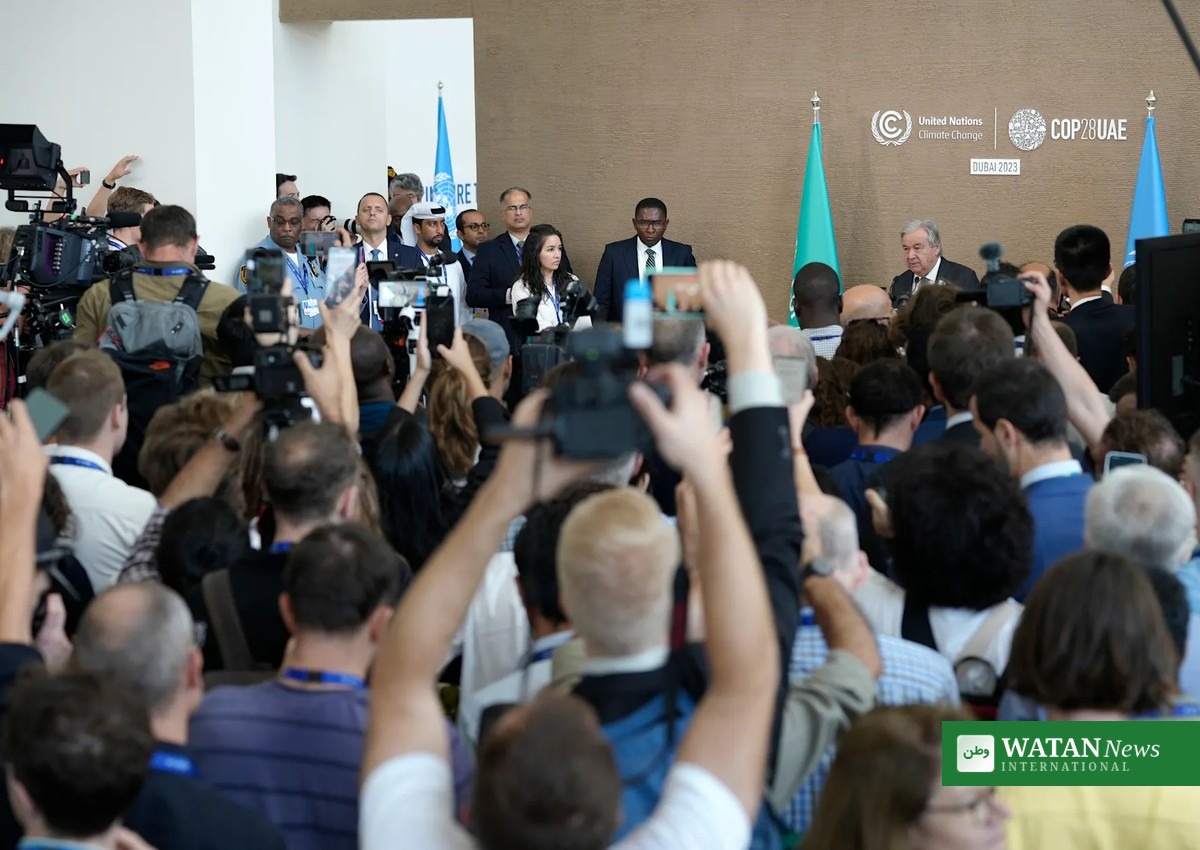
Covering a summit like this takes a large press corps. Sixteen journalists from low- and middle-income countries are reporting from Antalya as fellows of the Climate Change Media Partnership, run by Internews’ Earth Journalism Network and the Stanley Center for Peace and Security, with two independent creator journalists joining the cohort for the first time.
Inside the venue, a 24-hour media centre is telling the world what happens in Antalya, while Türkiye’s ANKA news agency has launched a dedicated English-language COP31 publication. And the fight against false climate information is itself on the agenda: UNESCO will present a report on 16 November showing that leading AI chatbots can be pressured into giving false climate information, and on 11 November the UNFCCC Pavilion hosts a session on how content creators use culture, art and science to build a healthier information ecosystem.
For reporters on the ground, Borenstein’s guide is a reminder that the story of COP31 is not only in the plenary hall. It is in the finance figures that never arrive, the slow grind of consensus, and the gap between what science demands and what politics delivers — a gap the world’s journalists must keep measuring, summit after summit.
Key facts
- Guide published: 10 November 2026, in AP’s Climate Watch newsletter, by Gabriela Sá Pessoa with Seth Borenstein, Anton L. Delgado and Sibi Arasu.
- Seth Borenstein: AP science writer who has covered seven COP climate summits.
- COP31: 9–20 November 2026, Antalya, Türkiye; leaders’ summit 11–12 November.
- Climate finance: $1.3 trillion goal agreed at COP29 in Baku; the money itself has not yet flowed.
- Warming: world now at 1.4°C above pre-industrial levels, heading towards 2.6°C; 2026 virtually certain to be the second year above 1.5°C (Copernicus).
- 35 by 35: Türkiye’s COP31 action-agenda goal — electricity to 35% of global energy use by 2035, from about 21% today.
- Journalists at COP31: 16 Climate Change Media Partnership fellows in Antalya, including two creator journalists for the first time.