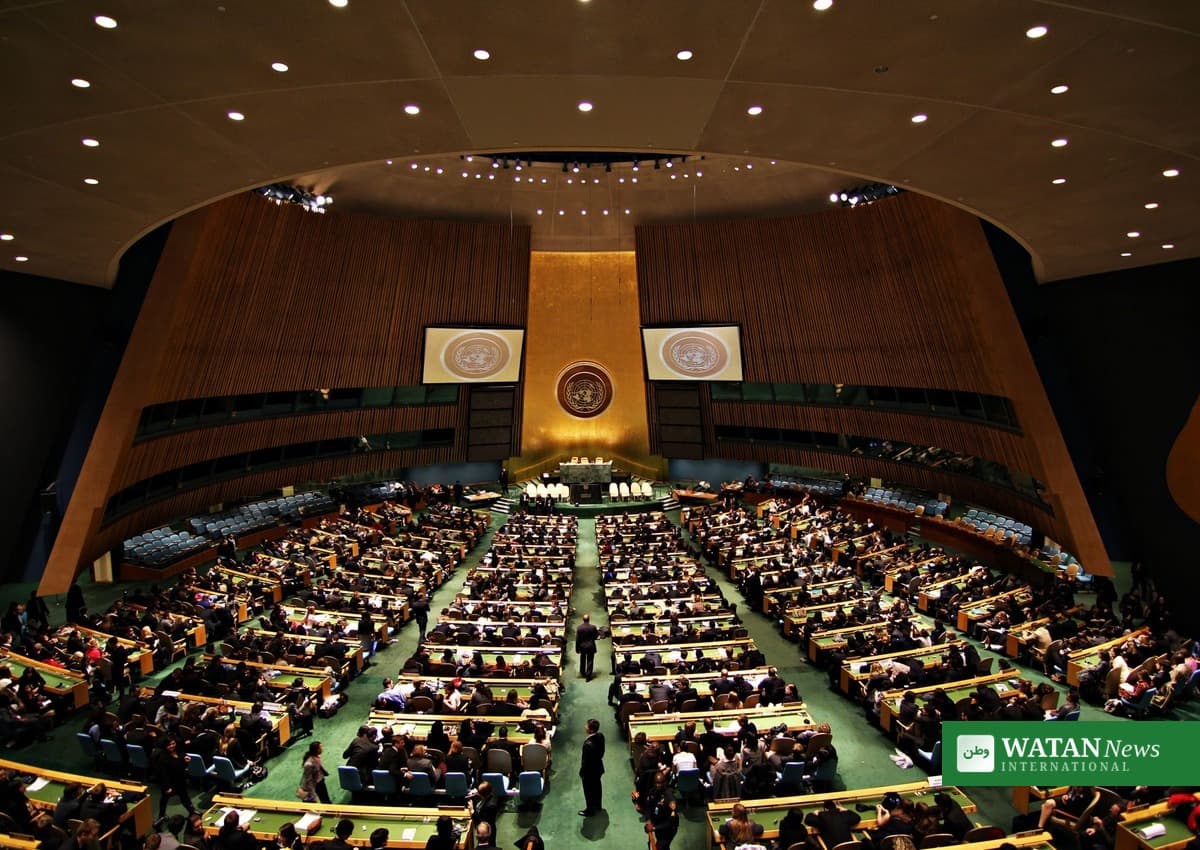
Antalya – Agence France-Presse (AFP) has launched a dedicated global news desk for environmental and climate law, unveiling the new team during the COP31 climate summit in Antalya. The Future of the Planet Legal Desk will report in depth on the court cases, laws and legal accountability shaping the climate crisis — a beat the agency says is becoming central to how climate action actually happens.
The desk was announced on 11 November 2026. It is the first major project under AFP’s Philanthropic Partnerships Initiative, which began last year to expand the agency’s capacity for in-depth journalism with philanthropic support. Its operations have begun with backing from Australia’s Minderoo Foundation and The Climate Change Collaboration in the United Kingdom.
What the new desk will cover
The desk creates a new team of journalists dedicated to reporting in depth on environmental and climate issues relating to the rule of law. According to AFP, it will cover litigation, legislation, corporate accountability, disinformation and other issues that shape the planet’s future.
The team will have dedicated journalists in key regions around the world, including Latin America, Asia and Africa. AFP describes it as the first global media desk providing sustained, specialist reporting on environmental and climate law.
The desk will also build journalists’ capacities inside and outside the agency to report on environmental law, laying the foundations for enduring coverage. It will be embedded in AFP’s existing editorial structures and workflows, with its journalism distributed to the agency’s more than 4,000 clients and across its social media platforms.
Philanthropy funds it — an ethics code guards it
Minderoo said its support would help amplify under-reported voices, particularly from the Global South, showcase legal solutions that inspire hope and action, and strengthen the capacity of journalists to report on critical issues.
“It is in Minderoo’s DNA to shine a light on injustice,” Minderoo Foundation chief executive John Hartman said. “At a time when the consequences of climate change are becoming increasingly severe, the law has a key role to play in keeping the world on track to reduce emissions, protect communities and avert the worst impacts of climate change.”
The Climate Change Collaboration groups together The Aurora Trust, JJ Charitable Trust and Mark Leonard Trust. AFP has published a Code of Ethics for foundation-supported journalism that sets out how its philanthropic partnership projects operate in accordance with the agency’s editorial standards and guidelines.
The founding editor of the desk is Ivan Couronne, who in his previous role as AFP’s Future of the Planet Editor-in-Chief oversaw the agency’s strategy of making climate and environment top priorities for all reporters and bureaus around the world.
“I have been covering climate change for years and this was the missing piece. This is where a lot of the climate action is moving, and I’m now proud to be able to tell sources, communities, litigators and everyone involved in these issues that there’s a desk at AFP to tell those stories,” Couronne said.
Why now: the courts are filling up
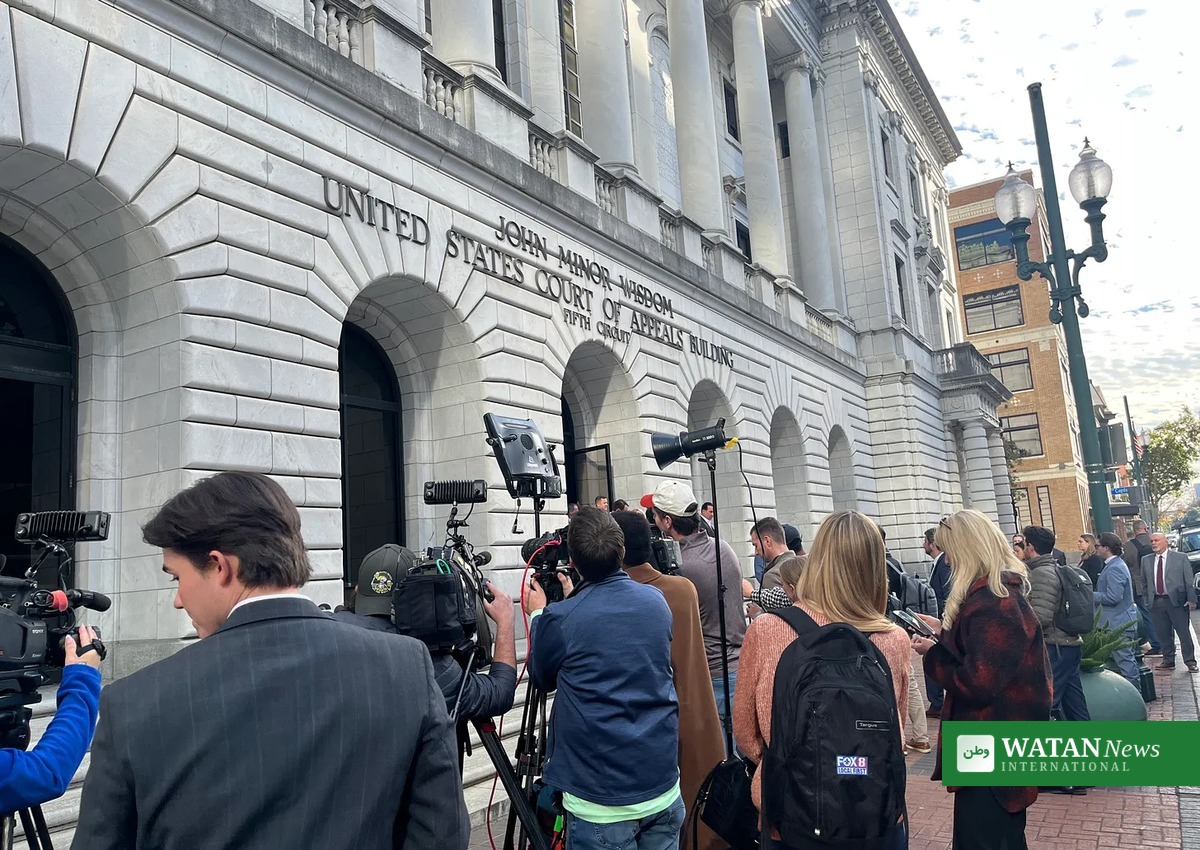
The launch comes as climate cases reach record numbers. The UN Environment Programme and the Sabin Center for Climate Change Law at Columbia University reported on 3 October 2025 that a cumulative 3,099 climate-related cases had been filed in 55 national jurisdictions and 24 international or regional courts, tribunals or other adjudicatory bodies as of 30 June 2025. That compares with 884 cases in 2017, 1,550 in 2020 and 2,180 in 2022. The United States remains the most active jurisdiction, with 1,986 cases, while 305 cases are now recorded in the Global South.
One of the cases the new desk will be watching is Suncor Energy v. County Commissioners of Boulder County, in which the United States Supreme Court heard oral arguments on 5 October 2026, the first case of its October 2026 term. The city and county of Boulder sued Suncor Energy and ExxonMobil in April 2018, seeking to hold the companies responsible under state law for harms linked to greenhouse gas emissions. In May 2025, the Colorado Supreme Court ruled that federal law did not preempt Boulder’s claims. Justice Samuel Alito did not take part in the case.
“Environmental and climate law is becoming an increasingly important and complex area of coverage, but many significant developments remain under-reported or poorly understood,” said AFP Editor-in-Chief Mehdi Lebouachera. “This desk will give AFP the specialist expertise and capacity to follow these issues over time, explain them clearly and work with our staff around the world to produce compelling journalism from the ground.”
Key Facts
- What: AFP’s Future of the Planet Legal Desk — a dedicated global team covering environmental and climate law.
- Announced: 11 November 2026, unveiled during the COP31 climate summit in Antalya.
- Founding editor: Ivan Couronne, former Future of the Planet Editor-in-Chief.
- Initial funders: Minderoo Foundation (Australia) and The Climate Change Collaboration (United Kingdom).
- Reach: AFP is one of the world’s three major news agencies, with bureaus in 210 locations, content in six languages, and more than 4,000 newsroom and government clients.
- Context: 3,099 climate-related cases had been filed worldwide as of 30 June 2025, according to UNEP and the Sabin Center.
What it means for climate journalism
AFP made climate change and the environment core editorial priorities in 2019, and established a dedicated Planet Hub at its Paris headquarters in 2022. The new legal desk extends that commitment into the courtroom, where a growing share of climate decisions is now made.
The launch follows a COP31 in which the protection of environmental journalism was itself on the agenda. Reporters Without Borders used the summit to demand stronger protection for environmental journalists, action against climate disinformation and viable funding for environmental reporting, as Watan News reported from COP31.
It also comes in a season of recognition for the craft: the SEAL Awards named twelve winners of its 2026 Environmental Journalism Awards on 12 November, honouring reporters whose work has traced the climate crisis through policy failures, community impacts and data, as Watan News reported.
As AFP put it when announcing the desk: “Climate litigation, at its core, is a story of people using the law to protect the communities and places they love most.” The new desk exists to tell those stories, case by case, from courtrooms around the world.