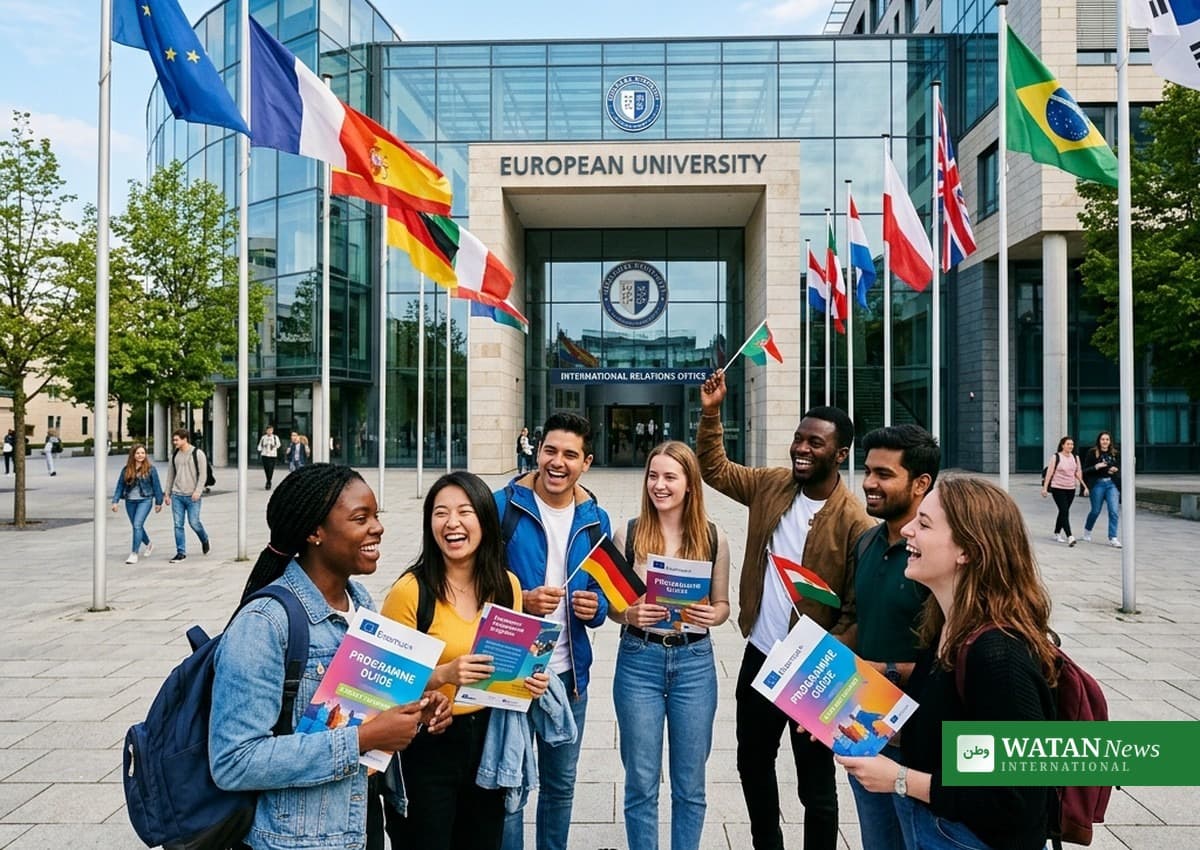

The European Commission has opened the Erasmus+ 2027 call for proposals, with a budget of more than 5.3 billion euros for education, training, youth and sport. The call, published on 18 November 2026, is expected to offer learning mobility experiences for an estimated 1.6 million participants and to support more than 120,000 organisations across Europe and beyond. It is the last annual call of the current Erasmus+ programme, which runs from 2021 to 2027.
FAKTA
- The European Commission opened the Erasmus+ 2027 call for proposals on 18 November 2026, with an estimated total budget of 5.36 billion euros.
- The call is expected to reach about 1.6 million participants and support more than 120,000 organisations.
- Education and training receive 4.71 billion euros, youth 530.95 million euros and sport 111.86 million euros.
- Most mobility application deadlines fall on 18 February 2027, with youth mobility opening on 11 February 2027.
- The 2027 call welcomes Switzerland and the United Kingdom back into the programme.
- Learning mobility budgets rise sharply: school education up about 22 per cent, vocational training up about 20 per cent and adult education up about 16 per cent on 2026.
Erasmus+ is the European Union’s programme for education, training, youth and sport, funding study, training, volunteering and cooperation projects across borders. Roxana Minzatu, the Commission’s Executive Vice-President for Social Rights and Skills, Quality Jobs and Preparedness, called it an investment in Europe’s unity, giving people the skills and confidence to build their future while creating lasting connections across borders.
Where the Erasmus+ 2027 money goes
The official call, published in the Official Journal as C/2026/6148, sets out how the 5.36 billion euros are divided. Education and training take the largest share, at 4.71 billion euros, including the Jean Monnet actions that support teaching and research on the European Union. Youth receives 530.95 million euros and sport 111.86 million euros. The Commission notes that the budgets may be increased if the budgetary authority provides additional resources.
| Area | 2027 budget |
|---|---|
| Education and training, including Jean Monnet | 4.71 billion euros |
| Youth | 530.95 million euros |
| Sport | 111.86 million euros |
| Total Erasmus+ 2027 call | 5.36 billion euros |
Who can apply and when
Organisations working in education, training, youth or sport can apply for Erasmus+ funding, either as coordinators or as partners in a project. The main deadlines, all at Brussels time, fall in early 2027. Most mobility projects for higher education, schools, vocational training and adult education close on 18 February 2027 at noon, while the first round of youth mobility closes on 11 February 2027. Jean Monnet actions close on 3 February 2027, capacity building in higher education on 9 February, Erasmus Mundus joint masters on 16 February, and partnerships for cooperation on 9 March 2027.
What is new in Erasmus+ 2027
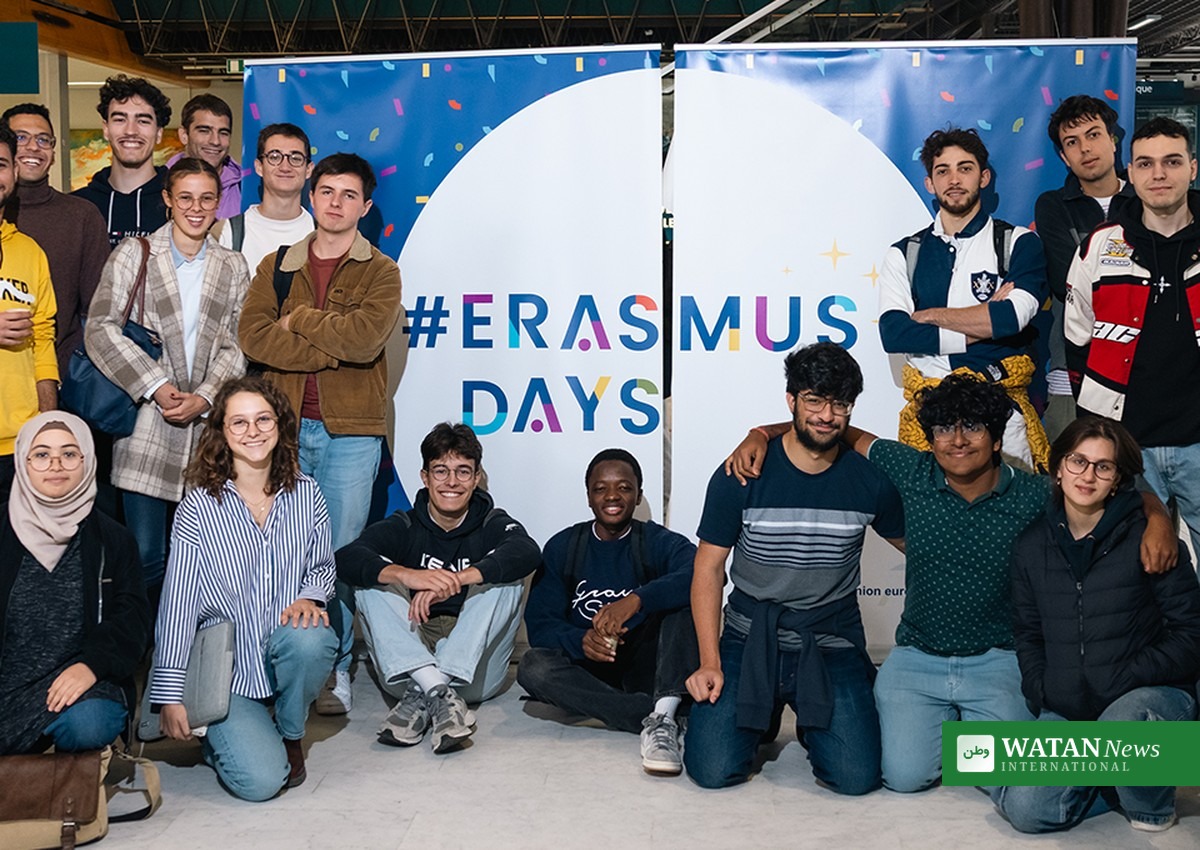
The 2027 call is the first to support the priorities of the Commission’s Education and Skills Package through Erasmus+ funding, covering basic skills, the teaching profession, digital technologies and artificial intelligence for learning, and the 2026 to 2030 vocational education and training strategy. New European Partnerships for School Development will focus on improving the quality of learning and teaching in at least one basic skill, such as literacy, mathematics, science, digital skills or citizenship.
The call also funds new Centres of Vocational Excellence, transnational partnerships between vocational training providers, businesses and public authorities, with up to 4 million euros each. And it welcomes Switzerland and the United Kingdom back into the programme, widening the map of countries whose students and institutions can take part.
Mobility budgets grow across the board
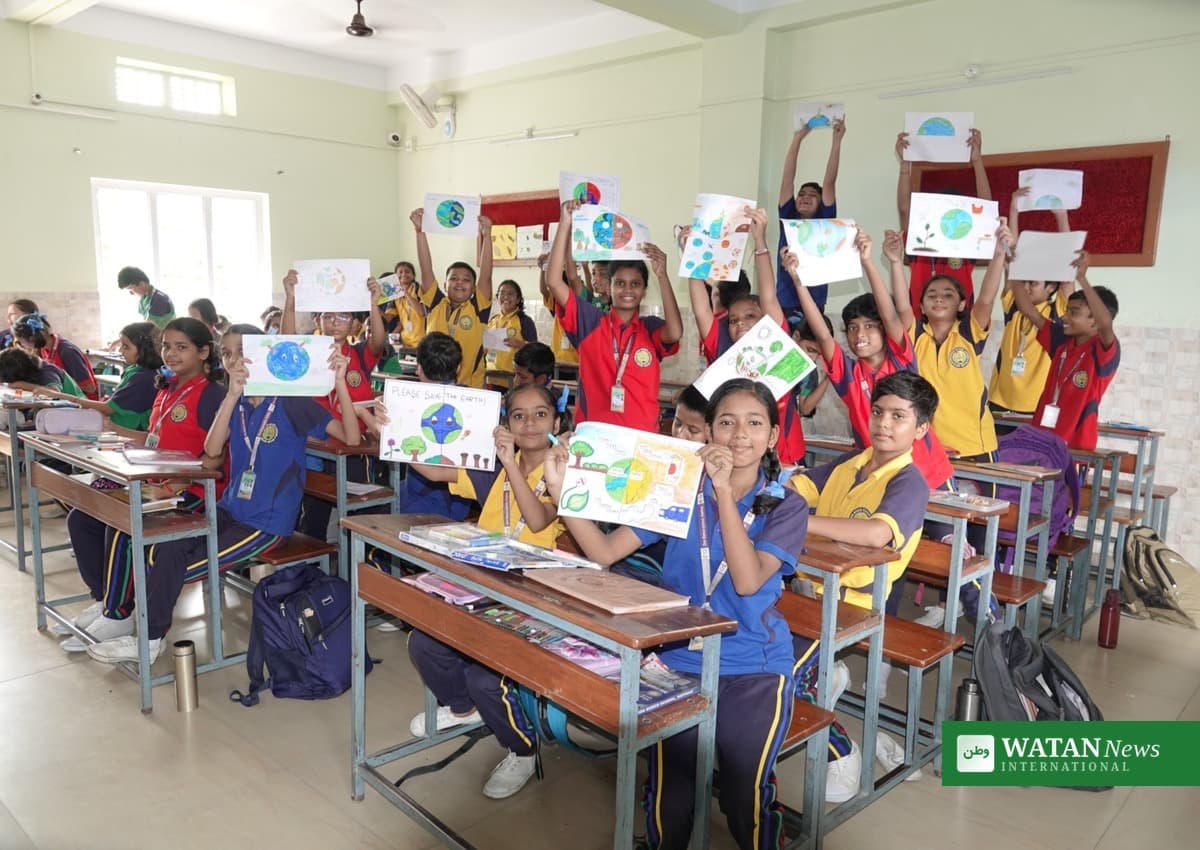
Learning mobility, the heart of Erasmus+, receives more money in every field in 2027. School education mobility rises to 686.7 million euros, up from 560.7 million in 2026, an increase of about 22 per cent. Vocational education and training mobility rises to 1,075.2 million euros, up from 894.4 million, about 20 per cent more. Adult education mobility rises to 201.6 million euros, up from 173.5 million, about 16 per cent more. The increases reflect the programme’s central promise: that a period of study, training or volunteering abroad should be open to as many learners as possible, at every stage of life.
Conclusion
With 5.36 billion euros, 1.6 million participants and the return of the United Kingdom and Switzerland, the Erasmus+ 2027 call is the largest and most open in the programme’s current cycle. For schools, universities, training providers, youth organisations and sports clubs, the deadlines of February and March 2027 are the moment to apply.