Nordic countries led the opposition to the European Union’s next long-term budget as EU leaders gathered in Brussels on Thursday, 26 November 2026, for a two-day summit on the bloc’s spending plans for 2028 to 2034. Denmark, Sweden and Finland, together with the other so-called frugal states, rejected European Council President António Costa’s compromise proposal as too large and demanded deeper cuts, with defence and competitiveness taking priority over traditional spending.
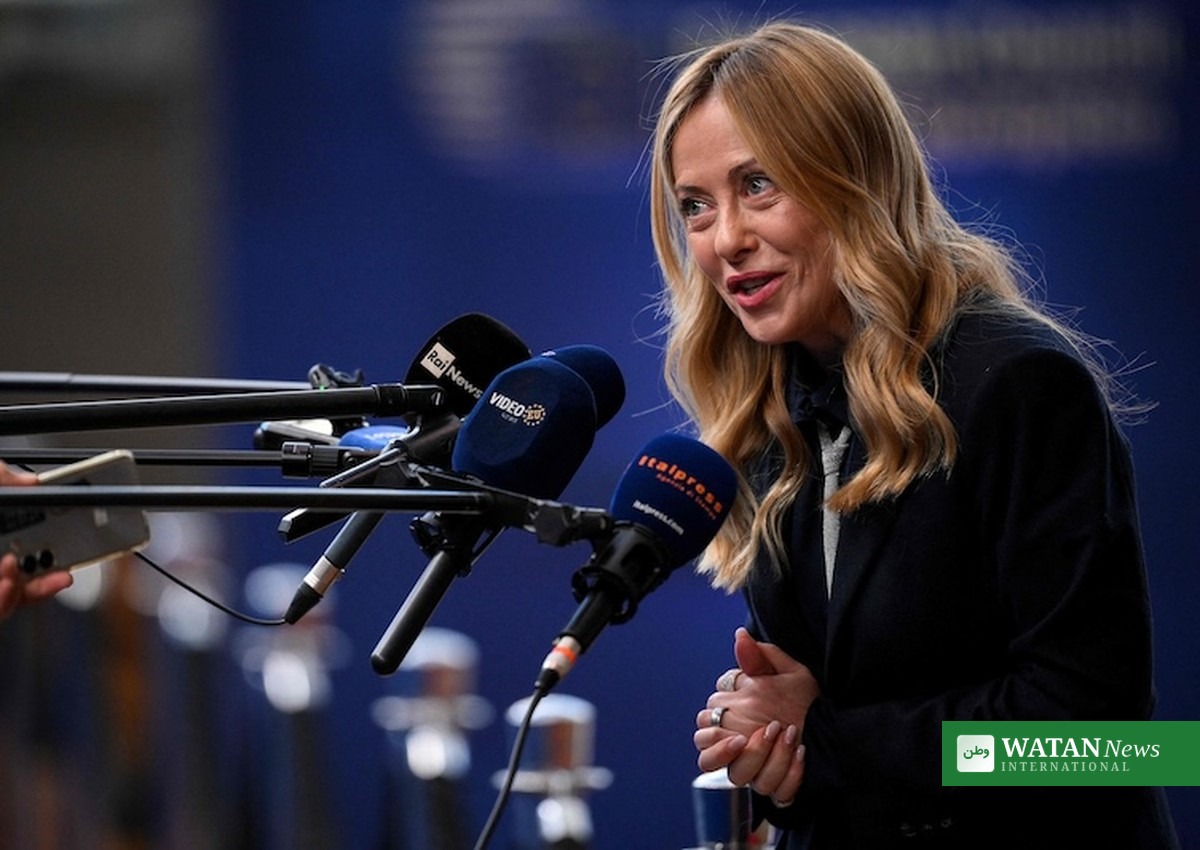
The summit, which continues on Friday, 27 November, is the most consequential leaders’ meeting of the year for the EU’s finances. No agreement is expected this week: leaders aim to reach a compromise at their next summit on 17 and 18 December, before elections across Europe in 2027 make agreement harder. Italy’s Prime Minister Giorgia Meloni summed up the mood on arrival, telling reporters: “We’re light-years away from a solution.”
FAKTA
- Summit: Special European Council in Brussels, 26 to 27 November 2026
- Budget: Costa’s proposal totals €1.582 trillion for 2028 to 2034, about €204 billion below the European Commission’s plan
- Frugal states: Germany, Austria, Sweden, Finland, Denmark, the Netherlands and Belgium demand deeper cuts
- Nordic position: Denmark, Sweden and Finland want a smaller budget focused on defence and competitiveness
- Ukraine: Leaders are also discussing a €45 billion loan for Ukraine’s financing needs in 2027
- Decision rule: The budget needs unanimous approval from all 27 member states and the consent of the European Parliament
Nordic EU Budget Objections Led by Denmark
Danish Prime Minister Mette Frederiksen rejected Costa’s proposal in its present form on Thursday, calling for a smaller total and a stronger focus on defence and other future priorities. She said she could accept a limited budget increase, but not at the level proposed by the European Council president. Her objection was linked to both the size of the budget and the distribution of resources, with competitiveness, the green transition, energy, border protection and defence identified as priorities to strengthen.
The Danish Finance Ministry estimated that Costa’s proposal could increase Denmark’s annual contribution to the EU budget by DKK 12.1 billion. Danish Finance Minister Peter Hummelgaard argued that the proposed budget remained too large and that the cuts had been distributed inappropriately.
Sweden’s Minister for EU Affairs, Jessica Rosencrantz, said a compromise was still a long way off. Finnish Prime Minister Petteri Orpo expressed support for the proposed €45 billion loan for Ukraine but called for changes to the overall budget proposal. According to Finnish public broadcaster Yle, Orpo considers the proposed expenditure too high and wants further reductions in regional development and administrative spending while protecting funding for defence and competitiveness.
What the Frugal States Want
The frugal countries, a group of net contributors to the EU budget that includes Germany, Austria, Sweden, Finland, Denmark and the Netherlands, are demanding significantly deeper spending cuts. They argue that the budget should focus more heavily on new priorities, above all defence and the competitiveness of the European economy, and devote less funding to traditional spending areas such as agriculture and regional development.
German Chancellor Friedrich Merz criticised the scale of the proposed spending, saying: “An EU budget that is simultaneously increasing by more than 40 percent is not a particularly appropriate proposal at this time.” Dutch Finance Minister Eelco Heinen was even more blunt: “The choice is simple: Either the EU budget must shrink, or our rebate must increase.”
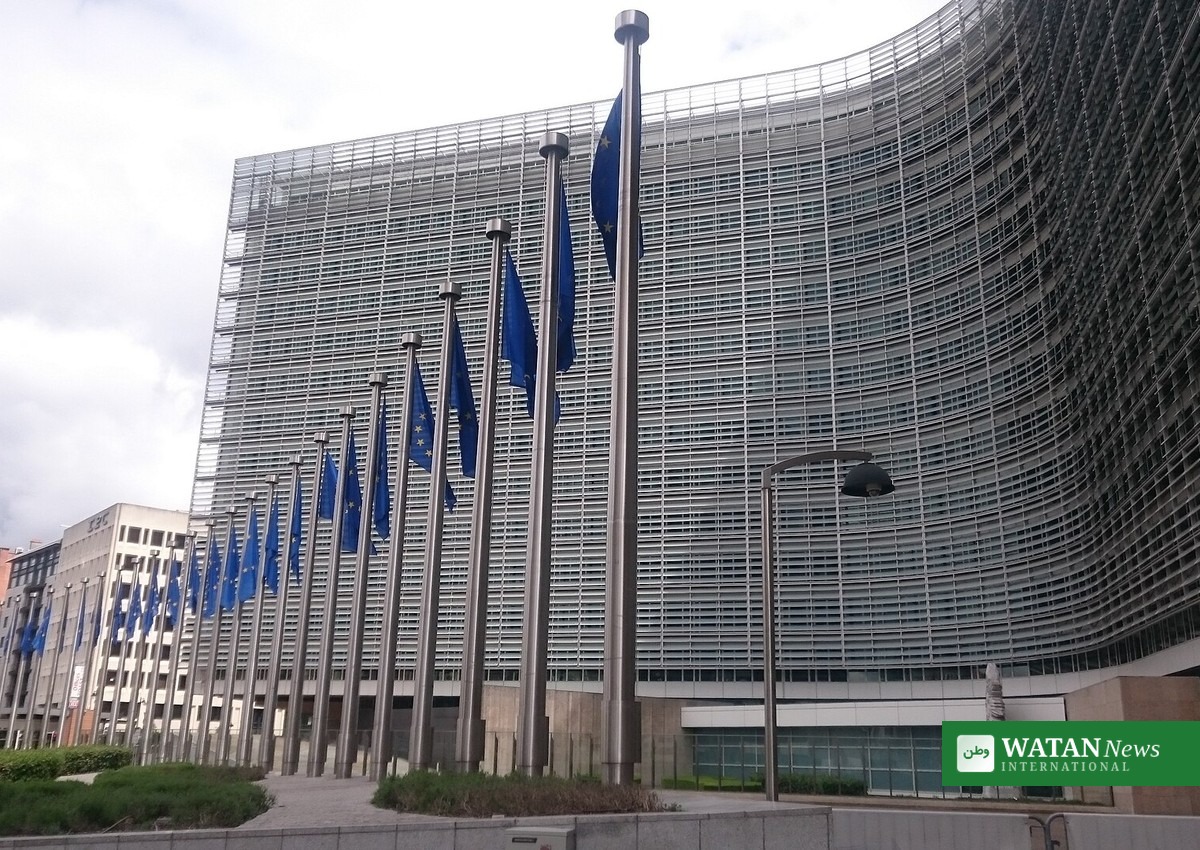
The Berlaymont building in Brussels, home of the European Commission, which proposed the original 2028 to 2034 budget.
Costa’s proposal does shift money towards the frugals’ priorities. Compared with the 2021 to 2027 funding period, it proposes increases of 232 per cent for defence, 120 per cent for economic competitiveness, 100 per cent for migration and border protection, 57 per cent for Horizon Europe research and 25 per cent for Erasmus. It also raises average national contributions from 0.80 per cent to 0.82 per cent of member states’ gross national income.
A Proposal That Satisfies Neither Side
Costa circulated his revised negotiating box on Saturday, 21 November, cutting the European Commission’s original proposal of almost €2 trillion by roughly €204 billion, about 10 per cent, to around €1.78 trillion in current prices. “I am convinced that this proposal is a good starting point for reaching a final agreement,” Costa said, arguing that it matched the EU’s ambitions, kept national contributions within reasonable limits and included a balanced basket of new own resources.
But the proposal has drawn criticism from both sides. While the frugals say it is still too big, countries defending agriculture and cohesion funding say the cuts go too far. France rejected the draft, with a source at the Élysée Palace describing it as “very disappointing” and saying it could not serve as a basis for an agreement, because it does not adequately safeguard funding for farmers. Austria’s Chancellor Christian Stocker has already issued an explicit veto threat, demanding spending come down further.
The European Parliament has also rejected the proposed size. Its co-rapporteur on the long-term budget, Siegfried Mureșan, said: “This proposal is unacceptable to Parliament and cannot serve as a basis for its consent. The EU budget is an investment budget. Cuts, more cuts and even more cuts are not an investment strategy.” Parliament is seeking a budget equivalent to 1.27 per cent of EU gross national income, excluding pandemic debt repayments, while Costa’s proposal falls below 0.97 per cent on the same basis.
| Proposal | 2028 to 2034 total | Position |
|---|---|---|
| European Commission (original) | About €2 trillion | Starting point, July 2025 |
| Costa compromise (21 November) | €1.582 trillion (constant prices) | €204 billion cut; rejected by frugals and Parliament alike |
| European Parliament demand | 1.27% of EU gross national income | Wants more investment, not more cuts |
| Frugal states (Nordics included) | Smaller than Costa’s plan | Deeper cuts, focus on defence and competitiveness |
Ukraine Loan and New Revenue Sources
Alongside the budget, leaders are discussing a €45 billion loan to cover Ukraine’s financing needs in 2027, alongside up to €100 billion in assistance under the next long-term budget. Under the proposed arrangement, Ukraine would repay the money only once Russia pays war reparations, and contributions of €25 billion from non-EU partners are expected to help cover Kyiv’s remaining funding shortfall. The Czech Republic, Hungary and Slovakia are seeking exemptions from the new loan, while Bulgaria said on Thursday it would contribute to the €20 billion portion for civilian assistance but would not finance military supplies.
Merz has linked agreement on the long-term budget to participation in Ukraine’s financing, insisting that responsibility should be shared among all 27 member states. The talks also cover new sources of EU revenue, including a proposed 3 per cent levy on selected digital services, applying to companies generating more than €50 million in digital revenues within the EU and more than €750 million in global turnover. Costa has also retained a plan to channel 30 per cent of revenues from the EU Emissions Trading System into the EU budget, phased in gradually to reach the full share by 2034.
What Happens Next
The goal remains to reach a political agreement before the end of 2026, allowing the necessary legislation to be adopted in 2027 and the new budget to take effect on 1 January 2028. If this week’s summit fails to bridge the gap, the next chance is the regular European Council on 17 and 18 December. The Council has already approved the EU’s annual budget for 2027, the last of the current financial framework, so the long-term negotiation is now the decisive test of whether the bloc can agree on what it wants to pay for, and who pays.
Related Articles
Frederiksen Rejects Multiculturalism in Podcast Remarks on Danish Identity
Finland Tests Nationwide Emergency Alert System as Phones Sound Across the Country
SJ EuroNight Returns: Stockholm–Berlin Night Train Relaunches on 13 December
After Ending Coal, Helsinki Turns to Transport in Its New Climate Action Plan