The travel lists for 2027 are out, and they point to a year of journeys that mix the familiar with the far-flung. Lonely Planet has named 50 destinations and experiences in its Best in Travel 2027 list, while National Geographic has chosen 25 must-visit places in its Best of the World 2027 list. Together they sketch a world map for the year ahead, from the fjords of Norway to the deserts of Saudi Arabia, from Pacific islands to the Silk Road cities of Central Asia. Here is the world tour for 2027, region by region.
FAKTA
- Lonely Planet’s Best in Travel 2027 names 50 destinations and experiences chosen by its global community of travel experts.
- National Geographic’s Best of the World 2027 lists 25 must-visit destinations, chosen for new openings, anniversaries and experiences.
- European picks include Veneto in Italy, Dessau in Germany, the Swedish Riviera, Sibenik in Croatia and Leon in Spain.
- In the United States, California’s Coastal Redwoods and the Pacific Coast Highway lead the lists, alongside Baltimore and Madison, Wisconsin.
- In Asia, Chengdu in China, Niigata in Japan, Jaipur in India and Penang in Malaysia all make the 2027 lists.
- Luxor in Egypt will enjoy the longest duration of totality during the solar eclipse of 2 August 2027.
Europe: old masters and new discoveries
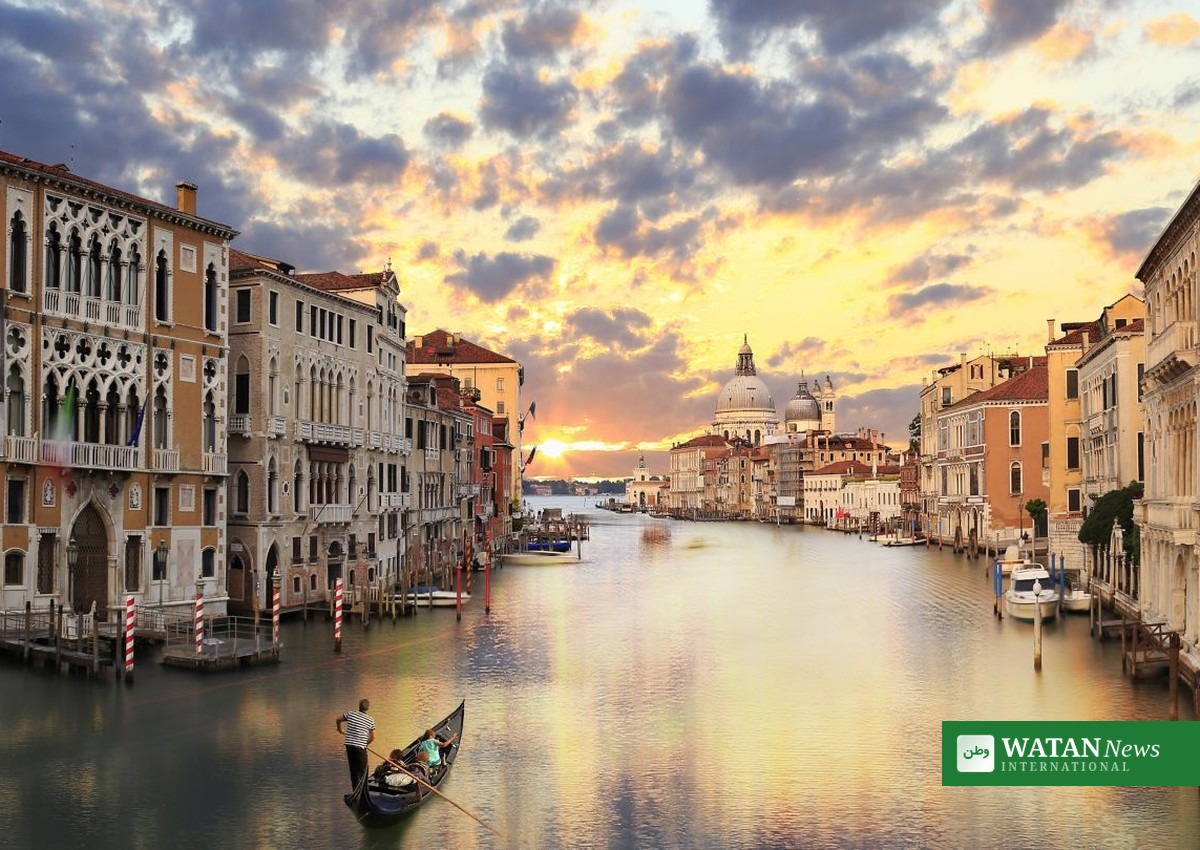
Europe dominates the 2027 lists with a blend of celebrated regions and quieter corners. In Italy, the Veneto region takes the spotlight, with historic Verona and Padua offering Renaissance art, Roman ruins and wine country away from the crowds of Venice. Germany’s Dessau, home of the revolutionary Bauhaus architecture and design movement, is another expert pick, while the Swedish Riviera around Skanor-Falsterbo offers white-sand beaches and seafood on Sweden’s southern coast.
Croatia’s Sibenik, with its UNESCO-listed cathedral and Adriatic old town, and Leon in north-west Spain, a Gothic and Romanesque treasure on the pilgrim route to Santiago, complete Lonely Planet’s European places. National Geographic adds Leipzig in Germany, where a Beethoven festival marks the 200th anniversary of the composer’s death, Normandy and Santander in France and Spain, Dumfries and Galloway in Scotland, Tricity in Poland, and Vestland in Norway, a land of fjords, glaciers and waterfalls.
The United States: redwoods, highways and harbour cities
Across the Atlantic, California’s Coastal Redwoods are one of the standout picks of the year, a cathedral of ancient trees that Lonely Planet’s editors call awe-inspiring and otherworldly. National Geographic pairs them with the Pacific Coast Highway, the classic drive along California’s cliffs and beaches. Baltimore in Maryland makes both lists’ orbit, with its waterfront, railway history and harbour attractions, while the Southern Ozarks of Missouri and Arkansas offer lakes, forests and small-town America.
Madison, Wisconsin, rounds out the American picks with its lakes, cycling trails and farmers’ markets, and Quebec in Canada, Prince Edward Island and New Mexico add northern and desert variety. For a different kind of American experience, Lonely Planet suggests volunteering as an overnight lighthouse keeper on Rose Island in Newport, Rhode Island, or flightseeing in Alaska, the last frontier.

Asia: pandas, temples and food capitals
Asia’s 2027 stars range from giant pandas to royal palaces. Chengdu in China is renowned for its Research Base of Giant Panda Breeding, but it is also a celebrated gastronomic centre, famous for Sichuan cuisine. Niigata in Japan offers art festivals, sake breweries and traditional food on the Sea of Japan coast, while Jaipur in India earns its place with royal architecture, traditional crafts and the world-famous Jaipur Literature Festival.
Penang in Malaysia combines rainforests, colonial heritage and street food, and Melbourne in Australia adds a southern hemisphere city break. In Kazakhstan, the spectacular modern architecture of the capital, Astana, gets a shout-out from Lonely Planet, a reminder that Central Asia’s cities are as striking as its steppe.
Islands: Samoa, the Caribbean and the Pacific
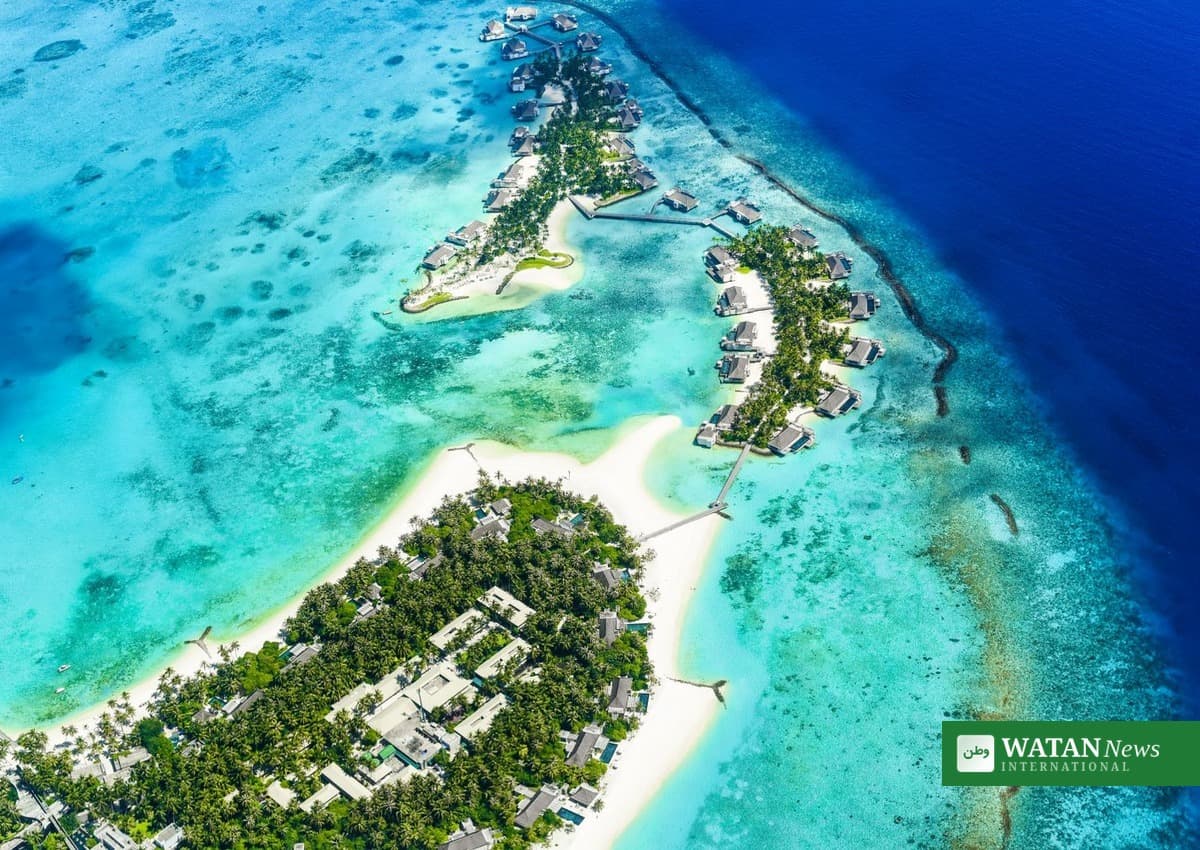
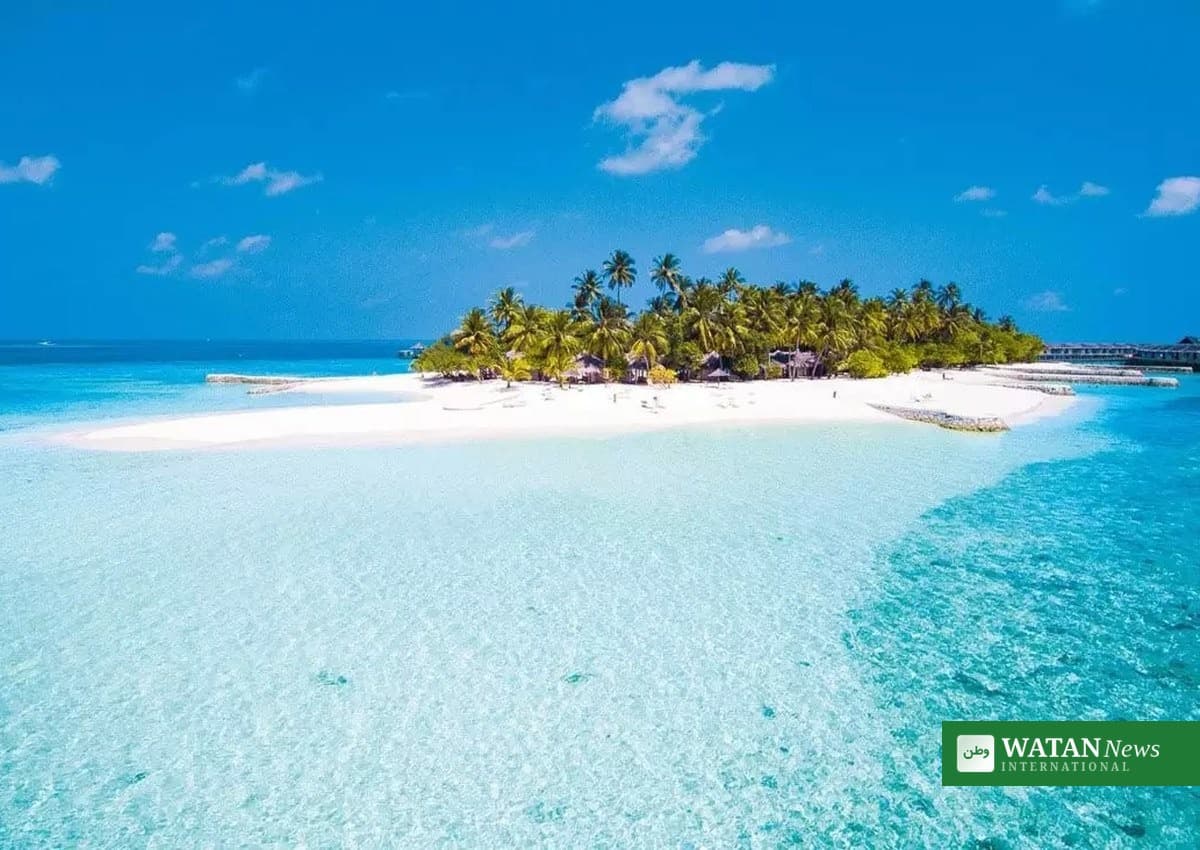
Island escapes feature strongly in both lists. In the Pacific, Samoa’s traditional culture, known as Fa’a Samoa, is one of the experiential recommendations for 2027, and the To Sua ocean trench, a natural swimming hole ringed by lush gardens, is its signature sight. New Caledonia, famous for its UNESCO-recognised lagoons, offers French-Pacific island life, while the Caribbean contributes Grenada and Puerto Rico, with their beaches, music and cultural traditions, and Montserrat, the emerald island rebuilding after volcanic eruptions.

Azerbaijan: Baku on the Caspian
Azerbaijan’s capital, Baku, is one of the most rewarding city breaks of the coming year. Its UNESCO-listed Old City, ringed by medieval walls, holds the Palace of the Shirvanshahs and the Maiden Tower, while the Flame Towers light up the Caspian skyline at night. The contrast between the walled old town, the oil-boom mansions of the late 19th century and the sweeping modern waterfront captures a city where Europe meets Asia on the shores of the world’s largest lake.
Uzbekistan: Samarkand and the Silk Road
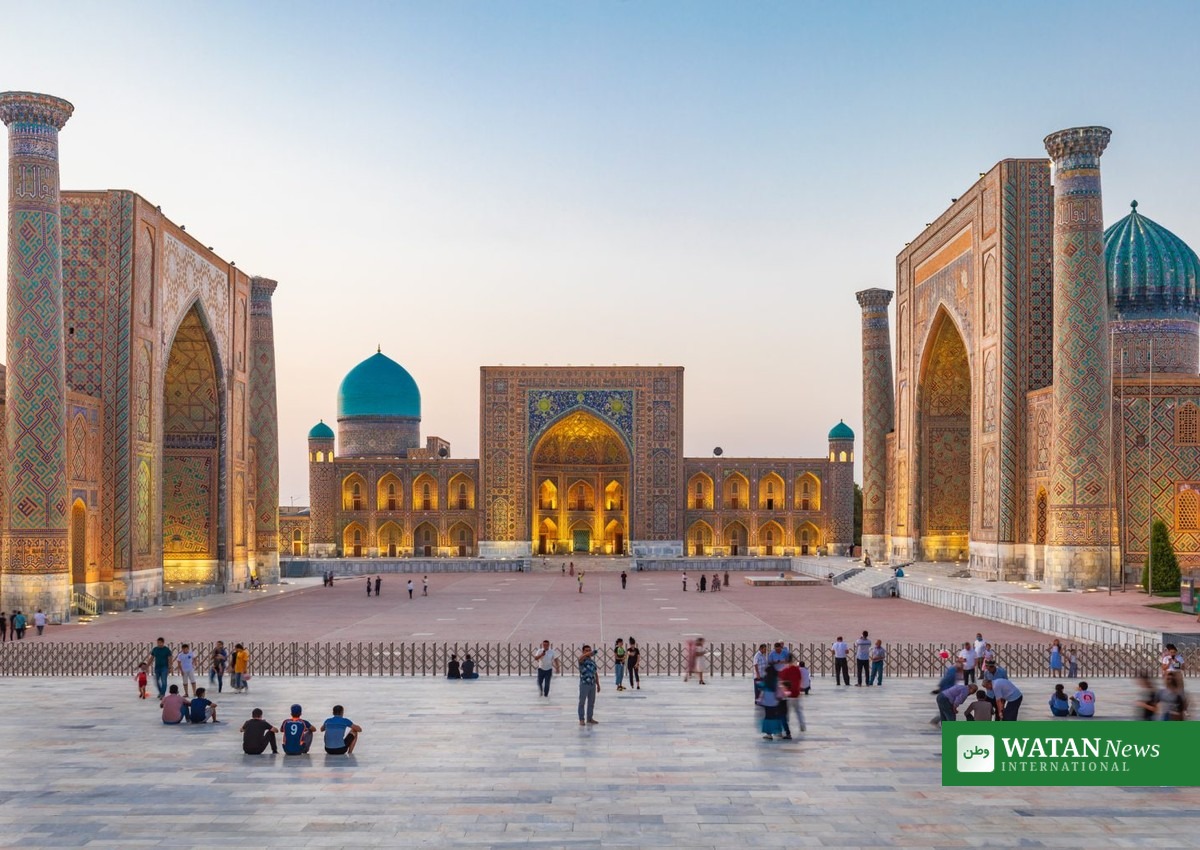
Few places on Earth match Samarkand for sheer wonder. The Registan, with its three tiled madrasas facing a vast square, is one of the great sights of the Silk Road, and the city’s UNESCO-listed historic centre holds the Gur-e Amir mausoleum and the Shah-i-Zinda necropolis. Samarkand rewards slow travel: mornings in the Siyob Bazaar, afternoons among turquoise domes and evenings in the teahouses of the old town. It is the natural partner to Baku on a Caspian and Central Asia journey, and a highlight of any 2027 itinerary that looks beyond the usual map.
Saudi Arabia and the Gulf: deserts, heritage and skylines
Saudi Arabia’s AlUla is fast becoming one of the world’s great desert destinations. Its centrepiece is Hegra, a UNESCO World Heritage site of Nabataean tombs carved into sandstone outcrops, set among canyons, oases and rock formations that glow at sunset. The Red Sea coast adds diving and island resorts to the Kingdom’s offer. Across the Gulf, Dubai and Doha pair futuristic skylines and world-class museums with desert escapes, souks and waterfront promenades, making the region an easy first step into the Middle East for travellers who want both comfort and culture.
A date for the diary: the eclipse over Luxor
One event will draw travellers from across the globe in 2027. On 2 August 2027, a total solar eclipse will blot out the sun in parts of Europe, the Middle East and Africa, and Luxor in southern Egypt will enjoy the longest duration of totality. The ancient temples of Karnak and the Valley of the Kings, already among the world’s great sights, will host what promises to be the most watched eclipse of the decade.
Planning your 2027 journey
The lists agree on one thing: the best trips of 2027 are the ones that mix a headline destination with a place you had not considered. Pair a European city with a quieter region, such as Veneto with the Swedish Riviera, or a classic American road trip with a Pacific island. Book early for the eclipse in Luxor and for the Beethoven festival in Leipzig, and travel in the shoulder seasons for the redwoods, the Greek islands and Central Asia, when the light is at its best and the crowds are thinner.
Conclusion
From Santorini’s caldera sunsets to Samarkand’s tiled domes, from the redwood forests of California to the tombs of AlUla, the destinations of 2027 reward curiosity. The year’s lists are an invitation to look further afield, to travel slower, and to let the journey itself be the story.