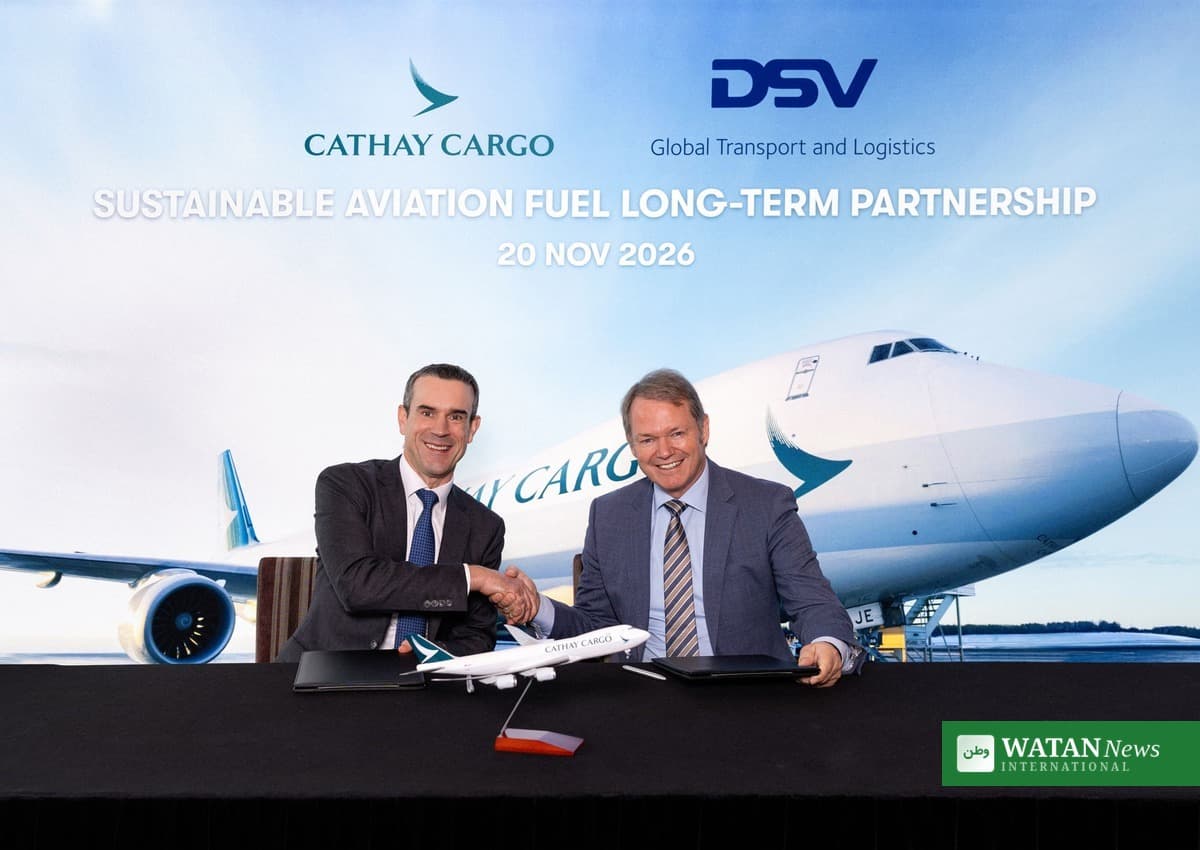
Hong Kong — DSV and Cathay Cargo have signed a three-year agreement to scale up sustainable aviation fuel (SAF) produced in Asia, covering 4.5 million US gallons — about 13,155 tonnes — of the cleaner fuel and targeting at least 45,000 tonnes of carbon dioxide equivalent (CO2e) emission reductions from air freight.
The deal, announced on 24 November 2026, is the first long-term SAF partnership between the two companies, and makes Cathay Cargo the first airline in Asia that DSV is partnering with to expand SAF use across its regional network.
What the deal covers
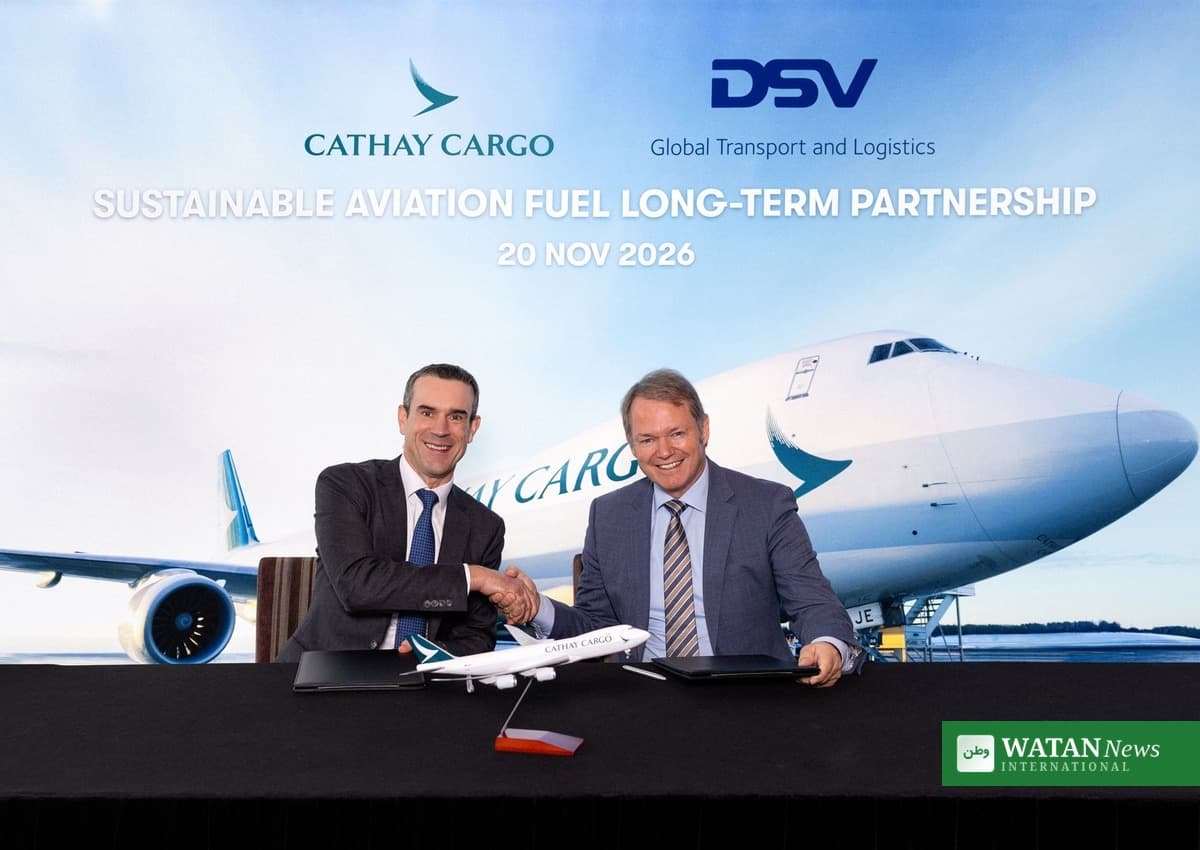
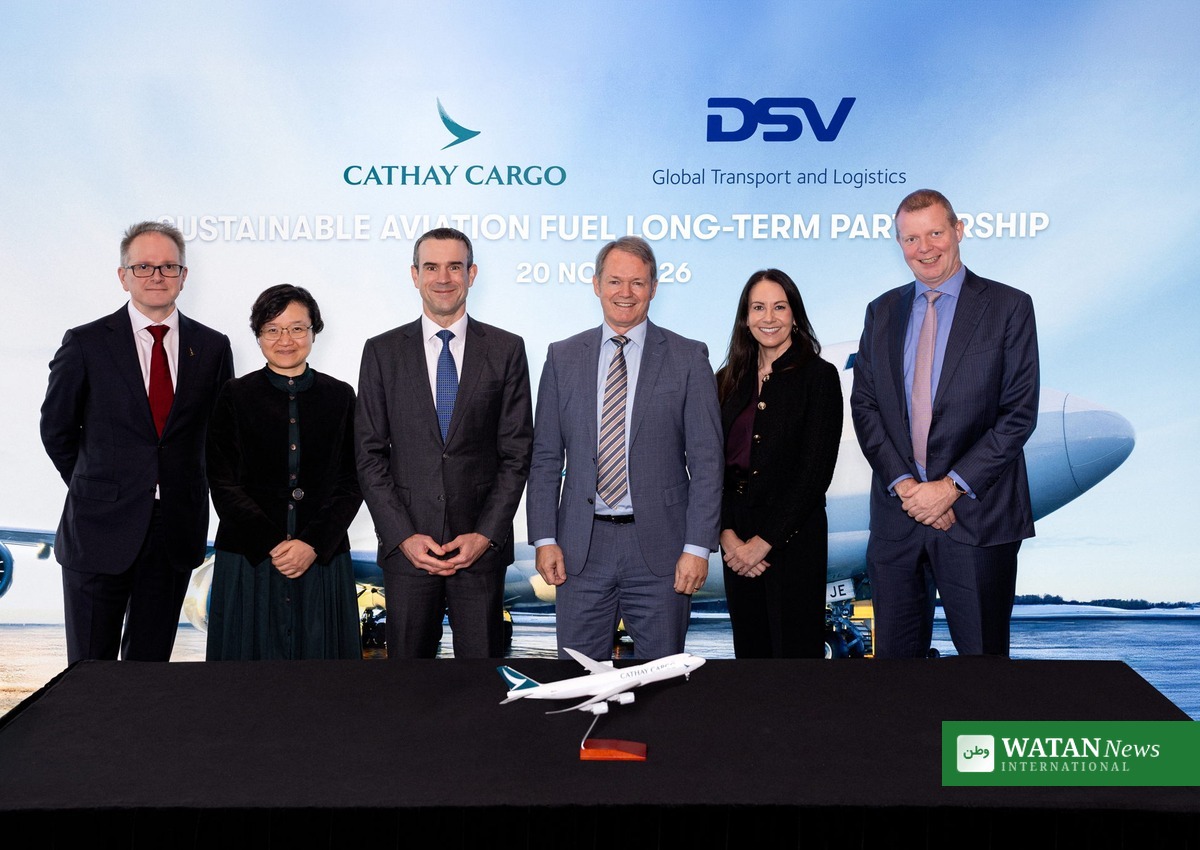
Under the agreement, all of the sustainable aviation fuel will be produced in Asia. The partnership is part of Cathay’s Corporate SAF Programme, in which DSV is a Diamond member. The agreement was signed at a ceremony on 20 November 2026, hosted by Cathay Director Cargo Dominic Perret and DSV Global Air Product Sustainability Vice President Achim Martinka.
SAF is a drop-in replacement for conventional jet fuel, made from renewable or waste-based feedstocks rather than fossil oil. It can be used in existing aircraft and airport infrastructure without modification.
Why Asia’s SAF supply matters
By sourcing all of the fuel from Asia, the partnership aims to give regional producers greater demand certainty and help increase the availability of SAF in the region. SAF development in Asia is gaining momentum, and with air cargo demand expected to grow, accelerating availability there will be critical to the sector’s longer-term decarbonisation.
“This partnership creates long-term demand for SAF produced in Asia. It supports the regional production and supply needed to scale its use,” said Stefan Krikken, Senior Vice President, Global Air Product at DSV.
“Scaling SAF requires collaboration across the aviation and logistics value chain, and this multi-year commitment reflects our shared vision to support its wider adoption. By working together to create sustained demand for SAF produced in Asia, we hope to contribute to the continued development of the SAF ecosystem in the region,” said Dominic Perret, Director Cargo at Cathay.
How the emission cuts are counted
The verified emission reductions will be allocated to DSV independently of where the SAF is physically used, supported by Cathay Cargo’s transparent documentation of the reductions, covering the SAF journey from sourcing through to uplift.
The companies have not disclosed the financial terms of the agreement, nor the individual fuel suppliers or the delivery schedule for the contracted volume.
Cathay Cargo is the air-freight division of the Cathay Group, operating from its hub in Hong Kong. It serves more than 94 cargo destinations and operates a dedicated freighter fleet of 14 Boeing 747-8F and six 747-400ERF aircraft. DSV, a global transport and logistics provider, employs close to 150,000 people in more than 90 countries.
Key facts
- Partners: DSV and Cathay Cargo
- Duration: three years
- Volume: 4.5 million US gallons (13,155 tonnes) of sustainable aviation fuel, all produced in Asia
- Expected reductions: at least 45,000 tonnes of CO2e from air freight shipments
- Programme: Cathay’s Corporate SAF Programme, in which DSV is a Diamond member
- Announced: 24 November 2026
Aviation’s long road to cleaner fuel
According to the International Air Transport Association (IATA), SAF can cut lifecycle CO2 emissions by up to 80% compared with conventional jet fuel, and is expected to deliver about two-thirds of the emission reductions aviation needs to reach net zero by 2050. Commercial aviation accounts for about 2.5% of global CO2 emissions, yet SAF still makes up less than 1% of jet fuel supply — 0.6% in 2025.
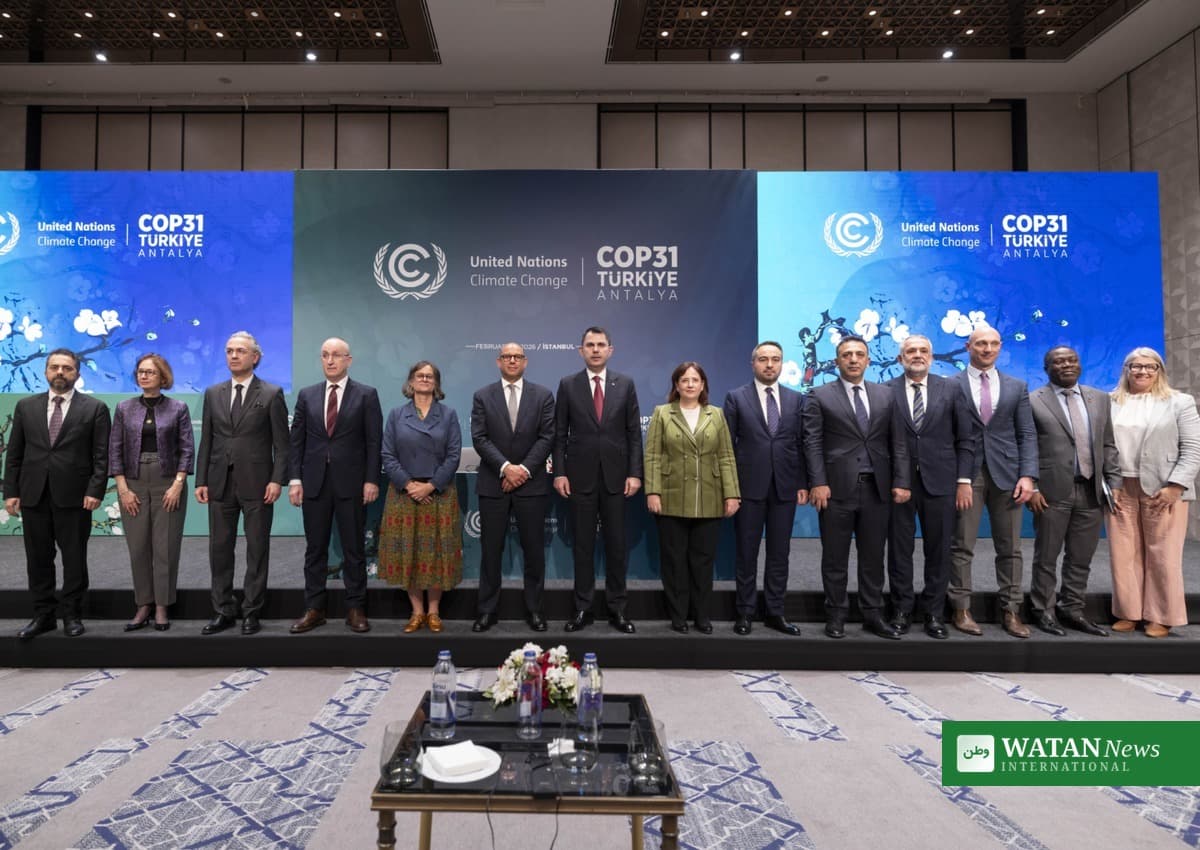
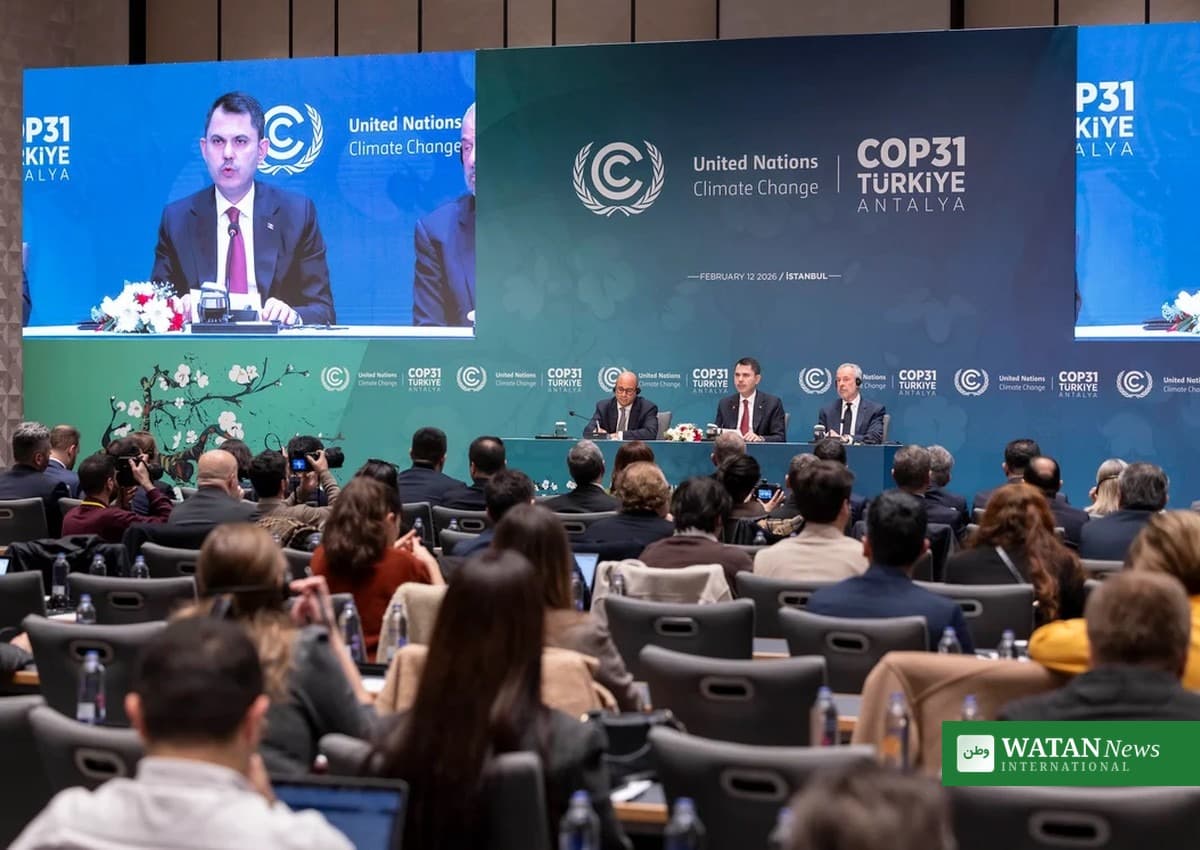
The deal comes days after COP31 closed in Antalya on 22 November 2026 without a final agreement, leaving private-sector action to carry much of the momentum. Governments are also moving: under the EU’s ReFuelEU rules, SAF must make up 2% of jet fuel in 2025, rising to 6% by 2030. The Netherlands has gone further, putting €90 million behind greener flights above the EU mandate, as reported in the Netherlands’ SAF fund, while cities are setting their own plans, such as Helsinki’s new climate action plan.
For air freight, where batteries and hydrogen remain years away from commercial use at scale, long-term SAF contracts like this one are currently the most practical way to cut emissions — and each multi-year commitment sends a demand signal that producers and investors can plan around.