Helsinki has approved a new Climate Action Plan for 2026–2029, setting out the Finnish capital’s next phase of climate action after closing its last coal-fired power plant cut the city’s direct greenhouse gas emissions by 29% in 2025. With transport now the largest source of direct emissions, the Helsinki Climate Action Plan shifts the focus to cleaner mobility — and to preparing the city for more frequent heatwaves, heavy rainfall and flooding.
The end of coal brought fast results
The effect of ending coal showed up quickly in the numbers. Helsinki’s direct greenhouse gas emissions fell by 29% in 2025 compared with the previous year, and measured against 1990, the city’s direct emissions are now 67% lower.
“The biggest reductions have come from energy production. Closing the Salmisaari coal plant last year was a major step,” says Hanna Wesslin, Climate Director at the City of Helsinki.
The end of coal has also opened new opportunities for urban development. At Hanasaari, the former power plant that closed in 2023, and its surrounding area are being planned for new uses through an international idea and implementation competition, combining the reuse of the industrial site with a new residential and business district.
Transport is now the biggest challenge
With coal gone, transport has become the next phase of Helsinki’s emissions picture. The plan aims to accelerate vehicle electrification by supporting housing companies in developing charging infrastructure, enabling charging operators to expand the public charging network, and electrifying the city’s own vehicle fleet.
The plan also includes measures to promote the electrification of local waterborne traffic and the use of shore power by vessels in port. Helsinki and neighbouring Espoo are also planning environmental zones for delivery vans and trucks, which would be the first of their kind in Finland. The zones are being prepared together with the transport and logistics sector, with the aim of cutting emissions while keeping deliveries and businesses running.
“Helsinki has shown that a Nordic capital can close its coal plants and still keep homes warm through the winter. The next phase is just as practical: more electrical transport, shadier schoolyards and buildings made with lower-carbon materials,” says Daniel Sazonov, Mayor of Helsinki.
Designing the city for a changing climate
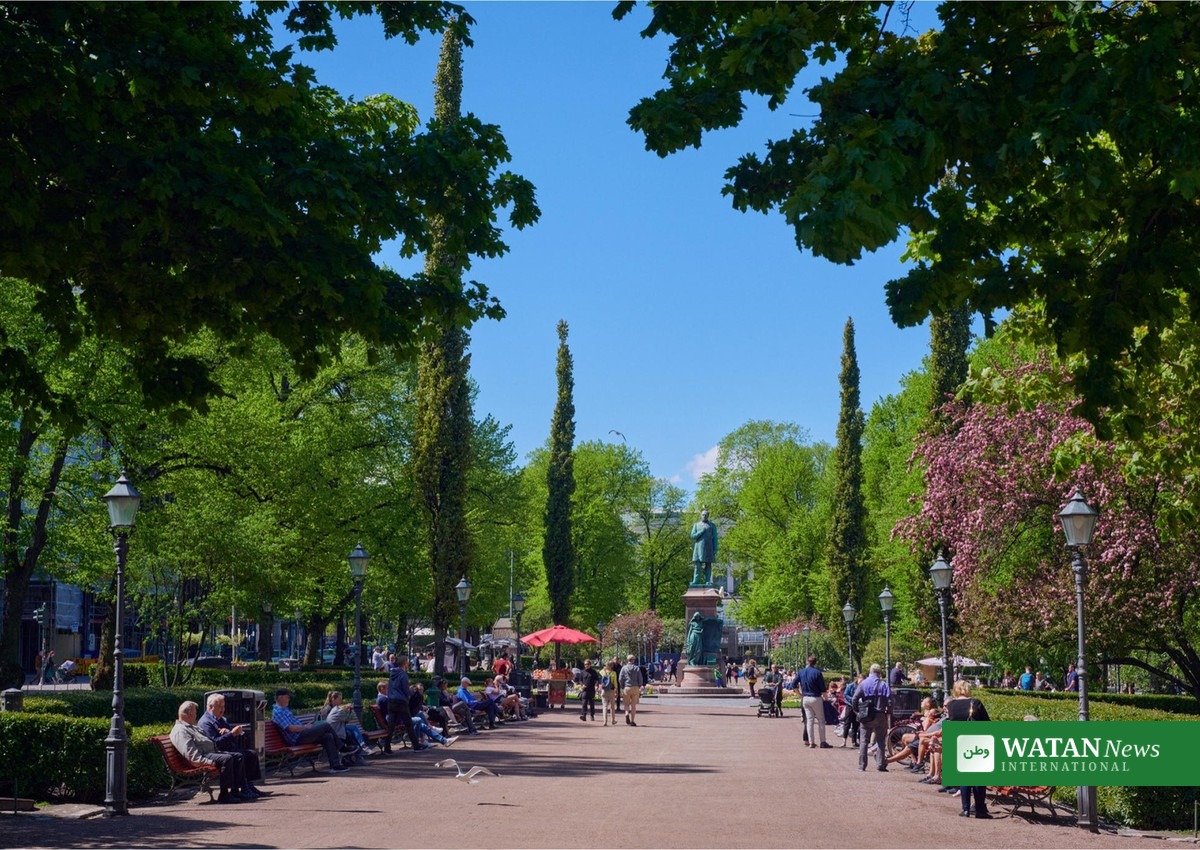
The effects of climate change are already visible in Helsinki, and adaptation is becoming a regular part of how the city plans its streets, public buildings and neighbourhoods. The city has mapped the risks of heatwaves, heavy rainfall, flooding and sea-level rise across Helsinki, and compared that map with the locations of services used by the people most exposed to them, including children, older people and people with long-term illnesses. Measures are directed first to the places where the risks are highest, such as daycare centres and schools.
In practice, this means more trees and shade in school and daycare yards and along streets, greenery and water-absorbing surfaces that soak up stormwater and reduce flooding, and cooling as standard in new public buildings. The city has already concluded that most new service buildings will need a central cooling system in the future. The updated risk data feeds into the city’s preparedness plan, flood programme and heat plan.
Low-carbon construction
Alongside direct emissions, the plan addresses indirect emissions — those generated outside the city’s boundaries, for example in producing building materials — with construction as a priority. The city has already tightened energy-efficiency requirements for its building projects and increased its use of lower-emission materials.
The new plan includes tightening carbon-footprint limits for new apartment buildings and promoting lower-emission construction materials. Climate criteria will also be applied to the city’s highest-emission purchases: construction, transport, ICT and food services.
Why cities matter after COP31
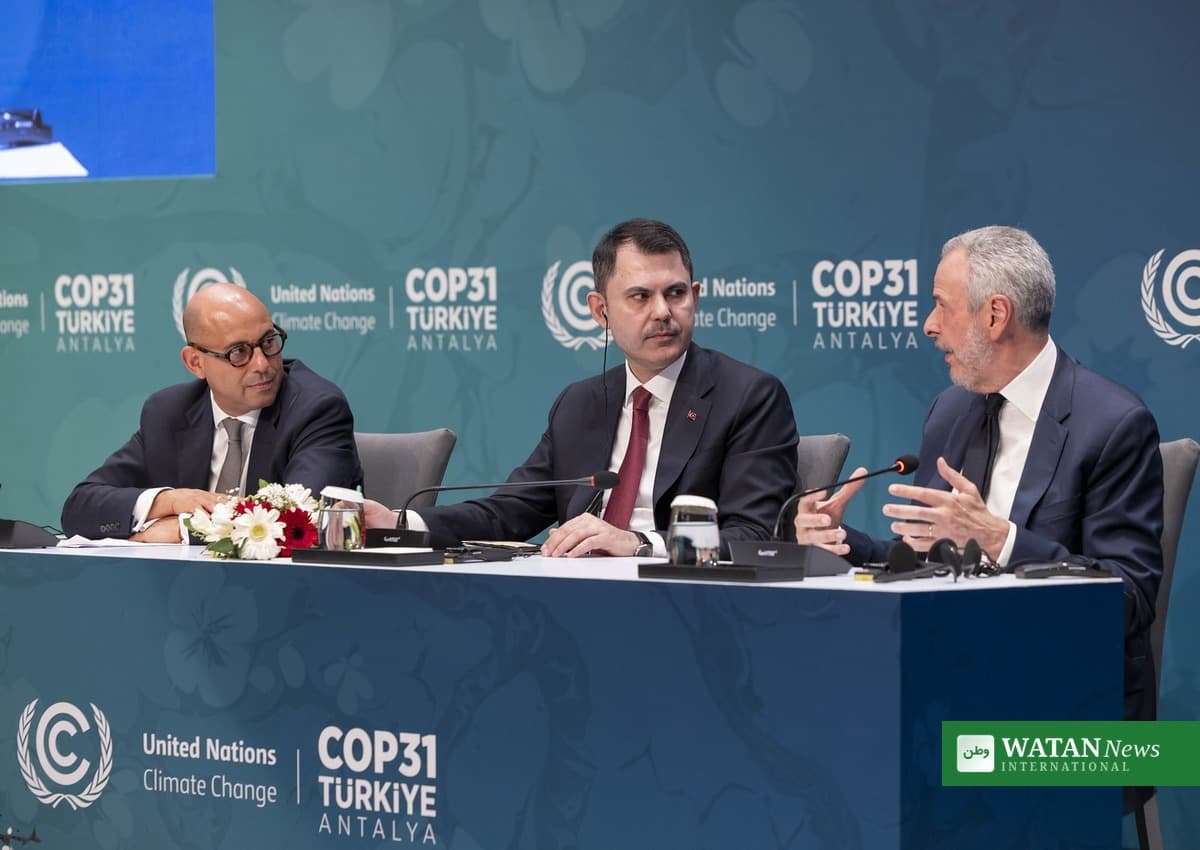
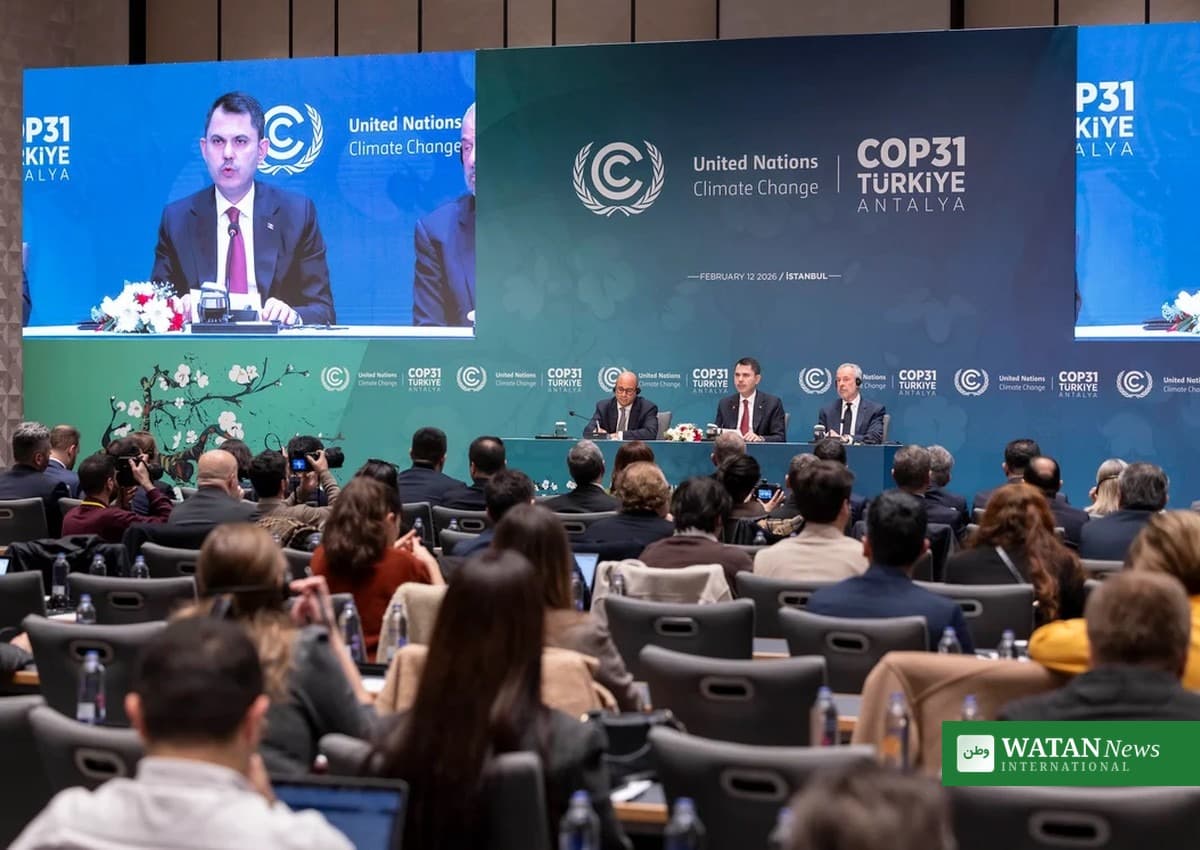
The announcement comes days after the COP31 climate talks in Antalya closed without a deal, leaving cities to carry much of the practical work forward. Urban areas account for about 70% of global greenhouse gas emissions, according to Helsinki’s own plan, so what cities do next matters far beyond their boundaries.
Helsinki’s electrification push also runs in the same direction as the Global Electrification Pledge launched at COP31, which aims to raise electricity’s share of global final energy consumption to 35% by 2035. The city was also named the world’s most sustainable travel destination in the 2026 Global Destination Sustainability Index, for the third year in a row.
Key facts
- Plan: Helsinki Climate Action Plan 2026–2029, approved by the City Board on 7 September 2026 and announced on 25 November 2026.
- Emissions: direct greenhouse gas emissions fell 29% in 2025 compared with 2024, and are 67% below 1990 levels.
- Targets: direct emissions down 85% by 2030 compared with 1990, and net zero by 2040.
- Transport: now the largest source of the city’s direct emissions after coal’s closure.
- Environmental zones: planned with Espoo for delivery vans and trucks — the first of their kind in Finland.
- Adaptation: more trees and shade, water-absorbing surfaces and cooling in new public buildings, prioritised for children, older people and people with long-term illnesses.