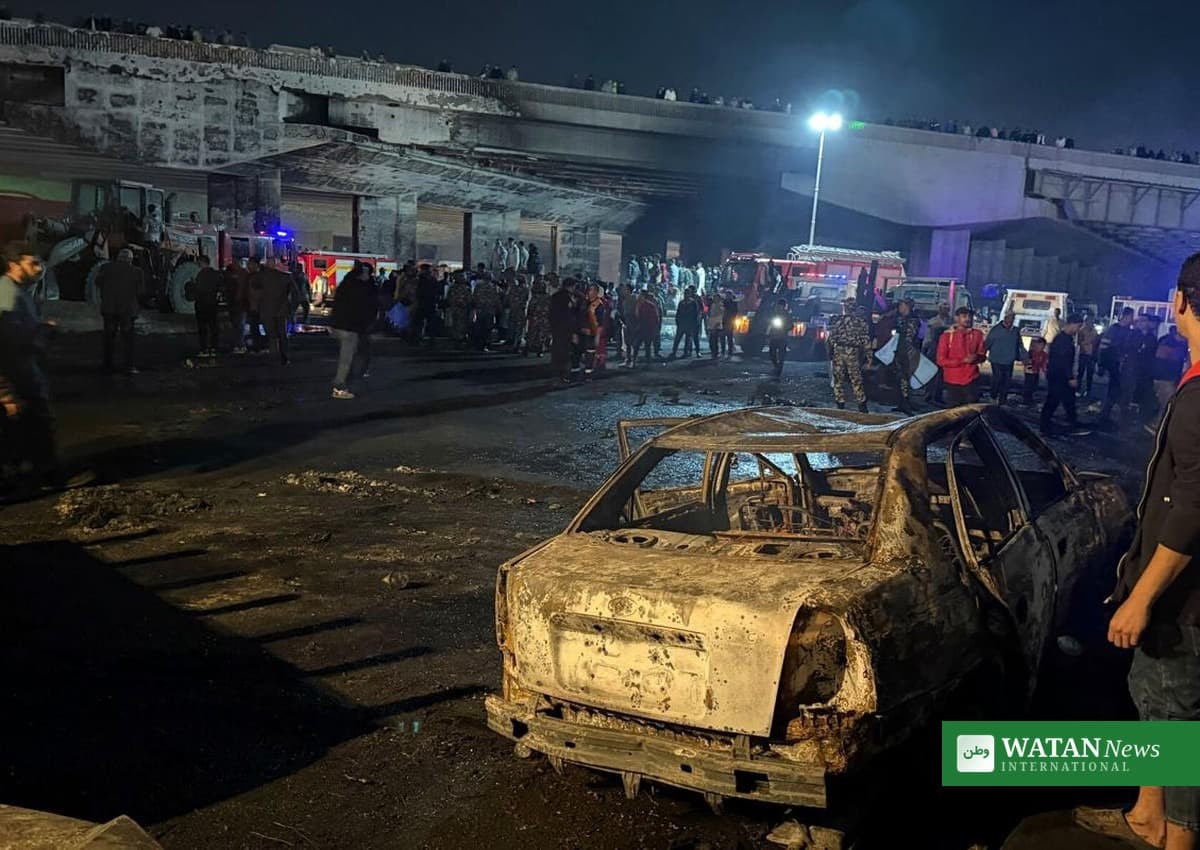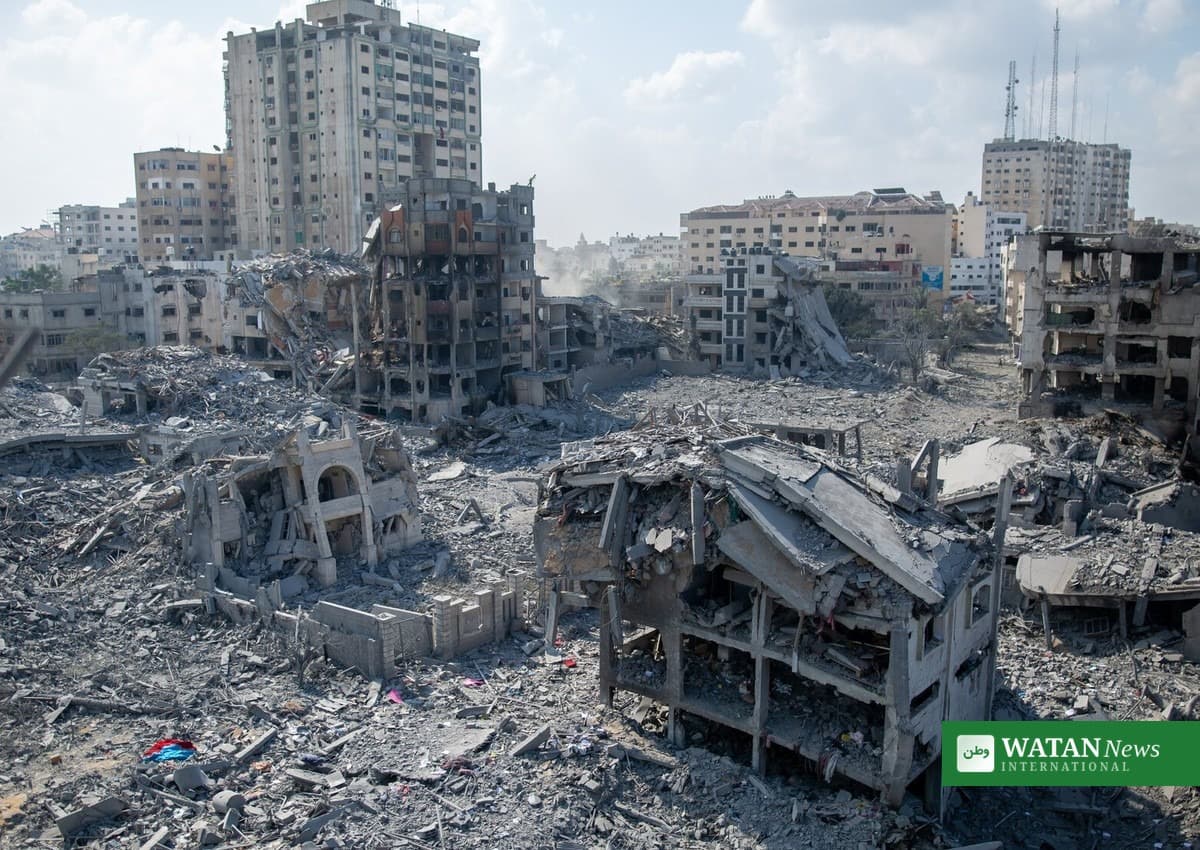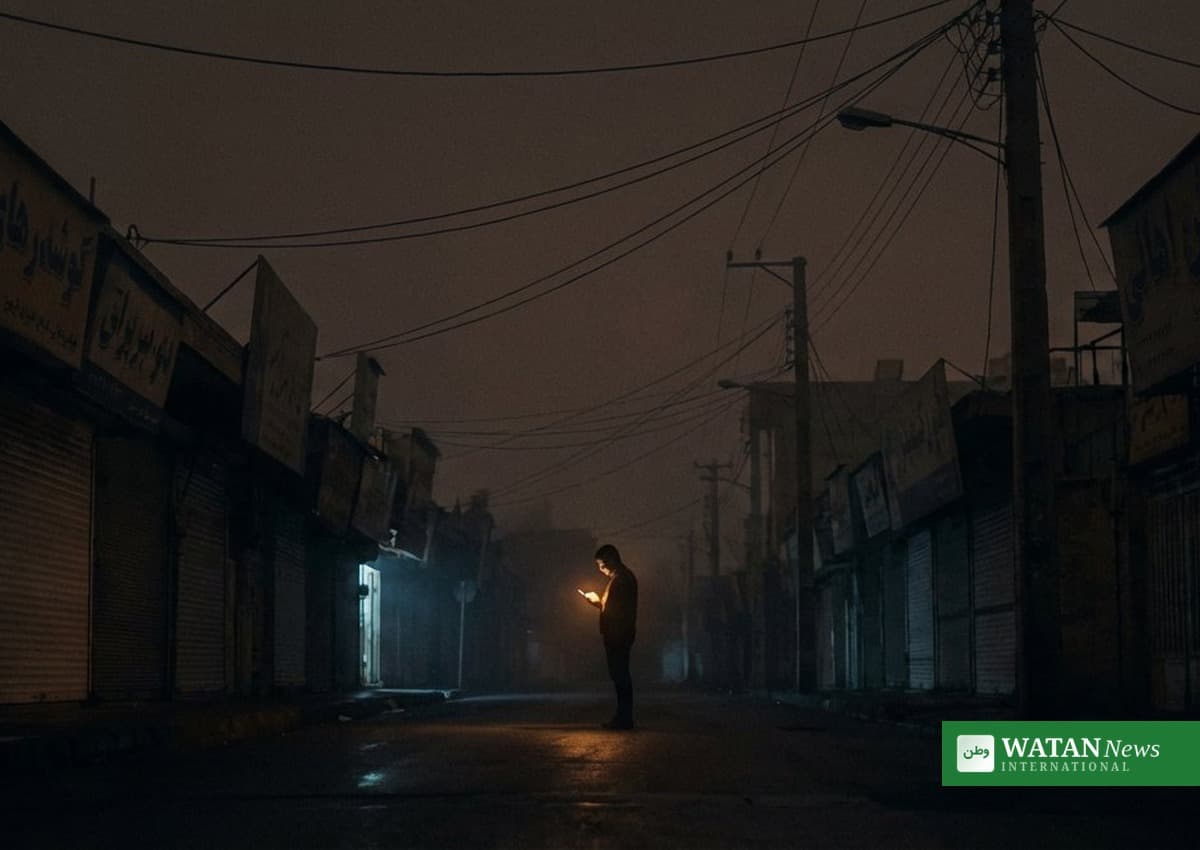
Iran is facing a deepening energy crisis, with millions of people bracing for scheduled power cuts, schools teaching in the dark and factories shedding jobs, as a conflict that began in February drags on with no settlement in sight.
The national grid operator, Tavanir, has announced nationwide rolling outages of two hours every other day from 1 December, rising to two hours every day if temperatures fall further. Major cities have already faced scheduled cuts since 22 November.
FAKTA
- People affected: about 92 million, with 86 percent of electricity generated from natural gas
- Winter gas shortfall: up to 430 million cubic metres a day, against about 300 million in previous years
- Generation lost: 4,200 megawatts of power capacity damaged in strikes
- Jobs lost: about 600,000 in industry over six months; more than one million at risk if shortages continue
- Power cuts: two hours every other day from 1 December, possibly daily in colder weather
Gas shortage at the heart of the crisis
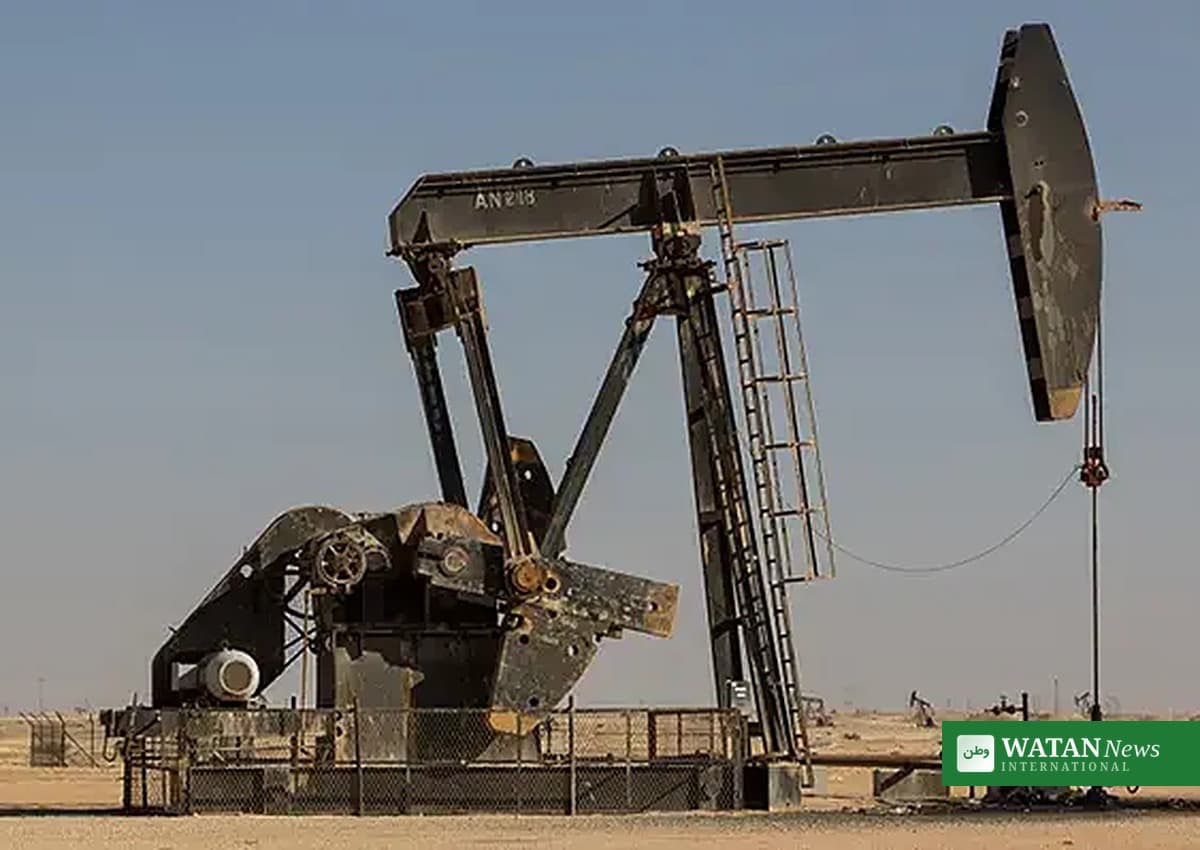
Iran holds some of the world’s largest gas reserves, yet it cannot produce enough fuel to keep its power plants running. Four gas processing plants were damaged in the first phase of the conflict early this year, cutting capacity by 230 million cubic metres a day. About 100 million cubic metres has since been restored, the National Iranian Gas Company says, but the shortfall remains severe.
Energy Minister Abbas Aliabadi has said power plants lost 4,200 megawatts of generation capacity in war-related attacks, with repairs still under way. Government spokeswoman Fatemeh Mohajerani warned last week the daily gas deficit could reach 430 million cubic metres this winter, well above the roughly 300 million of previous years.
Iran energy crisis hits jobs and industry
The shortages are now cutting deep into everyday life and the economy. Lawmaker Nasrollah Pejmanfar told parliament’s news agency that electricity shortages have cost about 600,000 industrial jobs in six months, and warned more than one million workers could lose their jobs if the gas shortage continues. Around 16 percent of electricity demand at industrial estates went unmet in the Iranian year that ended in March 2026, and conditions have worsened since.
Iranian media have reported classes continuing in darkness in Mashhad after the power went out, with children sitting in cold classrooms wrapped in blankets as winter approaches.
A war at an impasse
The crisis has worsened since US and Israeli strikes on Iran began on 28 February. Nine months on, the war is at an impasse, and a US naval blockade in place since 13 April has added to the economic pressure.
President Masoud Pezeshkian told investors on 21 November that Iran faces a tougher economic war than a war fought with missiles. US President Donald Trump has said Washington has the funds for further attacks through the end of January, keeping the threat of escalation alive as ordinary Iranians prepare for a cold, dark winter.