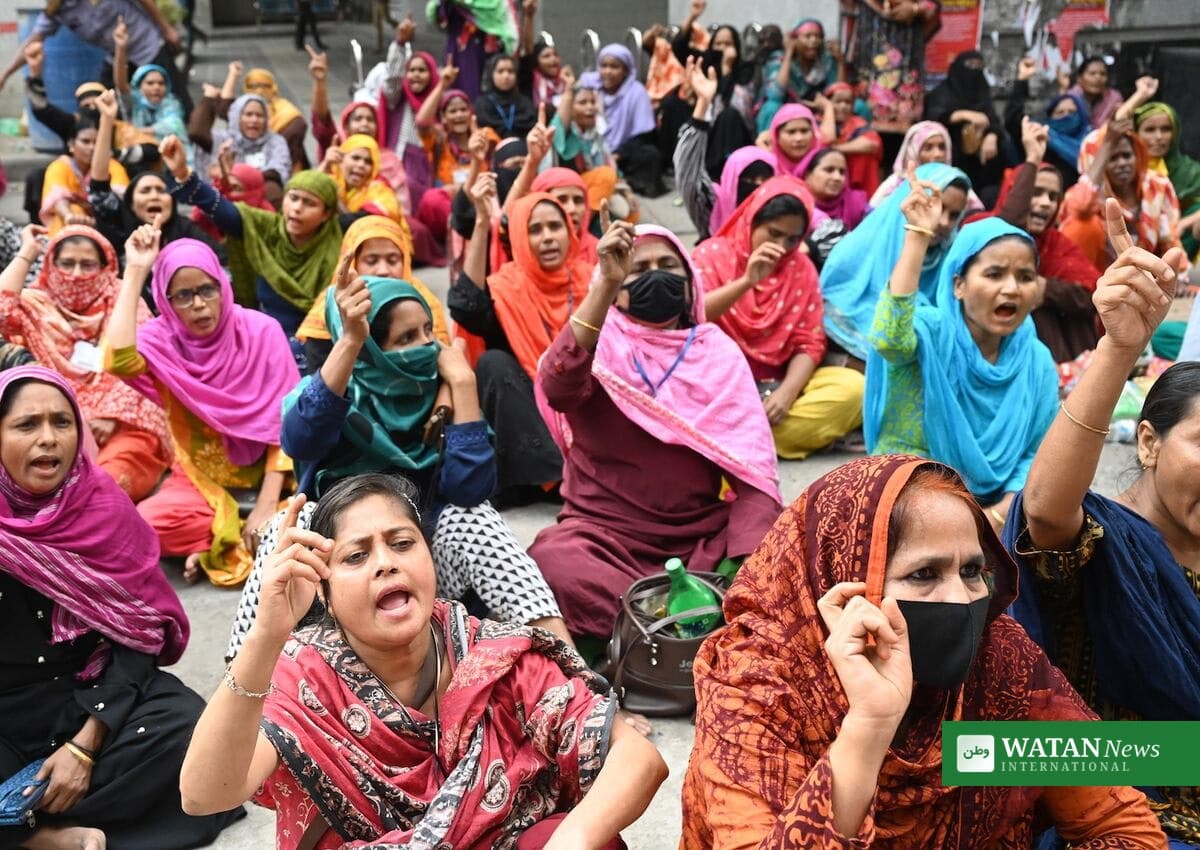
The Bangladesh garment wage protests continued on Thursday as police in Gazipur fired tear gas shells and sound grenades to disperse workers who tried to block a major highway, pressing their demand for better pay.
The fresh protest broke out a day after a government-appointed wage board approved a 36 percent increase in the minimum wage for garment workers, raising it to Tk17,000 a month from Tk12,500. Workers had called for the wage to be doubled, and labour rights advocates said the increase fell well short of a living wage.
FAKTA
- Police fired tear gas and sound grenades at workers blocking a highway in Gazipur on Thursday, 26 November.
- The wage board raised the garment minimum wage by 36 percent to Tk17,000 a month, after nearly 12 hours of talks ending early on Wednesday.
- Workers had demanded the wage be doubled; labour advocates say the new rate is not a living wage.
- Around 400 factories in Savar and Gazipur failed to resume production on Wednesday, 25 November.
- Bangladesh is the world’s second-largest garment exporter after China, and the sector employs more than four million people.
Protests continue in Gazipur
Protesters also set fire to a police motorcycle in Gazipur, one of Bangladesh’s major garment manufacturing hubs, which has been at the centre of the workers’ agitation, police said.
“The situation is now calm, but we remain on alert,” said Mohammad Amjad Hossain, superintendent of Gazipur Industrial Police.
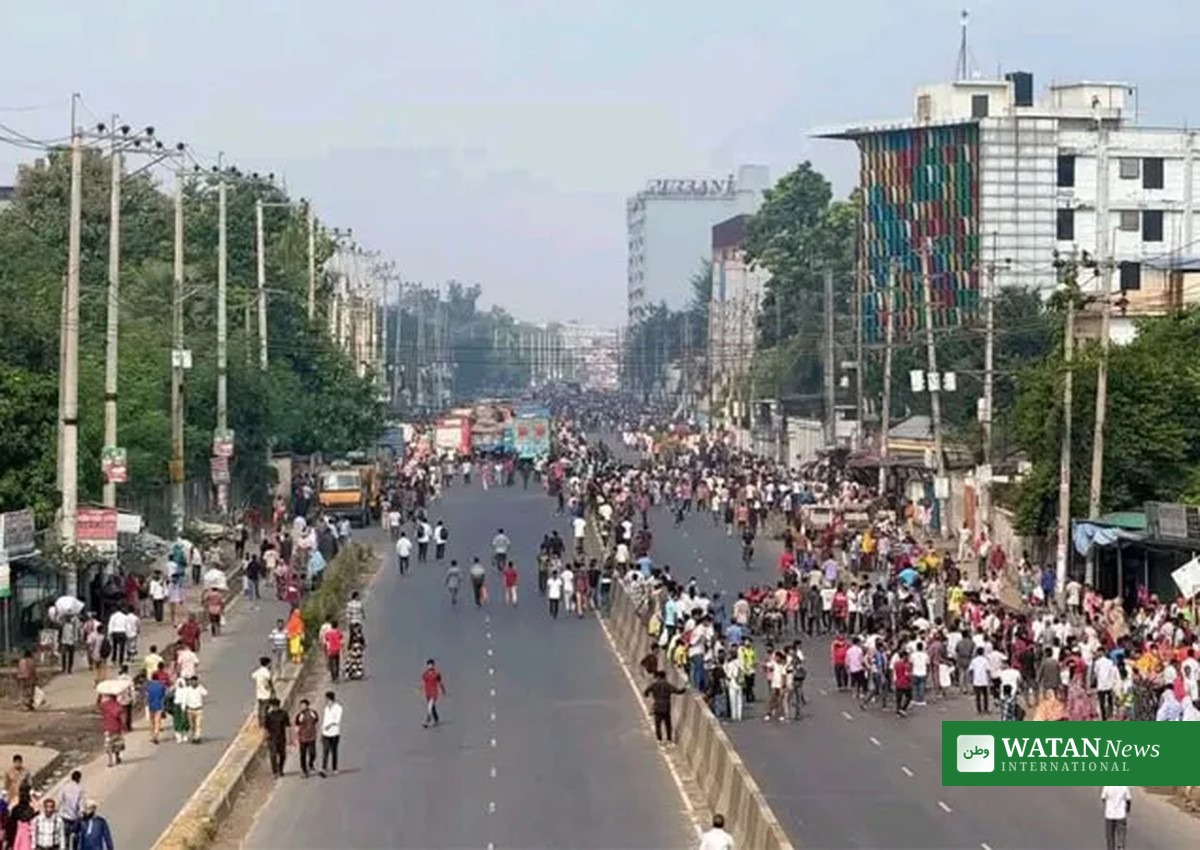
Police also fired sound grenades at workers who gathered at the Bhogra Bypass area of Gazipur city around 8:45am on Thursday and tried to block the Dhaka-Mymensingh highway. Traffic was disrupted briefly before returning to normal, according to police and eyewitnesses.
Wage deal falls short, workers say
The government-appointed wage board’s decision came in the early hours of Wednesday after nearly 12 hours of talks between workers’ and employers’ representatives. Protests broke out within hours of the announcement.
The new wage structure is expected to take effect from 1 December, subject to approval from the Ministry of Labour and Employment.
Home Minister Salahuddin Ahmed said a wage deal had been reached between workers and employers, and alleged that rumours were being spread to fuel unrest in Gazipur.
Bangladesh garment wage protests shut 400 factories
Around 400 factories in Savar and Gazipur failed to resume production on Wednesday, although factory owners hoped the situation would gradually return to normal.
At least 60 factories in Savar declared holidays on Wednesday as workers continued their protests and work stoppages, while many workers in Savar returned to work after accepting the Tk17,000 offer along with increased allowances.
Authorities announced fresh closures of factories in Konabari and Palli Bidyut in Gazipur for Thursday, and three-day closures in several areas, including Bagher Bazar and Bhabanipur in Gazipur Sadar and Gargaria Masterbari, Bairagir Chala and Keowa in Sreepur.
A sector under strain
Weeks of protests by garment workers have shuttered factories, blocked highways, damaged property and disrupted production in a sector that employs more than four million people in a country of around 175 million.
Bangladesh is the world’s second-largest garment exporter after China, and the unrest has raised fears over production and exports from one of the country’s most important industries.
Read more on Watan News: Bangladesh garment wage protests continue over new minimum wage