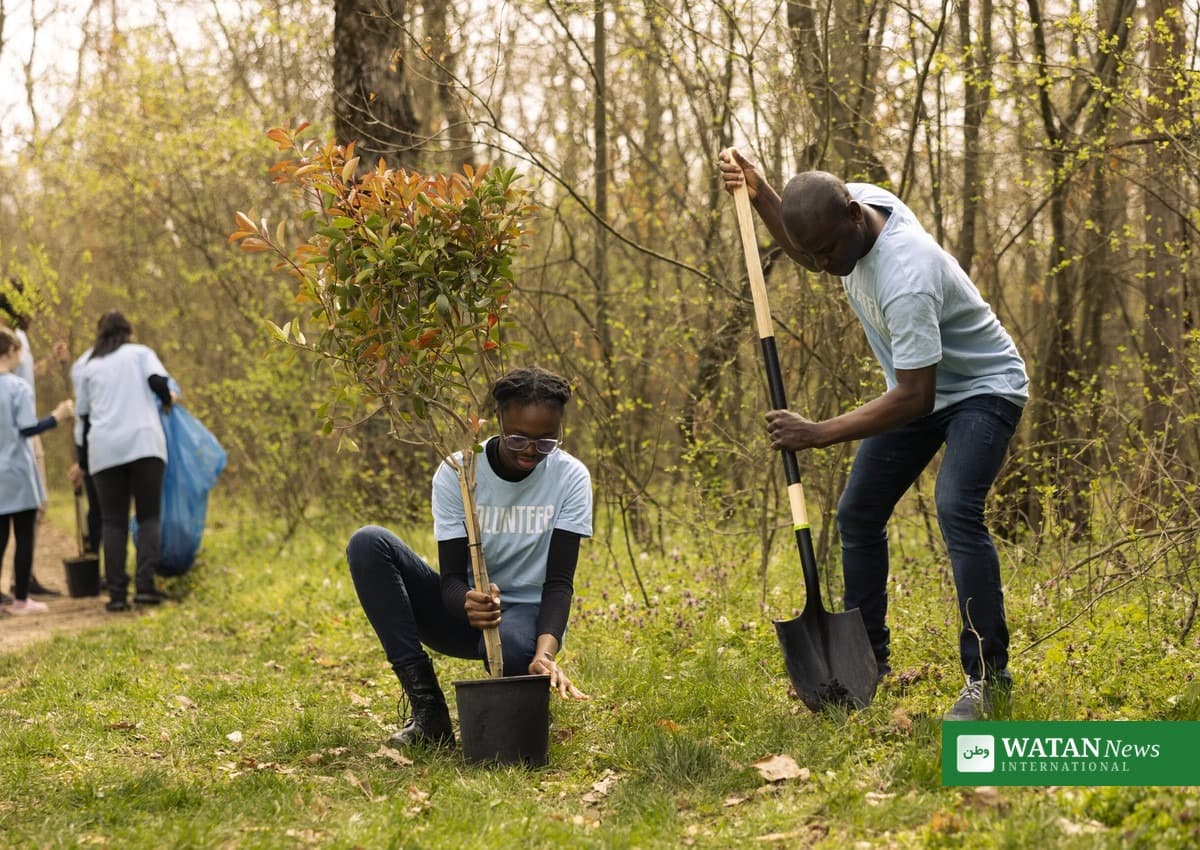
A bus manufacturer better known for electric vehicles has turned tree planter. Yutong Bus planted 2,500 trees in Greece and the Netherlands this month under its Net Zero Forest initiative, working with local reforestation groups on a fire-scarred mountain near Athens and in one of Europe’s least-forested countries.
FAKTA
- What happened: 2,500 trees were planted at two events — 1,000 on Mount Parnitha in Greece on 13 November and 1,500 in Tiel in the Netherlands on 20 November — announced on 25 November 2026.
- Who took part: More than 30 representatives from European public transport operators and local nonprofits, working with Trees4Greece and Life Terra.
- The programme: Net Zero Forest, launched in 2024, is a 10-year initiative. It had planted 83,700 trees worldwide by the end of 2025, and aims to plant another 49,518 in 2026.
- The idea: “One Bus, One Tree” — planting a tree for every bus, as public transport fleets switch to electric power.
- Why it matters: The new trees will store carbon for decades. The Greek site is recovering from a 2007 wildfire that destroyed more than 60% of the mountain’s native firs.
Recovery on Mount Parnitha
The first planting took place on 13 November on Mount Parnitha, often called Athens’ “green lung”. Yutong worked with Trees4Greece, a Greek reforestation initiative, and representatives of local public transport operators to plant 1,000 trees representing 10 species.
The mountain needs the help. A wildfire in 2007 destroyed more than 60% of its native Greek firs, which are slow to regenerate after a fire. The new plantings support the forest’s long-term recovery, adding young trees of several species to a landscape that is still healing nearly two decades later.
1,500 trees for Tiel
A week later, on 20 November, Yutong partnered with representatives of local public transport operators to plant 1,500 trees at Inundatiedijk Zuid in Tiel. The event was organised with Life Terra, a Netherlands-based foundation that coordinates tree planting across Europe.
The Netherlands has one of the lowest shares of forest cover in the European Union, so every new stand of trees counts. The planting in Tiel supports the Dutch government’s National Forest Strategy, which calls for adding approximately 37,000 hectares of forest nationwide.
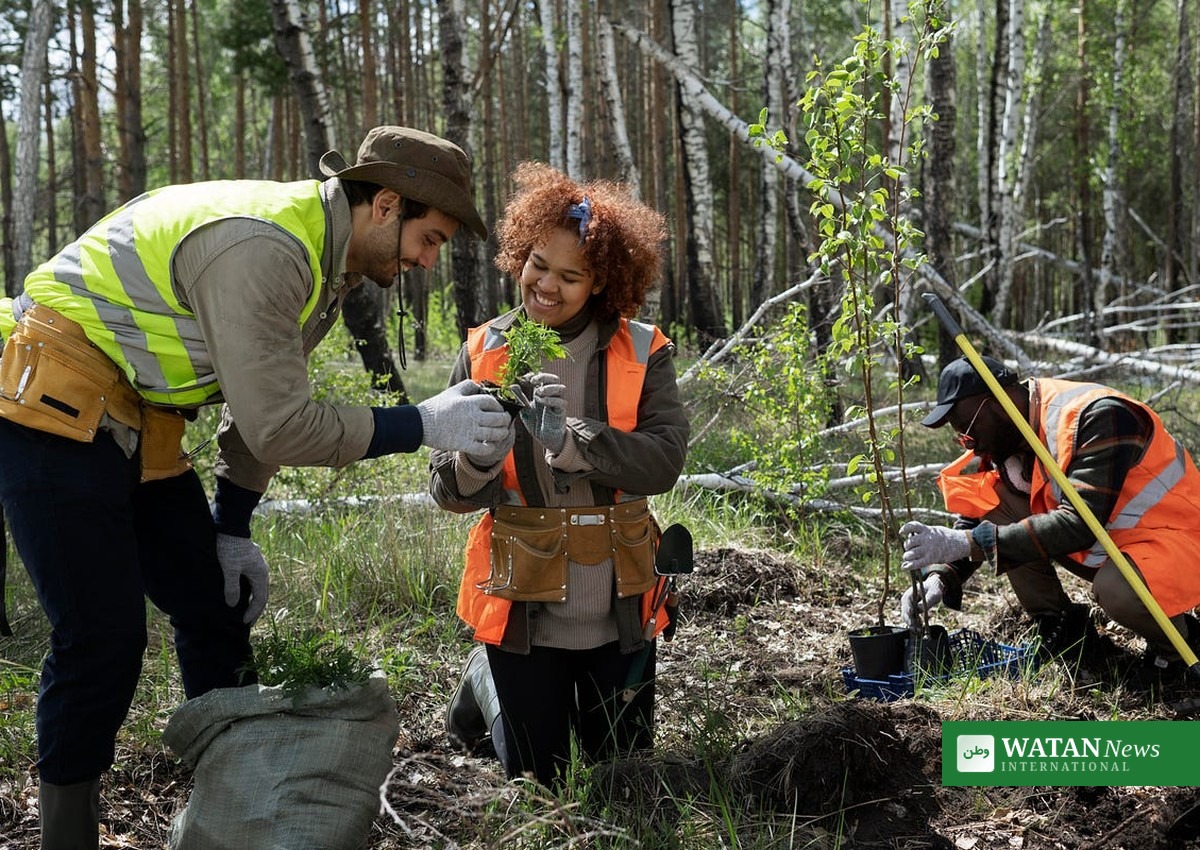
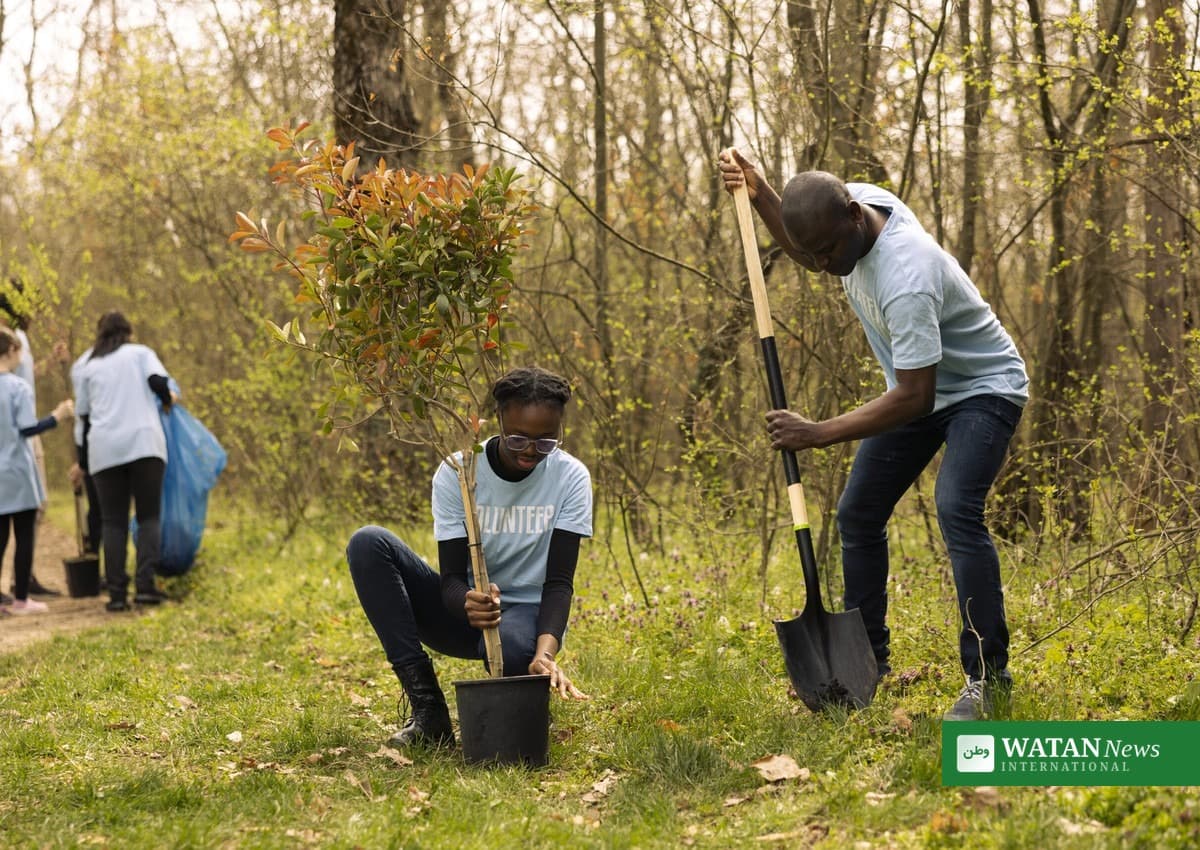
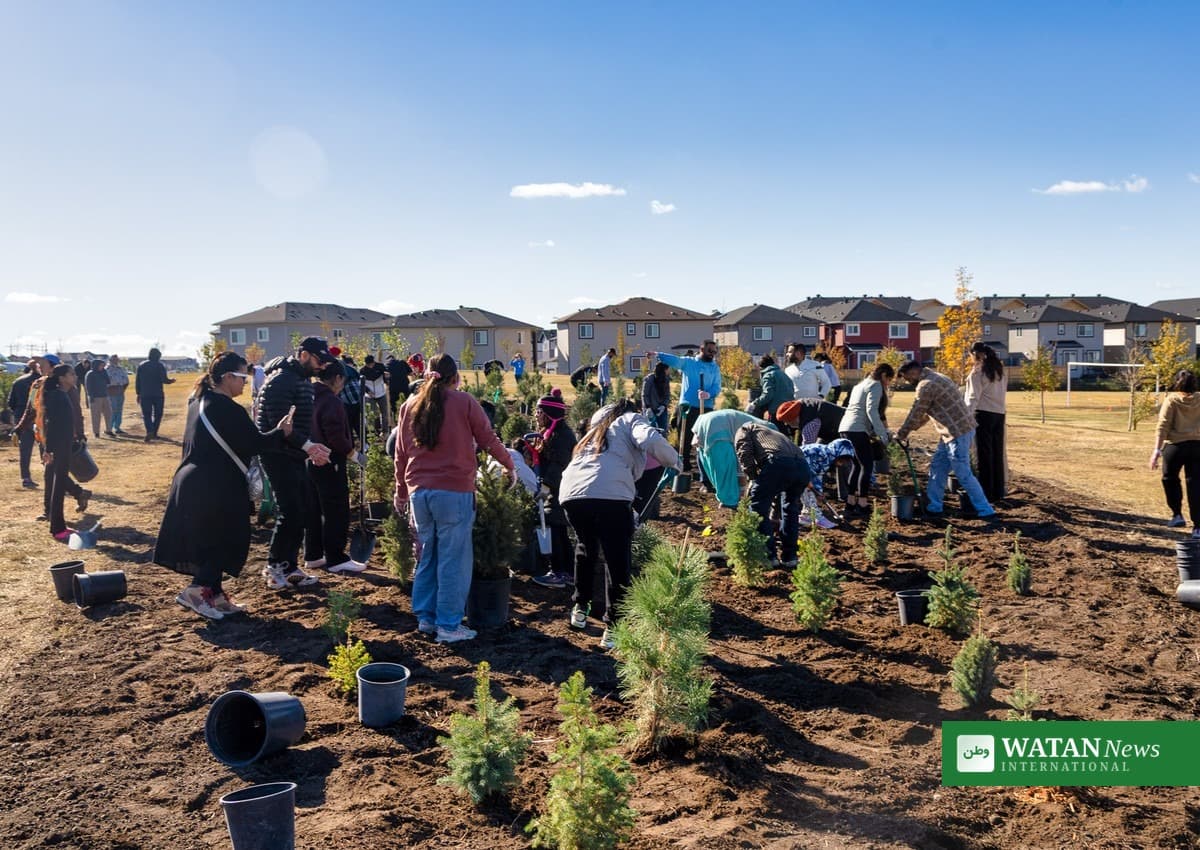
Volunteers plant young saplings in a forest clearing. Planting is only the first step — the trees need years of care to take root and grow.
One bus, one tree
Net Zero Forest is a decade-long programme, launched in 2024. By the end of 2025 it had planted 83,700 trees worldwide, with projects in locations including China’s Gansu province, the United Kingdom, Mexico and Chile. Yutong has set a global target of planting another 49,518 trees in 2026.
The planting runs alongside the company’s main business. As Greece and the Netherlands electrify their bus fleets, Yutong is supplying zero-emission buses to support carbon neutrality goals — and, the company says, following through on its environmental commitment through tree planting.
“Net Zero Forest is a long-term commitment to the places and communities where we work,” said Jack Zhu, chief executive of Yutong Western Europe. “Planting trees is only the beginning. What matters just as much is how they grow, how they are cared for, and the positive impact they bring over time.”
Planting is only the start
At each site, the choice of tree species depends on the local climate and soil. Long-term care helps the trees take root, while ongoing monitoring tracks their survival and the effects of planting on local ecosystems — the part of tree planting that rarely makes the headlines, but decides whether the effort delivers.
That caution is shared across the forest world. Indonesia told COP31 that planting trees alone is not enough and that degraded forests must be restored, and the satellite record shows that where protection holds, forests can come back. Read our coverage of Indonesia’s call for restoration beyond planting and the mangrove forests growing again after decades of loss.