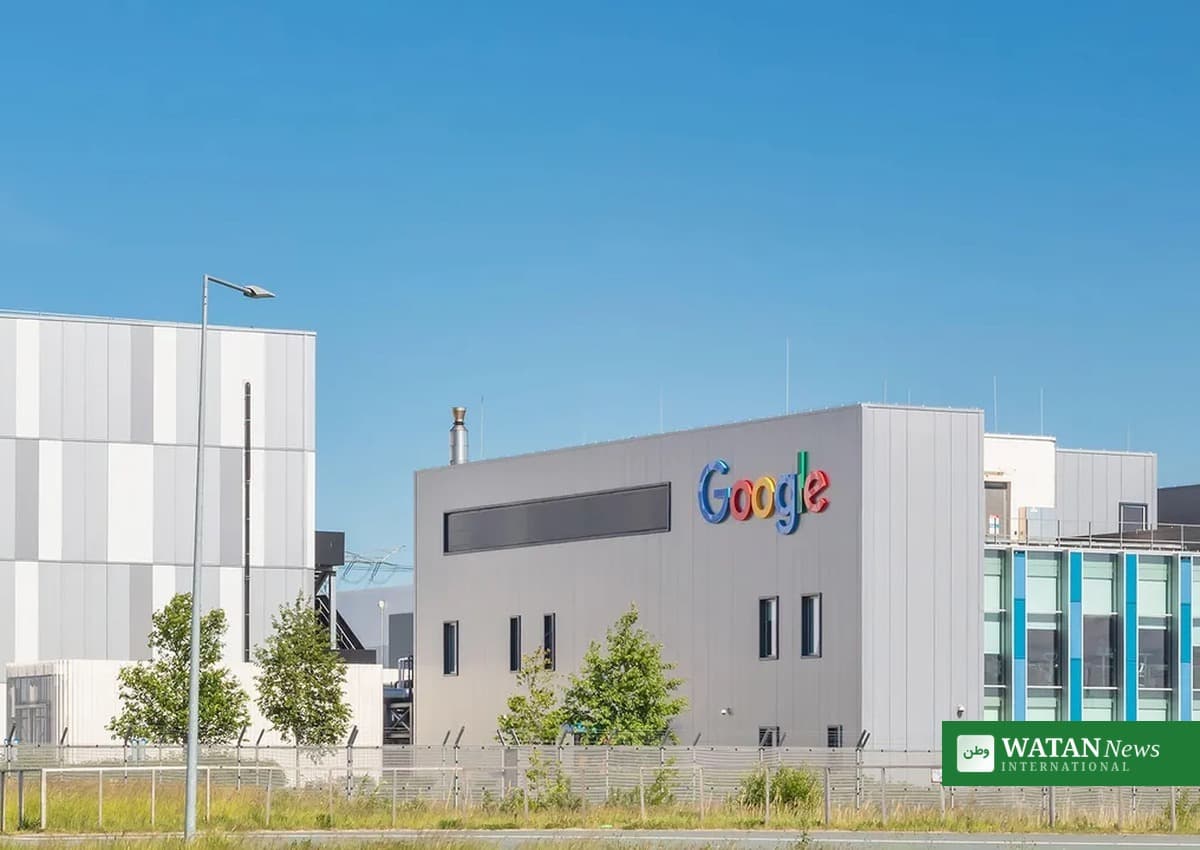
The United States Federal Communications Commission has authorised SpaceX to deploy up to one million satellites that will work as data centres in orbit, clearing the way for the largest satellite constellation ever approved and the first of its kind in American history. The SpaceX Starmind satellites would move part of the computing behind artificial intelligence off the planet and into space, where sunlight is plentiful and the cold of orbit can replace cooling systems on Earth.
The agency announced the decision on Wednesday, 25 November 2026, describing it as the first authorisation in US history for a constellation of space-based data centres. The approval does not mean the satellites are already flying. SpaceX must still design, build and launch hardware that does not yet exist at this scale, under strict deadlines stretching to 2040. But it is a major regulatory win for Elon Musk’s company and a signal that Washington sees orbital computing as part of the race to lead in artificial intelligence.
FAKTA
What happened: The FCC authorised SpaceX to deploy up to 1,000,000 Starmind satellites as orbital AI data centres.
When: Announced Wednesday, 25 November 2026.
Why it matters: The first US authorisation for a constellation of data centres in space.
How it works: Solar-powered compute modules in low Earth orbit, linked by lasers, with radio as a backup.
Deadlines: First satellite by November 2033, 100,000 by 2035, 500,000 by 2038, full constellation by 2040.
Scale today: About 17,000 satellites orbit Earth today; SpaceX’s Starlink accounts for just over 11,000.
What the FCC approved
SpaceX asked the FCC earlier this year for permission to deploy up to one million orbital compute modules to process massive amounts of data for use on Earth. The company formally filed its application on 30 January 2026, and the FCC accepted it for review in August. On 25 November, the FCC’s Space Bureau issued its order, known as DA 26-1273, granting the request.
The Starmind satellites would fly in orbital shells between 500 and 1,002 kilometres above Earth. Each would carry solar-powered computing hardware, and the satellites would talk to each other and to Starlink through high-speed optical links — beams of light rather than radio waves. The FCC also approved radio links as a backup, so the satellites can be monitored and controlled, including during emergencies, if the laser links fail.
FCC Chairman Brendan Carr presented the decision as a step toward strengthening America’s position in artificial intelligence and computing. “By moving compute capacity beyond Earth, SpaceX and the many competitors working on their own orbital data centers are meeting the moment,” Carr said in a statement. “This is the kind of American ingenuity that can unite our strengths in space and advanced technology, reinforce our economic leadership, and expand prosperity here at home.”
The FCC’s announcement went further, saying the project could bring humanity closer to a Kardashev Type II civilisation — one able, in the framework proposed by Soviet astrophysicist Nikolai Kardashev in 1964, to harness the full power of its star. Musk welcomed the decision on X, writing: “Much appreciated. This will be a great asset to America and the world.”
The approval is not unconditional. The FCC set binding deployment milestones, and the licence lapses if SpaceX misses them. It also declined one part of the request: SpaceX had asked to move satellites operating above 600 kilometres into so-called graveyard orbits at the end of their lives, rather than bringing them down to burn up in the atmosphere. The agency said SpaceX had not provided enough information about its disposal plan, so no satellites may be deployed above 600 kilometres until the company files an additional debris plan. The debris plan SpaceX did submit complies with the FCC’s orbital debris rules, and the company has committed to designs that ensure its satellites fully burn up on re-entry.
SpaceX Starmind satellites: why put data centres in orbit
The case for putting computers in space is, at its core, a case about energy, land and heat. Modern AI data centres on Earth are among the most power-hungry buildings ever constructed. A single large facility can consume as much electricity as a small city, needs vast tracts of land, and requires constant cooling to stop its chips from overheating. Demand for AI computing is growing so fast that power grids and water supplies in several countries are struggling to keep up, and data-centre construction has become a subject of public debate, including during the November midterm elections in the United States. Shortly after those elections, Musk wrote on X that “data centers in space looking pretty appealing right now.”
In orbit, the constraints change. Sunlight is available almost continuously, with no clouds and no night in the usual sense for satellites in the right orbits. The vacuum of space offers natural cooling. And there is, for practical purposes, unlimited room. SpaceX describes Starmind as “capturing solar energy in space to power low-cost, high-performance AI compute for Earth.” The satellites would process large amounts of information in orbit and send only the results back to Earth, rather than beaming raw data down for processing on the ground.
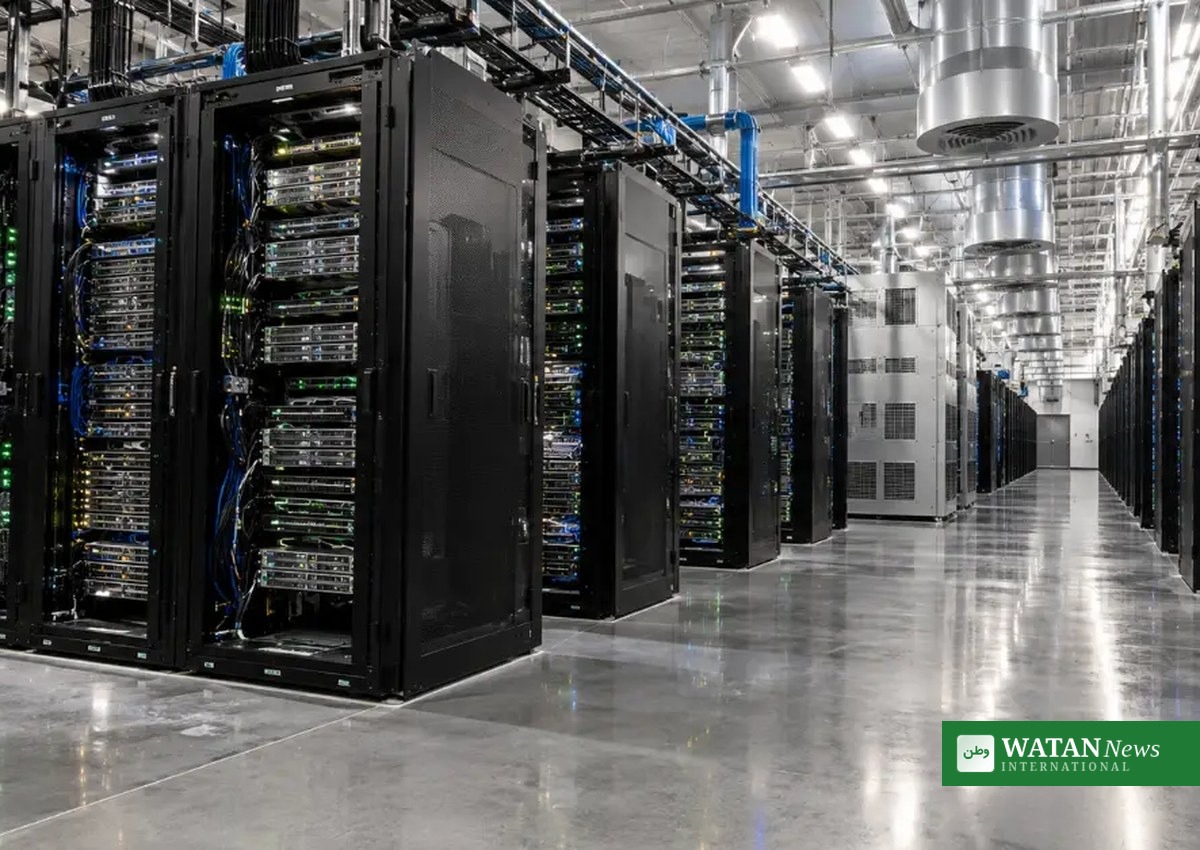
Moving data is expensive and slow; moving answers is cheap. If a satellite can analyse imagery or run an AI model in orbit and send back a short result, the network avoids downloading enormous volumes of raw information — the same logic that already drives computing to the “edge” on Earth, taken to its furthest extreme.
None of this is proven at the scale SpaceX proposes. As the Wall Street Journal noted, the FCC’s decision is “a massive bet that SpaceX can design and deliver systems that aren’t currently in operation.” The first-generation Starmind satellites are expected to be based on an optimised Nvidia Vera Rubin NVL72 system, according to industry publication Light Reading, which would tie the project to the most advanced AI hardware available. But building a million such satellites, launching them, and keeping them working is an engineering challenge without precedent.
The long road to 2040
The FCC’s order gives SpaceX a long runway, but it is not open-ended. The milestones are binding, and each one is a test the company must pass to keep its licence.
| Deadline | Satellites in orbit and operating | Share of constellation |
|---|---|---|
| 25 November 2033 | 1 | First satellite |
| November 2035 | 100,000 | 10 per cent |
| November 2038 | 500,000 | 50 per cent |
| 25 November 2040 | 1,000,000 | 100 per cent |
SpaceX’s own timeline is far more aggressive. Musk has said the company could begin demonstrating its AI satellite technology by late 2027, with broader deployment from 2028. Chief Financial Officer Bret Johnsen said last week that the company plans to launch its first data centres into space in 2027 and expand through 2029, and industry reporting has suggested the project could reach significant scale in 2028 with Nvidia on board.
Everything depends on Starship, SpaceX’s next-generation reusable rocket. The company sought approval for 42,000 Starlink satellites before it began deploying that system, and today just over 11,000 Starlink satellites are in space. Starmind would require launching roughly ninety times that number. Only a rocket that can fly often, carry heavy loads and be reused quickly could make that plausible, and Starship is still under development. The FCC’s generous deadlines reflect that reality: the first binding milestone is seven years away, and the full constellation is not due until 2040.
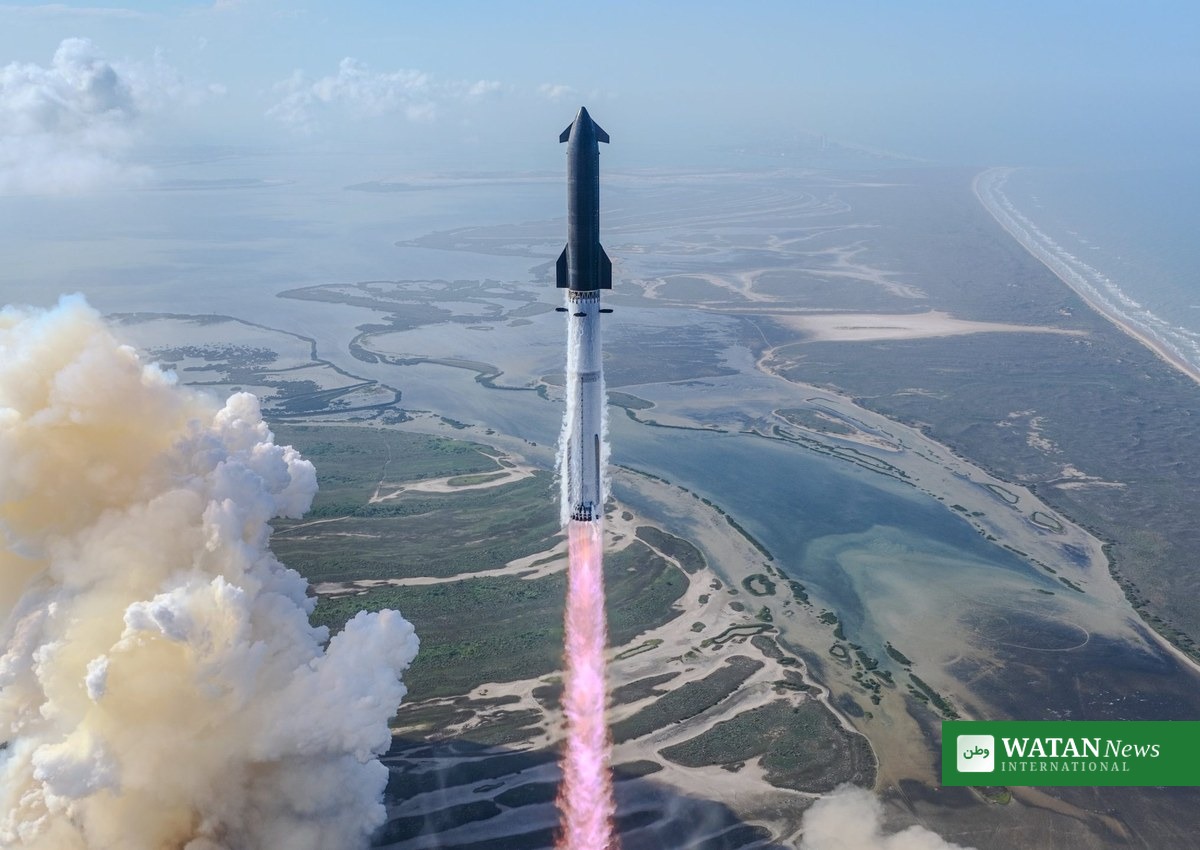
One million is a ceiling, not a count of satellites already built or launched. Operators routinely request approval for far more satellites than they expect to deploy, to keep design flexibility. The FCC’s order is permission to build up to that number, under the milestones and conditions in the licence.
The sceptics: astronomers, rivals and the repair problem
The approval came despite formal objections. Amazon’s satellite unit Leo, satellite operator Viasat and the American Astronomical Society all filed petitions asking the FCC to deny or delay the application. Amazon said SpaceX’s plan lacked detail on timing and satellite design, and suggested the company was unlikely to deploy all of them — it could take centuries, it argued. Carr rejected that criticism earlier this year, telling Amazon to focus on its own launches and constellation rather than worrying about competitors.
Astronomers raised a different concern: light pollution. About 17,000 satellites already orbit Earth, and a constellation of up to one million would increase that total roughly fifty-fold. The American Astronomical Society warned that the constellation could significantly interfere with ground-based astronomy, as thousands of bright satellites cross telescope images and reflect sunlight into the night sky. The Secure World Foundation urged regulators to assess the cumulative risks to orbital sustainability, but the FCC declined a comprehensive environmental assessment, saying several concerns fell outside its jurisdiction.
There is also a blunt engineering objection from one of Musk’s most prominent rivals. OpenAI chief executive Sam Altman called the idea of putting data centres in space “ridiculous” for now, noting that AI chips break frequently and it is unclear how they could be repaired in orbit. “We are not there yet. There will come a time,” Altman said, adding that orbital data centres are “not something that’s going to matter at scale this decade.” Altman himself had suggested in a 2025 podcast interview that data centres might one day be placed in space. His point is about timing and cost: launching hardware is expensive, and a failed chip in orbit cannot be swapped by a technician the way it can on Earth.
That disagreement captures the central question hanging over Starmind. Musk argues that the energy and water demands of next-generation AI will eventually exceed what Earth can sustainably provide, and that space is the only place left to grow. Altman argues that the economics and maintenance of orbital hardware do not yet work, and that the answer is better data centres on Earth. Both men are betting billions on their answer. Only one of them, for now, has a licence to test it in orbit.
A crowded race to orbit
SpaceX is not alone in looking upward. The FCC said it is continuing to review other proposals for orbital data centres. Google is testing its Project Suncatcher, which would place AI chips in orbit, with preliminary tests expected by 2027. Blue Origin, the space company founded by Amazon’s Jeff Bezos, has expressed interest in space-based computing, and Starcloud, a startup backed by Nvidia, and a company called Orbital Inc. are also pursuing orbital data centres.
The competition changes what the FCC’s decision means. This is not a single licence for a single company, but the opening of a new regulatory category. The first approval sets the template — the milestones, the debris conditions, the treatment of environmental objections, the division between laser links and radio backup — and every company that follows will be measured against it.
It also matters for the wider AI industry. The race for computing capacity has so far been fought on the ground, over power contracts, land and cooling water. If even a fraction of that computing moves into orbit, the competition shifts to launch capacity, satellite manufacturing and spectrum — a contest SpaceX, with its rockets and its Starlink network, is better placed to win than almost anyone else.
What happens next
The immediate next step belongs to SpaceX’s engineers. The company has said it will launch its first orbital data centres in 2027, with a demonstration by late that year. Watch for the first Starmind test satellite, details of its design and computing payload, and how quickly Starship can fly the repeated missions the project will need.
For regulators, the next step is the queue of rival applications, each testing whether the Starmind template holds. Astronomers and environmental groups are likely to keep pressing for a fuller assessment of what a million new satellites would mean for the night sky and for low Earth orbit.
For now, the decision stands as a landmark: the first time a government has authorised a constellation of data centres in space. It does not guarantee that a million satellites will ever fly, or that orbital computing will work at the scale SpaceX imagines. It does guarantee that the attempt will now be made in earnest, under a licence, on a public timetable, with the whole world watching the sky.
Related Articles
Google Puts AI Chips in Space as Project Suncatcher Tests Orbital Data Centers
SpaceX Spectrum Deal Rattles US Telecom Stocks as Starlink Mobile Push Advances
Anthropic Shares Close 17% Above $83 IPO Price in Record Nasdaq Debut
Zelensky Urges US and Musk to Lift Starshield Limits as Ukraine’s Drone Defence Falters
FCC Approves SpaceX Plan for 1 Million Starmind Satellites to Build AI Data Centers in Space