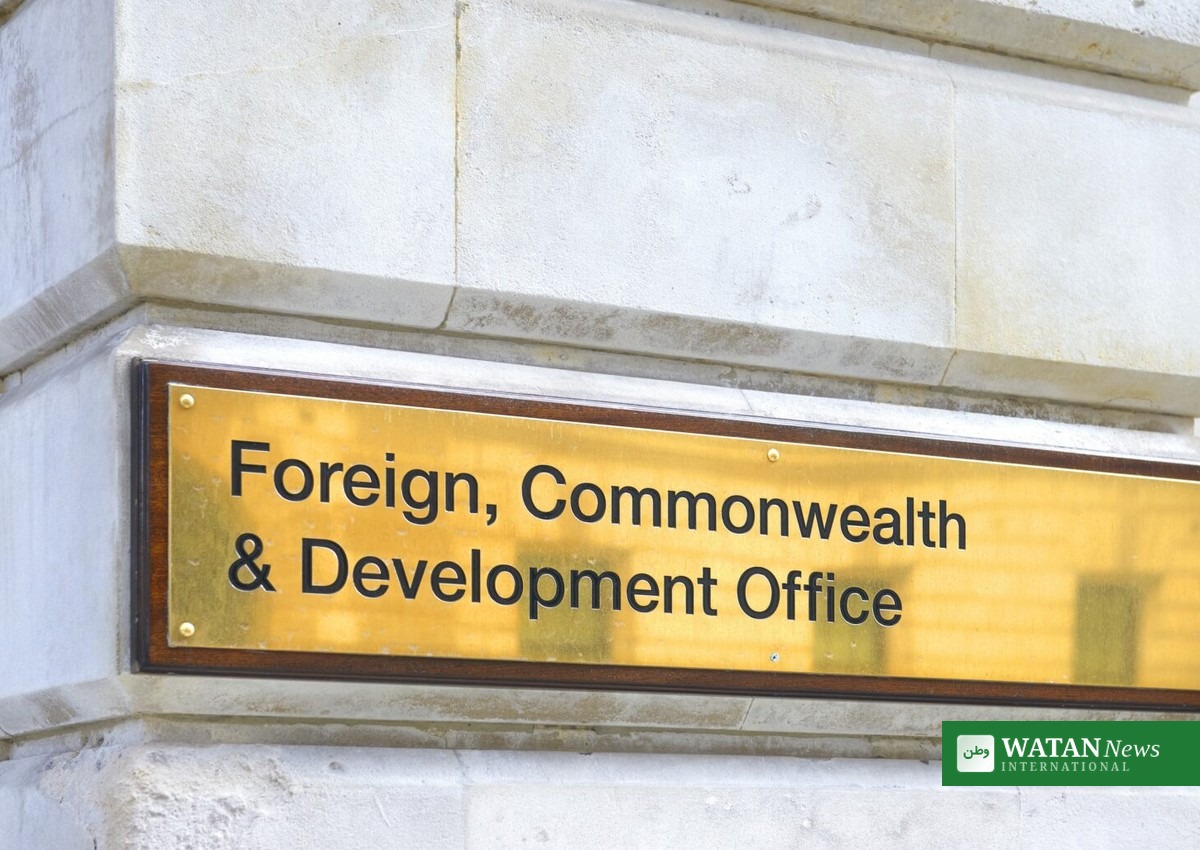
The United Kingdom has imposed sanctions on Yemen’s Houthi movement and four of its senior officials, stepping up its response to the group’s renewed attacks on Saudi Arabia’s civilian infrastructure and shipping in the Red Sea. The measures, announced in London on Tuesday, 24 November 2026, freeze the assets of the group, known as Ansar Allah, and impose asset freezes, travel bans and director disqualifications on the four men.
Foreign Secretary Ed Miliband said the Houthis’ renewed aggression against Britain’s partners and innocent civilians was unacceptable and that the group must be held to account. The announcement came the day a drone strike on a Riyadh financial-district tower wounded 11 people, and a day before the Houthis claimed a further attack on the Ras Tanura oil refinery, Saudi Arabia’s largest.
The sanctions are the most direct British response yet to a conflict that has reignited across Yemen and the Gulf since July, when a four-year truce in Yemen’s civil war collapsed. They combine a designation against the movement itself with human-rights sanctions against four officials accused of serious abuses of detainees.
FAKTA
Announced: Tuesday, 24 November 2026, by the UK Foreign, Commonwealth and Development Office.
Sanctioned: Ansar Allah, known as the Houthis, plus four senior officials.
Measures against the group: Asset freeze and director disqualification under the Yemen (Sanctions) (EU Exit) Regulations 2020.
Measures against the four men: Asset freeze, travel ban and director disqualification under the Global Human Rights and International Humanitarian Law Sanctions Regulations 2026.
Stated reason: Renewed Houthi attacks on Saudi civilian infrastructure and international shipping, and serious human-rights abuses in Yemen.
Trigger attacks: A drone strike on a tower in Riyadh’s financial district on 24 November wounded 11 people; the Houthis claimed an attack on the Ras Tanura refinery on 25 November.
Humanitarian safeguard: The existing humanitarian exception continues, and HM Treasury has issued a General Licence to protect humanitarian and supporting commercial activity.
What the UK Sanctions Houthis Measures Cover
The centrepiece of the package is the designation of Ansar Allah under the UK’s autonomous Yemen sanctions regime. The designation imposes an asset freeze, preventing any UK citizen or business in the UK from dealing with funds or economic resources owned, held or controlled by the group. It also carries director disqualification, making it an offence for a designated person to act as a director of a UK company, or of a foreign company sufficiently connected to the UK.
London said the group was designated for involvement in activity threatening the peace, security and stability of Yemen, including escalation of the conflict inside Yemen, attacks on international shipping and missile and drone attacks against regional partners. The Houthis were already subject to a United Nations arms embargo; London said its measure goes further, adding an autonomous asset freeze and director disqualification.
The four individuals were designated separately under the Global Human Rights and International Humanitarian Law Sanctions Regulations 2026. Each faces an asset freeze, a travel ban and director disqualification. A travel ban means the person must be refused leave to enter or to remain in the United Kingdom. The designations were laid in parliament by the Minister for the Middle East.
The Four Officials Named
The four men span the Houthis’ security, judicial and prosecution apparatus. The British government published a statement of reasons for each designation. The allegations, which the UK presents as the basis for the sanctions, have not been tested in a court.
| Official | Role cited by the UK | Measures | Stated reason |
|---|---|---|---|
| Abdulkarim Amir al-Din Hussein Al-Houthi | Houthi Minister of Interior in Sana’a since 2019 | Asset freeze, travel ban, director disqualification | Responsibility for police and detention facilities where detainees were tortured, including electric shocks, beatings and sexual violence |
| Abdul Hakim Hashem Ali Al-Khaiwani | Head of the Houthi Security and Intelligence Service | Asset freeze, travel ban, director disqualification | Responsibility for torture and other abuses by the security service |
| Mohammed Moufleh | Houthi-appointed judge in Yemen | Asset freeze, travel ban, director disqualification | Involvement in a serious violation of an individual’s right to liberty and security |
| Sarim Al-Din Muffadal | Senior Houthi prosecutor in Sana’a | Asset freeze, travel ban, director disqualification | Suspected of perpetrating, or knowingly permitting, sexual violence including rape and torture of women detainees |
Abdulkarim Al-Houthi, the most senior of the four, has served as the Houthis’ interior minister in Sana’a since 2019, according to the British statement. London said he was responsible for the police, the security forces and the detention facilities of the interior ministry, where detainees were tortured, including with electric shocks, beatings and sexual violence. Al-Khaiwani has headed the Houthi Security and Intelligence Service since September 2019.
Announcing the measures, Foreign Secretary Ed Miliband said: “The Houthis’ renewed aggression targeting our partners and innocent civilians is unacceptable and they must be held to account. This government has today taken steps to do just that. We will not stand by whilst groups like the Houthis take action that drives up the cost of living for the British people while deliberately attempting to undermine the stability of the Middle East. Today’s measures send a clear message to the Houthis — we will always act in support of British values and interests.”
Why the UK Sanctions Houthis Now
The timing of the announcement is tied directly to the sharp escalation of Houthi attacks on Saudi Arabia in November. On Tuesday, 24 November, a drone struck a tower in Riyadh’s King Abdullah Financial District, wounding 11 people. Saudi civil defence said the injured included two Saudis, two Indians, three Nepalis and four Egyptians. It was the second strike on the same tower in less than a week; an attack on 19 November damaged the building but caused no injuries.
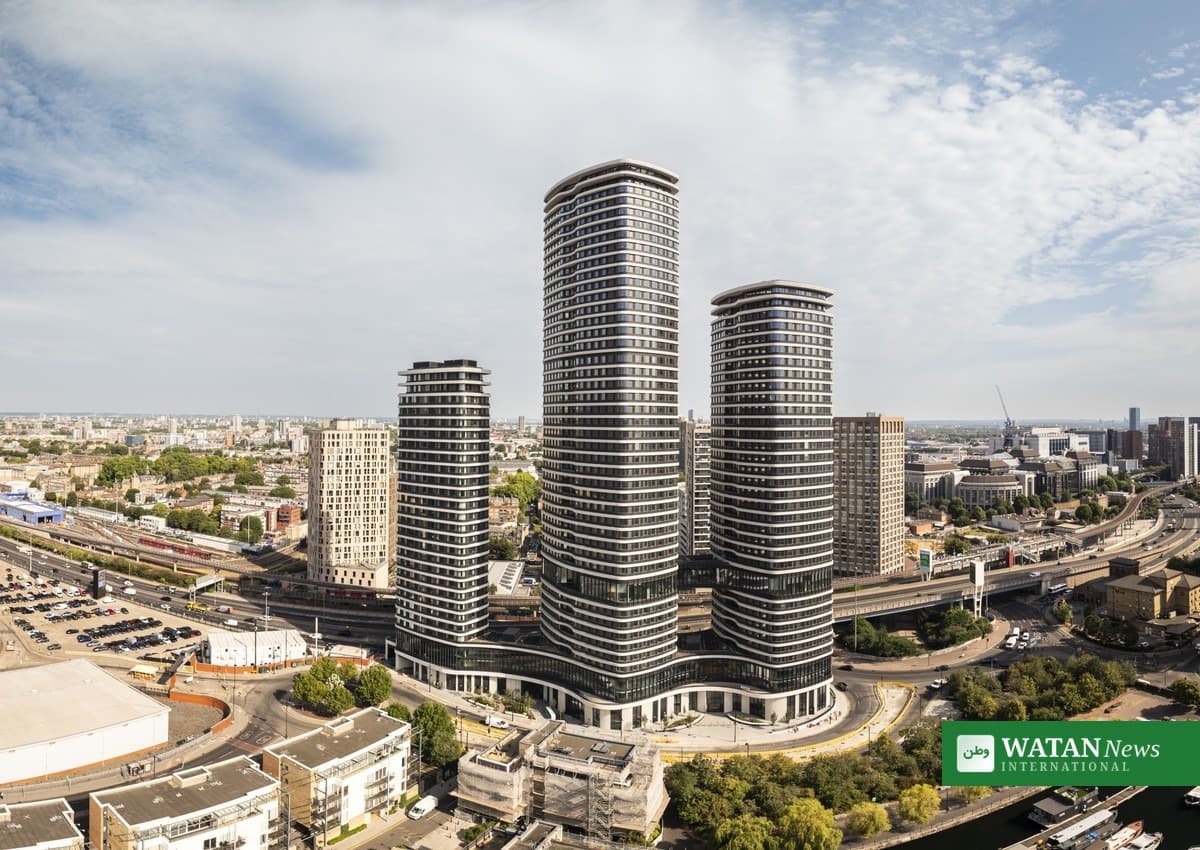
The building is the Public Investment Fund Tower, according to three witnesses cited by news agencies. At 385 metres and 80 floors, it is the tallest tower in the Saudi capital and houses the headquarters of the Public Investment Fund, the kingdom’s sovereign wealth fund. The Saudi-led coalition described the 24 November strike as a terrorist attack and said the Houthis were responsible. The Houthis had not claimed the strike by late on 24 November; a day later their spokesman, Yahya Saree, said the group had attacked the financial district in three phases.
The escalation continued on Wednesday, 25 November, when the Houthis said they had attacked the Ras Tanura oil refinery, Saudi Arabia’s largest. Saree said the strike was accurate and direct and had caused fires at the site. The Saudi-led coalition said air defences had intercepted and destroyed four drones over Ras Tanura in the Eastern Province, with no injuries in an initial assessment. The coalition did not say the refinery itself had been struck.
The Ras Tanura refinery processes 550,000 barrels of oil per day, about 16 percent of Saudi refining capacity. Brent crude rose more than 2 percent on the day of the claim, trading above 93 dollars a barrel. The claim followed earlier Houthi attacks on Saudi energy sites this autumn, including claimed strikes on Ras Tanura on 27 October and on Ras Tanura, Rabigh and Abqaiq on 30 October.
The attacks on the capital have had a visible cost beyond the casualties. Most international flights to Riyadh have been cancelled, and Saudi Arabia has postponed or cancelled major international events, including the AFC Asian Cup. On 21 November, the coalition said it had intercepted three Houthi ballistic missiles heading for the capital. A week earlier, on 19 November, the first strike on the Public Investment Fund Tower blew out windows across seven to eight floors.
Red Sea Shipping and the Cost at Home
London framed the sanctions as a response not only to the attacks on Saudi Arabia but also to the Houthis’ campaign against commercial shipping. The British government said the group’s reckless behaviour in the Bab el-Mandeb Strait, the narrow waterway between Yemen and the Horn of Africa, has disrupted global supply chains and pushed up the cost of living for British families.
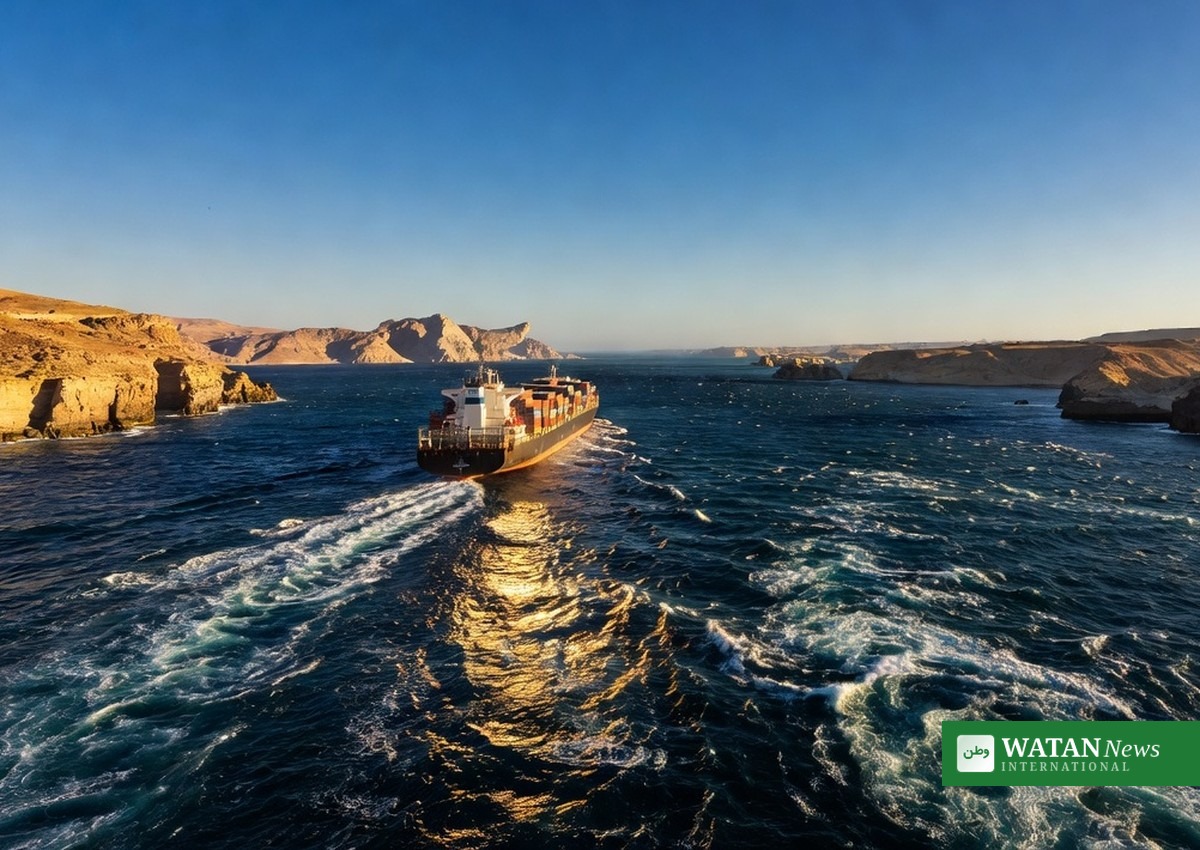
The strait is one of the world’s most important shipping chokepoints, carrying a large share of container traffic between Asia and Europe through the Red Sea and the Suez Canal. Houthi attacks on vessels there have forced many shipping lines to reroute around Africa, lengthening voyages and raising freight costs. The British government said the Houthis must end their attacks immediately and allow safe, unimpeded humanitarian access.
The Houthis, who seized the capital Sana’a in September 2014 and control much of northern and western Yemen, resumed their offensive after the truce collapsed in July. London said restarting the conflict has displaced hundreds of thousands of Yemenis.
What the Sanctions Can — and Cannot — Do
Sanctions are a pressure tool, not a military answer, and their practical effect on the Houthis is likely to be limited in the short term. The movement’s leadership holds few known assets in the UK, and its senior officials are unlikely to travel to Britain. Their value, as London presents it, lies in signalling and in closing off the UK financial system to the group.
That web has been growing. The UK said it recently led international efforts to strengthen the UN Yemen sanctions regime, using its role as the UN Security Council’s penholder on Yemen to increase pressure on the Houthis. The Security Council extended the Yemen sanctions regime earlier in November, and the UK said it now has 16 United Nations and UK sanctions in place on Houthi persons.
London was also careful to draw a line between the Houthis and the Yemeni population. The government said the measures are targeted at the Houthis and not the Yemeni people, and that the existing humanitarian exception will continue to apply. HM Treasury has issued a General Licence to protect humanitarian activity and commercial activity that supports it. The UK said it announced 10 million pounds in funding for the UN flash appeal in September, as part of 104 million pounds of humanitarian support to Yemen this year.
The Wider Response
The sanctions landed in the middle of a fast-moving military exchange. Overnight on 24 and 25 November, Saudi forces struck the Houthi-held port of Hodeidah, Yemen’s largest Red Sea port, after ordering civilians to evacuate. The coalition said it targeted port facilities used for smuggling weapons and ballistic missiles. The Houthis responded by threatening to hit Jeddah and other ports on the Saudi Red Sea coast, and warned shipping companies and airlines away from Saudi ports and airspace.
The United Nations warned that strikes on Hodeidah could disrupt vital humanitarian supplies to northern Yemen and called on the parties to protect civilians and civilian infrastructure. Casualty claims from the strikes inside Yemen remain contested and unverified.
International condemnation of the Riyadh tower attack was swift. Pakistan, Qatar, the United Arab Emirates, Kuwait, Lebanon, the United States and India were among the countries that denounced it. Pakistan said it strongly condemned the attack and reaffirmed solidarity with Saudi Arabia. India’s foreign ministry also condemned the attack, in which two Indian nationals were injured. The Saudi-led coalition vowed a firm response.
What Happens Next
Whether the sanctions change Houthi behaviour is an open question. The group has absorbed years of sanctions, airstrikes and military pressure and has continued to expand its attacks, from Yemeni battlefields to Saudi cities and Red Sea shipping lanes. The measures add legal and financial costs, but they do not by themselves stop drones and missiles.
What is clearer is that the diplomatic and military tracks are now moving together. The UK is pressing at the United Nations while the Saudi-led coalition strikes Houthi ports and military sites in Yemen, and the Houthis answer with threats against Saudi ports and cities. Each round raises the risk to civilians, to shipping through one of the world’s busiest waterways, and to unsettled oil markets. For Britain, the question is whether targeted sanctions and pressure at the Security Council can push the Houthis back towards the negotiations they abandoned in July.
Conclusion
The UK sanctions announced on 24 November mark a hardening of the international response to the Houthis’ renewed campaign against Saudi Arabia and Red Sea shipping. By designating the movement itself and four senior officials accused of grave abuses, London has linked the security threat and the human-rights case in a single package.
But they set a marker: the longer the strikes continue, the more isolated the Houthis’ leadership may become from the international financial system and the diplomatic channels that once offered a path back to talks.
Related Articles
Houthis Claim Ras Tanura Refinery Attack and New Strike on Riyadh Financial District
Houthis Strike Riyadh’s PIF Tower Again, Wounding 11
Houthis Threaten Jeddah and All Saudi Red Sea Ports After Coalition Orders Hodeidah Evacuated
Houthis Renew Strikes on Saudi Arabia as UN Extends Yemen Sanctions
UK Sanctions Houthis and Four Senior Officials Over Renewed Attacks on Saudi Arabia