Nvidia has reported record quarterly revenue of $115.8 billion, more than doubling its sales from a year earlier as demand for artificial-intelligence computing kept climbing. The results, released on Tuesday, 17 November, were the company’s first since the resignation of its longtime chief executive Jensen Huang, and they beat Wall Street’s expectations by a wide margin.
FAKTA
- Revenue: $115.8 billion in the third quarter of fiscal 2027 (ended 25 October 2026), up 103 per cent year on year and 20 per cent from the previous quarter.
- Data centre: $107.6 billion, up 110 per cent from a year earlier, about 93 per cent of total revenue.
- Profit: net income of $65.3 billion, up 105 per cent; adjusted earnings per share of $2.68, against $2.48 expected.
- Guidance: fourth-quarter revenue of about $130 billion, plus or minus 3 per cent, above the roughly $125.25 billion analysts expected.
- Leadership: first earnings report since Jensen Huang resigned on 12 November; chief financial officer Colette Kress is interim chief executive.
- Outlook: Nvidia raised its fiscal 2028 revenue growth target to about 75 per cent, from 70 per cent.
A record built on data centres
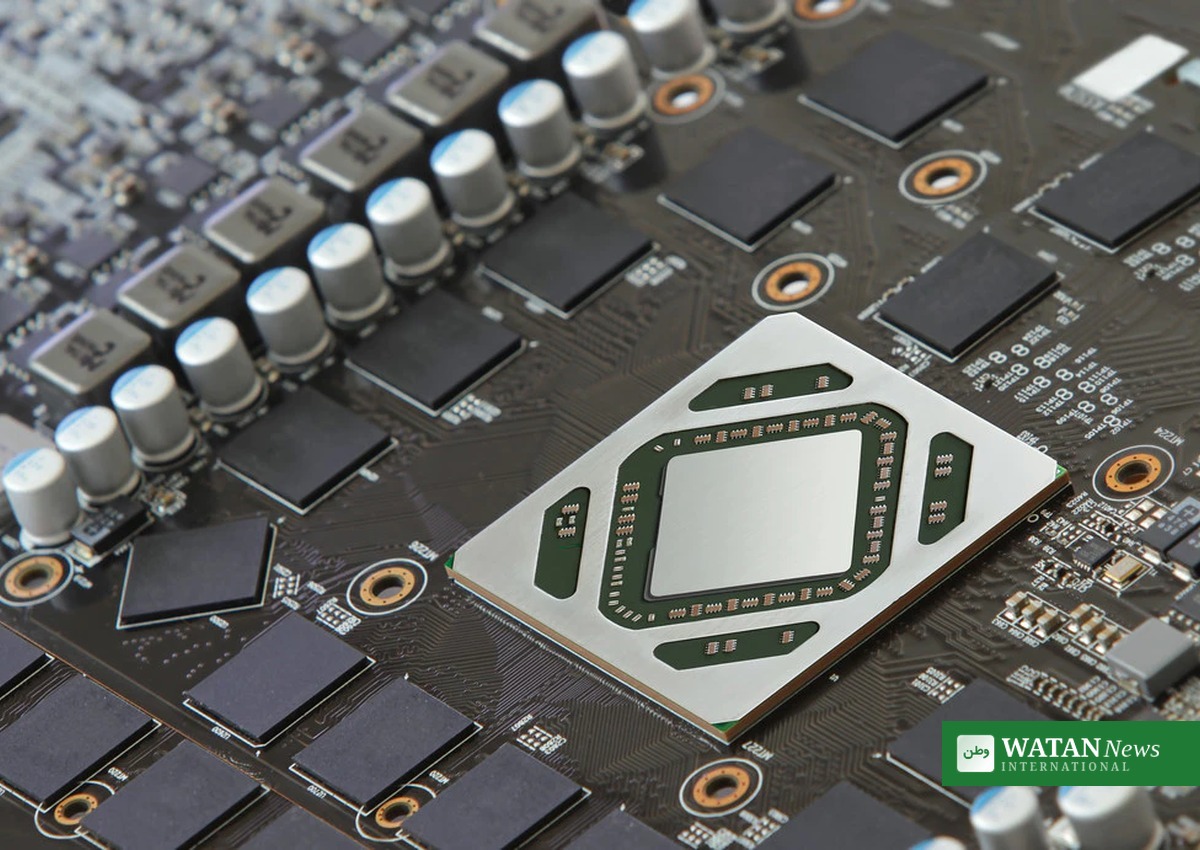
The data centre business remains the engine of Nvidia’s growth. Its revenue surged 110 per cent to $107.6 billion, and the company said its new Vera Rubin systems had started shipping, with CoreWeave, Google Cloud, Microsoft Azure, Oracle Cloud Infrastructure and Nebius among the customers already running them.
Revenue of $115.84 billion beat the $109.11 billion average analyst estimate compiled by LSEG, and it was also above Nvidia’s own forecast of $108 billion. Adjusted gross margin rose to 74.9 per cent, from 73.5 per cent a year earlier, despite soaring memory prices and production ramps.
First results without Huang
The results were the first in Nvidia’s history to be reported without Huang, who resigned as president and chief executive on 12 November. Kress, the company’s longtime chief financial officer, is serving as interim chief executive while the board searches for a permanent successor.
Interim chief executive Colette Kress told investors that “our momentum is real”. The quarter itself ended on 25 October, before Huang’s departure, so the figures describe the business he left behind rather than the leadership that follows it.
Strong guidance lifts AI stocks
For the current quarter, Nvidia forecast revenue of $130 billion, plus or minus 3 per cent. The forecast covers a 14-week quarter and assumes no data centre computing revenue from China. The company guided gross margin to 71 to 72 per cent for the quarter, below the third quarter’s adjusted 74.9 per cent.
Shares rose in premarket trading on Wednesday, 18 November, and suppliers to the AI build rose with them. The strong outlook also eased market worries about demand for AI infrastructure, a day after Wall Street had fallen sharply.
Questions that remain
The strong numbers arrive alongside uncertainty. The Wall Street Journal reported a civil investigation by the US Securities and Exchange Commission into whether Nvidia’s disclosures misled investors, a report picked up by Reuters. Nvidia also faces questions about the stricter standards Kress said it would apply to large payment guarantees extended under Huang.
| Figure | Q3 fiscal 2027 | A year earlier | Change |
|---|---|---|---|
| Total revenue | $115.8 billion | $57.0 billion | +103% |
| Data centre revenue | $107.6 billion | $51.2 billion | +110% |
| Net income (GAAP) | $65.3 billion | $31.9 billion | +105% |
Conclusion
Nvidia’s record quarter shows that demand for AI computing is still accelerating, even as the company goes through the biggest leadership change in its history. The $130 billion forecast for the current quarter suggests the growth has further to run — but investors will watch the margin guidance, the China assumption and the SEC investigation closely.