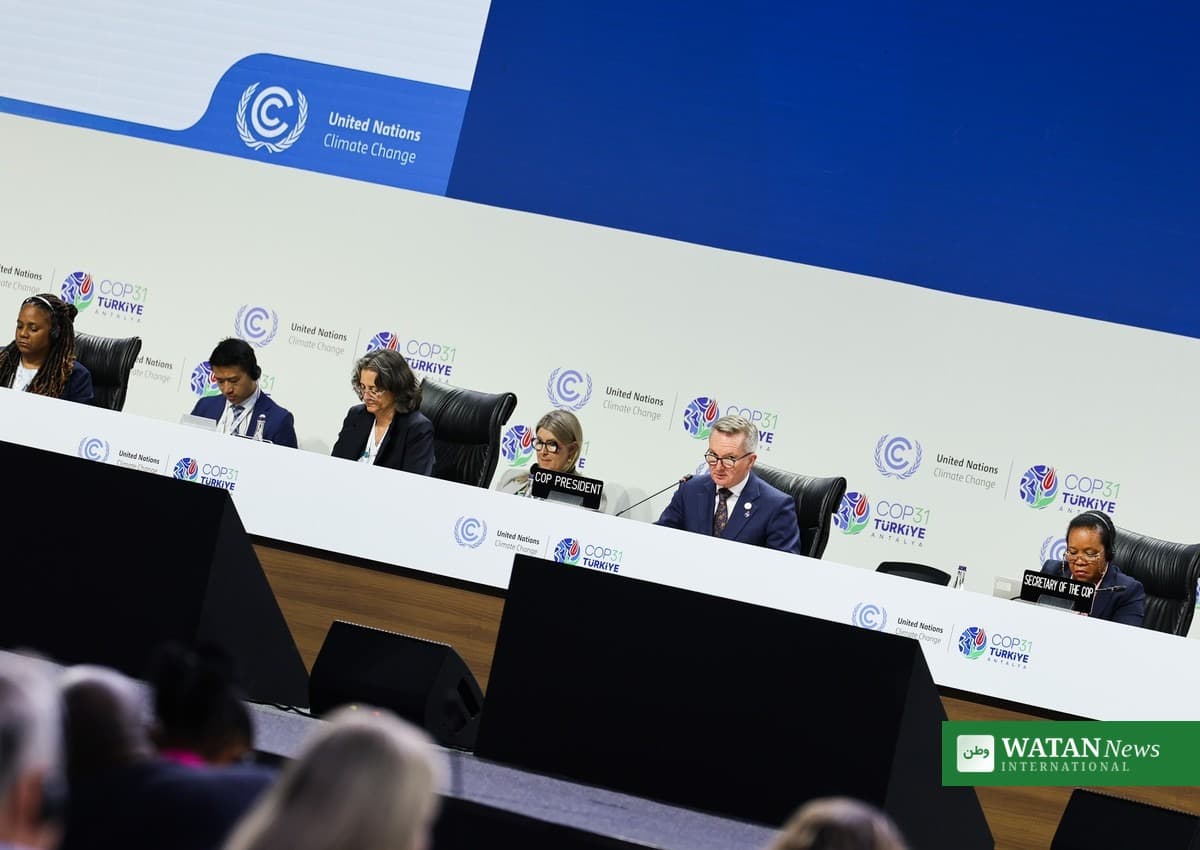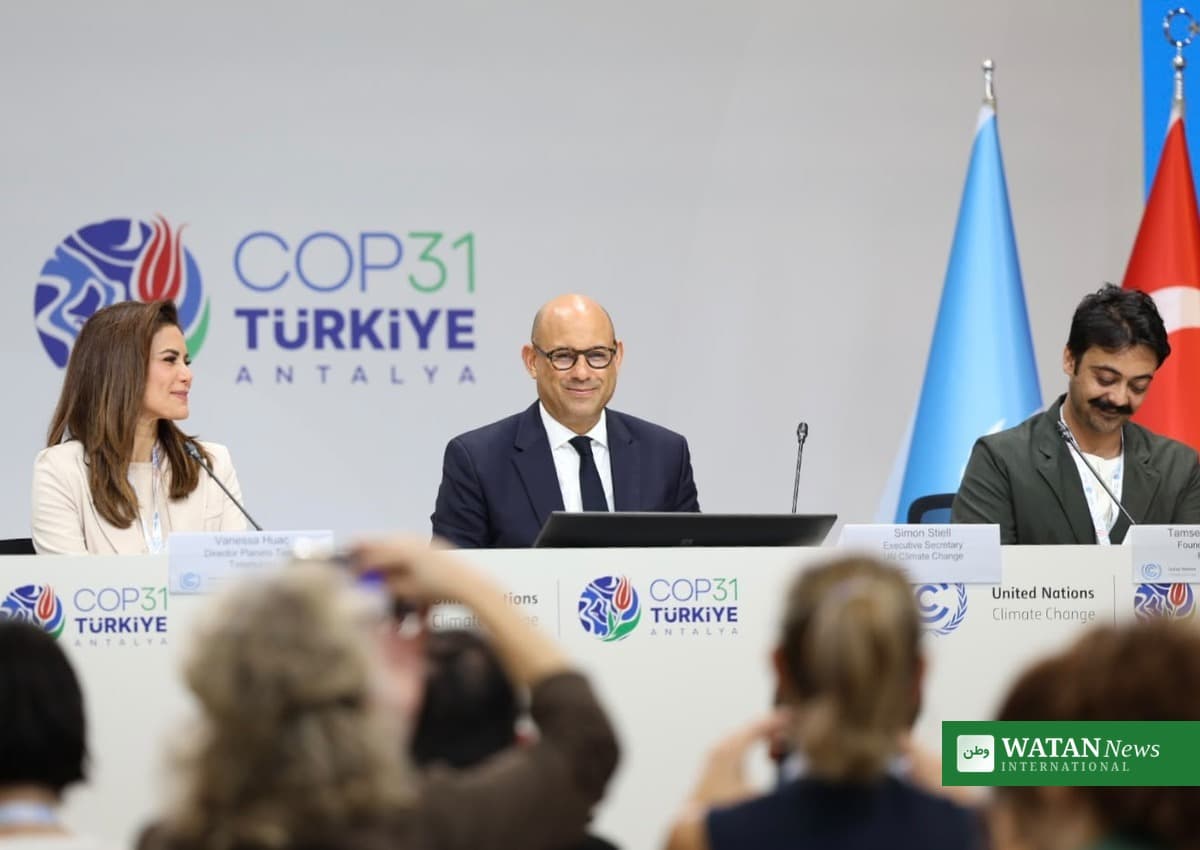
Antalya — At COP31 in Antalya, the world has taken its first coordinated step to stop artificial intelligence from muddying the climate debate. On Friday 13 November, the Global Initiative for Information Integrity on Climate Change launched Priorities for Action on AI and Climate Information Integrity — new global guidance that asks AI companies, governments, advertisers and journalists to make sure the climate information people receive from AI can be trusted.
The initiative is co-chaired by the United Nations, its scientific agency UNESCO and Brazil. It speaks directly to a problem every newsroom now faces: more and more people are turning to AI chatbots and search tools for answers about climate change, yet the answers those systems give are not always reliable.
What the new priorities demand
The guidance is built around two questions: can people trust the climate information that AI produces, and can they trust what they are told about AI’s own environmental cost?
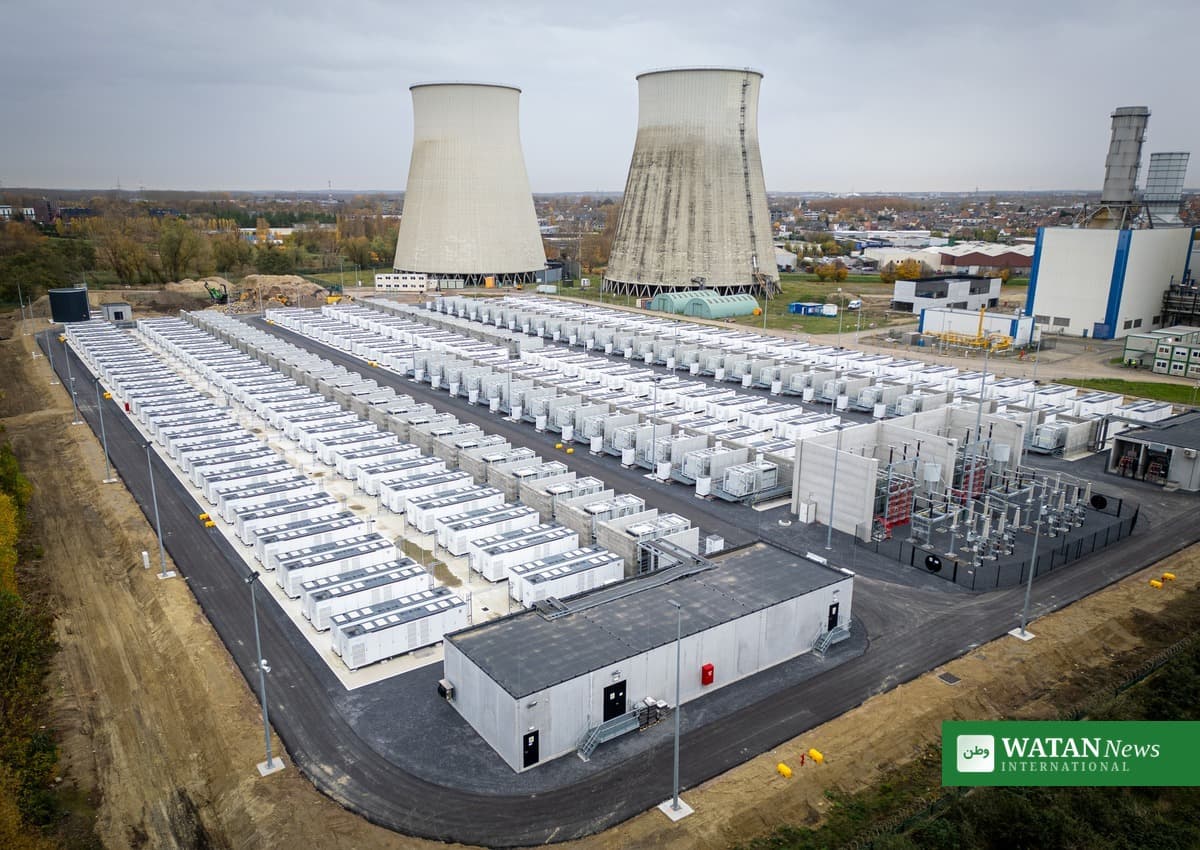
AI companies are asked to assess how their systems affect the integrity of climate information, publish what they find, and disclose their energy use and their carbon, water and land footprints. Governments are urged to write information integrity into national AI strategies and climate plans.
“The question isn’t simply whether AI is good or bad for the climate. It’s whether people can rely on what they’re told by AI and about it,” said Charlotte Scaddan, Information Integrity Senior Advisor with the UN Department of Global Communications.
The warning behind the guidance is stark. The UN’s Independent International Scientific Panel on AI has warned that “producing fluent text is easier than producing factual text”. During climate disasters, the UN notes, AI-generated images and videos can spread faster than official warnings, while the public is asked to accept claims about AI’s own climate impact without the data to judge them.
The priorities are guidance, not regulation. They are grounded in human rights and build on the Belém Declaration on Information Integrity on Climate Change, agreed at COP30 in Brazil in November 2025, and the UN Global Principles for Information Integrity.

A charter takes on advertising
On the same day, the Conscious Advertising Network and Climate Action Against Disinformation launched the Charter for Climate Information Integrity in Advertising, with support from the Global Initiative.
The charter targets the “monetization of disinformation and denial”, said Jake Dubbins, co-founder of the Conscious Advertising Network. Its four measures call for transparency across the advertising supply chain so brands can see where their money goes, mandatory verification of advertisers on digital platforms, measures against greenwashing, and public disclosure of business relationships between advertising industry players and fossil fuel companies.
Money and momentum behind the initiative
Germany committed €2 million — more than $2.2 million, according to UN News — to the Global Fund for Information Integrity on Climate Change, administered by UNESCO, to fund research, communication strategies and public awareness campaigns.
According to UN News, 29 countries and the European Union have signed the Belém Declaration and begun putting its provisions into practice. The declaration remains open to further endorsements. Information integrity entered a COP outcome decision for the first time at COP30, and the initiative itself was launched at the G20 summit in November 2024.
Why it matters for journalism
The stakes for newsrooms are visible in the numbers. The Media and Climate Change Observatory at the University of Colorado Boulder, which tracks 131 newspaper, radio and television sources in 59 countries, found global media coverage of climate change fell 14 percent in 2025 compared with 2024 — and stood 38 percent below its 2021 peak. In the first eight months of 2026, the decline continued, with coverage down 25 percent on the same period in 2025.
A Climate Action Against Disinformation survey, cited by the London School of Economics, found that while more than 80 percent of people in Britain believe in human-caused climate change, 60 percent believed at least one false claim about the cause of the 2025 Iberian blackout.
At COP31 itself, 3,645 journalists are registered to cover the talks — the second-biggest press corps in COP history. The disinformation warning has also been raised inside the summit, with London Mayor Sadiq Khan warning about disinformation at COP31.
What happens next
COP31 is carrying the work forward in a Global Climate Action Agenda session, “Information Integrity on Climate Change: From Words to Action”, which will showcase national announcements under the Belém Declaration, three products developed by partners in 2026 on research, policy and legal frameworks, and local-level experience in promoting information integrity.
COP31 runs until Friday 20 November. The test of the new priorities will be whether AI companies publish their assessments, whether governments write the guidance into national plans — and whether the information reaching the public gets more reliable as a result.
Key facts
- Launched: Friday 13 November 2026, at COP31 in Antalya, Türkiye
- Issued by: the Global Initiative for Information Integrity on Climate Change, co-chaired by the United Nations, UNESCO and Brazil
- Asked of AI companies: assess and publish how their systems affect climate information integrity, and disclose energy use and carbon, water and land footprints
- Advertising charter: launched the same day by the Conscious Advertising Network and Climate Action Against Disinformation
- Funding: Germany committed €2 million to the UNESCO-administered Global Fund for Information Integrity on Climate Change
- Signatories: 29 countries and the European Union have signed the Belém Declaration, according to UN News