Antalya, Türkiye — Carbon credit markets moved to the centre of climate action at COP31 on Tuesday, as ministers from around the world gathered for a closed-door roundtable and three more countries signed the Antalya Statement, taking its supporters to 17. Colombia and the Philippines also joined the Coalition to Grow Carbon Markets, lifting its membership to 18 countries.
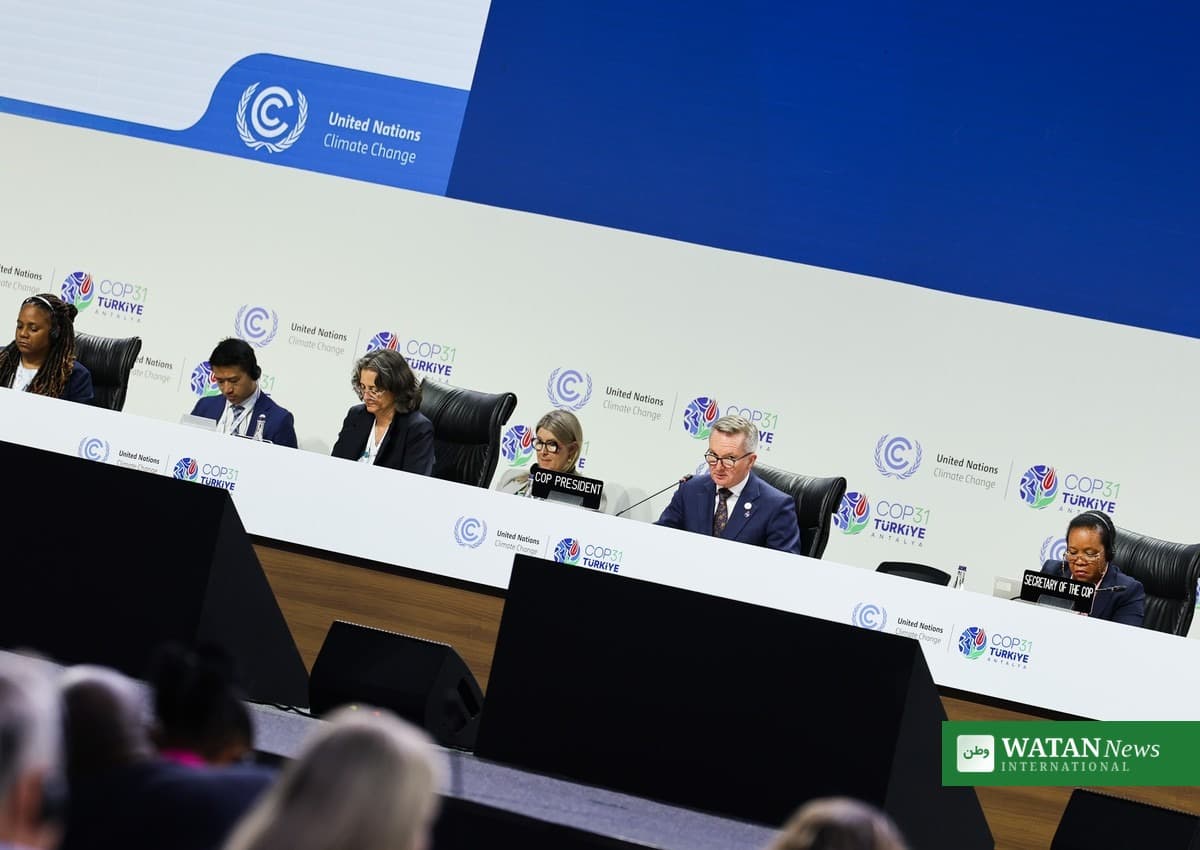
The ministerial roundtable, hosted by the Coalition to Grow Carbon Markets with the support of the Türkiye COP31 Presidency, brought ministers together as the second and final week of the talks got under way in Antalya. The meeting focused on the policies governments need to build confidence in carbon markets and unlock private finance for climate action.
UN Climate Change Executive Secretary Simon Stiell told the roundtable that the world is in a race against time. “We are in a race against time to keep overshoot of the 1.5C limit as small and as short as possible,” he said. “High-integrity carbon markets can play a critical role and so can this Coalition.”
Ministers gather as the second week begins
The roundtable opened with remarks from Stiell, Singapore’s Minister for Sustainability and the Environment Grace Fu, and Orhan Solak, Deputy Director of Türkiye’s Directorate of Climate Change. Ministers shared national policy announcements and actions, and looked for opportunities for collective action on carbon markets.
Grace Fu, presenting the Antalya Statement and a new Policy Playbook, said the statement was a key outcome of the summit. “The Antalya Statement is a key outcome of COP31. It shows a clear signal of collective political support for high-integrity carbon credit markets, and for governments taking action to unlock private finance,” she said.
“It shows growing international consensus on the role carbon credits can play in delivering private sector finance for climate action.”
What the Antalya Statement promises
The Antalya Statement was first issued on 12 November, on Finance and Trade Day at COP31, when 14 countries signed a joint declaration to turn carbon credit markets into a major source of private climate finance. Analysis cited by the organisers suggested that supportive government policy could quadruple the market to US$21 billion by 2035. Read our earlier report on the Antalya Statement.
In the statement, the signatories said carbon credit markets “play an important role in directing capital to climate action and climate-positive growth,” adding that “what matters now is implementation.”
On Tuesday, Colombia, Ghana and Peru added their signatures, bringing the number of supporters to 17. The statement was released alongside a new Policy Playbook to help governments design national policies for carbon markets, and a compendium of policy action taken by countries since COP30.
New members join the coalition
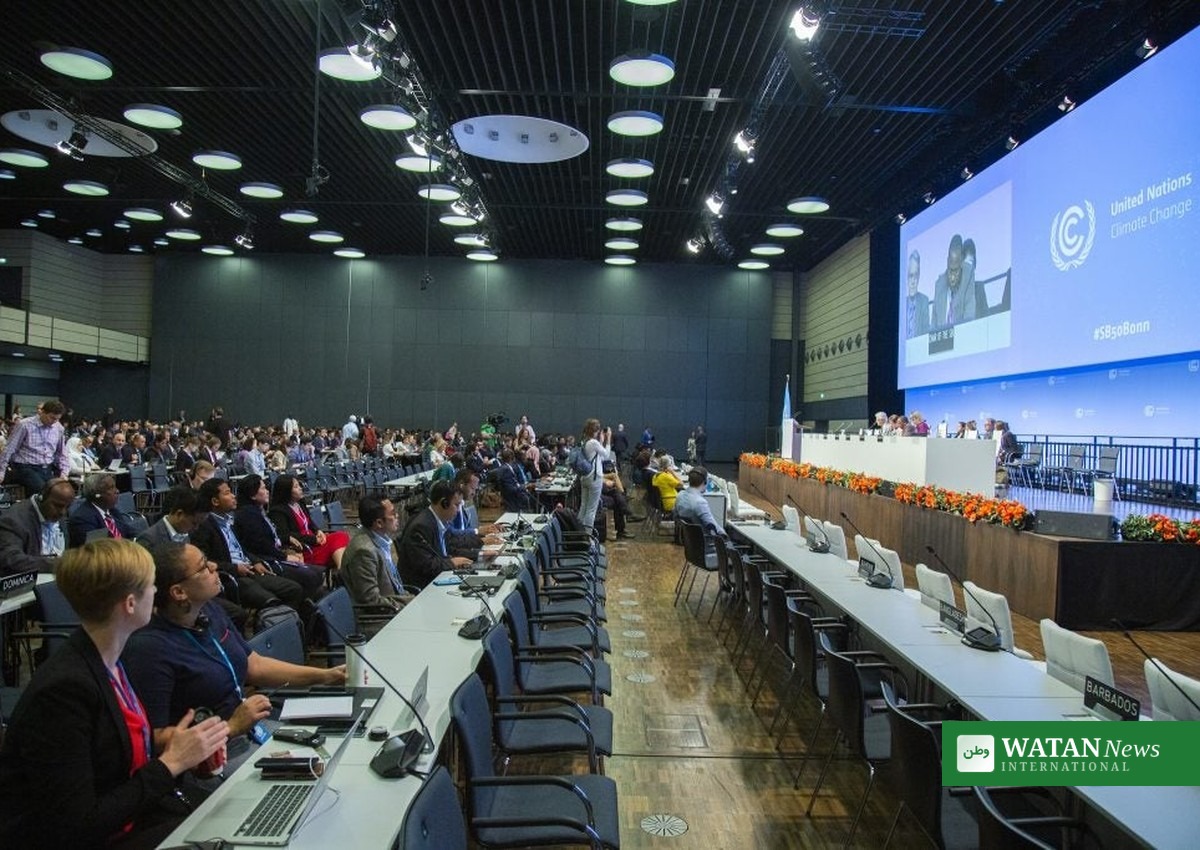
Colombia, Egypt, Ireland and the Philippines became the latest members to join the Coalition to Grow Carbon Markets, taking total membership to 18 — more than triple the membership when the coalition launched in June 2025.
The Philippines said joining the coalition was part of its commitment to mobilising greater climate finance. Juan Miguel T. Cuna, Secretary of the country’s Department of Environment and Natural Resources, said the Philippines is implementing Executive Order No. 127 and developing a national carbon market framework.
“Private investment must complement public finance to accelerate climate action and sustainable development,” Cuna said. “Government leadership is essential to provide the policy certainty, transparency, and integrity that give corporate buyers the confidence to invest in credible climate solutions.”
Three groups of corporate buyers of high-integrity carbon credits also welcomed the Policy Playbook on Tuesday. The Action for a Resilient Climate (ARC) Coalition, Emergent — coordinator of the LEAF Coalition — and the Kinetic Coalition issued a joint statement calling on governments to take decisive action to put the playbook’s policy measures into practice.
Policy action on the ground
The compendium published alongside the statement and the playbook shows how governments are already putting carbon market policies in place:
United Kingdom
The UK will publish market guidance for UK organisations in spring 2027, following recognition of the Paris Agreement Crediting Mechanism and the Integrity Council for the Voluntary Carbon Market’s Core Carbon Principles as key global integrity benchmarks.
France
France has expanded its national certification scheme, the Label Bas Carbone, to include a new method for restoring degraded peatlands, and is renovating its registry.
Canada and Zambia
Canada became a founding member of the Advance Carbon Removal Coalition to support high-integrity Canadian carbon removal credits. Zambia introduced a new set of Carbon Market Regulations based on its Green Economy and Climate Change Act of 2024, giving actors in its carbon market a clear legal framework.
Why carbon markets matter — and why integrity comes first
Mobilising private finance at scale remains essential to delivering global climate goals and closing the $1.3 trillion finance gap. High-integrity carbon credit markets can direct additional private finance towards climate action, complementing public finance and supporting countries’ climate and sustainable development priorities.
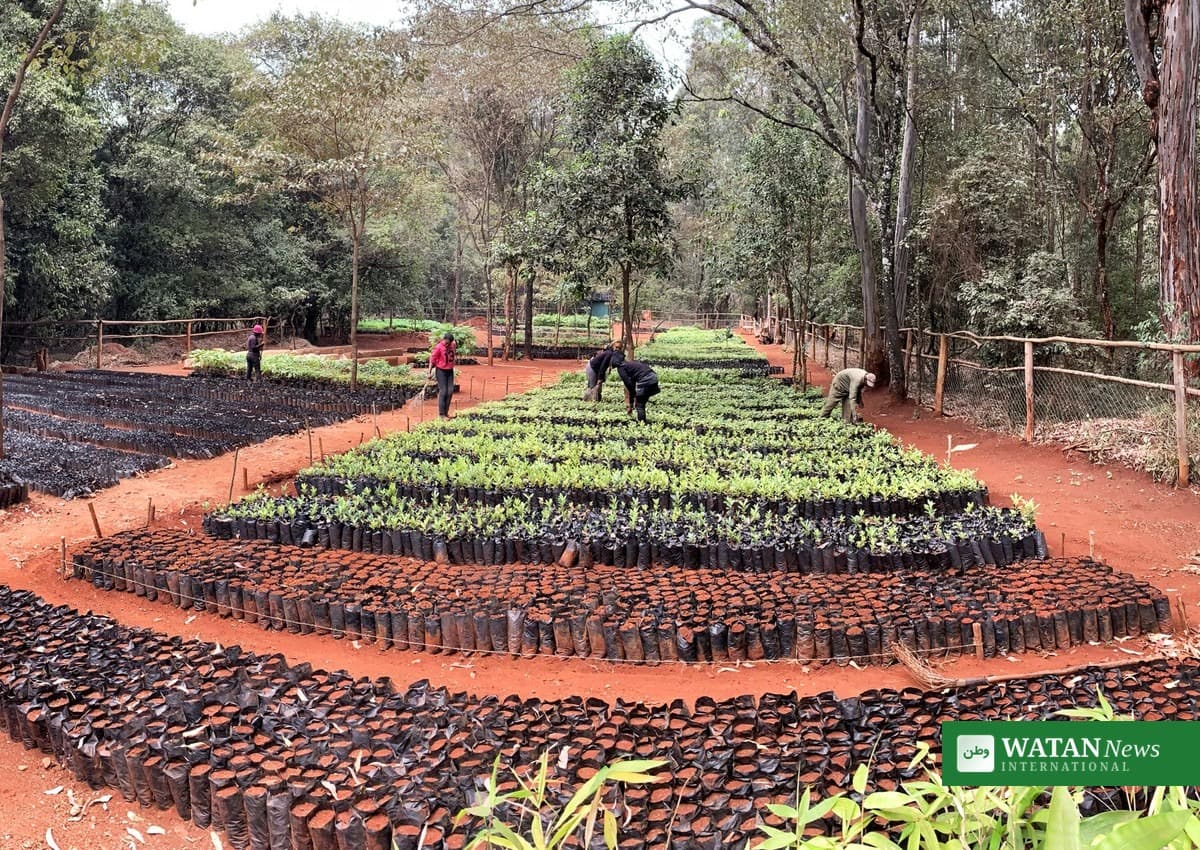
Carbon credits work by paying for projects that reduce or remove greenhouse gas emissions — for example, protecting forests, restoring peatlands or capturing carbon — and letting buyers use the resulting credits towards their climate goals. Under Article 6 of the Paris Agreement, countries can also cooperate through carbon trading, with rules designed to avoid double counting of the same emission reduction.
But the system only works if credits are real. That is why the coalition and the Antalya Statement stress “high-integrity” markets: credits must represent genuine, additional and permanent emission reductions, verified against recognised standards such as the Paris Agreement Crediting Mechanism and the Core Carbon Principles. Without that trust, buyers will not invest and the finance will not flow.
Ministers at the roundtable were clear that carbon markets are a complement to cutting emissions, not a substitute for it. The goal, as Stiell put it, is to keep the overshoot of the 1.5°C limit as small and as short as possible — and private finance, channelled through credible markets, is one of the tools to do it.
What happens next
“COP31 has marked a decisive turning point for carbon credit markets, highlighting that we now have both the political will and the practical guidance needed to put in place the policies that can mobilise private capital for climate action,” said Lindy Fursman, Executive Director of the Coalition to Grow Carbon Markets secretariat.
With the talks due to close on Friday, 20 November, attention now turns to whether the progress on carbon markets carries into the final agreement. Negotiators are still divided over the draft cover decision — including its call for an accelerated move away from fossil fuels and a tripling of adaptation finance to $120 billion a year by 2035. Read our report on the COP31 draft deal.
For the coalition, the test will be implementation: whether governments turn the Policy Playbook into national law and regulation, and whether corporate buyers follow through with demand for high-integrity credits.
Key facts
- What happened: A ministerial roundtable on carbon credit markets was held at COP31 in Antalya on 17 November 2026, hosted by the Coalition to Grow Carbon Markets with the support of the Türkiye COP31 Presidency.
- New signatories: Colombia, Ghana and Peru signed the Antalya Statement, taking its supporters to 17 countries.
- Coalition growth: Colombia, Egypt, Ireland and the Philippines joined the coalition, taking membership to 18 — more than triple its membership at launch in June 2025.
- New tools: A Policy Playbook for national carbon market policy and a compendium of policy action since COP30 were published alongside the statement.
- Market potential: Analysis cited by the organisers suggests supportive policy could quadruple the carbon credit market to US$21 billion by 2035.
- Finance gap: Closing the $1.3 trillion climate finance gap requires private finance at scale, alongside public finance.