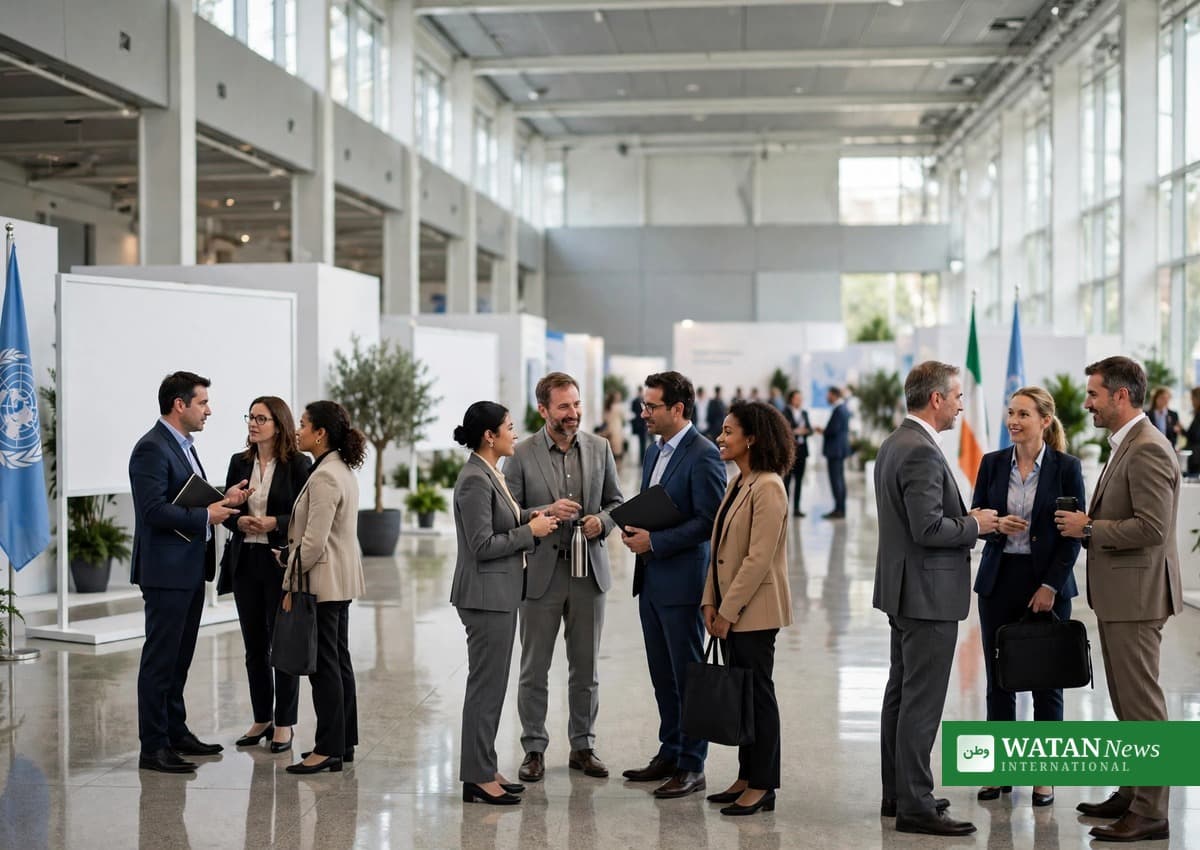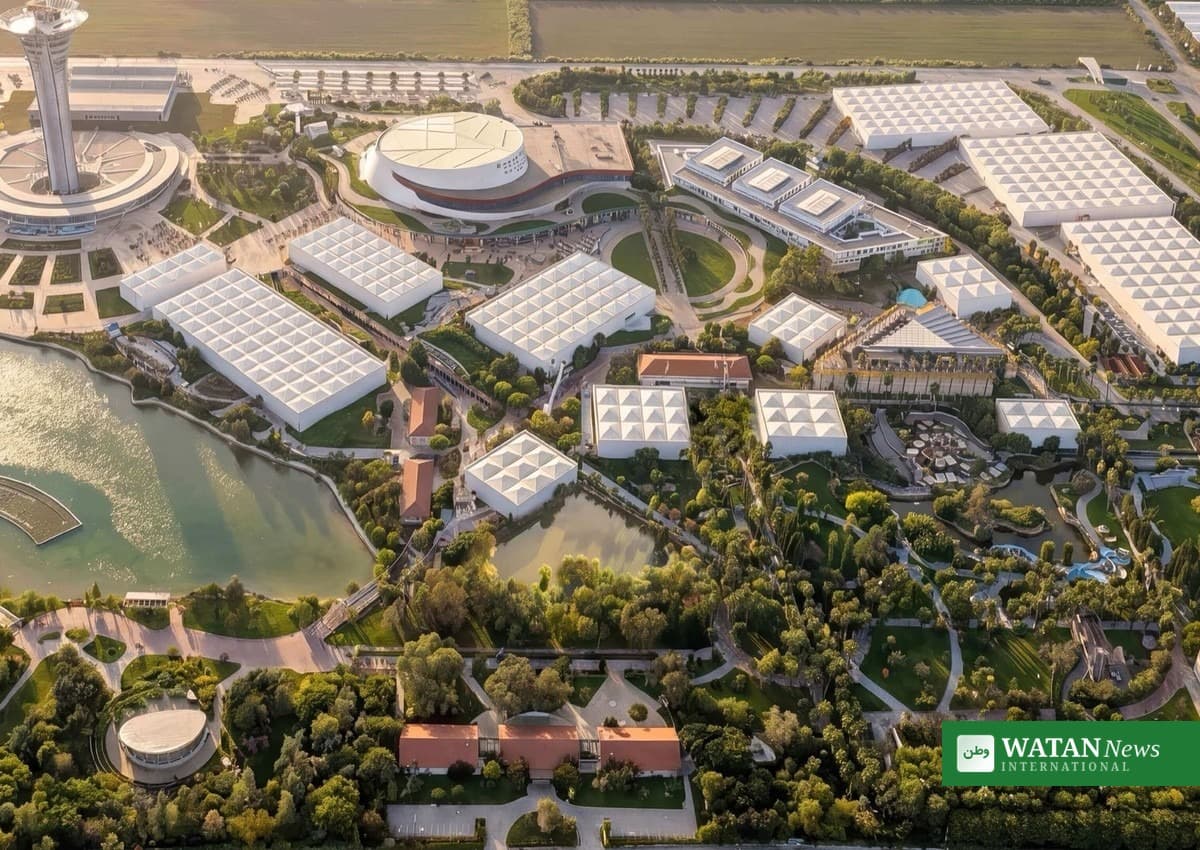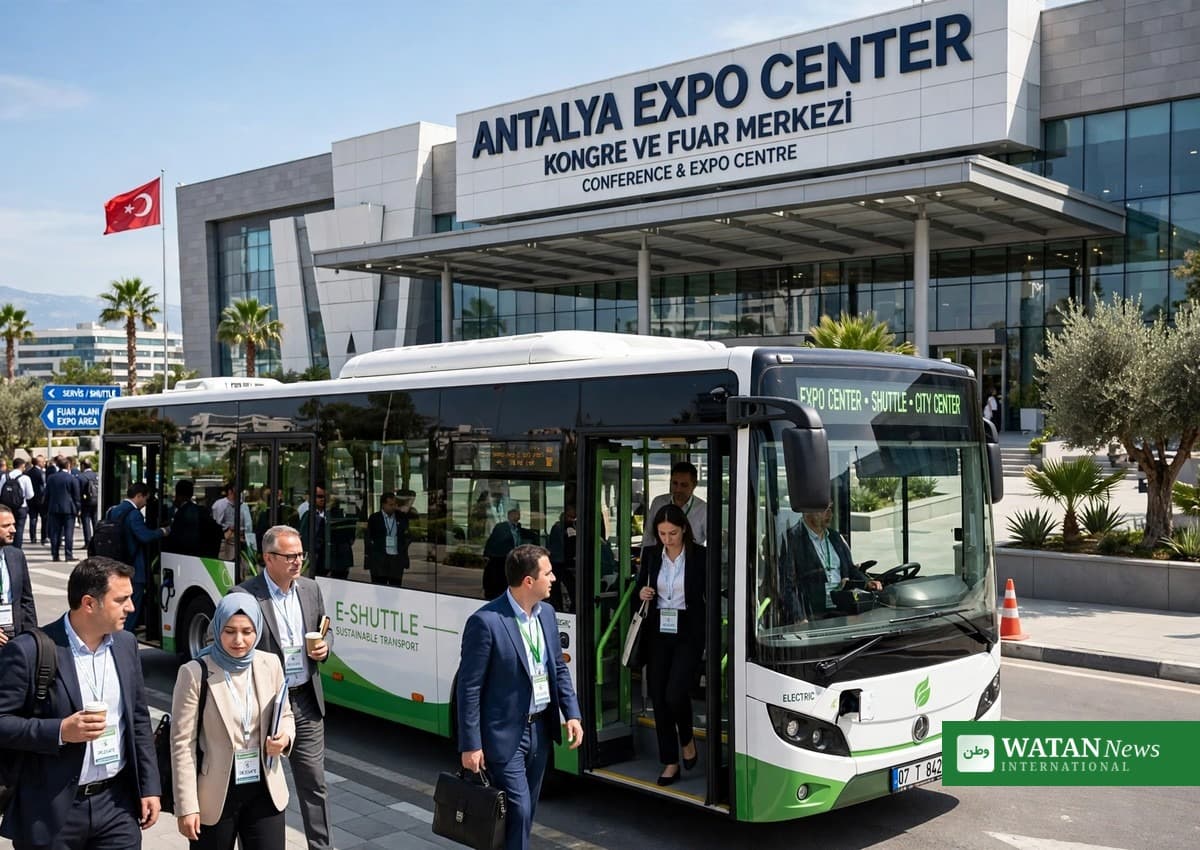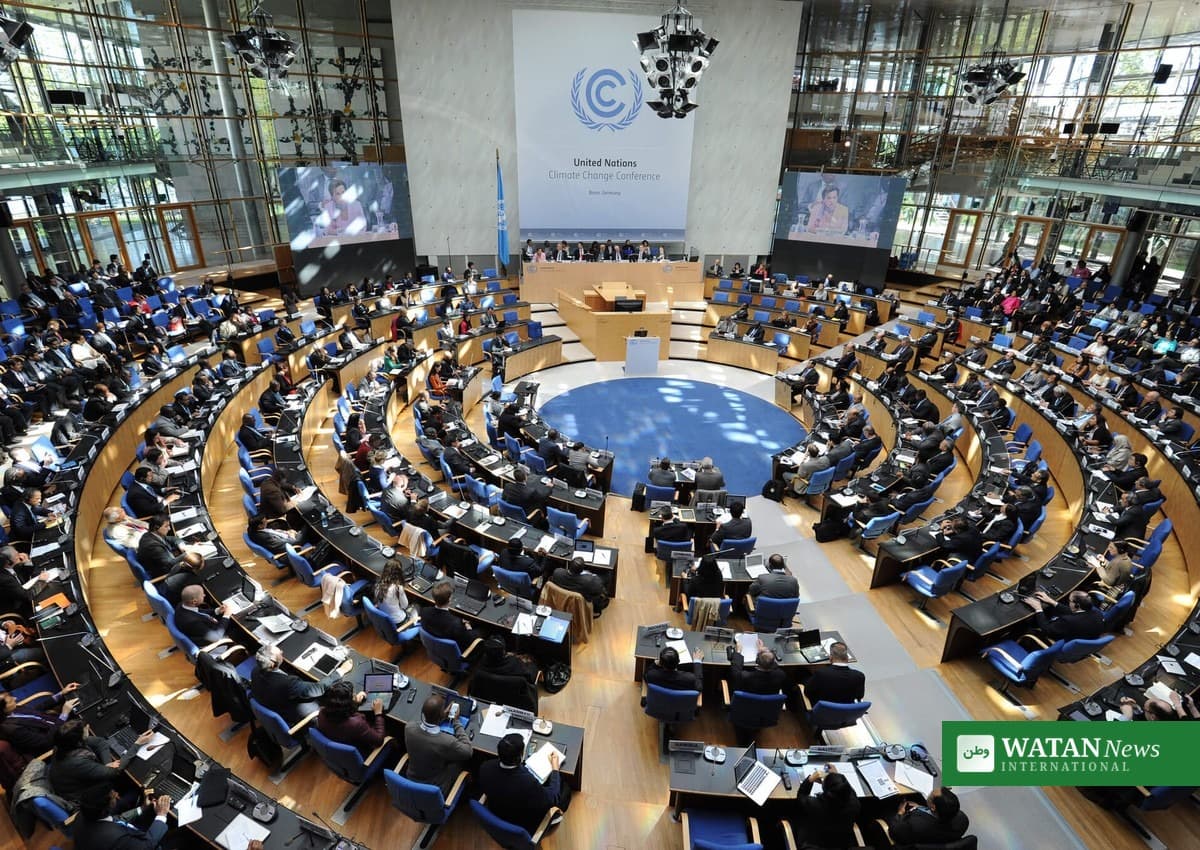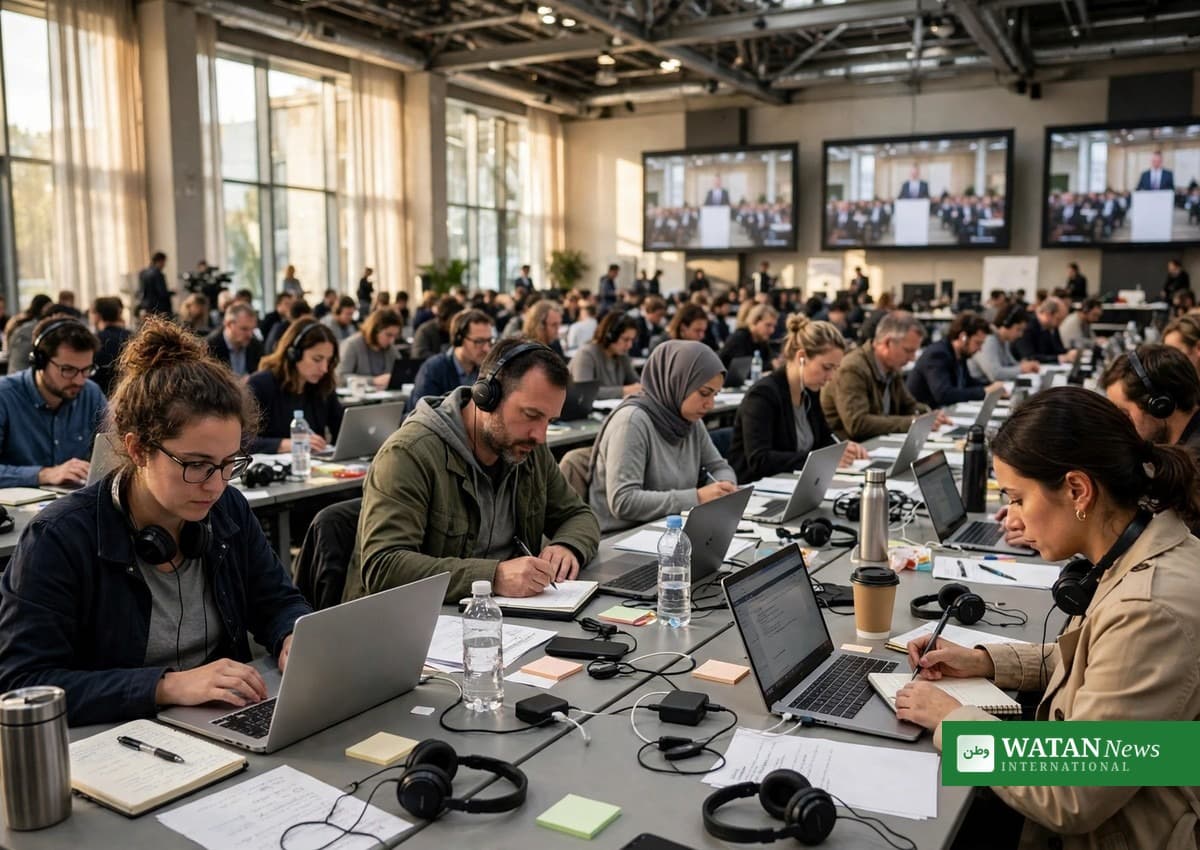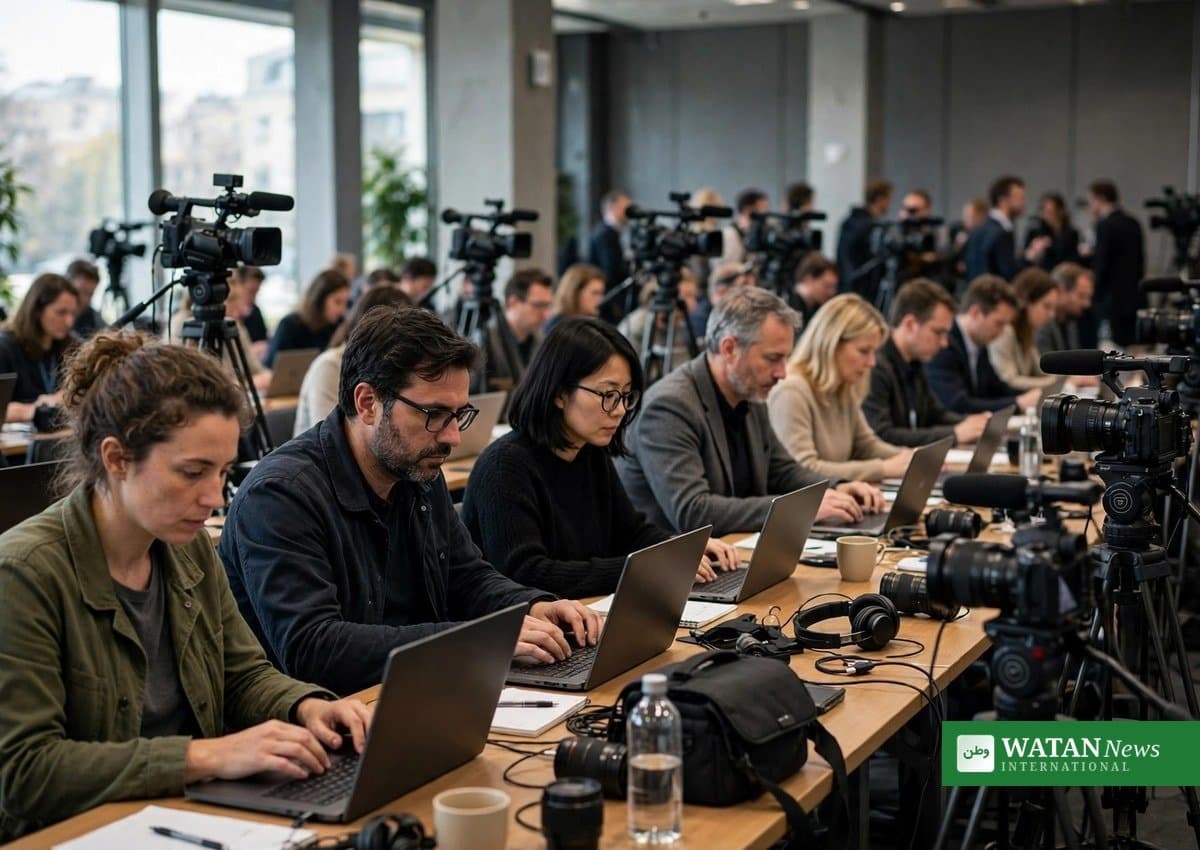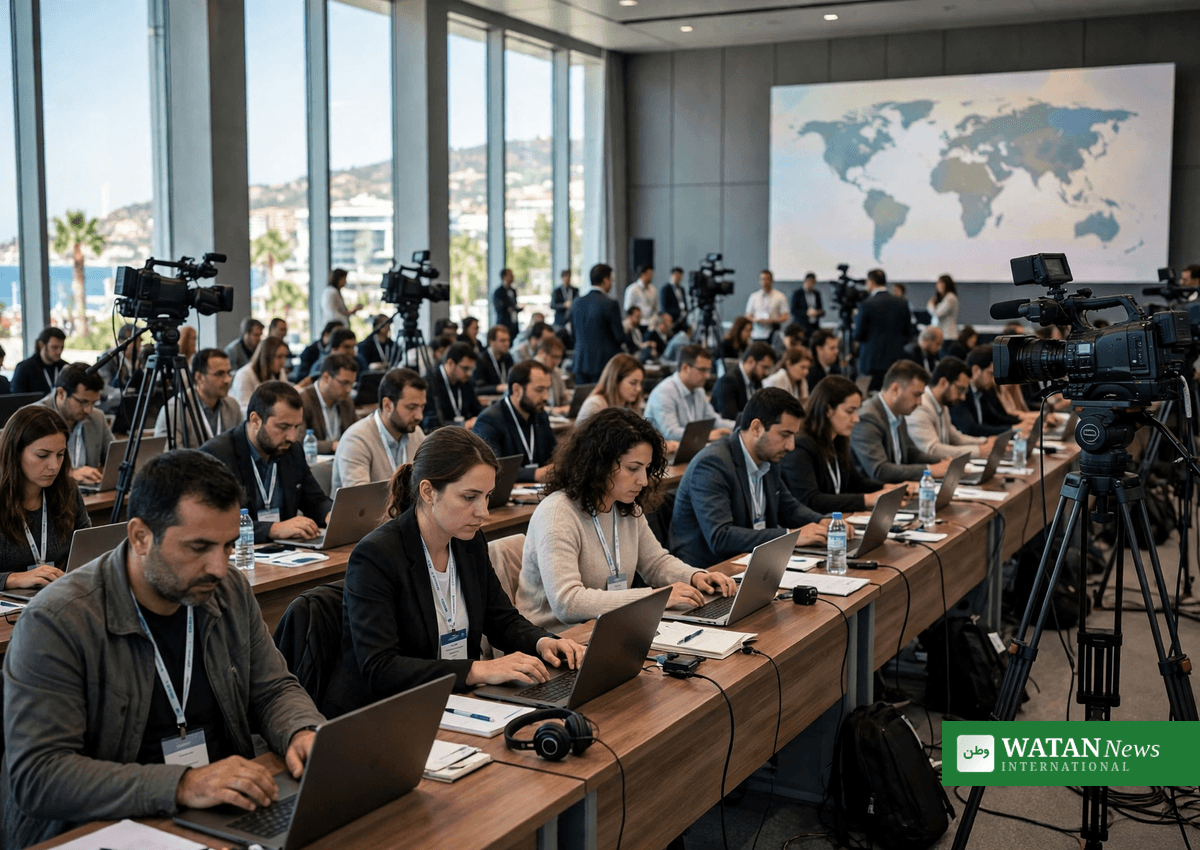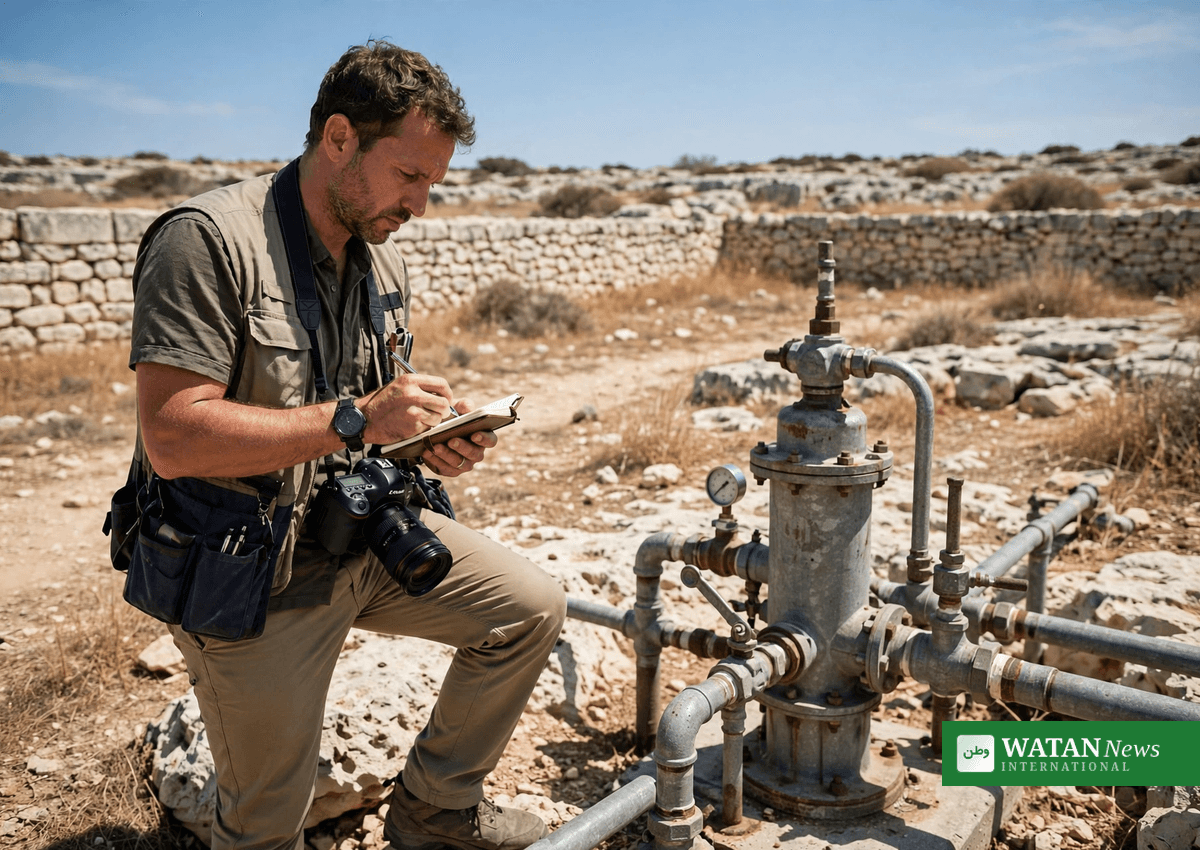
Antalya, Türkiye — While negotiators debate the future of the planet behind closed doors at COP31, a second operation is running around the clock inside the same venue: a media centre built for 4,000 journalists, turning talks and press conferences into news for audiences in every time zone.
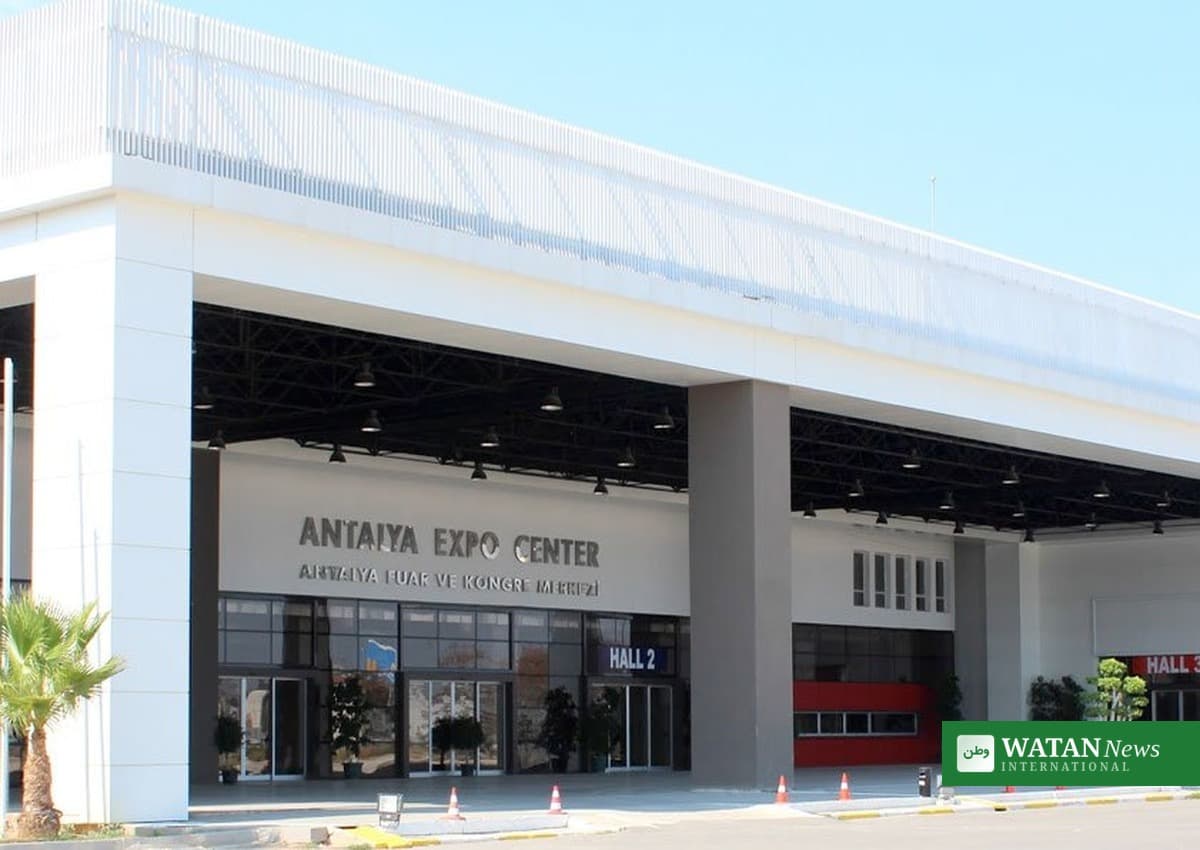
The United Nations climate summit opened on Monday, 9 November 2026, at the Antalya Expo Center and runs until 20 November. From the first morning, the COP31 media centre has been the engine room of the conference’s public story — 300 workspaces, two press conference rooms and live feeds carrying the negotiations to broadcasters free of charge.
A newsroom built for 4,000 journalists
COP31 President Murat Kurum said before the summit that the media centre was built to serve 4,000 national and international press members, and that about 3,000 media representatives had already completed their accreditation. More than 300 press conferences are expected during the two weeks, carried from 40 live broadcast points.
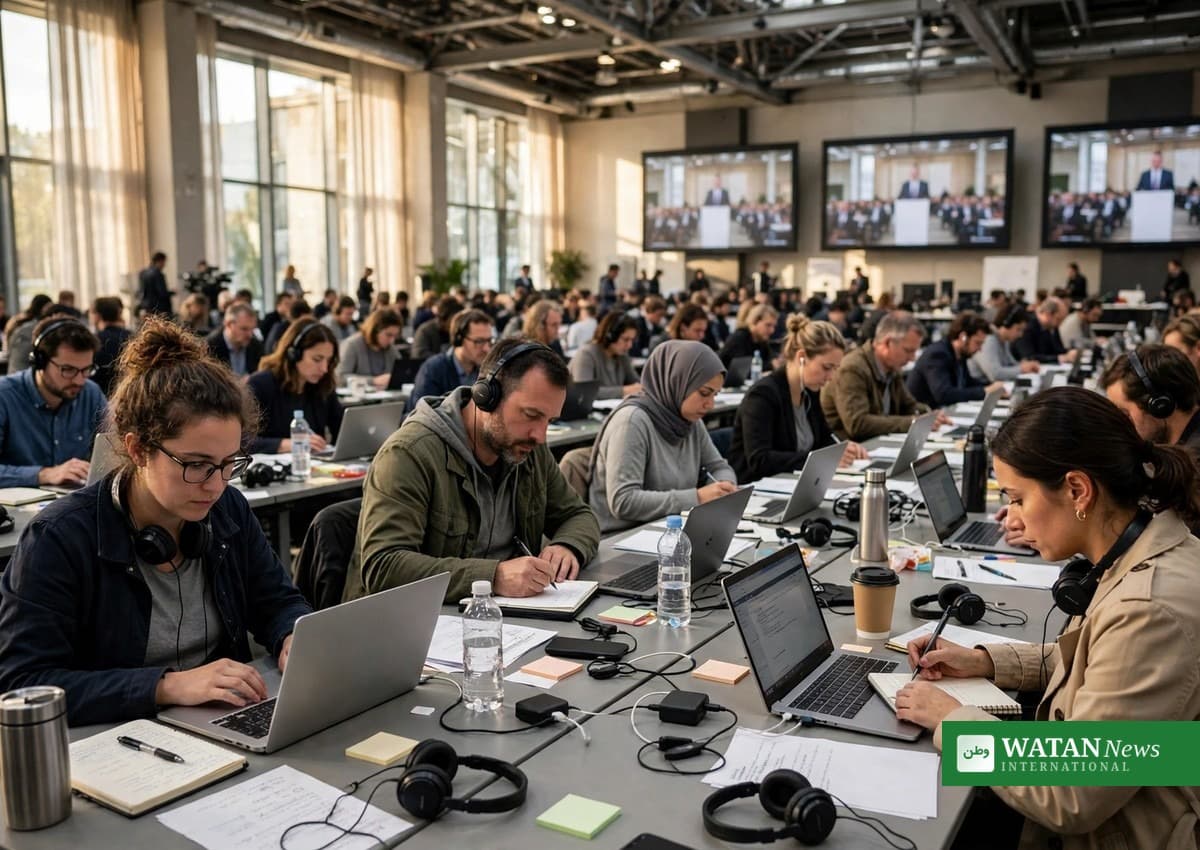
The United Nations climate body’s own planning document for the conference describes an open press working area of about 300 workspaces, with power, lighting, internet access, television monitors, a help desk and storage. Television and radio workstations, enclosed cubicles, stand-up positions, studios and quiet rooms complete the facilities. Only media accredited by the UN climate body may enter, and the accreditation deadline was extended to 15 October 2026.
Open around the clock
According to a report from the opening day, the media centre never really closes: it is open 24 hours a day, with reduced services overnight. Journalists who want to work inside the venue between 21:00 and 06:00 must notify the International Broadcast Centre by 18:00 so security teams can manage overnight access.
The centre provides 300 workspaces, all with wired internet, and 40 desks equipped with laptops. The International Broadcast Centre also holds television and radio cubicles, press agency workspaces, monitors and access to official broadcast feeds.
Two separate press conference rooms divide the media programme. The Mevlana room is used by UN officials, national delegations and intergovernmental organisations, while the Yunus Emre room serves non-governmental organisations. Live broadcast feeds from the main plenary rooms, the press conference rooms and selected event spaces are provided to broadcasters free of charge.
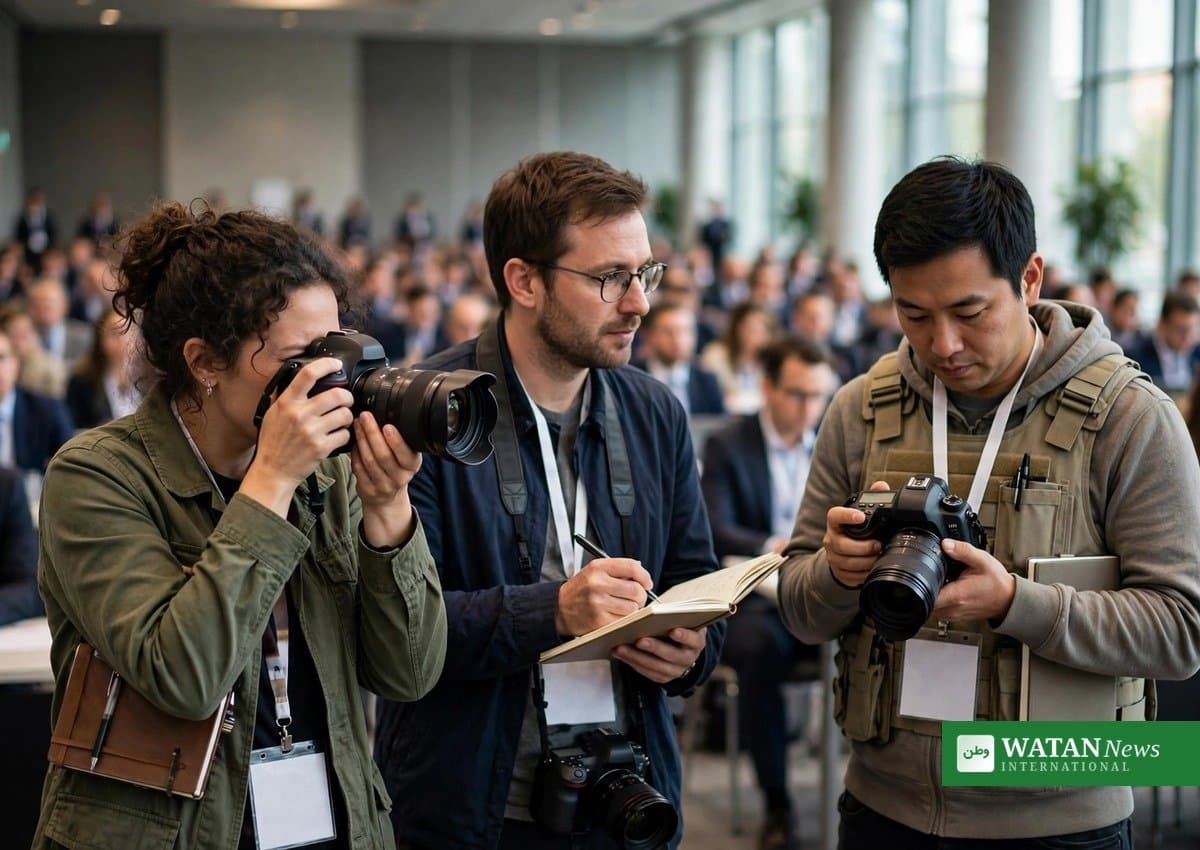
Access to the biggest moments is tightly managed. Media access to major plenary sessions, the Antalya Leaders’ Summit and other restricted events is handled through official pools because of security and room capacity, and broadcast crews and photographers need escorts to enter plenary halls. The Green Zone, normally open to the public, will close to visitors during the Leaders’ Summit on 11 and 12 November, when 85 leaders are expected to attend.
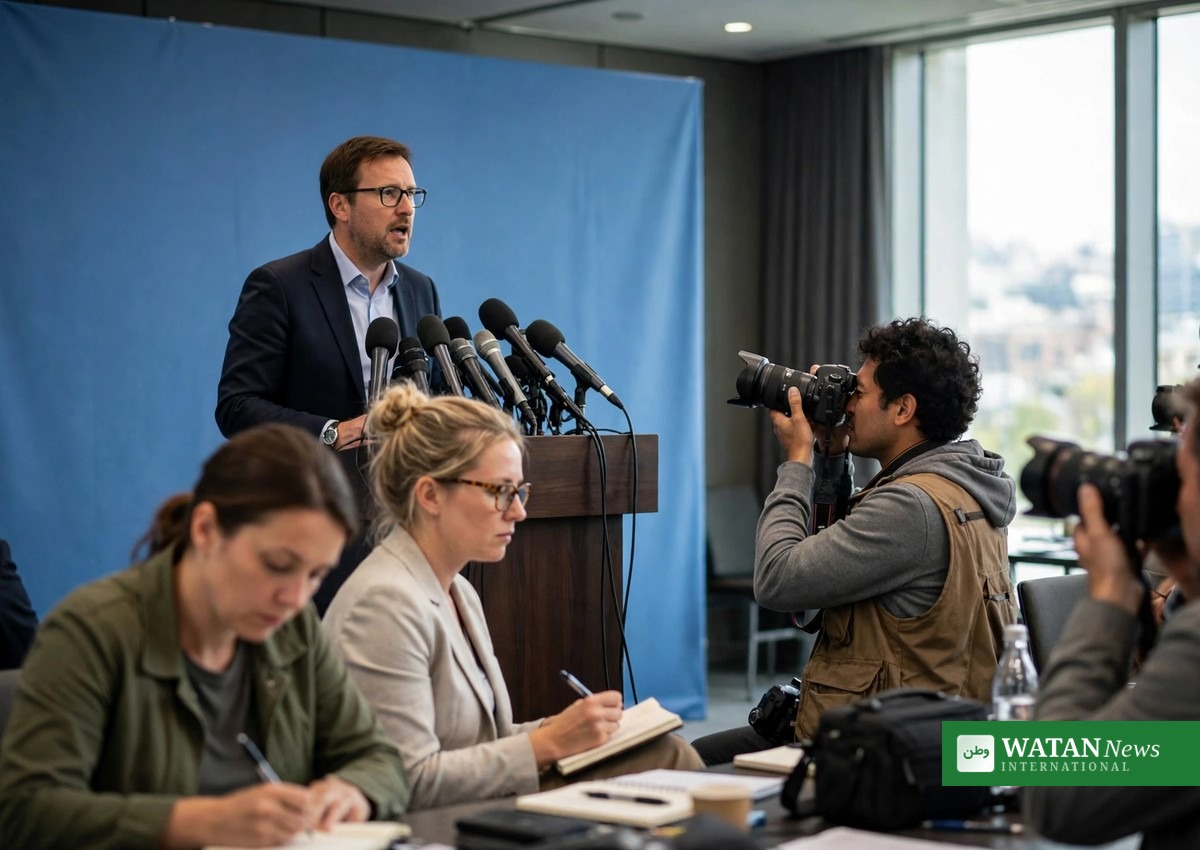
Day one at the press desks
The first day showed how busy the schedule will be. Press conferences on 9 November included climate reparations in the morning, the Global Campaign to Demand Climate Justice, the Climate Action Network, the World Meteorological Organization’s State of the Global Climate 2026 update at 13:00, Pacific COP31 envoys setting out their expectations for Antalya, and the High Ambition Coalition in the evening.
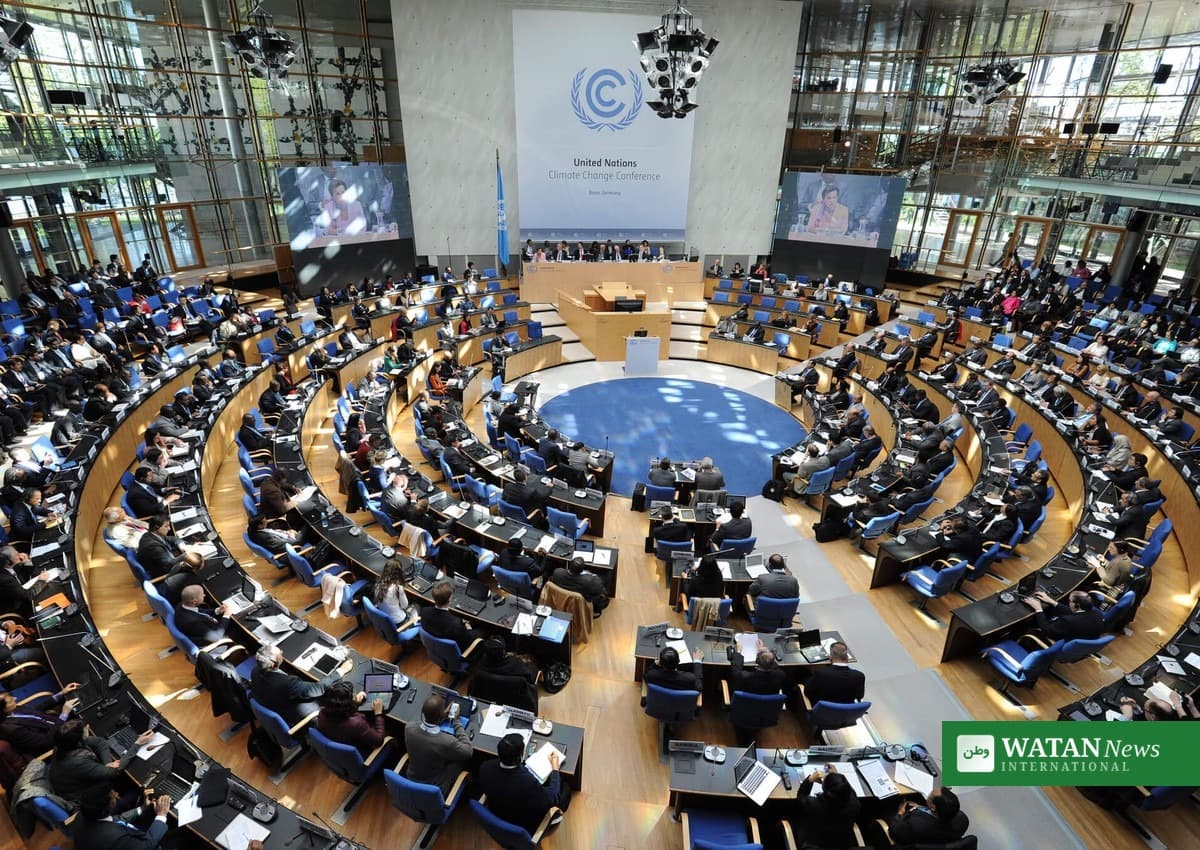
COP31 opened in Antalya on 9 November with the formal opening plenary in the Anadolu hall, where even accreditation alone was not enough to enter — seats required an additional ticket, and delegates who could not enter followed the proceedings from an overflow room or the official webcast.
Who is telling the story
The world’s biggest news agencies have sent large teams. Agence France-Presse has 17 journalists in Antalya, according to Covering Climate Now, the journalism collaboration that published a reporting guide for the summit.
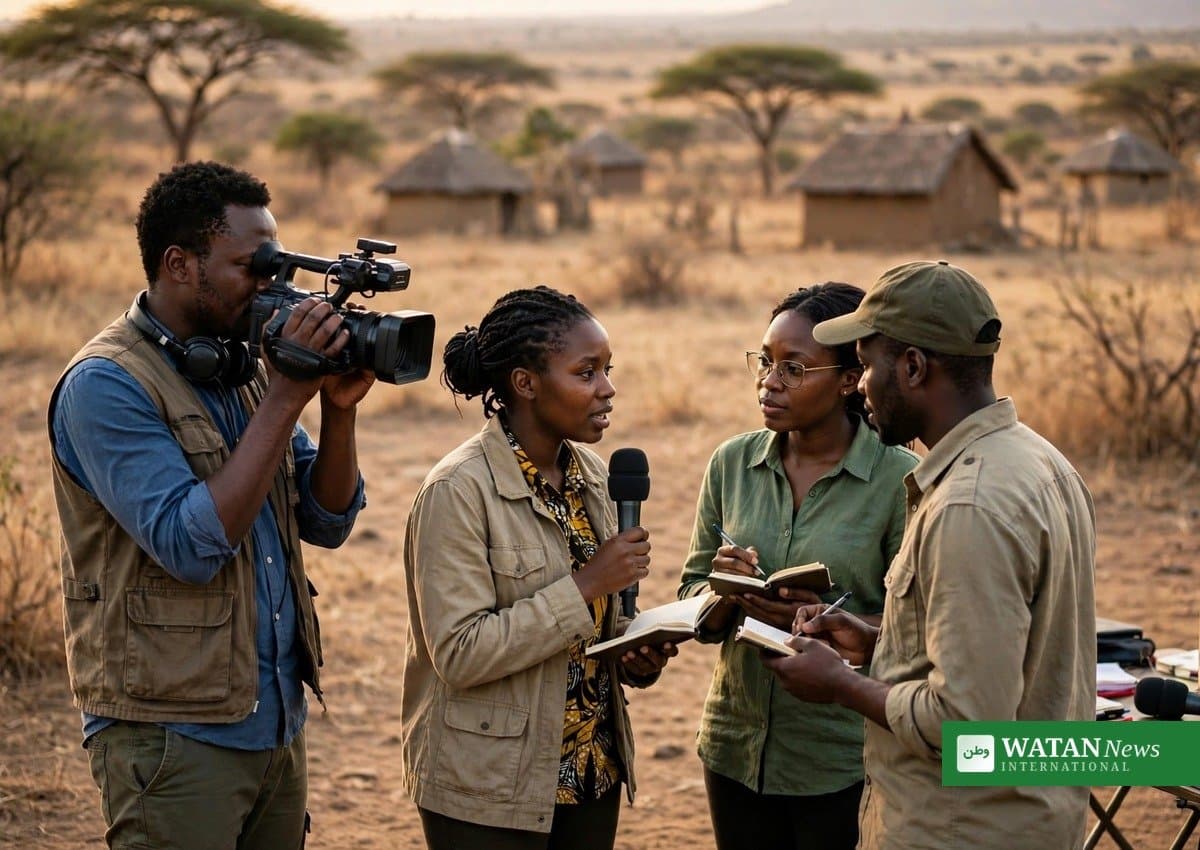
Pacific voices are also being carried home: 15 Pacific journalists are reporting COP31 for audiences across the islands. Four Pacific media professionals — from Papua New Guinea’s EM TV and National Broadcasting Corporation, the Solomon Islands Broadcasting Corporation and the Fijian Broadcasting Corporation — prepared by covering the Pacific Pre-COP meeting in Fiji and Tuvalu, and are now reporting from Antalya under a Pacific media programme run by the Pacific Cooperation Broadcasting Limited and the Secretariat of the Pacific Regional Environment Programme.
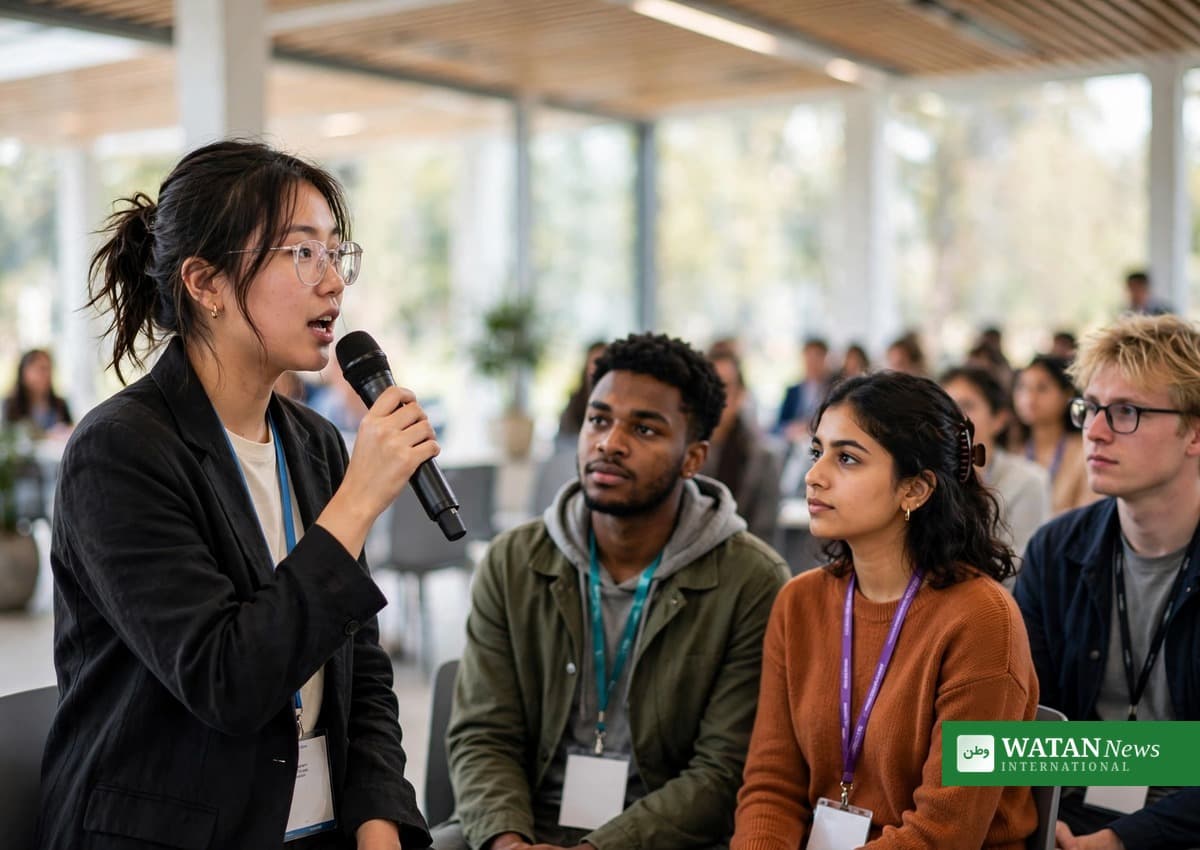
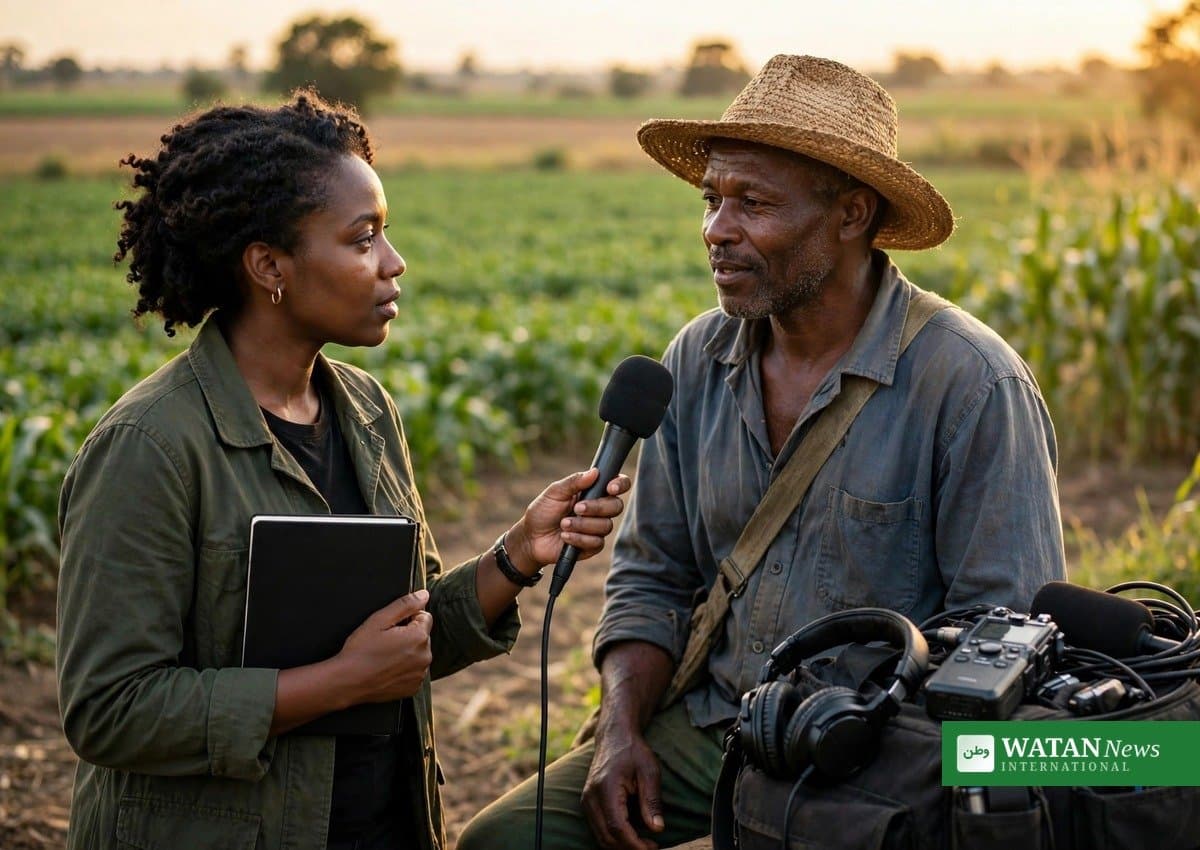
They join 16 fellowship journalists from low- and middle-income countries, selected by the Earth Journalism Network’s Climate Change Media Partnership to report from Antalya, including a journalist from Pakistan. For audiences in the Global South, having their own reporters in the room matters: local journalists can explain what the negotiations mean for their countries, rather than relying on international wire services.
Why the coverage matters
The scale of the media operation reflects how much is at stake. At COP30 in Belém, almost 4,000 press professionals registered, with around 2,400 covering the talks on the ground from some 1,090 outlets; more than 3,500 journalists covered COP29. COP31’s own venue — with 159 pavilions and 90 delegation offices, the highest number in the history of the conference — is built for a similar crowd.
For the next twelve days, the media centre will decide how quickly the world learns what its governments have agreed — or failed to agree — in Antalya.
Key facts
- COP31’s media centre was built to serve 4,000 national and international press members; about 3,000 had completed accreditation before the summit opened.
- The open press working area has about 300 workspaces with power, lighting, internet access and television monitors, plus television and radio workstations, cubicles, studios and quiet rooms.
- The media centre is open 24 hours a day, with reduced services overnight; journalists working between 21:00 and 06:00 must notify the International Broadcast Centre by 18:00.
- More than 300 press conferences are expected during COP31, carried from 40 live broadcast points.
- Two press conference rooms serve the media programme: Mevlana for UN officials, delegations and intergovernmental organisations, and Yunus Emre for non-governmental organisations.
- Agence France-Presse has 17 journalists in Antalya; 15 Pacific journalists are reporting the summit for island audiences.
- COP31 runs from 9 to 20 November 2026 at the Antalya Expo Center, Türkiye.