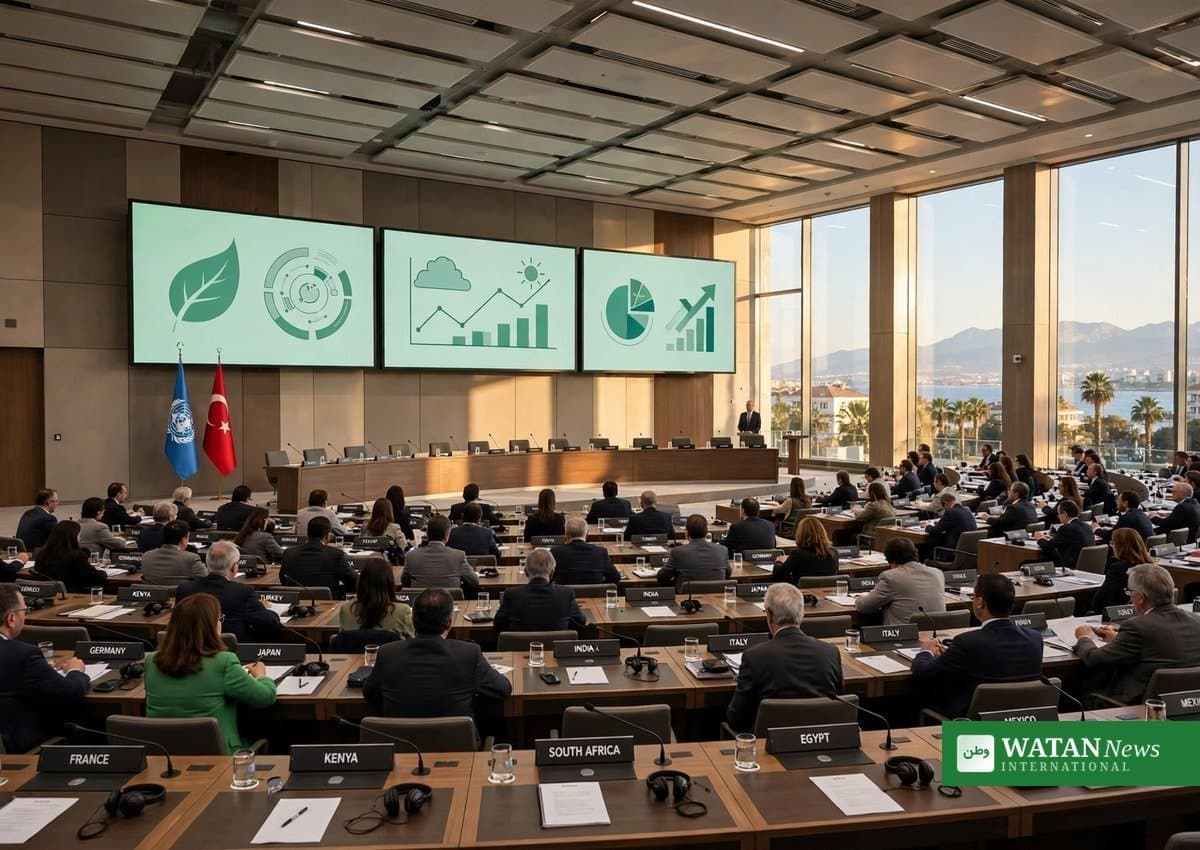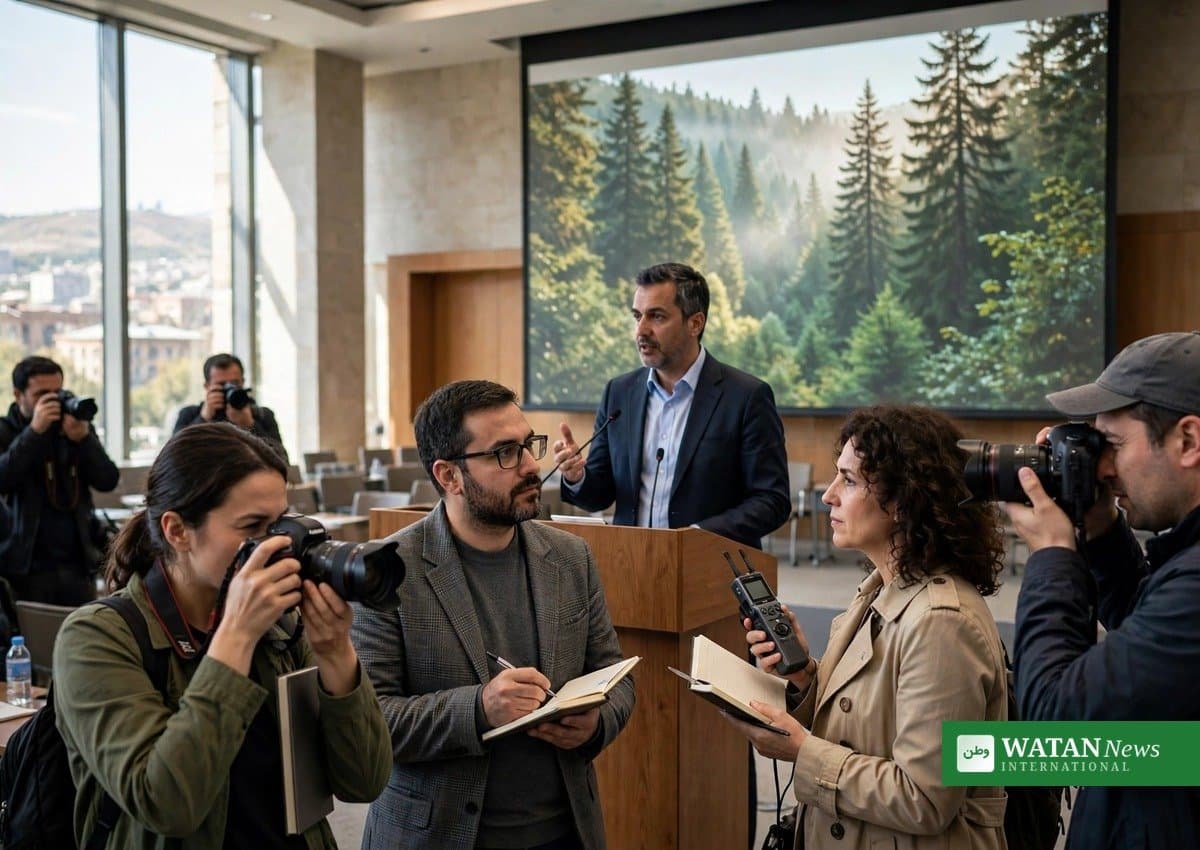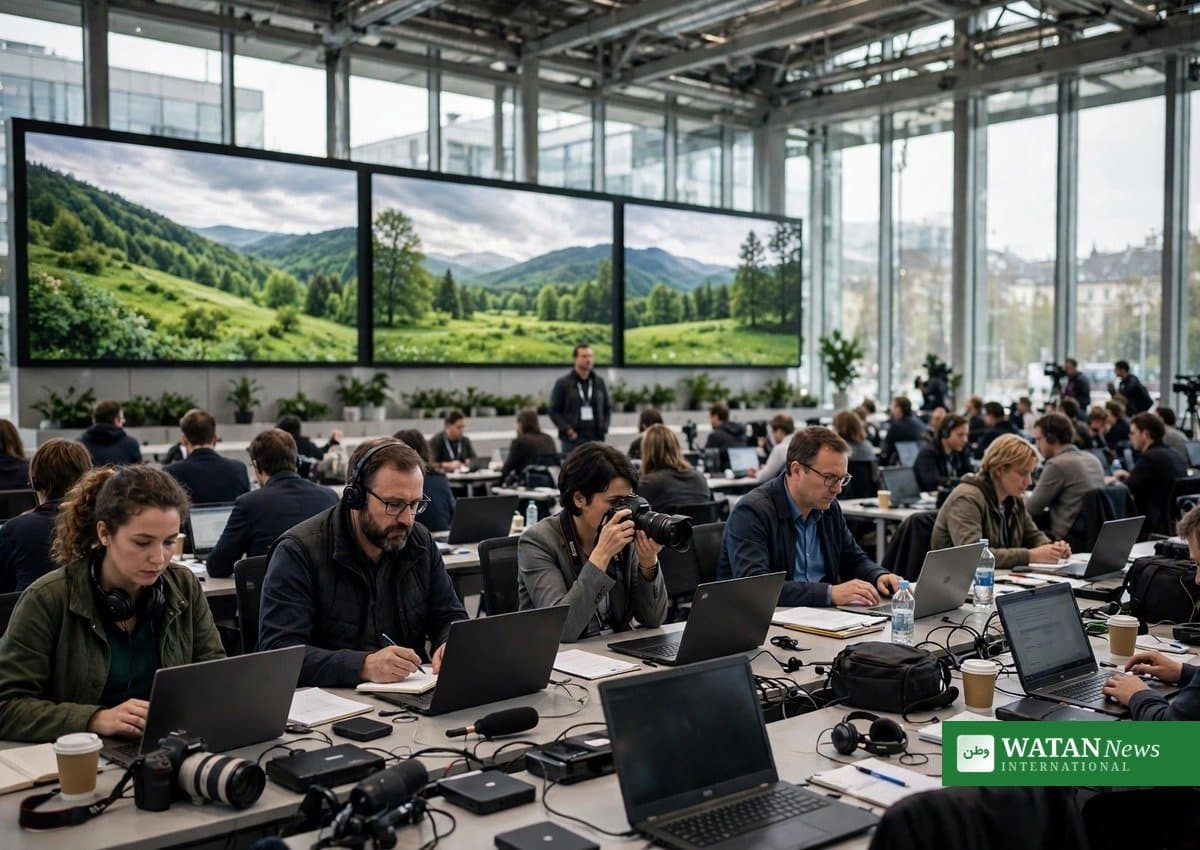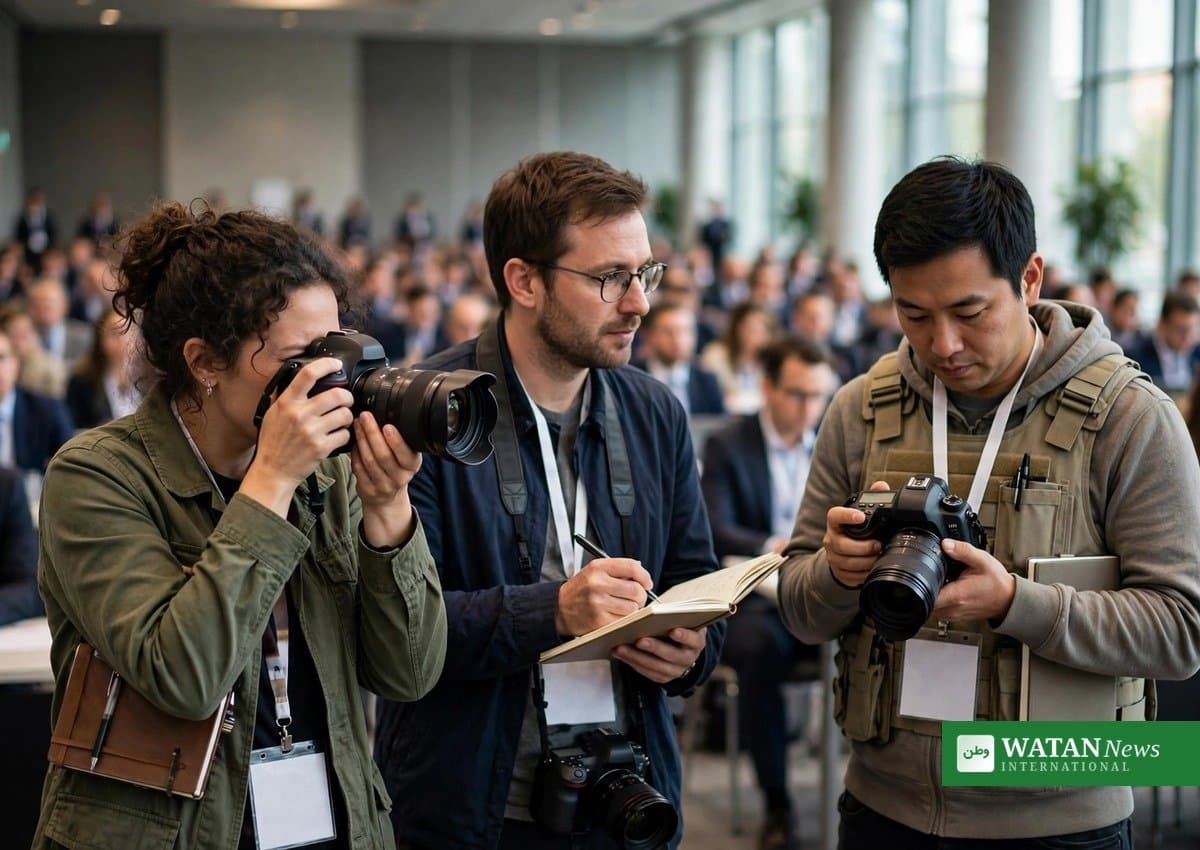
The United Nations Office of the High Representative for the Least Developed Countries, Landlocked Developing Countries and Small Island Developing States (UN-OHRLLS) has opened a fully funded journalism fellowship for reporters from the world’s 44 least developed countries to travel to Doha, Qatar, and cover the Midterm Review of the Doha Programme of Action on 25–27 March 2027. Applications close on 30 November 2026, and only ten fellows will be selected.
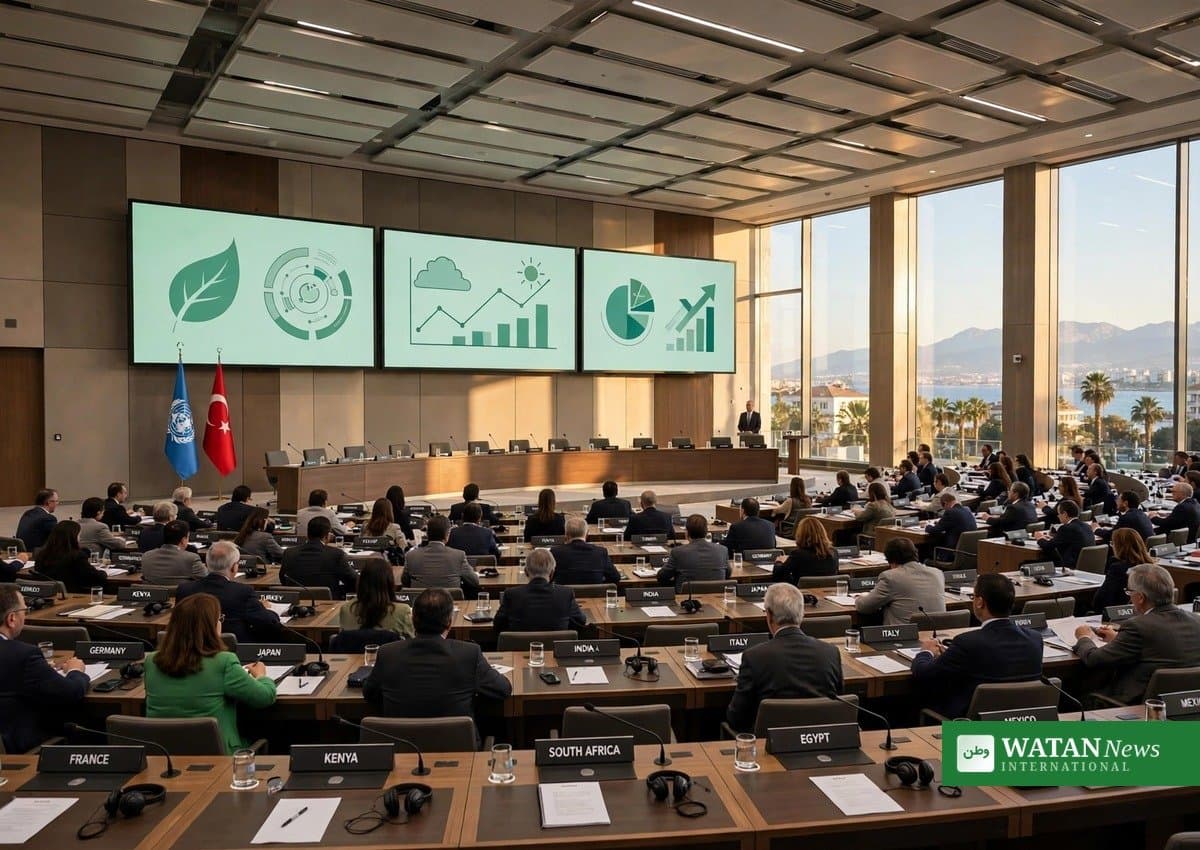
The fellowship gives working journalists a front-row seat at a global review that takes stock of how the Doha Programme of Action — the ten-year framework for accelerating sustainable development in least developed countries between 2022 and 2031 — is being implemented, where progress is falling short, and what partnerships are needed for the rest of the decade.
What the Doha journalism fellowship covers
Each selected fellow receives round-trip economy-class travel to Doha, a daily subsistence allowance for accommodation and meals under United Nations rules, participation in pre-conference orientation activities where applicable, and access to fellowship briefings and networking opportunities. There is no application fee, and incomplete or late applications will not be considered.
The award is personal, non-transferable and has no cash alternative. Selection does not guarantee conference accreditation, visa issuance or travel clearance, and final participation remains subject to administrative and travel formalities.
Who can apply
Applicants must be aged 18 or older and nationals of one of the 44 least developed countries, including Afghanistan, Bangladesh, Nepal, Ethiopia, Rwanda, Haiti, Yemen and Zambia. They must be bona fide journalists whose work is regularly published or broadcast by a recognised media outlet, as staff or freelance, with at least two years of professional journalism experience, and they must be willing and able to travel to Doha for the review and take part in all required briefings and programme activities.
Applicants should also show an interest in sustainable development, particularly the priority areas of the Doha Programme of Action. The application asks for a short biography of up to 300 words, two published work samples, at least one addressing development-related issues, and a reporting proposal of up to 400 words setting out story angles, why the issues matter to audiences in least developed countries, reporting formats and publication plans.
Three stories: before, during and after
Selected fellows are expected to produce and publish no fewer than three substantive journalism outputs related to the Midterm Review and Doha Programme of Action implementation: one before the review, to build awareness; one during the review, reflecting key discussions and announcements from Doha; and one after, examining outcomes, implications and follow-up for audiences in least developed countries. Publication links must be shared by 30 April 2027.
Editorial decisions remain with the fellows and their outlets, and participation does not imply United Nations endorsement of any reporting. Fellows must observe professional ethics, accuracy, fairness, safety, applicable law and venue rules.
Why it matters for green journalism
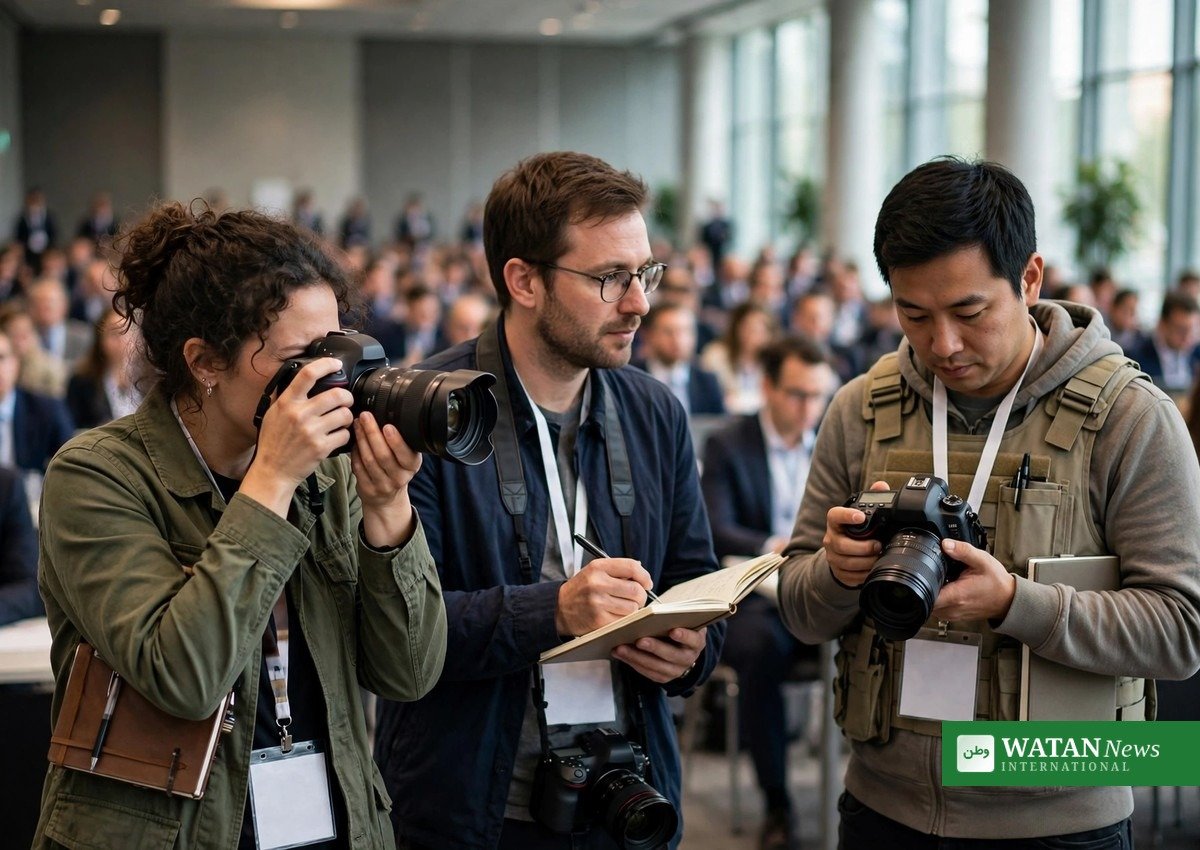
Reporting proposals are encouraged to engage with one or more of the six Doha Programme of Action priority areas, and one of them is directly about climate: addressing climate change, environmental degradation and resilience. For journalists from countries on the front line of climate impacts, the fellowship is a chance to connect global commitments made in Doha with national realities at home — and to bring those realities into the room where progress is judged.
According to the UN-OHRLLS timetable, award letters will be sent before 31 December 2026, with online orientation in February 2027 ahead of the Doha review. Read more climate news from Watan News International.
Key facts
- Fellowship: UN-OHRLLS Doha Programme of Action Midterm Review Journalism Fellowship, fully funded.
- Event: Midterm Review, Doha, Qatar, 25–27 March 2027; ten fellows from 44 least developed countries.
- Applications close: 30 November 2026; no application fee.
- Eligibility: aged 18 or older, national of an eligible country, working journalist with at least two years of experience.
- Outputs: three published journalism outputs — before, during and after — with links shared by 30 April 2027.