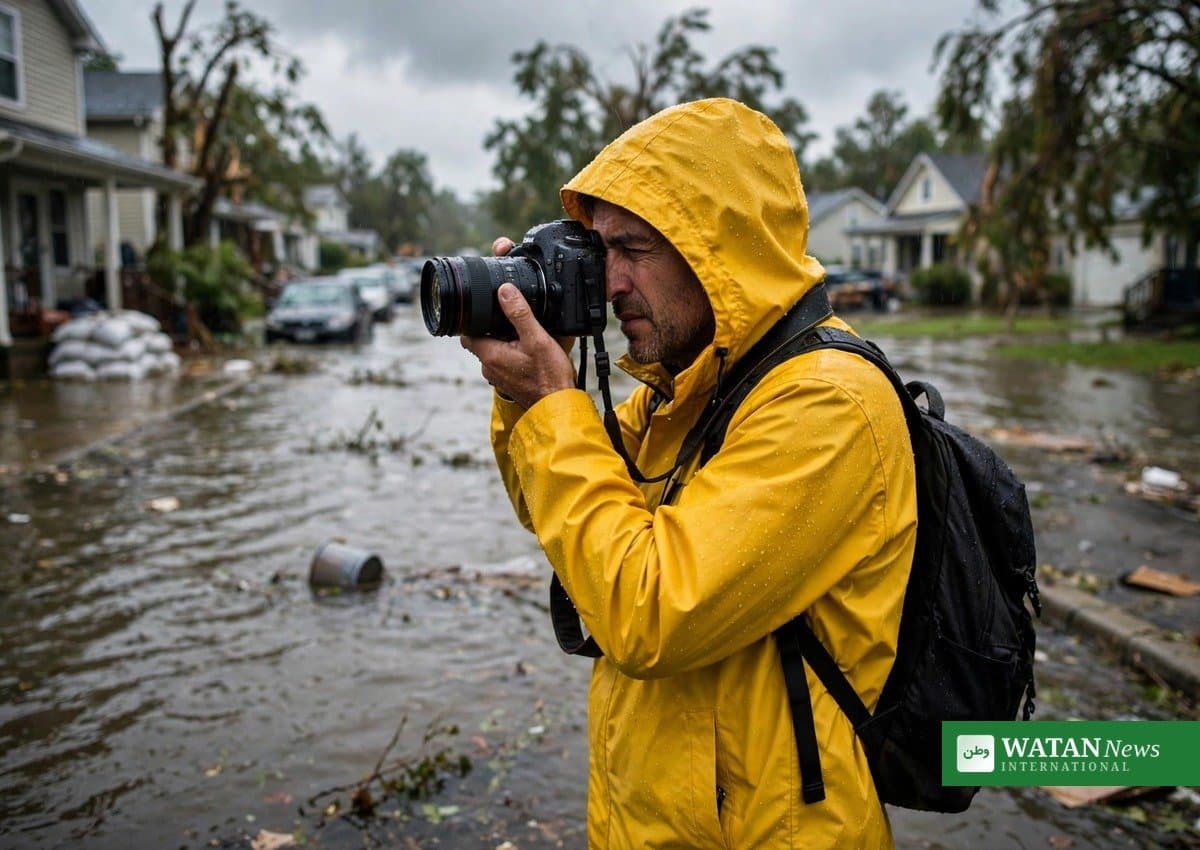
United States nonprofit climate newsroom Grist has launched a months-long reporting series to investigate how false and misleading claims spread when extreme weather strikes, and what helps communities find trustworthy information instead.
The series, called “Distorted: Truth and Trust in an Age of Climate Disasters”, was launched on 28 October 2026 with support from the CO2 Foundation. It will be led in part by senior staff writer Jake Bittle, according to Grist’s announcement.
What the series will investigate
Over the coming months, the project will combine deeply reported stories with community engagement and training. It will trace the pathways through which misinformation and disinformation spread before, during and after extreme weather events.
The reporting will examine how false claims disrupt relief and recovery services and upend the lives of real people. It will also give readers practical tools to navigate disrupted information systems and to tell what is real from what is fake when disaster strikes.
Alongside the investigations, the series will highlight successful attempts to build trust and ground truth in disaster-prone communities. Grist says all stories and resources in the series will be available to republish.
Why disaster misinformation matters
Extreme weather creates unusual conditions for rumours. Phone lines go down, social media fills with unverified claims, and fear and anger surface fast, while affected people urgently need reliable facts.
Grist cites several examples from recent years. After a winter storm hit Virginia in January, rumours spread online that the event had been caused by a creature called the Leviathan waking up. Scientists at the United States National Oceanic and Atmospheric Administration have long had to fact-check false claims that geoengineering, or the government, creates and steers hurricanes.
Some people have refused to evacuate a storm because they had heard that the Federal Emergency Management Agency would take their property. After Hurricane Helene in 2024, federal disaster response efforts were disrupted by rumours of a militia attack on agency employees. After the Maui wildfires in 2023, which killed more than 100 people, posts and videos claimed the fires had a sinister origin, including claims about a government “direct energy weapon”.
As climate change fuels more extreme weather, Grist warns, the problem is only getting worse, because the information landscape is more fragmented than ever.
Trusted messengers and open methods
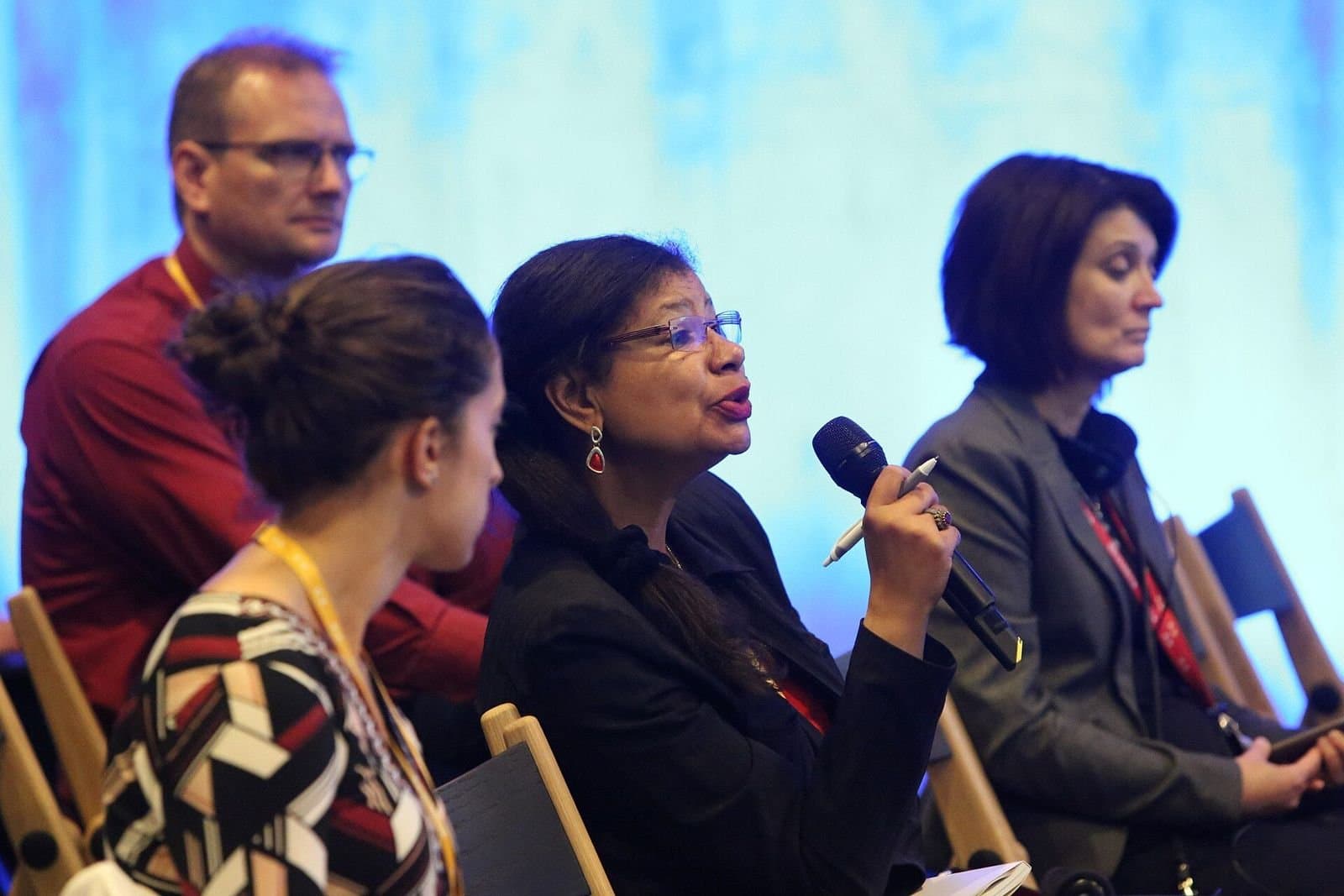
The series will also work with trusted messengers on vetting information and preventing the spread of misinformation during disasters. That work began with a virtual conversation held with Climate Central on 28 October, bringing together meteorologists, journalists and researchers to discuss accurate communication before, during and after extreme weather. Watan News earlier reported on that Distorted conversation with Climate Central.
Further work will include targeted workshops for meteorologists and independent creators, as well as social-first content created and distributed with them.
Grist is also using the project to make its own work easier to identify as independent, responsible journalism. It has published a public explanation of its reporting, editing and fact-checking processes and is updating author biographies.
Key facts
- Series: “Distorted: Truth and Trust in an Age of Climate Disasters”, launched 28 October 2026.
- Publisher: Grist, a nonprofit, independent media organisation reporting on climate change since 1999.
- Support: the CO2 Foundation.
- Reporting lead: senior staff writer Jake Bittle, with editor-in-chief Katherine Bagley heading the newsroom.
- Partner for the launch conversation: Climate Central.
- All stories and resources in the series are available to republish.
Why it matters before COP31
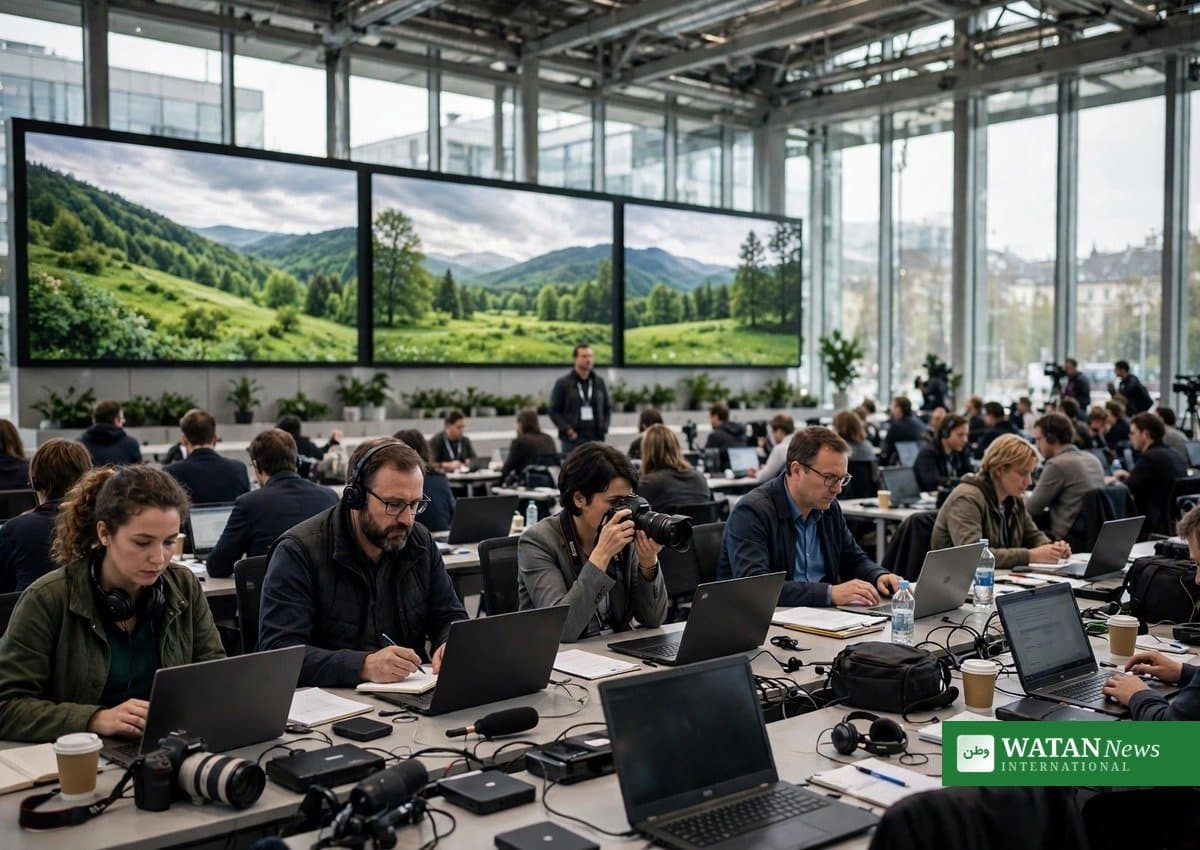
The series lands just days before the COP31 climate conference opens in Antalya, Türkiye, on 9 November 2026, where organisers have said the media centre will serve 4,000 journalists. Those reporters will work in the same distorted information environment the series examines.
The United Nations has already called for joint action on climate information integrity, including support for independent and pluralistic media and protection for journalists. Strong, evidence-based climate journalism is part of that response, and Distorted is presented by Grist as a practical contribution to it.