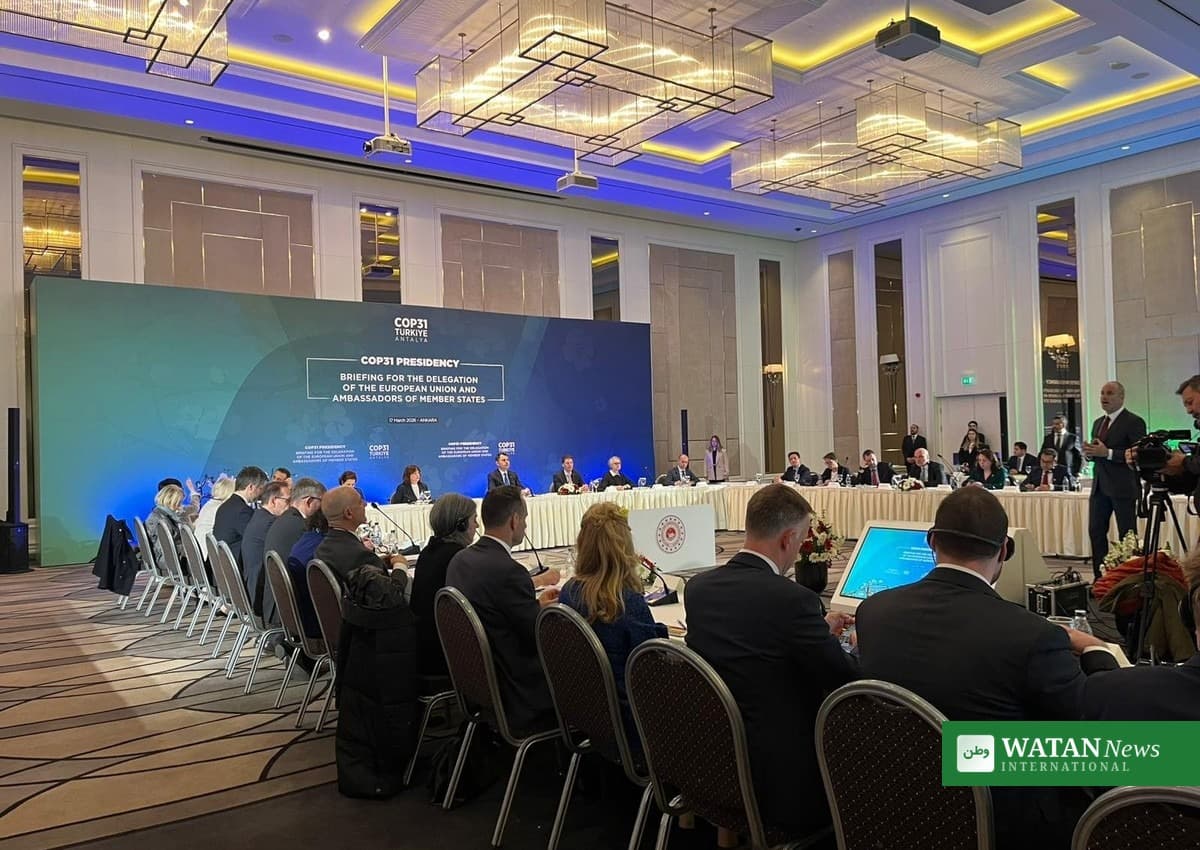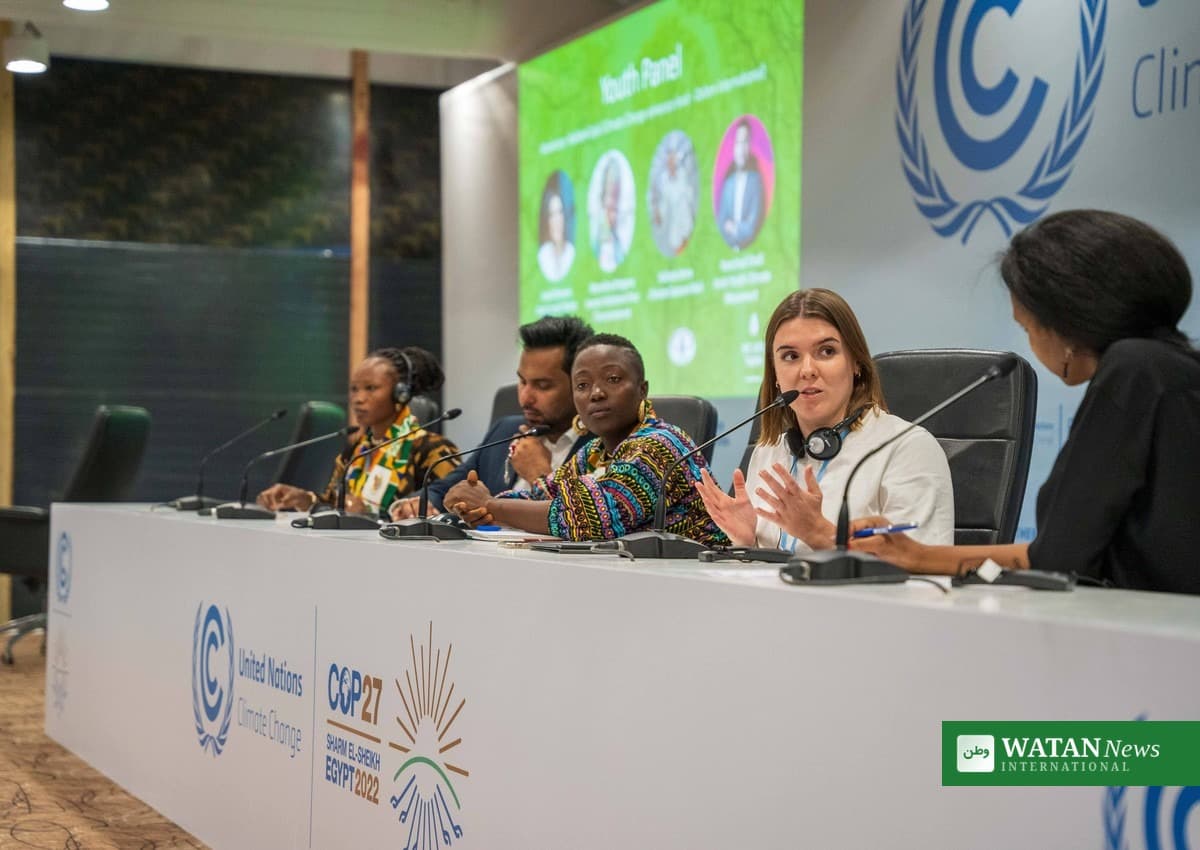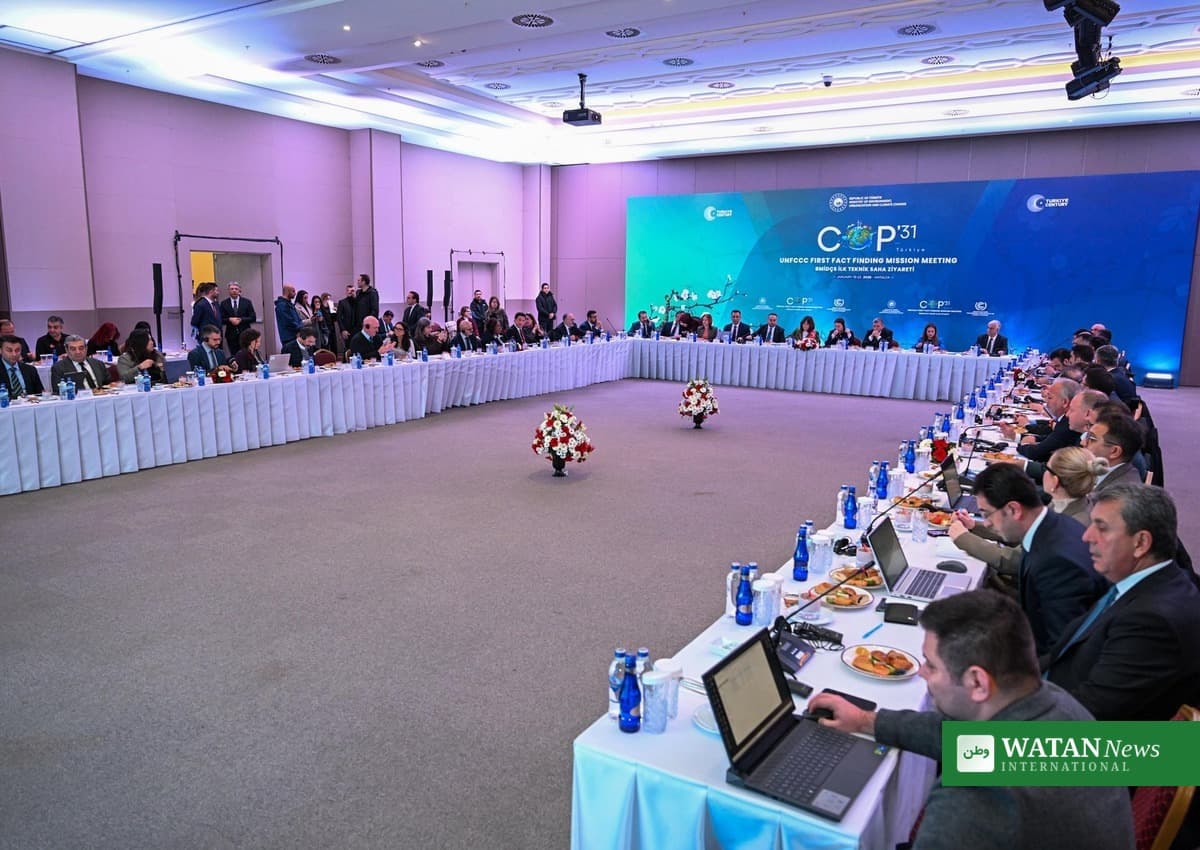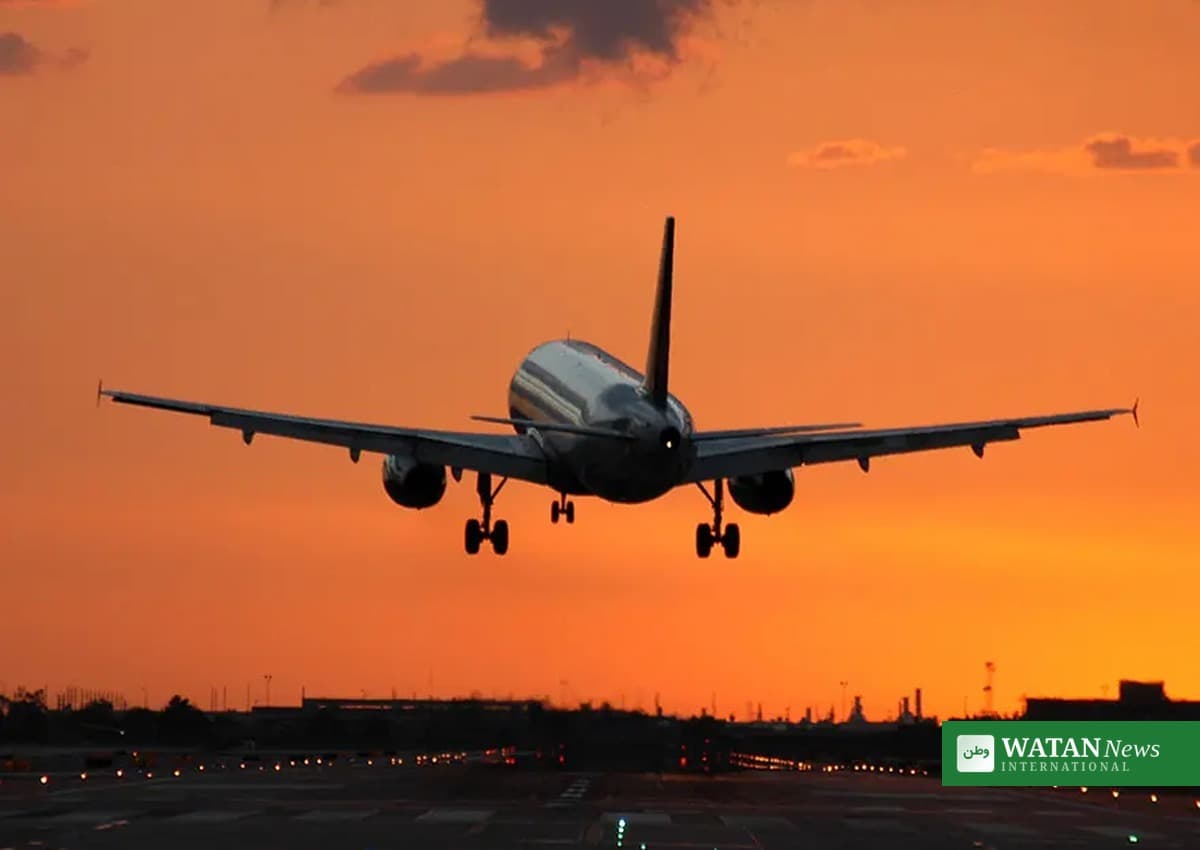
At COP31 in Antalya, the answer to aviation’s green-fuel problem is starting to take shape — and it is coming from both ends of the supply chain. China’s biggest refiner has set out how green liquid fuels could power planes and ships, while African countries are completing the feasibility studies for their first sustainable aviation fuel plants.
The two developments landed in the same week as COP31’s final days, and they speak directly to the warning airlines issued at the summit: green jet fuel costs too much and is too scarce. The question now is whether supply can catch up with the promises.
China’s green fuel outlook
On 16 November, China Petroleum & Chemical Corporation, known as Sinopec, hosted a side event at the China Pavilion titled “Green Fuel Industry Outlook and the Energy Transition Under China’s Carbon Peaking and Carbon Neutrality Goals”. There it released two reports: the World and China Energy Outlook 2060 and the Green Fuel Technology Outlook.
The energy outlook projects that global energy-related carbon emissions will peak around 2030. The green fuel outlook examines how green liquid fuels could cut emissions from aviation and shipping, where full electrification remains difficult, and expects electricity and green liquid fuels to play complementary roles in transport.
The outlook reviews four production pathways under development in China: using hydrogen to convert oils and fats into jet fuel, converting alcohol into jet fuel, turning gasified feedstocks into liquid fuels, and using electricity to make liquid fuels. The process that converts oils and fats can achieve a jet fuel yield of up to 72 per cent, according to the report. It expects advances in producing green fuels from non-food feedstocks around 2035, with power-to-fuel and near-zero emissions technologies maturing by 2050.
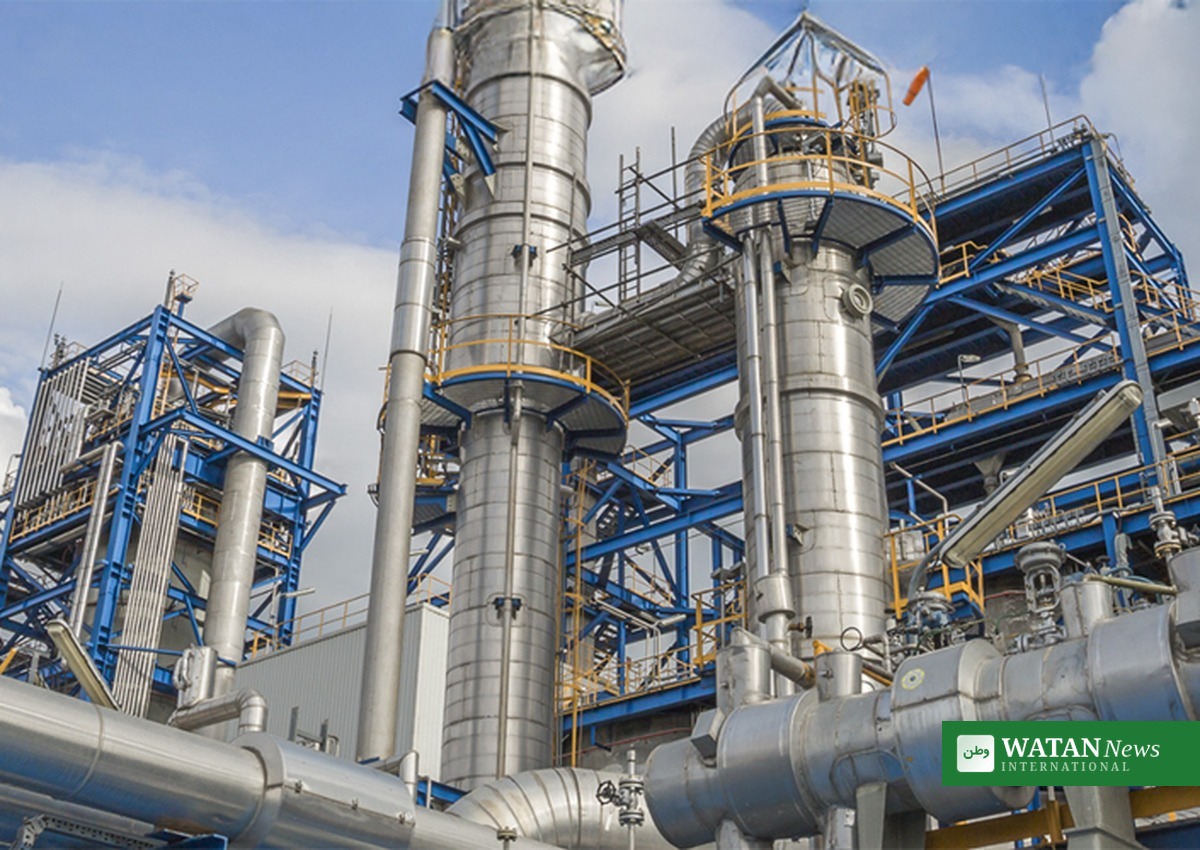
Sinopec has already built commercial-scale capacity: at its Zhenhai refinery it built China’s first commercial-scale facility designed to produce 100,000 metric tons of aviation biofuel a year, and it has set up a supply chain to store and transport green methanol and supply it to ships at port. The event drew more than 100 attendees, with speakers from the International Air Transport Association, GenZero and the Environmental Defense Fund.
Africa’s first SAF plants take shape
While China maps the technology, African countries are mapping where the fuel itself could be made. Under the International Civil Aviation Organization’s ACT-SAF programme — assistance, capacity building and training for sustainable aviation fuels — feasibility studies are turning agricultural resources into fuel plans.
In Côte d’Ivoire, the civil aviation authority presented a feasibility study in Abidjan on 3 September 2026, carried out with support from France. It identifies the conditions for a first Ivorian production of sustainable aviation fuel by 2028–2029, using cassava and ethanol-derived feedstocks, with co-processing at the Société Ivoirienne de Raffinage refinery as the preferred starting option.
In Mauritania, a feasibility study for developing sustainable aviation fuel production was formally handed over at a workshop in Nouakchott on 29 October 2026, organised with European Union support and ICAO coordination. In Nigeria, the first sustainable aviation fuel feasibility study was handed over in Abuja on 20 July 2026, alongside the launch of the country’s Sustainable Aviation Fuel Implementation Programme, with co-processing at the Dangote Refinery and an alcohol-to-jet facility using cassava residues among the opportunities identified.
The European Commission is supporting the work with €4 million for the ICAO programme, implemented with the European Union Aviation Safety Agency, covering 12 partner states including Cameroon, Egypt, Equatorial Guinea, Ethiopia, Gabon, Kenya, Mauritania, Mozambique, Rwanda, Senegal and South Africa.
The gap the industry must close
The push matters because international aviation has a goal to meet: ICAO’s 193 member states have agreed on a goal of net-zero carbon emissions from international aviation by 2050. But the fuel to get there is still scarce and expensive. Watan News reported at COP31 how Asia-Pacific airlines warned that green jet fuel costs too much and is too scarce — and that the debate over aviation’s future at COP31 turns on whether supply and price can be fixed.
International aviation sits largely outside countries’ national climate targets and is governed through ICAO, which runs the Carbon Offsetting and Reduction Scheme for International Aviation and the ACT-SAF capacity-building programme. The feasibility studies now under way are meant to close the practical gaps: certified feedstocks and fuels, systems to collect and move agricultural waste, regulatory frameworks and national governance.
FAKTA
- The event: Sinopec presented its Green Fuel Technology Outlook at the China Pavilion at COP31 on 16 November 2026; the release was reported on 19 November.
- The outlook: global energy-related carbon emissions are projected to peak around 2030; green liquid fuels are expected to play a key role in aviation and shipping.
- The pathways: four routes — oils and fats to jet fuel, alcohol to jet fuel, gasified feedstocks to liquid fuels, and electricity to liquid fuels — with jet fuel yields of up to 72 per cent from oils and fats.
- China’s capacity: Sinopec’s Zhenhai refinery hosts China’s first commercial-scale aviation biofuel facility, producing 100,000 metric tons a year.
- Africa’s plans: Côte d’Ivoire targets first sustainable aviation fuel production in 2028–2029; Mauritania and Nigeria received feasibility studies in October and July 2026.
- The goal: ICAO’s 193 member states aim for net-zero carbon emissions from international aviation by 2050.
What to watch
Whether COP31’s final text says anything about aviation and shipping will be one test of the summit. The harder test comes after Antalya: whether the feasibility studies in Africa turn into operating plants, whether Sinopec’s pathways scale beyond China, and whether the price of green fuel falls far enough for airlines to buy it at the volumes their 2050 goal requires.