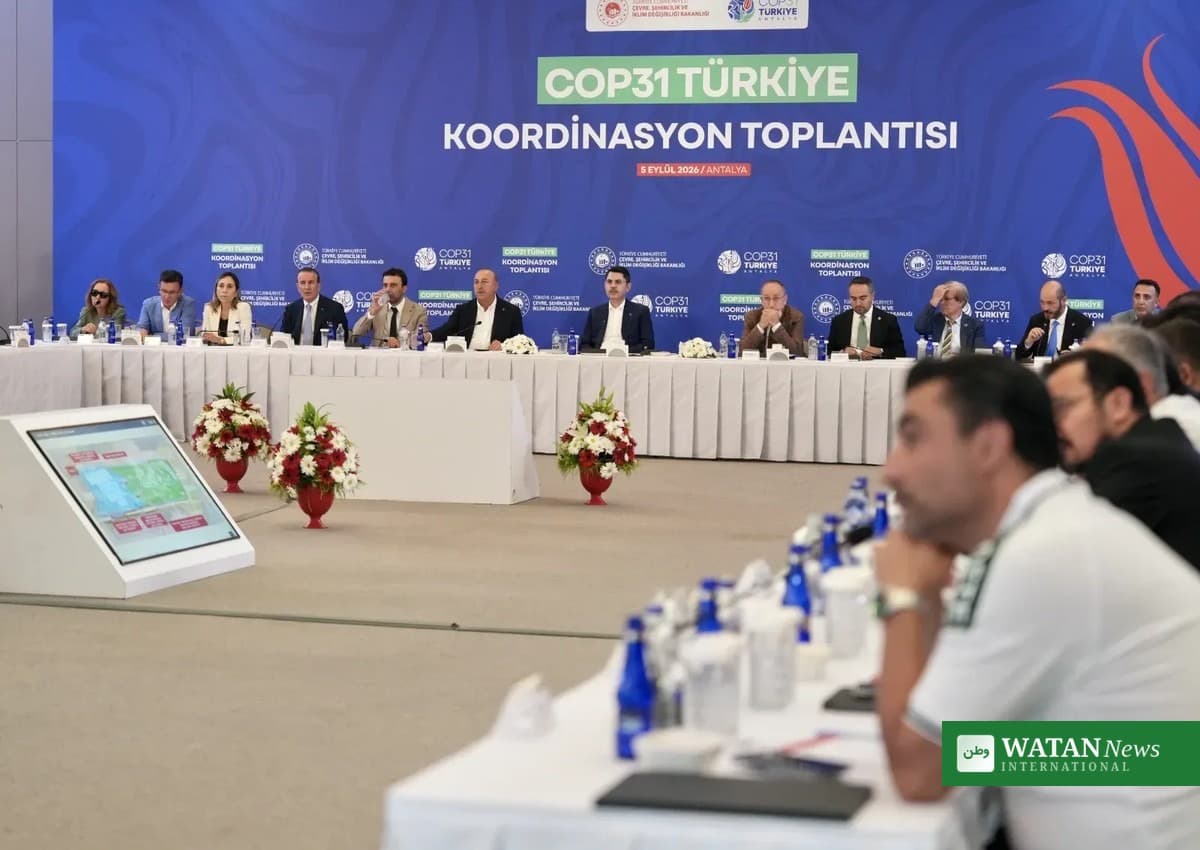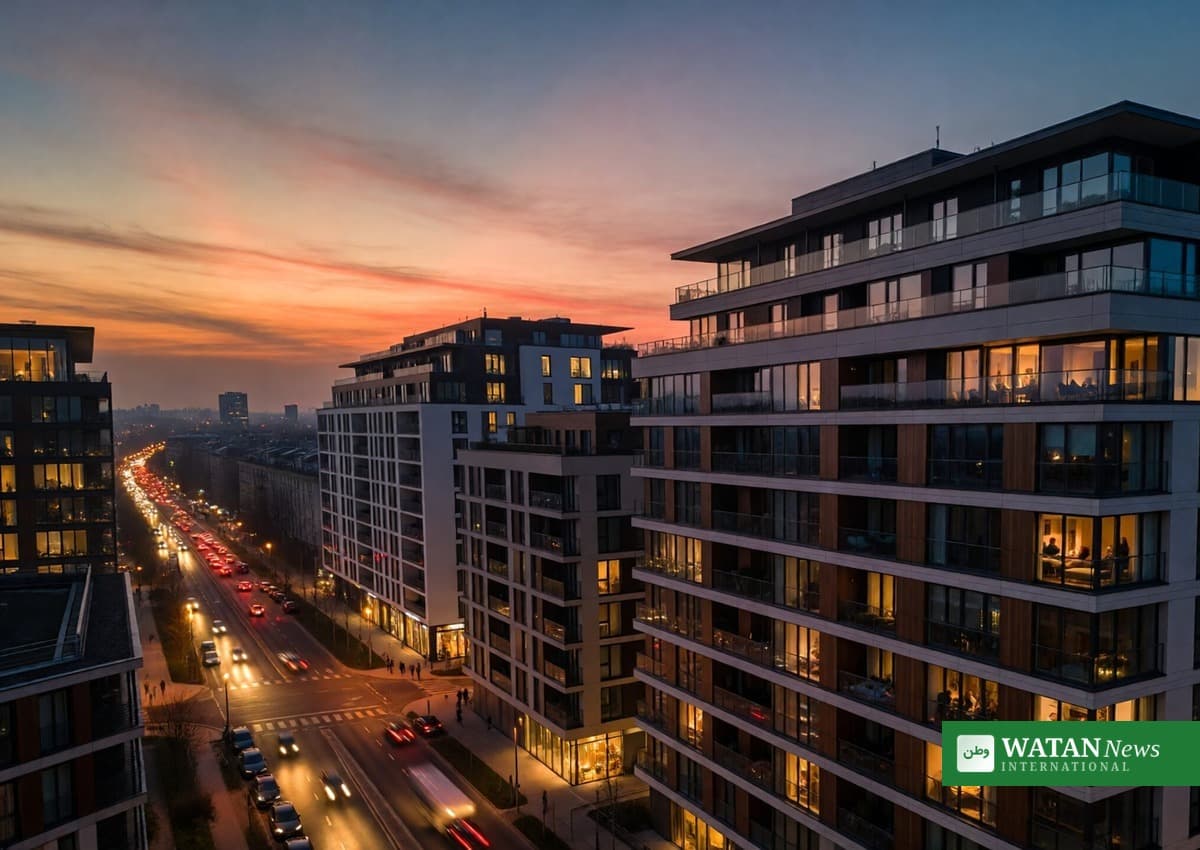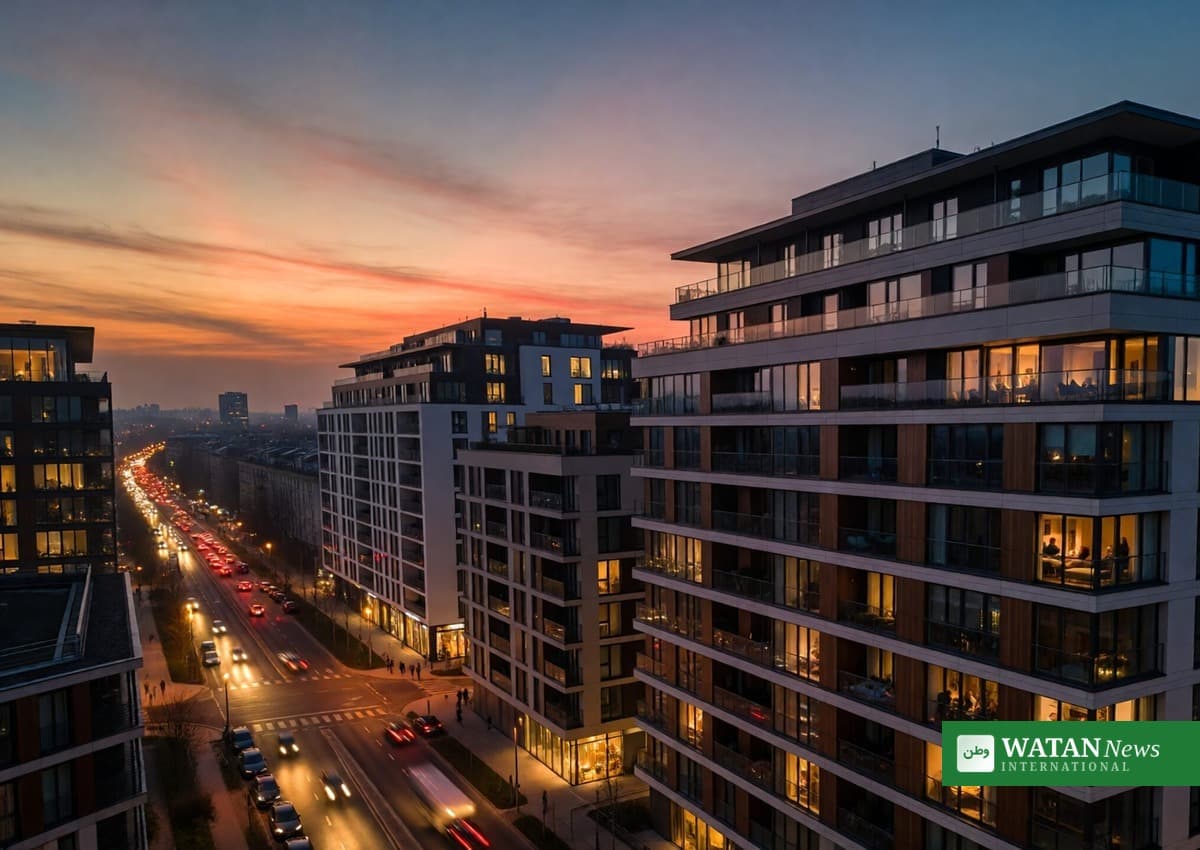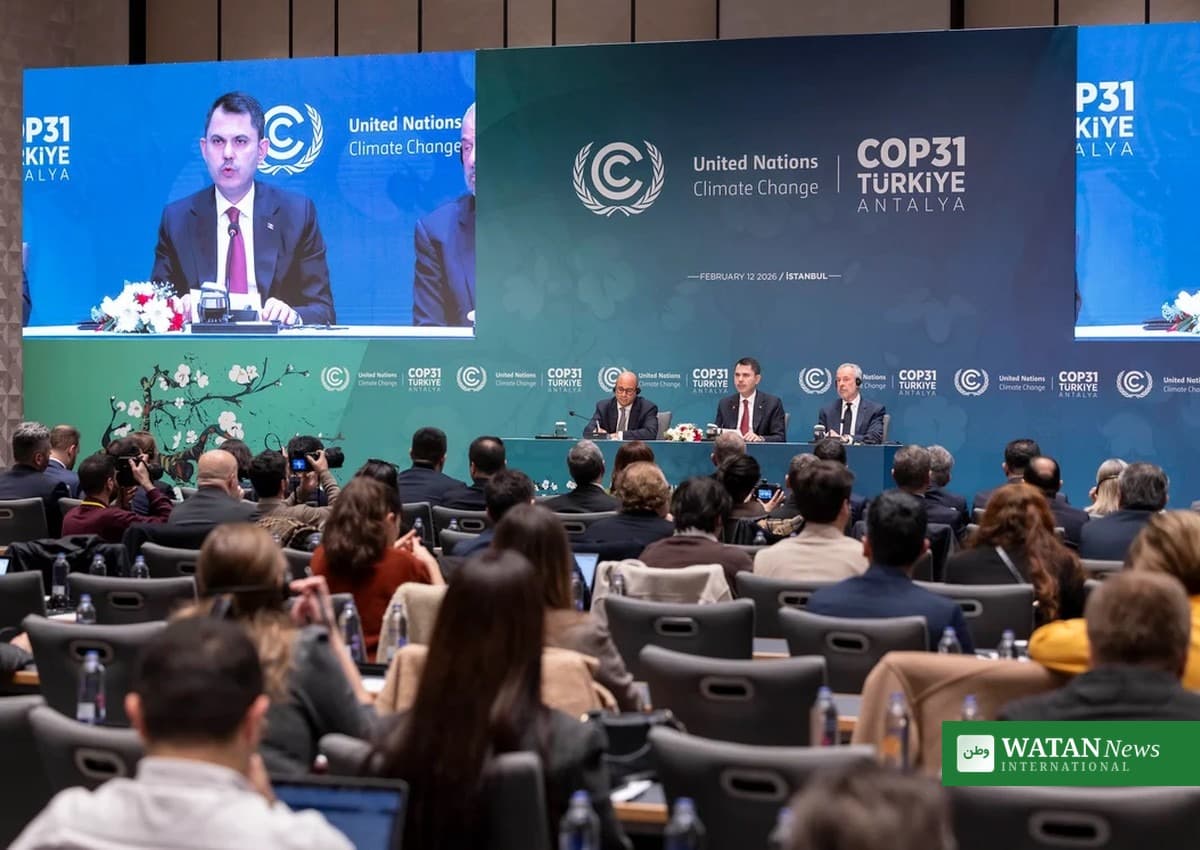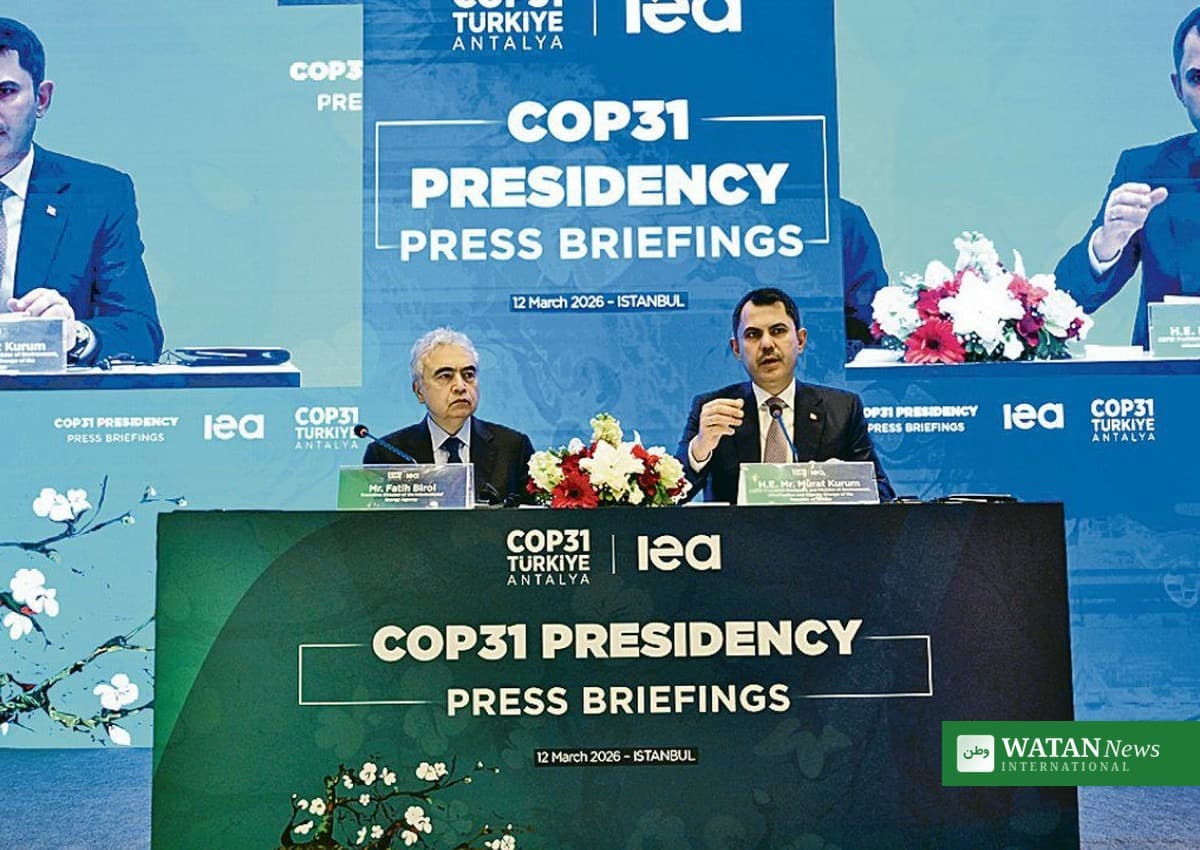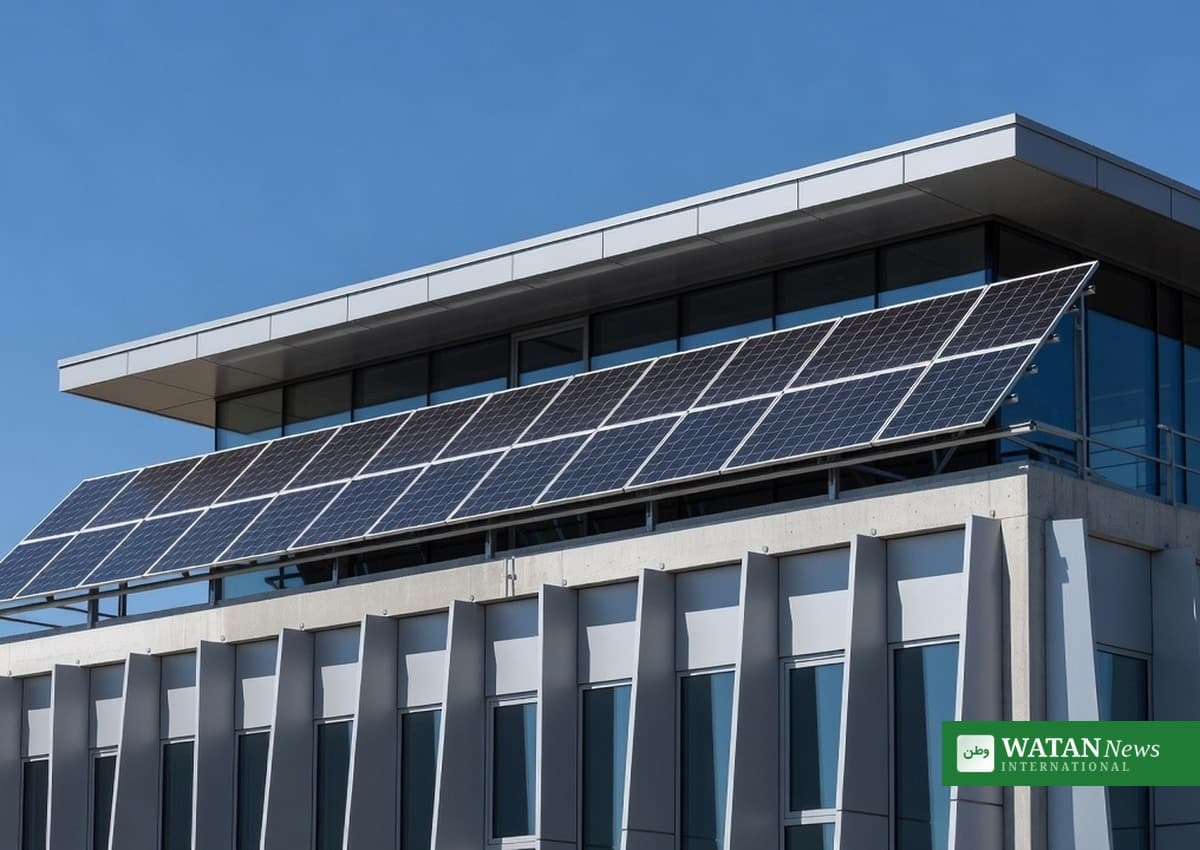
The world’s most polluting buildings have moved to the centre of the COP31 outcome, with the draft cover decision published in Antalya on Wednesday welcoming the Antalya Compact for Energy Efficient Buildings and its goal of cutting the operational energy intensity of the global building stock by at least 25 per cent by 2035.
The Compact, launched by the COP31 Presidency on 29 October 2026, is a voluntary framework open for endorsement by all Parties. It was developed under the leadership of the COP31 Presidency of Türkiye with support from the secretariat of the United Nations Environment Programme-hosted Global Alliance for Buildings and Construction (GlobalABC).
Key facts
- Headline goal: pursue a reduction of at least 25 per cent in the operational energy intensity of the global building stock by 2035, relative to 2020 levels.
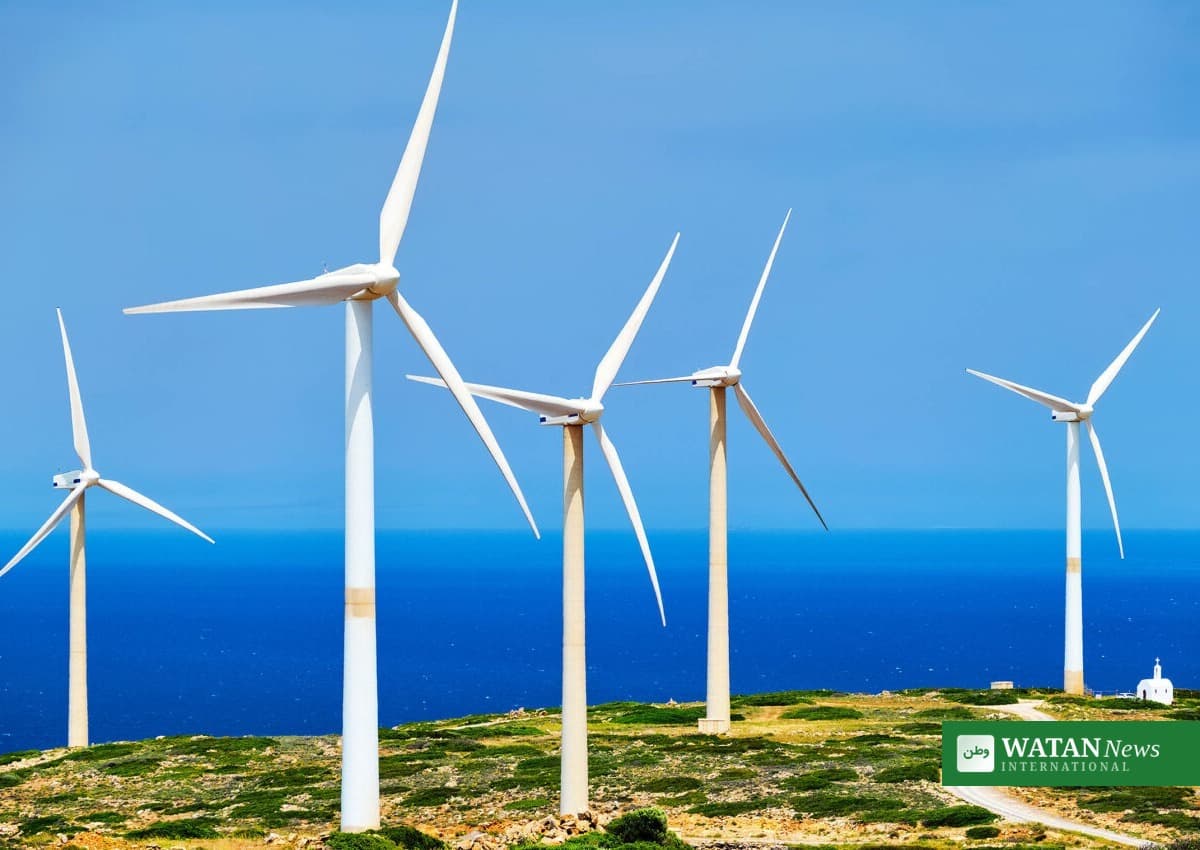
- Second goal: accelerate efficient electrification in buildings, in support of the Presidency’s 35-by-35 target of raising electricity’s share of global final energy consumption to 35 per cent by 2035.
- Why it matters: according to UNEP’s Global Status Report on Buildings and Construction, buildings are responsible for nearly 40 per cent of energy-related carbon emissions and energy demand.
- Status: the Compact is voluntary and open for endorsement by all Parties and stakeholders. It creates no binding obligations, and countries will pursue different pathways according to their starting points, national circumstances and capacities.
- Latest step: the draft COP31 cover decision, published on 19 November 2026, welcomes the launch of the Compact in its paragraph 78(c).
Why buildings matter
Buildings and construction account for over a third of global greenhouse gas emissions, the COP31 Presidency told ministers at the buildings ministerial in Antalya, and new buildings consume a third of all energy produced. The choices made about buildings today will shape cities and communities for decades: half of the buildings that will exist in 2050 have yet to be built, and most existing buildings need to be renovated.
A special report from the International Energy Agency, published in early November, found that better building envelopes, electrified end uses, more efficient equipment and wider access to clean cooking could together cut buildings’ energy intensity by more than 25 per cent by 2035, showing the Compact’s headline goal is within reach of today’s technology.
What the Compact asks countries to do
The Compact sets out six priority areas for action by governments, cities, financial institutions and buildings-sector stakeholders:
- Put building energy efficiency and electrification at the centre of national strategies as complementary priorities.
- Promote high energy-and-carbon-performance buildings.
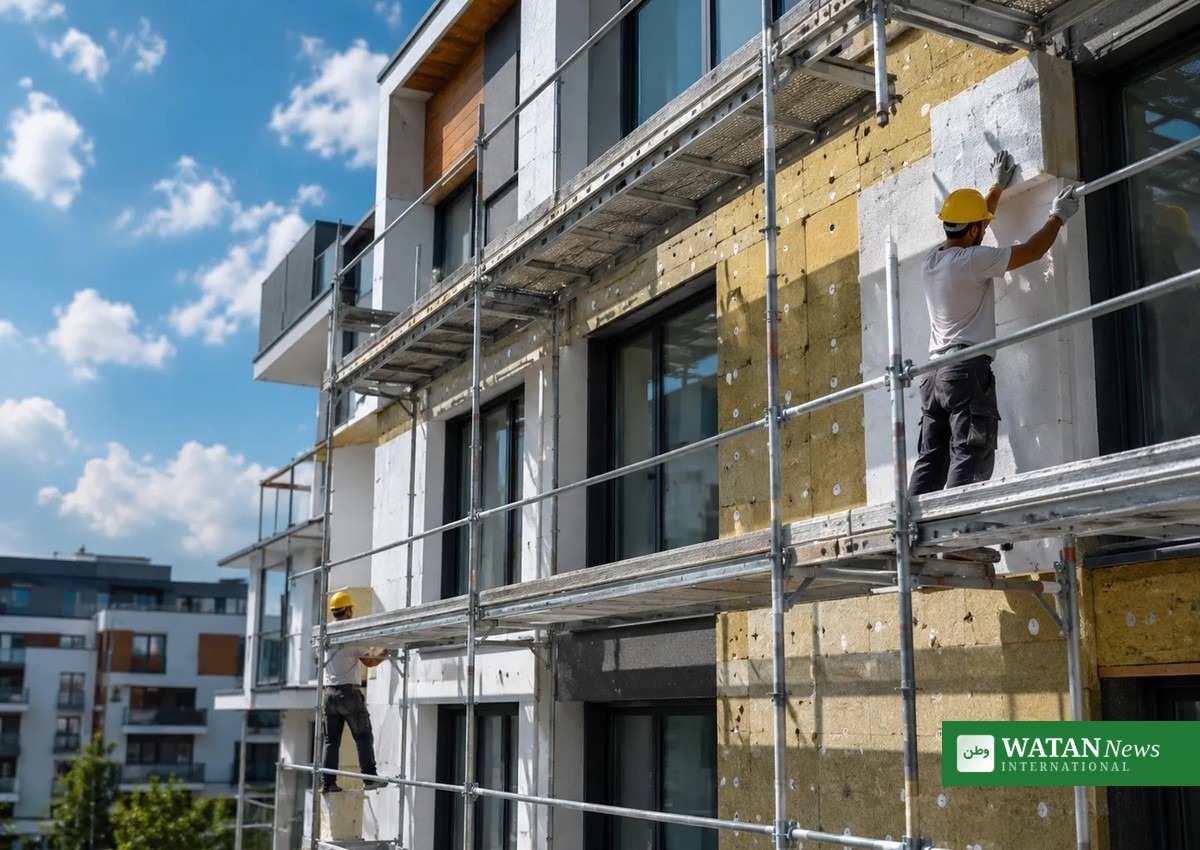
- Accelerate renovation of existing buildings.
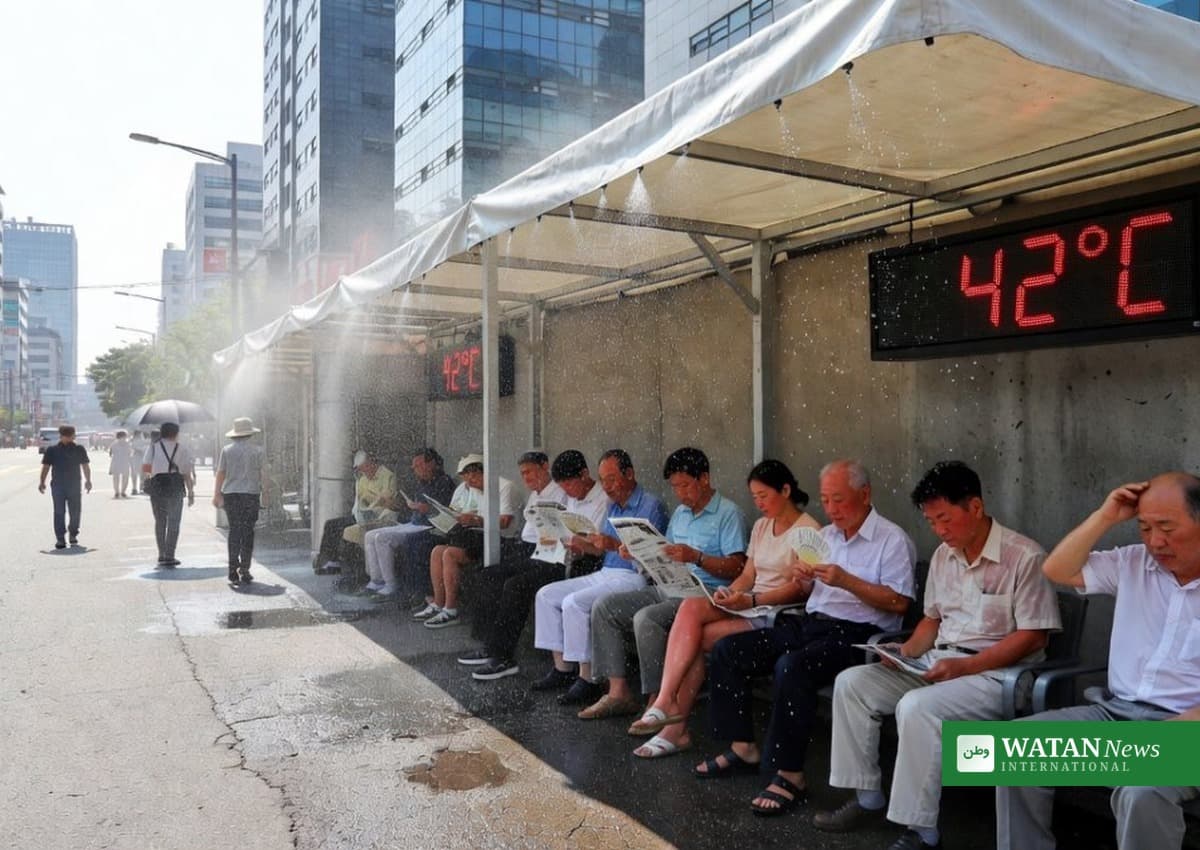
- Reduce demand and electrify heating, cooling, cooking and appliances, while promoting zero- and low-emission energy solutions in buildings.
- Improve actual, measured performance and enable buildings to become flexible assets for energy systems.
- Mobilise finance, markets and implementation capacity.
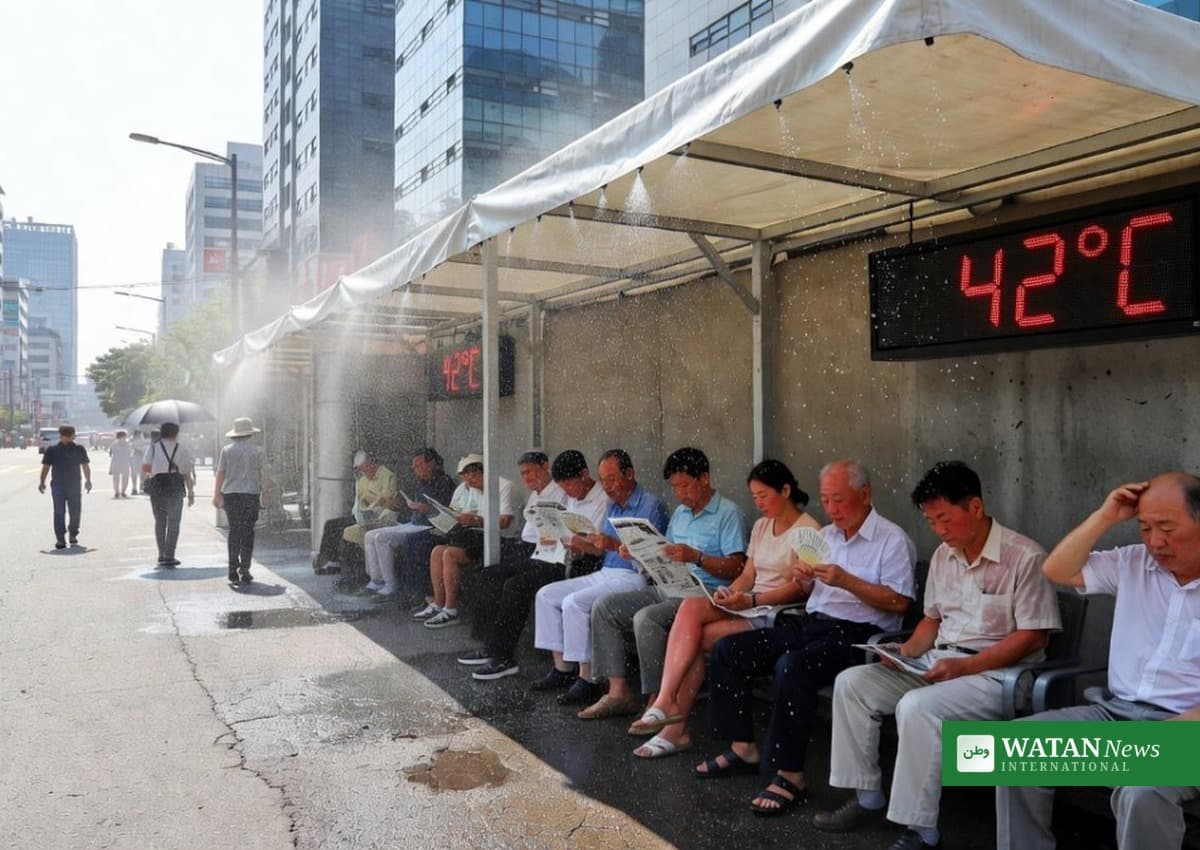
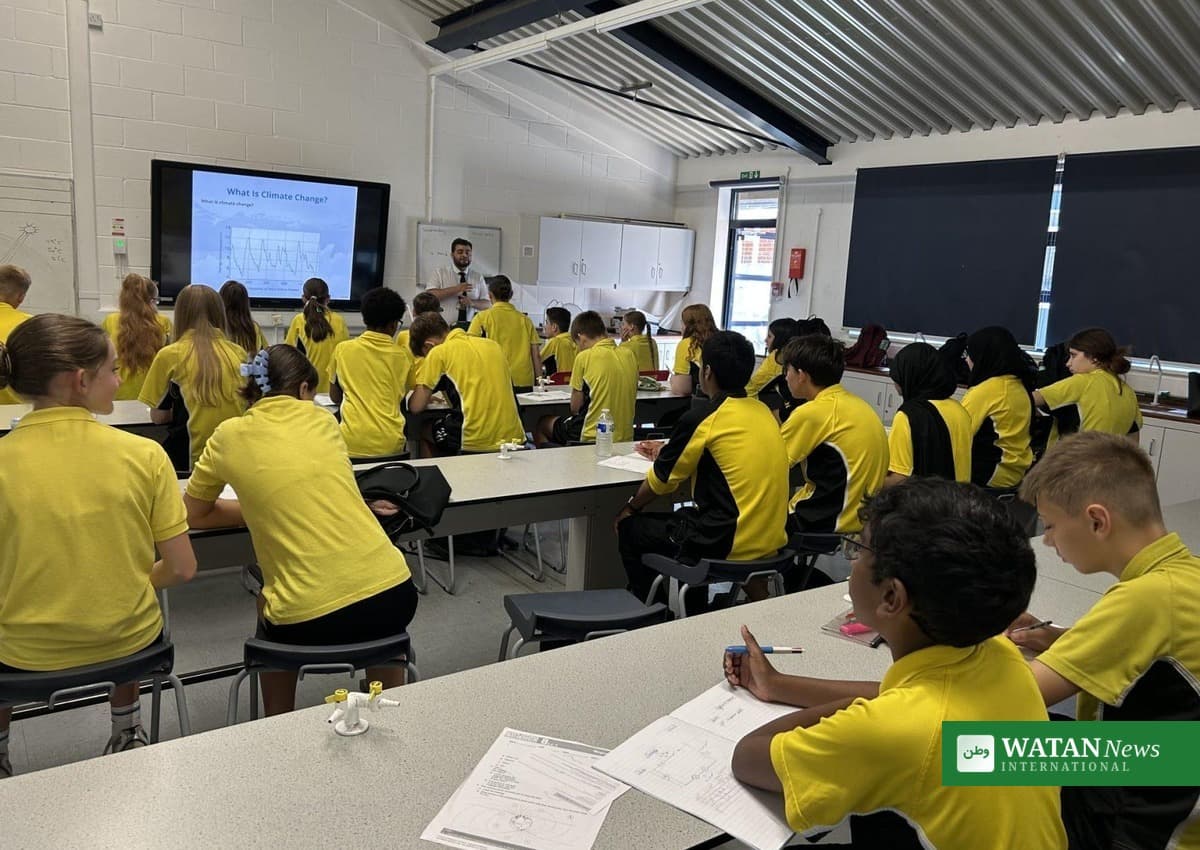
Measures range from stronger energy codes and renovation programmes to investment in social housing, schools, hospitals and other public infrastructure, helping cut energy costs, improve services and protect vulnerable communities.
Ministers back the Compact in Antalya
The Compact was presented to countries for endorsement at the second ministerial meeting of the Intergovernmental Council for Buildings and Climate (ICBC) on 12 November 2026, during COP31’s Resilient Cities and Built Environment thematic day in Antalya. Ministers from Kenya, Brazil, France and the Netherlands publicly voiced support for the Compact, according to UNEP reporting on the meeting.
Germany announced one million US dollars in support to the GlobalABC secretariat and said investments in the sector need to triple, alongside more ambitious regulation and standardisation. The World Business Council for Sustainable Development said its 200 members are committed to turning the Compact into practical implementation. Industry reporting indicated that 23 countries had backed the Compact by 13 November.
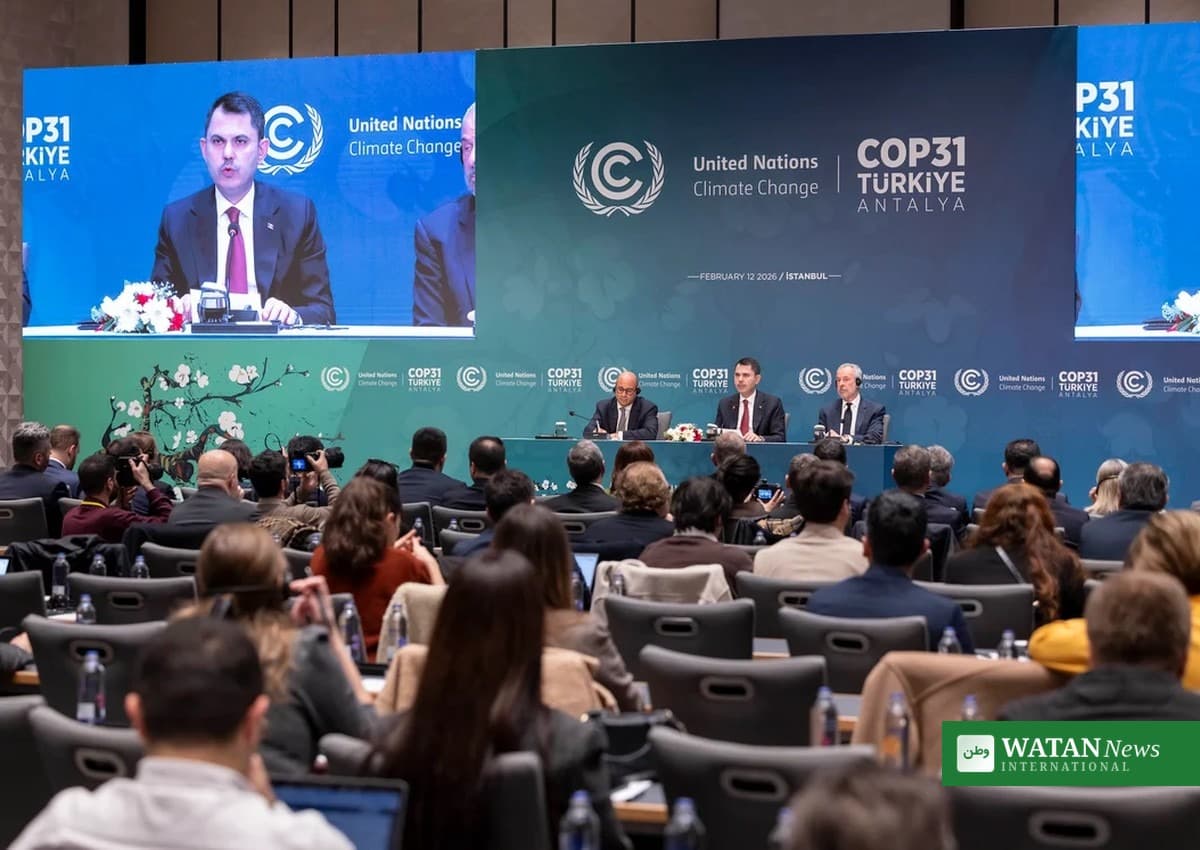
COP31 President Murat Kurum said: “Buildings are at the heart of our cities and of the energy transition. With the Antalya Compact, we are moving from ambition to implementation – accelerating practical action to make buildings more efficient, resilient and sustainable around the world.” He added that improving efficiency and accelerating electrification can lower energy costs, strengthen energy security and deliver homes, schools, hospitals and workplaces that are more affordable, comfortable and healthy.
Yves-Laurent Sapoval, co-chair of the GlobalABC and chair of the ICBC, said half of the buildings that will exist in 2050 have yet to be built and most existing buildings need to be renovated, and called on all governments to support the Compact.
From launch to the draft deal
The Compact builds on the Déclaration de Chaillot, endorsed by more than 70 countries in 2024, which recognised that the transition to near-zero-emission and resilient buildings must also promote affordability, comfort, health, energy security and a just transition. The Intergovernmental Council for Buildings and Climate was established later that year to support implementation of the Declaration.
The GlobalABC, founded at COP21, is hosted by UNEP and has more than 400 members, including 71 countries. The ICBC now counts 70 countries, with 53 members and 17 observers.
The draft cover decision published on 19 November is still a draft: it must be negotiated by Parties before COP31 closes on Friday 20 November. The draft decision on the outcome of the Global Stocktake is expected to be published separately. As a voluntary framework, the Compact’s impact will depend on how many countries endorse it and how they translate it into policy, funding and enforcement. Read more about the COP31 electrification push in our Electrification Delivery Package story and the state of the talks in our deadlock report.