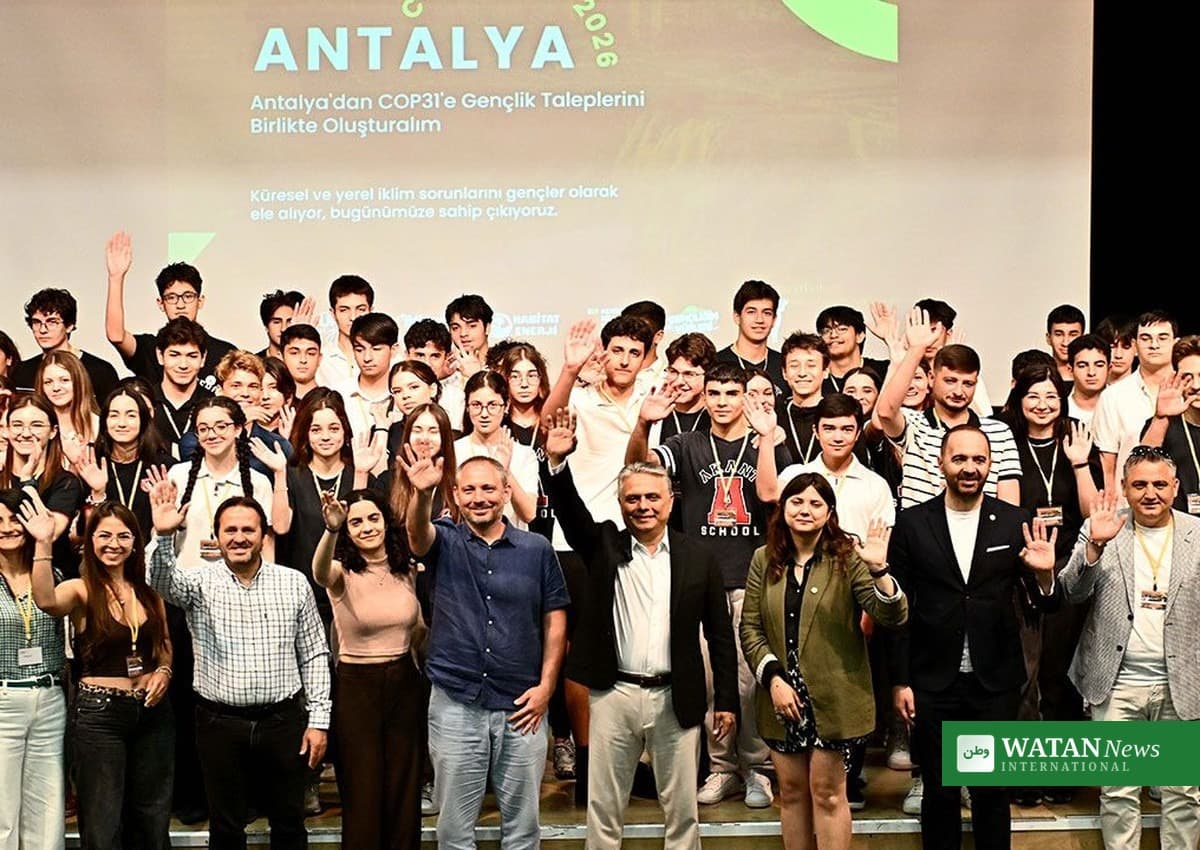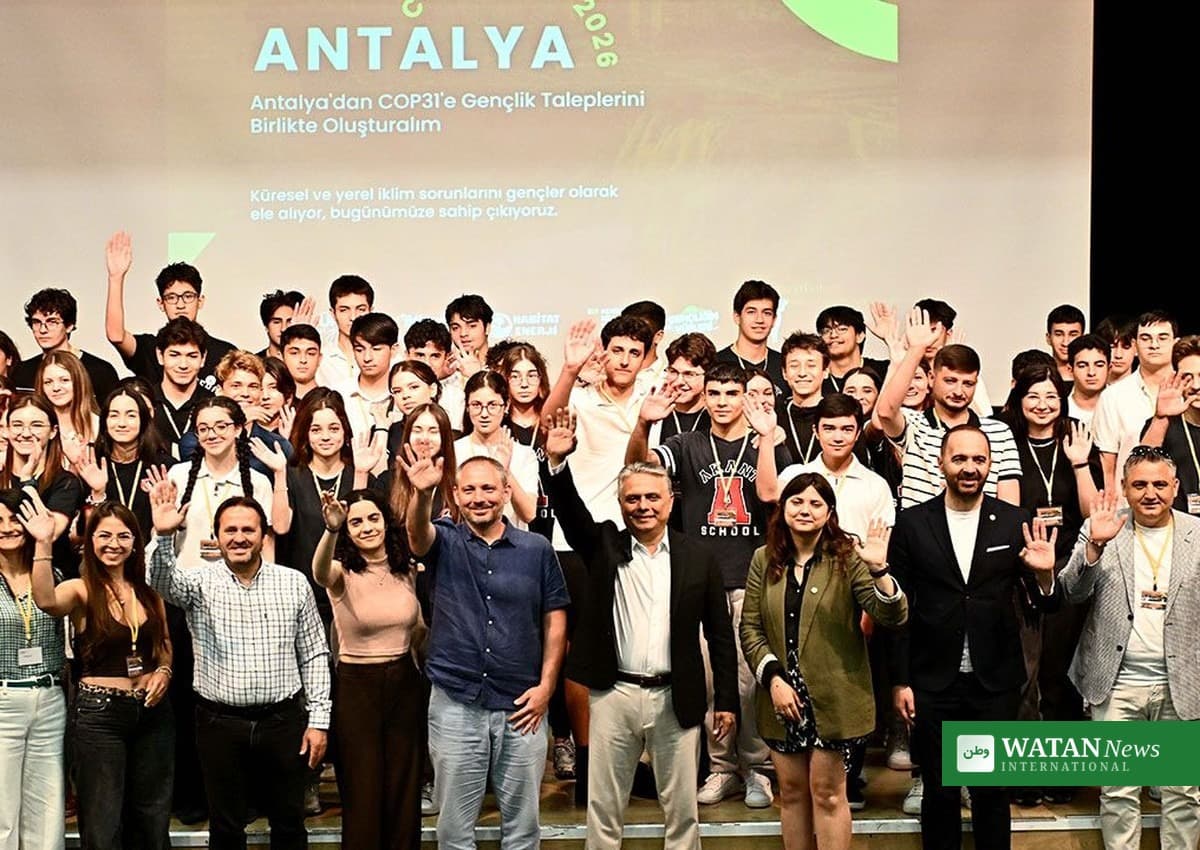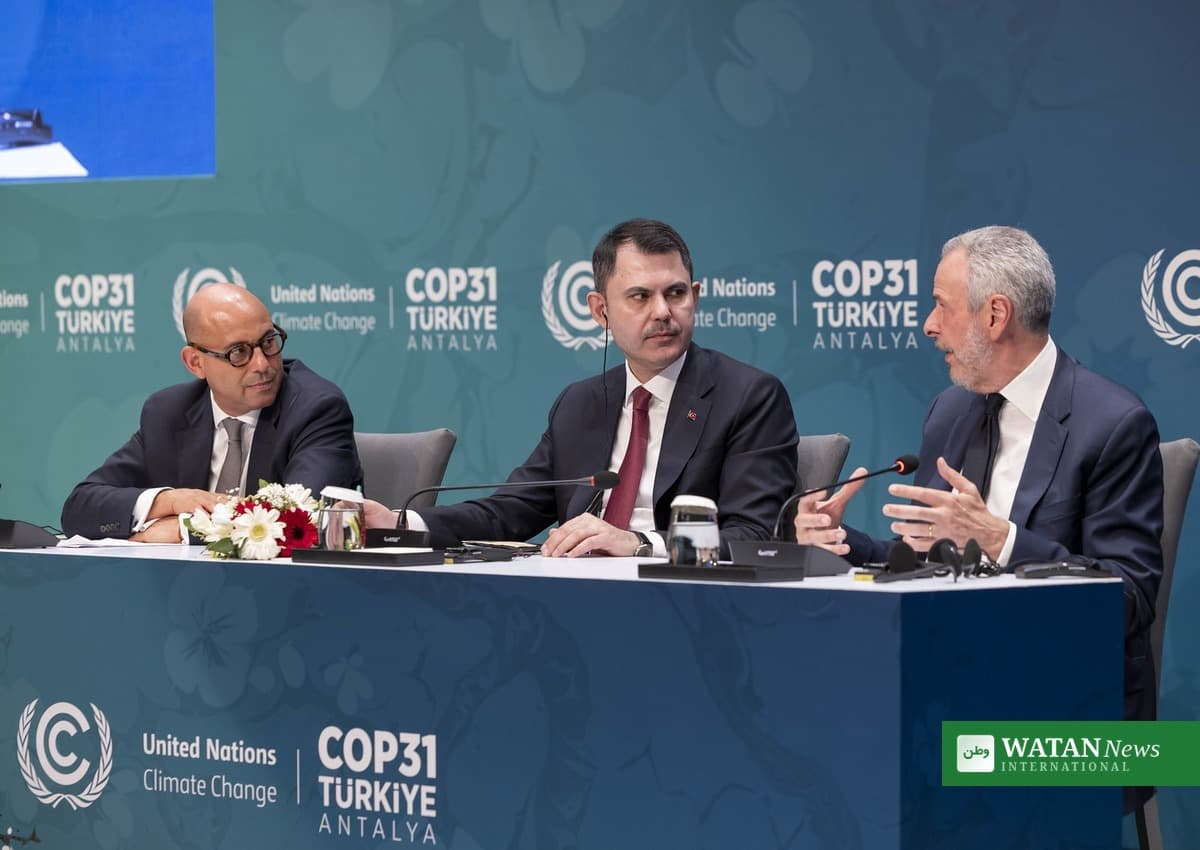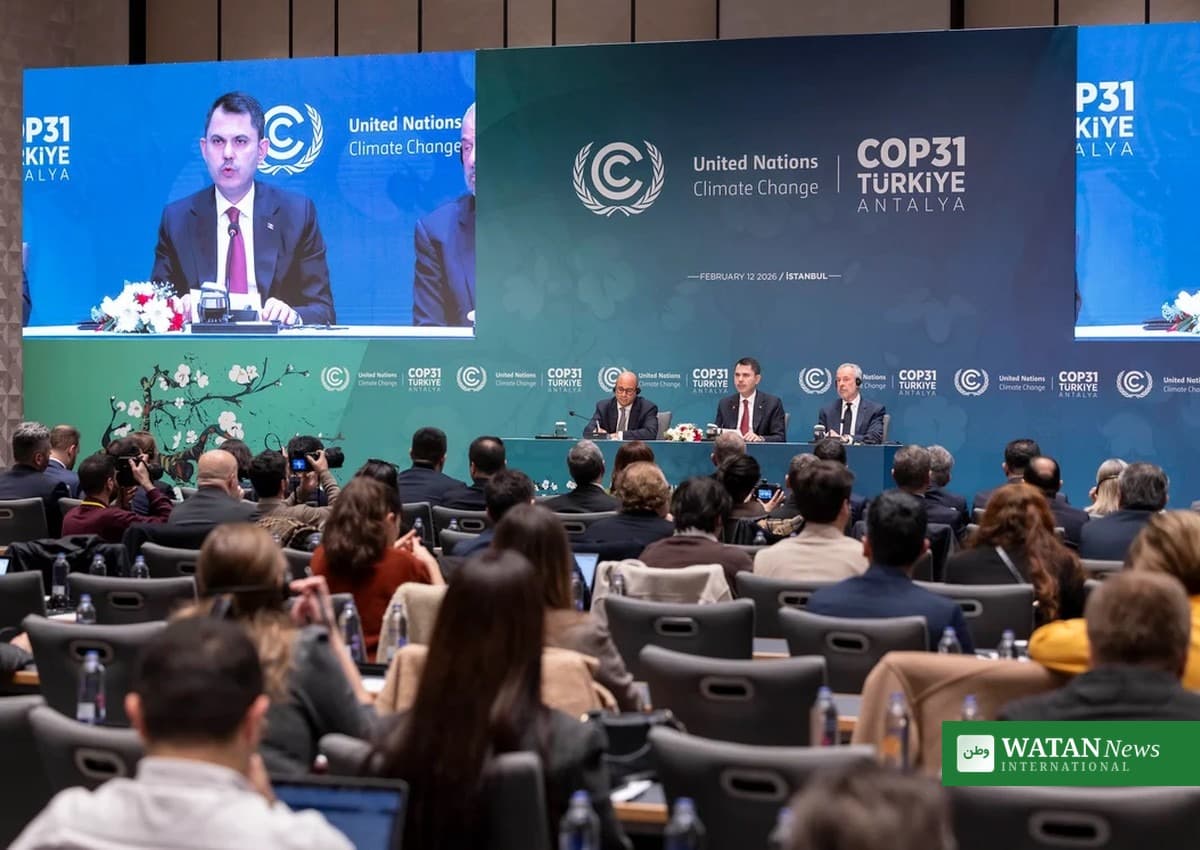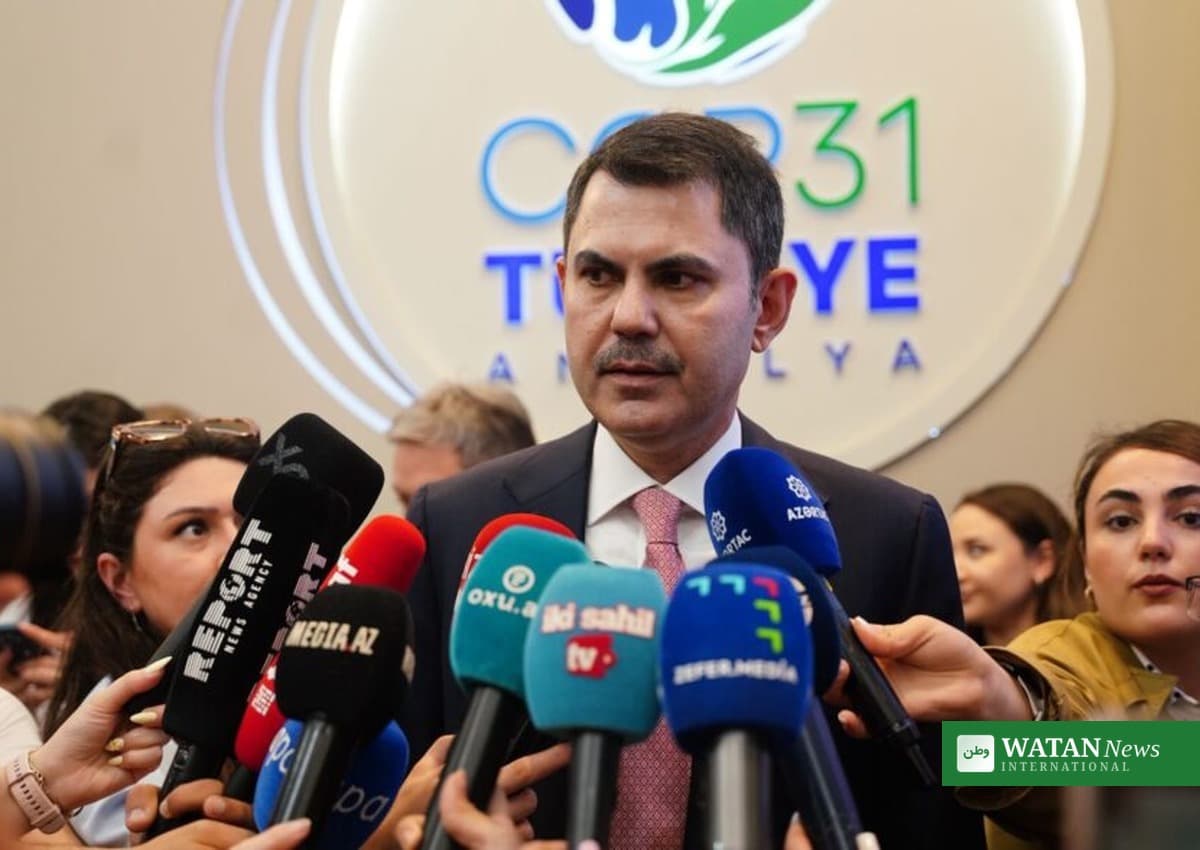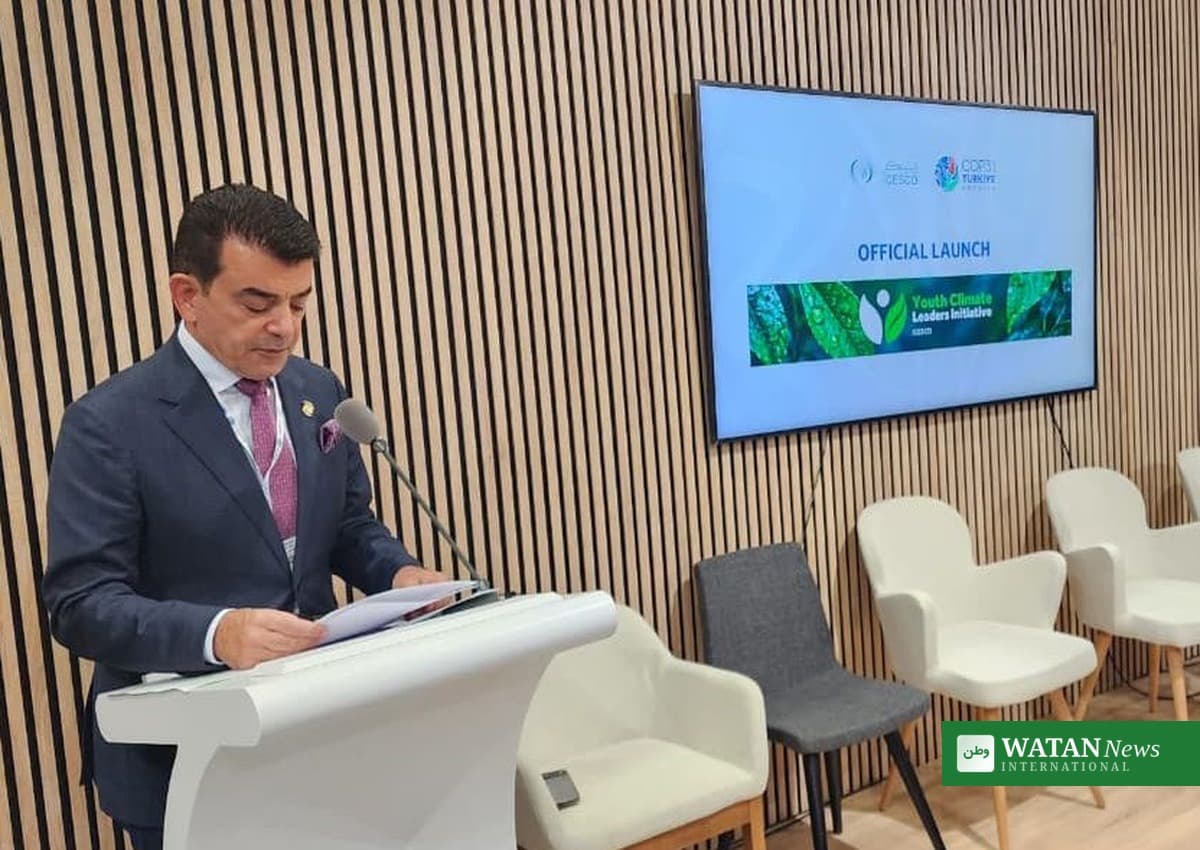
The Islamic World Educational, Scientific and Cultural Organization (ICESCO) has launched a new Youth Climate Leaders Initiative at COP31 in Antalya, aiming to train a new generation of young leaders who can turn local climate solutions into lasting action across the Islamic world and the Global South.
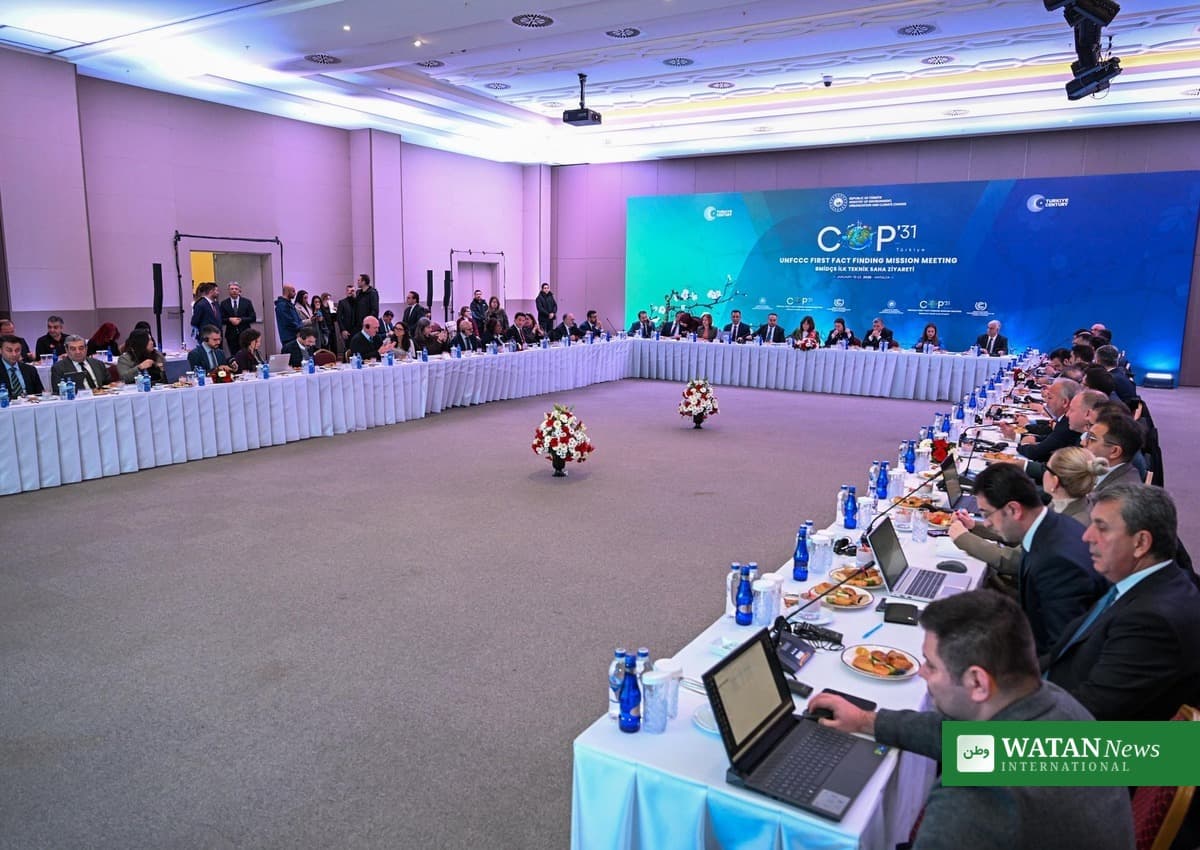
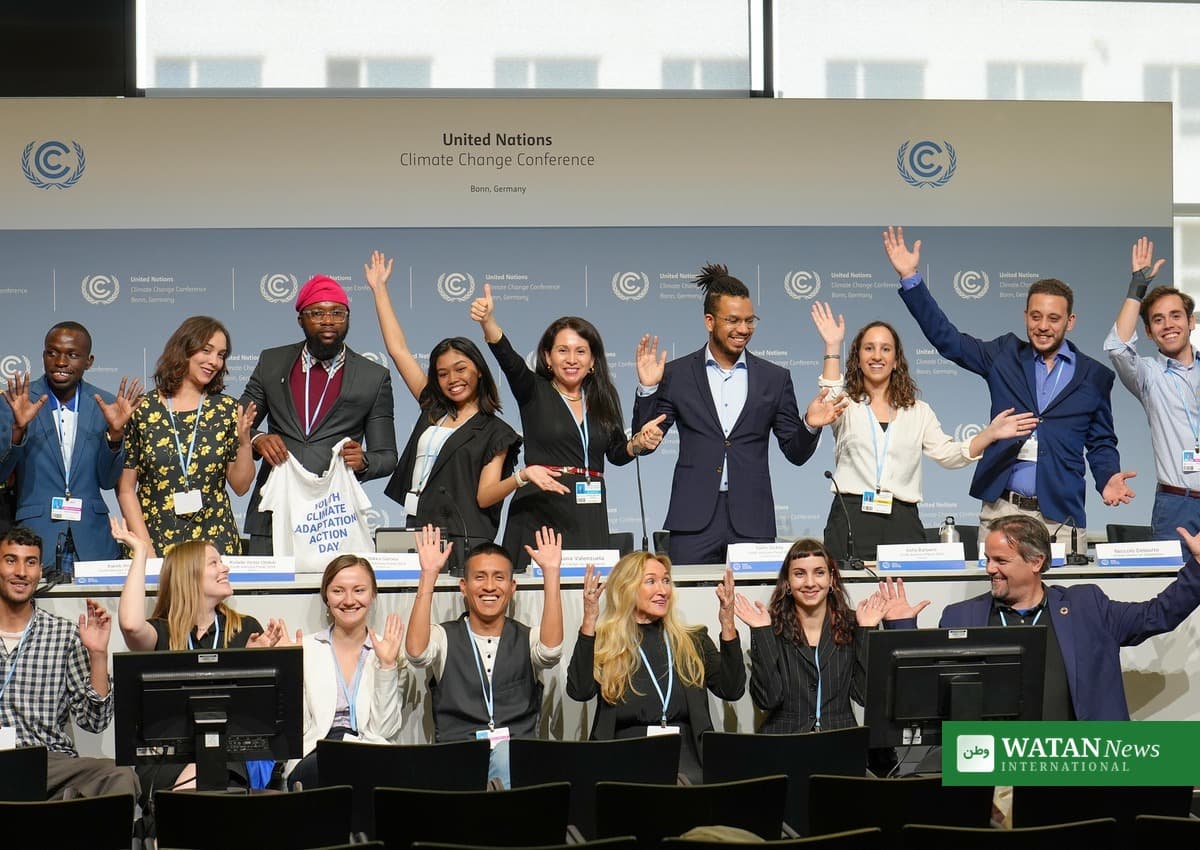
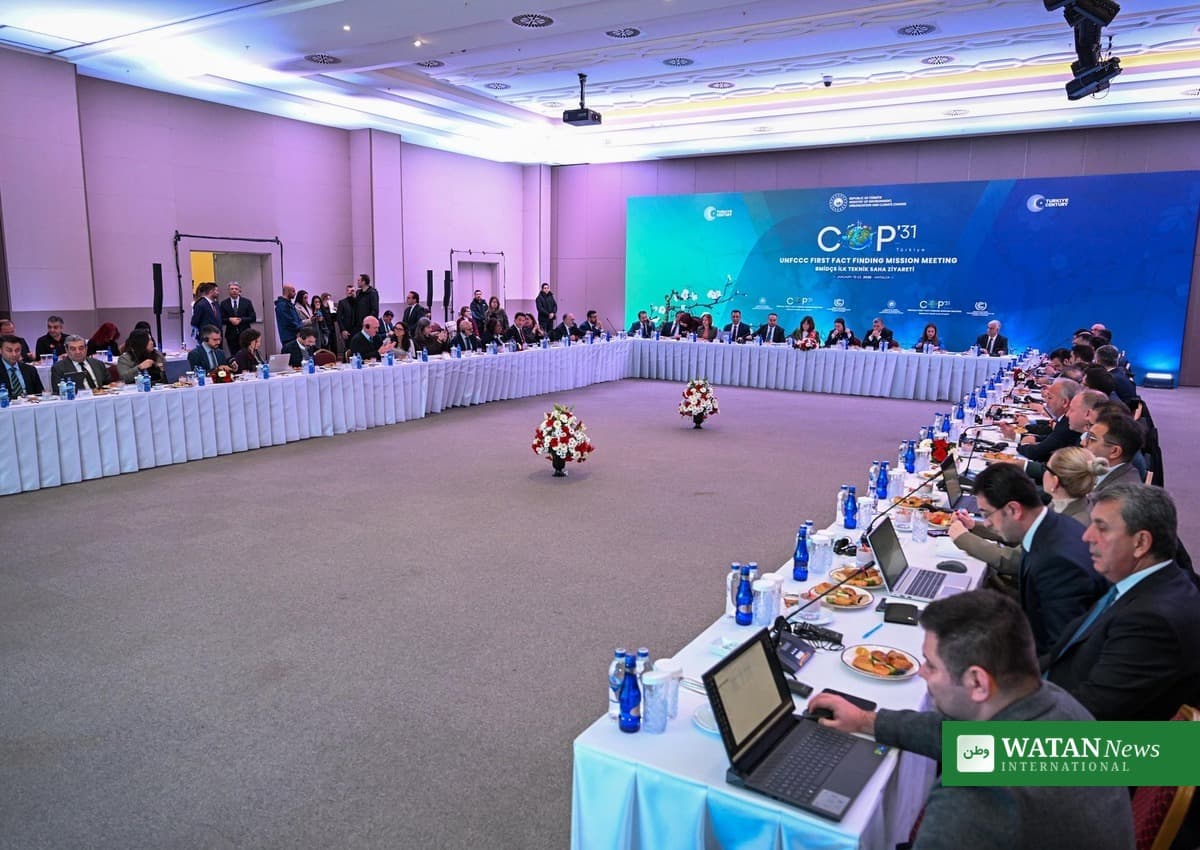
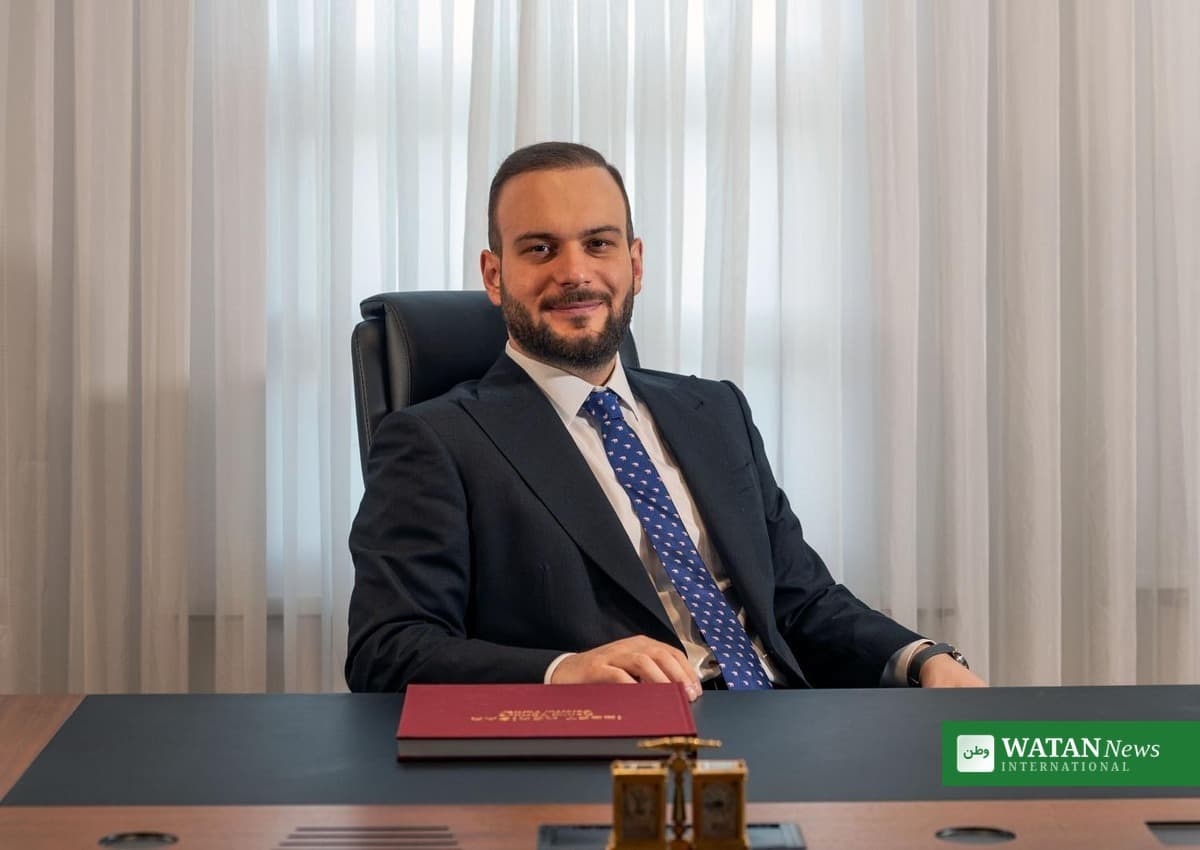
ICESCO Director-General Dr Salim M. AlMalik announced the initiative on 14 November 2026, during the ICESCO Youth Climate Leaders Forum held at the climate conference. The forum brought young leaders together with partners from science, business and international organisations to discuss how youth-led ideas can win funding and grow beyond their own communities.
The launch comes as COP31 enters its final days, with the conference due to close on Friday 20 November. It adds a youth-leadership programme to a week in which climate ambassadors at COP31 have been among the most visible voices in Antalya.
What the ICESCO Youth Climate Leaders Initiative will do
The initiative adopts a three-pronged approach, according to ICESCO. First, training: building young people’s knowledge, leadership and practical skills. Second, networking: connecting young leaders with each other so they can share experience across countries. Third, advocacy: creating opportunities for young people to take part in environmental dialogue and decision-making.
Dr AlMalik said the goal is to equip young people with the training and leadership skills needed to turn knowledge into action, transform bold ideas into viable ventures, and scale local solutions. He called on governments, international organisations, universities and the private sector to partner with the initiative and invest directly in youth-led projects.
He also stressed that a peaceful future depends on protecting the planet’s natural resources, and that climate leadership needs awareness, practical skills, adequate funding and stronger partnerships. That support matters most, he said, for young people in the Global South, who often lack the technical expertise and institutional backing needed to develop innovative solutions to climate change.
From peace ambassadors to environmental ambassadors
The new initiative builds on work ICESCO already does with young people. In 2023 the organisation proclaimed the ICESCO Year of Youth, and its Leadership Training in Peace and Security Program brings together 227 Peace Ambassadors from more than 60 countries.
At COP29, ICESCO announced that the young Peace Ambassadors would serve as Environmental Ambassadors, reflecting the close link between peace and environmental sustainability. The Youth Climate Leaders Initiative is the next step in that direction: giving those young ambassadors, and others like them, the climate skills to match their mandate.
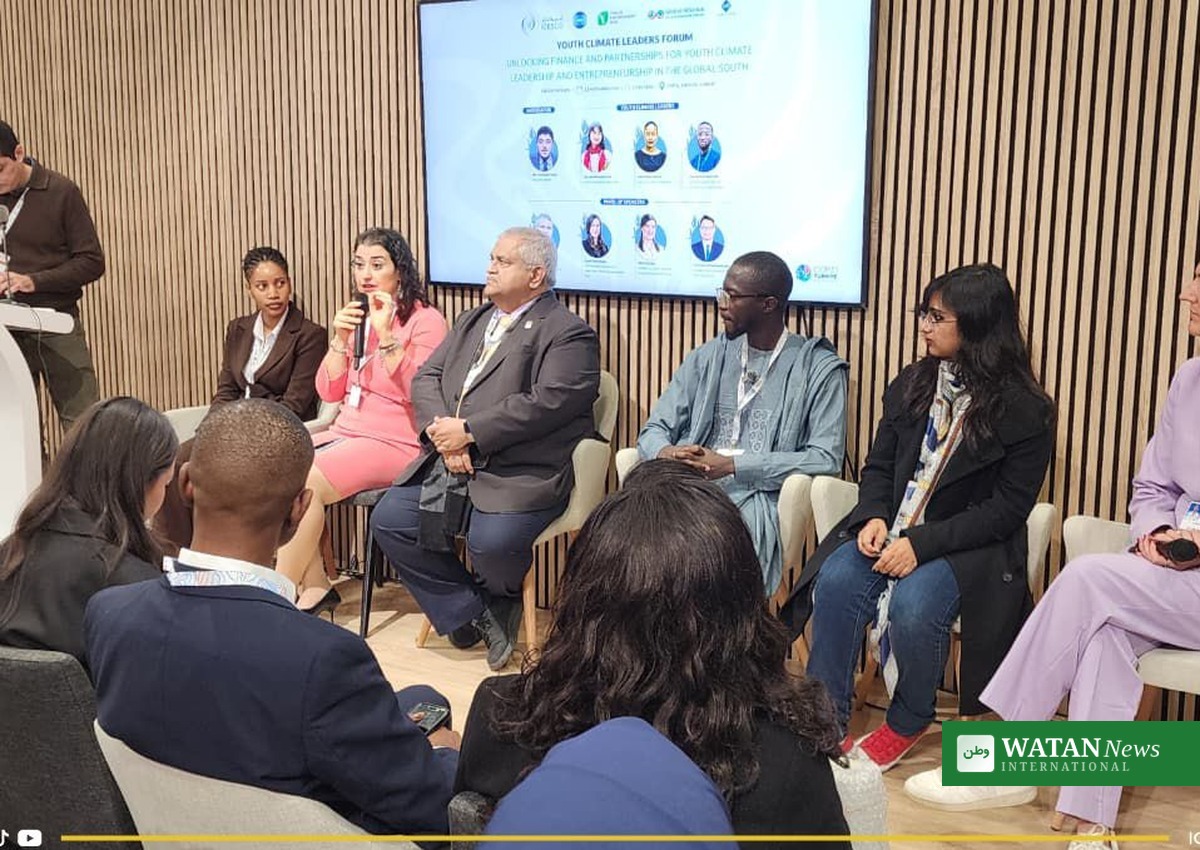
The forum behind the launch
The announcement came during the ICESCO Youth Climate Leaders Forum on Friday 13 November 2026, held under the theme “From Local Solutions Scale: Unlocking Finance and Partnerships for Youth Climate Leadership and Entrepreneurship in the Global South”.
ICESCO organised the forum in partnership with the Commission on Science and Technology for Sustainable Development in the South (COMSATS), the Yunus Environment Hub, the AOB Group and the Global Alliance for a Sustainable Planet (GASP), as part of COP31 in Antalya.
Dr AlMalik opened his address by calling on youth to help shape solutions to the climate crisis that will define their future, and underlined ICESCO’s belief that young people have a leading role to play in climate action.
Indigenous youth and mountain knowledge
ICESCO also held a session titled “Youth Climate Leaders Forum: Indigenous Youth Meet Academia – Mountain Knowledge for Climate Action”, in partnership with COMSATS. The session looked at connecting community knowledge with scientific research and youth leadership to develop practical solutions and strengthen the resilience of mountain communities.
ICESCO’s wider programme at COP31
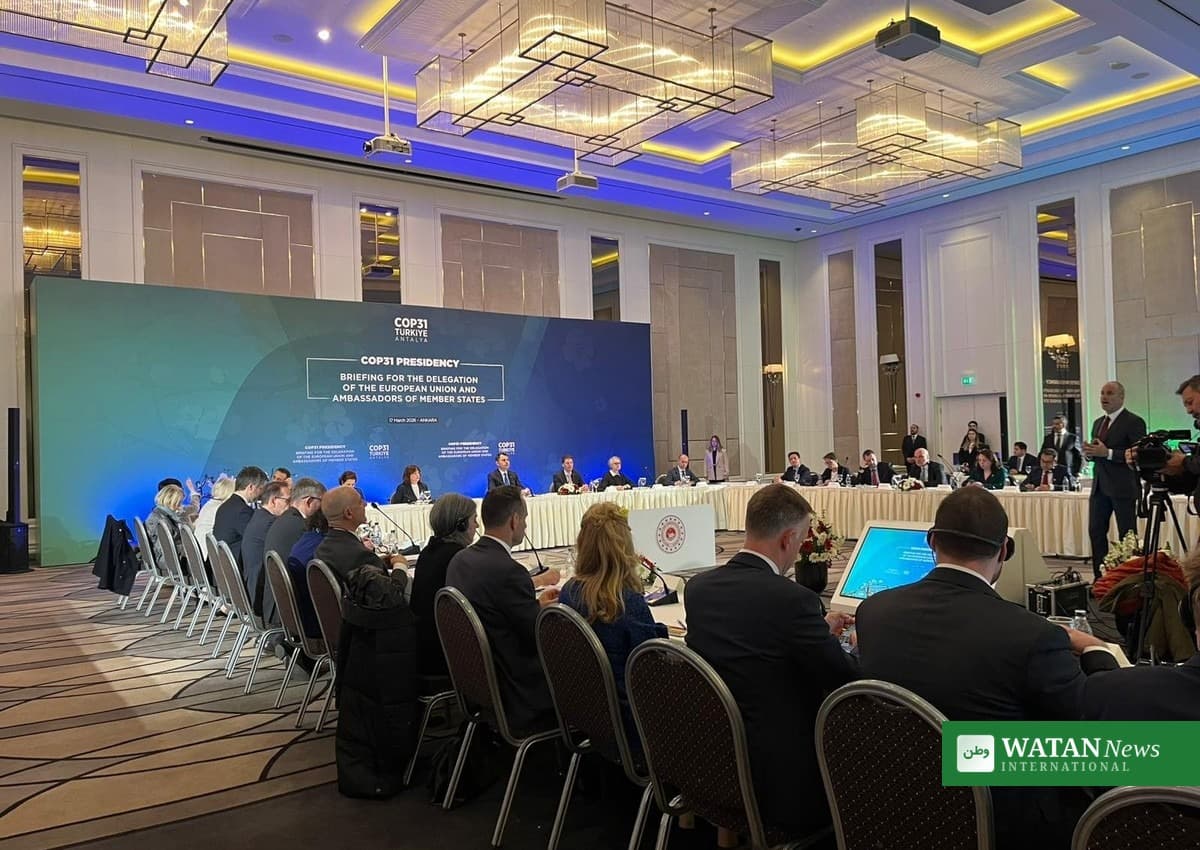
The youth initiative is one part of a large ICESCO presence in Antalya. The organisation held more than 50 activities at COP31 in partnership with its member states, international organisations and institutions working on environmental protection and climate change mitigation.
Earlier in the week ICESCO launched its first Standards and Guidelines for Greening School Curricula in the Islamic World, developed with Cambridge University Press & Assessment — a story covered in Watan News’ report on ICESCO and Pakistan putting climate education at the centre.
Pakistan’s Federal Minister for Climate Change, Musadik Masood Malik, met Dr AlMalik at the Pakistan Pavilion on 13 November and expressed his country’s interest in hosting the ICESCO Conference of Environment Ministers in the Islamic World in 2027. He also praised the Youth Climate Leaders Initiative among the initiatives ICESCO presented at the conference.
On 14 November, Leyla Aliyeva, Vice-President of the Heydar Aliyev Foundation and founder and head of the IDEA Public Union, met Dr AlMalik at the Azerbaijan Pavilion. The two sides discussed widening cooperation between IDEA and ICESCO, including environmental education in schools and international environmental summer camps for young people in Azerbaijan.
Key facts
- What: the ICESCO Youth Climate Leaders Initiative, a programme to train young climate leaders in the Islamic world and the Global South.
- Launched: 14 November 2026, at COP31 in Antalya, Türkiye.
- Forum: ICESCO Youth Climate Leaders Forum, 13 November 2026 — “From Local Solutions Scale: Unlocking Finance and Partnerships for Youth Climate Leadership and Entrepreneurship in the Global South”.
- Partners: COMSATS, Yunus Environment Hub, AOB Group and the Global Alliance for a Sustainable Planet (GASP).
- Background: 227 Peace Ambassadors from more than 60 countries in ICESCO’s Leadership Training in Peace and Security Program; at COP29 they were named Environmental Ambassadors.
- Approach: training, networking and advocacy for young leaders.
What happens next
ICESCO has not yet published details of how young people can apply to join the initiative, or how many will take part in its first round. The Director-General’s appeal at the launch was aimed first at partners: governments, universities, international organisations and businesses are being asked to support the programme and fund youth-led projects directly.
For the young ambassadors themselves, the test will come after COP31 closes on 20 November — whether the training, networks and funding promised in Antalya turn into real projects in their own communities.