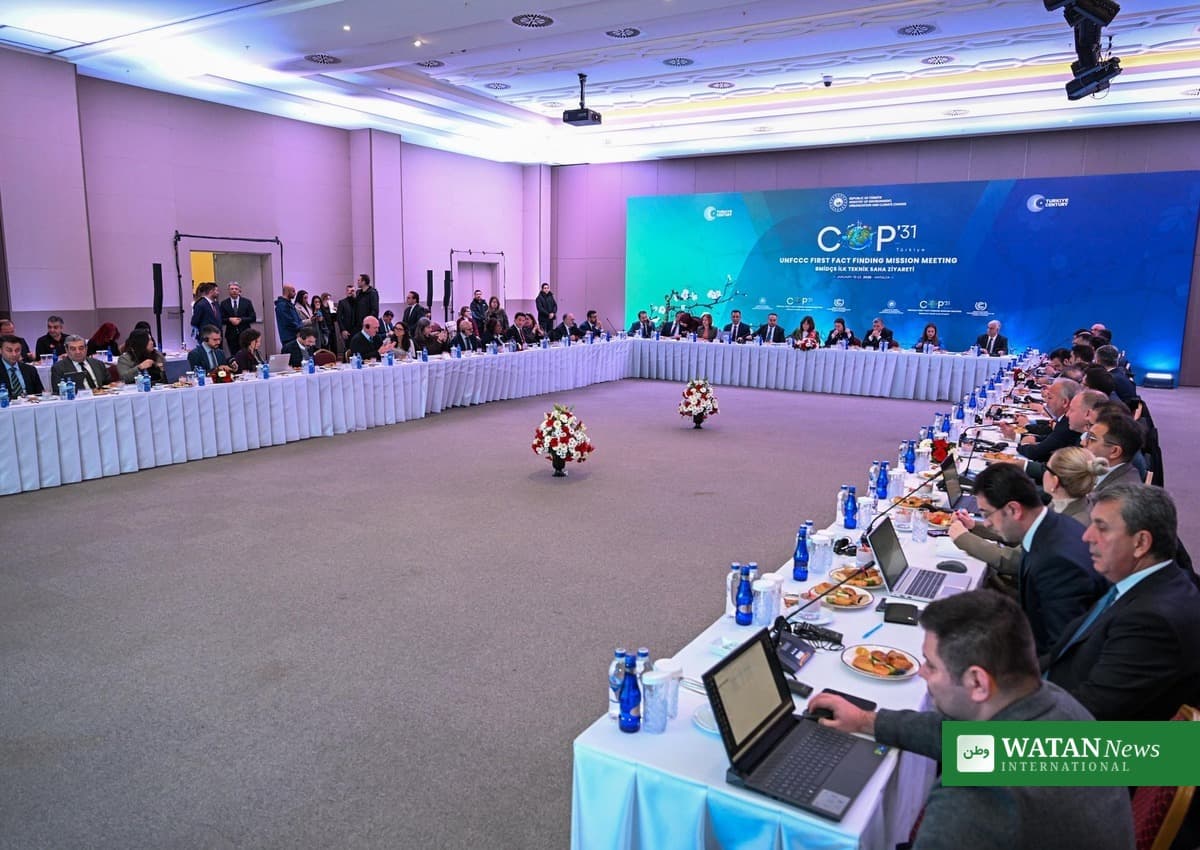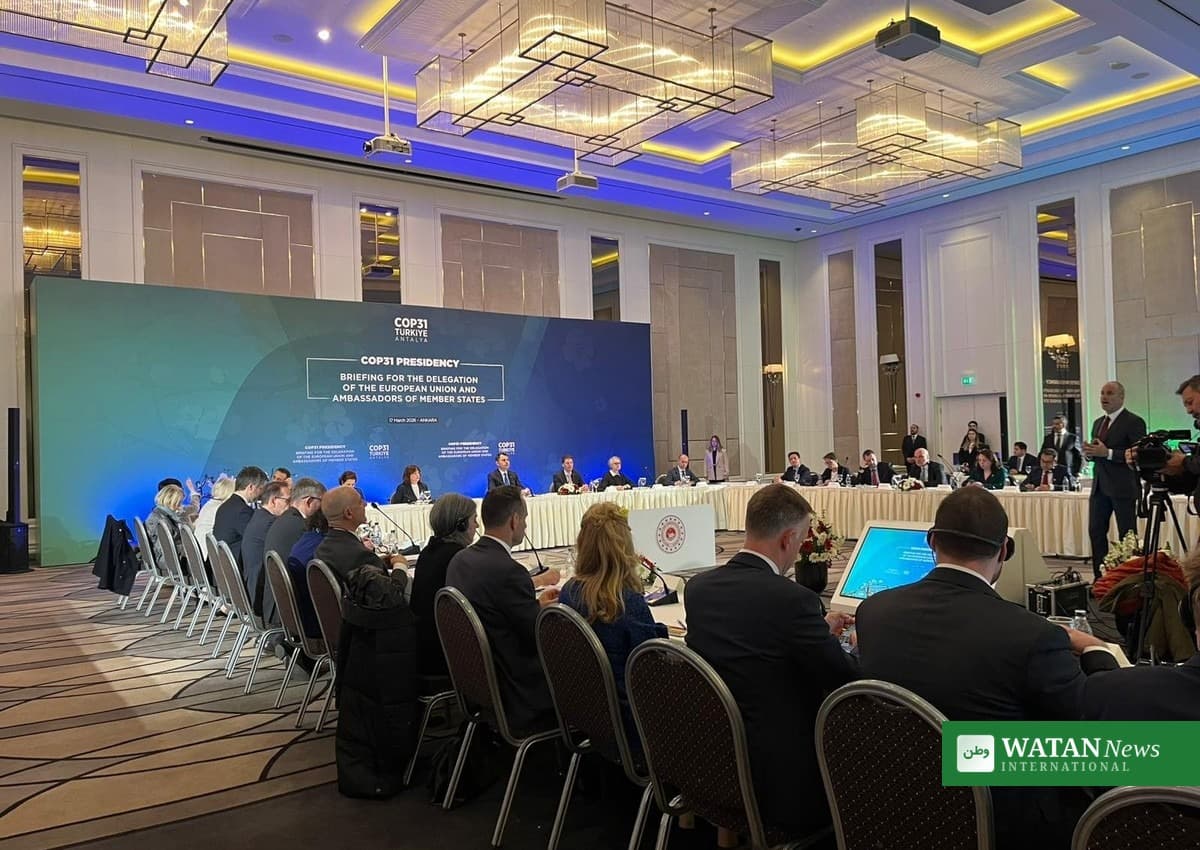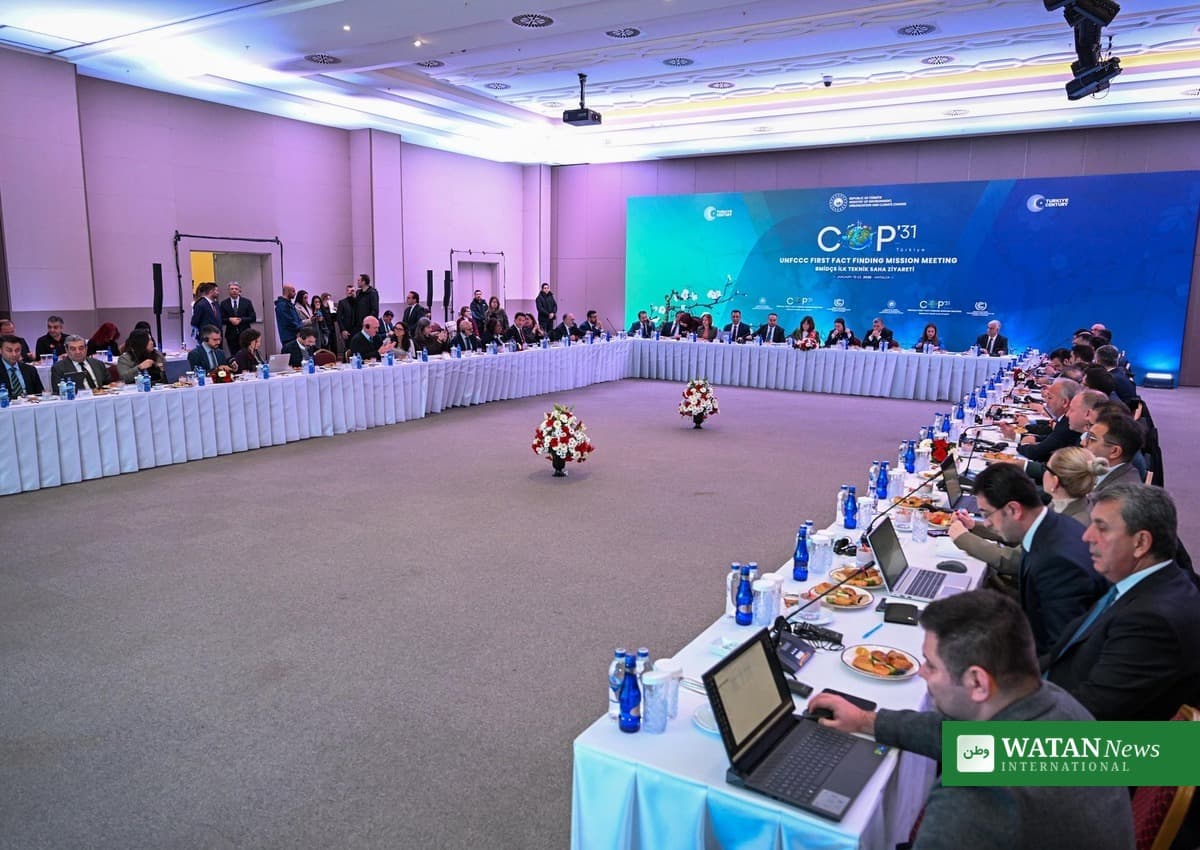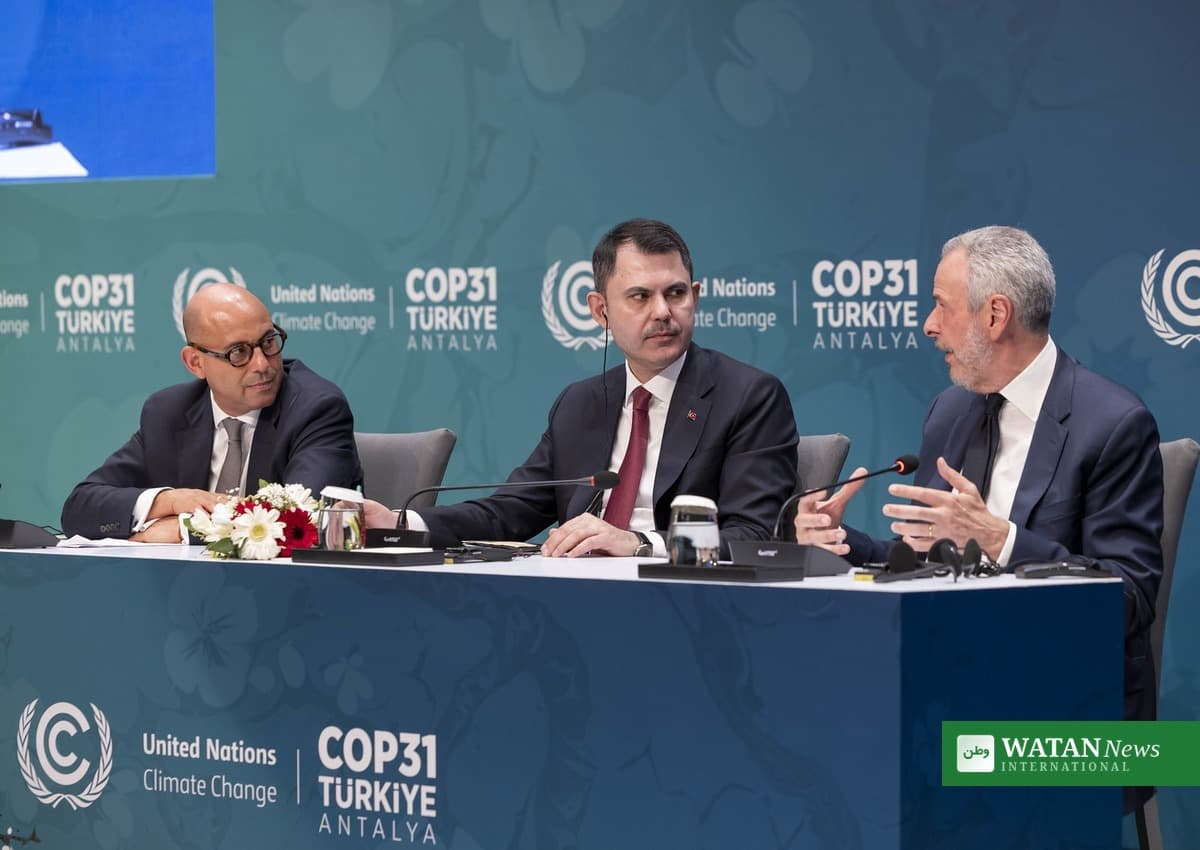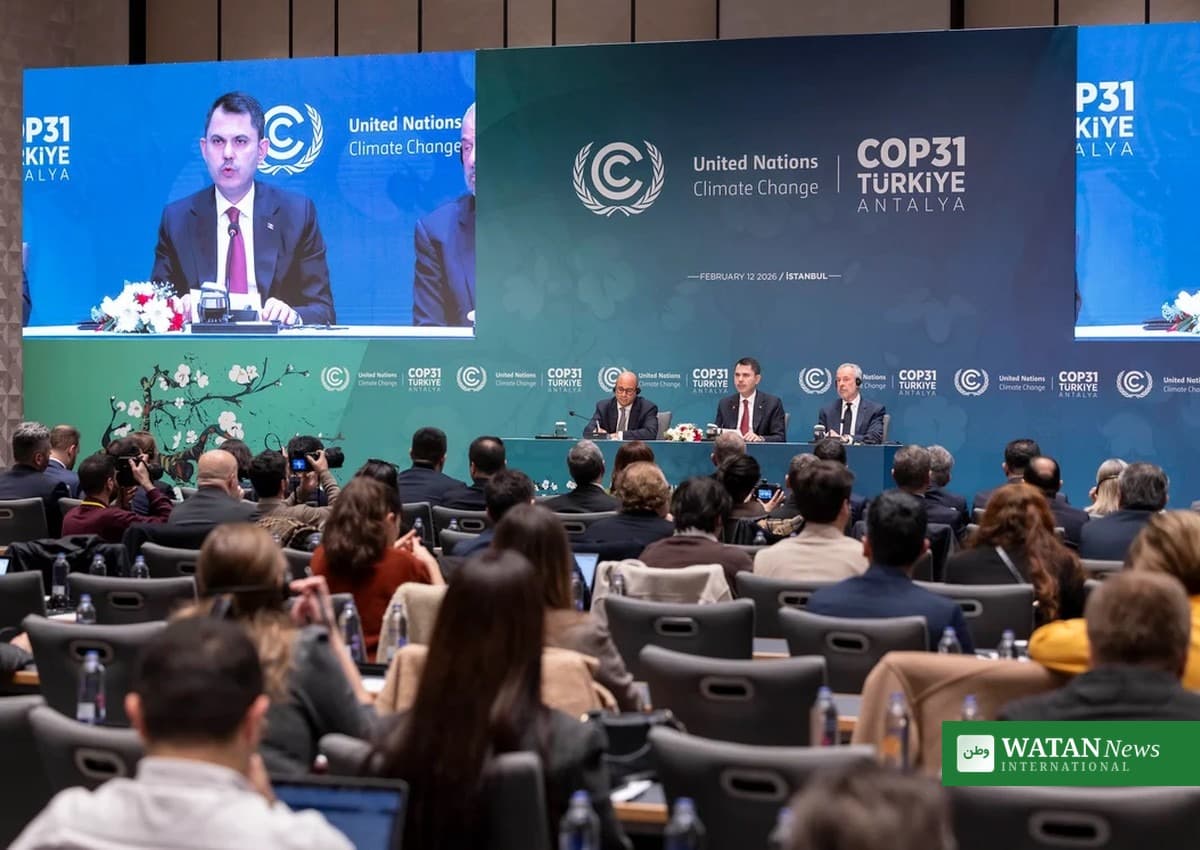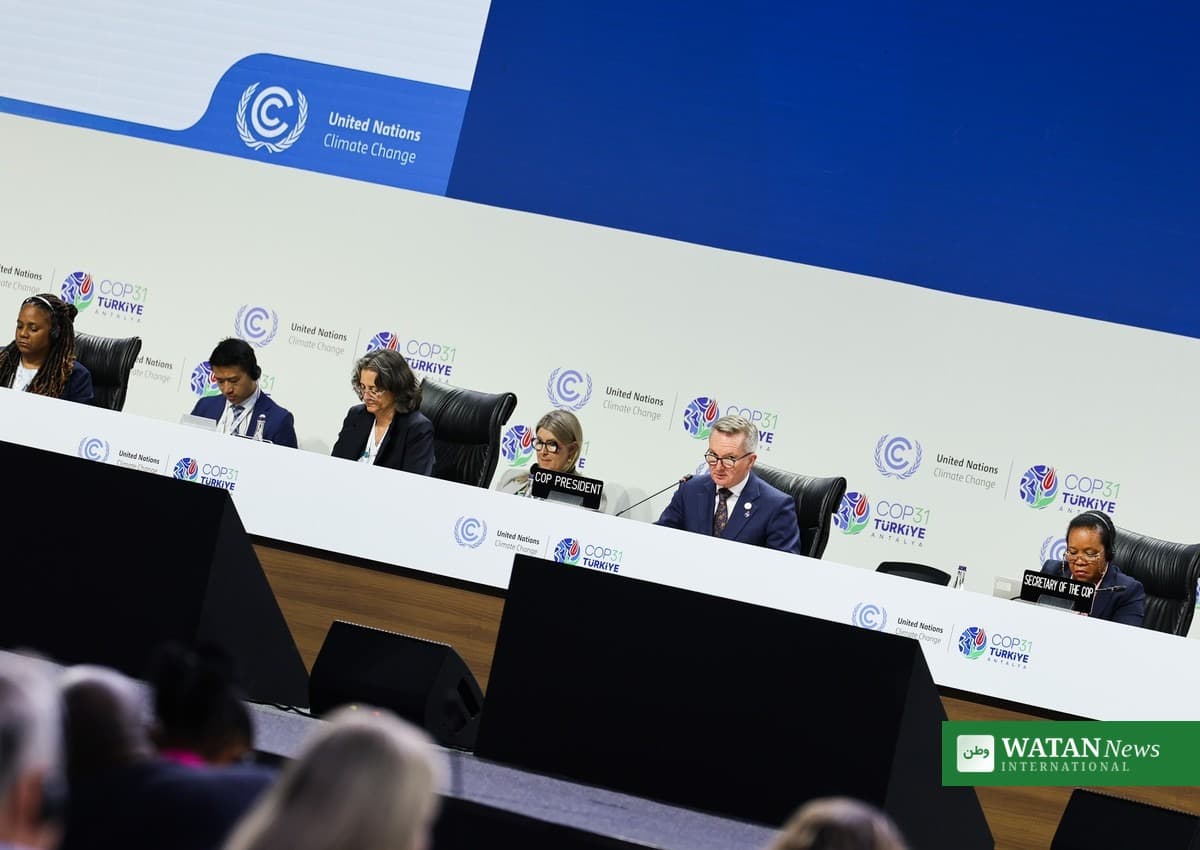
China is keeping a deliberately low profile at the COP31 climate summit in Antalya, showing little appetite for the global leadership role many countries had hoped it would take. With the United States stepping back from climate diplomacy, a gap has opened at the heart of the talks — but Beijing has signalled it will not fill it. China has even decided against hosting the United Nations climate conference in 2028, according to people familiar with the matter.
FAKTA
- Summit: COP31, Antalya, Türkiye — closing day, 20 November 2026
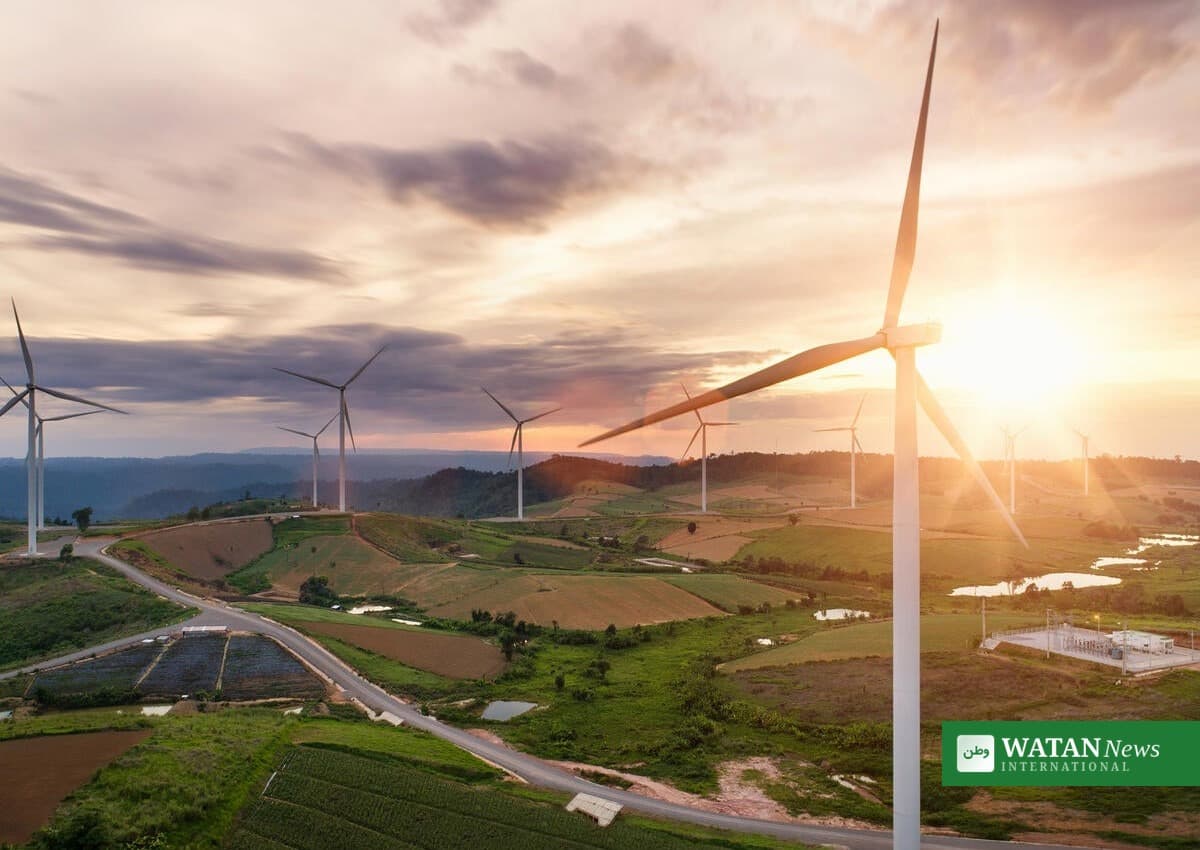
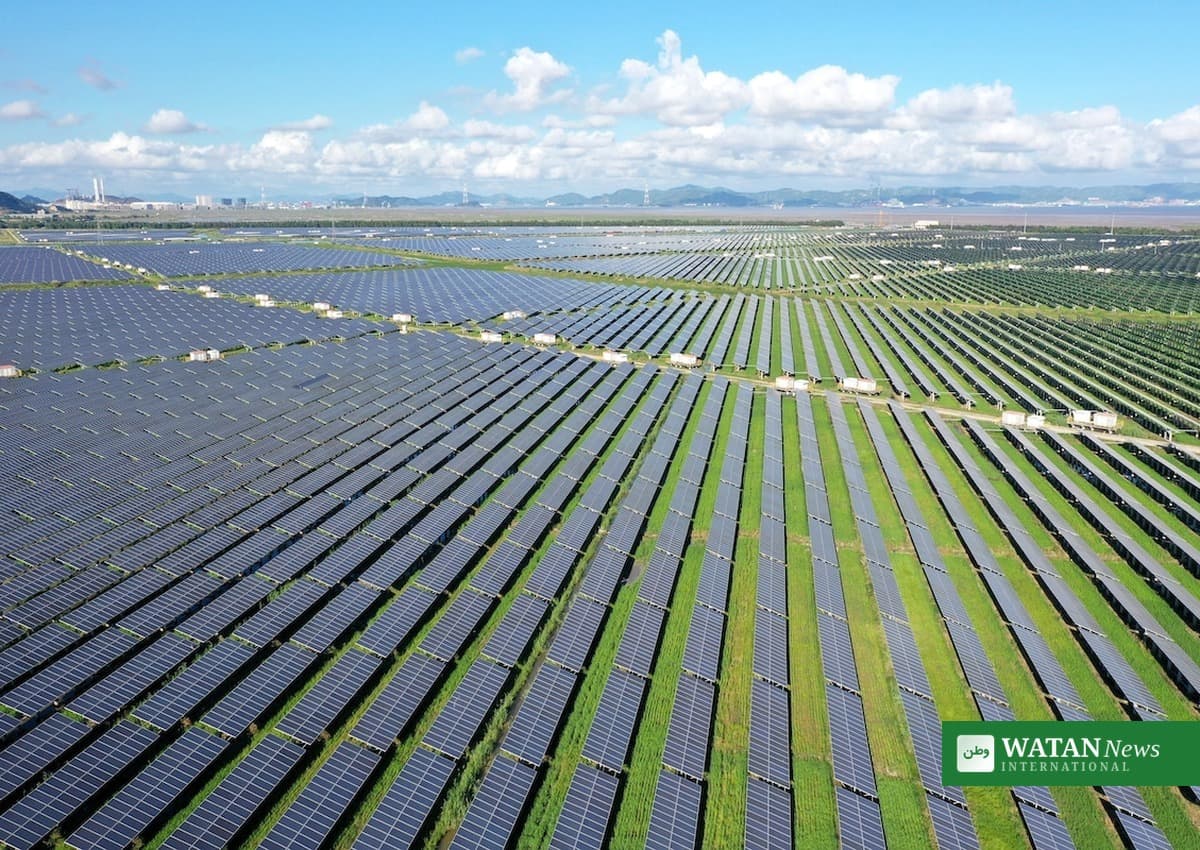
- China’s position: the world’s largest greenhouse gas emitter, and the largest producer of solar panels, wind turbines and electric vehicles
- Clean technology: $132 billion sent to developing countries last year, nearly matching all developed-world climate finance, according to a Reuters analysis
- 2028 conference: China has decided against hosting COP33
- Delegation head: Li Gao
A gap Beijing will not fill
The withdrawal of the United States from climate diplomacy under President Donald Trump has left what diplomats describe as a superpower-sized hole in the COP process. Many had expected China to step into it, especially after reports last year that Beijing was considering hosting COP33 in 2028. Instead, its delegation has been largely absent from public events during the two-week summit, diplomats and observers said.
One person familiar with Beijing’s thinking said the central government saw no advantage in taking on more formal leadership. “The central government thinks we are already leading on renewable technology, why should we have this COP?” the person said.
Clean energy giant, cautious diplomat
Inside the closed-door negotiations, China has stuck to its traditional role, backing developing countries’ demands that wealthy nations provide more climate finance and cut emissions faster. At the same time, it has resisted specific targets for phasing out fossil fuels — a position that reflects the influence of the country’s large coal industry, analysts said.
Hosting a summit could also bring pressure for stronger targets and more financial support — demands Beijing appears keen to avoid. While the Western world has historically emitted the most greenhouse gases, China is now by far the planet’s biggest emitter.
Trade first, targets later
Where Beijing has pushed hard at COP31 is on trade. Chinese negotiators pressed for language guaranteeing the free flow of green technology and products, arguing trade barriers could slow clean energy growth. China has criticised restrictions imposed by the United States and the European Union on its clean-technology exports.
Delegation head Li Gao told reporters before the summit that the conference needed to address what he called the “new problem” of unilateralism and protectionism. The message is clear: Beijing wants a stronger role in green trade, while remaining cautious about formal leadership in global climate talks.
As COP31 heads into its final hours, the question of who leads the global climate effort remains open — and China is answering from the sidelines. For more climate coverage, visit Watan News.