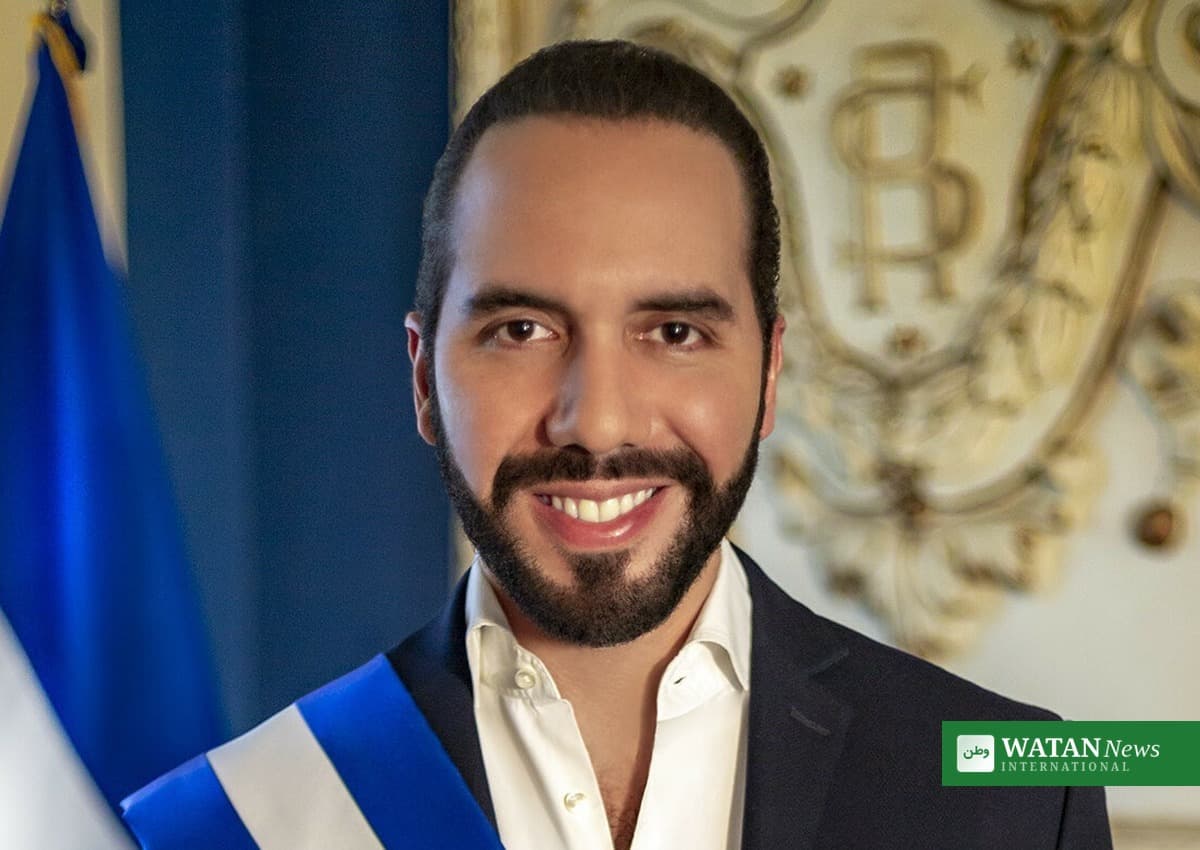
El Salvador’s President Nayib Bukele has officially registered his candidacy for a third consecutive term, launching his bid for re-election in the country’s February vote. The Bukele third term bid follows years of constitutional changes that removed presidential term limits in the Central American nation.
Bukele, 45, submitted his presidential candidate paperwork to the Supreme Electoral Tribunal on Thursday night, arriving at the building in a fleet of police cars as crowds carrying “Bukele 2027” signs cheered his arrival. Candidates for 60 congressional seats and 44 municipal council seats also filed their documentation ahead of the Thursday night deadline.
FAKTA
- What happened: President Nayib Bukele registered on Thursday night, 19 November, to seek a third consecutive term as president of El Salvador.
- When is the vote: The presidential election is scheduled for February 2027.
- Running mate: Vice President Felix Ulloa is running alongside Bukele for a third consecutive term.
- Opposition: Bukele faces four opposition candidates, including Maytee Iraheta of the ARENA party and Rafael Aguirre of the FMLN.
- Polls: Recent polls put Bukele’s approval at around 90 percent, with 55 to 70 percent support for re-election, while opposition parties poll in single digits.
- How it became possible: A 2025 constitutional amendment eliminated presidential term limits, extended presidential terms to six years and moved the election forward to February 2027.
Bukele files his candidacy
Addressing supporters outside the tribunal, Bukele said El Salvador had open democracy and would not return to its past. “In El Salvador there is total, complete open democracy,” he told the crowd. “We’re sending a message to the world that El Salvador will never return to the past.”
His New Ideas party, which holds a supermajority in Congress with 54 of the 60 seats, cleared the way for him to be the party’s candidate in July. Bukele first took office in 2019, ending three decades of rule by the ARENA and FMLN parties, and won a landslide re-election victory in 2024.
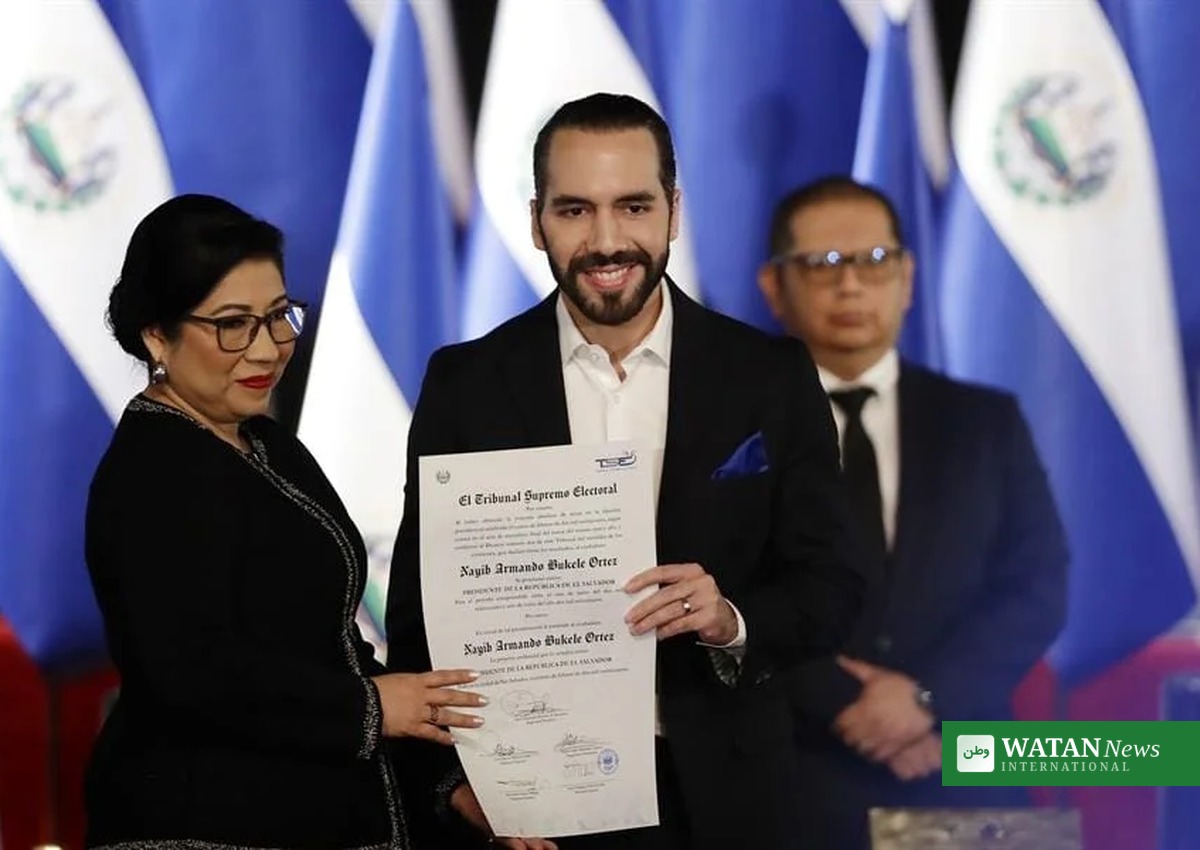
Bukele holds his presidential credential from the Supreme Electoral Tribunal in a 2024 file photo.
The road to a Bukele third term
El Salvador’s constitution long prohibited consecutive re-election. In 2021, the Supreme Court ruled that sitting presidents could seek re-election, a decision that opened the way for Bukele’s second term in 2024. The following year, Congress approved a constitutional amendment allowing indefinite presidential re-election, extending leaders’ terms from five to six years, abolishing second-round votes and rescheduling the presidential election to February 2027 to coincide with legislative and municipal elections.
The ruling party says the changes reflect the will of voters. Opposition parties and rights groups say the changes allow Bukele to consolidate power indefinitely without institutional checks and balances, an accusation the government rejects.
Support and criticism
Bukele’s popularity rests largely on his crackdown on organised crime. A state of emergency imposed in 2022 has largely debilitated the country’s criminal gangs and sharply reduced violence. Rights groups say the crackdown has harmed due process and innocent lives through mass arrests, while the government has dismissed accusations of authoritarianism and said it is prioritising victims of violence, not gang members.
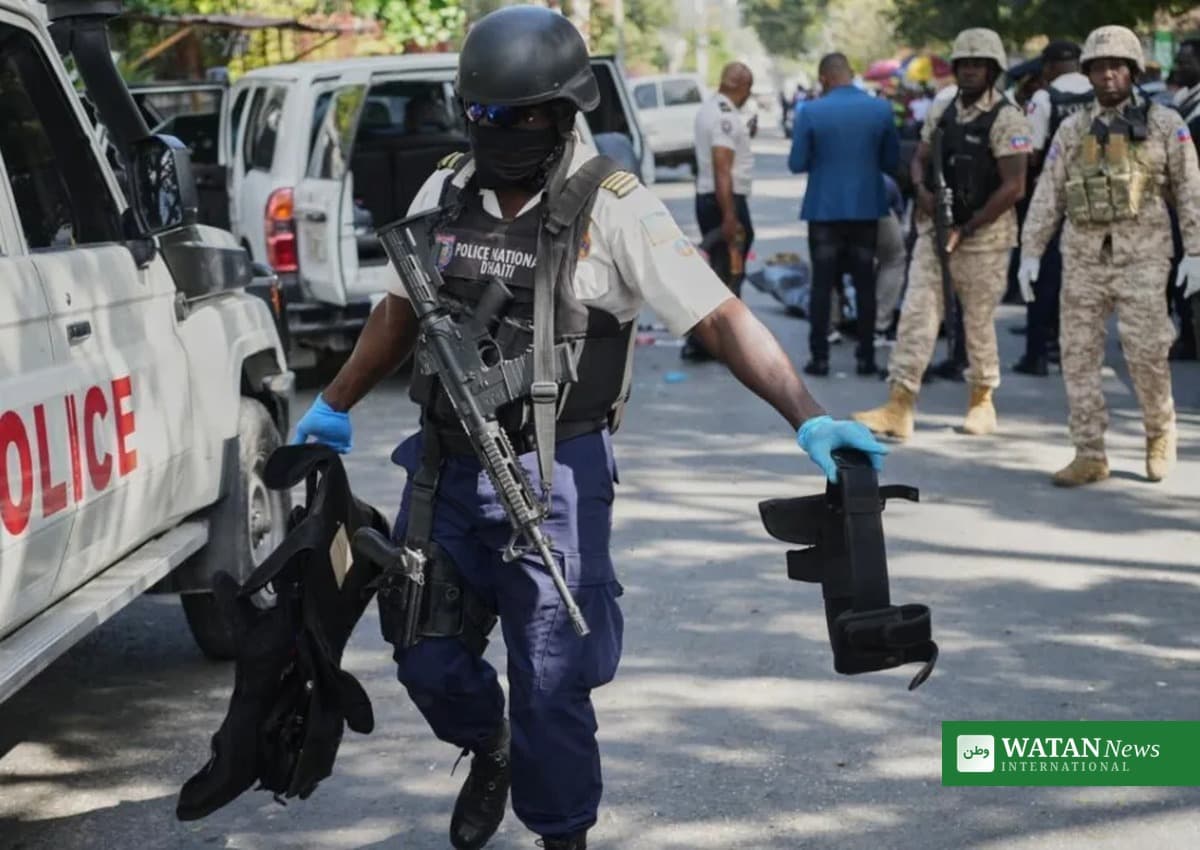
The security crackdown has also boosted Bukele’s standing in the region, with other governments seeking to replicate his model. In October, El Salvador sent more than 2,000 troops to Haiti to fight armed gangs after four Salvadoran members of a United Nations-backed force went missing. Watan News previously reported on Bukele’s Haiti deployment.
Political opposition figures and international observers have said Bukele’s plan to continue in office is illegal, while not disputing his popular support. Human Rights Watch has said the concentration of power in his hands has been the defining feature of his administration. Many Salvadorans have said they prefer giving up democratic freedoms to the gang violence of the past.
The February election
Bukele enters the February election as the clear favourite. Polls show him with 55 to 70 percent support, and his party well ahead of opposition parties polling in single digits. His four opposition rivals include Iraheta of the right-wing Nationalist Republican Alliance and Aguirre of the left-wing Farabundo Marti National Liberation Front.
If he wins, Bukele would serve a third consecutive six-year term, extending a presidency that has already reshaped El Salvador’s politics, its security policy and its constitution.