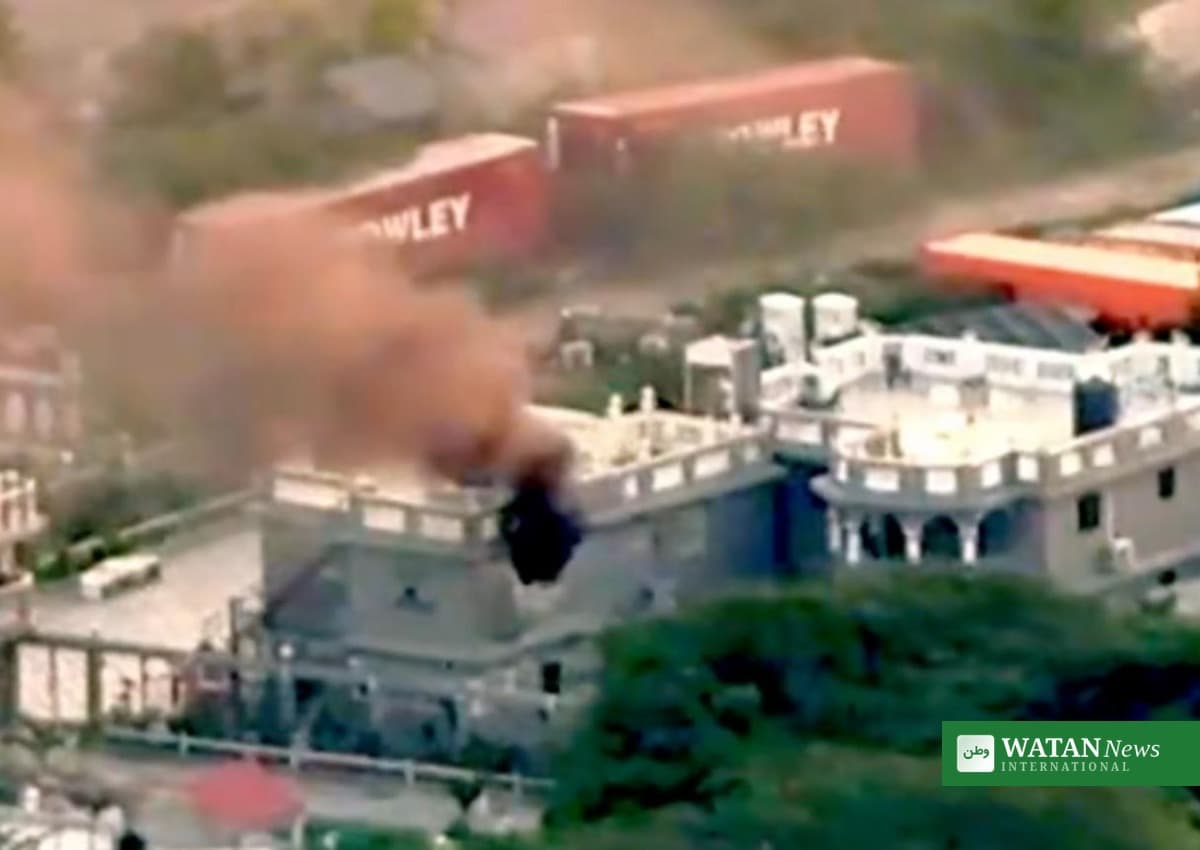
El Salvador’s President Nayib Bukele says Salvadoran forces have destroyed the 400 Mawozo gang headquarters in Haiti, in a ground and air assault on a compound near the capital, Port-au-Prince. It is the first military strike by his troops against a Haitian target since more than 2,000 Salvadoran soldiers were deployed to the Caribbean country last month.
FAKTA
- What happened: Salvadoran troops and Haitian police struck a compound in Croix-des-Bouquets, east of Port-au-Prince, that Bukele said was the home of 400 Mawozo leader Wilson Joseph, known as Lanmò San Jou, and the gang’s headquarters.
- When: The strike took place early on Sunday. Bukele announced it on X on Tuesday, 10 November, posting video of helicopters firing on the large compound as people ran from the property.
- Reported toll: Up to 20 gunmen inside the house were reported killed, according to sources cited by the Miami Herald. Joseph was not at the property. Haitian authorities have not confirmed the death toll or the extent of the damage.
- Context: About 2,000 Salvadoran soldiers have been deployed to Haiti since late October, after four Salvadoran aviation technicians were abducted in an ambush on 18 October. They remain missing.
What happened in Croix-des-Bouquets
“We destroyed the house of Lanmò San Jou and the 400 Mawozo gang’s headquarters,” Bukele wrote on X, adding that most of the gang members fled without a fight. The video he posted showed helicopters circling and firing on the walled compound in Croix-des-Bouquets, a stronghold of the gang on the outskirts of the capital.
The strike was carried out early on Sunday by a Haitian police drone task force backed by Salvadoran troops and four helicopters, two of them flown by the Salvadorans, the Miami Herald reported, citing sources. The newspaper said up to 20 gunmen inside the house were killed, but Joseph was not there.
The BBC reported that it could not independently verify the video posted by Bukele, or whether the property was indeed the gang’s headquarters. Haitian authorities have not confirmed the extent of the damage or the reported death toll, and accounts from Haitian outlets differ over whether the house was destroyed or only struck.
The operation followed an exchange on X days earlier. After a user posted a photograph on 5 November claiming to show the gang’s base, Bukele replied: “Where is that house? Give us the exact address, and we’ll destroy it.”
Why Salvadoran troops are in Haiti
Bukele ordered the deployment after four Salvadoran aviation technicians serving with the UN-backed Gang Suppression Force were attacked and abducted in an ambush in Croix-des-Bouquets on 18 October. They have not been found, and Bukele has vowed to bring them home alive.
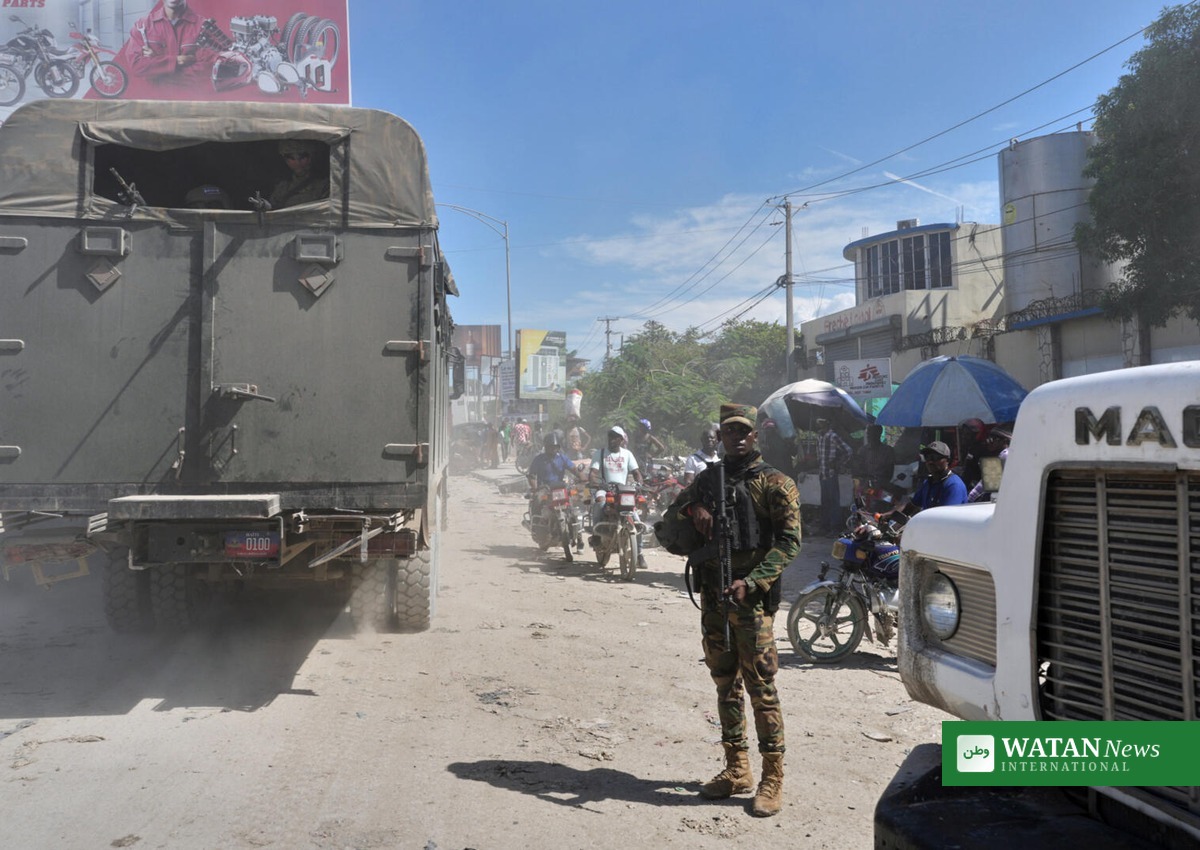
More than 2,000 Salvadoran soldiers have flown into Haiti since late October, a force now larger than the Gang Suppression Force contingent itself. The troops are supporting Haitian police in the fight against armed gangs that control large parts of the capital and surrounding areas.
Haiti’s prime minister, Alix Didier Fils-Aimé, thanked the Salvadoran military on X after the strike and said the two countries would keep working with the UN-backed Gang Suppression Force to “regain control of the territory and restore state authority”. He is due to visit El Salvador next week to discuss the future of the deployment.
Questions over the operation
The deployment has drawn scrutiny. Critics have questioned whether the Salvadoran soldiers are operating within the command structure of the UN-backed force, and the Dominican Republic’s president, Luis Abinader, said on Tuesday that his government was collaborating with Bukele, providing logistics and intelligence.
Amnesty International has urged both governments to make public the agreement governing the deployment and to ensure that all operations comply with international human rights law. “Both governments must make public the agreement governing the deployment and explain how they oversee the deployed forces,” said Ana Piquer, Amnesty’s Americas director.
Haiti’s gang crisis
400 Mawozo is Haiti’s largest criminal organisation, known for kidnappings, extortion, murder and arms trafficking. The gang, whose name roughly translates as “400 Simpletons”, operates largely in Croix-des-Bouquets and was behind the October 2021 abduction of 17 missionaries, 16 from the United States and one from Canada, all of whom were eventually released.
The United Nations says at least 5,700 people were killed or injured by gangs or in operations against them in Haiti between 1 January and 11 September this year. Gangs now control most of Port-au-Prince, and Haiti has had no elected president since the assassination of President Jovenel Moïse in 2021.
More world news from Watan News is available on our World news page.