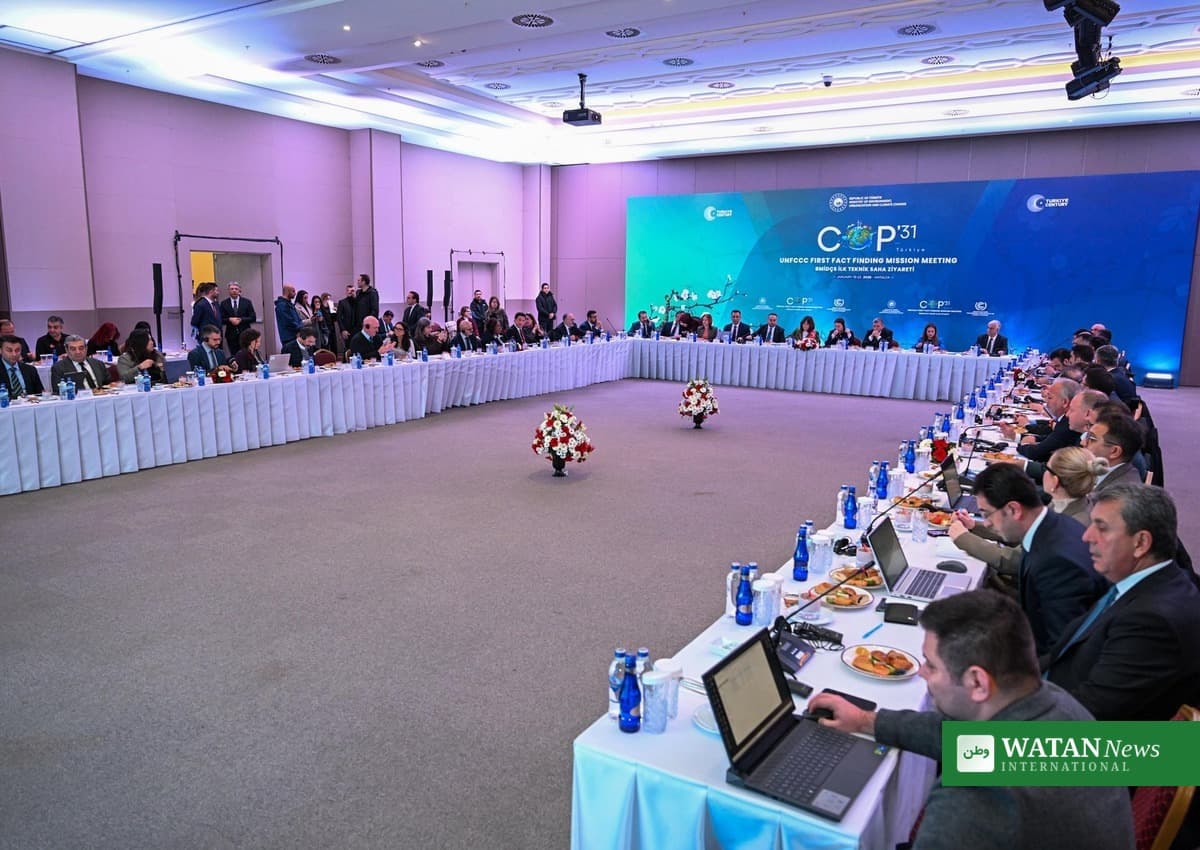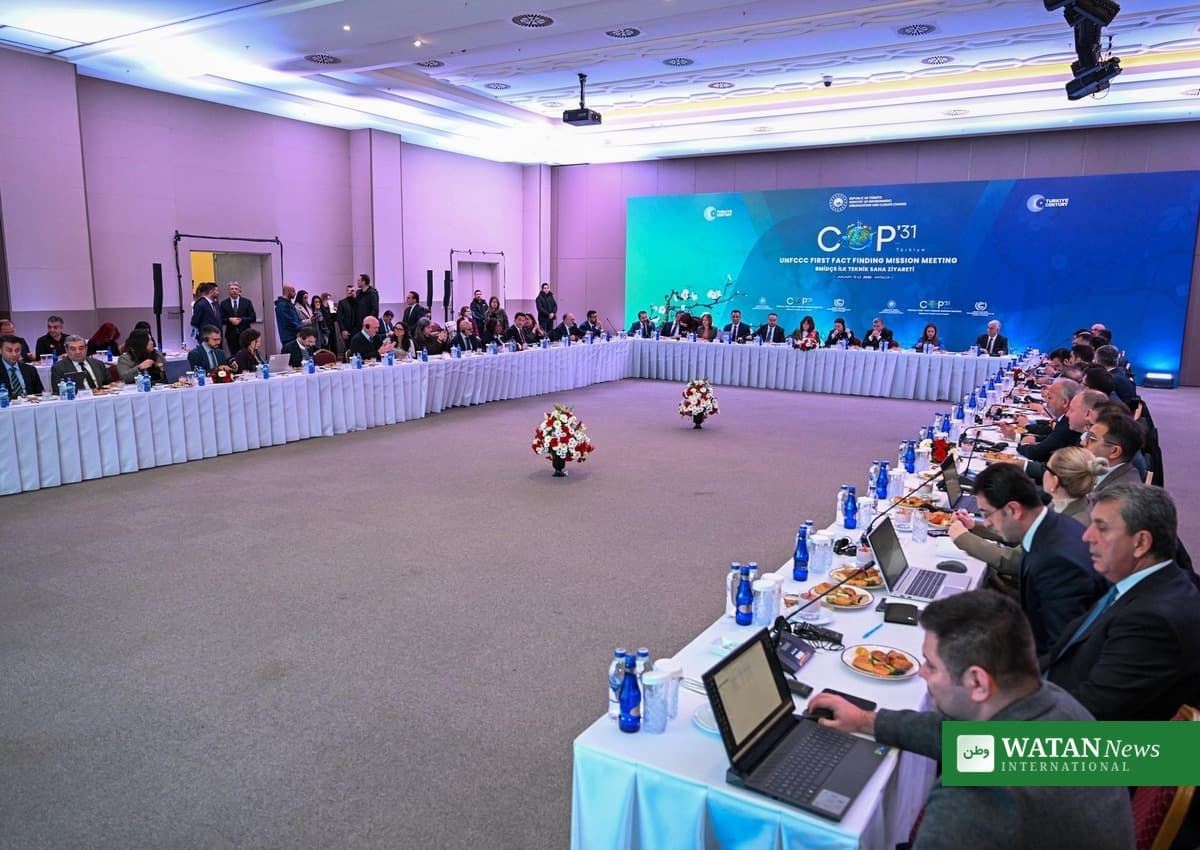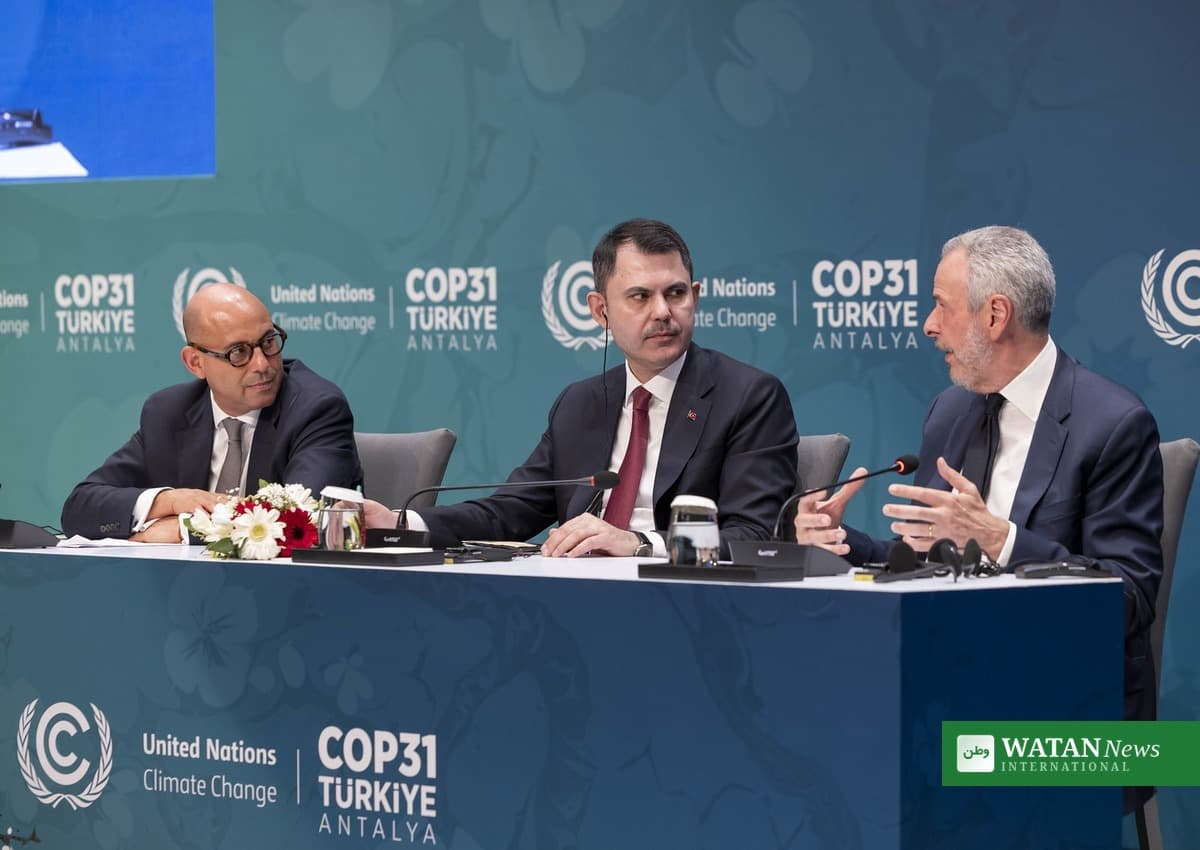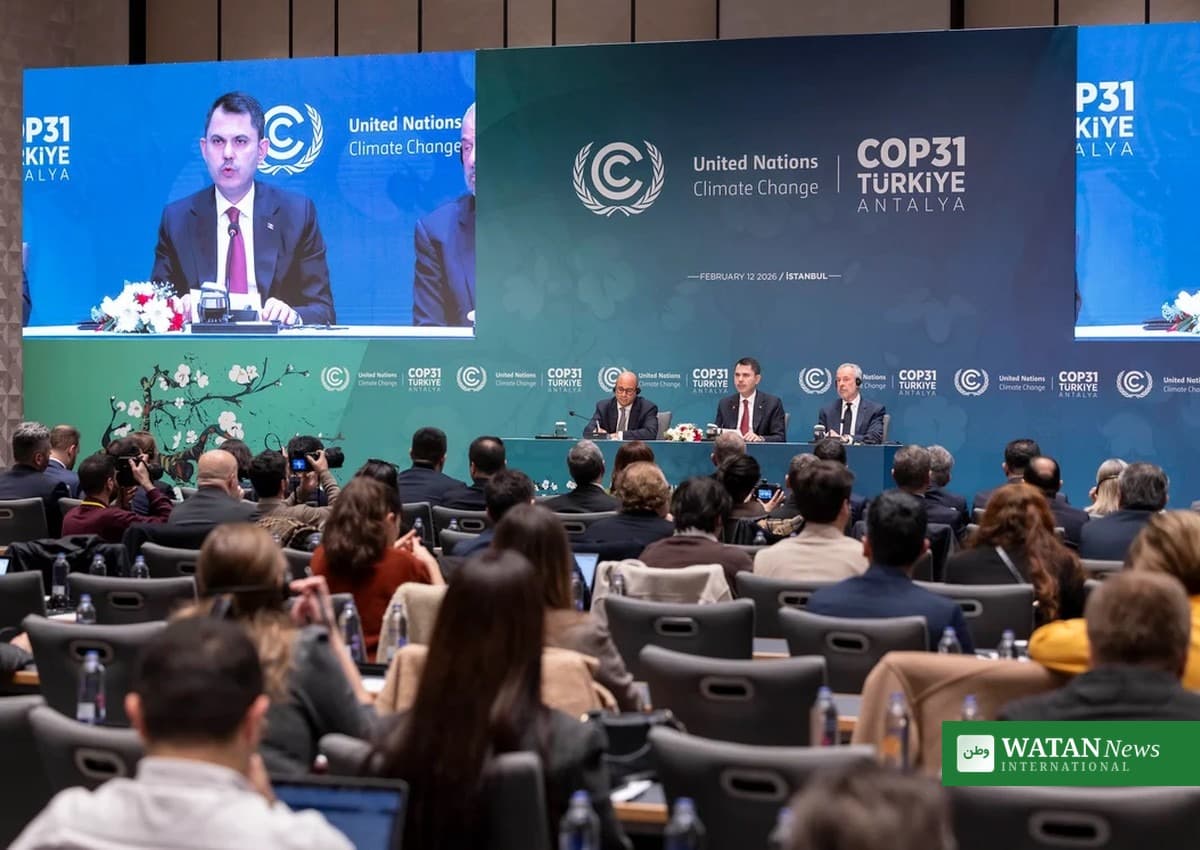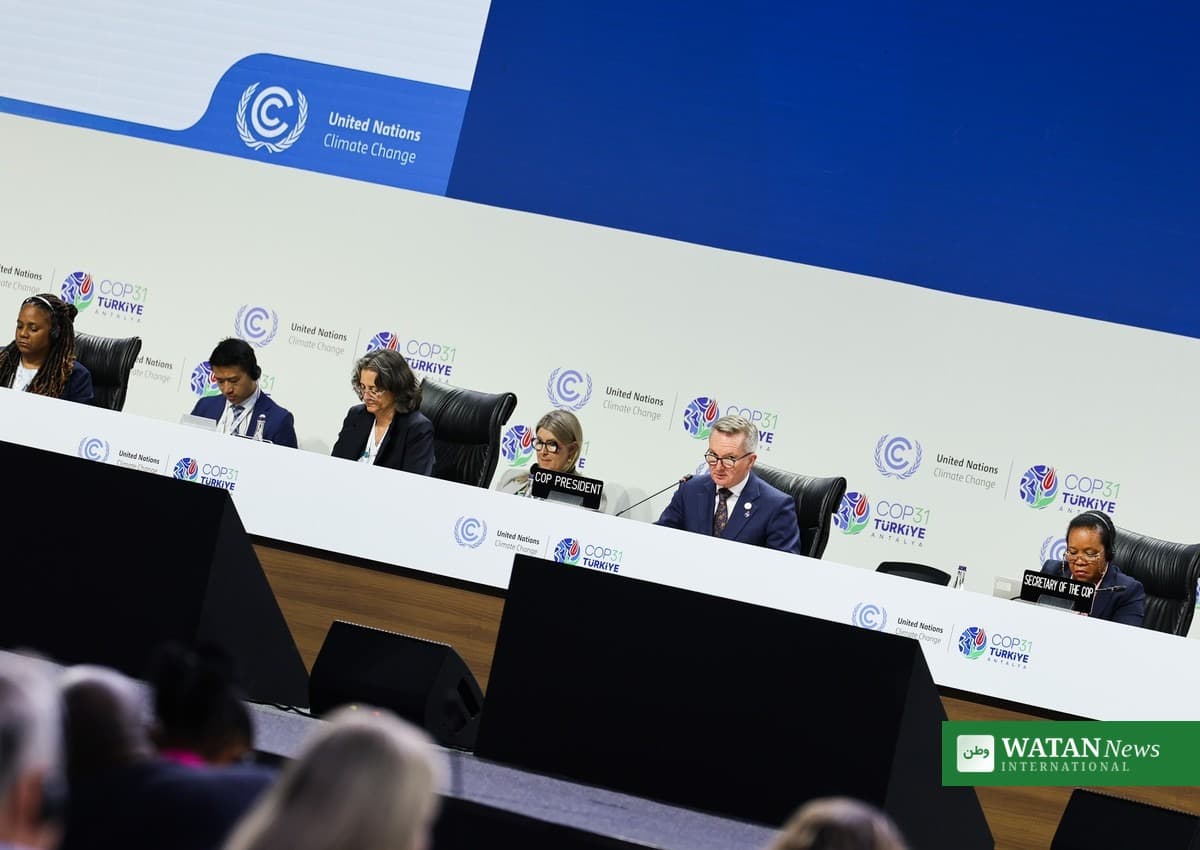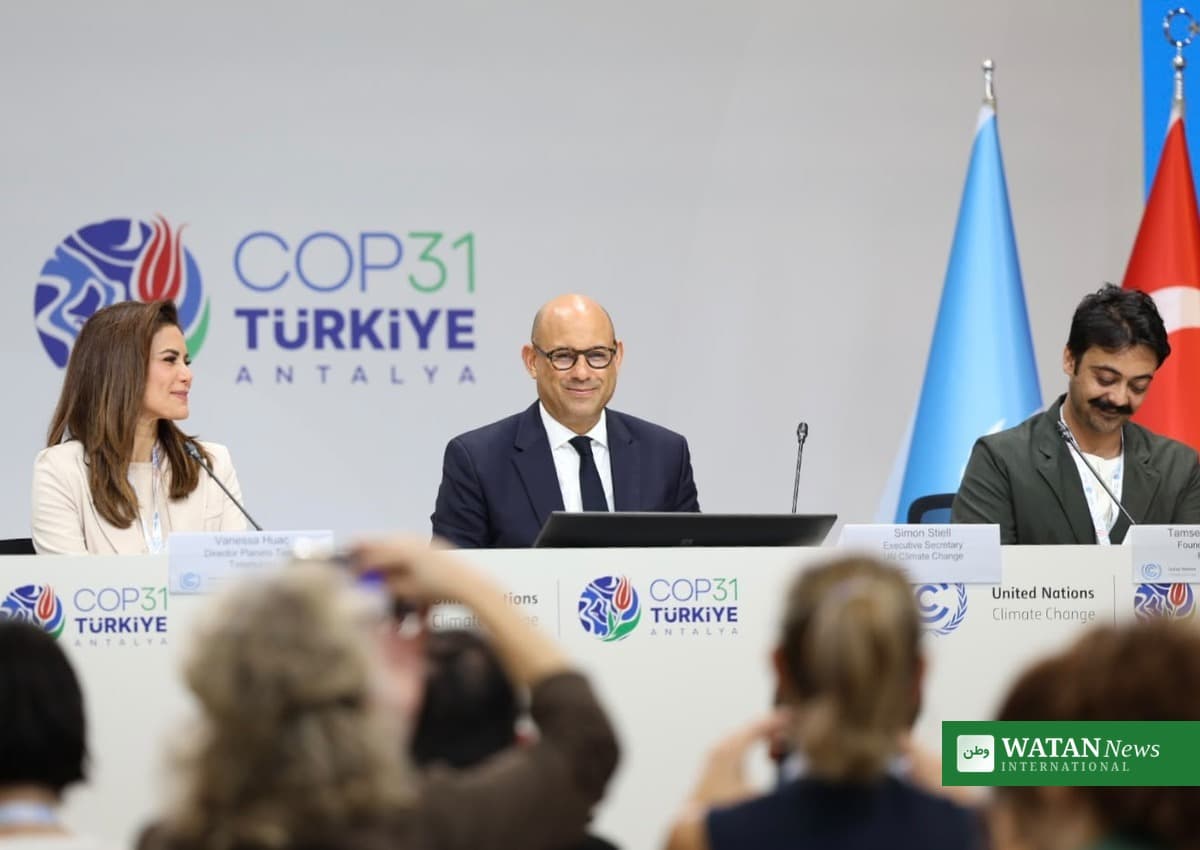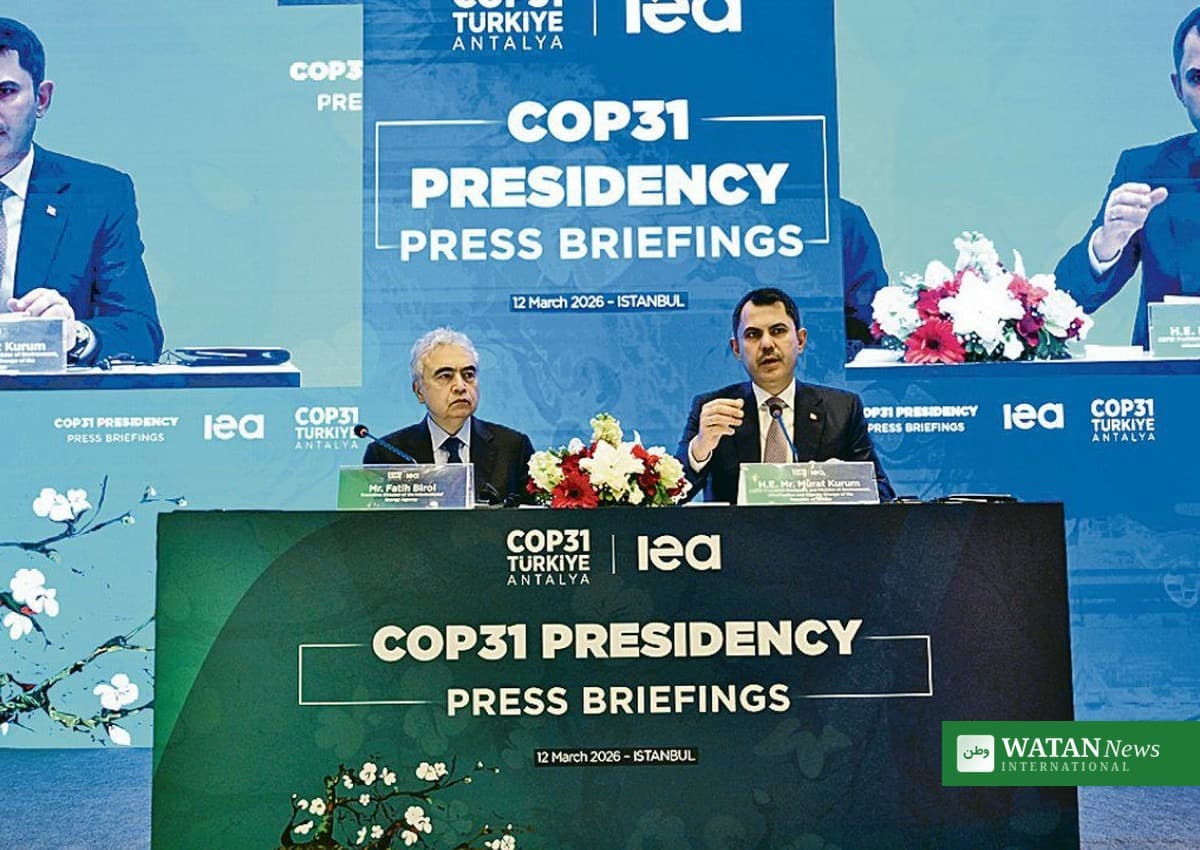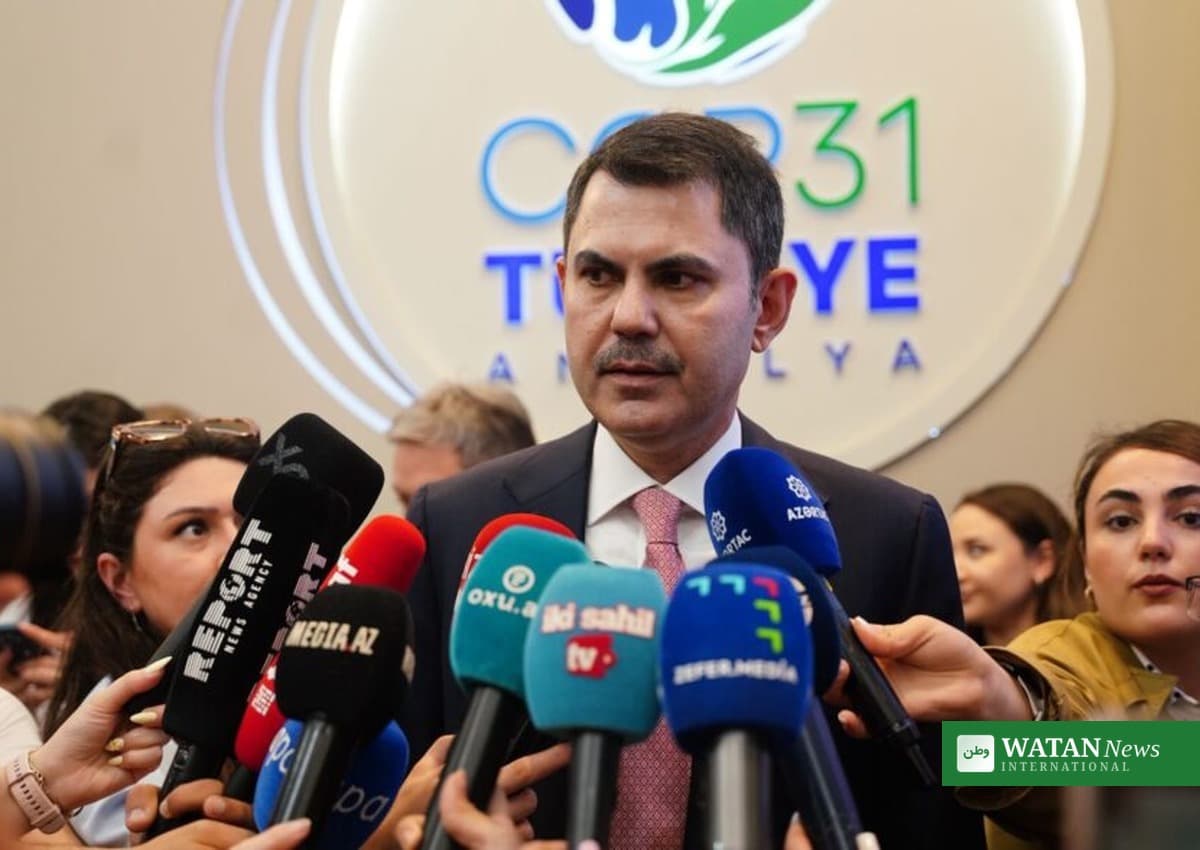
COP31 closes in Antalya today, Friday 20 November 2026, with negotiators still searching for a final agreement. But away from the negotiating rooms, new research points to a quieter problem: the climate message itself has not yet reached most people.
Surveys published around the summit show the same pattern in country after country. People support climate action. They link climate change to the food prices and nature loss they see every day. And yet large numbers say their governments are not ready, that they rarely hear about climate change in their local news, and that the words experts use leave them behind. In some countries, millions of people have never even heard of global warming.
Most people doubt their governments are ready
A seven-country survey by the Accelerator for Systemic Risk Assessment (ASRA), carried out by Ipsos between 29 September and 9 October 2026, asked about 1,000 adults in each of Australia, Brazil, India, South Africa, Türkiye, the United Kingdom and the United States whether their government is prepared to respond to climate change.
In five of the seven countries, a clear majority said their government is unprepared: 72 per cent in Türkiye, 69 per cent in Brazil, 66 per cent in the United Kingdom, 65 per cent in South Africa and 62 per cent in the United States. In Türkiye, only 15 per cent said their government is prepared. Australia was more divided, with 50 per cent saying unprepared and 34 per cent prepared. India was the only country where more people said their government is prepared, 51 per cent, than unprepared, 45 per cent.
People do connect climate change to their daily lives. Majorities in all seven countries said it contributes a great deal or a fair amount to higher food costs, from 71 per cent in Australia to 83 per cent in the United Kingdom, and to ecosystem damage or nature loss, from 69 per cent in Türkiye to 82 per cent in Brazil. At least two-thirds in every country also linked it to higher household costs such as energy and housing.
Yet climate change is not the top current worry in any of the countries surveyed. Between 30 per cent of adults in Australia and 49 per cent in India named it among the issues they worry about, behind concerns such as the cost of living, the economy, unemployment and crime.
The survey was published as the world moves beyond 1.5 degrees Celsius of warming. The United Nations Environment Programme found in September that, under current policies, exceeding 1.5 degrees is widely assessed as unavoidable. The question facing governments, ASRA said, is not only how to limit warming, but how to prepare societies for the period beyond it.
Support is strong — COP31 climate awareness is the gap
Research from Yale University’s Program on Climate Change Communication, published in the days before COP31, shows that the gap is information, not opposition.
In nationally representative surveys, 86 per cent of Indians supported their government’s commitment to reduce India’s carbon pollution to nearly zero by 2070, and 83 per cent of Indonesians supported a similar goal by 2060. In the United States, 65 per cent of Americans supported moving the economy from fossil fuels to 100 per cent clean energy by 2050. And 77 per cent of registered voters in the United States supported the country’s participation in the Paris Agreement.
But the same research found that 36 per cent of Indians have not heard of global warming, and 21 per cent of Indonesians have not heard of climate change. Once given a one-sentence description, large majorities in both countries said climate change is happening — yet many people in the Global South know little or nothing about it to begin with.
A new finding added to the Yale research on 17 November 2026 underlines what the public does want: in all 18 countries surveyed, more adults said action on methane would improve rather than worsen their view of policymakers, including 76 per cent in Nigeria, 74 per cent in China, 73 per cent in Indonesia and 72 per cent in Brazil.
In the United States, 68 per cent of Americans said global warming is happening, against 16 per cent who said it is not, and 66 per cent said they are worried about it.
Plain words work better
Part of the problem may be language itself. Research from the University of Southern California’s Schaeffer Center, updated on 13 November 2026 with new findings and discussions at COP31, found that Americans are more familiar with — and more concerned about — the terms “climate change” and “global warming” than about “climate crisis”, “climate emergency” or “climate justice”.
In a nationally representative survey of 5,137 Americans, the researchers found no evidence that the stronger terms increased people’s sense of urgency, their willingness to support climate-friendly policies or their willingness to act. “Climate justice” consistently did worst, most likely because it was the least familiar term. The results were similar among Republicans, Democrats and independents.
Technical language causes the same problem. In a study published in 2021, people interviewed by the researchers said climate experts were talking over their heads with terms such as “adaptation”, “mitigation”, “sustainability” and “carbon-dioxide removal”. And in a survey of 7,338 adults in the United States, “biodiversity loss” was the least familiar and least concerning term tested — people understood “nature loss” or “extinction of plants and animals” far better.
Local news is not carrying the story
A report from George Mason University’s Center for Climate Change Communication, based on a July 2026 survey of 1,015 adults in the United States, found that the channel people trust most is the quietest on climate change.
Only about one-quarter of Americans, 27 per cent, said they hear about climate change in their local news once a week or more often. Only 20 per cent felt very or extremely well informed about how climate change is affecting their local community, and 14 per cent said they have no source of local climate news at all.
Yet about six in ten Americans, 61 per cent, said they trust local journalists and local media outlets — more than the 49 per cent who trust national news organisations or the 46 per cent who trust people they follow on social media. About two-thirds were at least moderately interested in stories about the local impacts of climate change, and large majorities wanted stories about water and air quality, food and electricity prices, and what their own communities can do.
What COP31 itself did for awareness
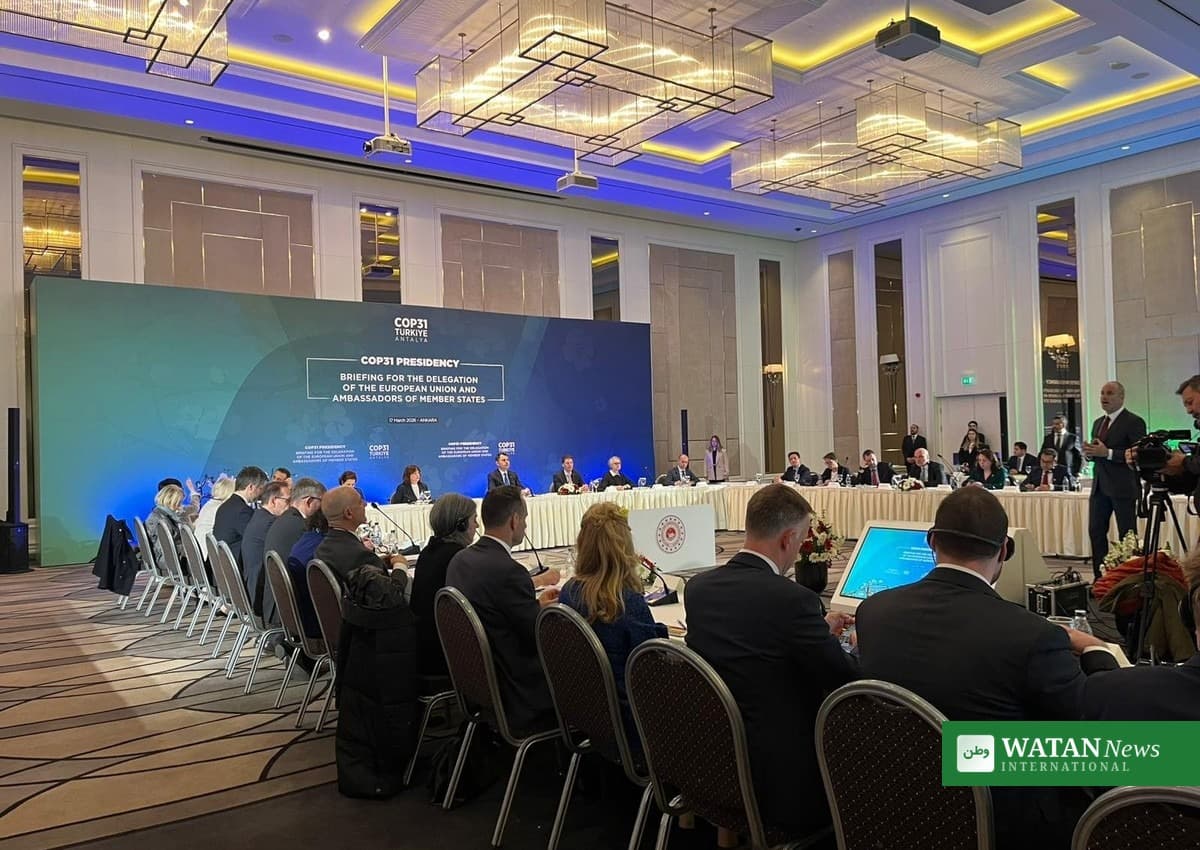
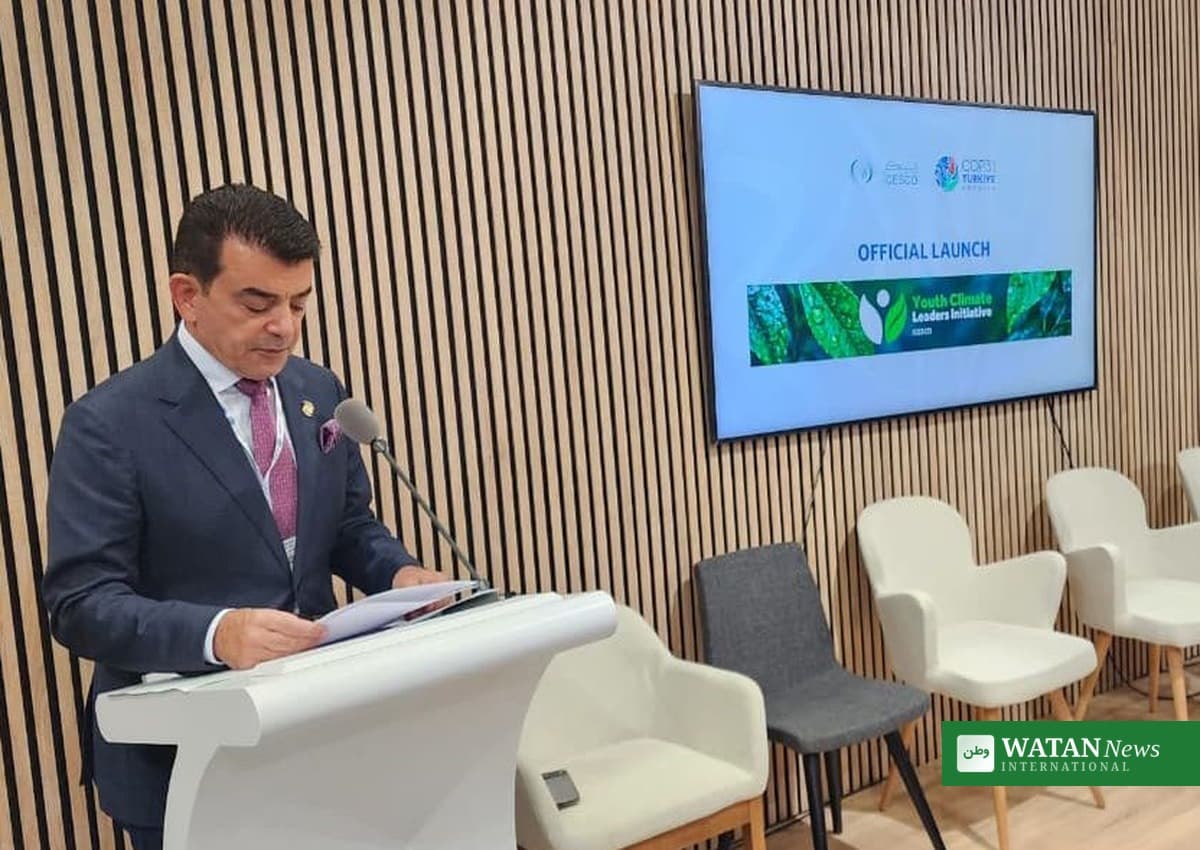
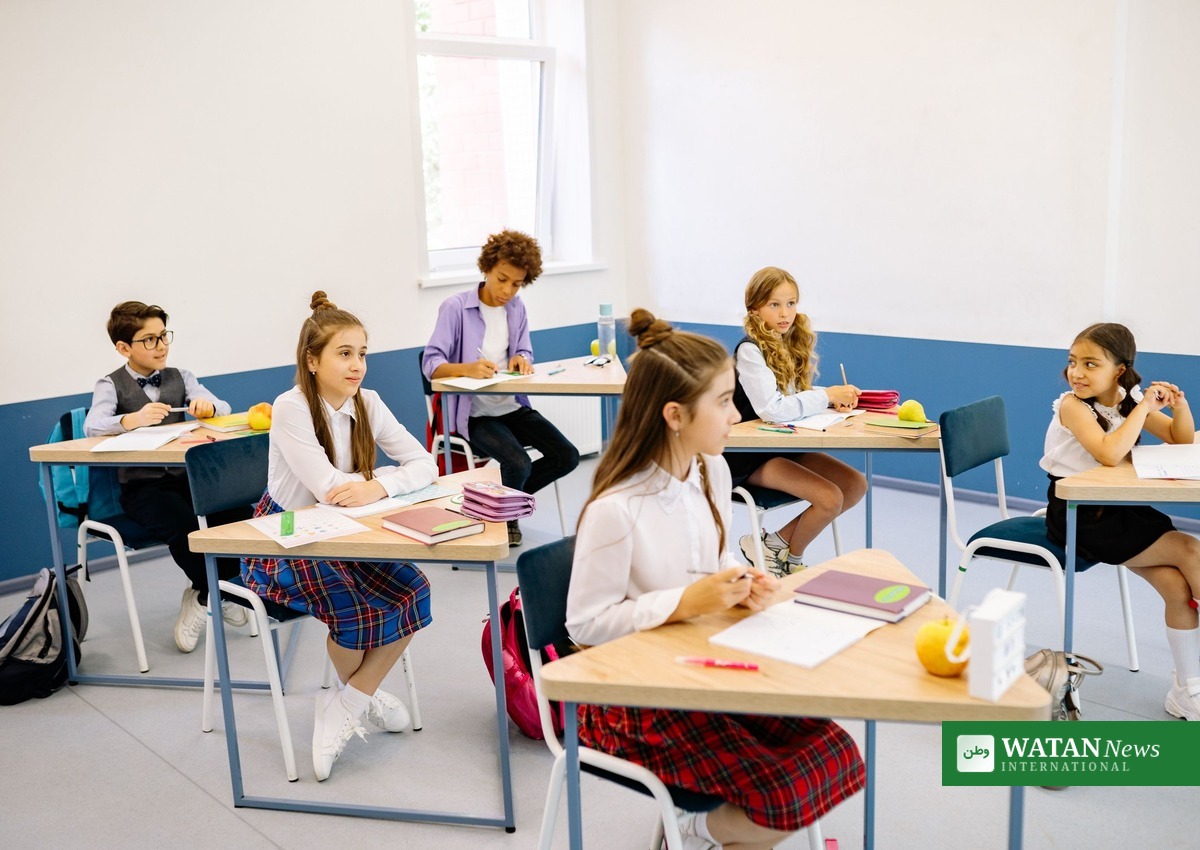
COP31 made awareness one of its six priorities. Under “Awareness Across All Areas”, the Presidency set out to complete climate-resilient agricultural practices and climate change education across all segments of society by 2035. The Antalya Protocol, launched on 10 November, aims to put climate change into school curricula by 2030 and to raise awareness by 2035.
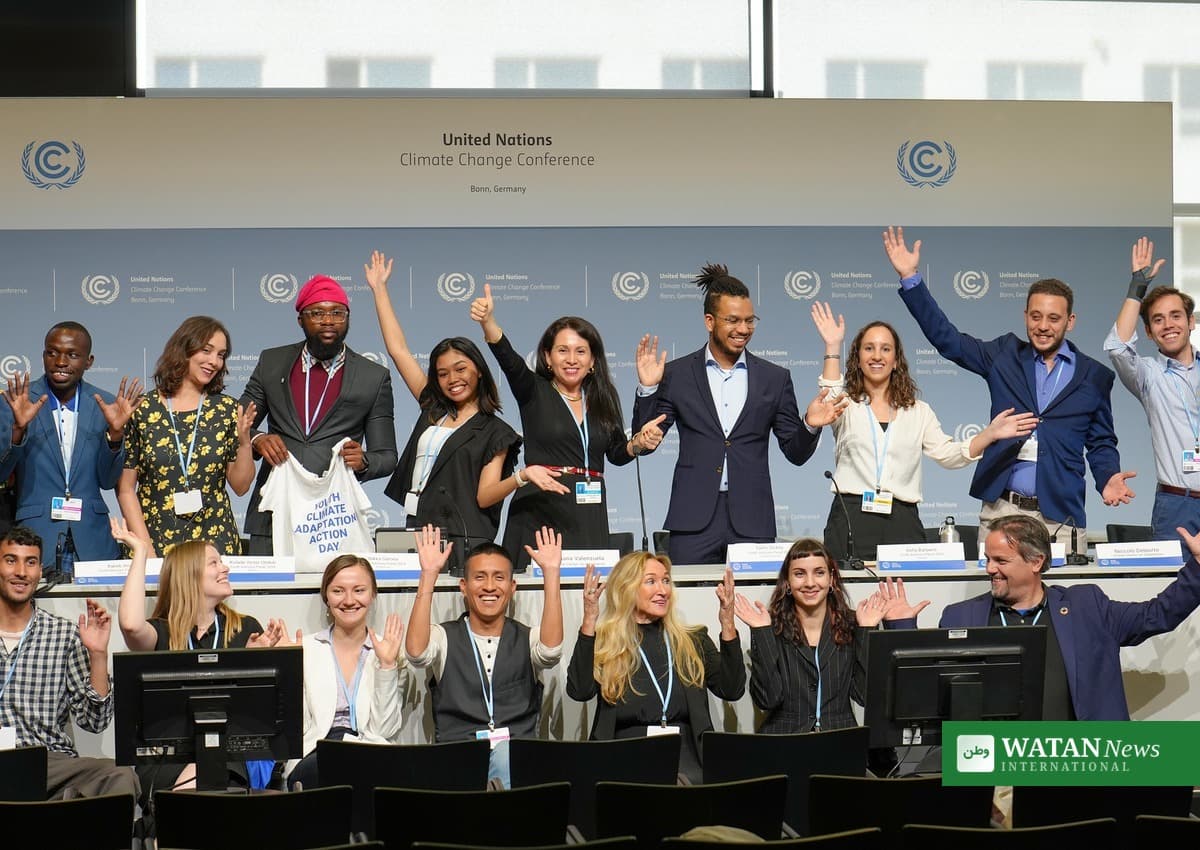
At the summit itself, the Presidency held a dedicated ACE event on education, public awareness and children and youth on 16 November, turning climate science into climate action through education, training and public participation. In the public Green Zone, the Türkiye Climate School gave children hands-on lessons in zero waste, renewable energy and climate-resilient schools. UNESCO’s Greening Education Partnership reached 100 member countries, with Türkiye becoming the 100th.
The need is clear: UNESCO found in 2021 that more than half of national curricula around the world were silent on climate change. The Green Zone, the public face of COP31, closes today with “Connect To Funds”, a day dedicated to matching climate projects with sources of finance.
The warning inside the draft text
There is also a warning in the negotiations themselves. The draft cover decision published on 19 November — 80 paragraphs, down from 144 — contains no mention of fossil fuels. It keeps the goal of lifting electricity to 35 per cent of world energy use by 2035, up from about 23 per cent now, and reaffirms the goal of tripling adaptation finance by 2035, while leaving the details for further discussion.
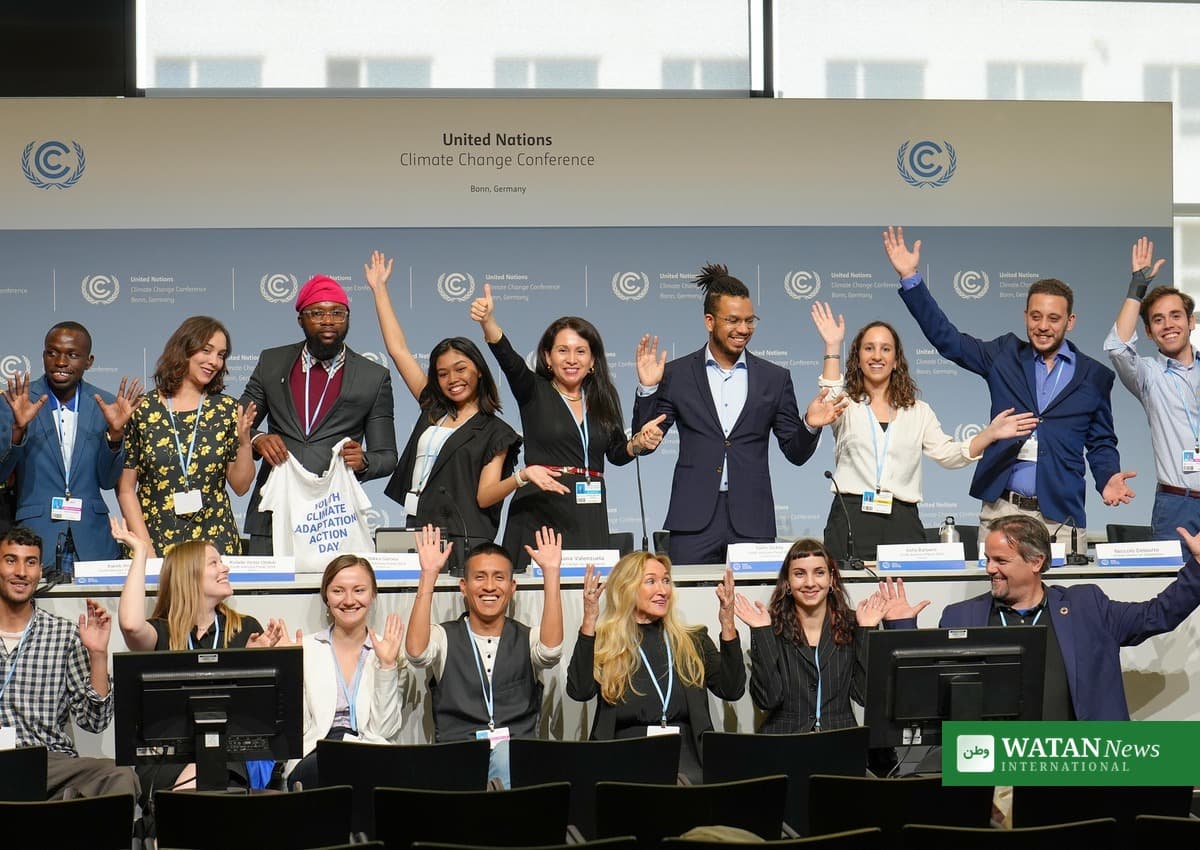
A comparison of the official drafts by the ChariTree Foundation found that two child-focused provisions from the 16 November draft were dropped from the 19 November text: one recognising that children and young people are disproportionately affected by climate change, and one encouraging climate- and water-resilient health, education and sanitation systems for children. The revised draft keeps language recognising the meaningful participation of children and young people, but contains no clear commitments on accessible, inclusive climate education. Young advocates at the summit have called for the provisions to be restored, as reported in Watan News coverage of the draft.
The draft is not an adopted agreement. Negotiations continue through the final day, with the final text due by midnight in Antalya — and climate summits have regularly run past their deadlines.
Key facts
- 72 per cent of people in Türkiye say their government is unprepared to respond to climate change, according to the ASRA/Ipsos survey of seven countries.
- 36 per cent of Indians have never heard of global warming, and 21 per cent of Indonesians have never heard of climate change, according to Yale University research.
- Only 27 per cent of Americans hear about climate change in their local news once a week or more often, according to George Mason University.
- COP31 set a goal of climate change education across all segments of society by 2035, under its “Awareness Across All Areas” priority.
- COP31 closes on Friday 20 November 2026 in Antalya, with the final text due by midnight.
COP31’s negotiations will be judged by the text adopted in Antalya. But the surveys published around the summit carry a second verdict: an agreement means little if the public it is meant to protect does not know what is at stake. Awareness is not a side event at a climate summit. It is the bridge between what is negotiated in the conference halls and what actually changes in classrooms, homes and communities.