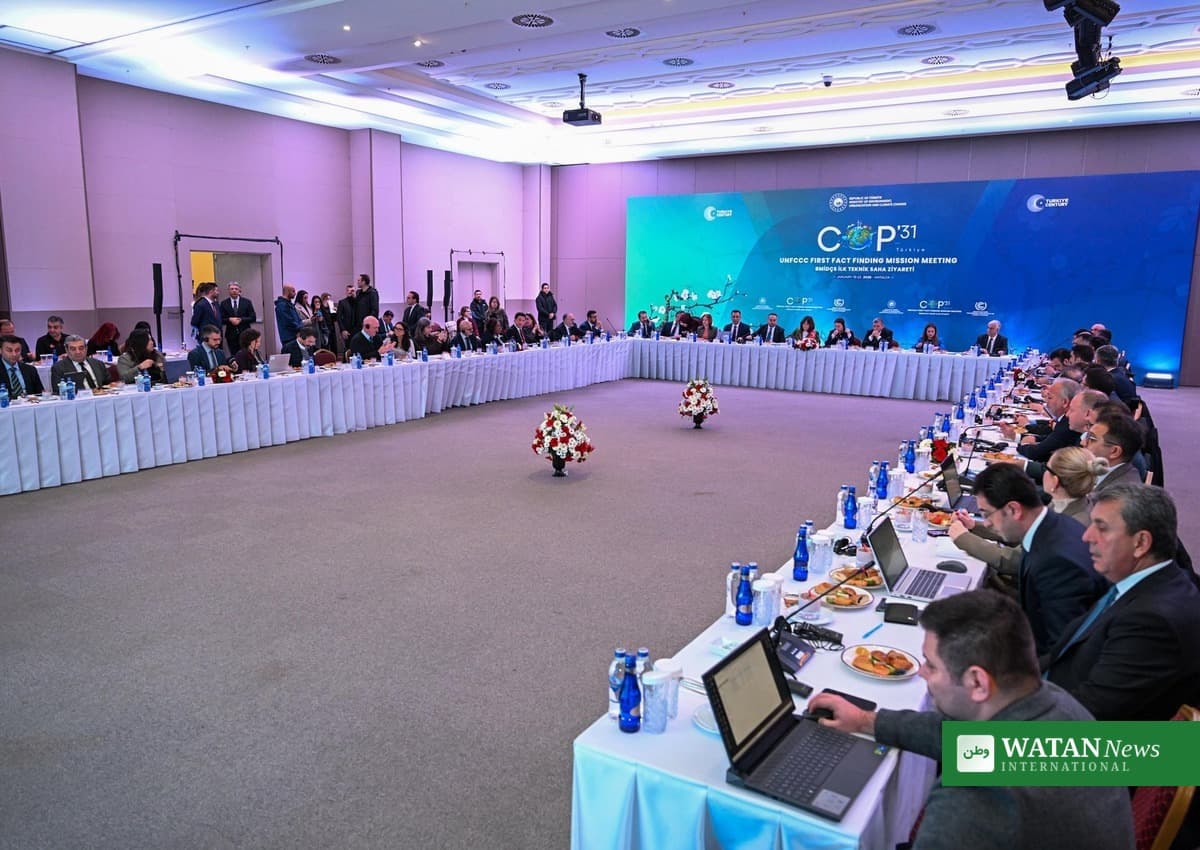
COP31 negotiators published a slimmed-down draft of the summit’s cover decision in Antalya on Thursday, cutting the text from 144 paragraphs to 80 — and removing every reference to fossil fuels that appeared in Monday’s first draft.
The new text, an unedited version dated 19 November 2026 at 14:10 and prepared under COP31 Presidency consultations, is the political document meant to sum up the conference when it closes on Friday. It keeps the summit’s headline goals on electrification and adaptation finance, but drops the most contested language of the first draft. Australia, which leads the negotiations under a split presidency with Türkiye, had said on Monday that the first draft was deliberately broad and would change substantially.
Key facts
- The new draft cover decision has 80 paragraphs, down from 144 paragraphs over 18 pages in Monday’s first draft.
- The word “fossil” does not appear anywhere in the new text, according to the document published by the UN climate body and confirmed by Reuters.
- Adaptation finance needs are put at 305 billion dollars a year up to 2035, and the text calls for efforts to at least triple adaptation finance by 2035.
- Electricity should reach 35 per cent of total final energy consumption globally by 2035.
- The draft decision on the outcome of the second Global Stocktake had not yet been published when this story went live.
What changed since Monday
Monday’s first draft, built on more than 500 pages of submissions from countries, contained two references to fossil fuels. It called for accelerated action to phase out fossil fuels, including what it described as an immediate transition away from fossil fuels in energy systems, and it proposed tripling adaptation finance to at least 120 billion dollars a year by 2035. That draft drew fire from several directions: the Arab Group and Russia rejected the text entirely, while the European Union’s climate chief, Wopke Hoekstra, called it a “shopping list” that needed significant changes.
The new text takes a different shape. It acknowledges that global warming is projected to exceed 1.5 degrees Celsius above pre-industrial levels and calls for deep, rapid and sustained cuts to greenhouse gas emissions, but it names no fuel and sets no phase-out date. Reuters reported on Thursday that negotiators had stripped out any reference to ending the use of fossil fuels, and that coal, oil and fossil gas are no longer named. Chris Bowen, Australia’s climate minister and president of the negotiations, had warned when the first draft appeared: “This is a draft, a first draft. It won’t be the final draft.”
The new text is expected to be revised again before it can be agreed by consensus, and several negotiating groups have said they want the latest draft carried forward if no agreement is reached in Antalya.
Finance takes centre stage
Finance dominates the new draft. It notes that the costed needs reported in developing countries’ climate plans are estimated at 5.1 to 6.8 trillion dollars up to 2030, or 455 to 584 billion dollars a year, and that adaptation finance needs are estimated at 305 billion dollars annually up to 2035. It records concern at the gap between climate finance flows and needs, particularly for adaptation.
Unlike Monday’s draft, which put a figure of at least 120 billion dollars a year by 2035 on tripling adaptation finance, the new text calls for efforts to at least triple adaptation finance by 2035 without naming a dollar amount. It asks the Standing Committee on Finance to prepare a technical report identifying options for the baseline of that call, and agrees to discuss an implementation pathway for tripling adaptation finance under the work programme on climate finance.
The draft also launches the “Antalya-to-Addis Ababa Roadmap on Adaptation and Resilience Finance”, led by the COP31 and COP32 Presidencies, to identify predictable and scaled-up sources of finance for adaptation, including for responding to loss and damage, with a report due for consideration in 2027.
On loss and damage, the text notes that funding requests under the Barbados Implementation Modalities total about 2.8 billion dollars against allocations of about 342 million dollars, and that only 50 per cent of 822 million dollars in pledges to the Fund for responding to Loss and Damage has been converted into contributions. It notes a 21 per cent increase in climate finance from multilateral development banks over the prior year, towards delivering 120 billion dollars a year and mobilising a further 65 billion dollars in private capital.
Energy: electrification stays, carbon capture in brackets
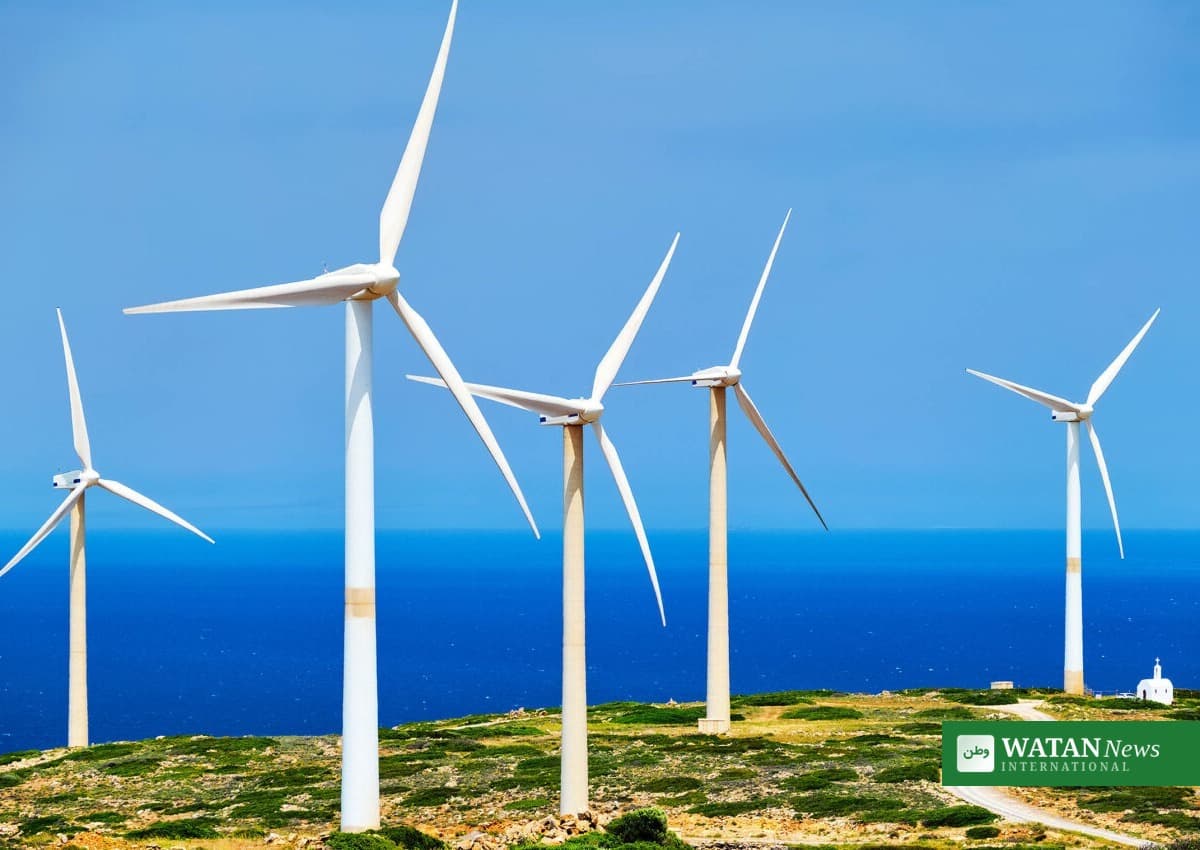
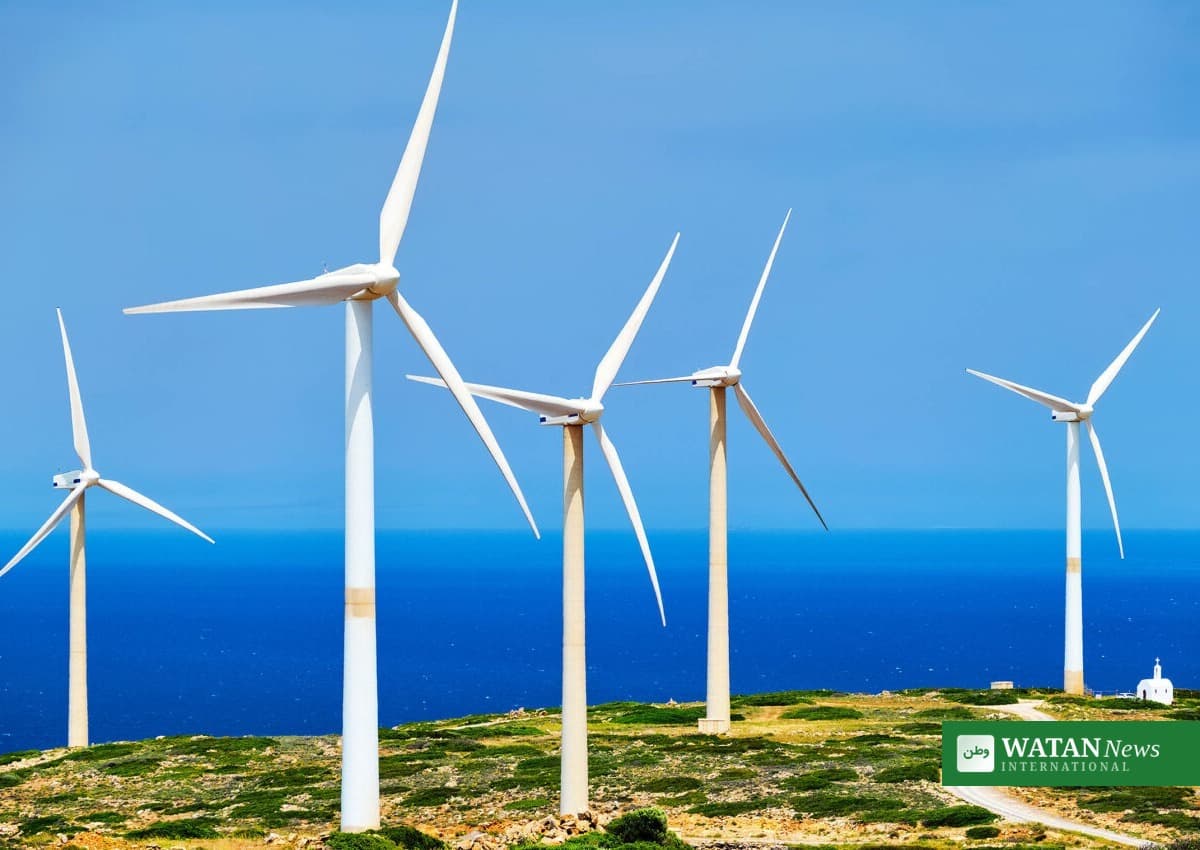
The draft keeps the summit’s electrification push. It calls for increasing the share of electricity in total final energy consumption to 35 per cent globally by 2035, alongside efforts to triple renewable energy capacity globally and double the global average annual rate of energy efficiency improvements by 2030. It also calls for accelerating action to reduce methane and other non-carbon-dioxide emissions, and for enhanced efforts to halt and reverse deforestation and forest degradation by 2030.
Carbon capture, utilisation and storage appears only in bracketed text, meaning it is not agreed. The draft proposes accelerating the technology to at least 500 million tonnes of carbon dioxide a year by 2035, working towards 1.3 to 2.5 billion tonnes, while recognising its role particularly in hard-to-abate sectors. The text also recognises that carbon dioxide removal has a role, as assessed by the Intergovernmental Panel on Climate Change, but stresses that it should complement and not substitute for deep emission reductions.
What else the text holds
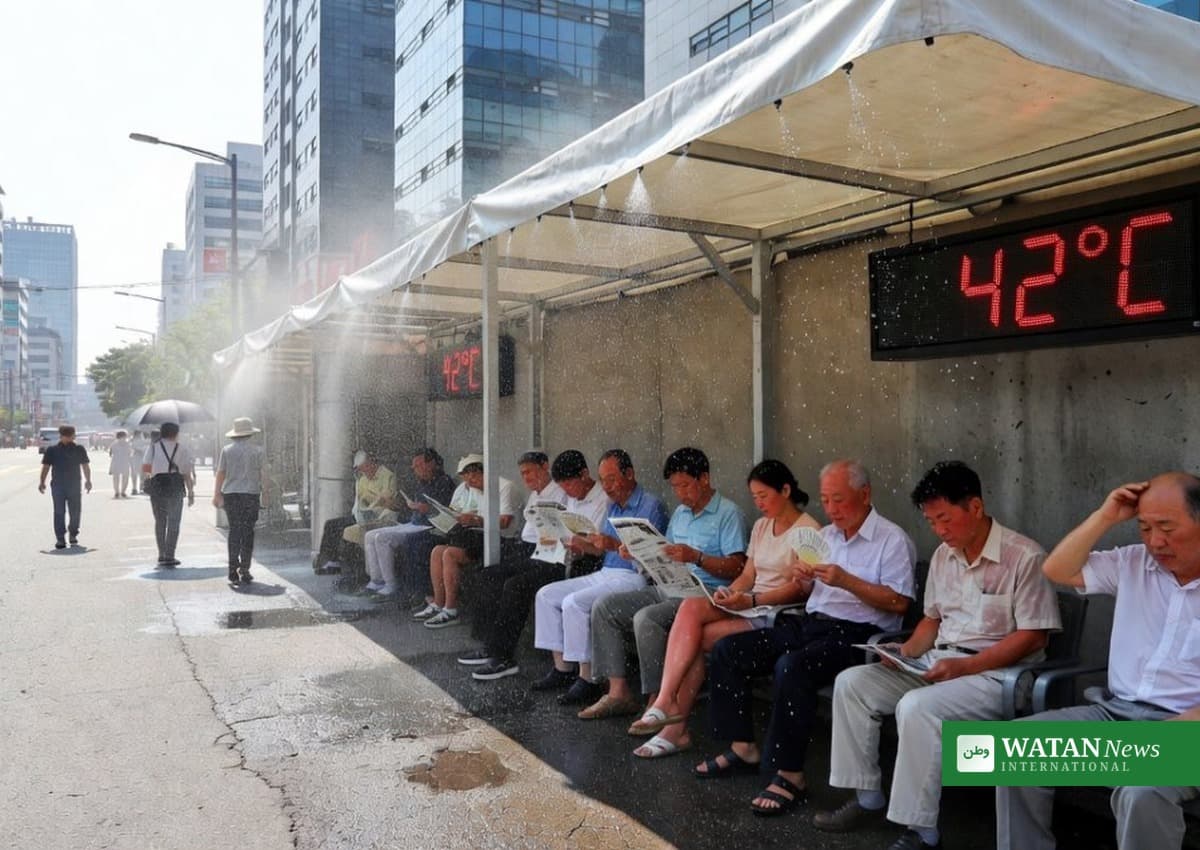
The draft commends the 167 parties that had communicated new national climate plans as at 18 November 2026, the 81 parties that have communicated long-term low-emission strategies, and the 96 parties that have submitted national adaptation plans. It welcomes 140 first biennial transparency reports and 112 technical expert reviews, and notes that full implementation of national climate plans would bring expected warming to around 2.6 degrees, down from more than 4 degrees projected before the Paris Agreement.
It establishes a Work Programme on Mountains and Climate Change, with dialogues in 2027 and 2028 and a high-level dialogue at COP32, and decides to hold a high-level dialogue at the ninth session of the Paris Agreement meeting on the science of 1.5 degrees overshoot. It welcomes the launch of the second Global Stocktake, which will conclude in 2028, and asks for an “Antalya Ocean Current” multi-year plan for ocean and climate dialogues, with a “Blue Imece Synthesis” report due by 1 June 2028.
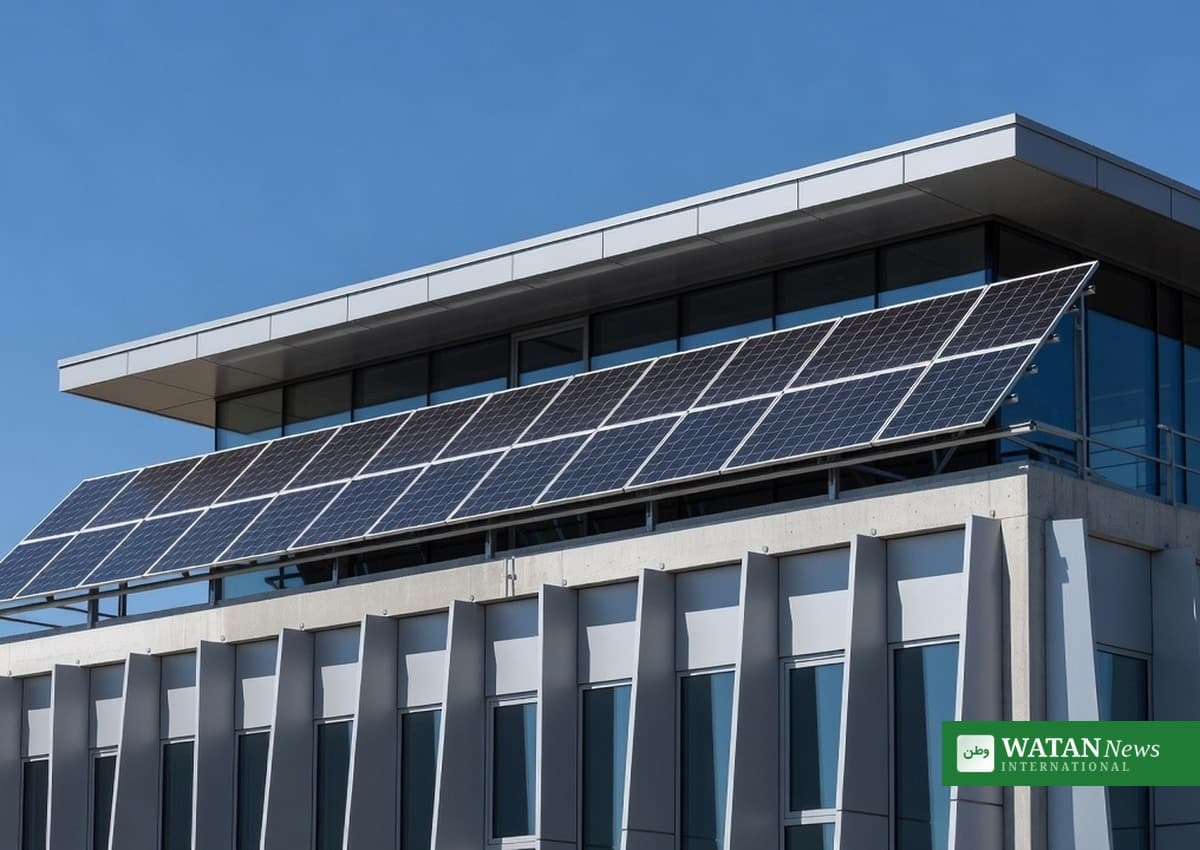
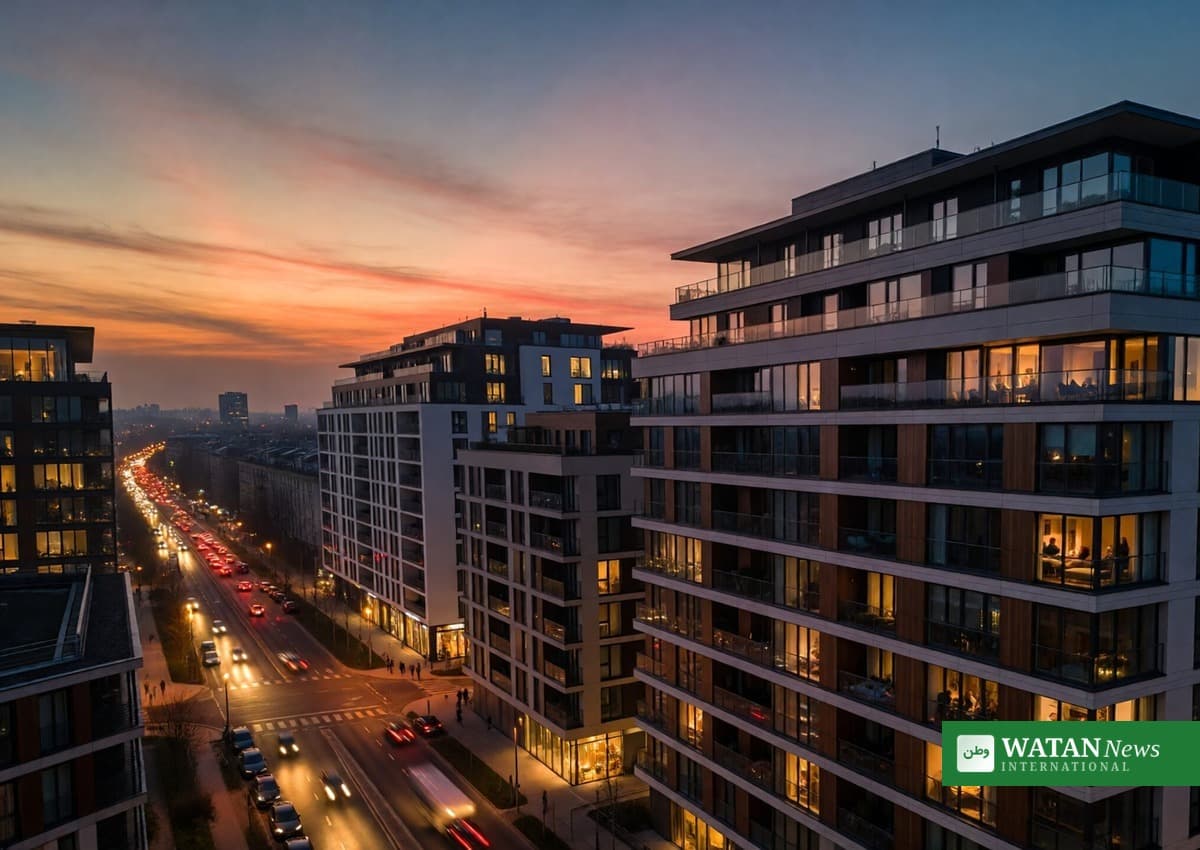
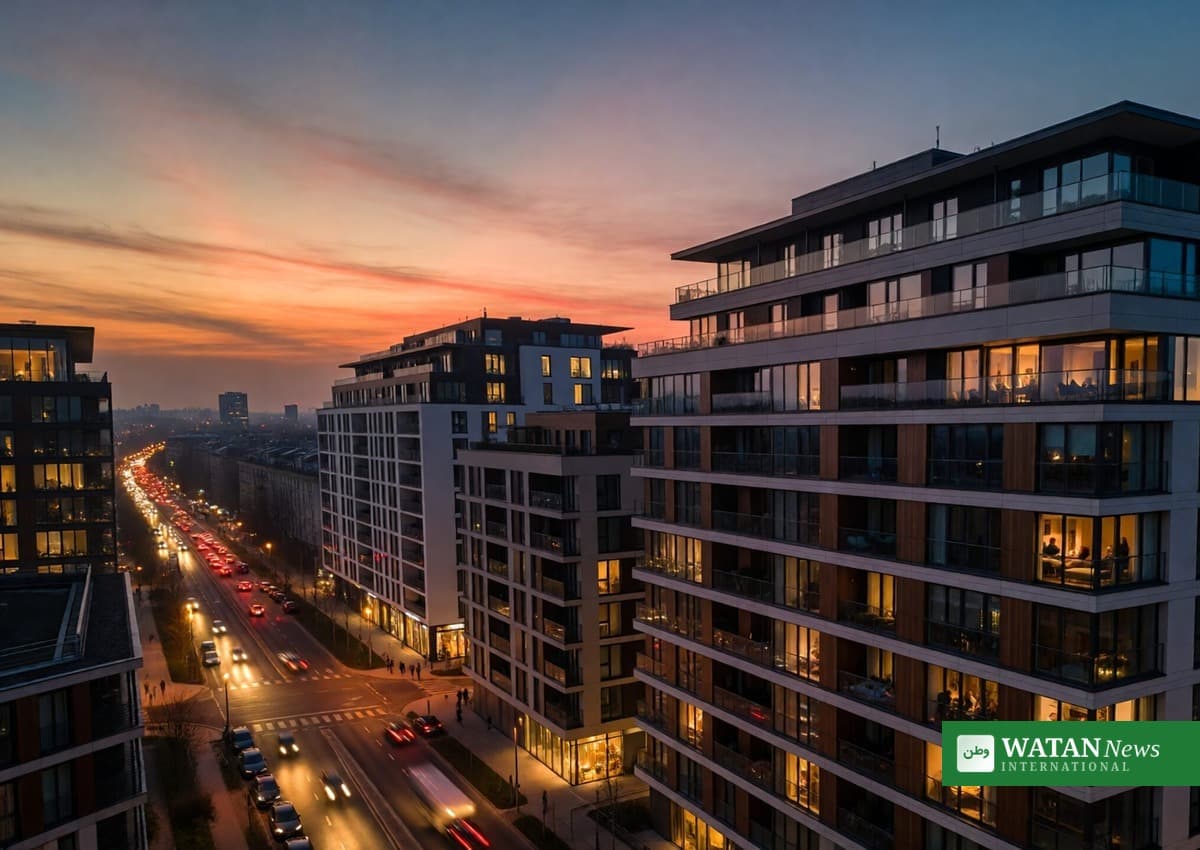
The text also welcomes the COP31 Antalya Compact for Energy Efficient Buildings, with a voluntary collective ambition to reduce the operational energy intensity of the global building stock by at least 25 per cent by 2035 relative to 2020, and the Zero-Waste Initiative, which aspires to halve the projected increase in annual global waste generation by 2035. It recognises the growing impacts of climate change on physical and mental health, the role of Indigenous Peoples and local communities, and the importance of meaningful participation by children and youth.
What happens next
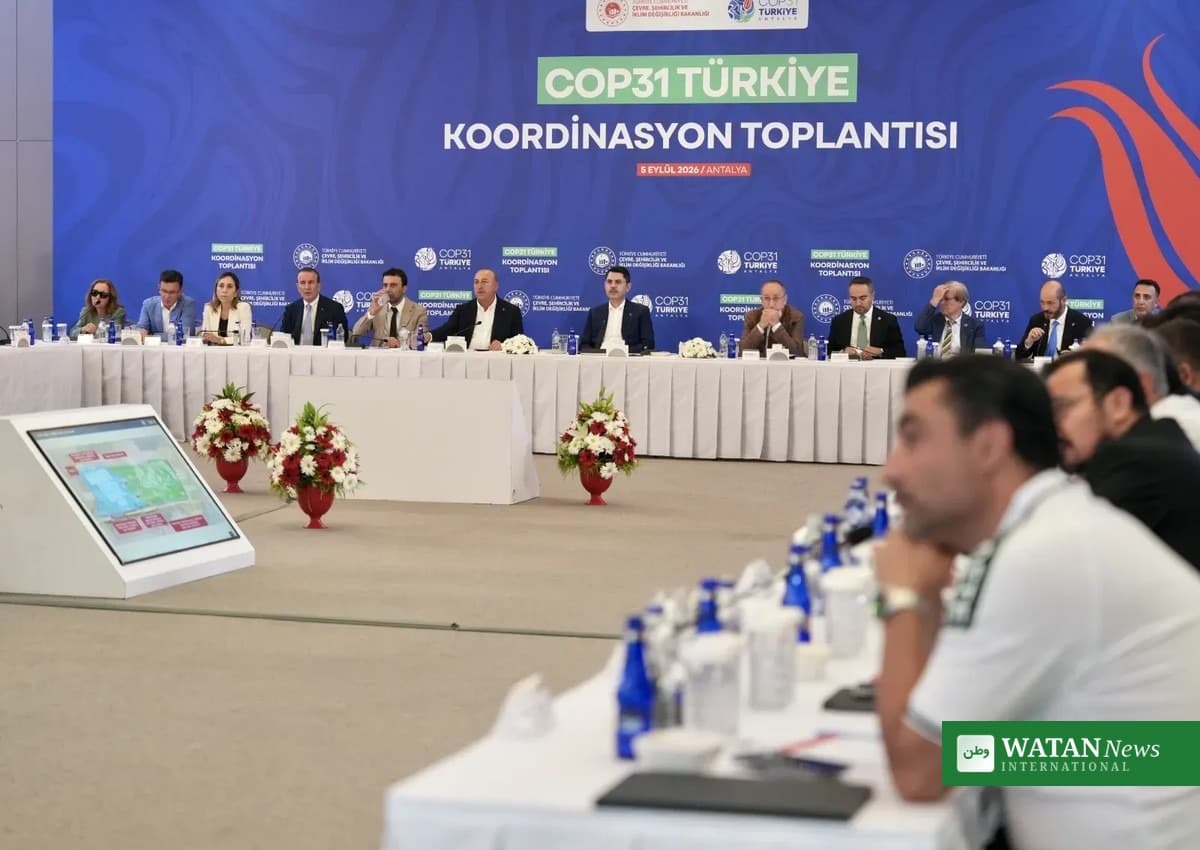
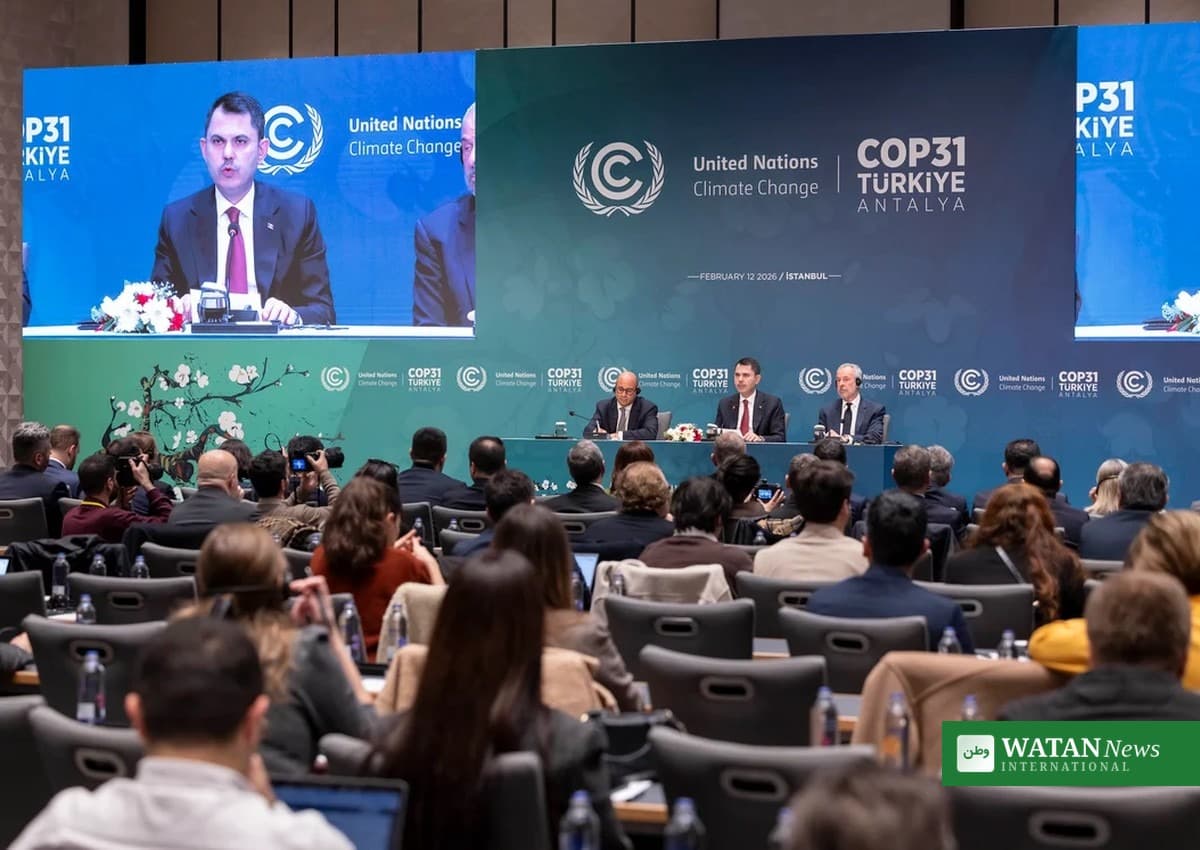
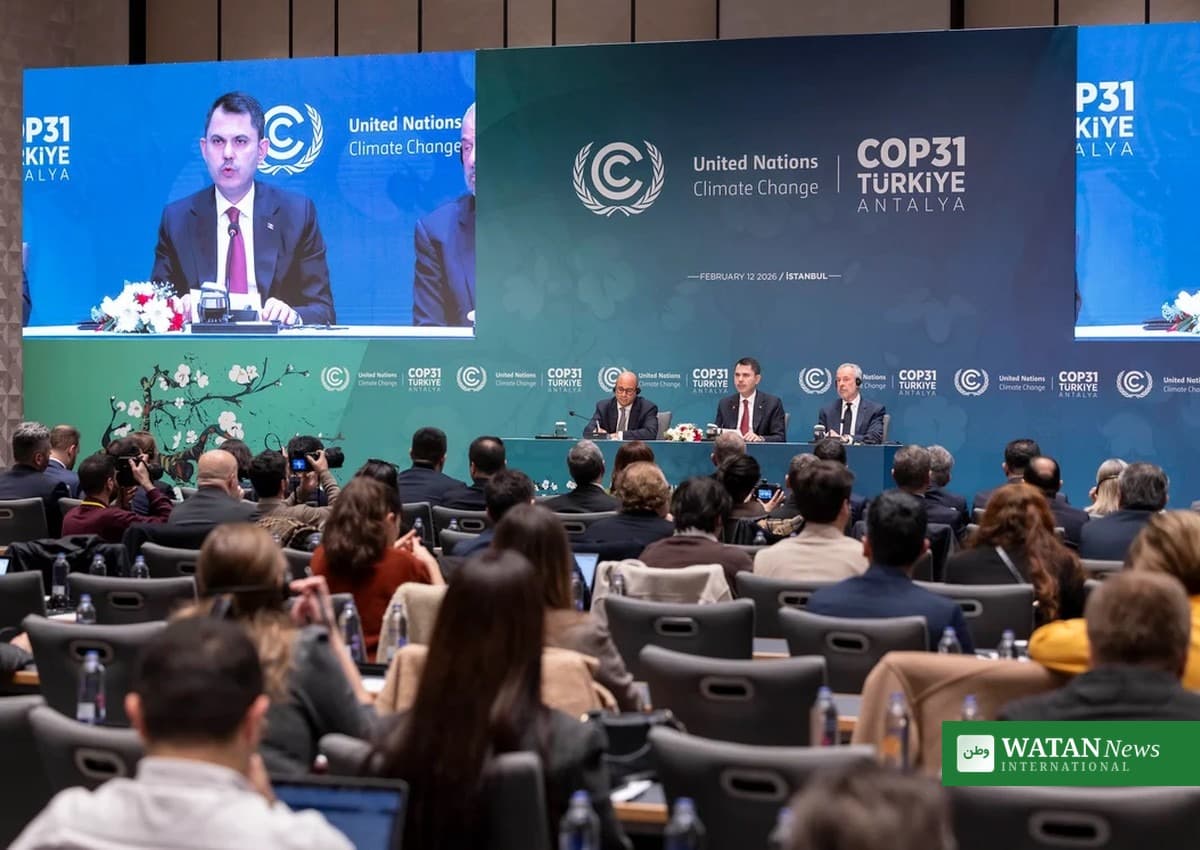
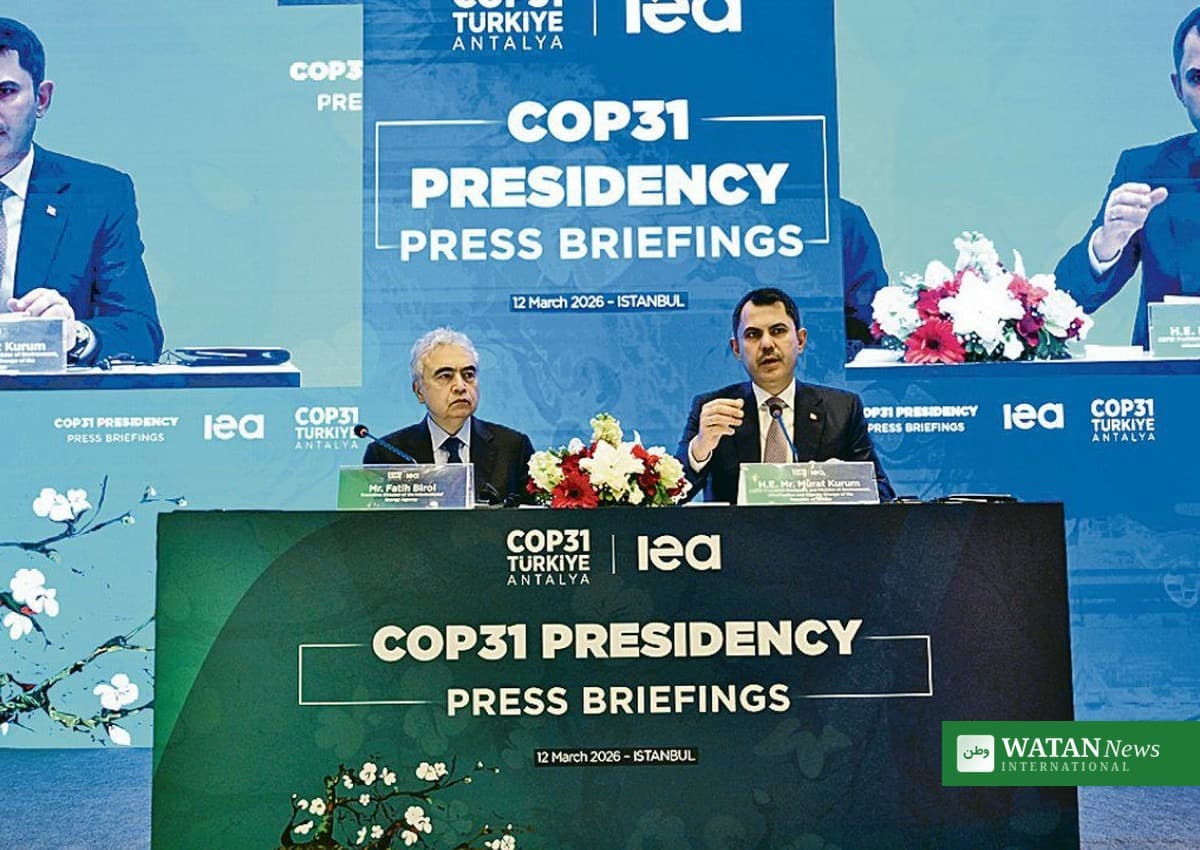
Ministers entered Thursday with 21 issues still unresolved, according to a midweek letter from the Presidency, and new texts on several negotiating tracks were due early on Thursday. The Presidency scheduled the first part of the closing plenaries for Thursday, with further rounds before the summit closes on Friday. COP31 President Murat Kurum held a press conference on Thursday afternoon in Mevlana Hall.
The draft decision on the outcome of the Global Stocktake, which the Presidency said would be published later on Thursday, had not appeared when this story went live. UN Climate Chief Simon Stiell has urged governments to turn the first Global Stocktake’s targets into real-world progress, saying: “Yes, geopolitical headwinds are fierce, but an ambitious outcome is within reach.” Whether the final cover decision keeps the new text’s shape — including its silence on fossil fuels — will be decided in the last hours of the talks.
Read more on the road to this draft: COP31 Draft Deal Under Fire as Ministers Take Over in Antalya, COP31 Deadlock Deepens as Second Global Stocktake Launches, COP31 Presidency Turns to Türkiye’s Divan Tradition in Final Push for Agreement and COP31: Stiell Calls Electrification a ‘Lightbulb Moment’ as Delivery Package Launches.