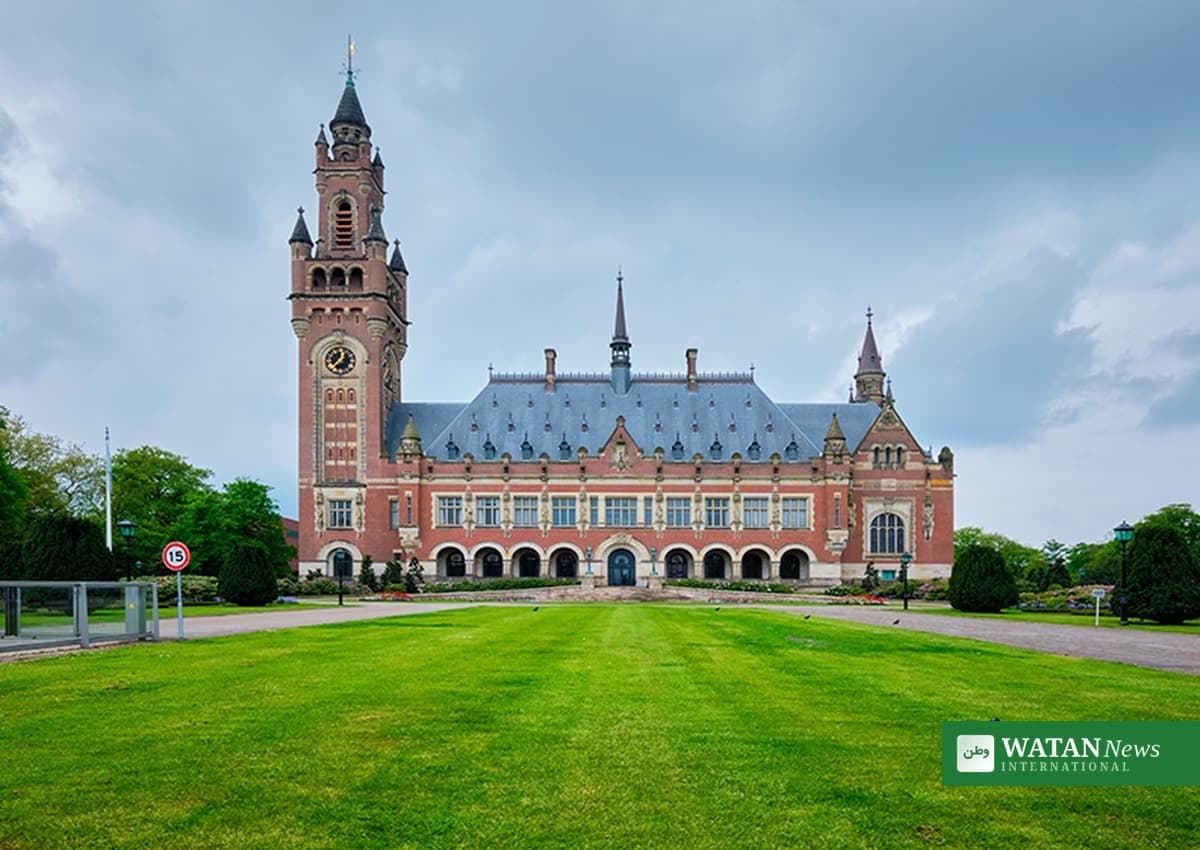
The ICJ Myanmar genocide ruling has found Myanmar responsible for genocide against the Rohingya, in a landmark judgment delivered by the International Court of Justice in The Hague on Thursday. It is the first time in the World Court’s history that it has held a state responsible for genocide.
By nine votes to six, the court’s 15 judges found that Myanmar “has committed genocide against the Rohingya group in Northern Rakhine State”, in violation of its obligations under the 1948 Genocide Convention. Court President Yuji Iwasawa read the judgment in a session lasting nearly three hours.
FAKTA
- The ruling: The International Court of Justice found, by 9 votes to 6, that Myanmar committed genocide against the Rohingya in northern Rakhine State in 2017.
- A first: It is the first time the World Court has held a state responsible for genocide, and only the fourth time since the Holocaust that an international court has found the legal threshold for genocide met.
- The toll: The court found that Myanmar’s security forces killed around 10,000 Rohingya civilians during the 2016-17 military campaign.
- Reparations: Myanmar must make reparations, including the safe return of Rohingya to their homes, the return or replacement of their property, and physical and mental rehabilitation. No amount was specified.
- The case: The Gambia brought the case in November 2019 under the Genocide Convention. The ruling is final and cannot be appealed.
ICJ Myanmar Genocide Ruling: A First for the World Court
The judgment ends a seven-year legal battle and marks a turning point for international justice. The court rejected Myanmar’s defence that the 2017 campaign was a legitimate operation against insurgents, finding instead that the scale and nature of the atrocities showed an intent to destroy a substantial part of the Rohingya population.
“The court is fully convinced that Myanmar committed acts falling under the Genocide Convention with an intent to destroy a substantial part of the Rohingya population in Myanmar,” Judge Iwasawa said during the reading.
“The court is of the view that the only reasonable inference that can explain Myanmar’s actions is an intention to destroy a substantial part of the protected group, namely the Rohingya population in northern Rakhine state.”
What the Court Found
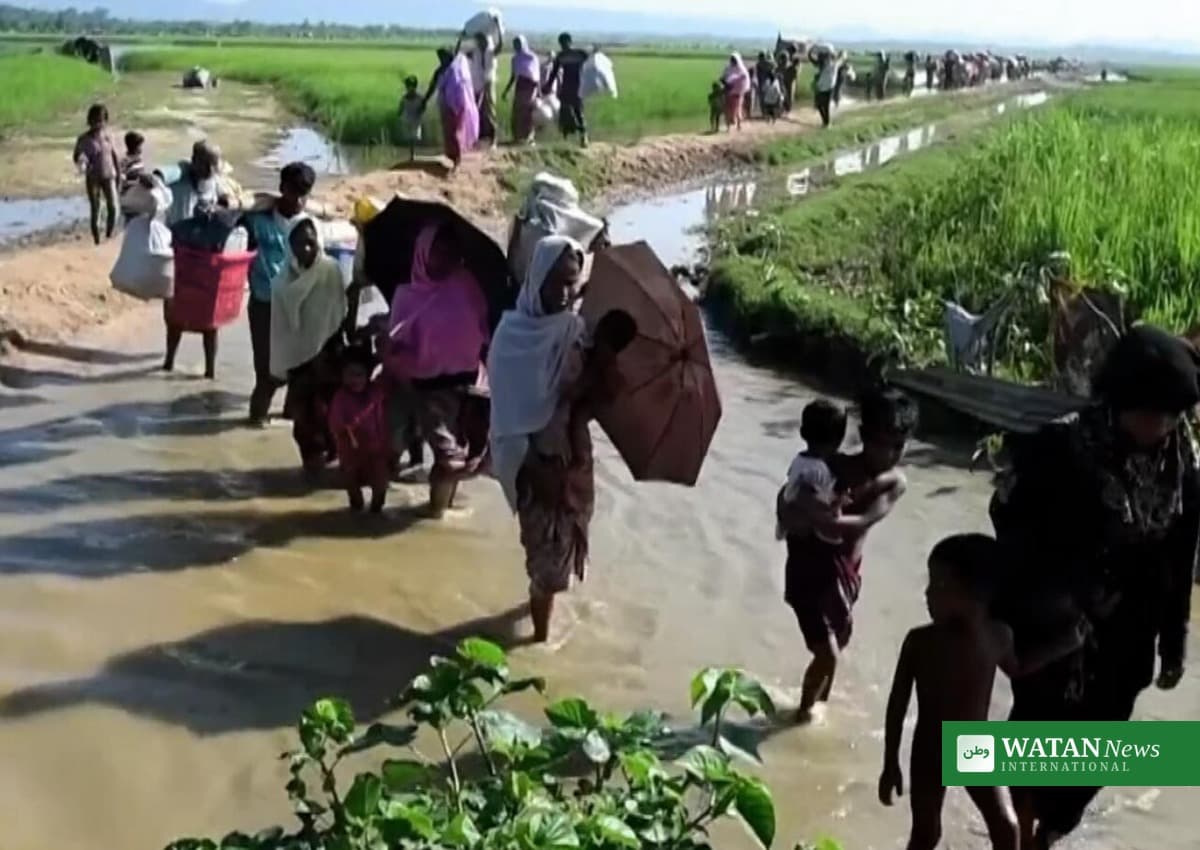
The court found that Myanmar’s security forces killed thousands of Rohingya civilians, carried out widespread sexual violence, used extreme violence against children, and attacked Rohingya as they fled towards Bangladesh.
“The court finds that Myanmar’s security forces killed thousands of Rohingya civilians, perpetrated widespread acts of sexual violence as well as acts of extreme violence against children and attacked fleeing Rohingya as they sought to flee in large numbers to Bangladesh,” Judge Iwasawa said.
The judges also found, by the same 9-6 margin, that Myanmar violated its obligation to prevent genocide, and by 11 votes to 4 that it failed in its obligation to punish genocide. By 14 votes to 1, the court found that Myanmar had not publicly incited genocide against the Rohingya group.
Reparations Ordered
The court ordered Myanmar to provide reparations and restitution, including allowing the safe return of Rohingya to their homes, returning or replacing their property, and providing physical and mental rehabilitation. The judges did not specify a sum, leaving the amount to be determined.
More than 700,000 Rohingya fled across the border into Bangladesh during the 2016-17 campaign, and most remain in refugee camps there. The judgment is expected to be closely studied by legal experts in the court’s other pending genocide cases.
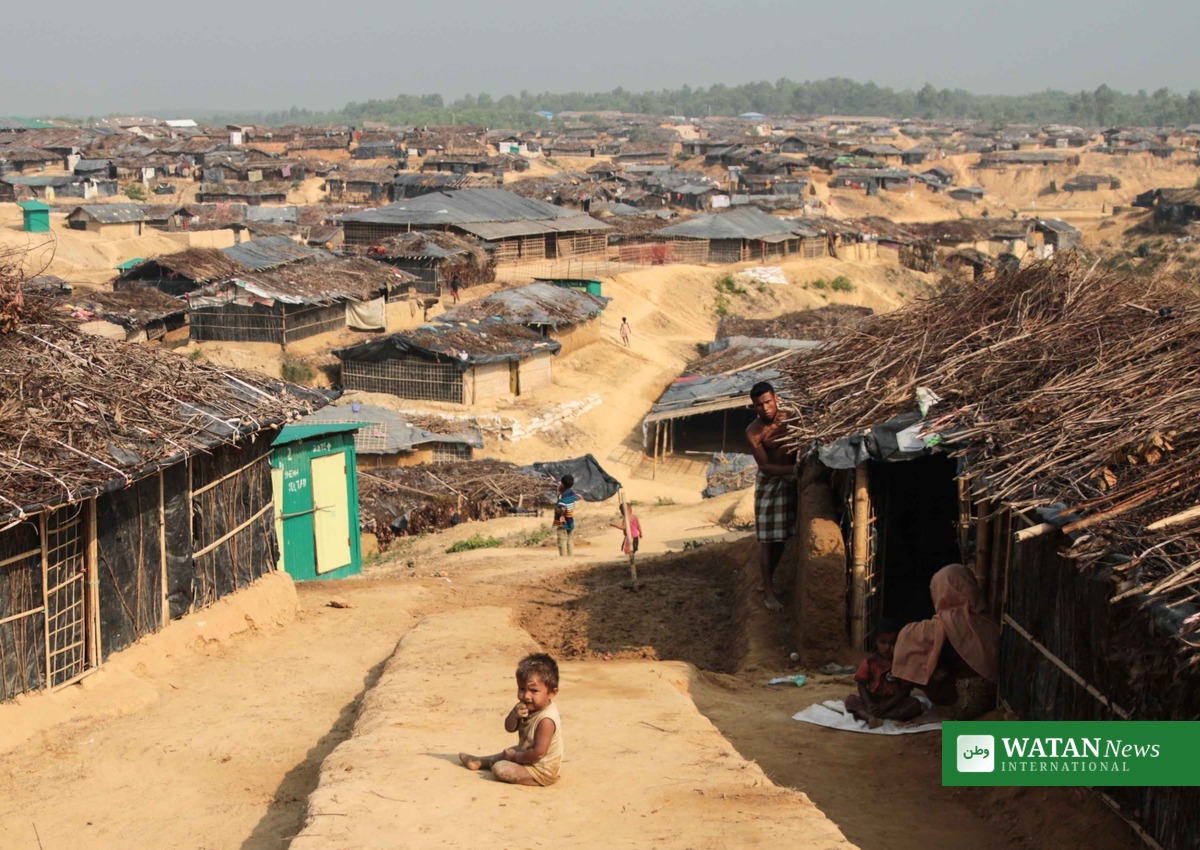
The Case and the 2017 Crackdown
The Gambia, a Muslim-majority nation in West Africa, filed the case on 11 November 2019, asking the court to find that Myanmar had breached the Genocide Convention and to order it to end illegal acts against the Rohingya and punish those responsible. In July 2022 the court rejected Myanmar’s preliminary objections and confirmed it had jurisdiction to hear the case, and hearings on the merits were held in January 2026.
Earlier on Thursday, the court set out its findings on the killings and abuses of the 2017 crackdown, as reported in Watan News’ earlier story on the judgment.
What Happens Next
The ruling is final and legally binding, and it cannot be appealed. The court itself has no police power to enforce it; beyond reporting non-compliance to the United Nations Security Council, enforcement will depend on what states and UN bodies do next. The judgment concerns Myanmar’s responsibility as a state, not the individual criminal guilt of any soldier or official.
Read the full story on the main site: ICJ Rules Myanmar Committed Genocide Against Rohingya.