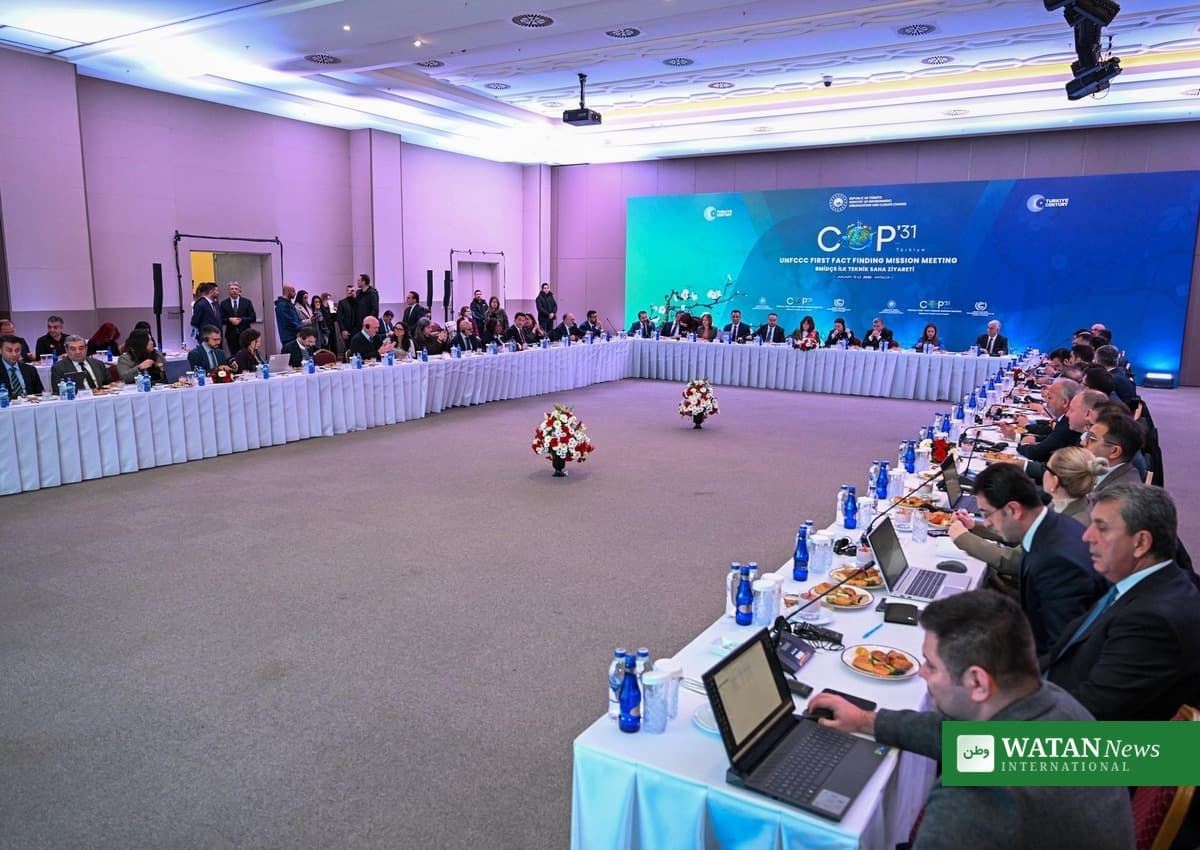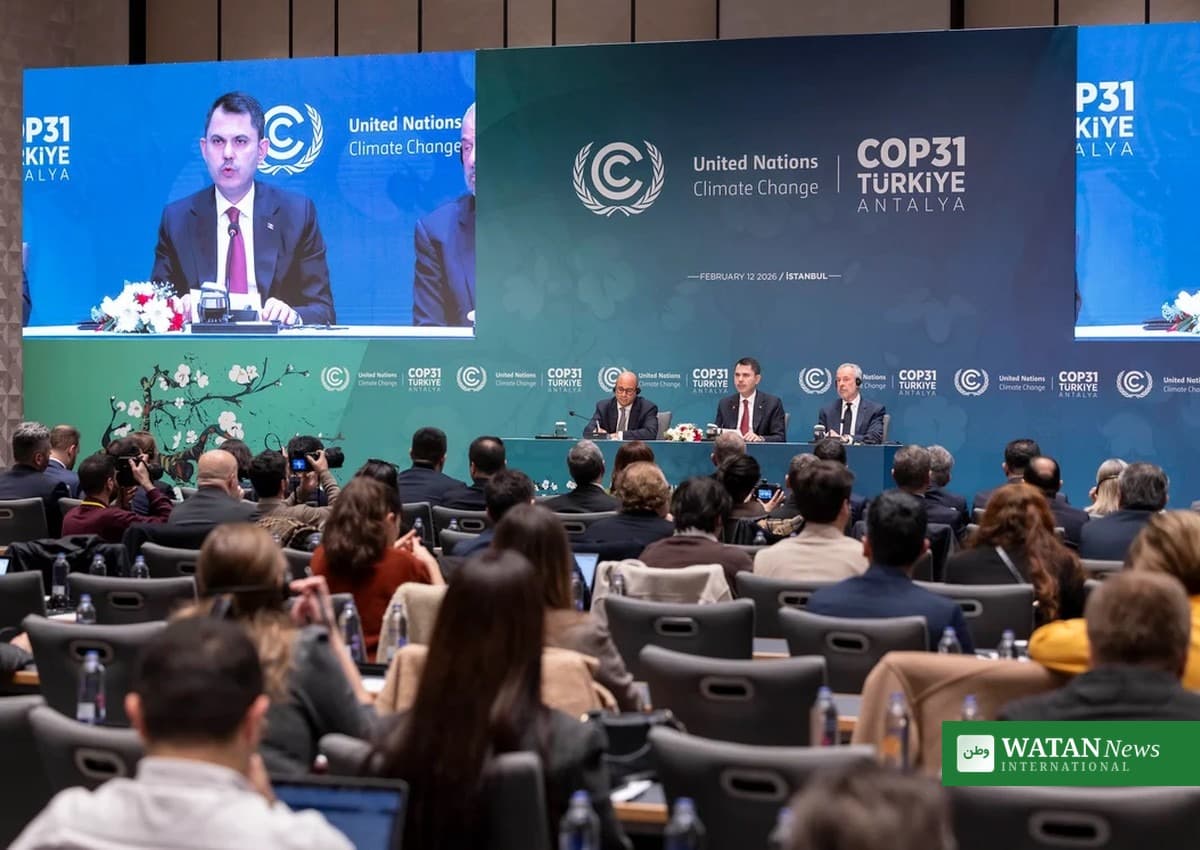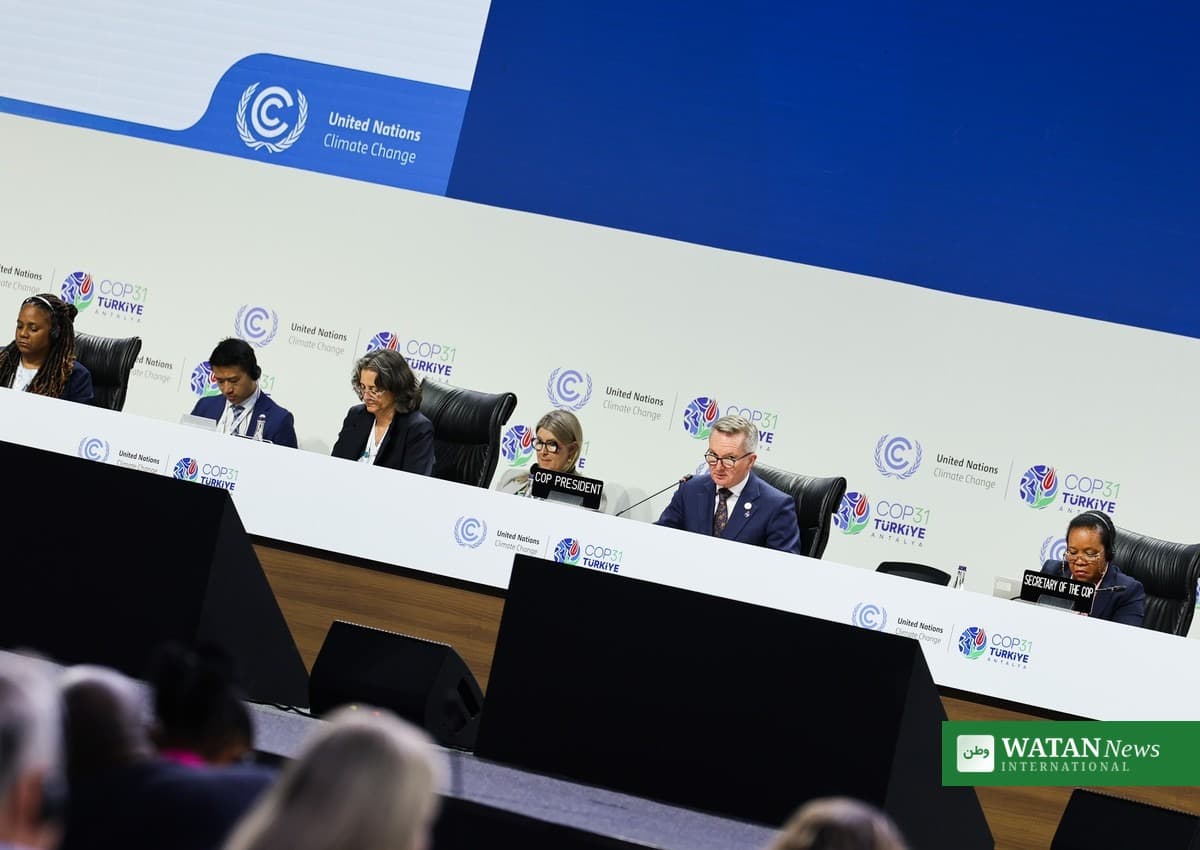
Ministers from all nine countries of the Developing-8 (D-8) adopted a new climate cooperation framework at COP31 in Antalya on Tuesday, 17 November, agreeing to turn shared climate promises into joint projects, a technical team and a four-year roadmap. The session also heard a proposal for a climate lifeline for Gaza, built on solar power and clean water.
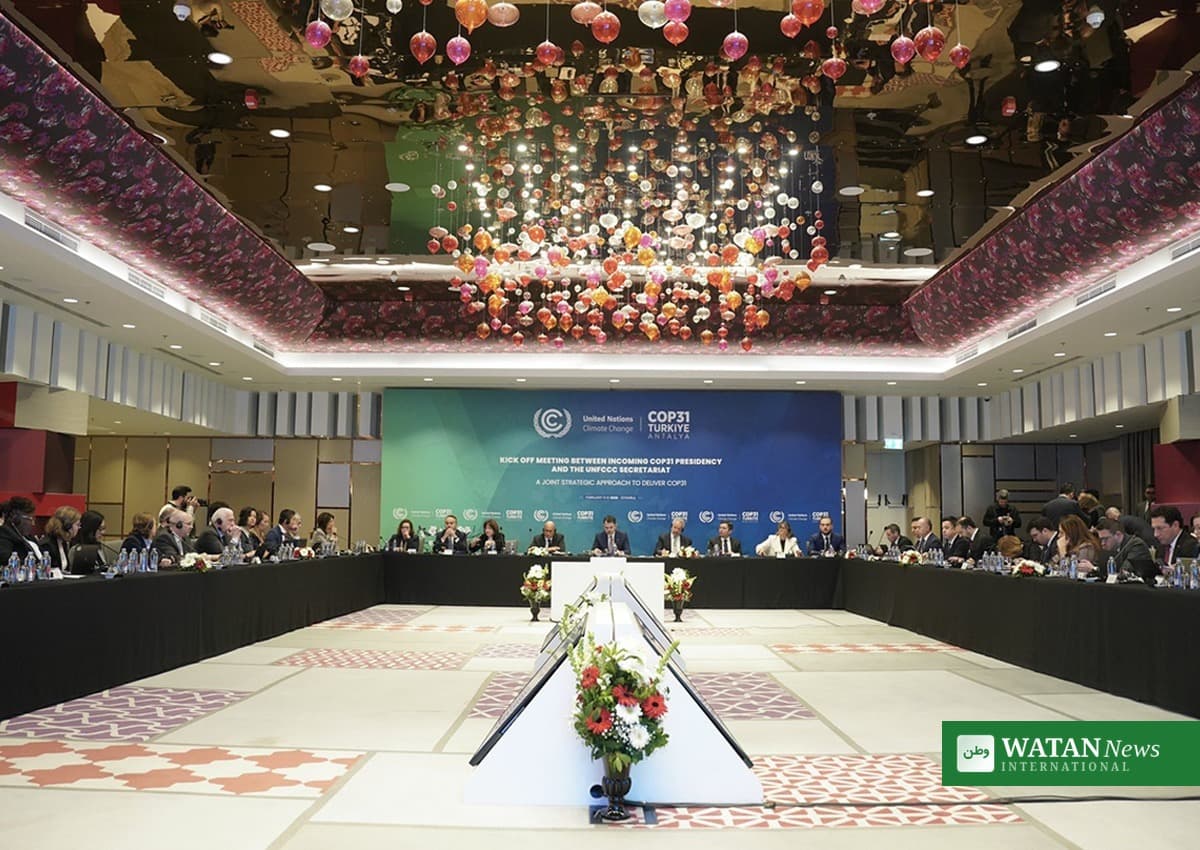
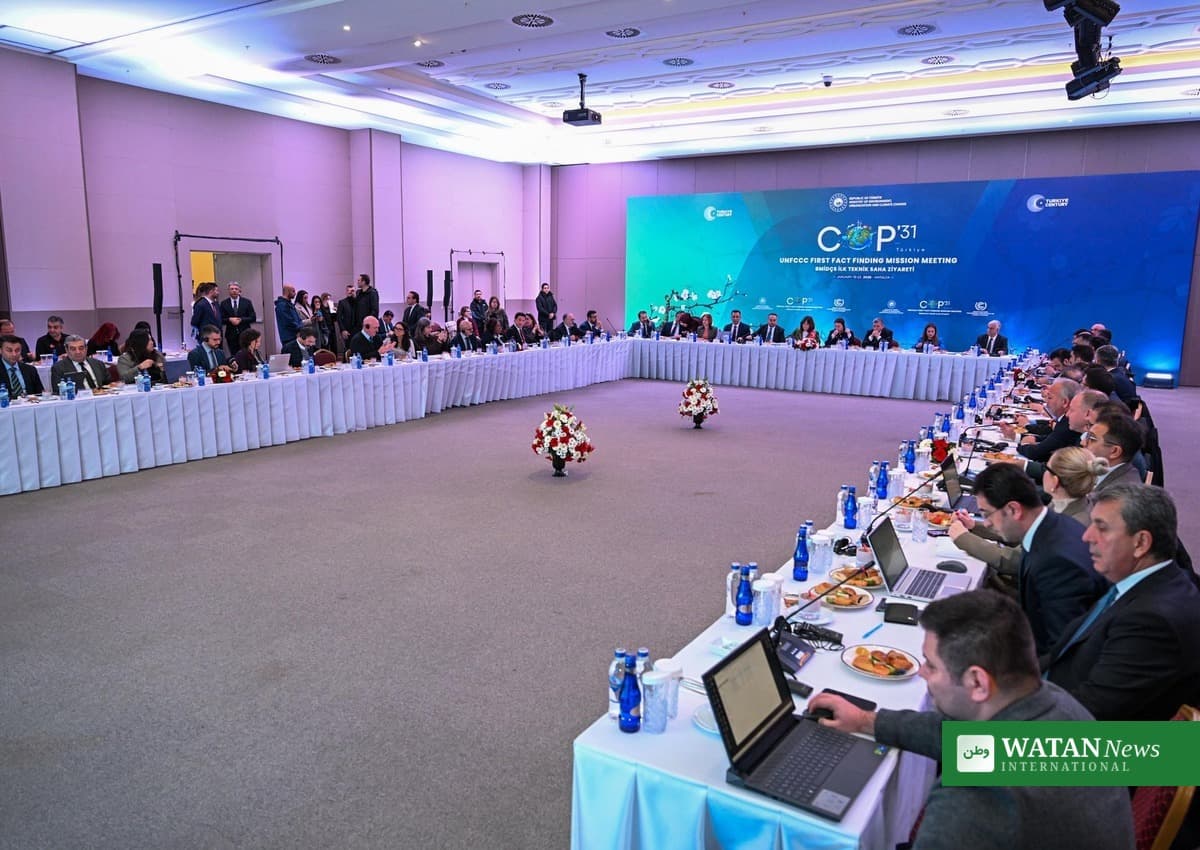
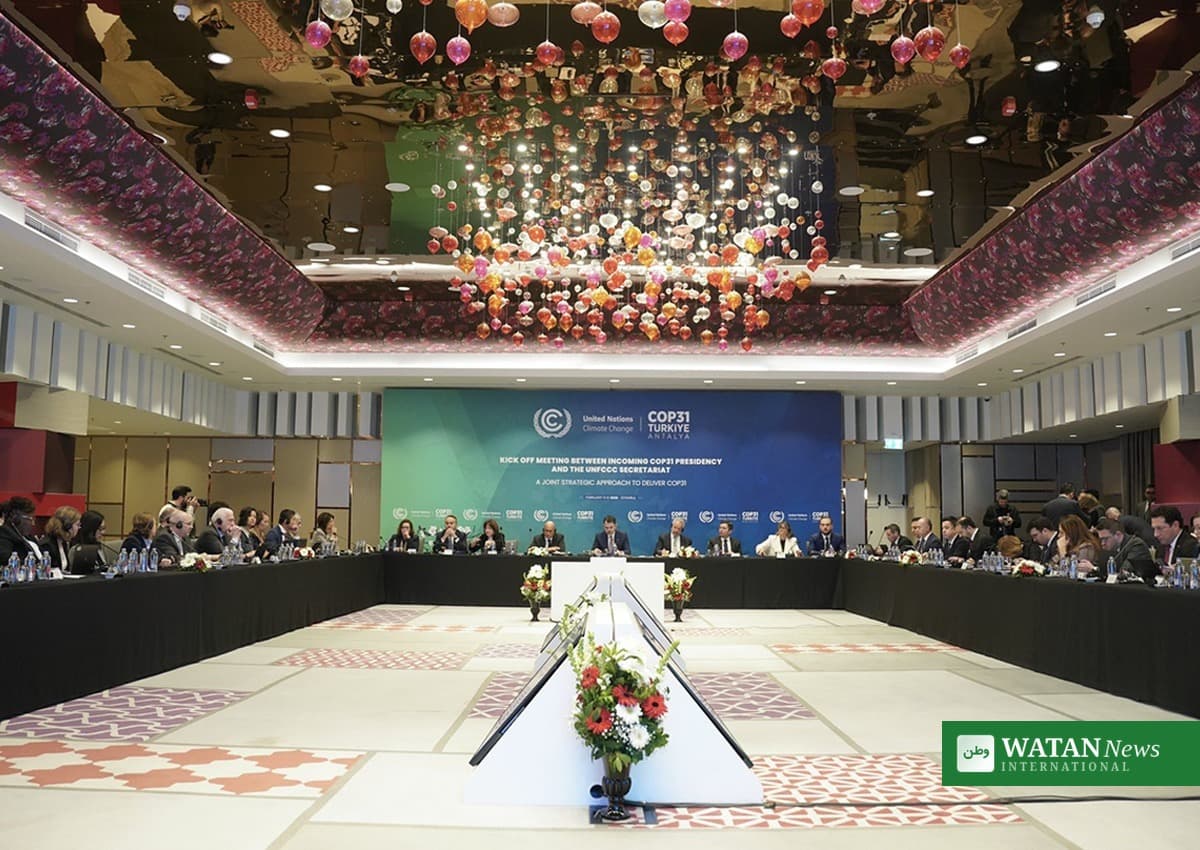
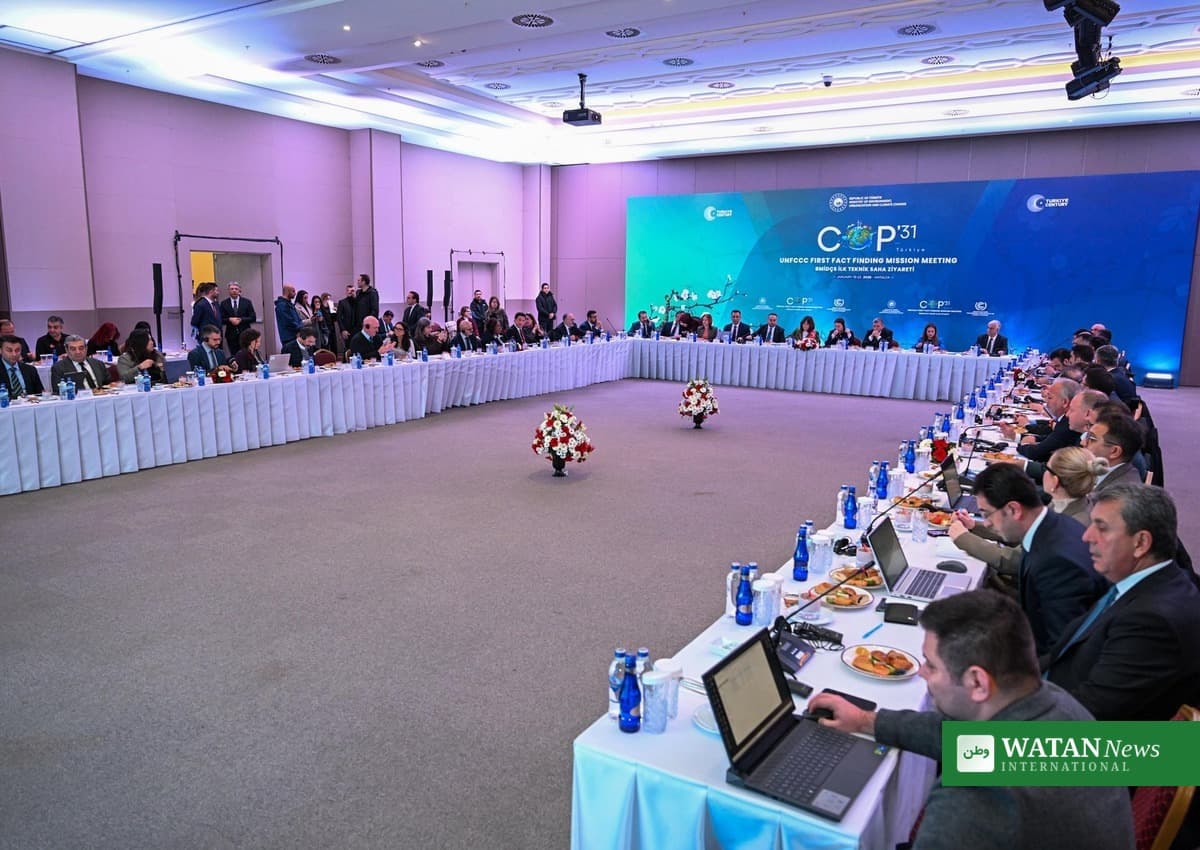
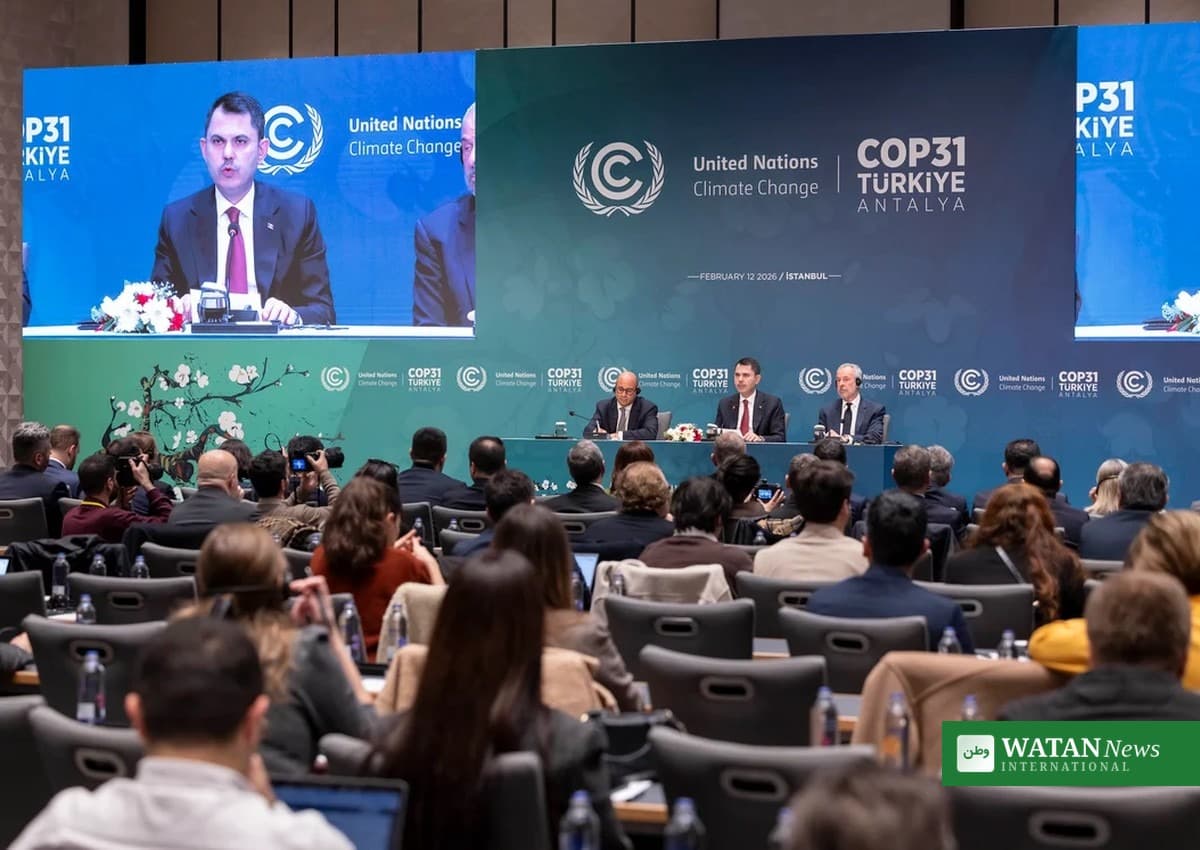
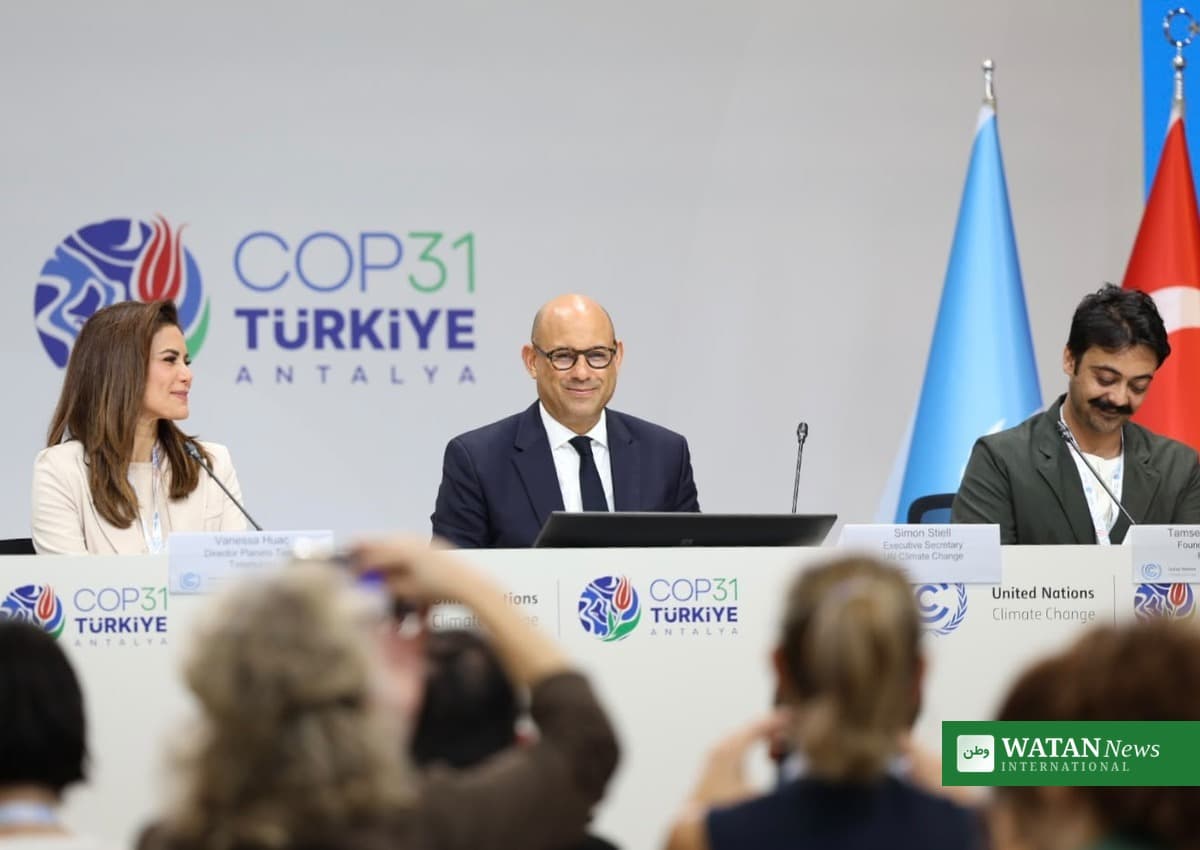
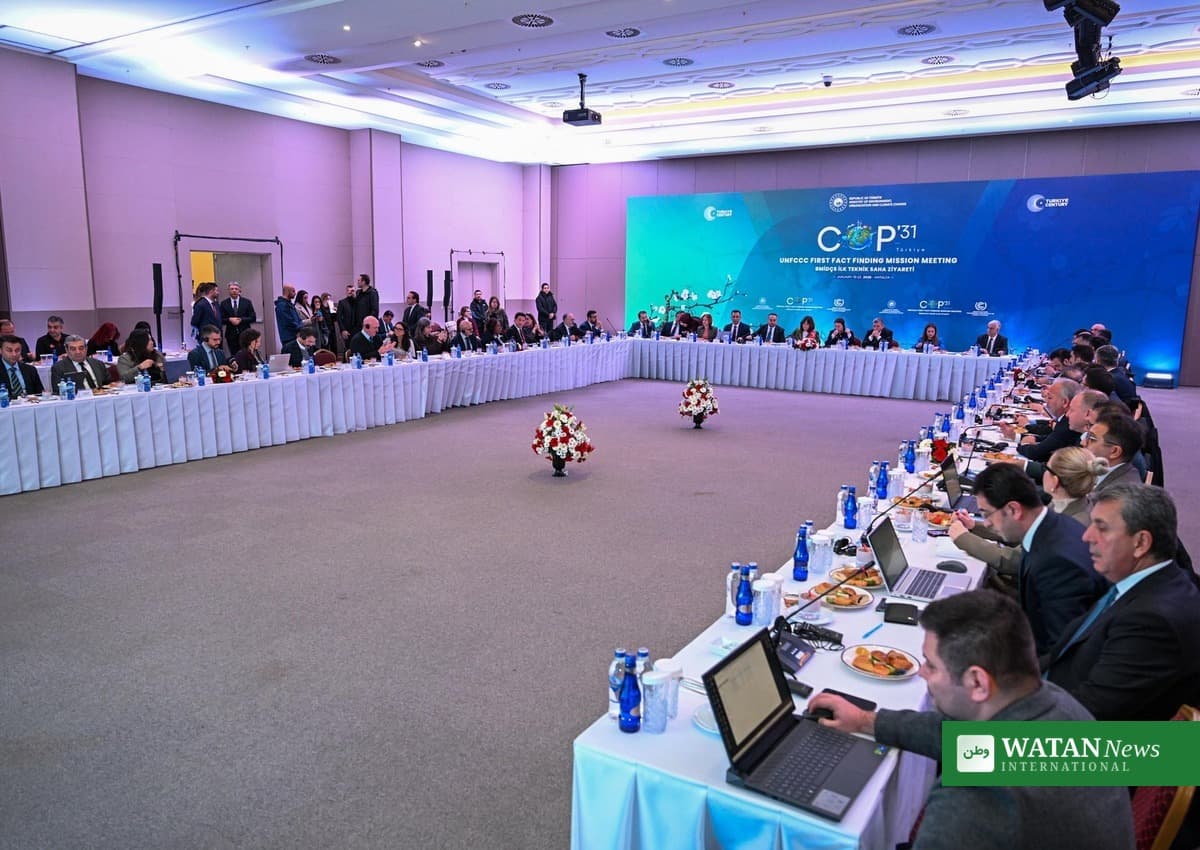
The “Antalya Ministerial Action Framework on D-8 Climate and Environmental Cooperation” was adopted unanimously at a High-Level Ministerial Session on Climate Action in the COP31 Blue Zone, jointly organised by the D-8 Secretariat, Türkiye’s Ministry of Environment, Urbanization and Climate Change and the COP31 Presidency. COP31 High-Level Climate Champion Samed Ağırbaş, president of Türkiye’s Zero Waste Foundation, opened a follow-on special event on zero waste and the circular economy.
Nine countries, one framework
The D-8 brings together Türkiye, Egypt, Iran, Pakistan, Indonesia, Malaysia, Nigeria and Bangladesh, with Azerbaijan, which became a full member in 2025. The group was founded in Istanbul in 1997 and approaches its 30th anniversary in 2027.
Ministers and heads of delegation from all nine member states presented their national climate policies at the session. According to reports from the meeting, their statements reaffirmed support for Türkiye’s COP31 Presidency and the D-8 climate cooperation agenda, with particular emphasis on fair climate finance, adaptation and resilience, renewable energy, sustainable agriculture, water security, disaster preparedness, technology transfer and green industrial development.
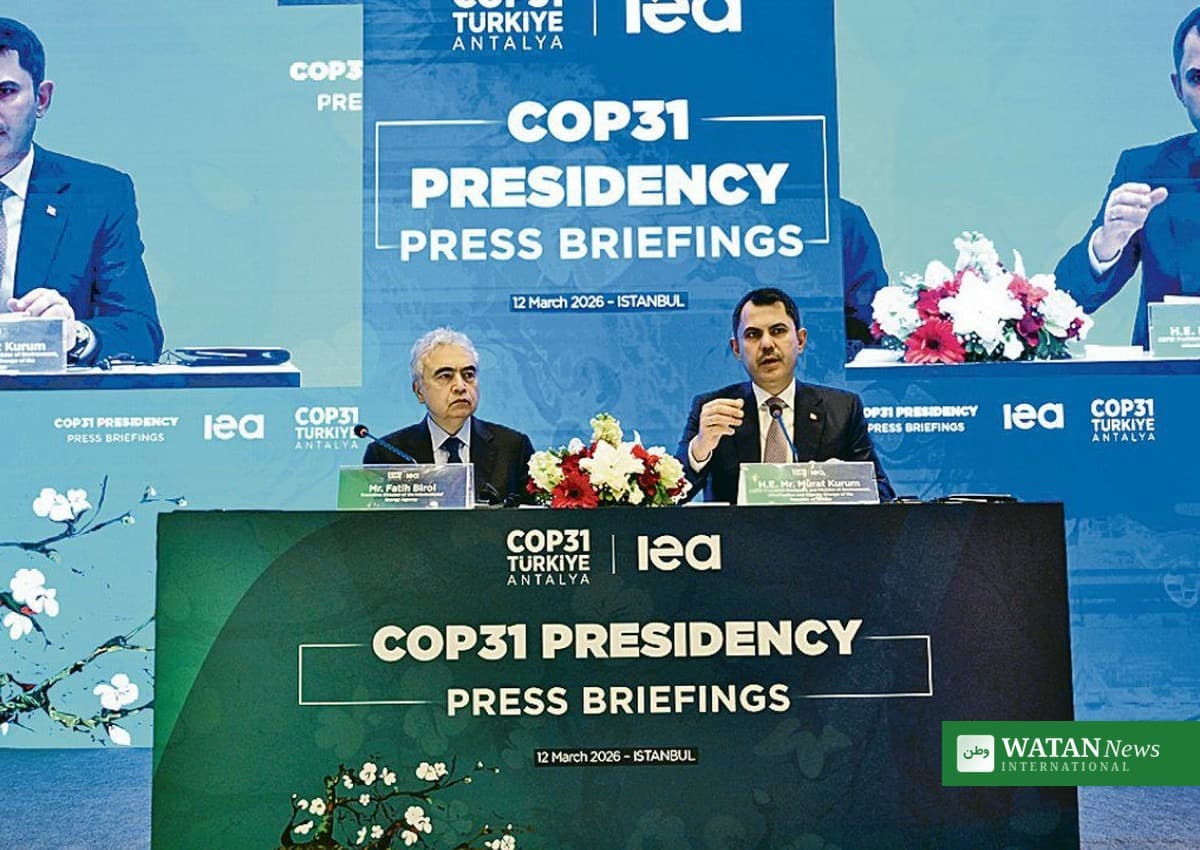
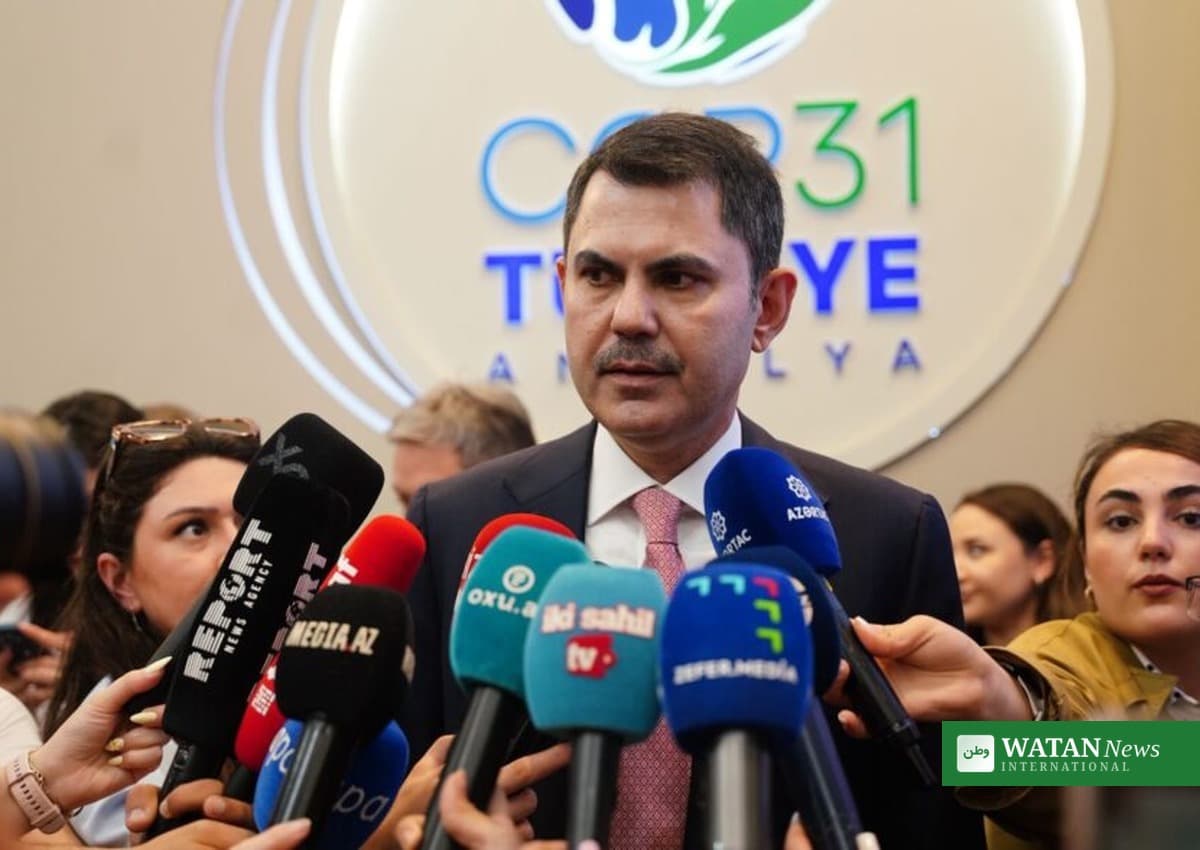
Inaugurating the session, COP31 President Murat Kurum, Türkiye’s minister of environment, urbanization and climate change, said the diverse strengths, experiences and technological capabilities of member states could be harnessed through stronger South-South cooperation, joint projects, knowledge-sharing and improved access to climate finance. He called for translating shared commitments into tangible results, particularly in clean energy, green industrialisation, sustainable agriculture and the circular economy.
From Istanbul to Antalya
The Antalya session built on the first D-8 Ministerial Meeting on Environment, held in Istanbul on 17 July 2026, and the Istanbul Declaration adopted there. That declaration identified adaptation, just transition, climate finance, loss and damage, technology transfer, zero waste, the circular economy and youth engagement as shared priorities.
D-8 Secretary-General Sohail Mahmood warned the session of the existential threat posed by climate change and the growing risk of exceeding the Paris Agreement’s 1.5°C threshold. He said the gap between international commitments and implementation must be closed, and urged faster emissions cuts and stronger resilience.
A message from Emine Erdoğan, First Lady of Türkiye, highlighted the global impact of the Zero Waste Movement and encouraged D-8 countries to deepen collaboration in sustainable resource management, responsible consumption and circular economy practices.
What the framework will do
As its principal outcome, the adopted framework sets out mechanisms for sustained cooperation, including institutional coordination, technical engagement and the development of joint programmes. It is meant to provide a foundation for implementation-oriented partnerships among member states and with international organisations and development partners.
Bangladesh, represented by Dr Saimum Parvez, Special Assistant to the Prime Minister on Environment, Forest and Climate Change, called for grant-based and highly concessional climate finance, technology transfer and capacity building for developing countries vulnerable to climate change. Bangladesh proposed operationalising the D-8 Environment and Climate Cooperation Platform, setting up a Technical Team of experts nominated by member states, and developing an actionable, results-oriented roadmap for 2027–2030.
Under the proposal, member states would nominate their representatives to the Technical Team by 31 January 2027, with its first meeting in the first quarter of 2027. The proposed roadmap prioritises locally led adaptation, climate-resilient agriculture and water management, stronger disaster early warning systems, addressing climate-related loss and damage, and a just energy transition.
Champion Ağırbaş brings zero waste to the table
Building on the ministerial session, a special event on “Zero Waste and Circular Economy” followed, featuring an opening statement by Mr Ağırbaş. Highlighting the achievements and international outreach of Türkiye’s Zero Waste Movement, he encouraged D-8 countries to pursue collaborative initiatives and exchange innovative solutions.
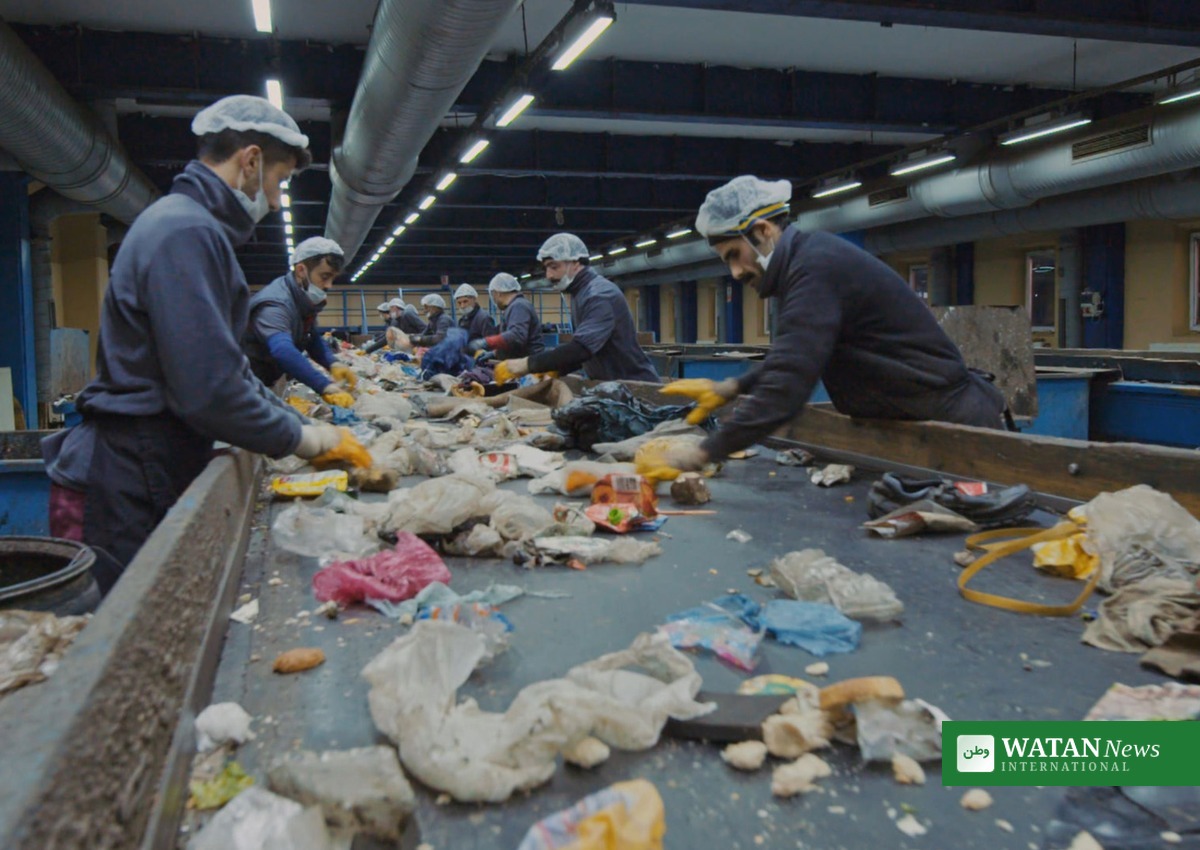
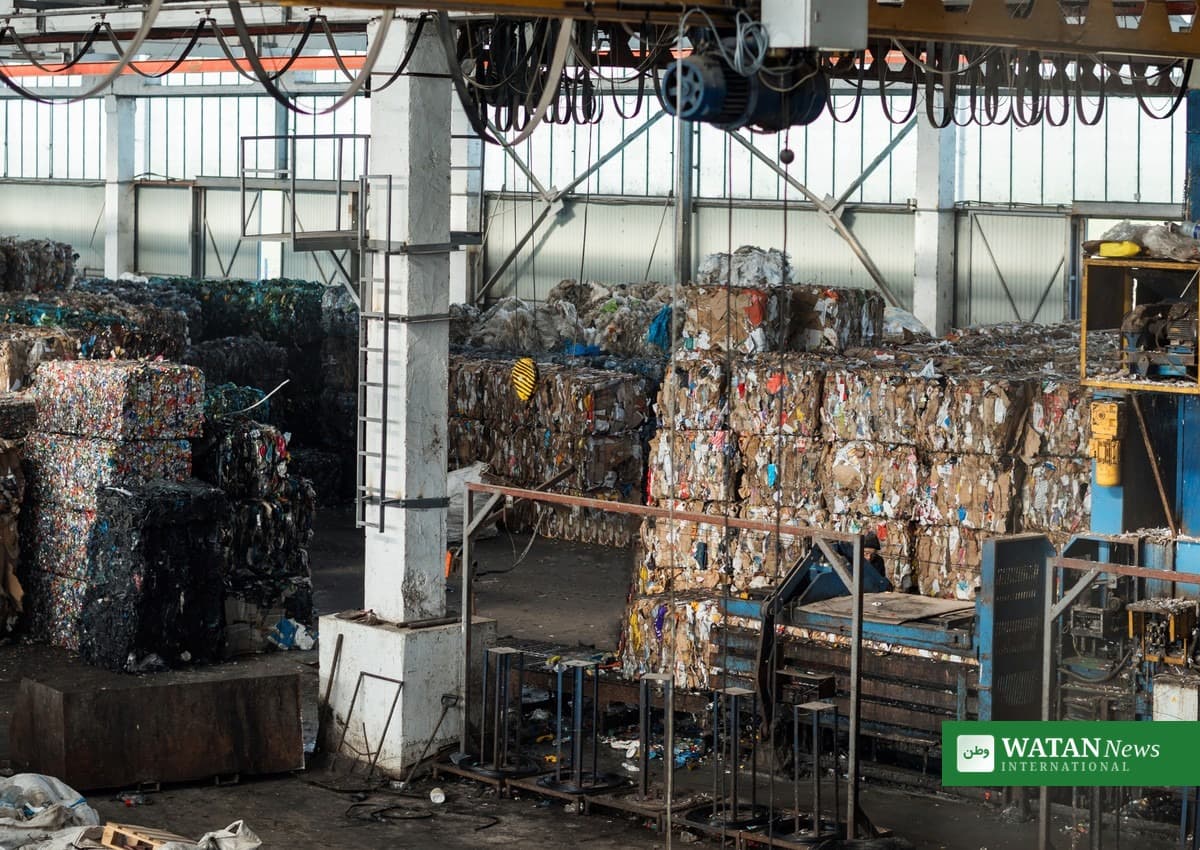
Participating delegations shared experiences in waste reduction, recycling, resource efficiency and sustainable production and consumption, identifying opportunities for practical cooperation. The zero-waste theme connects with wider COP31 work on cities and waste: COP31 sessions have shown how cities are turning circularity into climate action.
The Climate High-Level Champions were created at COP21 in Paris in 2015 to mobilise action from businesses, cities, regions and civil society alongside government negotiations. Two champions serve at a time, one for the current presidency and one for the incoming presidency, so momentum carries from one year to the next. Mr Ağırbaş serves alongside Dan Ioschpe, the COP30 champion, and the champions’ work at COP31 has also included a new group linking climate, nature and land action.
A climate lifeline for Gaza
Mr Kurum also used the session to propose a “COP31 Antalya–Gaza Climate Corridor”, described as an Antalya–Gaza climate lifeline, to deliver urgent humanitarian assistance and sustainable infrastructure to Gaza. He said winter was worsening conditions for people already affected by war and destruction, and that recent rainfall had damaged shelters belonging to more than 40,000 families, with rainwater mixing with sewage and threatening public health.
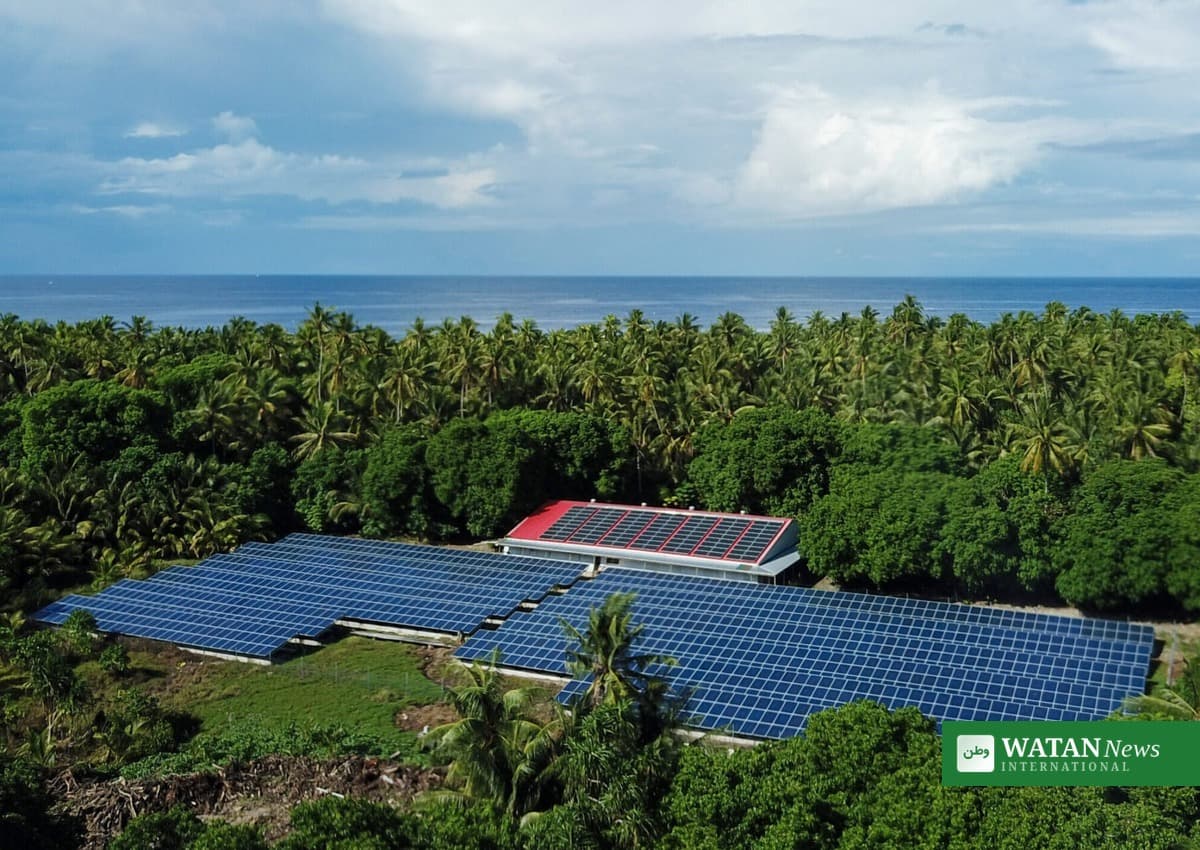
Under the proposal, D-8 countries could provide solar- and battery-powered mobile water purification systems, standalone power units for health centres, water wells and sewage networks, mobile drainage equipment, waste collection vehicles and housing units able to withstand winter conditions. Mr Kurum called on D-8 countries to share responsibility for the effort and stressed that humanitarian supplies, equipment and spare parts must be allowed to enter Gaza without interruption.
He also highlighted the “35 by 2035 Global Electrification Pledge”, which seeks to raise electricity’s share of global final energy consumption to 35% by 2035 without imposing new binding national obligations — a goal reflected in the electrification package launched at COP31 this week.
What happens next
The framework now moves from adoption to implementation. The next steps are the nomination of national experts to the Technical Team by the end of January 2027 and the drafting of the 2027–2030 roadmap, which member states must then approve. The D-8’s climate cooperation will continue beyond COP31 through joint projects, technical exchanges and regular monitoring of progress, in line with the COP31 Presidency’s guiding principles of “Dialogue. Consensus. Action”.
COP31 closes on Friday, 20 November. The Antalya outcomes will be tested in the months ahead by whether the platform, the technical team and the roadmap move from paper to projects.
FAKTA: The D-8 Antalya climate framework at COP31
- The D-8 High-Level Ministerial Session on Climate Action, “From Istanbul to Antalya: The D-8 Partnership in Implementing Climate Action”, was held on Tuesday, 17 November 2026, in the COP31 Blue Zone in Antalya.
- Its outcome was the unanimous adoption of the Antalya Ministerial Action Framework on D-8 Climate and Environmental Cooperation.
- The D-8 has nine member states: Türkiye, Egypt, Iran, Pakistan, Indonesia, Malaysia, Nigeria, Bangladesh and Azerbaijan, which became a full member in 2025. The group was founded in Istanbul in 1997 and approaches its 30th anniversary in 2027.
- Next steps: Technical Team nominations by 31 January 2027, a first meeting in the first quarter of 2027, and a D-8 Climate and Environment Roadmap for 2027–2030 to be drafted and approved.
- Samed Ağırbaş, President of Türkiye’s Zero Waste Foundation and COP31 High-Level Climate Champion, opened the follow-on Zero Waste and Circular Economy special event.
- The COP31 Antalya–Gaza Climate Corridor proposes solar-powered water purification, standalone power for health centres and winter-resistant housing for Gaza.
- COP31 runs from 9 to 20 November 2026 in Antalya, Türkiye, and closes on Friday, 20 November.