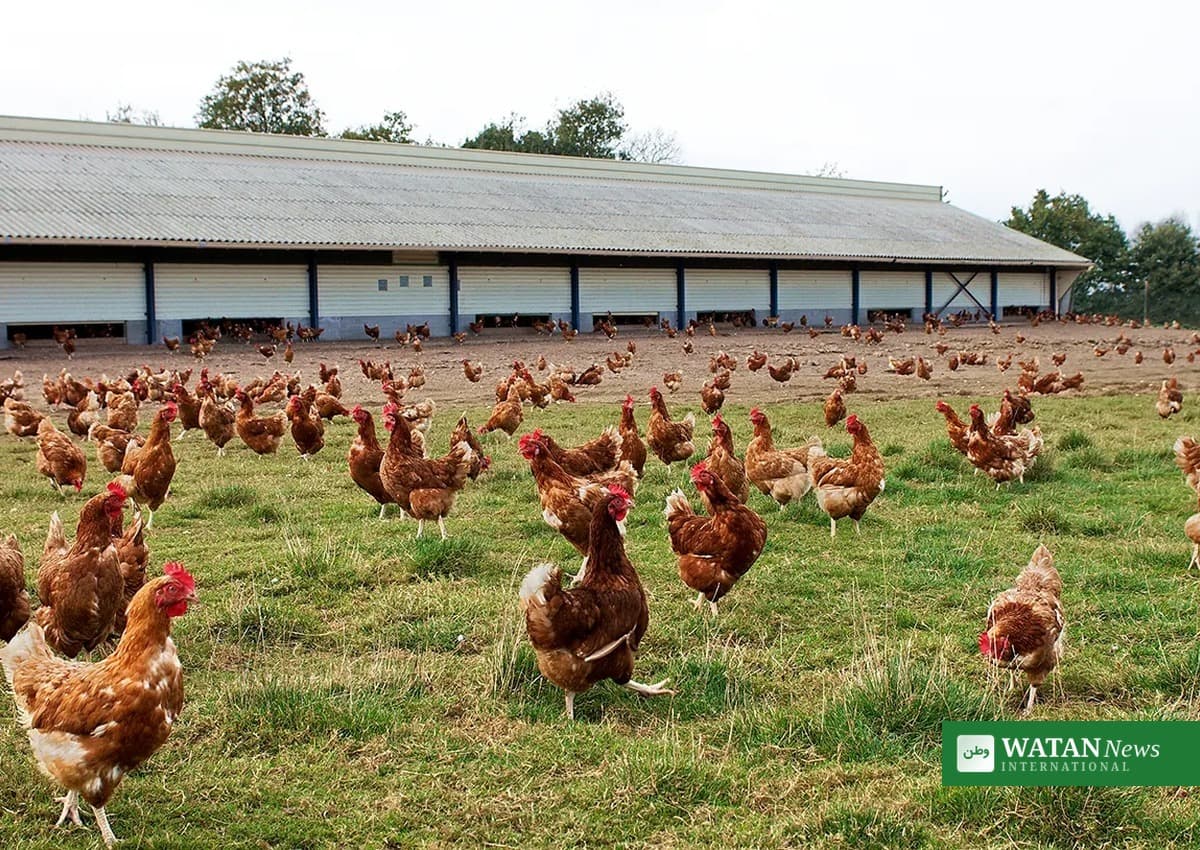
France has raised its national bird flu alert to the highest possible level, ordering poultry farmers across the country to keep their flocks indoors from Friday as a seasonal wave of the virus spreads through wild birds in Europe.
The decision was announced on Thursday in the government’s official journal. It marks the strongest response available under France’s animal health system and comes after weeks of rising infections among migratory birds in several neighbouring countries.
FAKTA: France bird flu alert
- What happened: France raised its avian influenza risk level to the maximum.
- Announced: Thursday, 19 November 2026, in the official journal.
- Takes effect: Friday, 20 November 2026.
- Main measure: Poultry flocks must be kept indoors or under netting to prevent contact with wild birds.
- Trigger: A growing seasonal spread of the virus among wild birds across Europe.
Flocks ordered indoors
Confinement is the centrepiece of the new measures. From Friday, poultry farmers must house their birds or keep them under protective netting so they cannot come into contact with wild birds, the main carriers of the virus during the autumn migration season.
Farms that cannot confine their birds for animal welfare or quality reasons may seek an exemption, but only if they can prove they have strict biosecurity measures in place. Bird gatherings, fairs and pigeon racing face restrictions across the country, and hunting is limited in the areas judged to be at greatest risk.
A seasonal threat carried by wild birds
Avian influenza, commonly known as bird flu, spreads rapidly among wild and domestic birds. Migratory birds can carry the virus over long distances, and their autumn movements raise the risk of new infections reaching poultry farms in France and elsewhere in Europe.
The alert had already been raised once this month. At the start of November, France moved its risk level from negligible to moderate after highly pathogenic cases were detected among wild birds in neighbouring countries. France has also reported four outbreaks on farms since the summer and has launched a second vaccination campaign for farm ducks.
Europe’s largest poultry flock at stake
France has the largest poultry flock in the European Union and is Europe’s leading poultry producer, so an outbreak carries heavy costs. Infected flocks must be culled, production is disrupted, and farmers face serious financial losses, while trade restrictions can follow in affected areas.
The government has not said how long the maximum alert will remain in place. Its duration will depend on how the seasonal outbreak develops across Europe, and veterinary services will keep monitoring wild birds and farms for new cases in the weeks ahead.
Read more international news at Watan News.