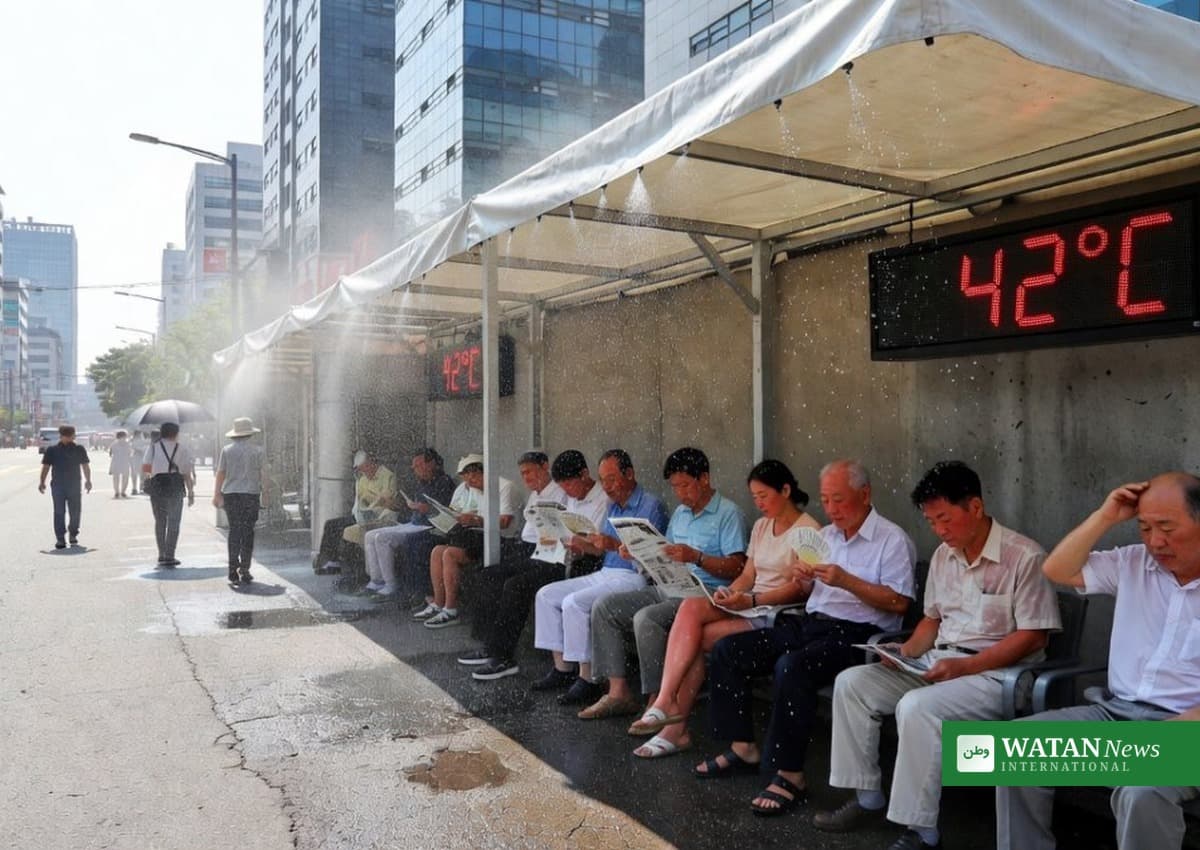
Antalya — Governments at COP31 have backed a joint response to extreme heat and sustainable cooling, welcoming the Antalya Communiqué and a new Global Heat Resilience and Sustainable Cooling Roadmap at the third Cooling Pledge Ministerial on Tuesday, 17 November — with more than 20 million US dollars in new support announced to put the plans into practice.
Ministers and high-level representatives met in Antalya, Türkiye, as global temperatures keep rising and cooling demand grows. The meeting was co-chaired by Singapore and the United Nations Environment Programme (UNEP). Singapore, Brazil, Japan and the United Kingdom committed to addressing both extreme heat and sustainable cooling through the roadmap, as the conference entered its final days ahead of its scheduled close on Friday, 20 November.
What the Antalya Communiqué sets out
The Antalya Communiqué brings heat resilience and sustainable cooling together in one agenda. It aligns countries and partners around five priority areas where collective action, policy, finance and technology can turn the Global Cooling Pledge into delivery: developing the roadmap; advancing national and subnational cooling action plans; scaling up passive, nature-based, efficient and innovative cooling solutions; mobilising finance, including through Article 6 of the Paris Agreement; and strengthening the science, political coordination and advocacy needed to speed up implementation.
It builds on the outcomes of the first Global Cooling Pledge Assembly, held in Singapore in September 2026, where more than 230 delegates from 60 countries took part, and on the Belém Communiqué on Extreme Heat adopted at COP30. The Communiqué also opens endorsement of the Antalya-to-Addis Heat Resilience Declaration, which will be consolidated with the launch of the jointly developed Global Heat Resilience Roadmap at COP32 in Addis Ababa.
“Nearly two billion people, globally, still lack adequate cooling,” said Inger Andersen, Executive Director of UNEP. “At the same time, growing demand for cooling is placing unprecedented pressure on electricity systems and contributing to greenhouse gas emissions. We need to reduce heat exposure and cooling demand through better planning, shade, trees and building design, while ensuring access to efficient, affordable and sustainable cooling and cleaner refrigeration.”
More than 20 million dollars in new support
Countries and partners announced over 20 million US dollars in new funding support to the UNEP-led Cool Coalition to accelerate implementation of the Global Cooling Pledge. The support includes expanded funding through EPIC Deploy, a UNEP initiative backed by Italy’s Ministry of the Environment and Energy Security that helps countries turn cooling commitments into investment-ready projects and mobilise finance to scale sustainable cooling solutions.
Additional funding will support the adoption of efficient cooling technologies using climate-friendly refrigerants in major markets across the Global South, including Brazil, China, ASEAN and South Asia, connecting large-scale aggregated demand with manufacturers through the Cool Coalition Manufacturers Platform. Further funding will strengthen national and subnational implementation of Global Cooling Pledge commitments in signatory countries and cities, and advance heat resilience and sustainable cooling in the Horn of Africa.
Funding partners include the Children’s Investment Fund Foundation, the ClimateWorks Foundation, the Hewlett Foundation, the Sequoia Climate Foundation, the Swiss Agency for Development and Cooperation and the UN Development Account.
Why heat and cooling matter now
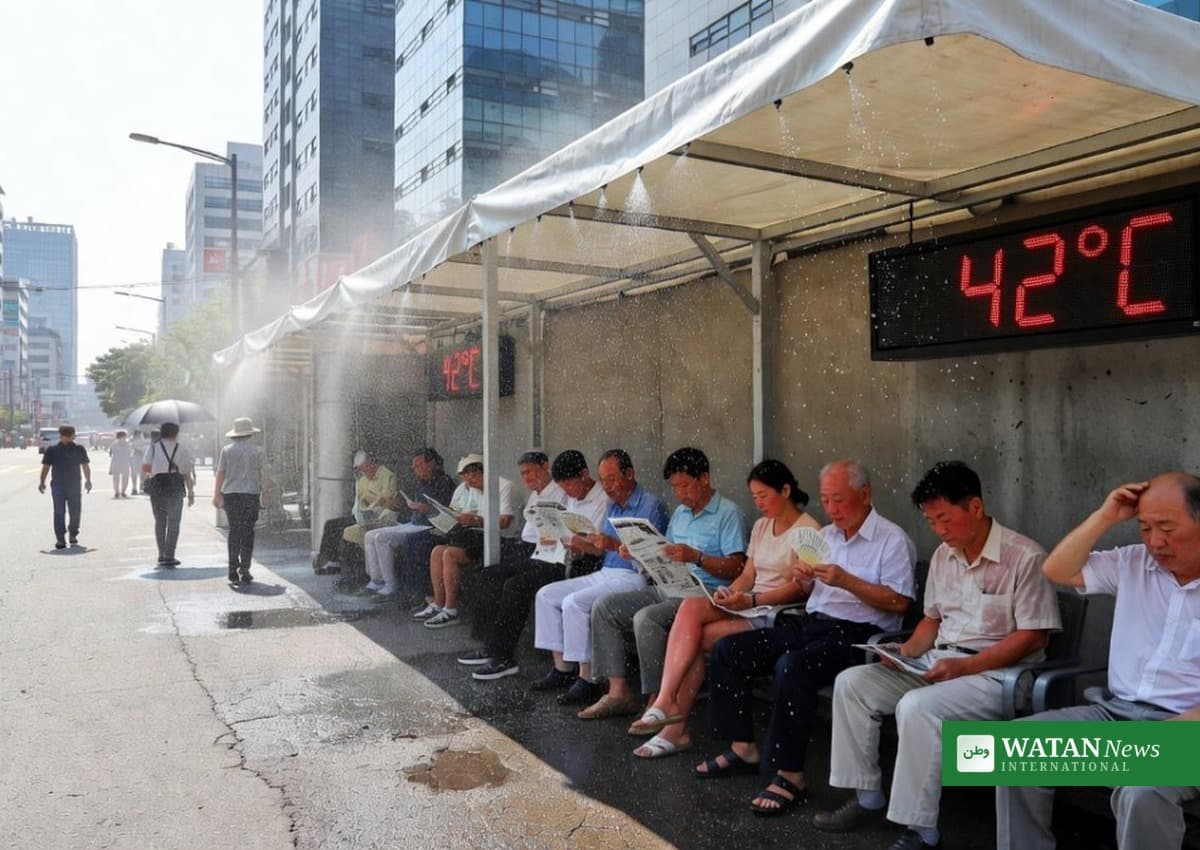
Extreme heat is one of the fastest-growing climate risks. According to UNEP, nearly two billion people still lack adequate cooling, and nearly three billion people could lack access by 2050. Cooling already accounts for about 20 per cent of global electricity consumption, and exclusive reliance on air conditioning could drive emissions to 7.2 billion tonnes of carbon dioxide equivalent, straining electricity grids.

UNEP Executive Director Inger Andersen warned at the ministerial that if global warming reaches 2°C, around 40 per cent of humanity could be exposed to extreme heat by 2050. A sustainable cooling pathway could deliver nearly two-thirds of the available emissions cuts, protect 3.5 billion additional people from heat-related risks by 2050 and save approximately 1 trillion US dollars a year in end-user bills by 2050, according to UNEP.
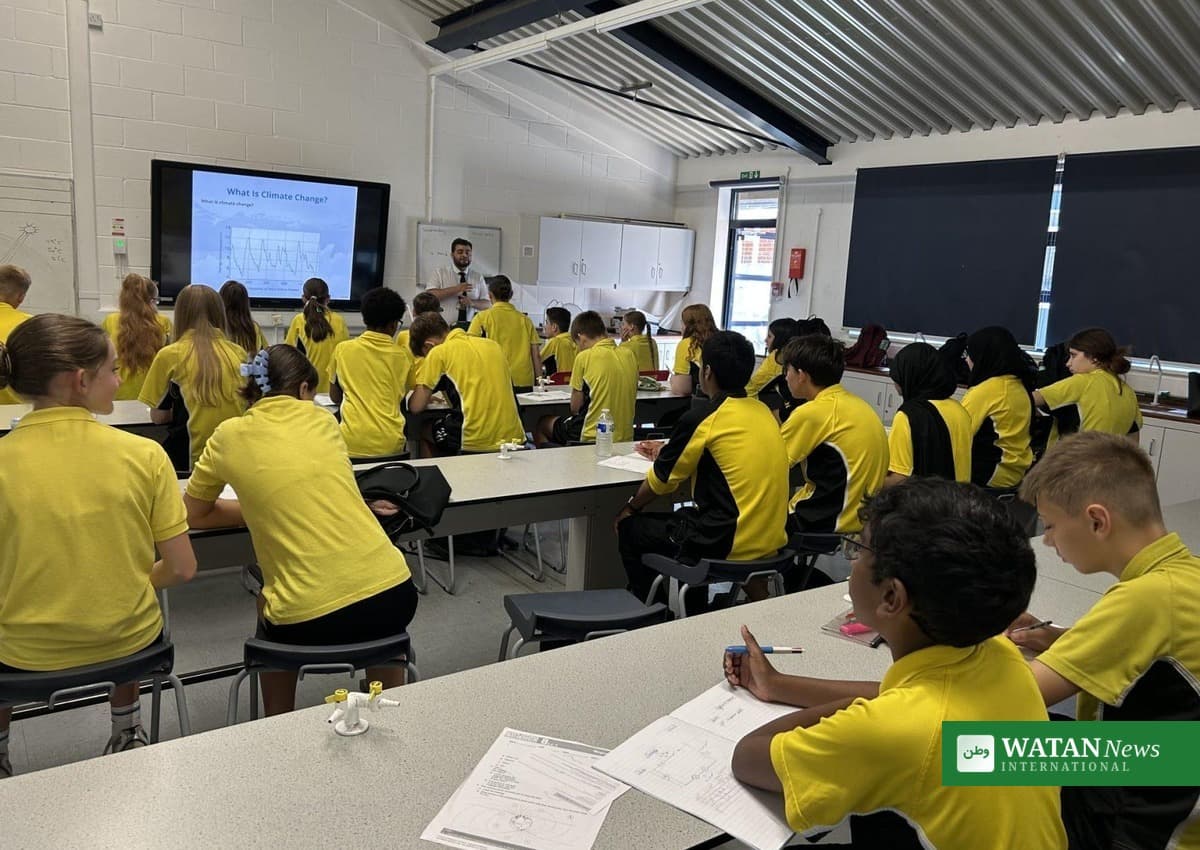
The work links directly to the wider COP31 push on cities and energy. Governments at the conference have already backed plans for more resilient cities and for raising electricity’s share of final energy use, and cooling is a growing part of both challenges — in homes, hospitals, schools and workplaces. Read our earlier coverage of the resilient cities day at the Leaders’ Summit and the electrification delivery package launched this week.
Key facts
- What happened: The third Cooling Pledge Ministerial met at COP31 in Antalya on Tuesday, 17 November 2026, co-chaired by Singapore and UNEP.
- Agreed: Governments welcomed the Antalya Communiqué and the Global Heat Resilience and Sustainable Cooling Roadmap; Singapore, Brazil, Japan and the United Kingdom committed through the roadmap.
- New money: Over 20 million US dollars in new support for the UNEP-led Cool Coalition to implement the Global Cooling Pledge.
- The gap: Nearly two billion people lack adequate cooling today; nearly three billion could lack access by 2050, according to UNEP.
- The risk: Cooling uses about 20 per cent of global electricity; air conditioning alone could drive emissions to 7.2 billion tonnes of CO2 equivalent.
- The pledge: The Global Cooling Pledge, launched in 2023, aims to cut cooling-related emissions by 68 per cent by 2050 while expanding access to sustainable cooling.
- Progress so far: More than 55 National Cooling Action Plans are being developed or implemented, and cooling is included in nearly 60 Nationally Determined Contributions.
- Next step: Japan will host the 2028 GlobalABC Annual Assembly and Global Cooling Pledge Assembly in Tokyo as a joint “COOL + BUILD” gathering; the roadmap launches at COP32 in Addis Ababa.
What happens next
The roadmap is a country-led and voluntary process. It will help countries identify the people, places and systems most exposed to extreme heat, assess institutions and policy gaps, prioritise solutions suited to national circumstances, and find pathways to finance and implement them.
Singapore’s Minister for Sustainability and the Environment, Grace Fu, said her country would build on the momentum from the Global Cooling Pledge Assembly in Singapore and work with the Cool Coalition and more than 200 international partners to shape the roadmap. “No country can tackle rising heat alone,” she said. Japan’s announcement that it will host the 2028 assemblies in Tokyo gives the work a next milestone, bringing the buildings and cooling communities together under the “COOL + BUILD” banner.
Ministers at COP31 also called for heat resilience and sustainable cooling to be embedded in existing climate processes, including the second Global Stocktake, the Global Goal on Adaptation and national climate plans. With COP31 scheduled to close on Friday, 20 November, the test now is whether the Communiqué, the roadmap and the new funding turn into cooler homes, schools and hospitals in the countries where heat is rising fastest.