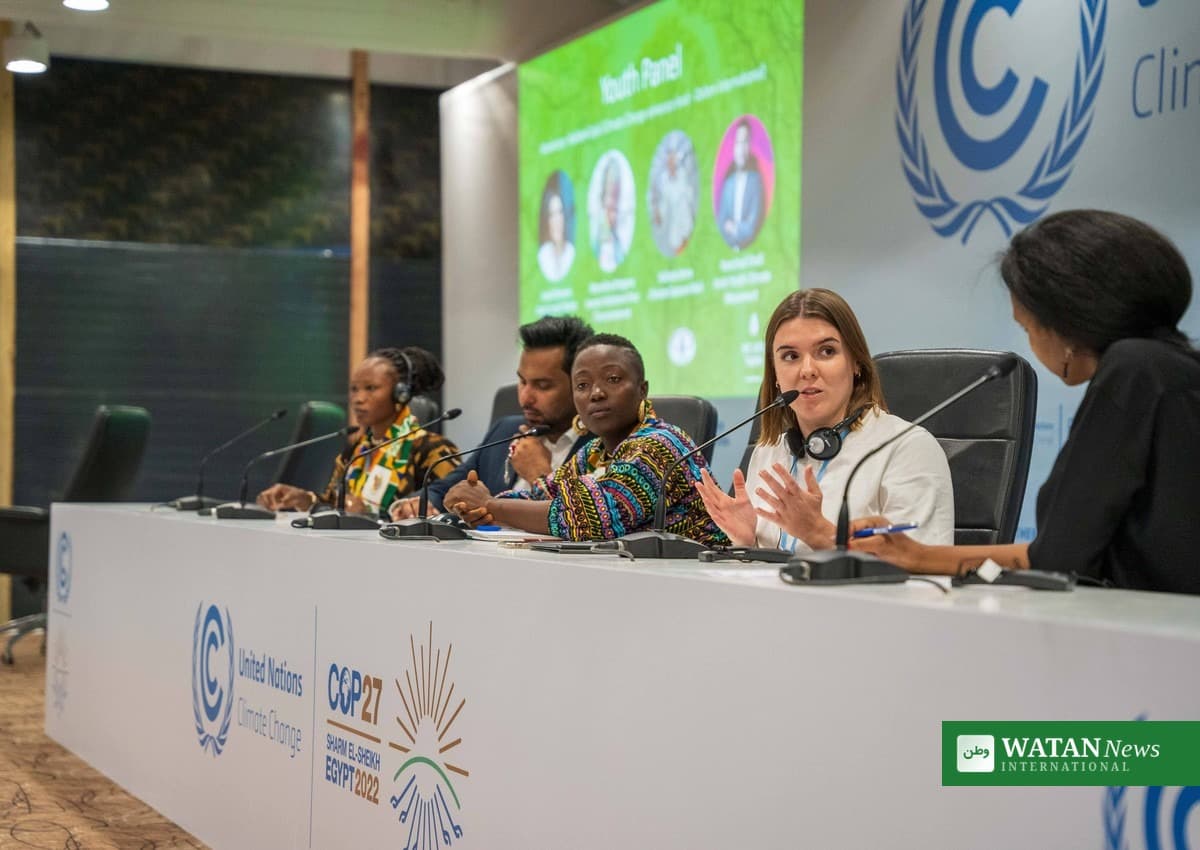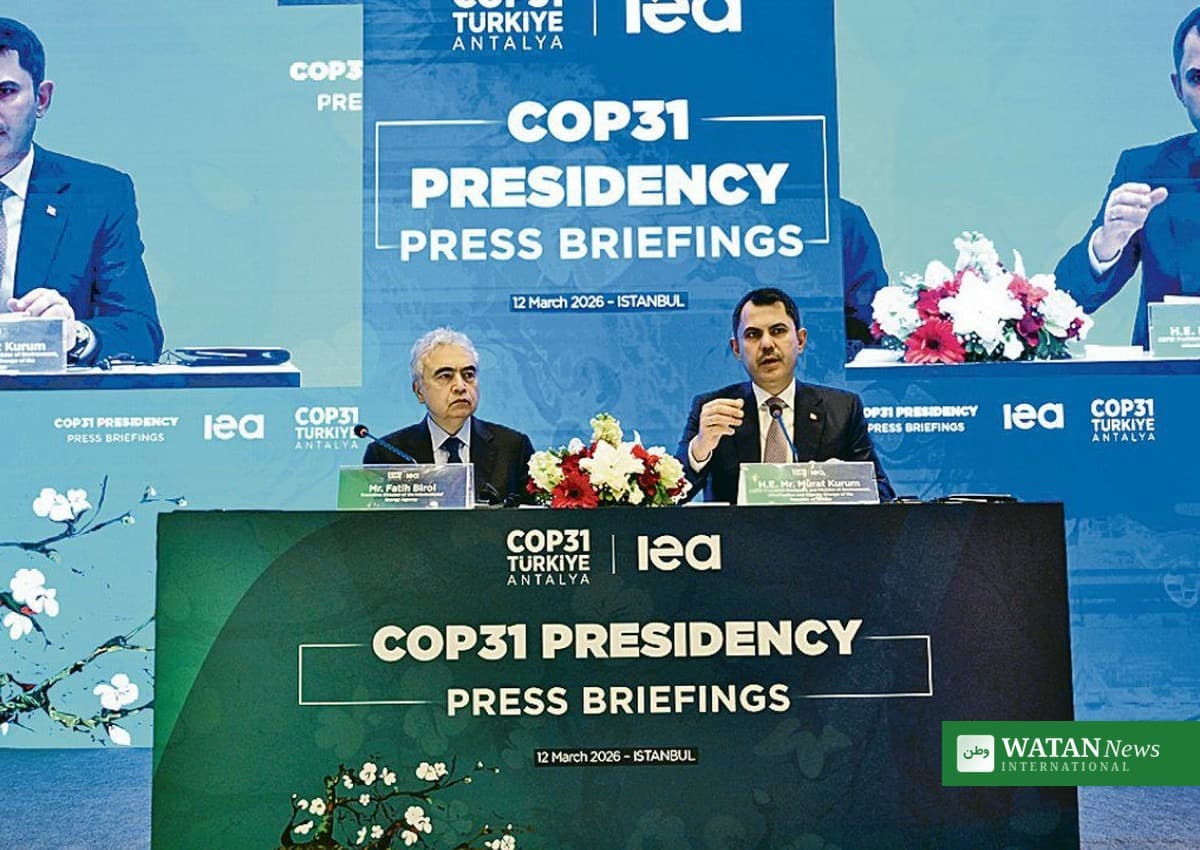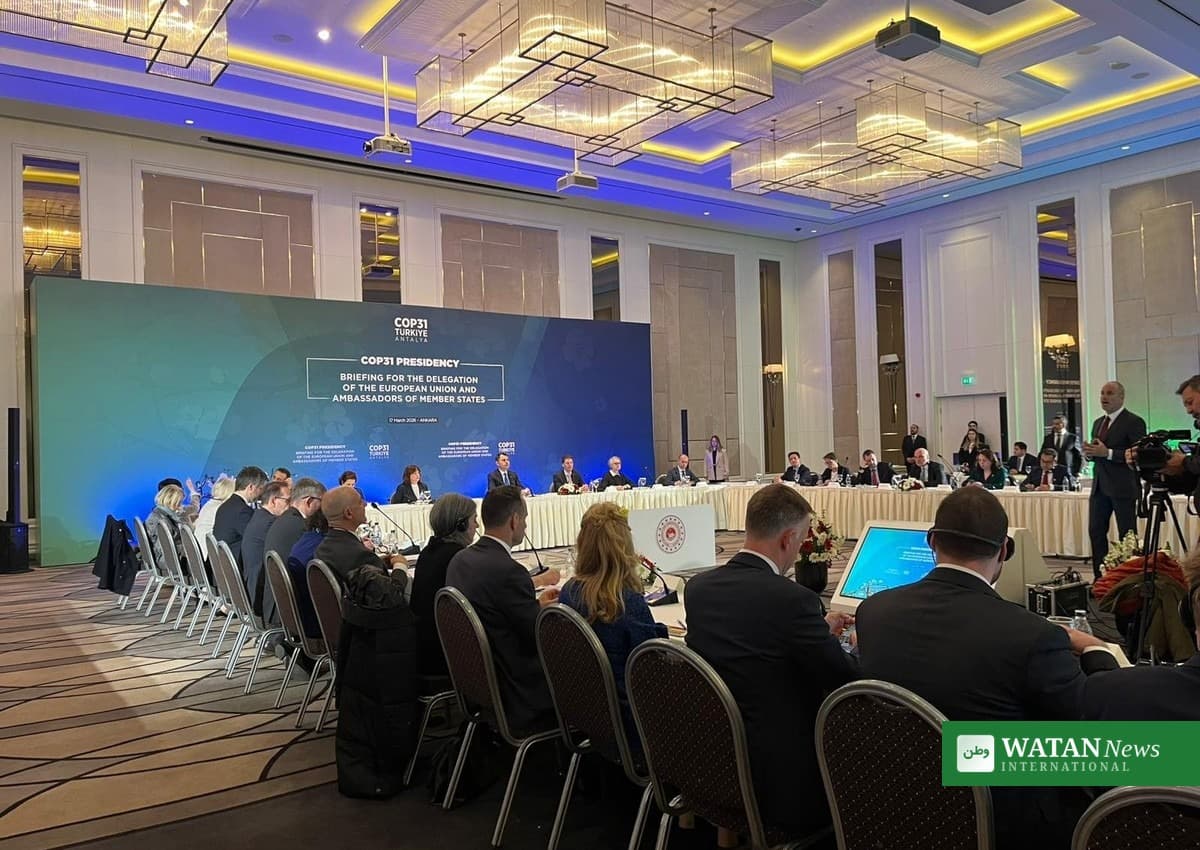
COP31’s final day begins in Antalya today, Friday 20 November, with the hardest questions still open. The latest draft of the summit’s cover decision, published on Thursday, contains no reference to moving away from fossil fuels, and the negotiating tracks on finance, adaptation and just transition remain unresolved as ministers work through the night to reach a deal.
The talks are scheduled to close at 18:00 local time on Friday. But with nearly 200 delegations required to agree by consensus, and with the text still contested on several fronts, negotiators and observers in Antalya are preparing for the possibility that the summit runs past its deadline, as climate summits often do.
A shorter draft, with the fossil-fuel language gone
The draft published on Thursday runs to 80 paragraphs over nine pages, down from 144 paragraphs over 18 pages in the first draft published on Monday. The word “fossil” does not appear anywhere in the new text, according to the document published by the UN climate body.
Monday’s draft had called on countries to speed up the phase-out of coal, oil and gas and had proposed raising adaptation finance for developing countries to at least $120 billion a year by 2035. The Thursday text keeps the goal of tripling adaptation finance by 2035 but drops the $120 billion figure and offers no baseline for measuring the increase. Proposals for developed countries to reach net zero by 2030 and net-negative emissions by 2040 were also removed, along with a reference to the Pacific Resilience Facility championed by Australia.
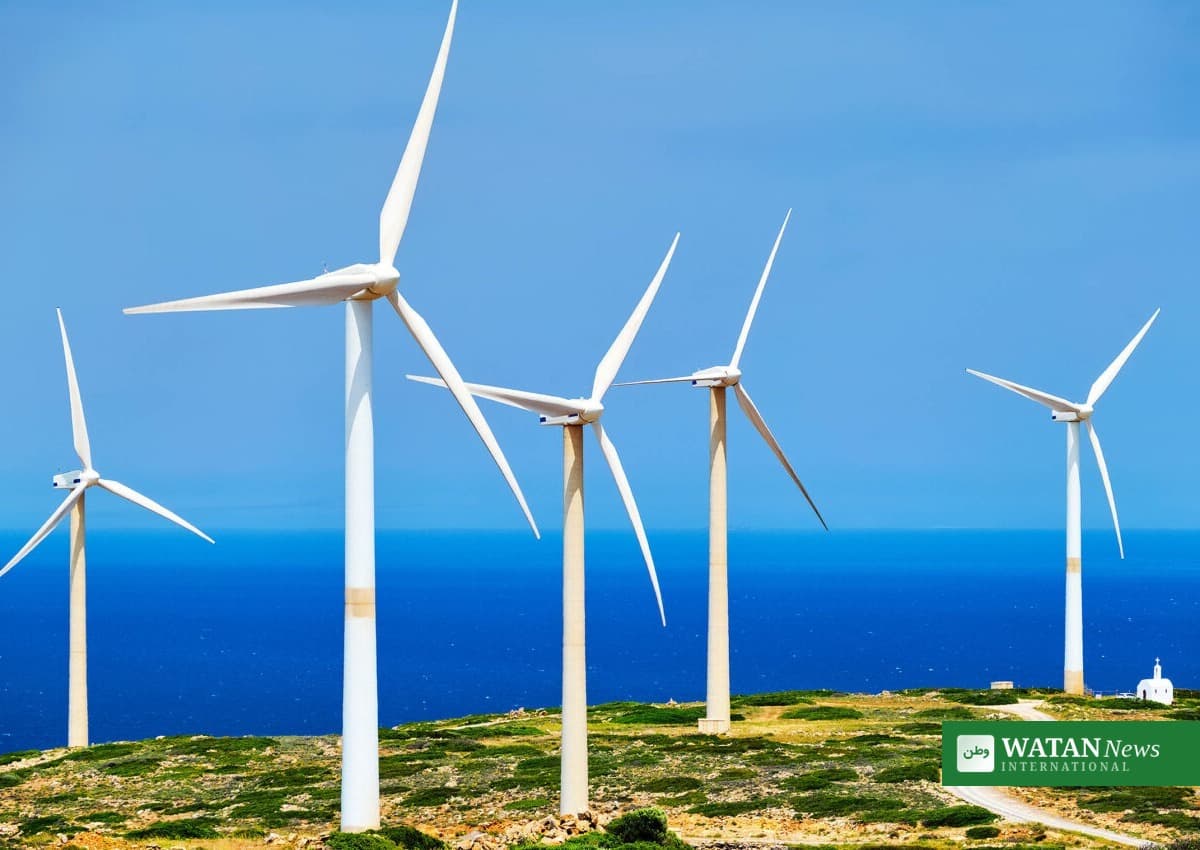
The new text instead emphasises clean energy and electrification, including Türkiye’s proposed target of raising electricity’s share of global final energy consumption to 35 per cent by 2035. It also welcomes efforts to scale up carbon capture, utilisation and storage, a provision criticised by campaigners. Romain Ioualalen of Oil Change International warned that the carbon capture paragraph could legitimise technologies that fossil fuel interests could use to prolong dependence on fossil fuels.
Watan News reported on Thursday how the slimmed-down draft landed in Antalya and what changed since Monday’s first version.
One element survived the cuts and may prove historic. Australia’s Chris Bowen, who leads the negotiations, said COP31 would be the first climate summit to acknowledge that the world will fail to hold warming to the 1.5°C limit set out in the Paris Agreement. “But we are determined that COP31 is not remembered for that, but is remembered as a COP which decides clearly and strongly that that is not acceptable,” he said, referring to language in the text calling for any overshoot of 1.5°C to be kept as small and short as possible.
Three tracks still open as the deadline nears
According to UN News, the negotiating tracks on finance, adaptation and just transition remain unresolved as Friday’s deadline approaches. On adaptation finance, the draft reaffirmed the goal of tripling funding by 2035 but left crucial details, including how to calculate that increase, for further discussion. The draft’s own arithmetic, citing the UN Environment Programme’s Adaptation Gap Report, puts developing countries’ adaptation needs at about $305 billion a year by 2035.
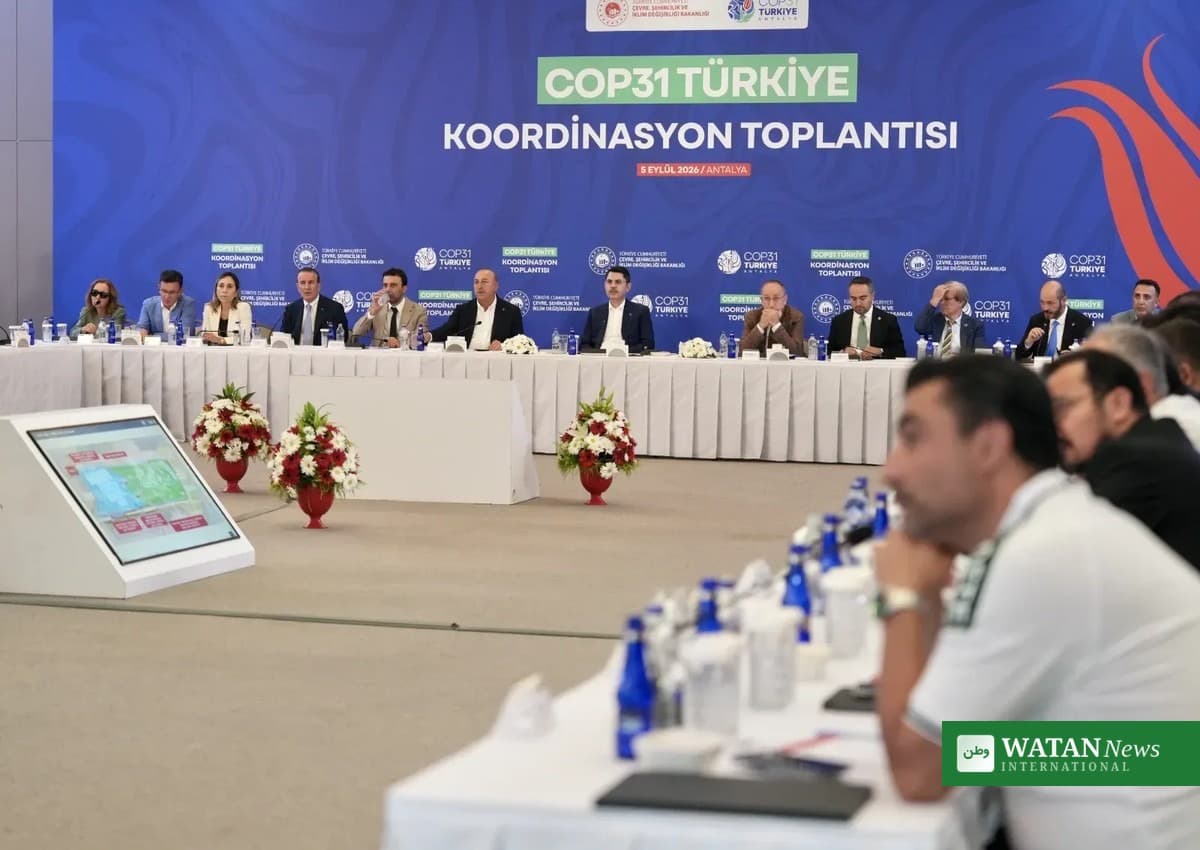
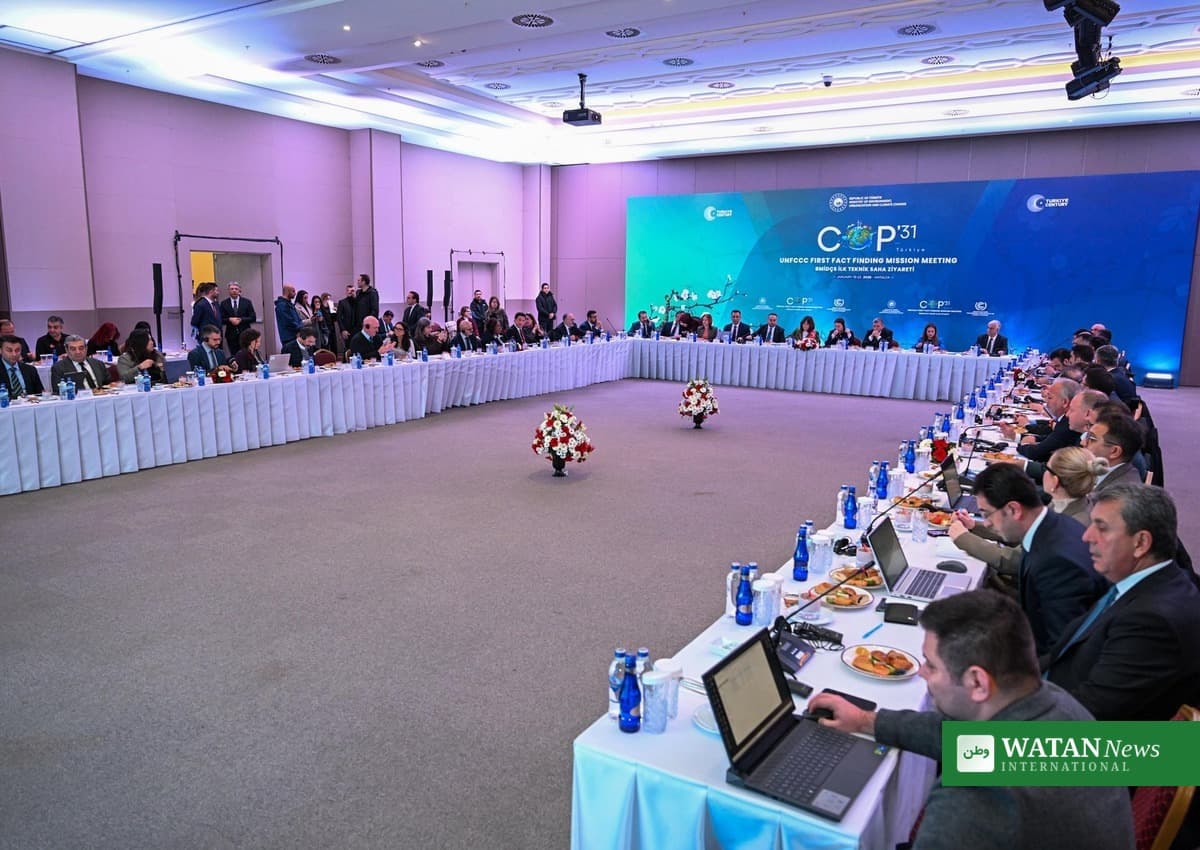
Ministers entered Thursday with 21 issues still unresolved, according to a letter from the Presidency earlier in the week. On Wednesday evening, COP31 President Murat Kurum gathered ministers for a Divan, a Turkish-style political exchange inspired by Ottoman tradition, in an effort to break the deadlock. Some participants described it as constructive; ministers from vulnerable countries said little progress had been made.
The first draft had already drawn sharp pushback on Monday. The Arab Group, Russia, the Like-Minded Developing Countries and China rejected the draft cover text, and the Like-Minded Developing Countries called it a violation of their red lines, including the 35 per cent electrification target, a fossil-fuel transition roadmap singling out methane, and prescriptive mitigation options.
The overnight push for consensus
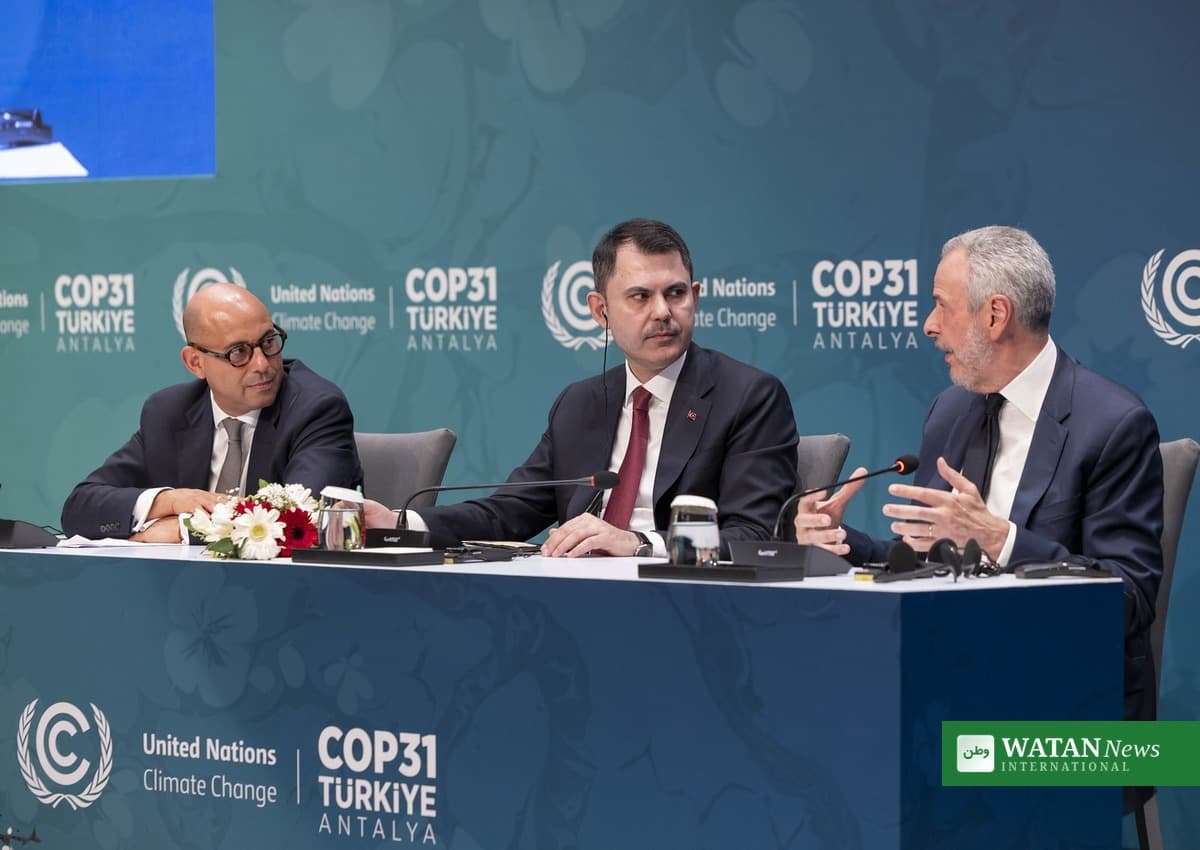
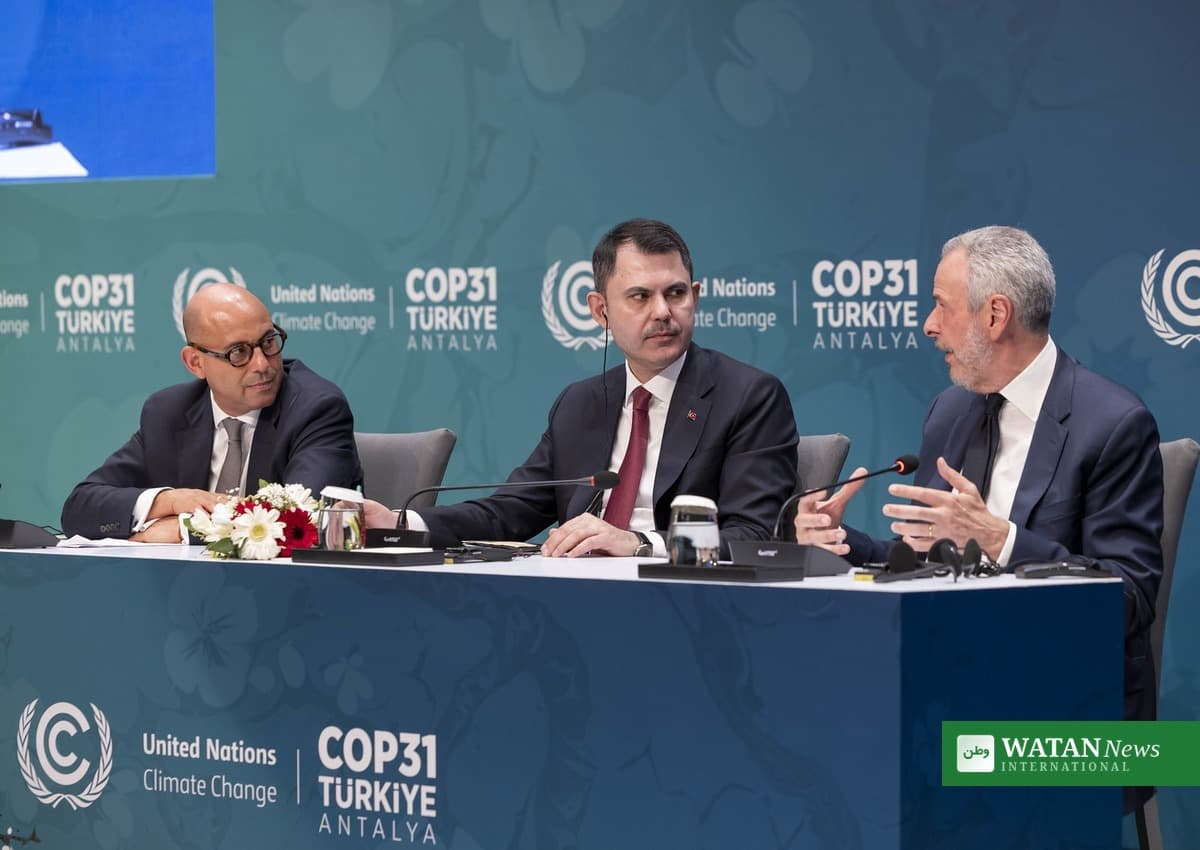
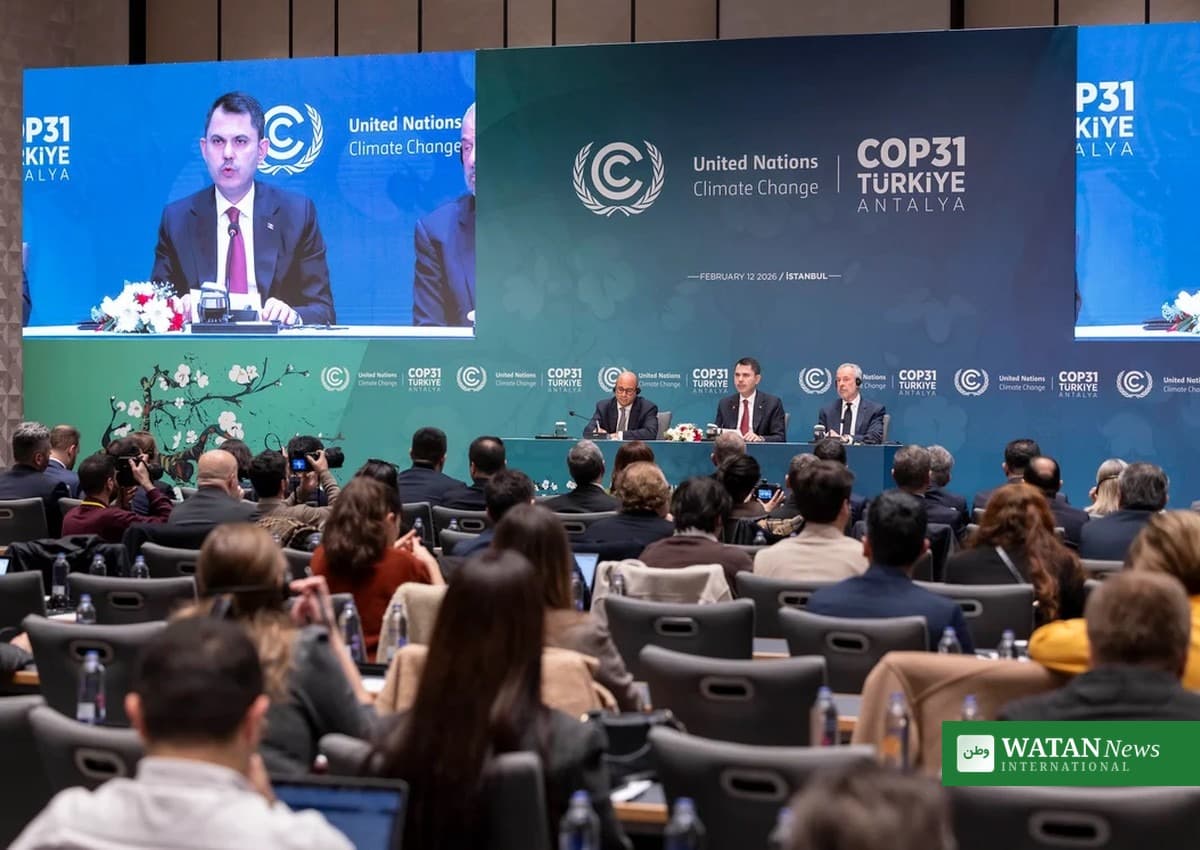
Presenting the new text on Thursday, Mr Bowen pledged to continue consultations through the night. “We won’t be leaving the rooms of Antalya until we have that consensus,” he said.
The presidencies began meeting the main negotiating groups and individual countries on Thursday afternoon, with talks expected to continue through the night and into Friday morning. The Guardian reported that Panama’s stance on the text, especially if supported by others, has the potential to upend the talks in their final hours, and that campaigners have warned the summit risks becoming what they called a “ghost COP” if the final text carries no fossil-fuel commitment.
UN Climate Change Executive Secretary Simon Stiell stressed the importance of reaching balanced outcomes across the negotiations. “Vulnerable developing countries need affordable finance and technology. Workers and communities must help to shape and be supported through major change. Across the board, we need to move far faster to meet the demands of the science,” he said.
The wider picture: action is moving, but unevenly
Away from the negotiating rooms, a new UN Climate Change Yearbook offered a mixed picture of global climate action. Its 2026 edition found that 44 of 96 indicators were moving in the right direction, while 19 showed no progress and 33 lacked sufficient data. Renewable energy capacity grew by 17 per cent between 2024 and 2025, but energy efficiency gains remained well below what is needed, and adaptation finance fell from $81.5 billion in 2022 to $64.1 billion in 2024.
At a high-level event on Thursday, the COP31 Presidency presented an electrification package supporting Türkiye’s goal of increasing electricity’s share of global final energy consumption to 35 per cent by 2035. The package brings together activities involving more than 150 countries plus the European Union, 37 cities and over 260 businesses, from expanding electricity grids to electrifying transport and industry. More than 21,000 kilometres of electricity grids were built in 2025, with annual investment plans of at least $156 billion for grids, renewable energy and storage.
Voices from the venue
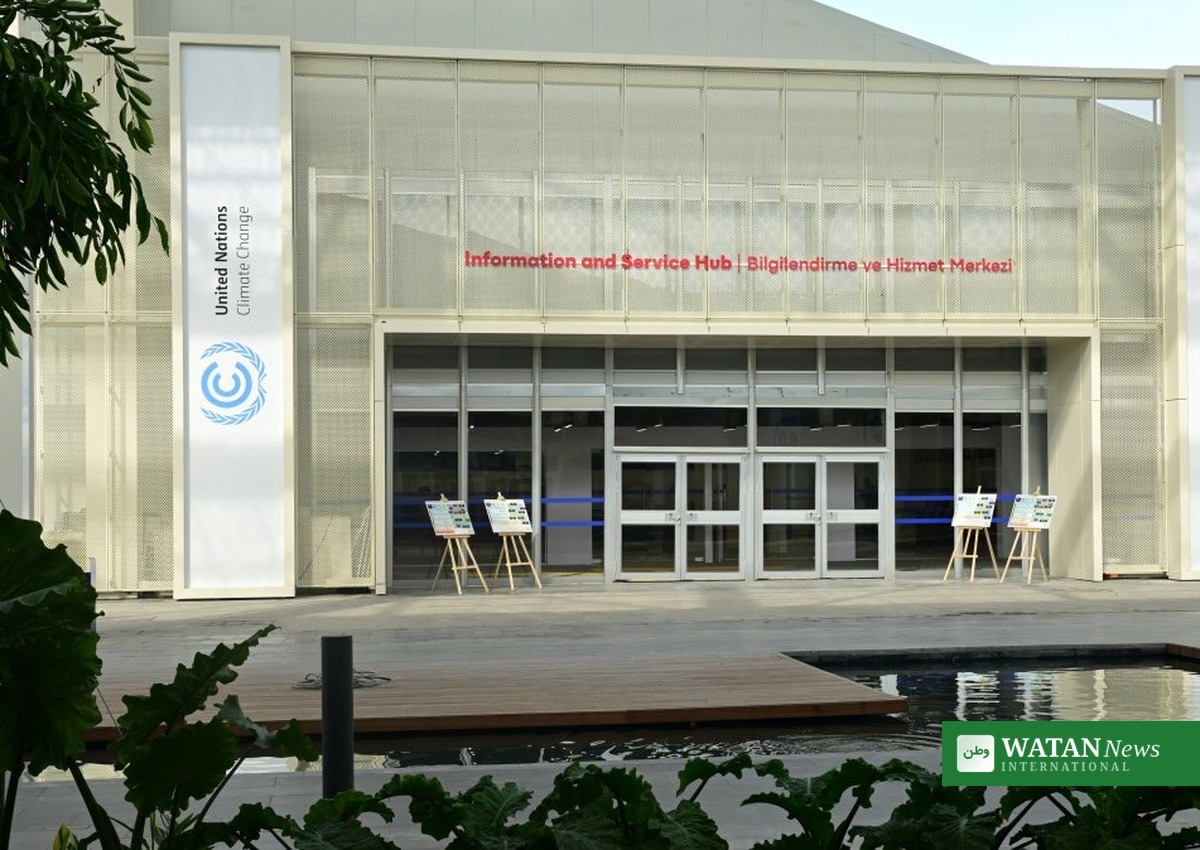
Outside the venue on Thursday morning, climate activists held up crumpled missing-cat posters. Both cats were called Ambition. “Right now, in this COP we are missing ambition,” Philippine Menager of the Ecología y Desarrollo Foundation told UN News, adding that the cats would only come home with a meaningful roadmap for moving away from fossil fuels. The campaign began at COP29, and Ambition has apparently been disappearing ever since.
Civil society groups are losing patience as the deadline approaches. “Announcements in the cover decision won’t cover up the fact that negotiations are struggling,” Teresa Anderson of ActionAid International told journalists at a press conference. “Adaptation finance is not nice to have. Adaptation is how we all survive this climate crisis together.”
FAKTA
- Final day: COP31 is scheduled to close on Friday 20 November 2026 in Antalya, Türkiye, with talks due to end at 18:00 local time.
- The draft: Thursday’s cover decision draft has 80 paragraphs over nine pages, down from 144 paragraphs over 18 pages on Monday. The word “fossil” does not appear in it.
- Adaptation finance: the draft reaffirms tripling adaptation finance by 2035 but drops the $120 billion annual figure and sets no baseline for measuring the increase.
- Electrification: the draft keeps Türkiye’s proposal to raise electricity’s share of final energy use to 35 per cent by 2035.
- Still open: finance, adaptation and just transition tracks remain unresolved; 21 issues were still open entering Thursday.
- Decision rule: the final text must be approved by all 194 delegations by consensus.
What to watch on the COP31 final day
Whether the final text restores any language on moving away from fossil fuels will decide how COP31 is remembered. Equally important is whether the finance, adaptation and just transition tracks close with numbers and mechanisms attached, rather than promises carried forward to the next summit. If the talks run past Friday evening, the closing plenary will be watched for how far the presidencies are willing to push the remaining differences — and whether the summit that began by acknowledging a 1.5°C overshoot ends by deciding that overshoot is not acceptable.