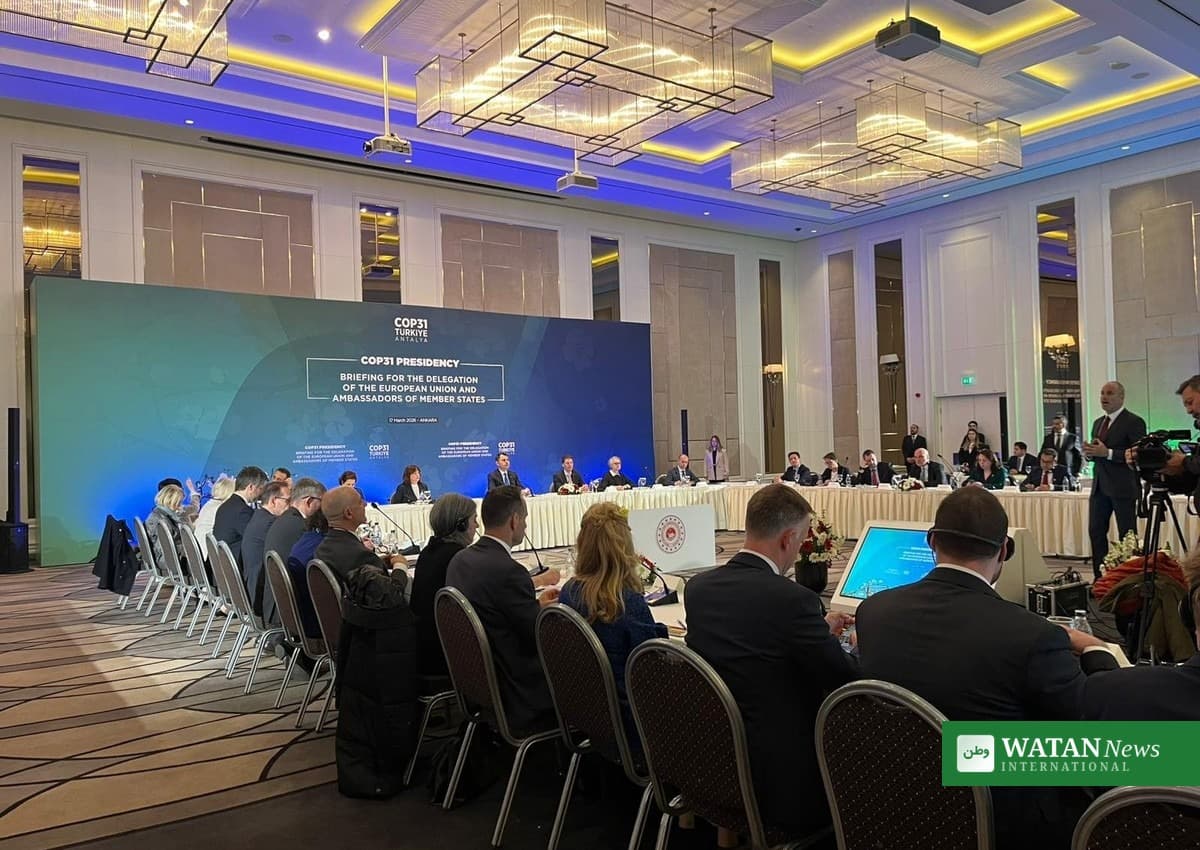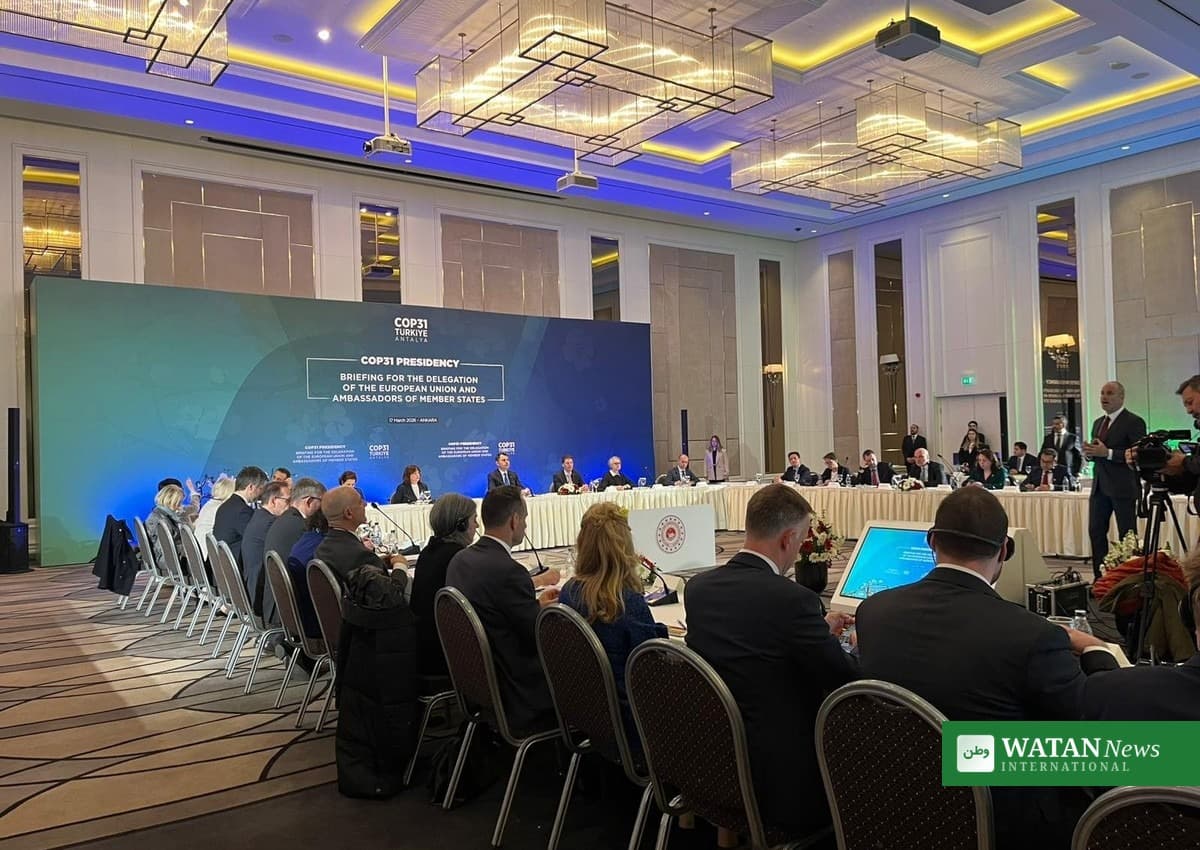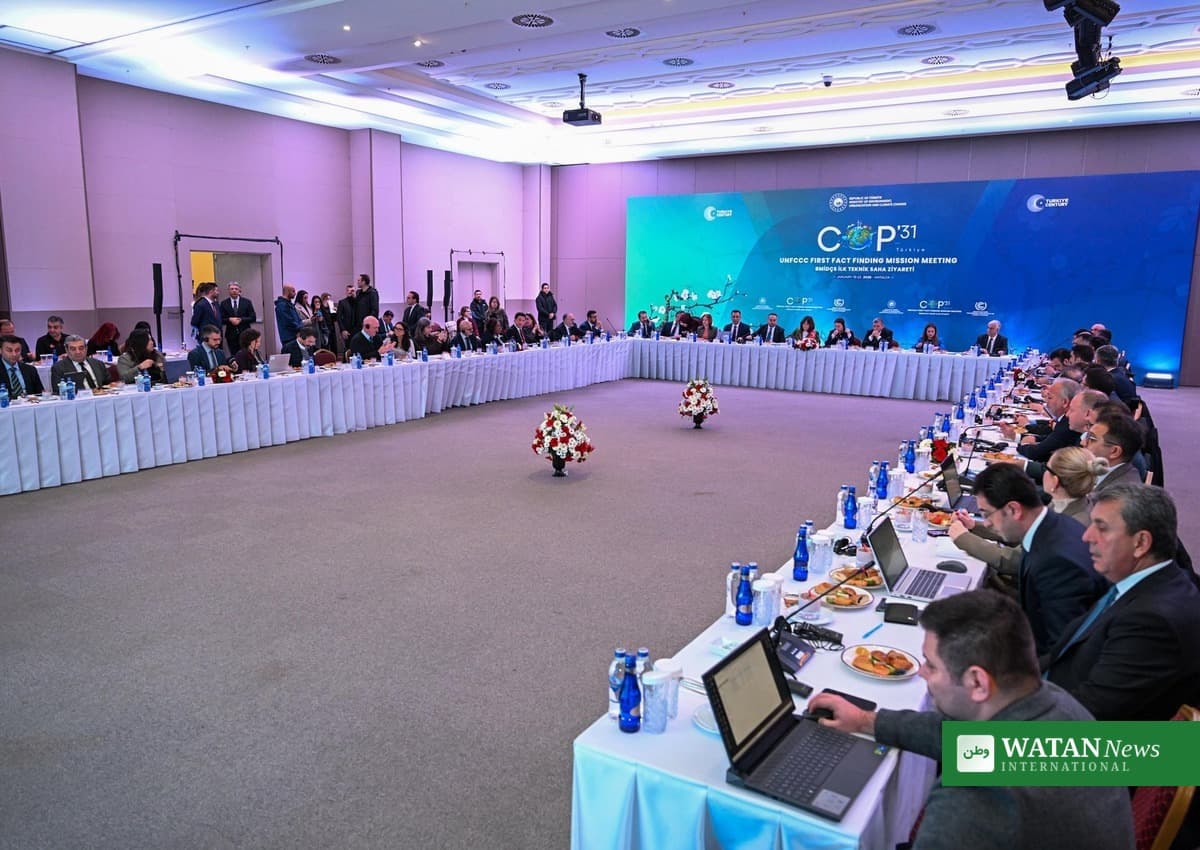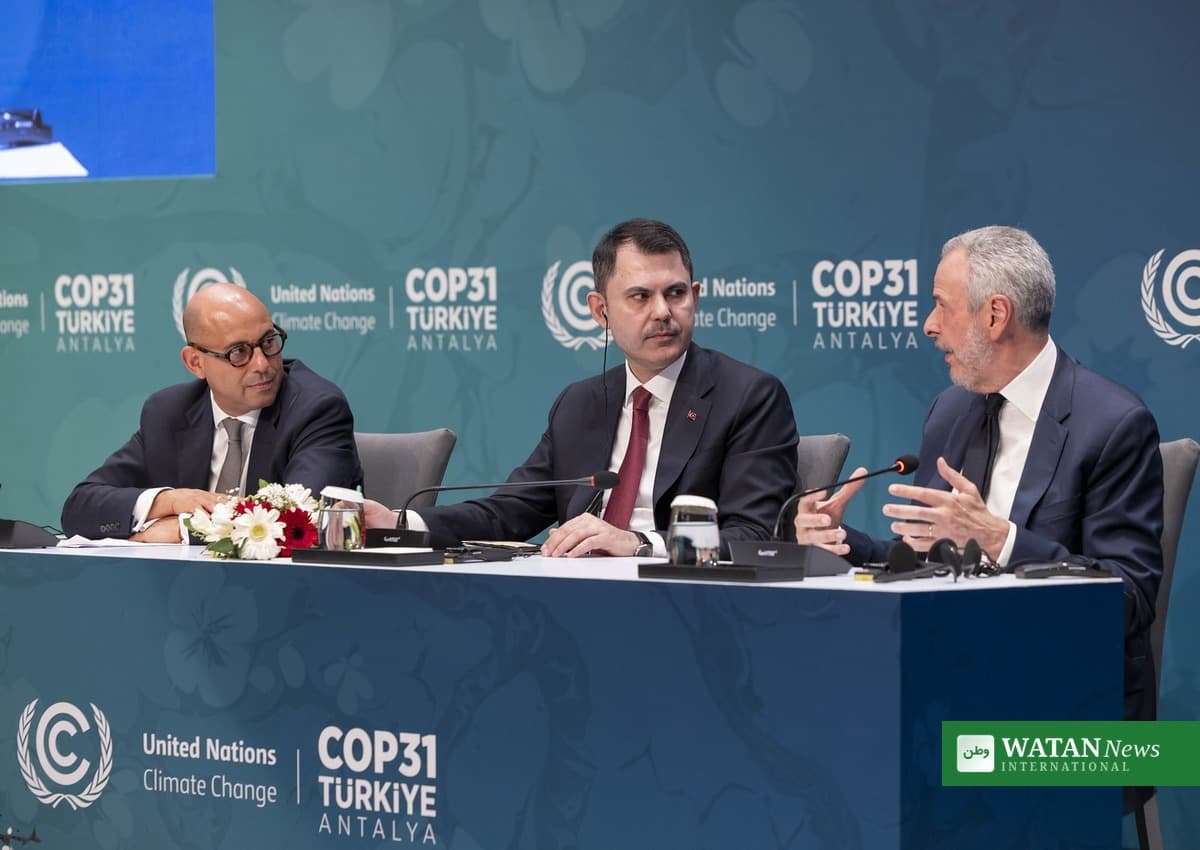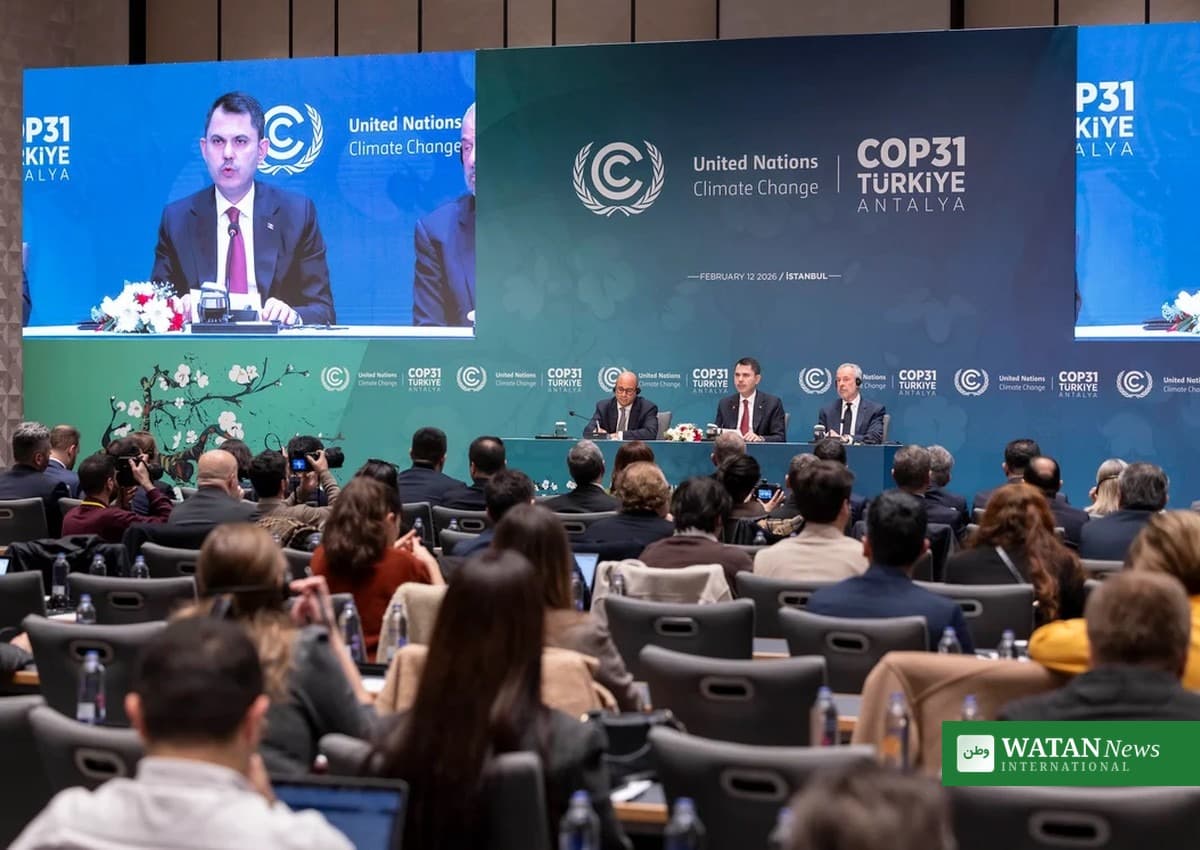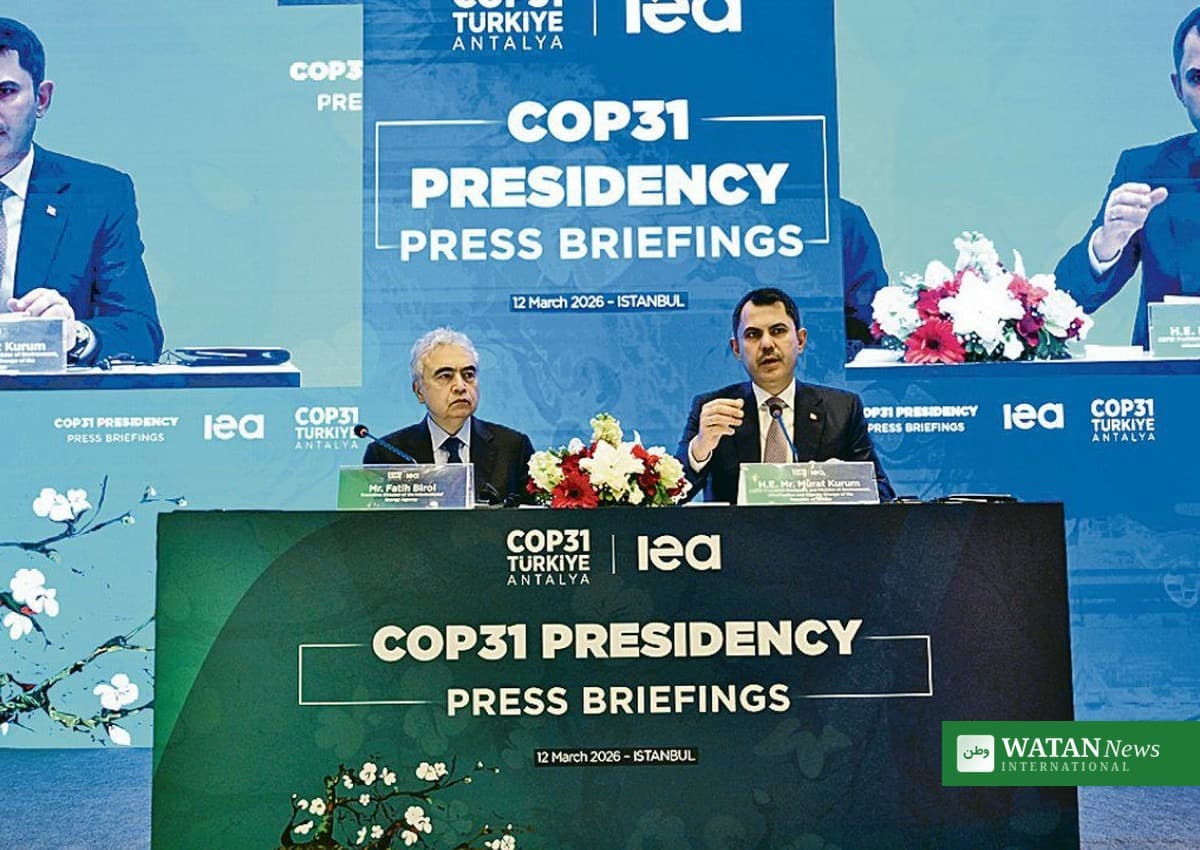
As COP31 enters its final day in Antalya, the latest draft of the summit’s political agreement has dropped proposed protections for children, and young climate advocates are calling on negotiators to put them back before the conference closes.
A comparison of the official drafts published by the UN climate body UNFCCC on 16 November and 19 November shows that child-focused provisions present in the earlier text are absent from the revised draft. The change has become one of the most closely watched tests of the summit’s final hours, alongside the dispute over fossil fuels.
What was removed from the draft
The 16 November draft contained two provisions that spoke directly to children. Paragraph 108 recognised that children and young people are disproportionately affected by climate change and invited governments to make the impacts on children a primary consideration in national climate planning and implementation.
Paragraph 110 encouraged governments and other actors to strengthen climate- and water-resilient health, education and sanitation systems to safeguard children’s access to essential services.
Neither provision appears in the 19 November revised draft, according to the comparison published by The ChariTree Foundation, a Canadian children’s environmental organisation whose founder, Andrea Koehle Jones, has been reporting from Antalya.
What the draft still says about young people
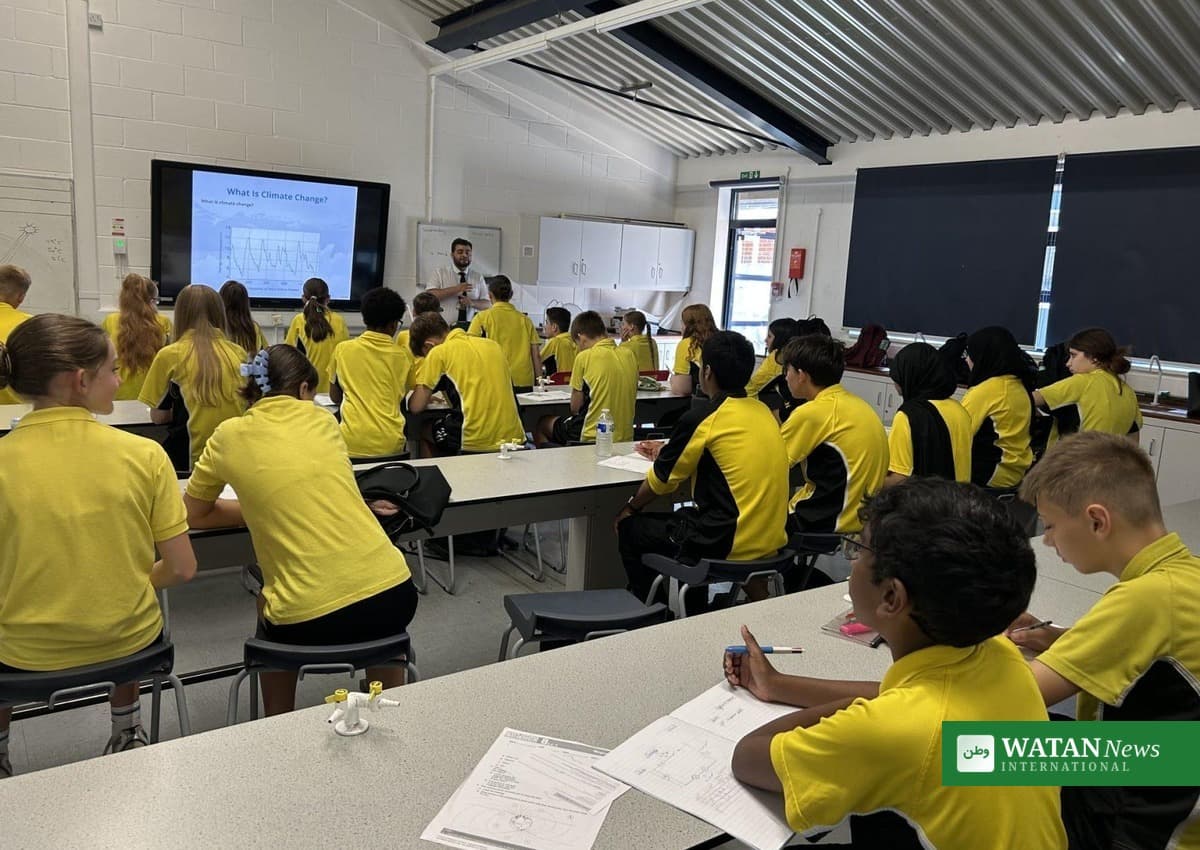
The revised draft retains language recognising the meaningful participation of children and young people in climate action. But it contains no clear commitments to accessible, inclusive climate education through formal and informal learning, and no commitment to prioritise children’s needs in national climate plans.
Young advocates at the summit say recognition without protection is not enough. “Recognising children’s voices is not the same as protecting their rights,” the ChariTree Foundation said in its report, noting that the UN Convention on the Rights of the Child already establishes children’s rights to education, health, participation and consideration of their best interests.
Why it matters: 1.1 billion children at risk
According to UNICEF’s 2026 Children’s Climate Risk Report, 1.1 billion children — nearly half of all the world’s children — face at least three overlapping climate hazards. Children are disproportionately affected by climate change because of their physical and developmental vulnerabilities, putting their health, education and futures at risk.
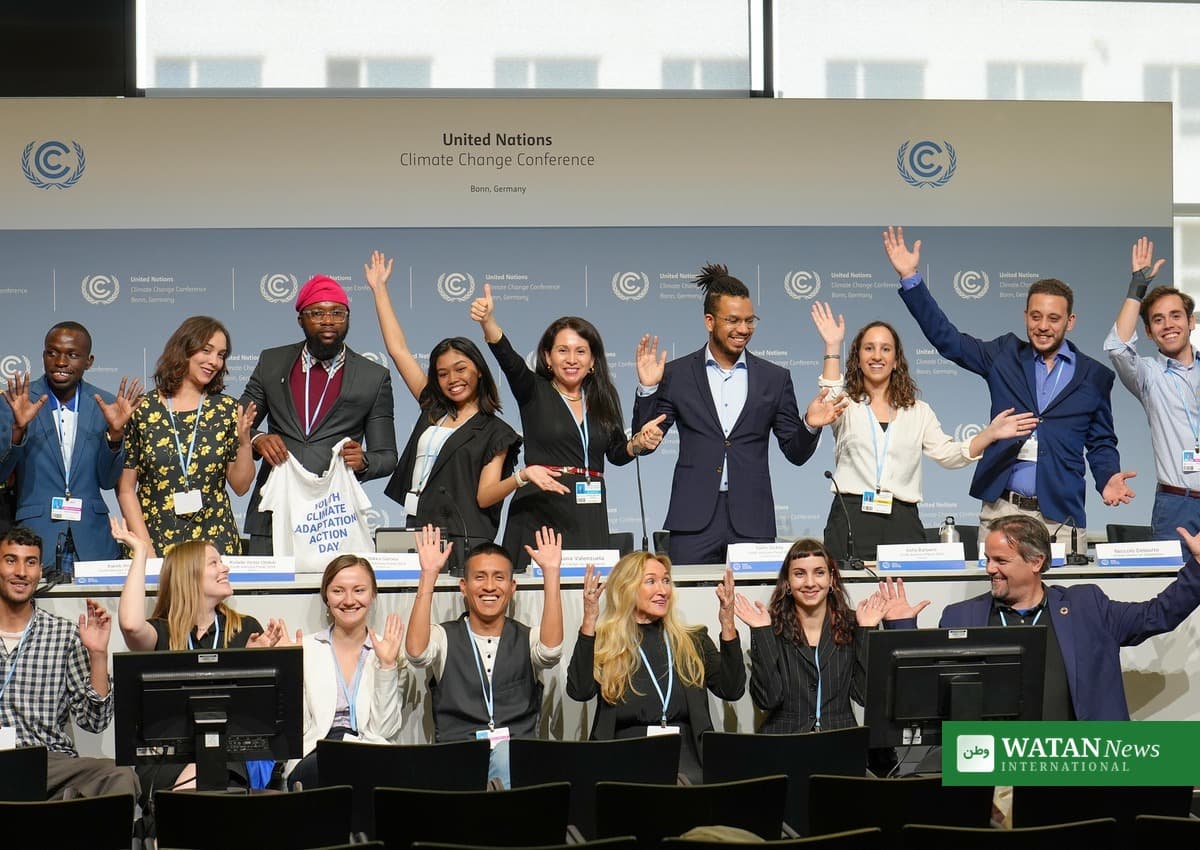
That figure was already at the centre of COP31’s discussions on children. Earlier in the conference, more than 100,000 young people from over 100 countries handed their climate demands to the COP31 Presidency through the Global Youth Statement 2026, launched at the SDG Pavilion on 12 November. And on 13 November, a new Global Framework on Children, Youth, Climate, Peace and Security was launched at COP31, co-led by the UN Population Fund and the UN Major Group for Children and Youth, with Germany, Ireland, the Democratic Republic of Congo, the United Arab Emirates, Sri Lanka and Madagascar among its first signatories.
Young people respond: “Give us reasons to have hope”
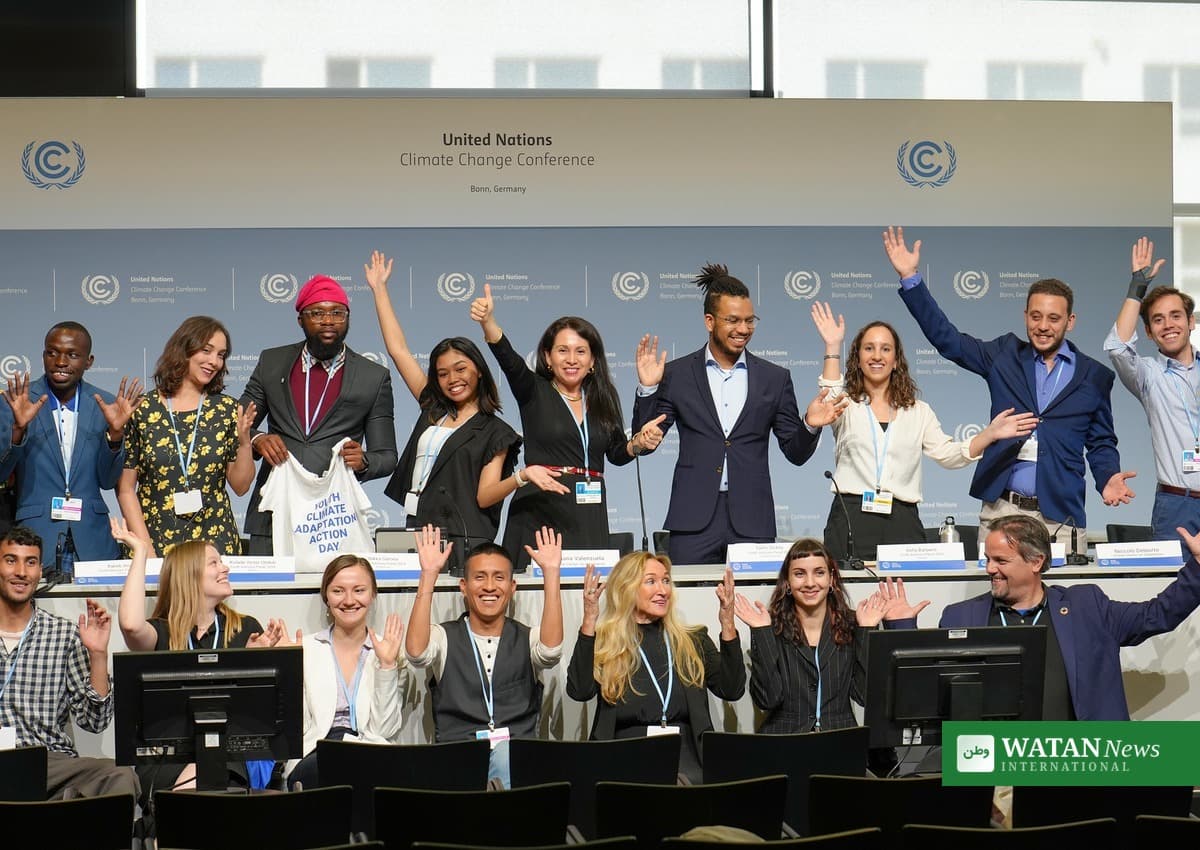
Young advocates interviewed at COP31 described a mix of determination and frustration. Nazya Ürek, 22, a UNICEF Innocenti Youth Fellow from Türkiye and national coordinator of Türkiye’s Climate Envoys Platform, spoke at the COP31 Presidency’s Action for Climate Empowerment event on 16 November.
“The science is already clear, what we need now is a generation that understands it, believes in it and acts on it,” she said. She added: “Young people do not need to be told simply to remain hopeful. We need to be given reasons to have hope.”
Joshua Steib, 23, a UNICEF Senior Fellow from Germany, put it more plainly: “For me, hope is much more about what we actually do.”
On Wednesday, young people from the Global South demonstrated inside the conference venue, urging governments to preserve language calling for accelerated action to phase out fossil fuels. The demonstrators, from Latin America, the Caribbean and Southeast Asia, also called for grant-based finance, a transition plan with defined dates and measurable interim targets, and greater participation by women, young people and Indigenous peoples.
“This draft opened a door we have been asking to open for years,” said Juan David Amaya, founder of Life of Pachamama and a co-organiser of the demonstration. “What we are asking negotiators is not to close it in the final hours.”
The wider picture on the final day
The children’s provisions are not the only language to disappear from the draft. As reported on COP31’s final day, the 19 November draft also dropped explicit references to moving away from fossil fuels, while reaffirming the goal of tripling adaptation finance by 2035 and leaving crucial details for further discussion.
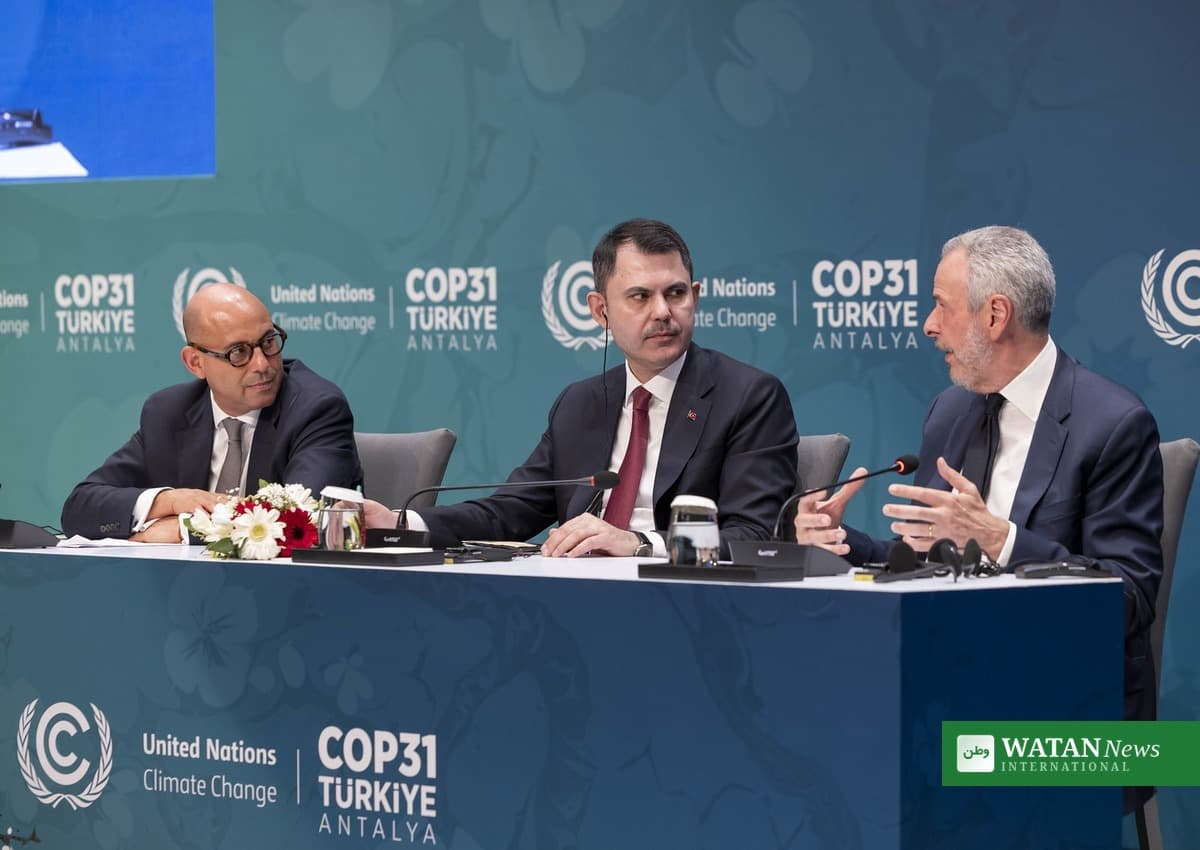
Chris Bowen, Australia’s climate minister, who is leading the negotiations, pledged to continue consultations through the night. “We won’t be leaving the rooms of Antalya until we have that consensus,” he said at a press conference presenting the text.
As negotiations continue, young advocates are asking governments to restore the removed provisions: reaffirm recognition of children’s disproportionate vulnerability, prioritise their best interests in national climate planning, protect their access to education, health care and essential services, and invest in climate-resilient schools and inclusive climate education. They also want adequate child-responsive climate finance and credible action to reduce emissions and move away from fossil fuels.
Whether those asks survive the final hours will be decided before COP31 closes on Friday, 20 November.
FAKTA: Children’s protections at COP31 at a glance
- What happened: The COP31 draft cover decision released on 19 November 2026 no longer contains the child-focused provisions that were in the 16 November draft.
- What was removed: Recognition that children are disproportionately affected by climate change, and a call to strengthen climate-resilient health, education and sanitation systems for children.
- What remains: Language recognising the meaningful participation of children and young people — but no clear commitments on climate education.
- Scale of the risk: 1.1 billion children face at least three overlapping climate hazards, according to UNICEF’s 2026 Children’s Climate Risk Report.
- Deadline: COP31 is scheduled to close on Friday, 20 November 2026 in Antalya, Türkiye.