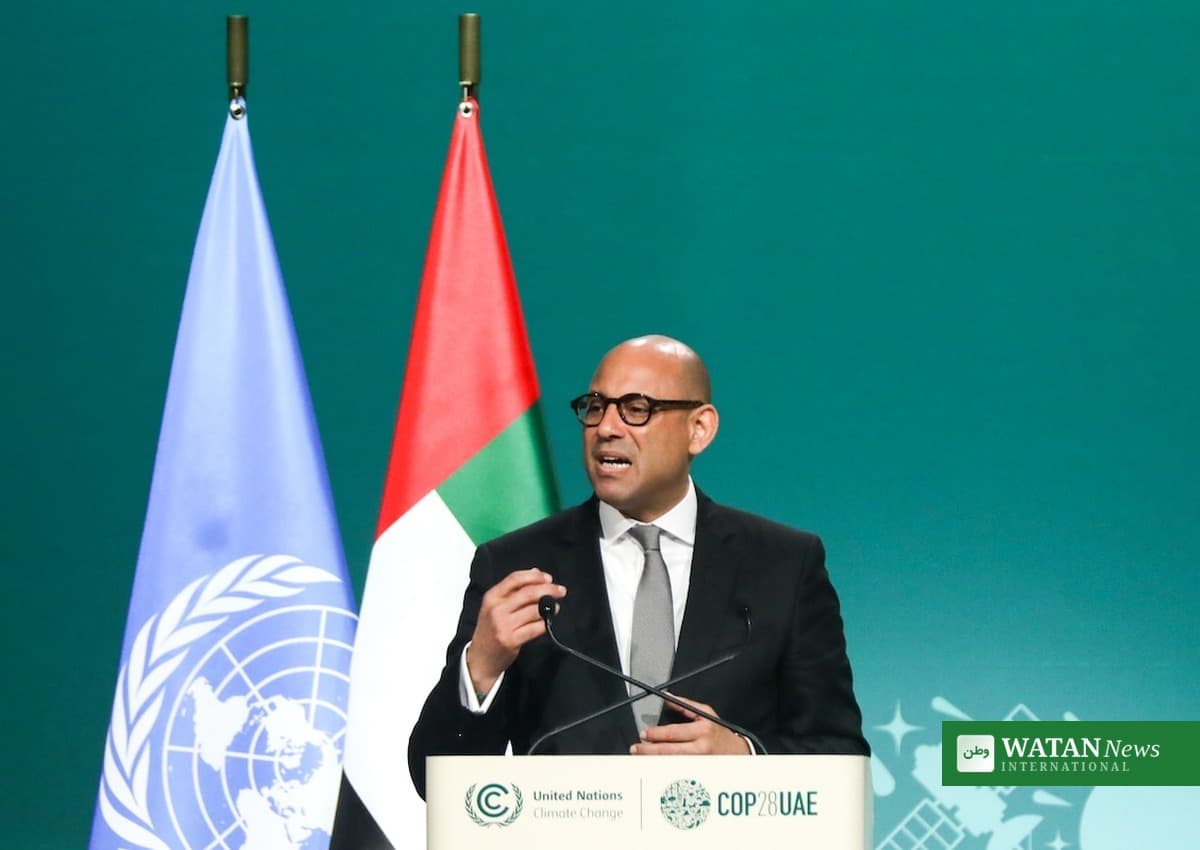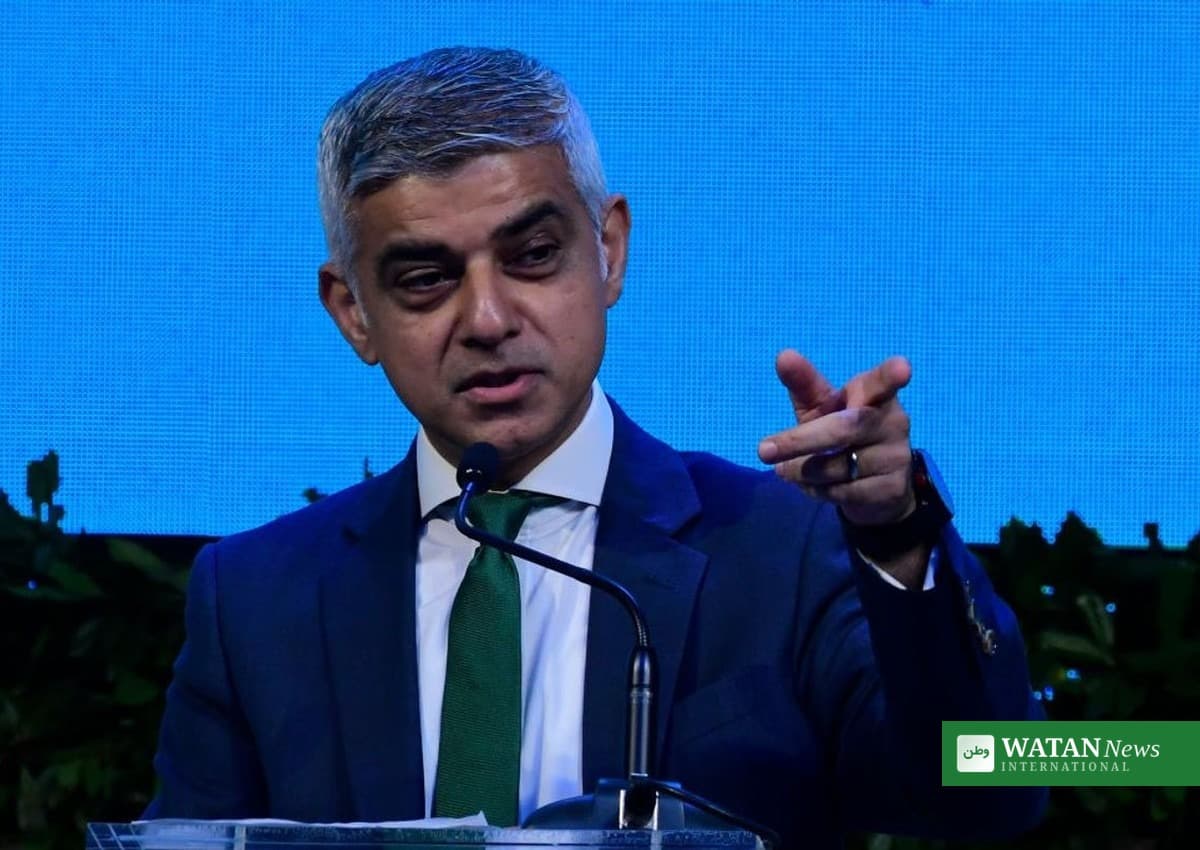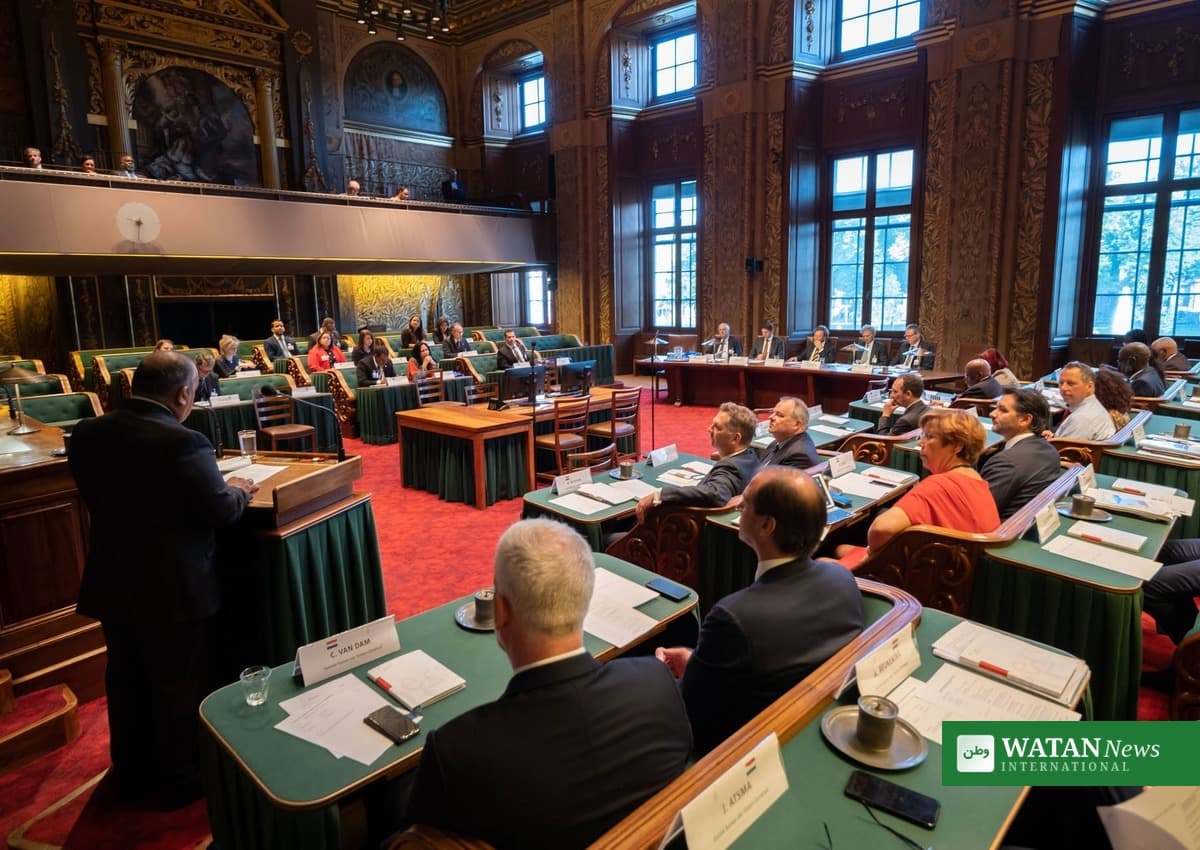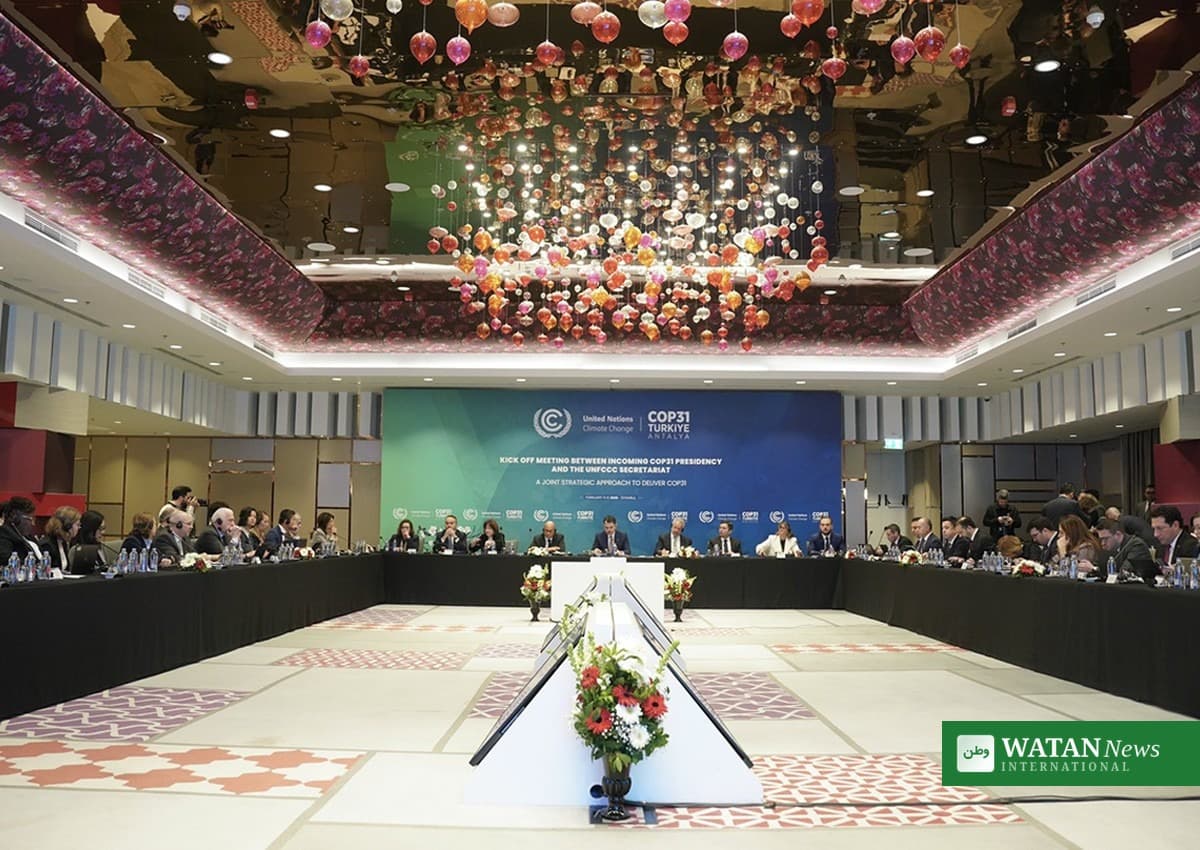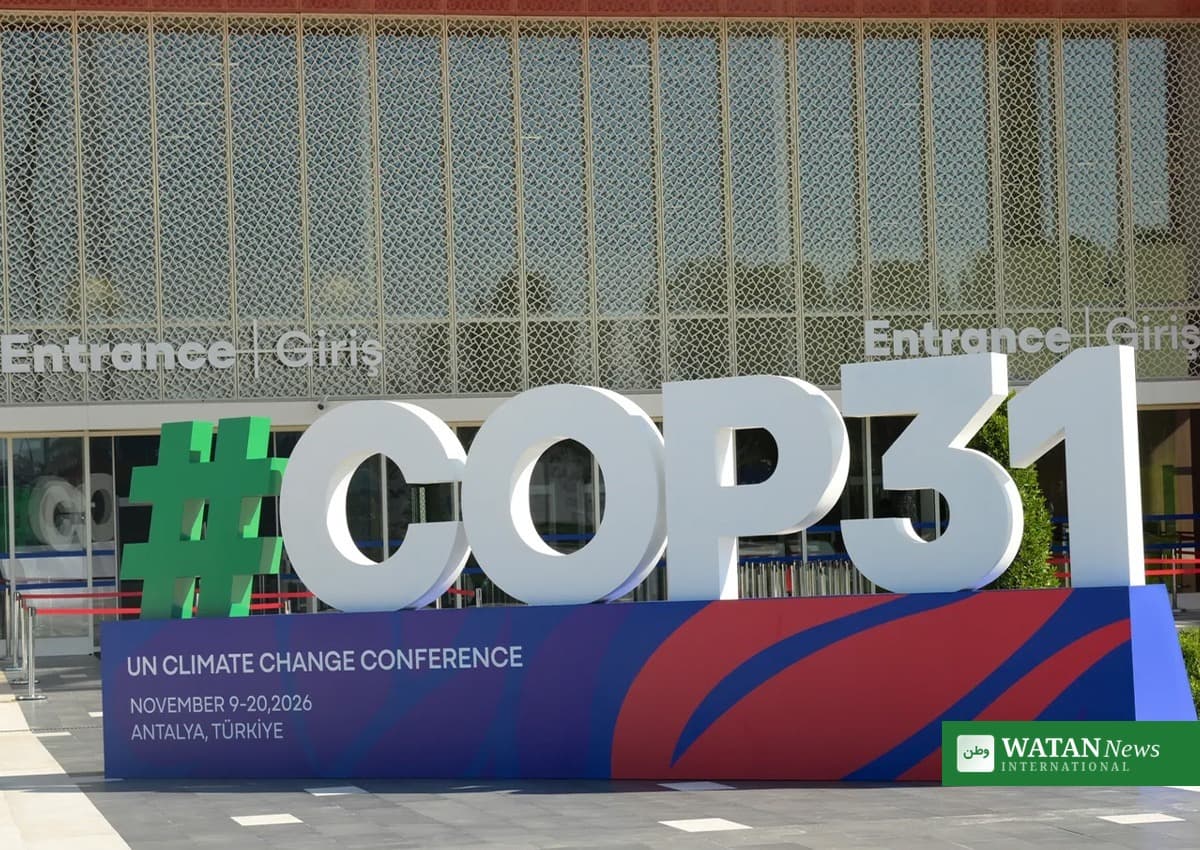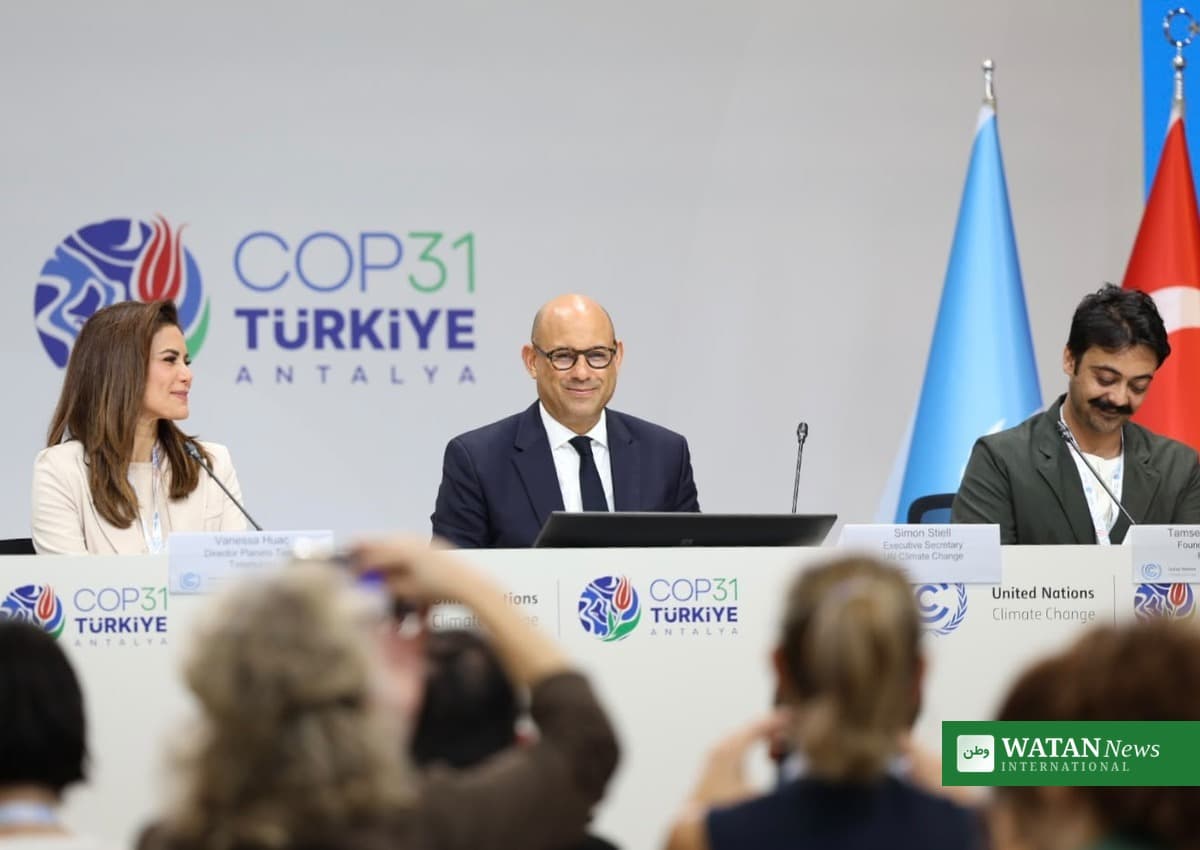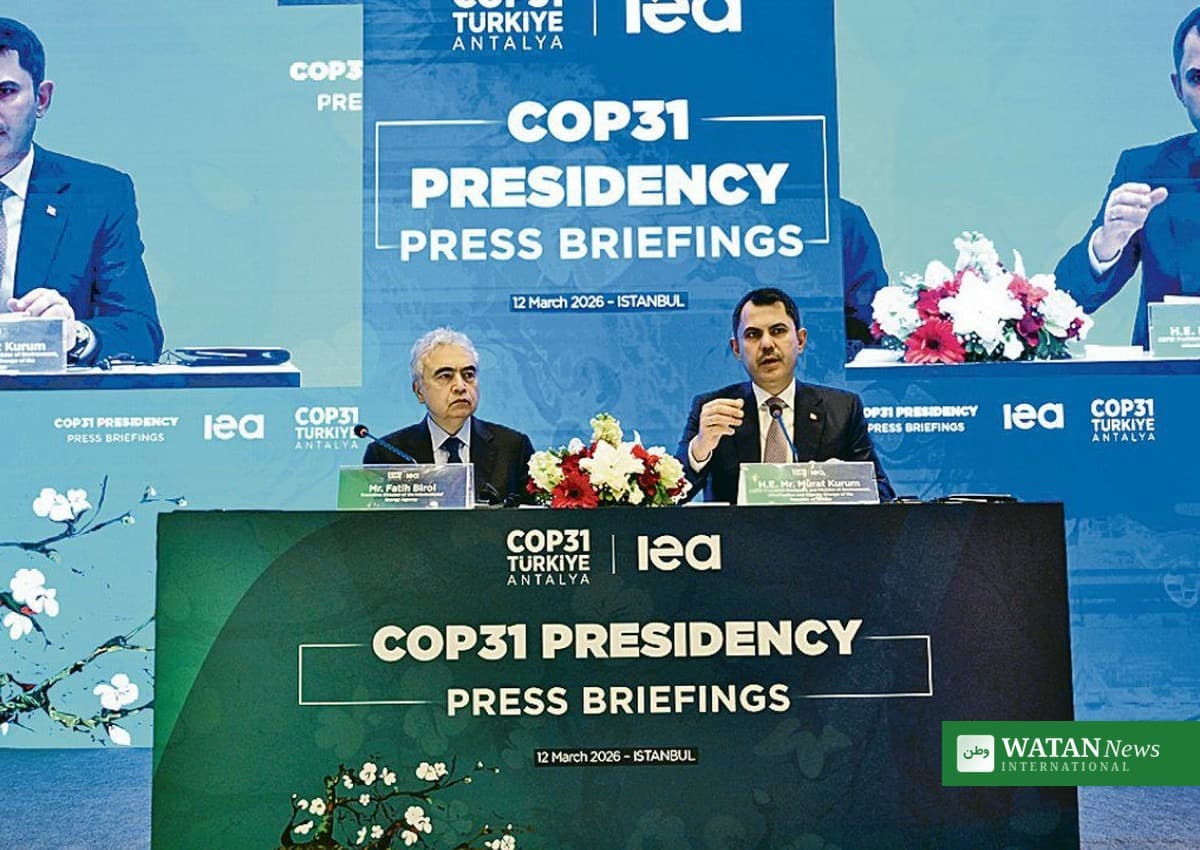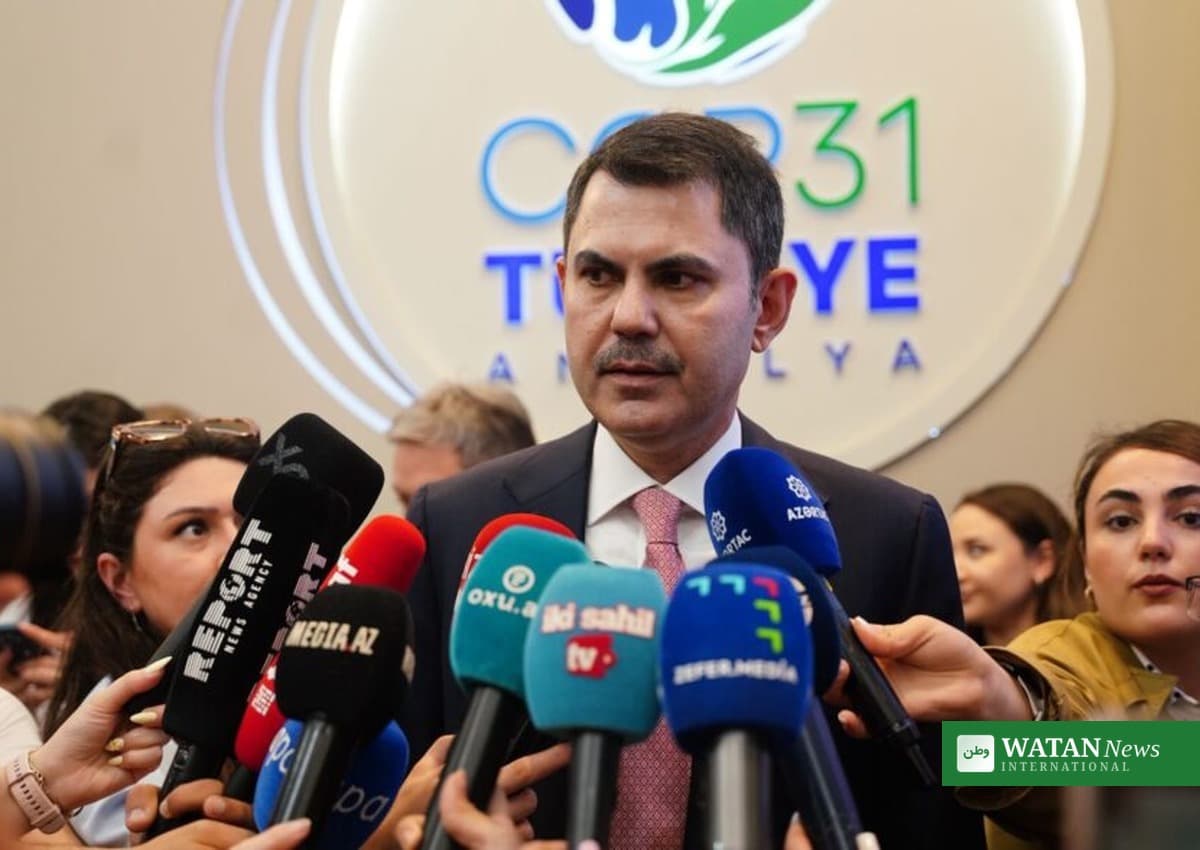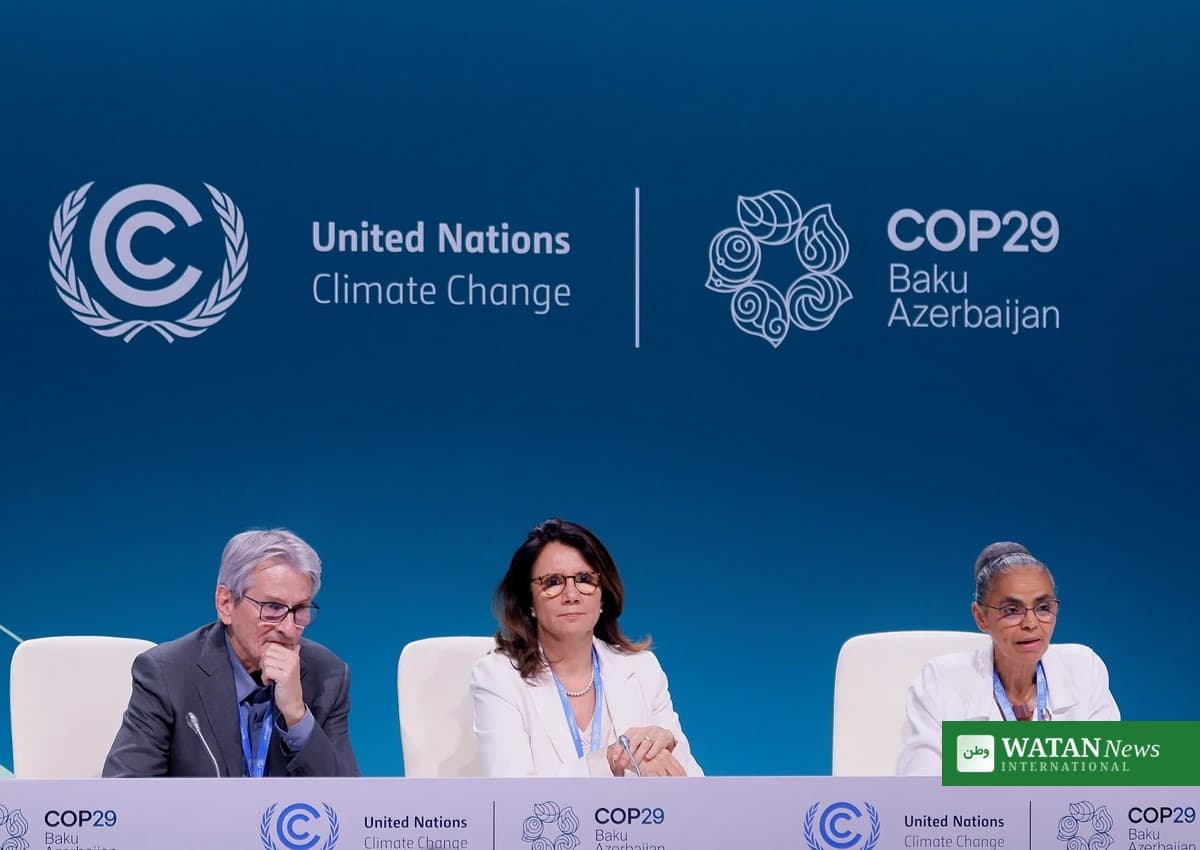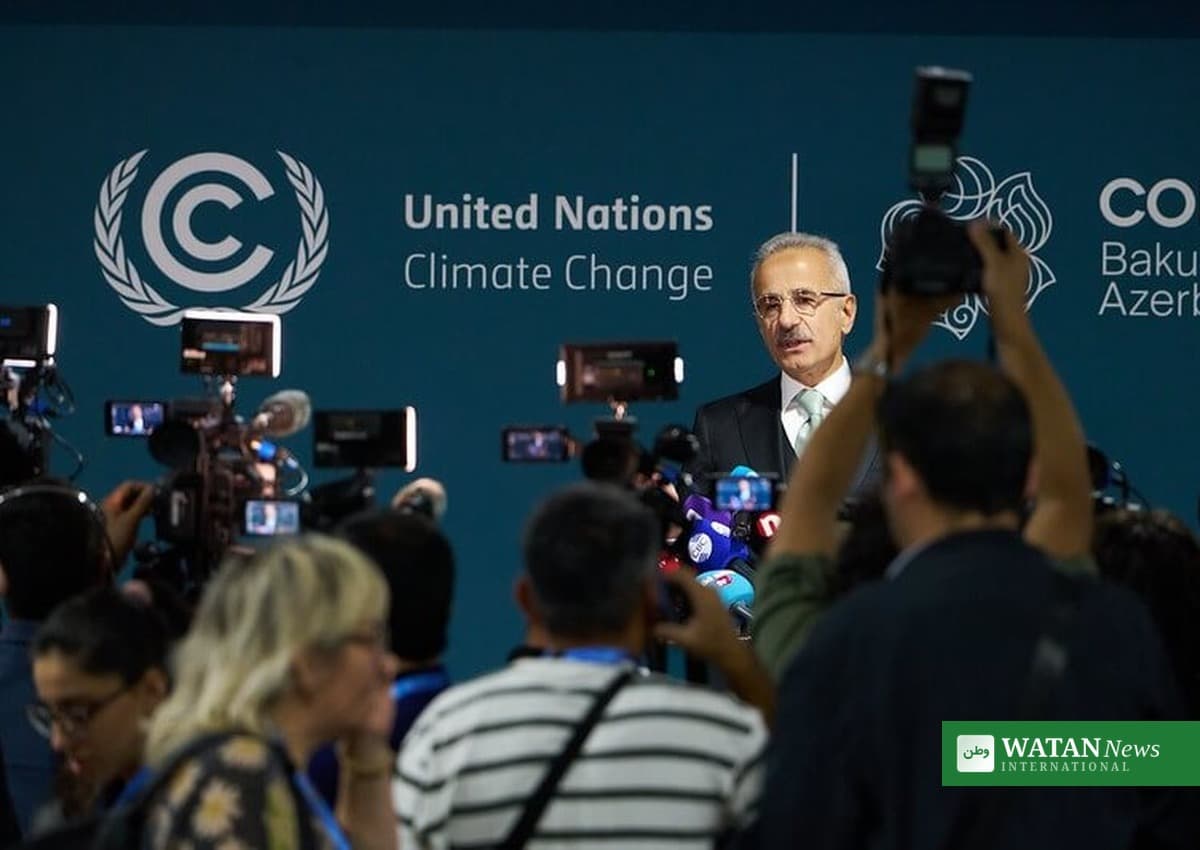
This is an explainer. At COP31 in Antalya, the formal negotiations are only part of the story. Around the negotiating rooms, a growing corps of climate ambassadors — government envoys, youth delegates and citizen champions — is carrying climate demands into meetings, pavilions and public events, and several of them have already shaped the first week of the conference.
There is no single job description for a climate ambassador. Some are appointed government envoys who sit in the negotiations. Some are young delegates carrying written demands from thousands of their peers. Others are citizen volunteers who run climate action where they live. What they share is a role that official delegations cannot always fill: speaking for people and places that cannot be in the room, and carrying the negotiations back home once the conference ends.
What is a climate ambassador?
A climate ambassador is, in the simplest sense, a person chosen or recognised to represent a climate cause, a community or a country in the climate debate. The title covers very different roles. A government climate ambassador leads or joins a national delegation and helps shape negotiating positions. A youth climate delegate brings the priorities of young people into the talks. A citizen ambassador, such as those in the European Climate Pact, volunteers to inform and inspire climate action in their own community.
The role matters because climate negotiations are technical and distant for most people. Ambassadors translate them in both directions: they bring lived experience — of drought, flooding, lost harvests or polluted air — into the conference halls, and they explain what was decided to the communities that must live with the outcome.
The citizen ambassadors: Europe’s 1,000-strong Pact
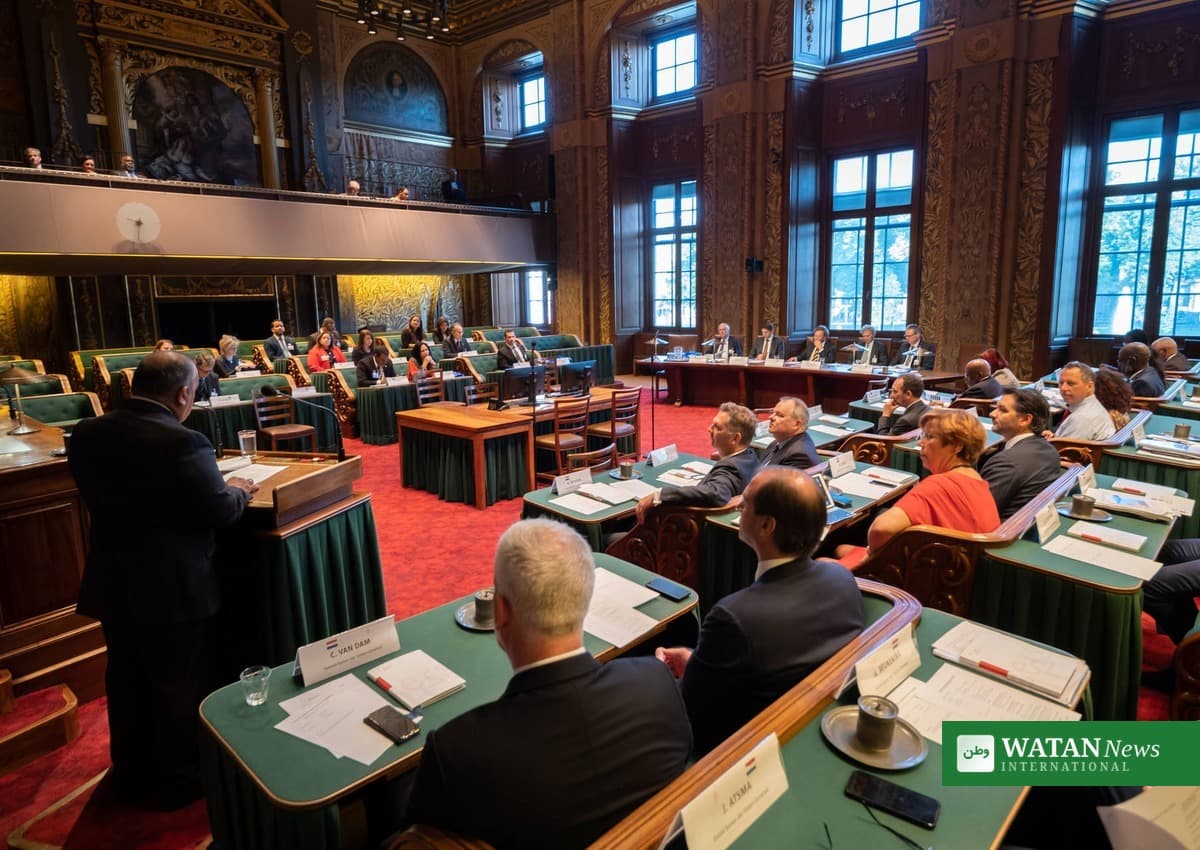
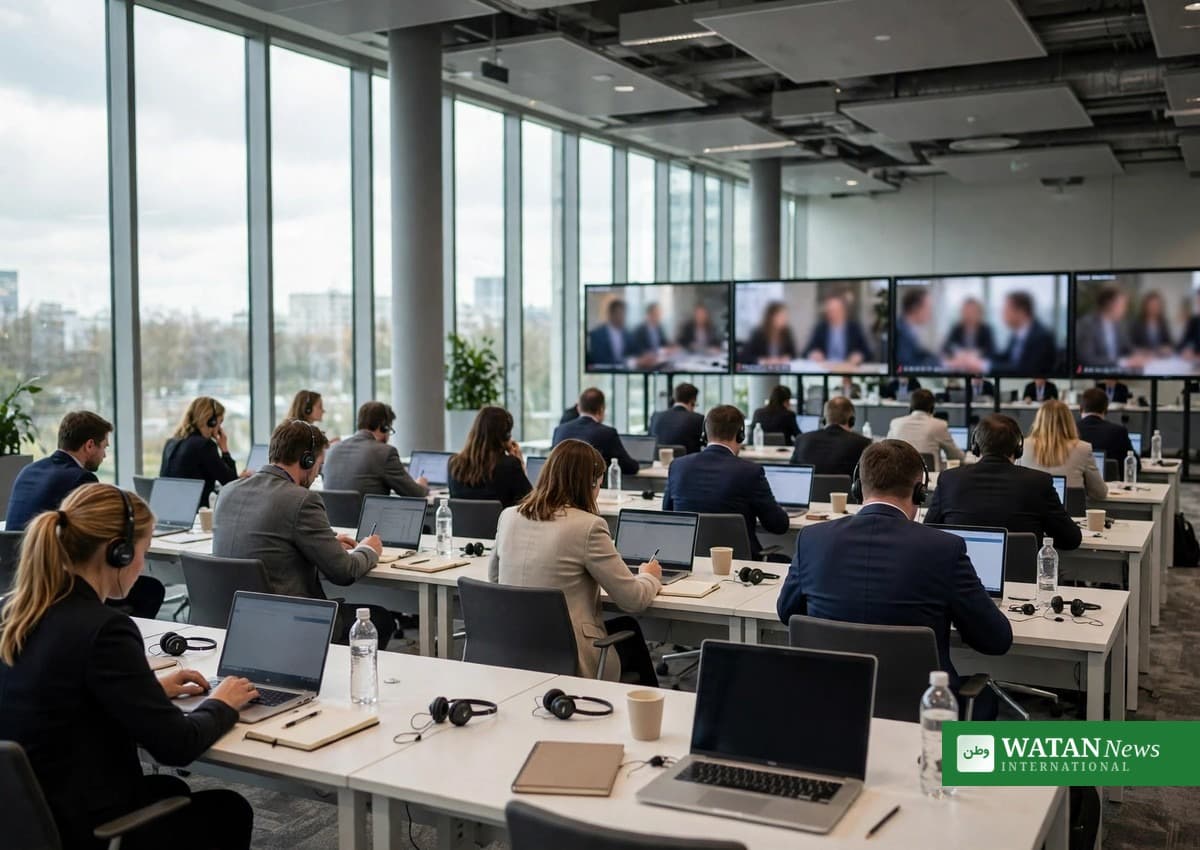
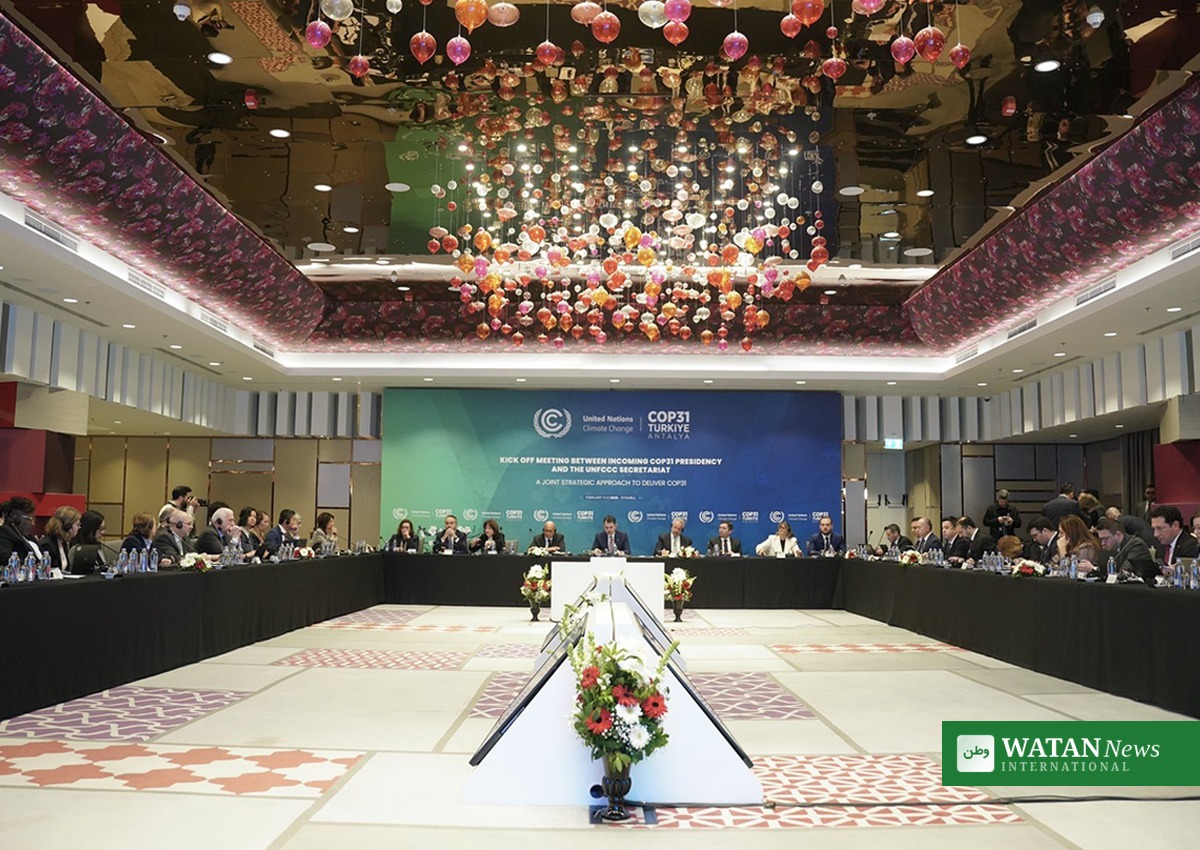
The clearest example of the citizen model was on show at COP31 itself. On Thursday 12 November 2026, the European Union hosted the session “European Climate Pact in practice — Citizens turning COP31 ambition into climate action” at the conference in Antalya, from 18:00 to 20:30, held in hybrid form at COP31 and on YouTube.
The speakers showed how broad the ambassador idea has become: Andrea Briones, a research assistant on energy and climate at the Elcano Royal Institute in Spain; Mark Skljarov, founder and chief executive of WasteLocker and a European Climate Pact Ambassador for Estonia; Elle Hadil, an FS Ambassador and founder of Gemini & Co. from the United States and the Middle East; and Lydia Cumiskey, a research fellow at the Sustainability Institute at University College Cork and a European Climate Pact Ambassador for Ireland. The discussion covered citizen engagement, environmental initiatives, education and entrepreneurship, including the role of communication in encouraging participation and addressing disinformation.
The European Climate Pact is a community of more than 1,000 ambassadors, together with dozens of partner organisations. According to the European Commission, ambassadors commit to informing, inspiring and supporting climate policy and action in their communities and networks. They act in their personal or professional capacity, not on behalf of the Commission. The Pact’s 2026 call for new ambassadors closed on 31 October 2026; applicants receive answers in November or December, and the new ambassadors will be confirmed in early 2027.
The government envoys in Antalya
Alongside the citizen ambassadors, government envoys have been among the most visible figures of the first week. On 12 November, British Prime Minister Andy Burnham announced at COP31 the appointment of Dame Madeleine Alessandri as the United Kingdom’s first special representative for climate security — a world first. Alessandri, a former chair of the Joint Intelligence Committee and former Deputy National Security Adviser, will work to embed climate and nature loss as national security risks in planning and foreign policy. Burnham told the summit that “climate is a national security issue”. Watan News reported the appointment in full: UK Appoints Dame Madeleine Alessandri as World’s First Climate Security Envoy at COP31.
Other countries have brought their own envoys to Antalya. Sweden’s delegation is led by its chief negotiator and Climate Ambassador Mattias Frumerie. South Korea’s Ambassador for Global Climate and Environment, Kang Kum-sil, attended the conference as a special presidential envoy. Antigua and Barbuda’s Climate Ambassador, Ruleta Camacho Thomas, accompanied Prime Minister Gaston Browne to the World Leaders Summit. Watan News covered these envoys during the leaders’ segment: Climate Ambassadors Take Centre Stage as COP31 Leaders’ Summit Continues in Antalya.
Ambassadors from small island states have used their standing to press the urgency of the science. Ambassador Ilana Seid, Permanent Representative of Palau to the United Nations, speaking during the COP31 Small Island Developing States preparatory meeting on 5–6 November, said the UN Environment Programme’s Limiting Overshoot Report — which warns that global temperatures are set to pass 1.5°C in the coming years — “must be a wake-up call and above all a call to action”. Palau currently chairs the Alliance of Small Island States.
On 14 November, the Organization of Islamic Cooperation took part in a high-level COP31 event on using disaggregated demographic data in climate policy, organised with SESRIC and the United Nations Population Fund. Ambassador Aftab Ahmad Khokher, the OIC’s Assistant Secretary-General for Science and Technology, said integrating such data is essential for inclusive climate policies, particularly for vulnerable people including women, children, older persons and persons with disabilities.
The backdrop to all of this work is stark. Opening COP31, the President of the UN General Assembly, Khalilur Rahman, noted that total carbon emissions hit a record 42 billion tonnes last year, that the twelve warmest years ever recorded are the last twelve, and that the world is on track for 2.8°C of warming against the Paris Agreement’s 1.5°C promise. He said science demands emission cuts of 45 per cent by 2035 and the addition of some 1,200 gigawatts of renewable capacity every year.
The youth ambassadors carrying declarations
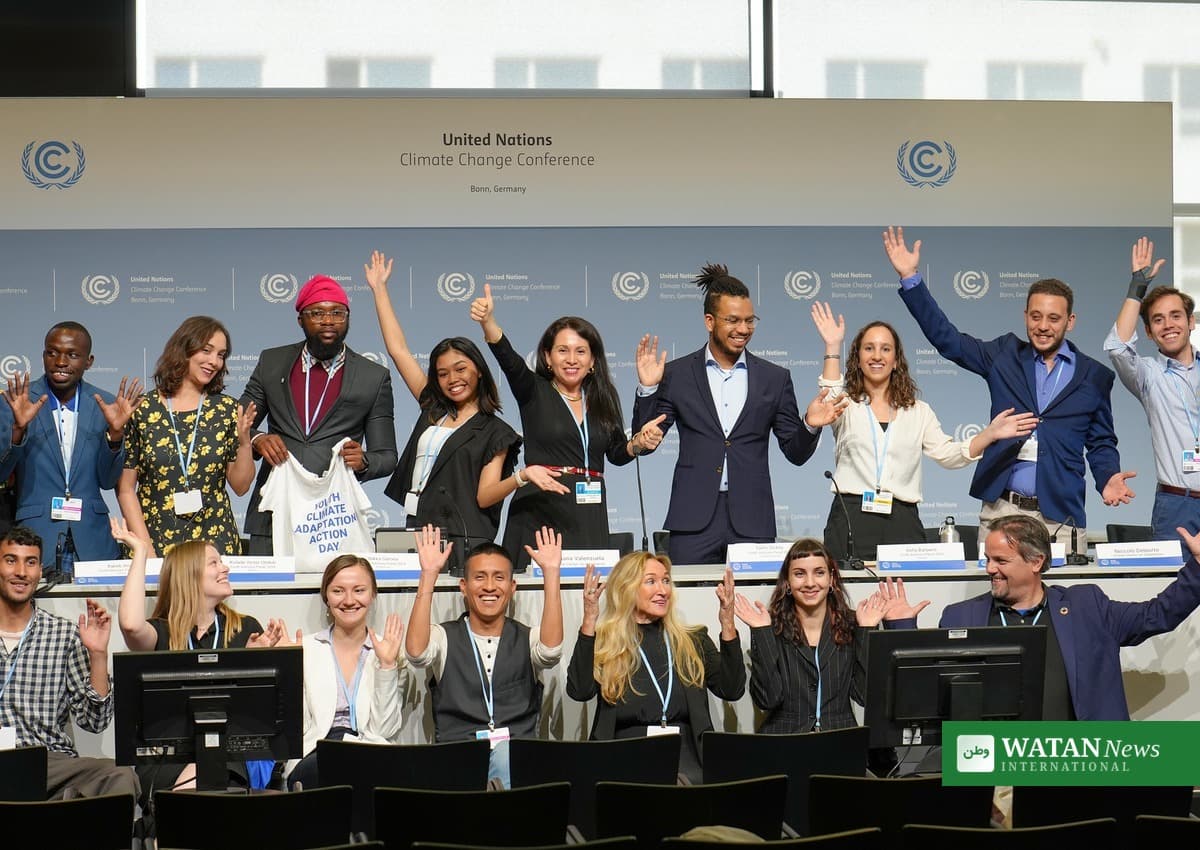
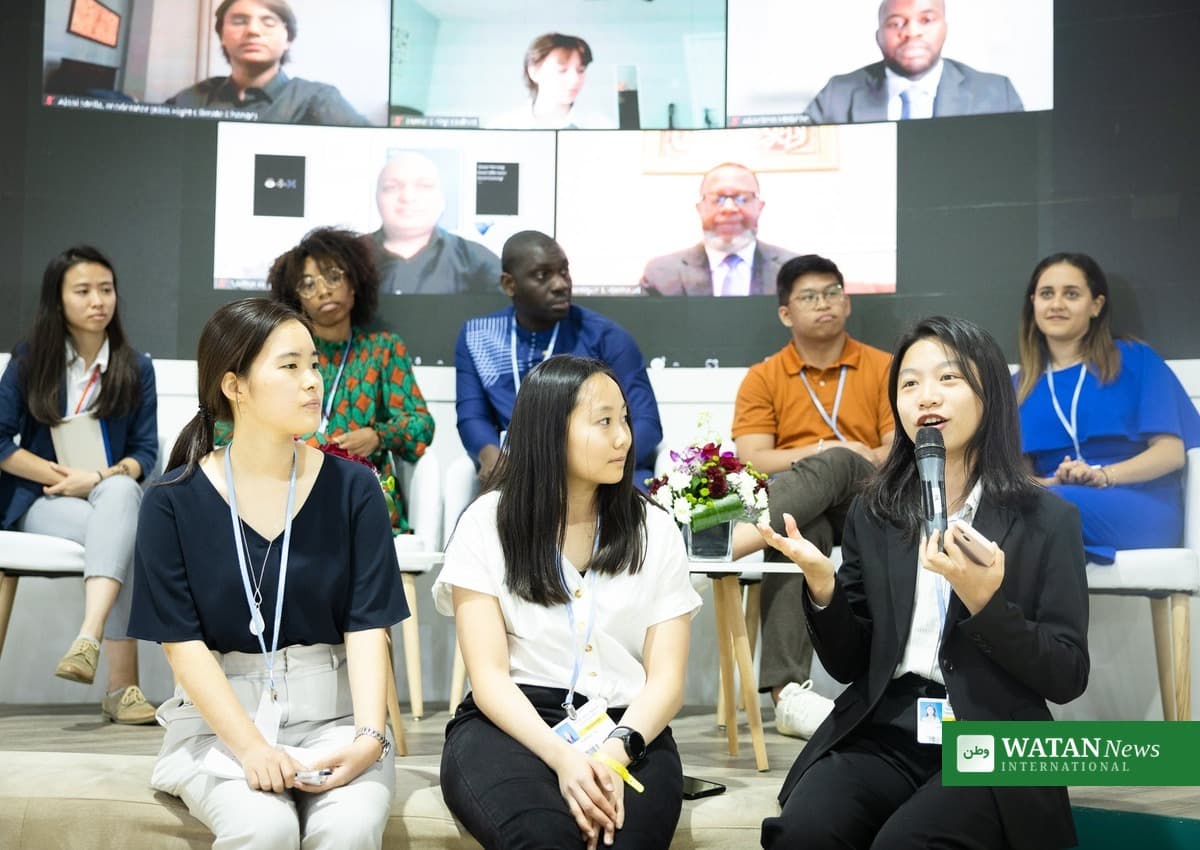
Young ambassadors have been among the most organised voices at COP31. The Children and Youth Pavilion, in its fifth year the only fully youth-led space at the conference, is represented by ten spokespeople aged 14 to 31. It opened with Sally Higgins, the COP31 Presidency Youth Climate Champion, and Marcele Oliveira, the COP30 Presidency Youth Climate Champion, in attendance.
Behind the spokespeople are written demands. The Global Youth Statement 2026 brings together the priorities of more than 100,000 young people from more than 100 countries, gathered through local conferences of youth and agreed at COY21 in Antalya on 5–7 November. It was presented to the COP31 Presidency, to Chris Bowen as President of Negotiations and to Sally Higgins, and it will be formally presented again at the close of COP31.
Plan International’s Global Youth Ambassadors, aged 16 to 24 and from eight countries, issued their own COP31 Youth Declaration on 16 October 2026, with three demands: gender-responsive adaptation, a resourced climate-education plan, and a just transition with opportunities for girls — plus a vision for 2035.
Other young people reached Antalya through simulation. The COP31 Simulation Programme, run by the British University in Egypt and the UN Development Programme, brought together 150 students from 43 countries and 115 universities in Cairo; on 1 October they voted on a COP31 Simulation Declaration setting out their proposed solutions, which is expected to be presented at COP31. Luxembourg’s Climate Youth Delegates, Josephine Loschetter and Alexander Feil, appointed in March 2026, joined their country’s national delegation and take part in the official negotiations.
One of the week’s most striking moments belonged to a 15-year-old. Hlelolwenkhosi Nsibandze of Eswatini, a World Vision Child Ambassador, became the first child delegate invited to address the usually closed meeting of the African Group of Negotiators, after speaking at the launch of the Hungry Futures Index 2.0 on 11 November. Watan News reported his story here: Eswatini’s 15-Year-Old Child Ambassador Takes Children’s Hunger Fight to COP31 Negotiators.
What to watch next
The ambassador story at COP31 is not finished. On Tuesday 17 November, from 13:00 to 13:50, Plan International Australia holds its flagship COP31 event, “The Tide Remembers: Pacific Stories of Loss, Damage and Gender Justice”, at the Moana Pavilion. Moderated by Angelica Ojinnaka-Psillakis, National Ambassador for Plan International Australia, it will share findings from Pacific community dialogues with 53 community groups across Kiribati, Fiji, Solomon Islands and Bougainville, where 83 per cent of groups reported disrupted seasons and more than half reported climate-related disruptions to children’s schooling.
Plan International is asking COP31 for climate finance that reaches girls — including a new five-year Australian commitment of 11 billion Australian dollars — a dedicated mandate on children and climate change, and scaled-up loss and damage funding. Its figures underline the gap: the Fund for Responding to Loss and Damage has received 176 requests worth around 2.8 billion US dollars, against just 342 million US dollars currently allocated.
Further ahead, the European Climate Pact will confirm its new ambassadors in early 2027, and the Global Youth Statement will be formally presented as COP31 closes on 20 November. Ambassadors do not negotiate the final text. But they decide, in part, who that text is written for — and whether anyone beyond the conference halls is listening.
Key facts
- More than 1,000 European Climate Pact Ambassadors form the Pact’s citizen network, with dozens of partner organisations.
- More than 100,000 young people from more than 100 countries shaped the Global Youth Statement 2026.
- 150 students from 43 countries and 115 universities wrote the COP31 Simulation Declaration in Cairo.
- Ten spokespeople, aged 14 to 31, represent the Children and Youth Pavilion at COP31.
- 5,000 girls aged 15 to 24 in five countries were surveyed for Plan International’s Change Her Forecast report.